

Canon EF 300mm f/2.8 L USM (non-IS): review and field test of a legendary lens

Released in November 1987, the Canon EF 300mm f/2.8 L USM marked a decisive turning point in the history of sports photography. As the first fast-aperture super-telephoto in the EF lineup, it signaled a new era for professional photographers. Here is a look back at a lens that changed the game, and that still proves useful today, even on Nikon Z mirrorless bodies!
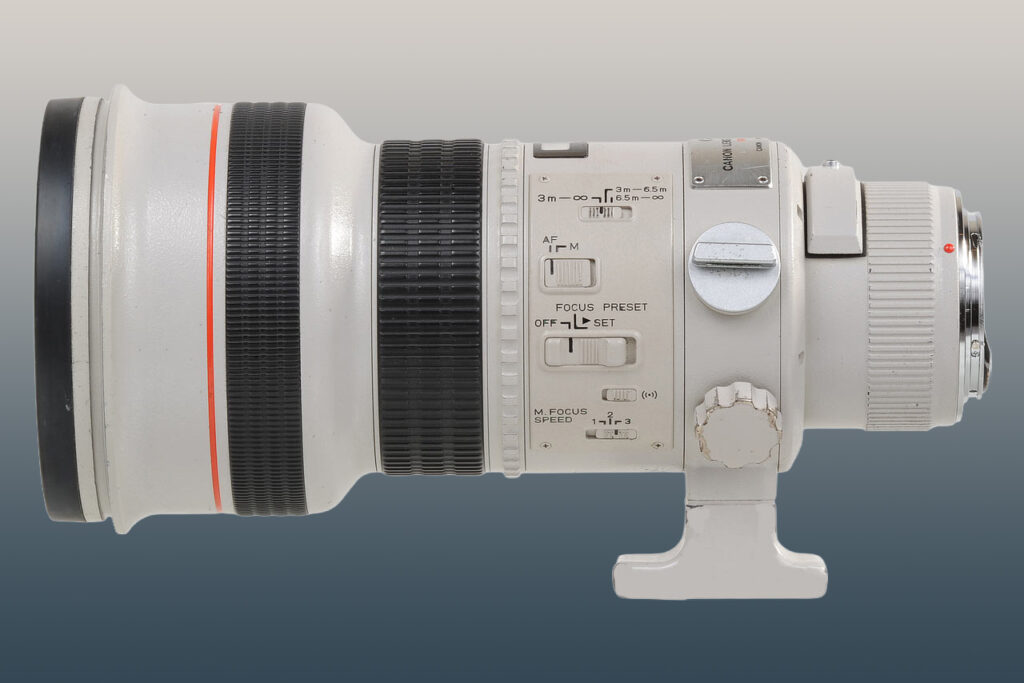
Historical context and Canon’s revolution
In 1987, the Canon EF 300mm f/2.8 L USM could only be used on EOS 600 or 620 bodies, which were still considered amateur-level. But with the arrival of the Canon EOS-1 in 1989, a thoroughly professional body, Canon reshuffled the hierarchy in sports photography. Nikon then offered the F4, still equipped with an autofocus that was slow and imprecise, or a NIKKOR 500mm f/4 Ai-P IF-ED, manual focus, while Canon won over professionals thanks to an ultra-fast AF driven by the USM motor.
As a result, Canon captured the majority of the pro market. A typical sports photographer’s kit then included two EOS-1 bodies with booster, a 20-35mm f/2.8 zoom, an 80-200mm f/2.8 with noticeable vignetting, a 50mm f/1.8 to fill the gap, and of course a 300mm f/2.8 or a 400mm depending on the discipline.
Technical specifications
| Focal length | 300 mm |
| Maximum aperture | f/2.8 |
| Minimum aperture | f/32 |
| Minimum focusing distance | 3 m |
| Maximum magnification | 1:9.09 |
| Optical construction | 10 elements in 8 groups |
| Number of diaphragm blades | 8 |
| Angle of view | 8.2° |
| Autofocus type | USM (Ultrasonic Motor) |
| Weight | 2855 g |
| Filter diameter | 48 mm (drop-in) |
| Mount | Canon EF |
| Release date | November 1987 |
Optical design
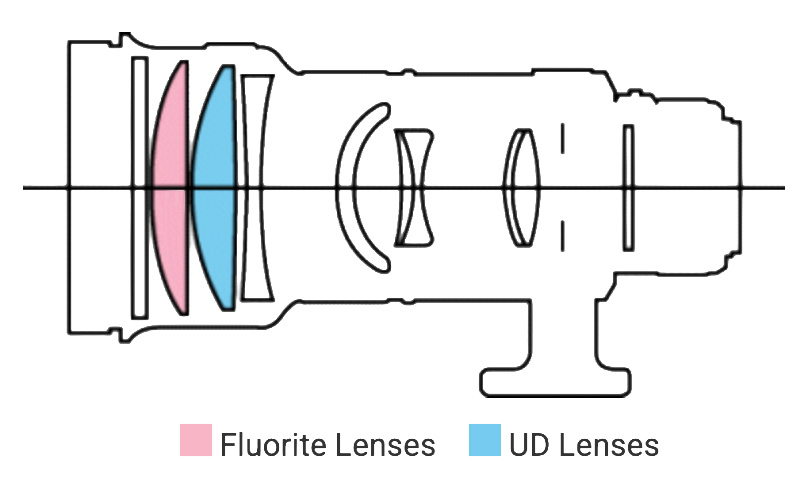
The 300mm f/2.8 L USM optical design incorporates artificial fluorite and UD glass to eliminate chromatic aberrations, ensuring a sharp, contrasty image without color fringing. The MTF charts available at the time showed excellent performance wide open, with high contrast and fine resolution all the way to the edges.
A must-have tool for professionals
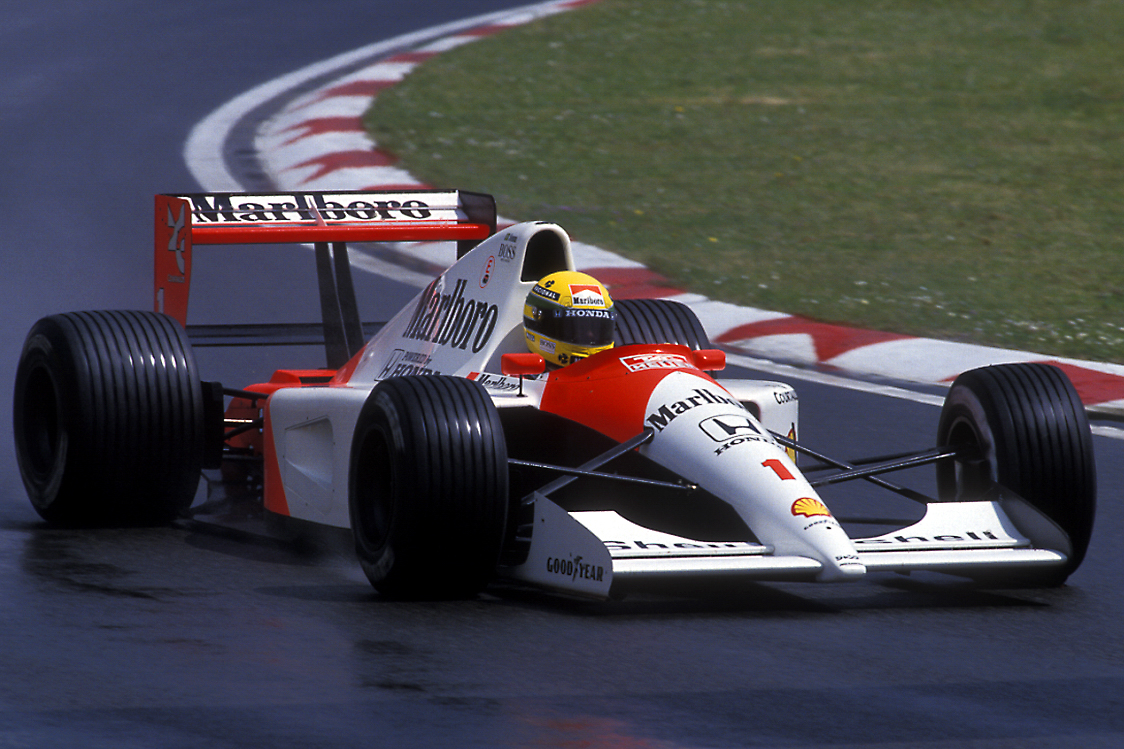
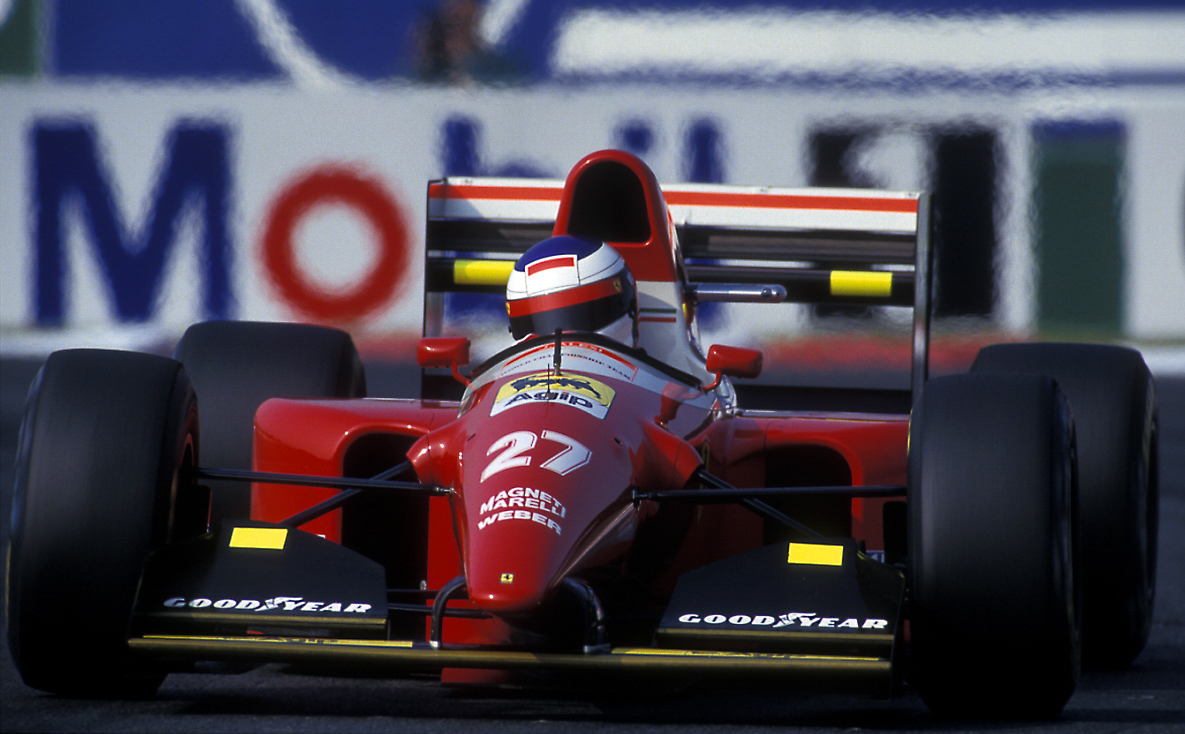
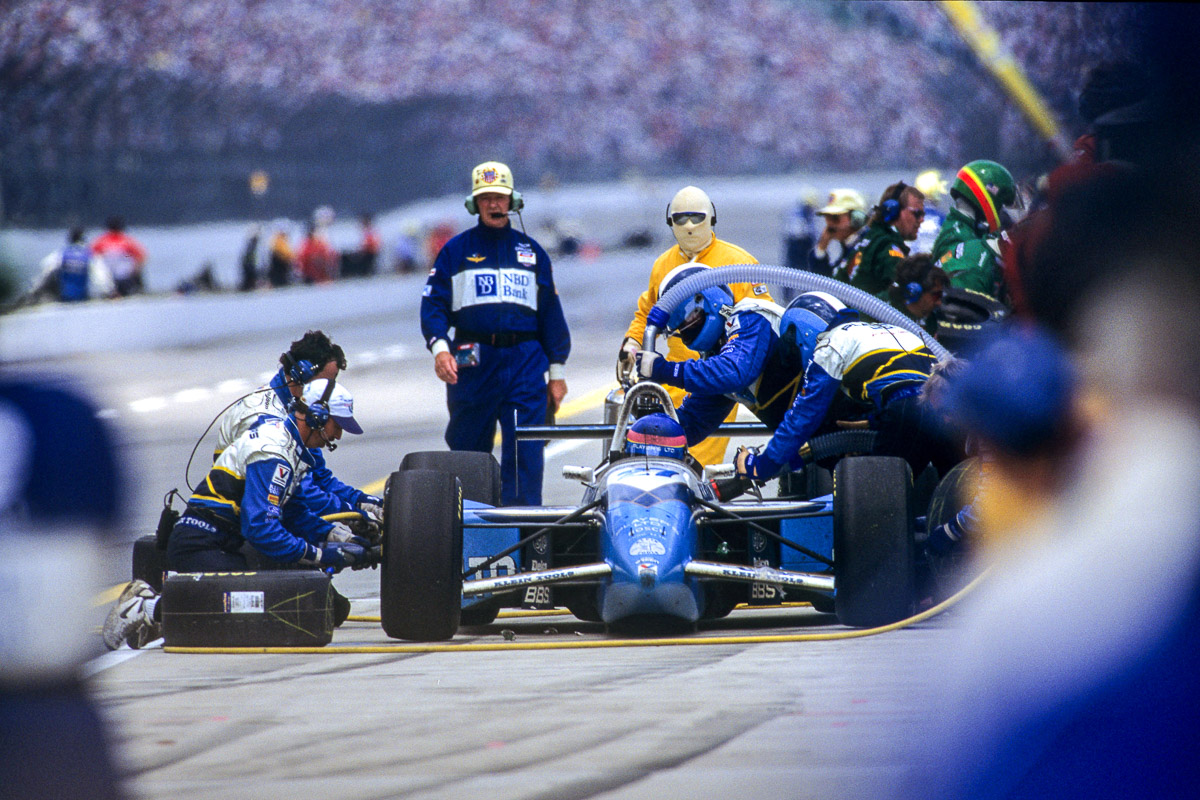
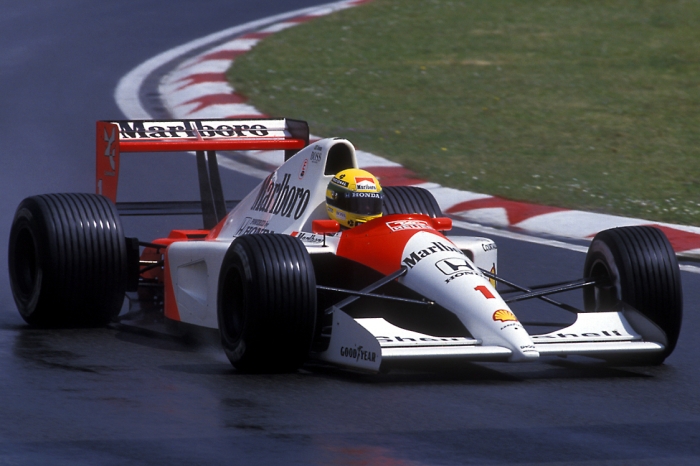
As a member of the DPPI agency staff at the time, I photographed circuits and rallies mainly with this 300mm and two teleconverters. The 300mm became a 420mm f/4 with the 1.4x, or a 600mm f/5.6 with the 2x, while maintaining remarkable quality whenever the agency’s EF 500mm f/4.5 lenses were unavailable. The 300mm remained my main tool thanks to its versatility and responsiveness.
Autofocus, framing, and focus preset
On the 1990 EOS-1, only one autofocus point was available, in the center of the frame. Autofocus was therefore not always usable on moving subjects: I used it to focus on a kerb or a section of track, memorized the distance via the dedicated switch, then recomposed with the track low in the viewfinder. In case of unexpected action, I released the ring to return to continuous AF and track the subject.
The internal-focusing USM motor was a first in this focal-length range. It allows full-time manual override, focus preset, and the ability to adjust the rotation speed of the focusing ring. These features, new at the time, would later become standard across Canon’s professional super-telephoto lenses.
Architecture and wildlife photography
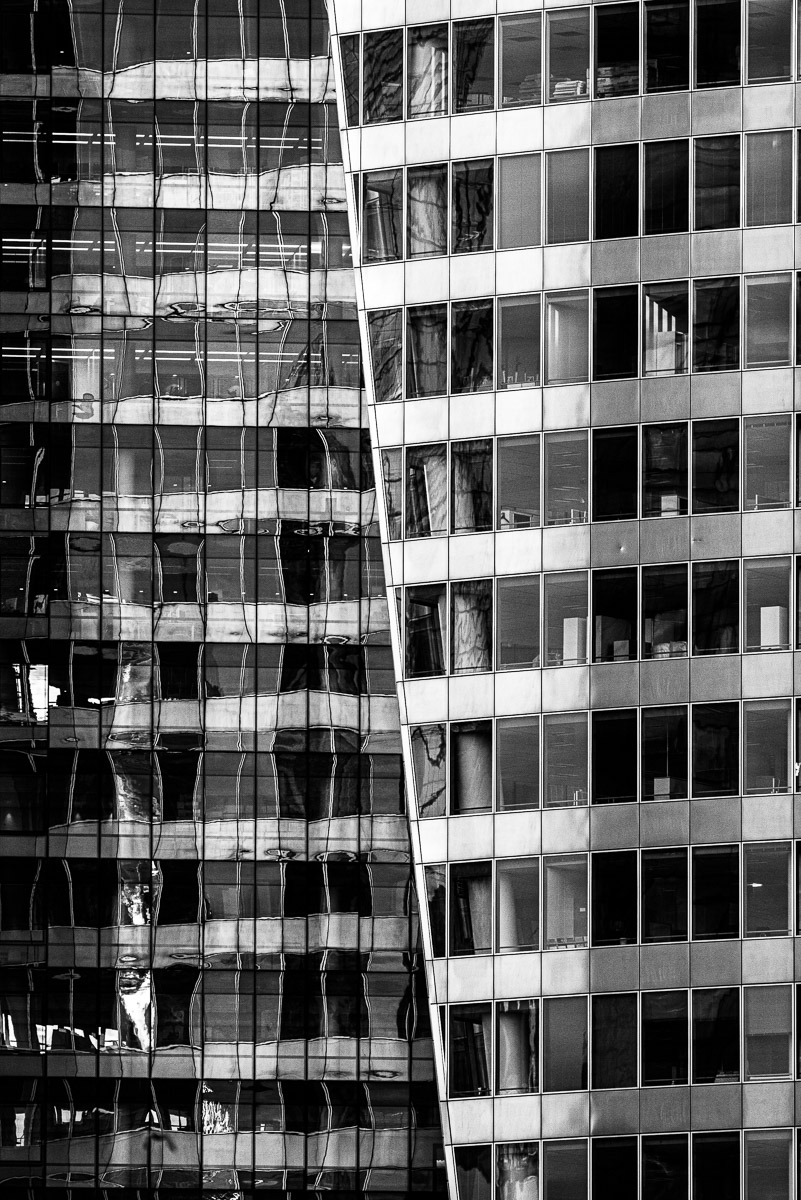
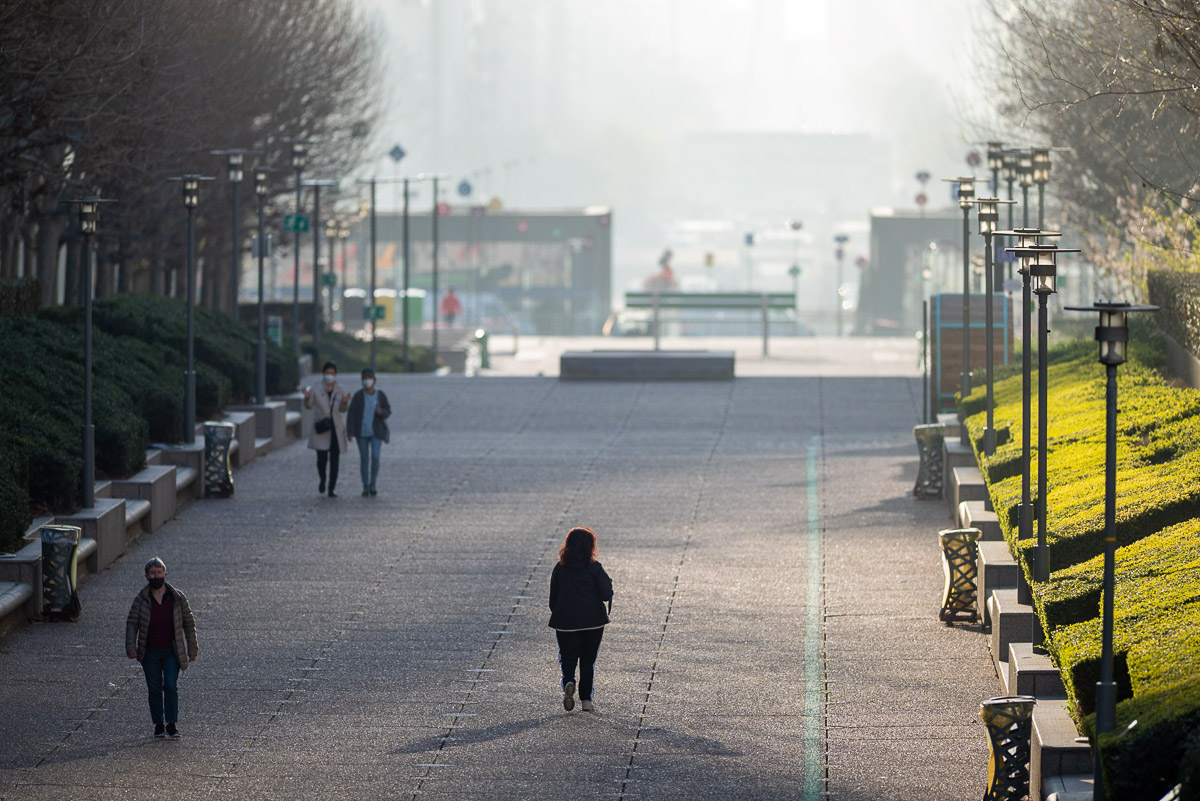
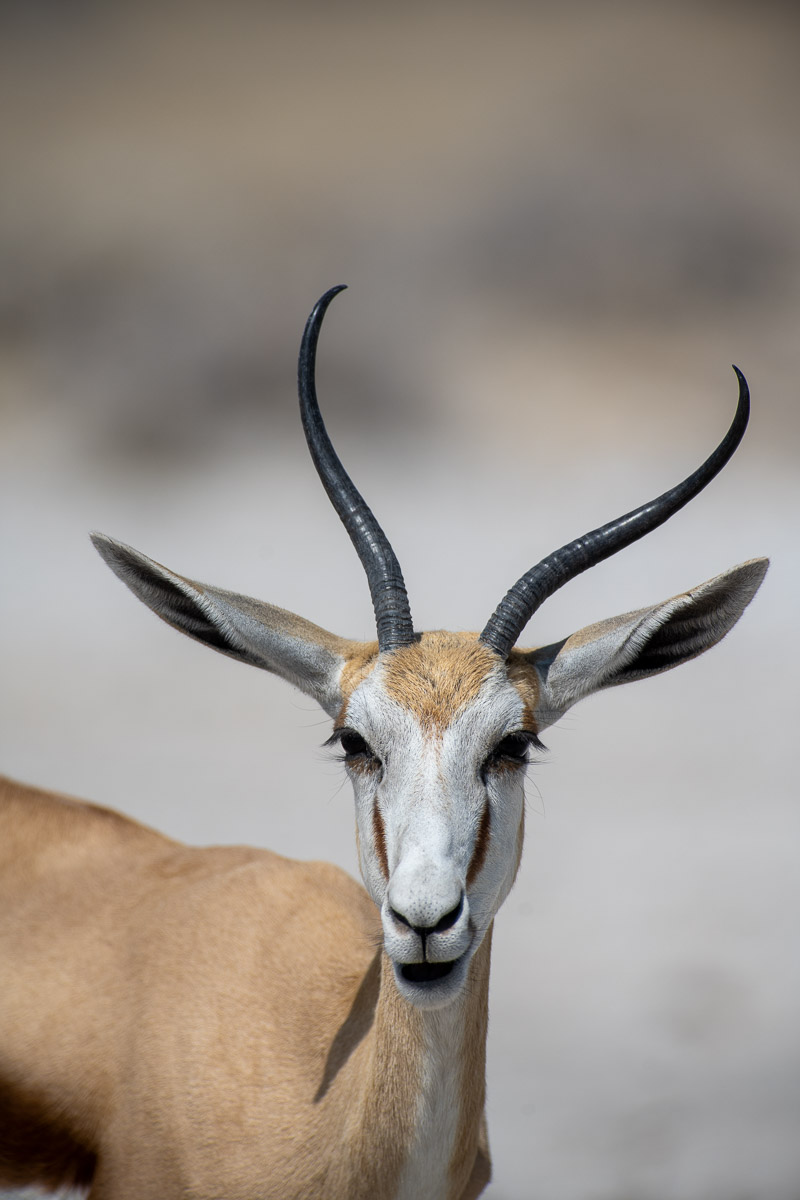
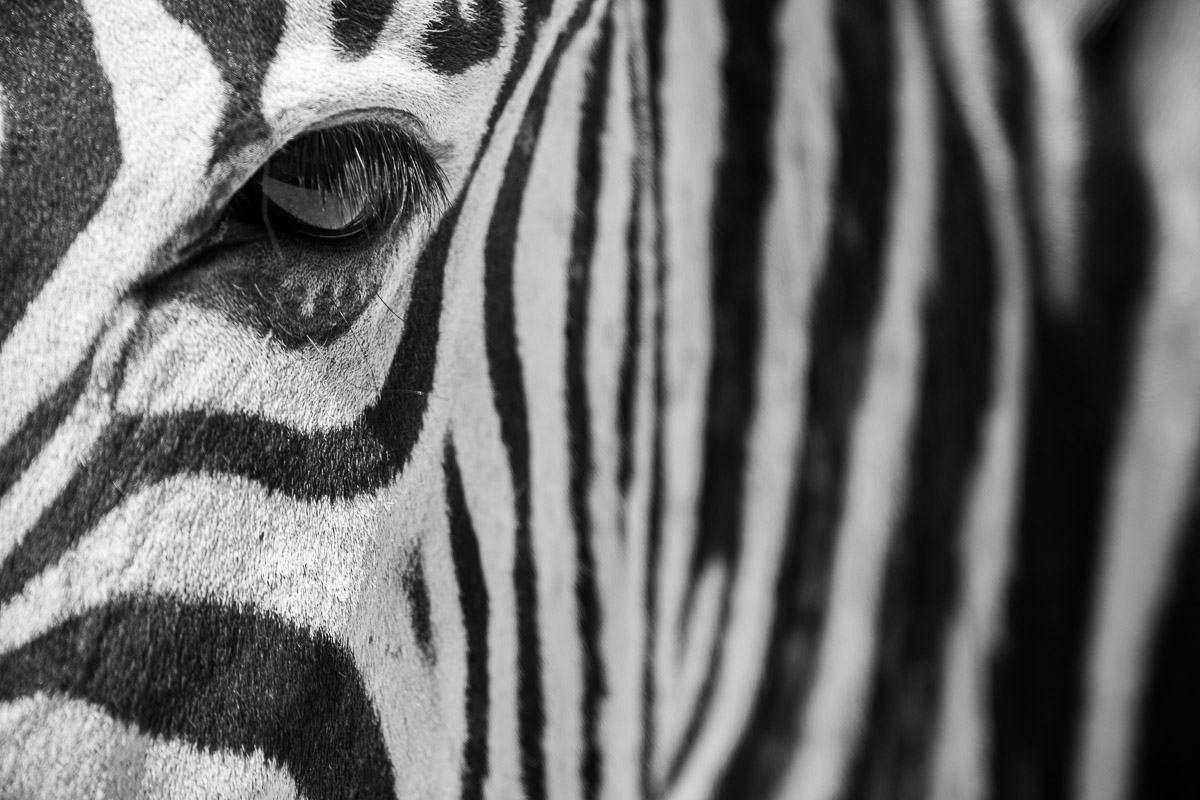
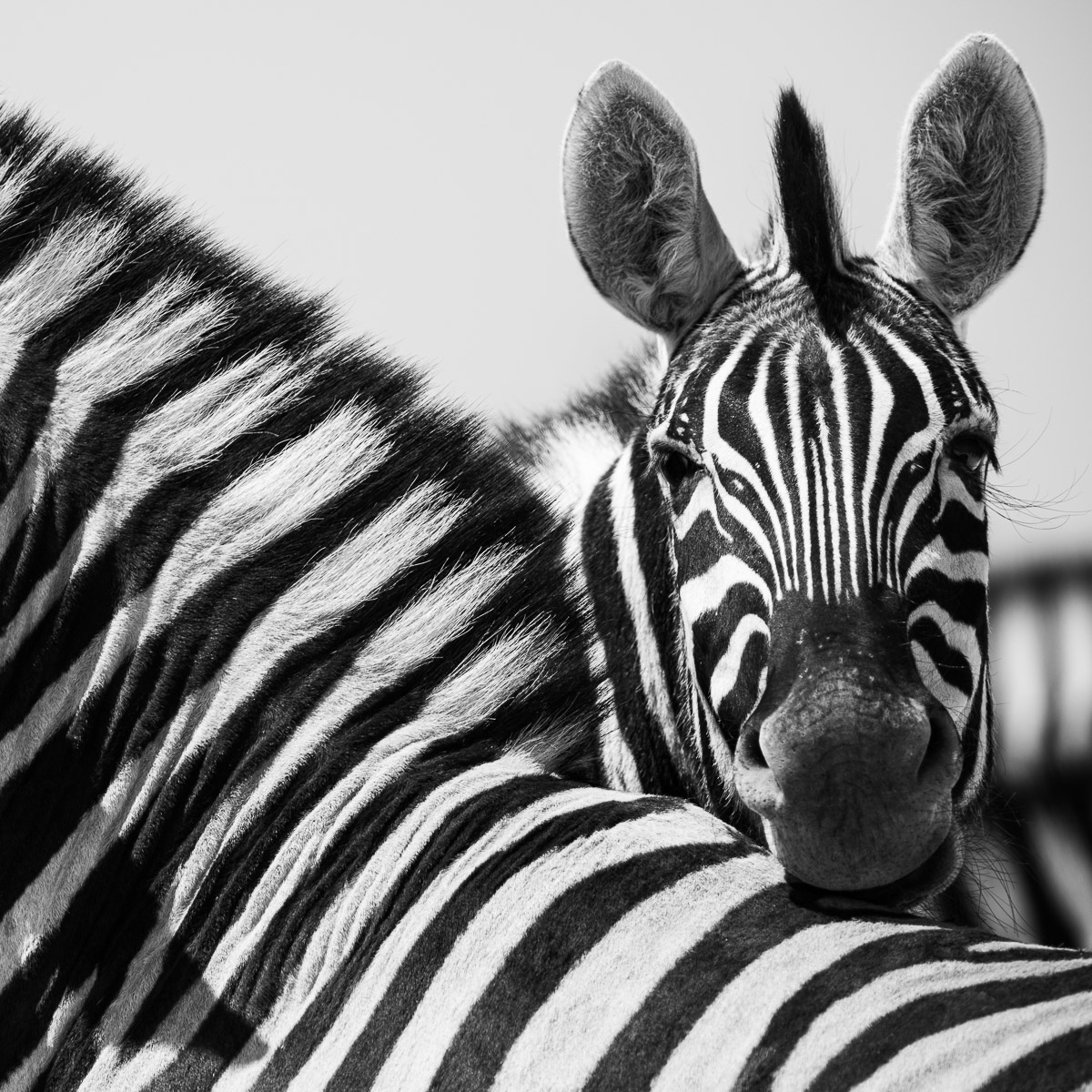
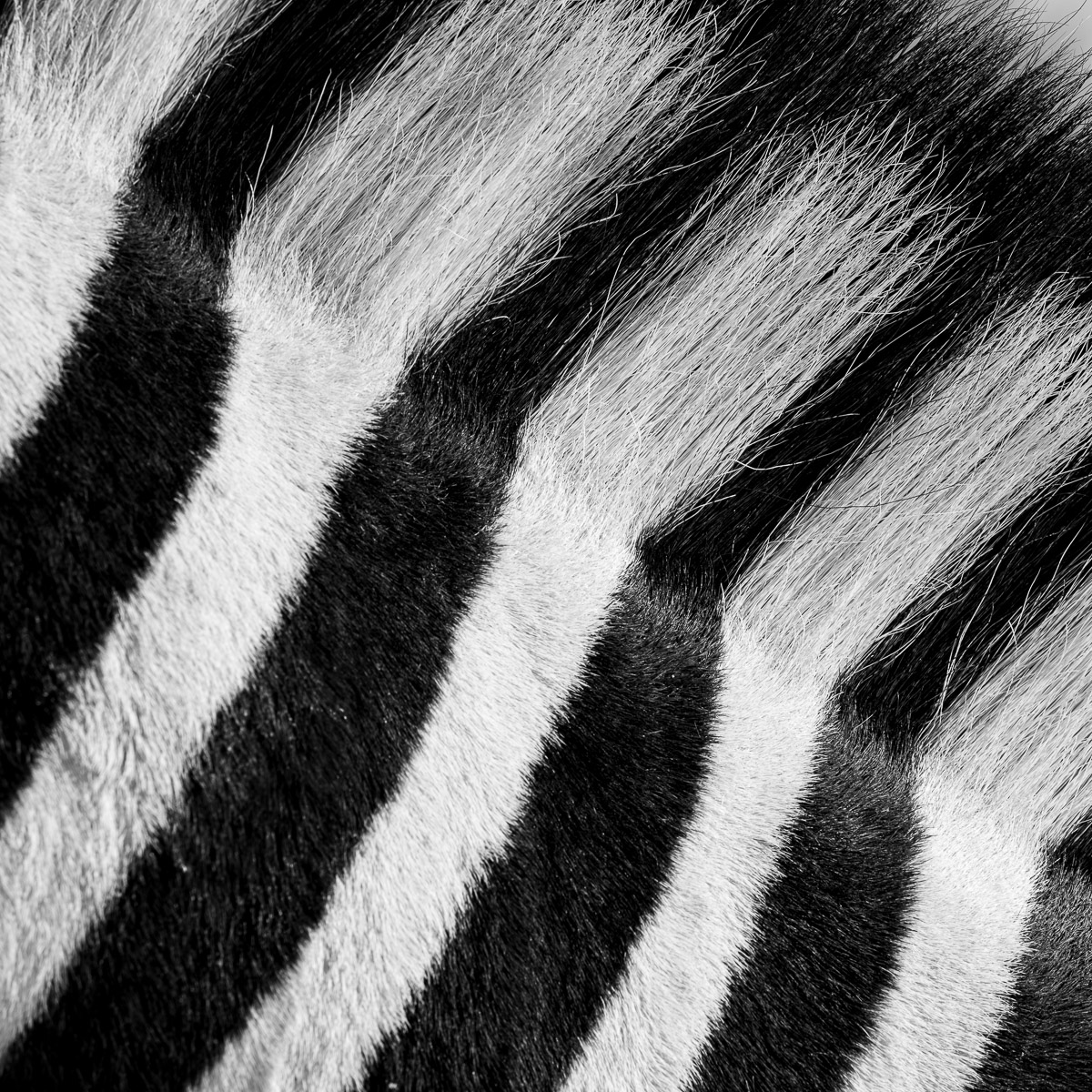
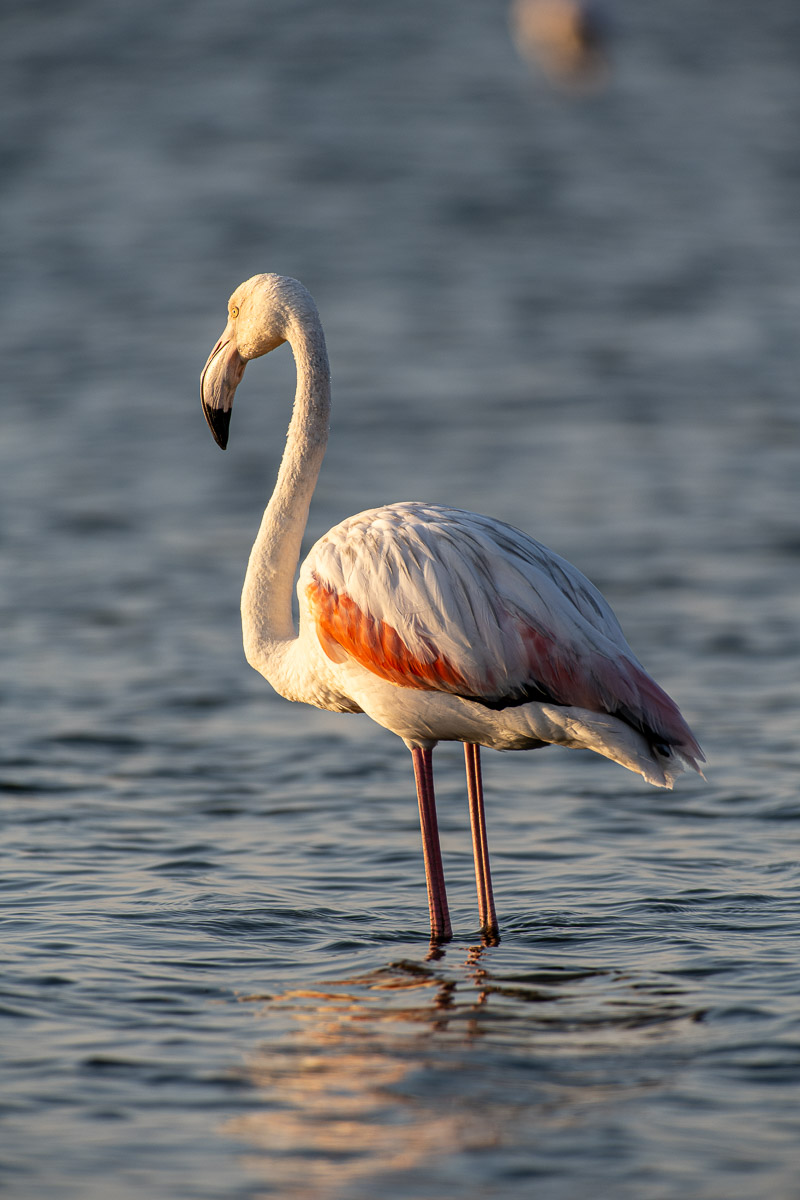
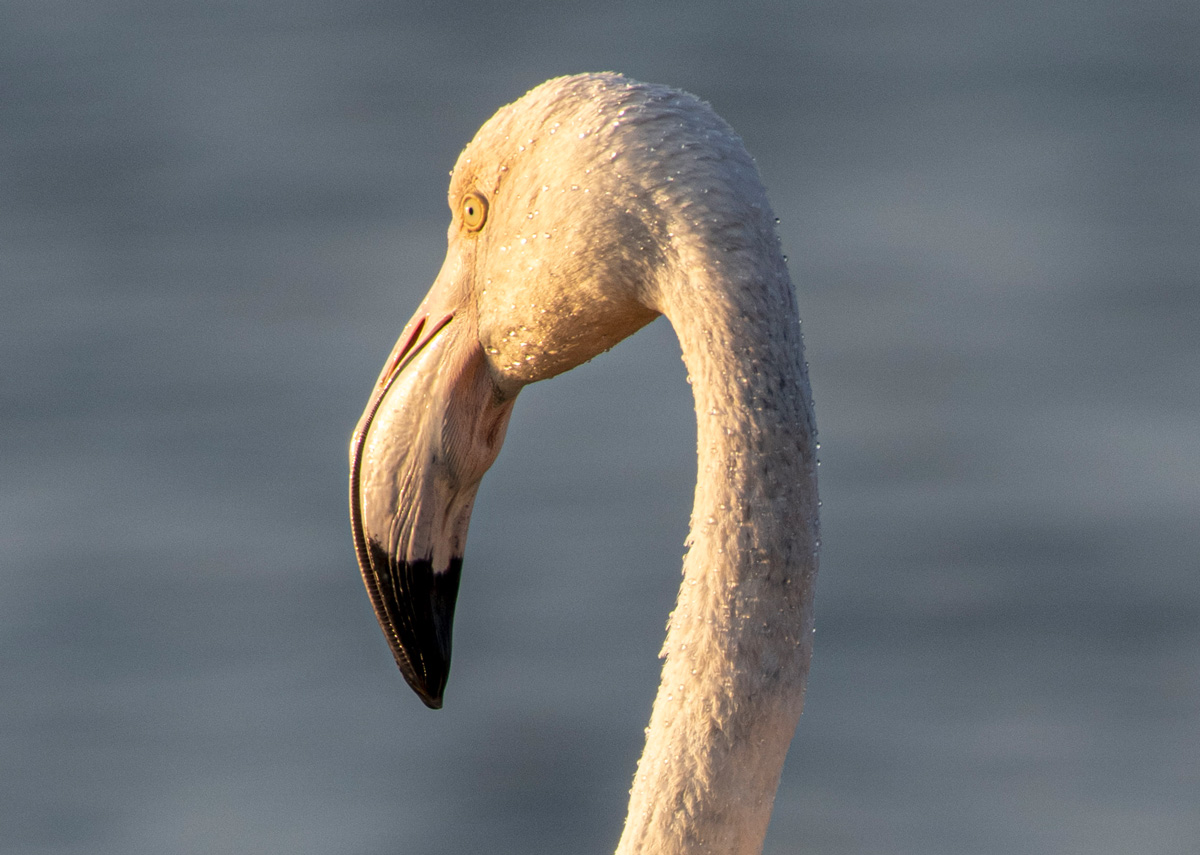
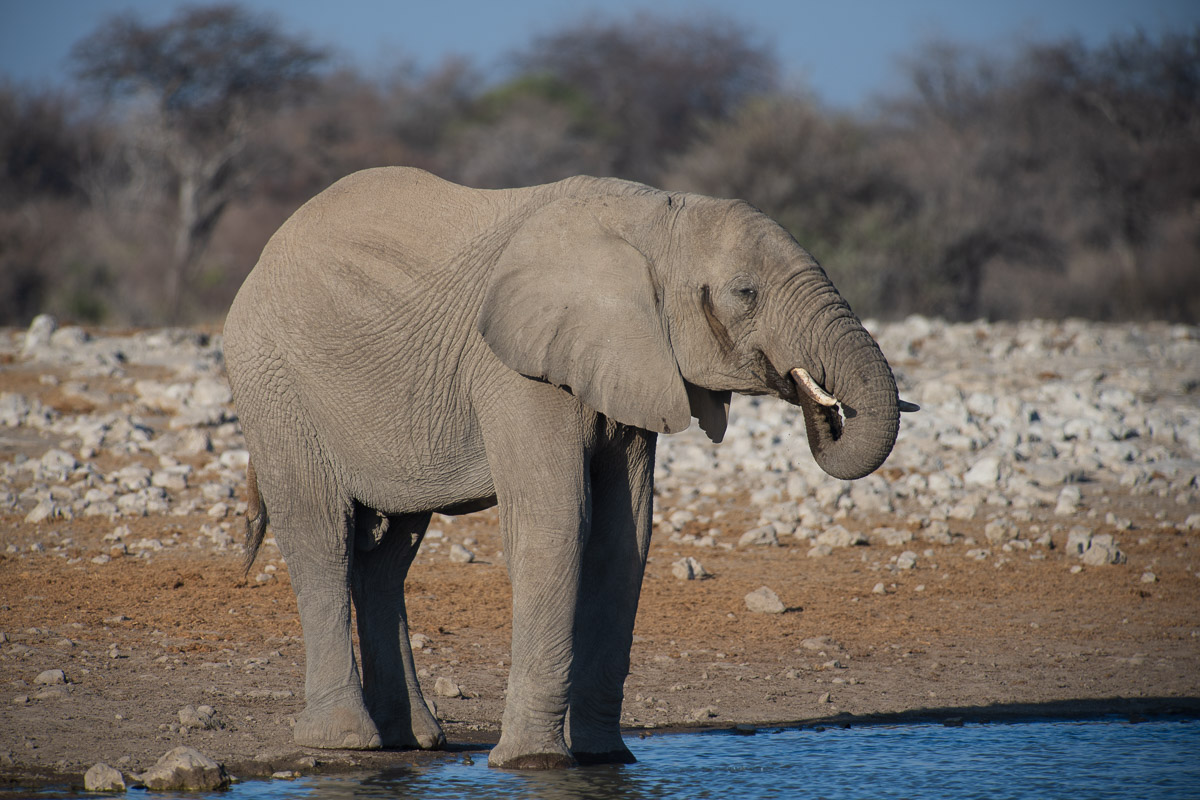
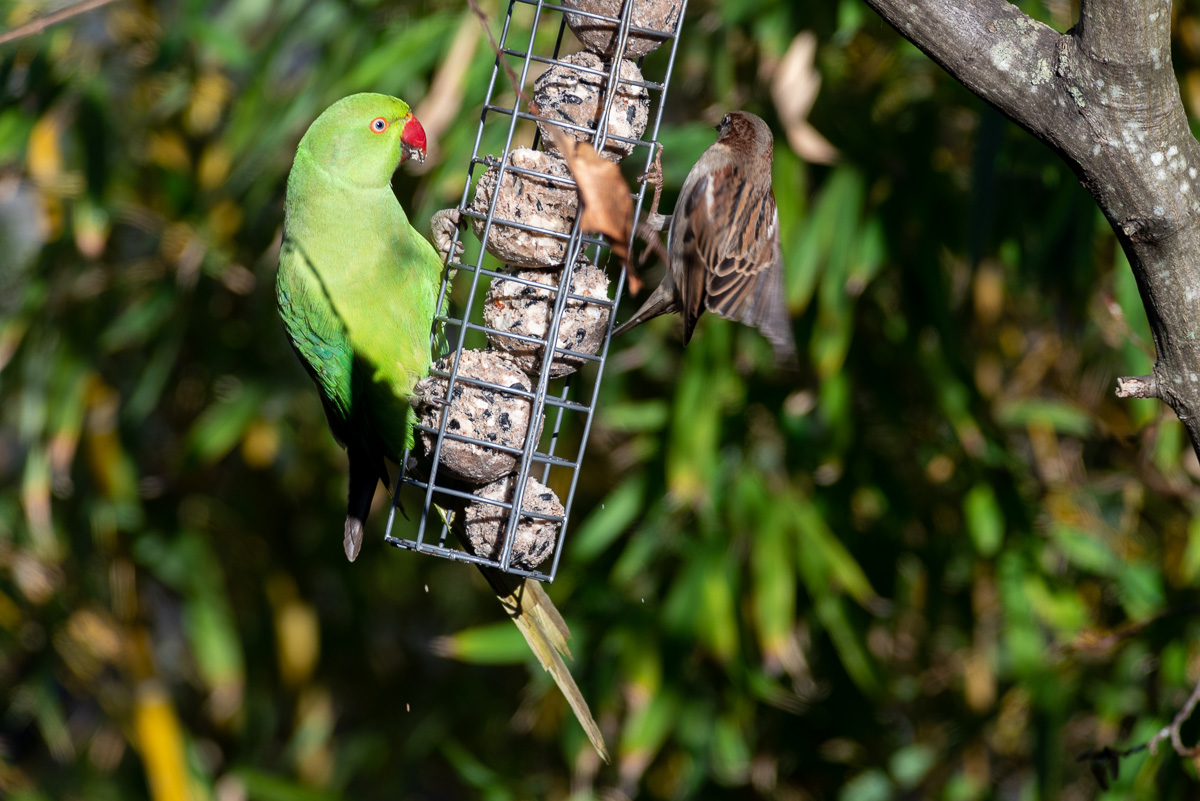
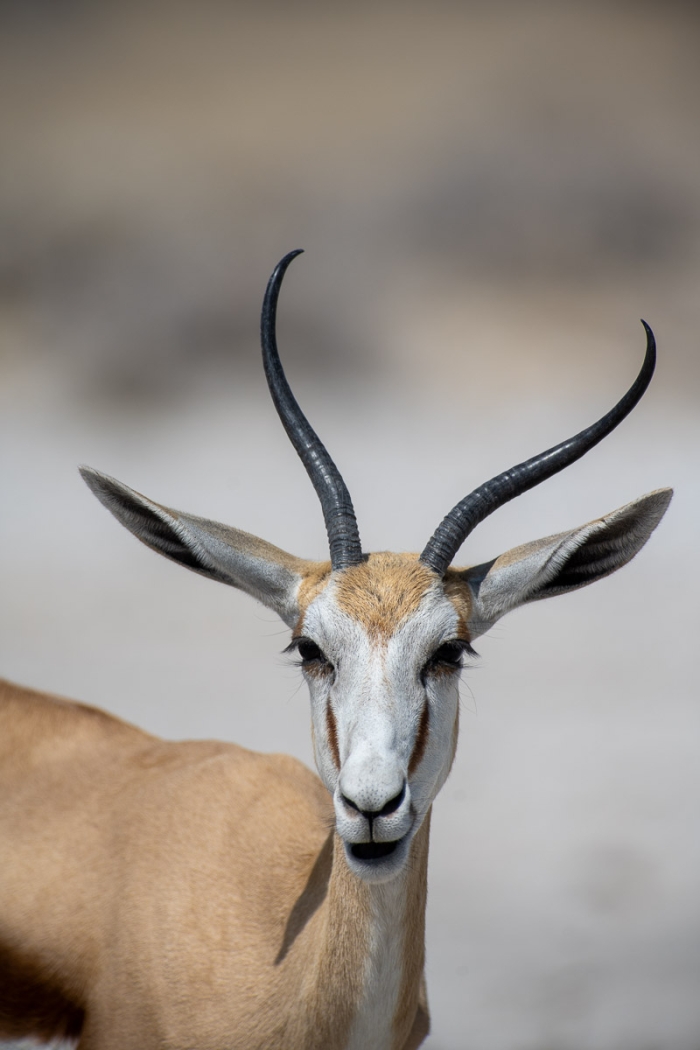
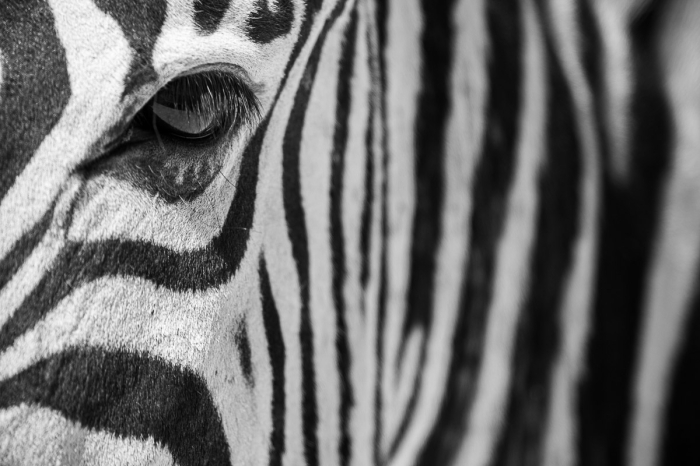
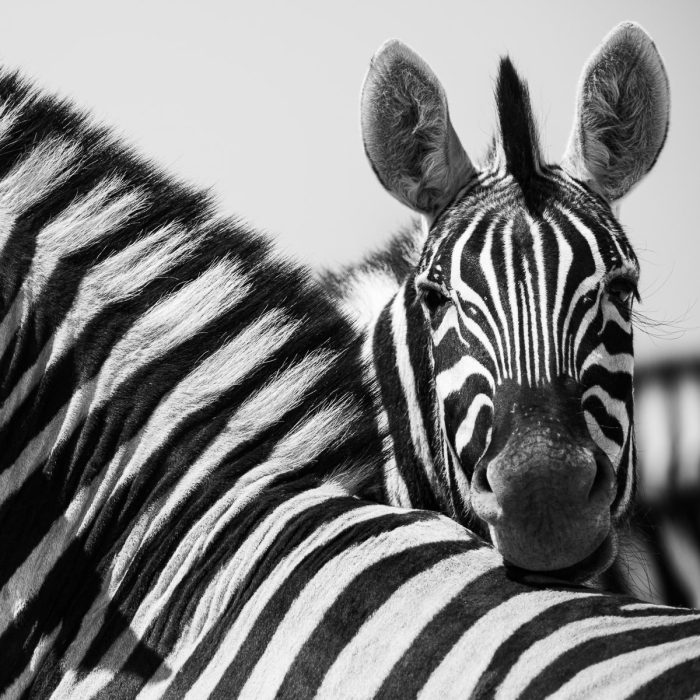
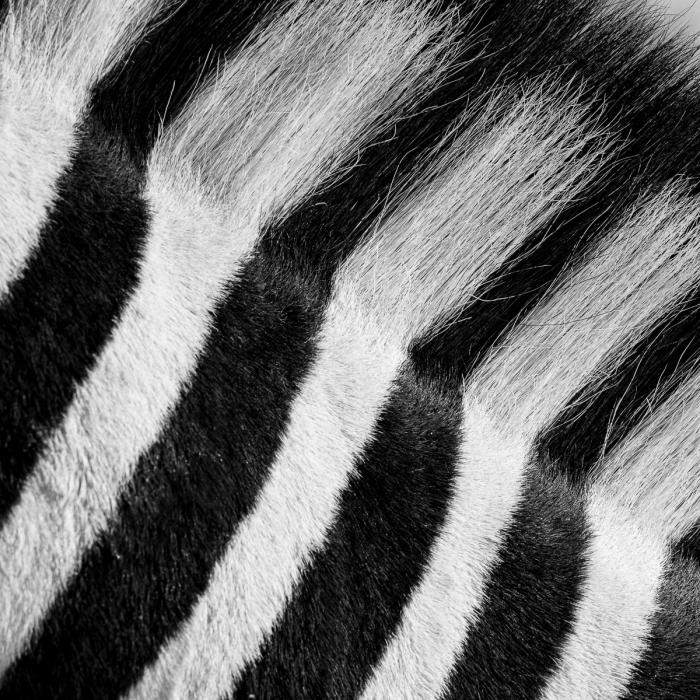
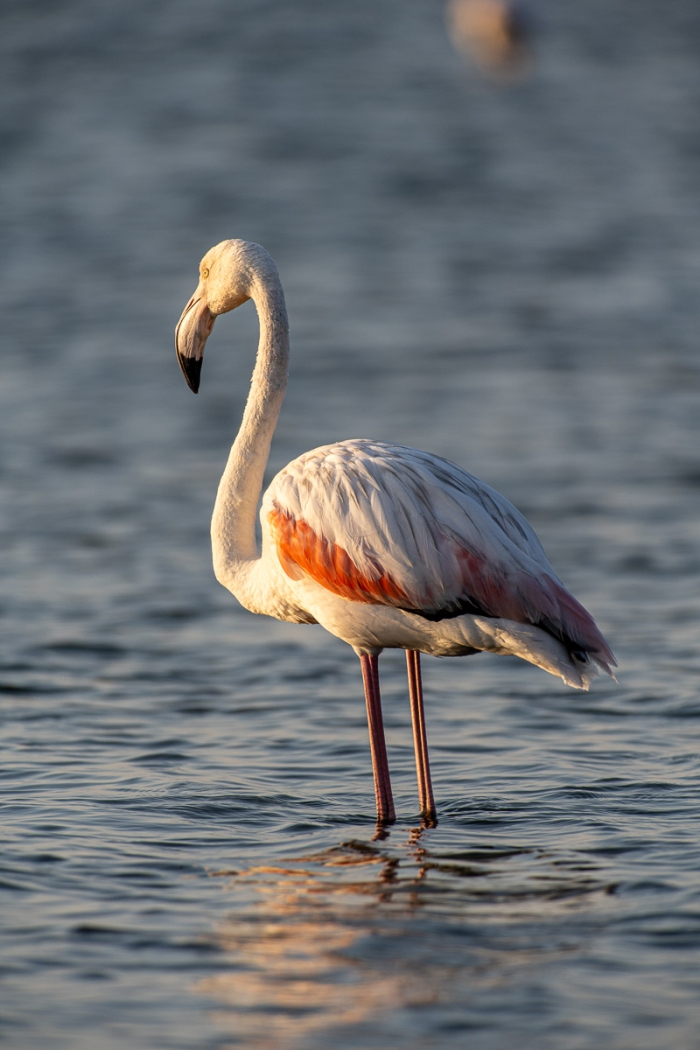
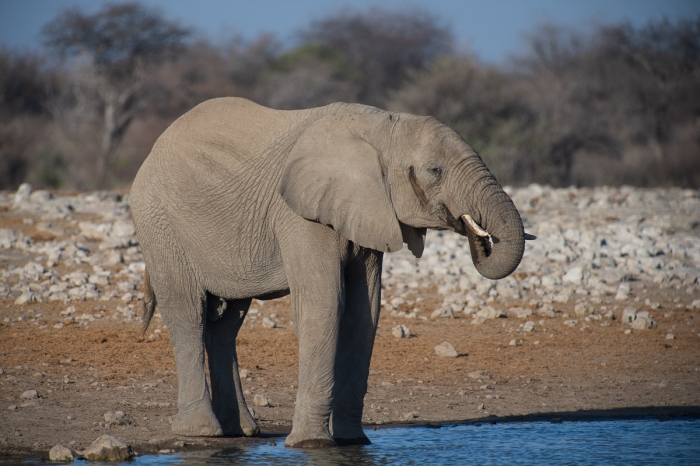
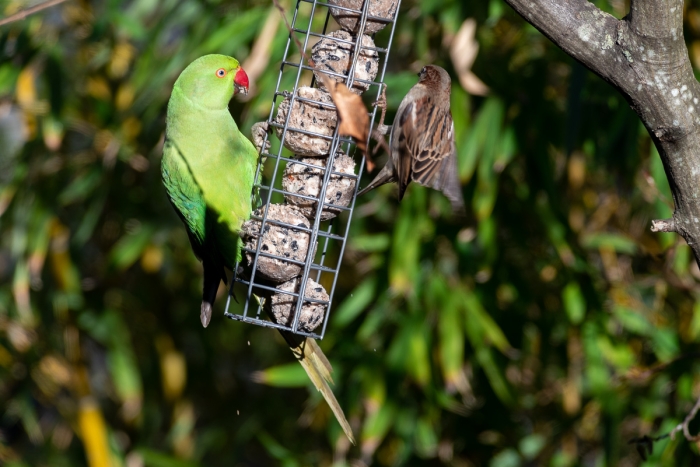
Today, I still use this Canon EF 300mm f/2.8 L USM mounted on my Nikon Z bodies thanks to the Fringer EF-NZ II adapter. Faster and better built than the Viltrox, it tracks Nikon firmware updates perfectly. I used it at La Défense to isolate architectural details and exploit perspective compression to juxtapose styles and materials. In 2024, it came with me to Namibia to photograph wildlife.
The zebra photographs are available as fine art prints, limited to 12 editions on the Une image pour rêver gallery.
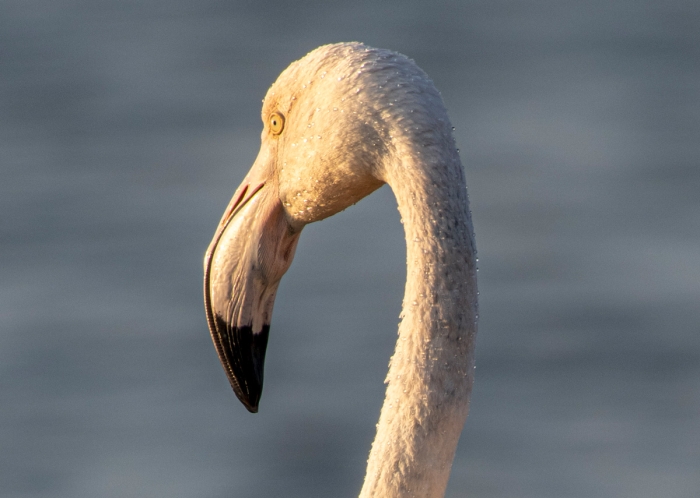
Thanks to the in-body IBIS stabilization built into Nikon Z bodies, this lens, despite lacking optical stabilization, gets a new lease of life. Its excellent sharpness and generous bokeh still make it relevant against more recent models, provided its USM motor remains operational.
I also regularly use another Canon lens with no real equivalent at Nikon, the Canon TS-E 17mm f/4L: a lens dedicated to architecture.
EF 1.4X and 2X teleconverters
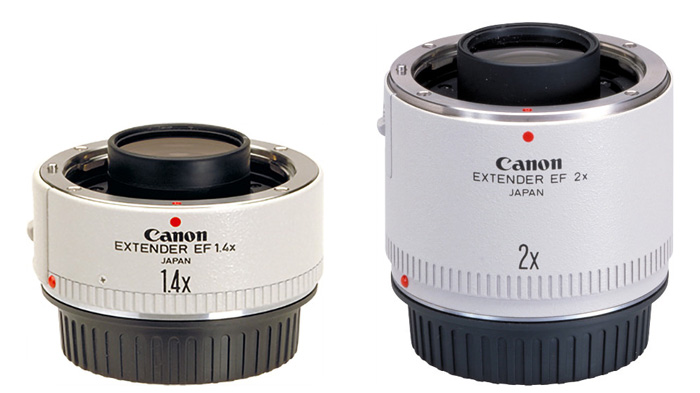
Compatible from their release, Canon EF teleconverters greatly expand what the lens can do:
| Model | Release | Construction | Magnification | Weight |
|---|---|---|---|---|
| Extender EF 1.4X | November 1988 | 5 elements in 4 groups | 1.4x | 200 g |
| Extender EF 2X | October 1987 | 7 elements in 5 groups | 2x | 240 g |
Extender EF 1.4X: designed specifically to complement L-series telephoto lenses, this extender is optimized to preserve image quality comparable to an equivalent prime lens. With only a one-stop loss (the 300mm f/2.8 becomes a 420mm f/4), autofocus remains perfectly operational even on lenses such as the 600mm f/4L.
Special attention was paid to aberration correction: the front group combines low- and high-index glass to limit astigmatism and chromatic aberrations. At the rear, a weakly positive meniscus lens helps avoid spherical overcorrection, delivering a clean, contrasty image.
The reduction in focusing speed is deliberate but very slight: in the case of the 1.4X, it is almost imperceptible. The EF 1.4X extender is officially compatible with the EF 200mm f/1.8L, EF 300mm f/2.8L, and EF 600mm f/4L lenses.
Extender EF 2X: more versatile, it doubles the focal length but implies a two-stop loss. The 300mm thus becomes a 600mm f/5.6. Image quality remains usable, especially at f/8, but aberrations and the drop in contrast are more noticeable than with the 1.4X. It still makes it possible to get three focal lengths from a single setup (300mm, 420mm, 600mm).
Frequently Asked Questions (FAQ)
Is this 300mm compatible with Canon RF mirrorless cameras?
Yes, via Canon’s official EF-RF mount adapter. All functions (AF, focus memory, aperture control) are retained on compatible bodies.
Can this 300mm be used on Nikon Z cameras?
Yes, thanks to a Fringer EF-NZ II adapter (more reliable than Viltrox). Autofocus works, as does focus memory. The camera’s IBIS compensates for the lack of optical stabilization.
Is this 300mm still relevant compared to recent lenses?
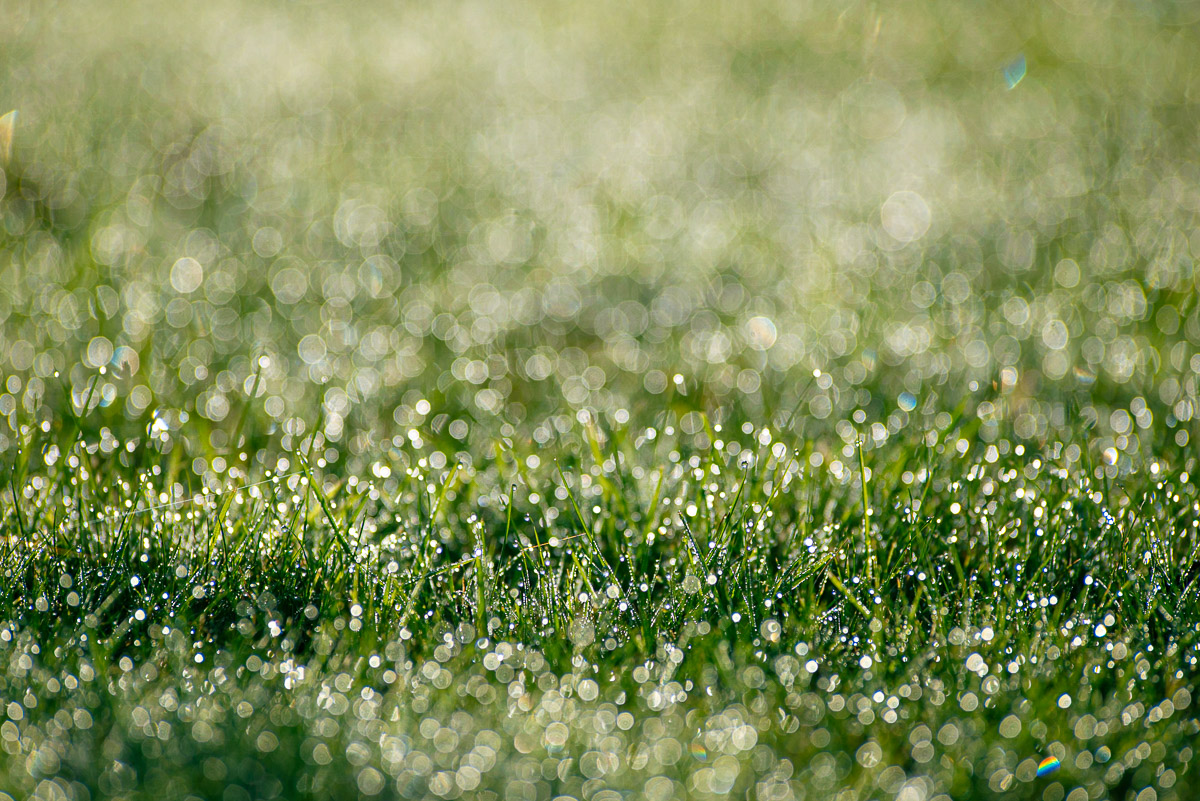
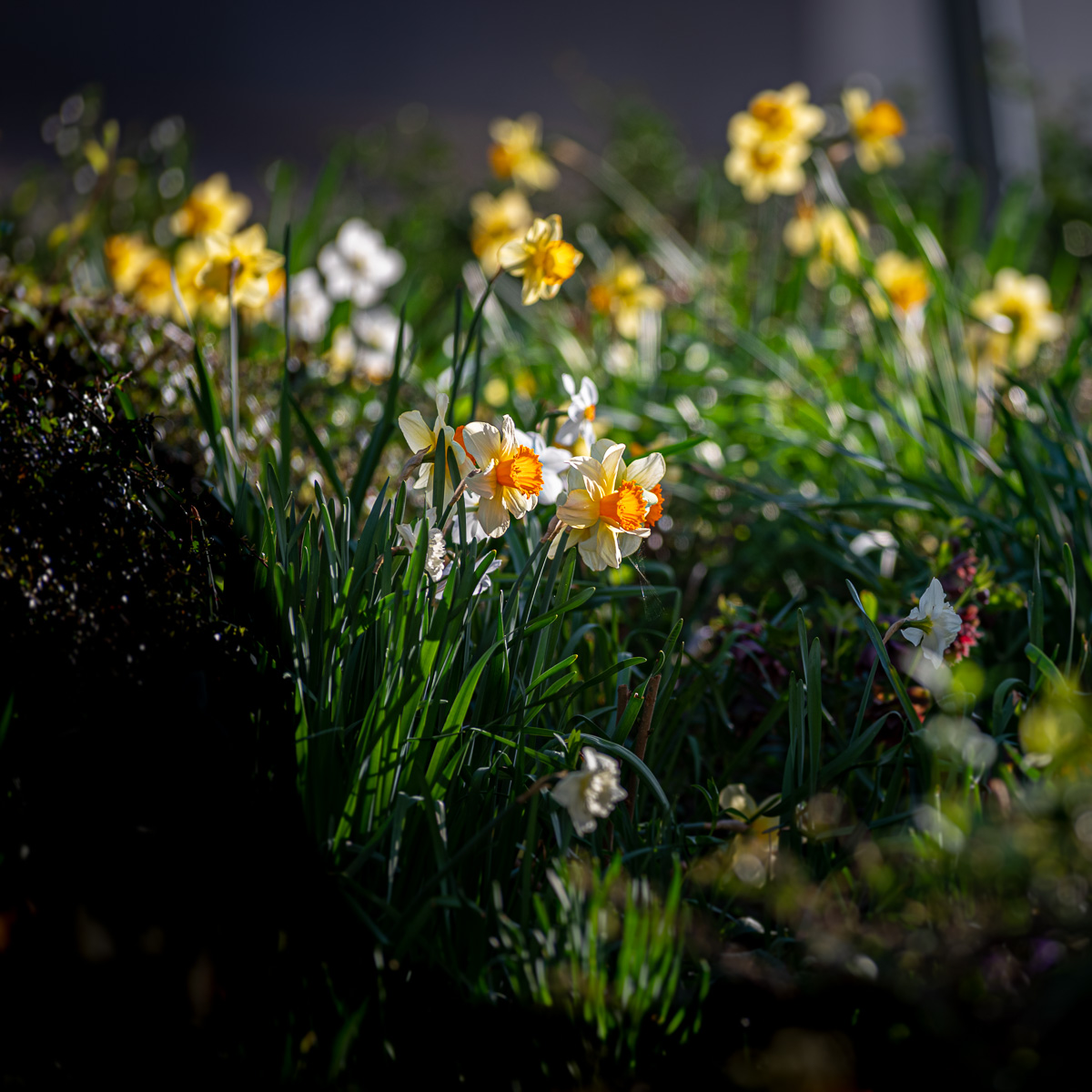
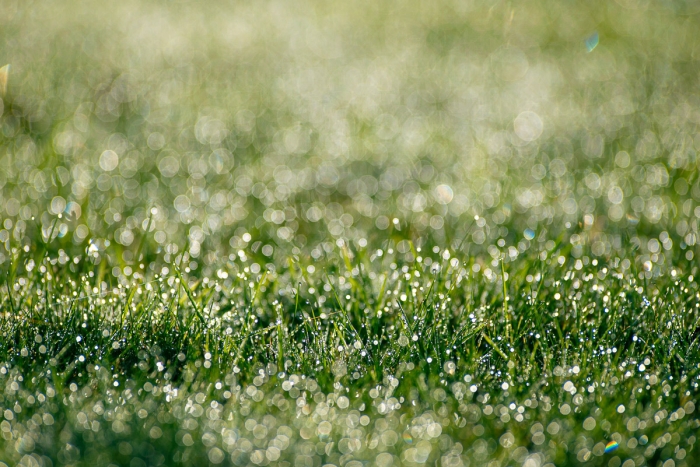
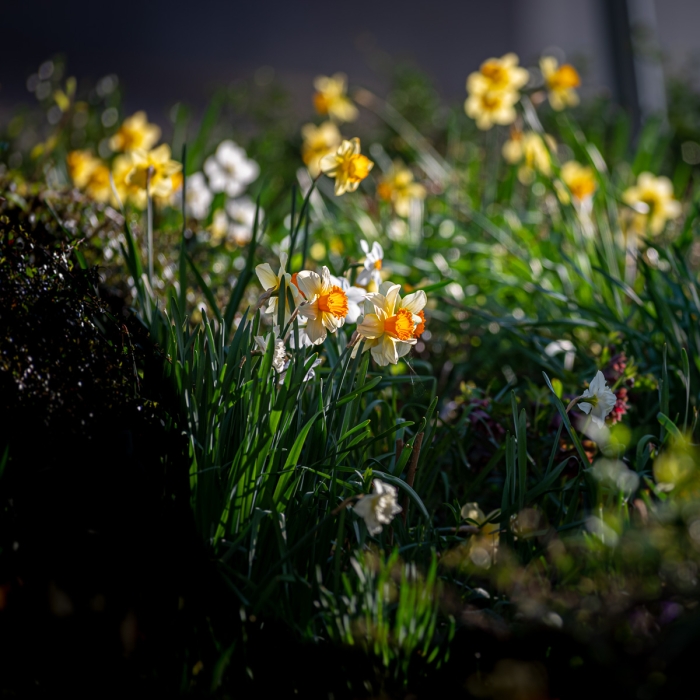
Absolutely. Its optical performance remains excellent, and it offers an affordable, high-performing alternative for photographers who know how to use it. It can be shot wide open at f/2.8 with remarkable sharpness, delivering strong subject separation thanks to shallow depth of field and a smooth bokeh.
Is it reasonable to buy this lens used?
Yes, provided careful attention is paid to the condition of the autofocus motor and the aperture mechanism. If a failure occurs, these parts cannot be replaced by Canon because they are no longer available. A used purchase therefore makes sense if the copy is healthy, tested, and priced accordingly given this risk.
What should be checked before buying this lens used?
Ideally, the lens should be tested on a compatible camera body. Autofocus should lock without abnormal hunting, focus should remain consistent throughout the range, and the aperture should respond properly (clean opening and closing, no hesitation). The glass should be inspected (scratches, fungus, haze, internal marks), mechanical play should be checked (mount, barrel, tripod collar), and critical items on a 300 mm f/2.8 should be verified: tripod collar, hood, electrical contacts, and the lens’s history (impact, drop, humidity). A healthy copy is often identified by smooth controls, consistent AF behavior, and clean optics, even if minor external wear is normal for this type of equipment.
Conclusion
Despite its age, the Canon EF 300mm f/2.8 L USM remains an exceptional lens. Its build quality, optical rendering, and compatibility with modern mirrorless systems still make it a top ally for sports, landscape, or wildlife photographers. Proof that some lenses can cross decades without ever losing their relevance.
Click the photos below to view them full screen.
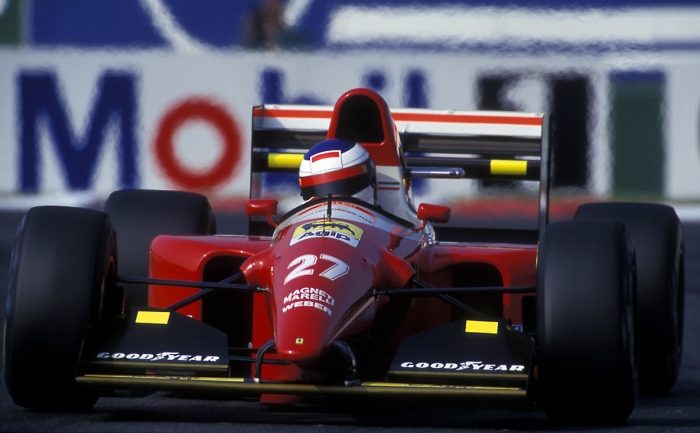
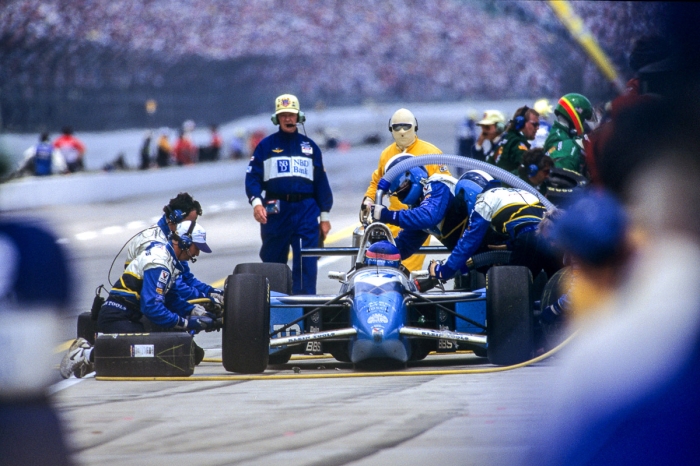




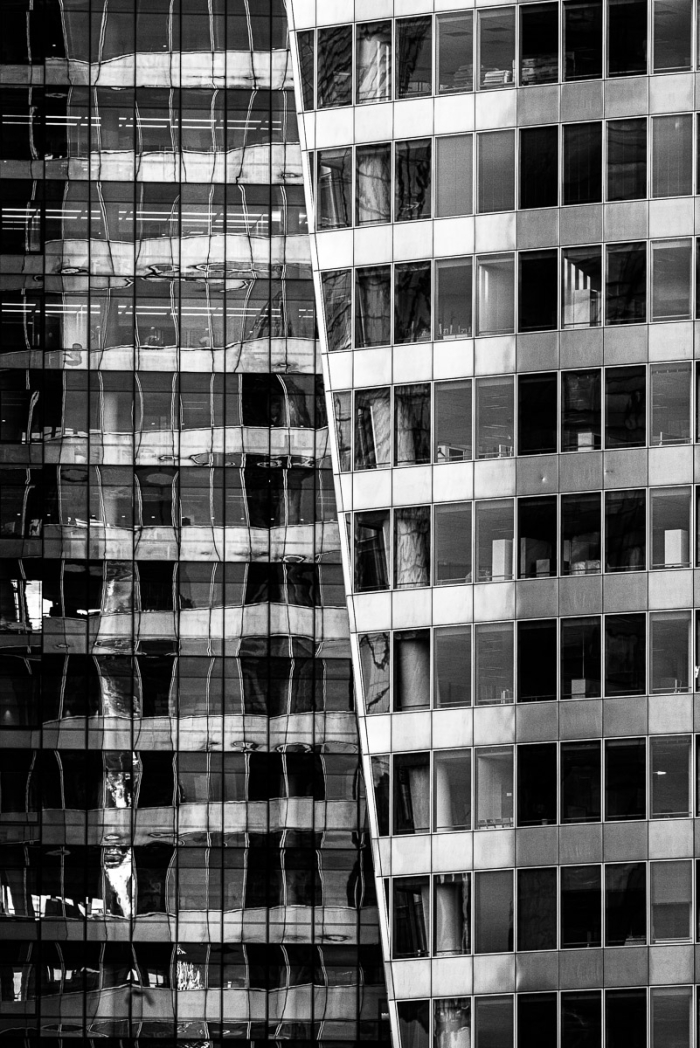
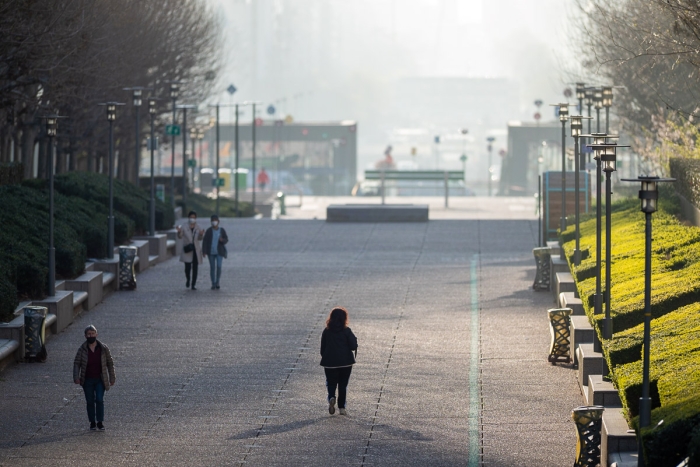






All photos on this website are protected by copyright © Sebastien Desnoulez, no use is permitted without the author’s written permission.
Legal notice
About the Author
Sebastien Desnoulez is a professional photographer specializing in architecture, landscape and travel photography. Trained in photography in the mid-1980s, he covered Formula 1 races and reported from around the globe before devoting himself to a more demanding fine art photography practice blending composition, light and emotion. He also shares his technical expertise through hands-on articles for passionate photographers, built on a solid background in both film and digital photography.
Tags