

Nikon Z 14-30mm f/4 S: field test, review and photos

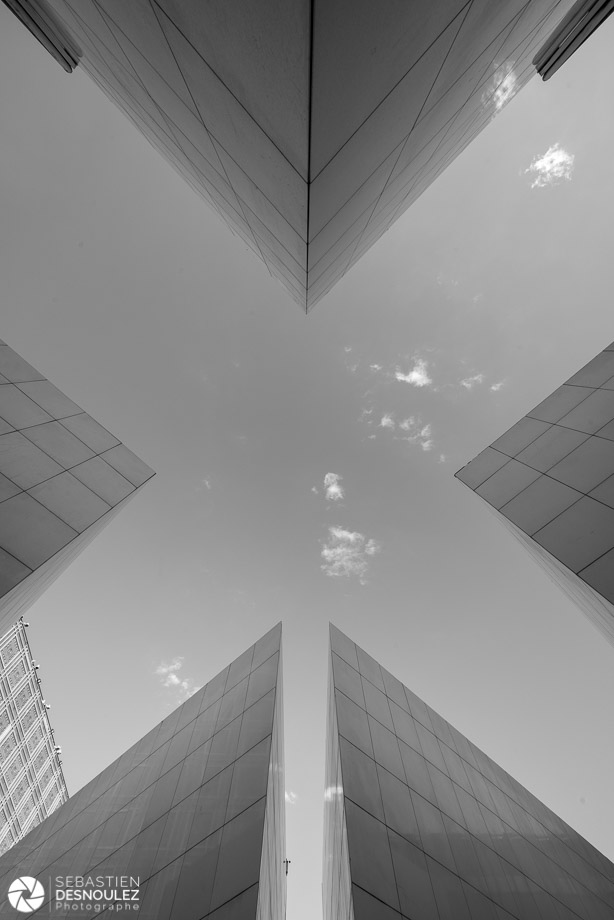
Compact, lightweight and free from visible distortion thanks to built‑in corrections, the Nikon Z 14-30mm f/4 S stands out as an excellent wide‑angle option for architecture, landscape and travel photography.
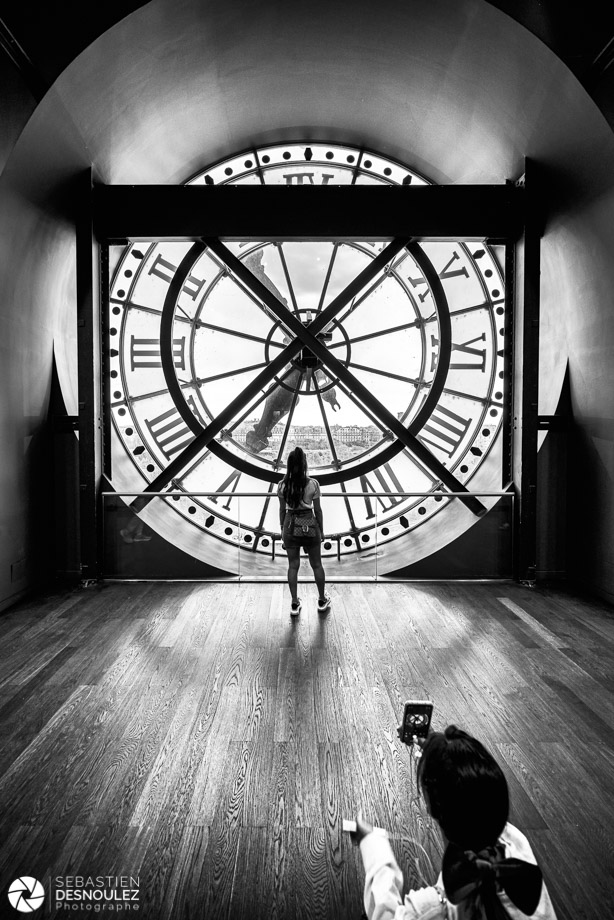
As a field photographer for decades, I have used it in many demanding situations, especially for interior and exterior architecture, as well as during urban walks. This is a complete, practical, illustrated review with no marketing jargon.
Why a 14‑30mm f/4?
The Nikon Nikkor Z 14-30mm f/4 S was the first Z‑mount lens I bought when switching from the D800 to the Z5. It replaced my 16-35mm f/4 AF‑S, with several advantages: a wider 14mm angle, compatibility with 82mm screw‑in filters, and distortion correction applied directly by the camera.
This automatic correction removes distracting architectural deformation both at capture and in post‑production. Unlike the F‑mount 16-35mm, whose barrel distortion was visible to the naked eye in the optical viewfinder, the 14-30mm displays a corrected image in the EVF.
I ruled out the Z 14‑24mm f/2.8 S: too heavy, too expensive and too bulky for my needs. I prefer carrying an additional lens such as the 35mm f/1.8 S rather than relying on a single bright and heavy zoom. A few extra millimetres between 24mm and 30mm can also make a real difference.
I use it alternately with the Canon 17mm f/4 TS‑E. The choice depends on the trip and what I plan to shoot: city and architecture = the Canon tilt‑shift; landscape and nature = the 14‑30mm. For a city walk, this means going back by the office to load the right gear into my bag.
Build and ergonomics
Weighing just 485 g, the Nikon Z 14‑30mm f/4 S is very compact when retracted. You must extend the zoom ring to 14mm to use it, and the camera displays a reminder if needed. Its minimal bulk makes it an ideal companion in a well‑filled 15L bag such as the Peak Design Everyday Backpack Zip.
The zoom ring is smooth and precise. The focus ring is comfortable, well positioned and ideal for manual focus. The lens balances well on the Z8 and Z7 II bodies.
Optical performance
Like all Z‑series S‑line lenses I have tested, this one is sharp from edge to edge even wide open. Centre sharpness is very good at f/4, with visible improvement at f/5.6 and f/8. Uniformity is a strong point across the entire 14‑30mm range.
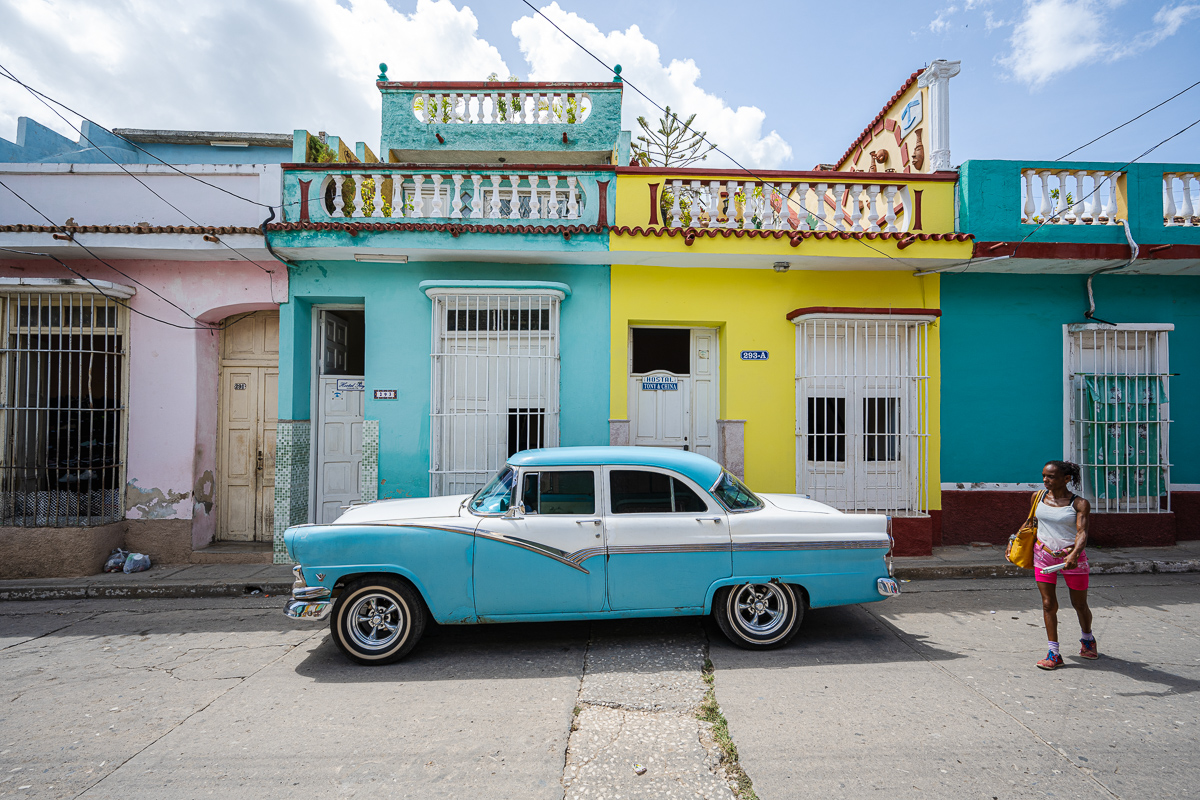
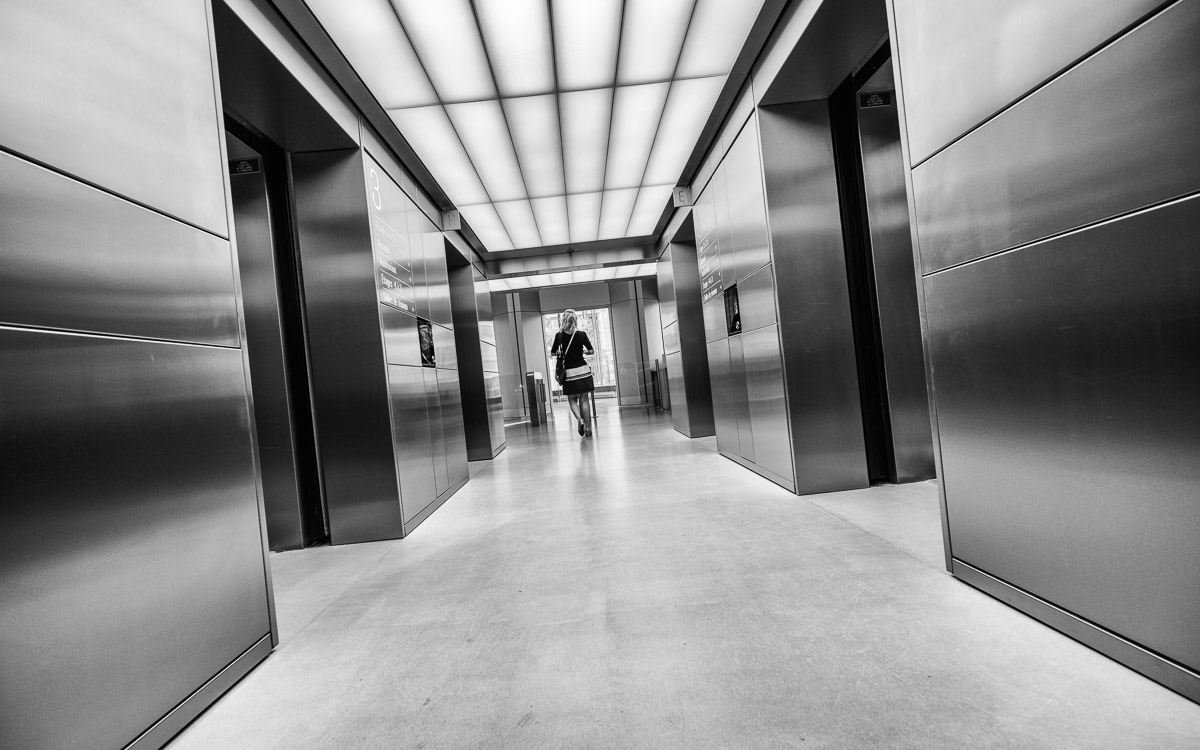
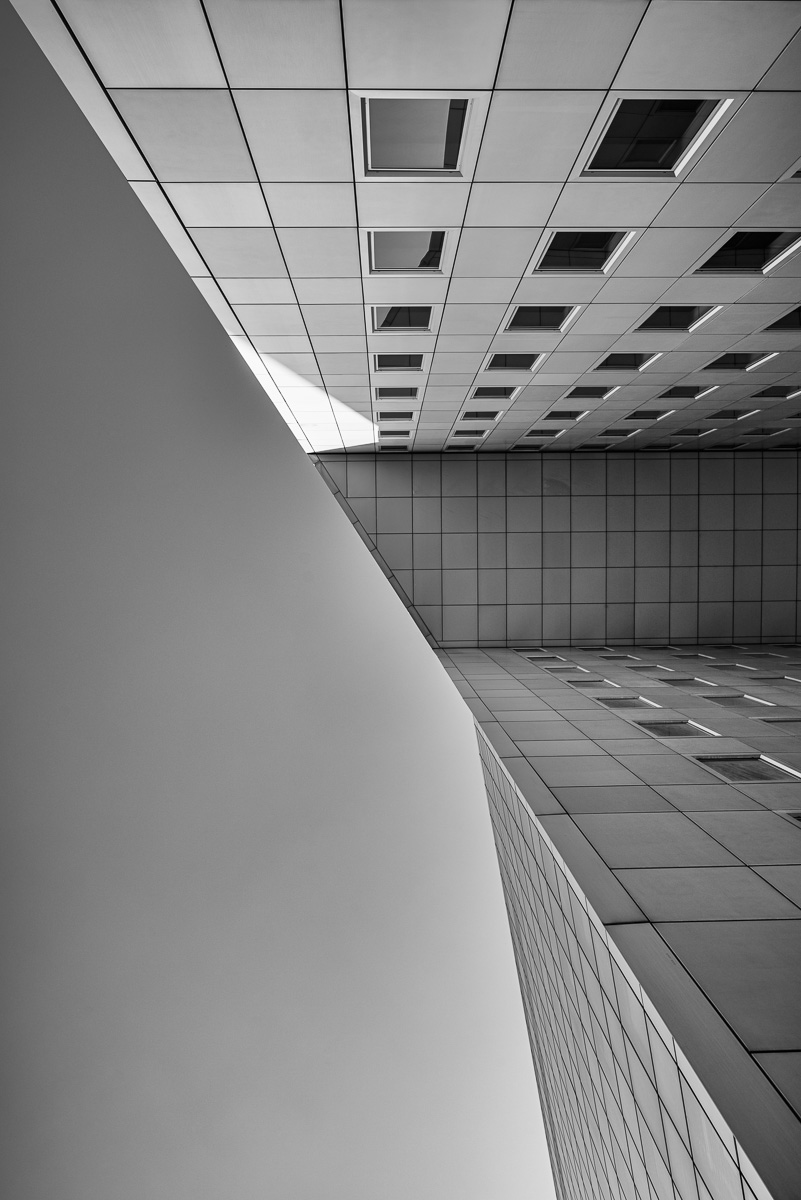
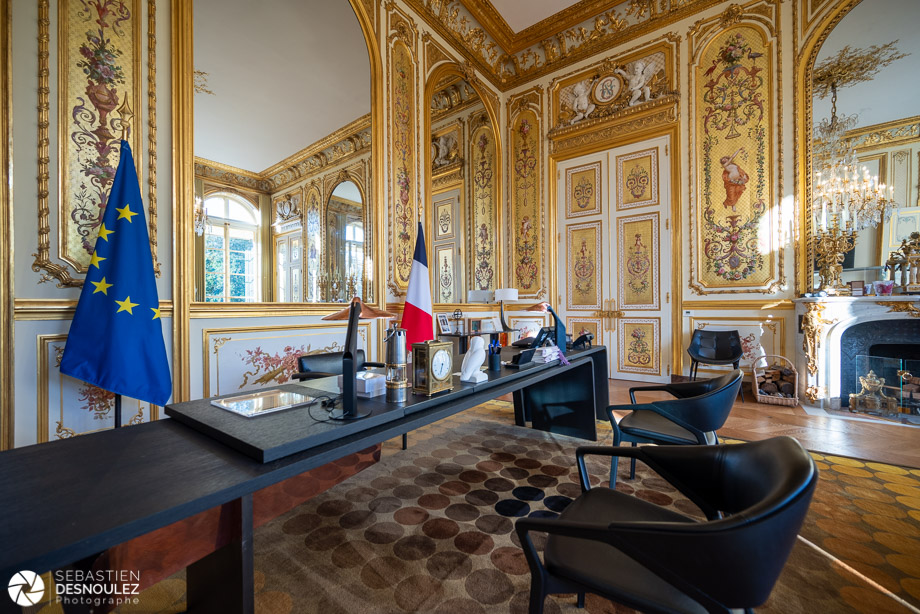
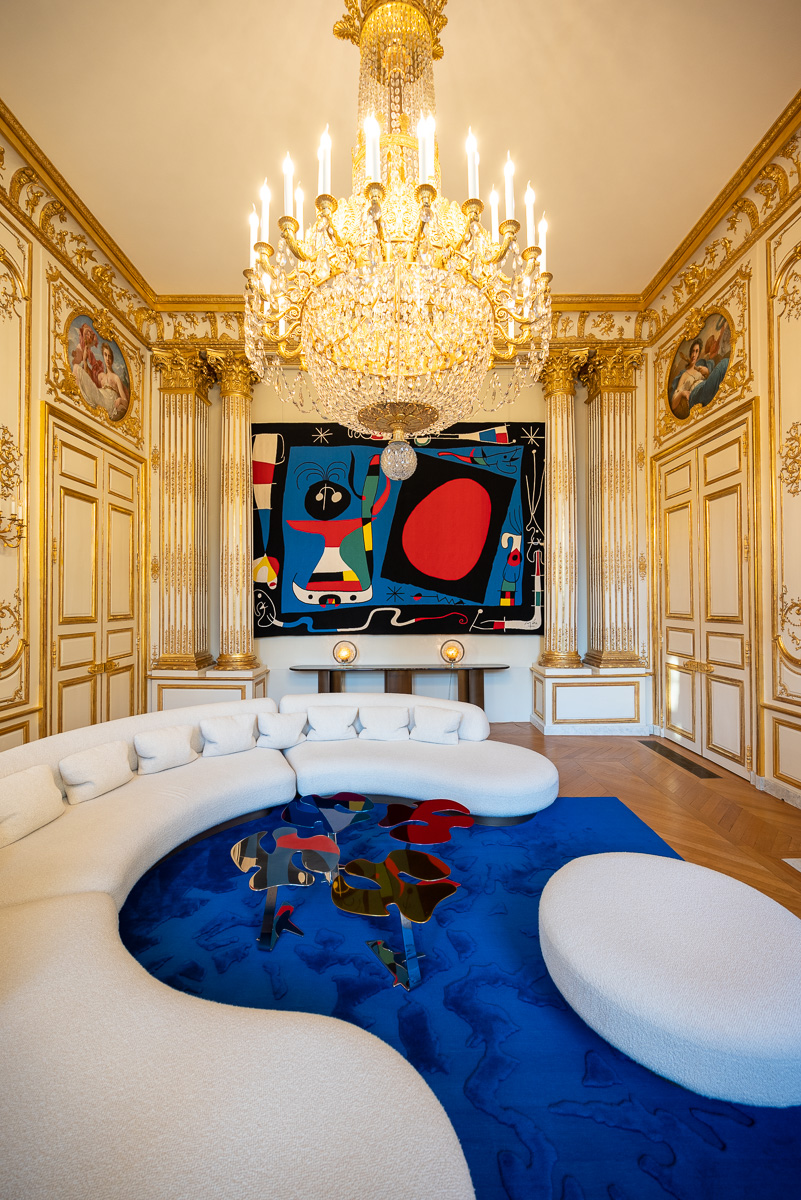
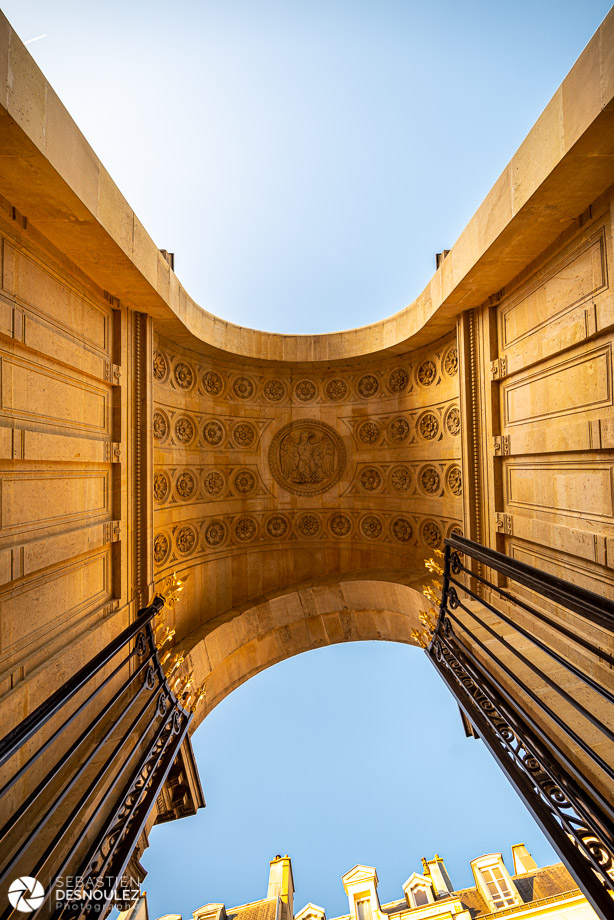
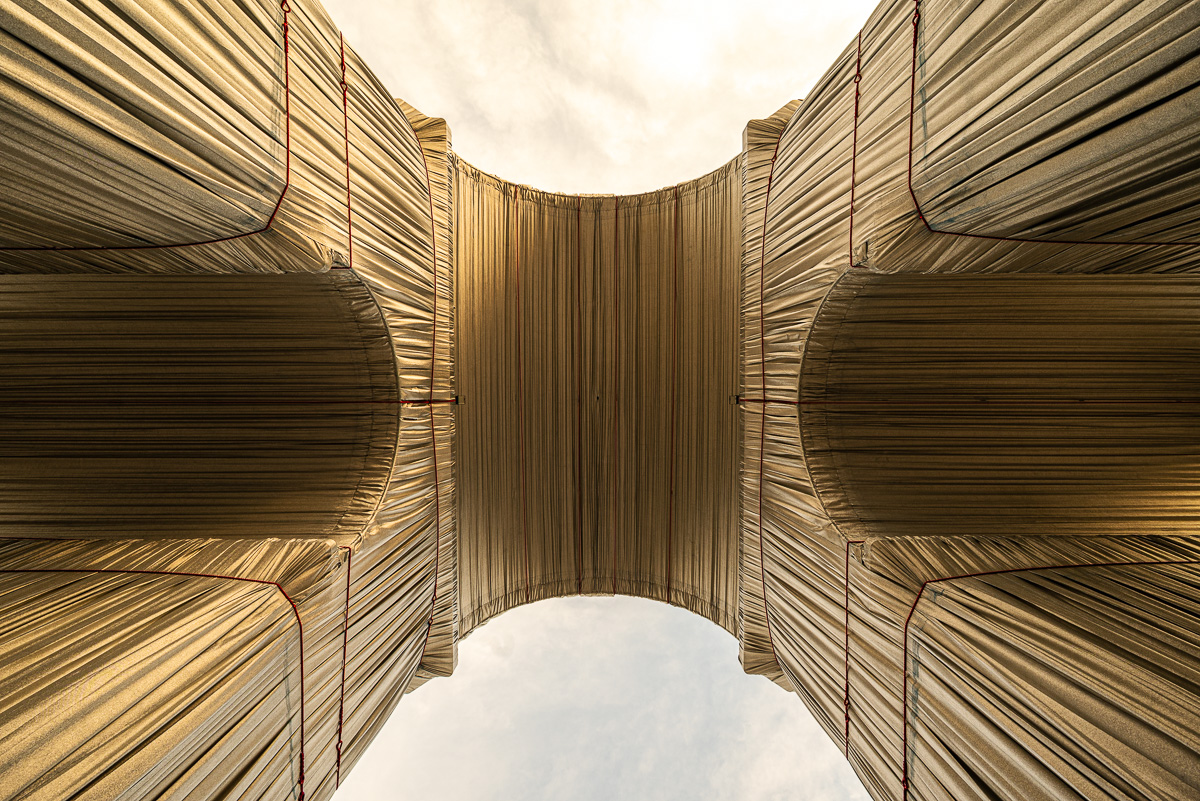
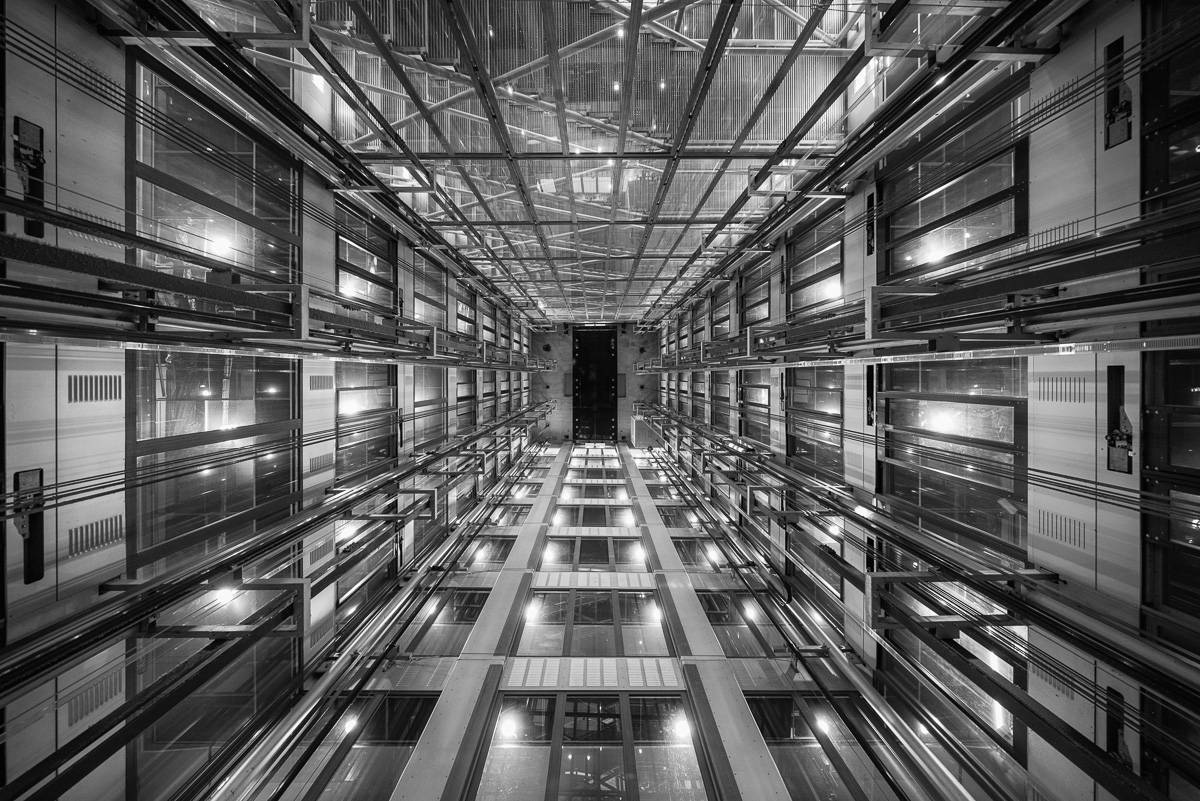
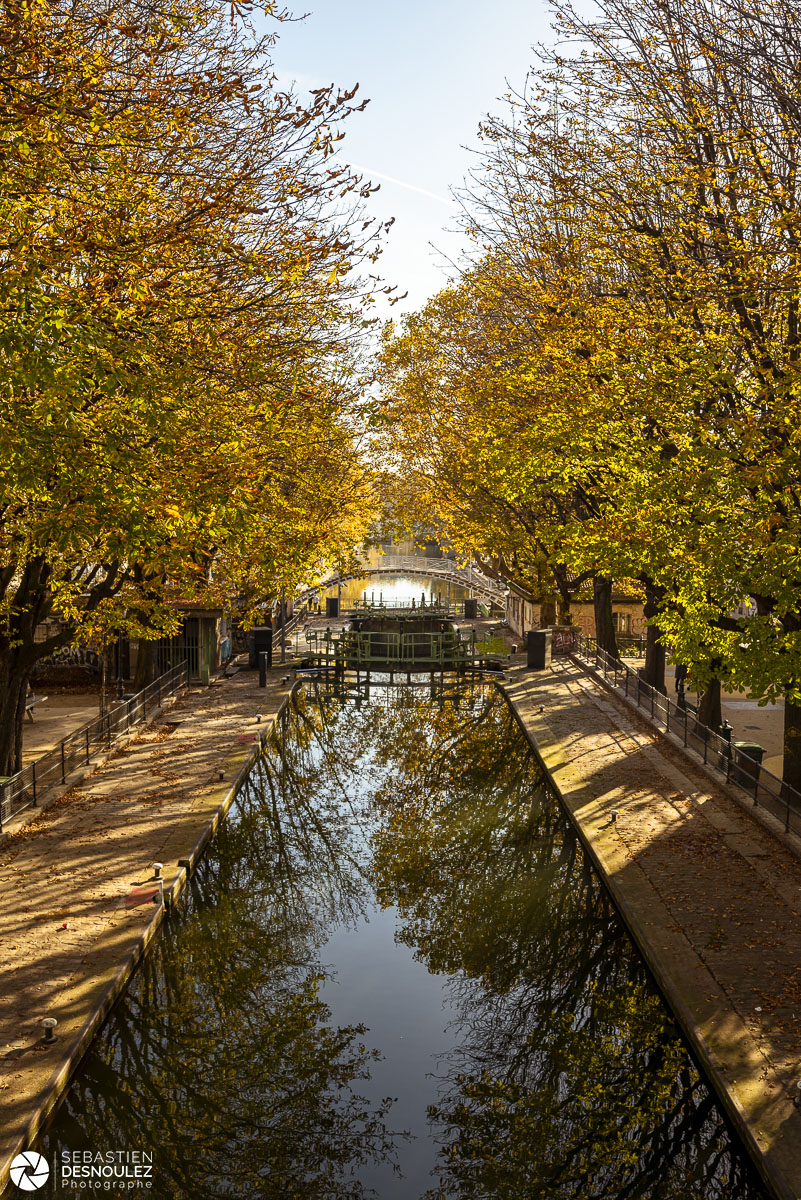
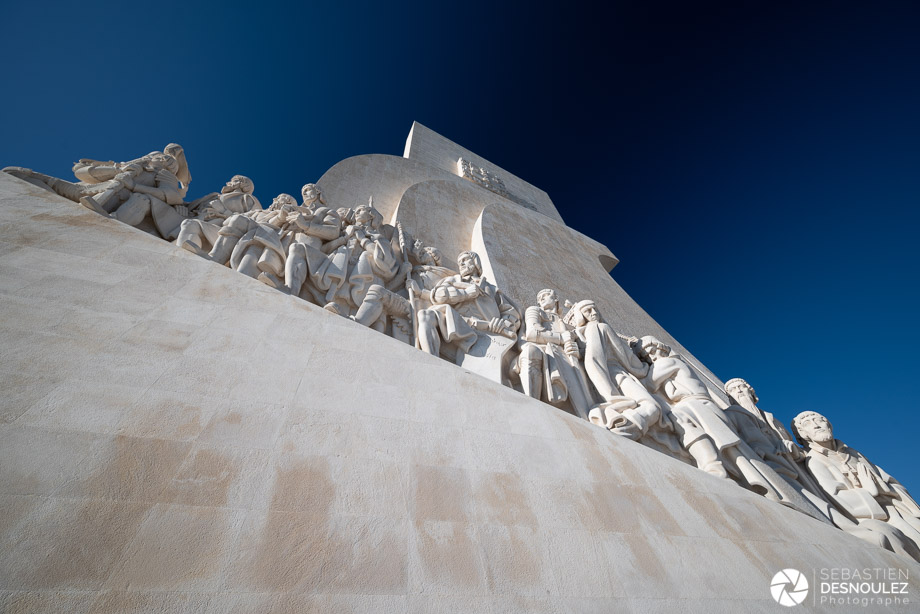
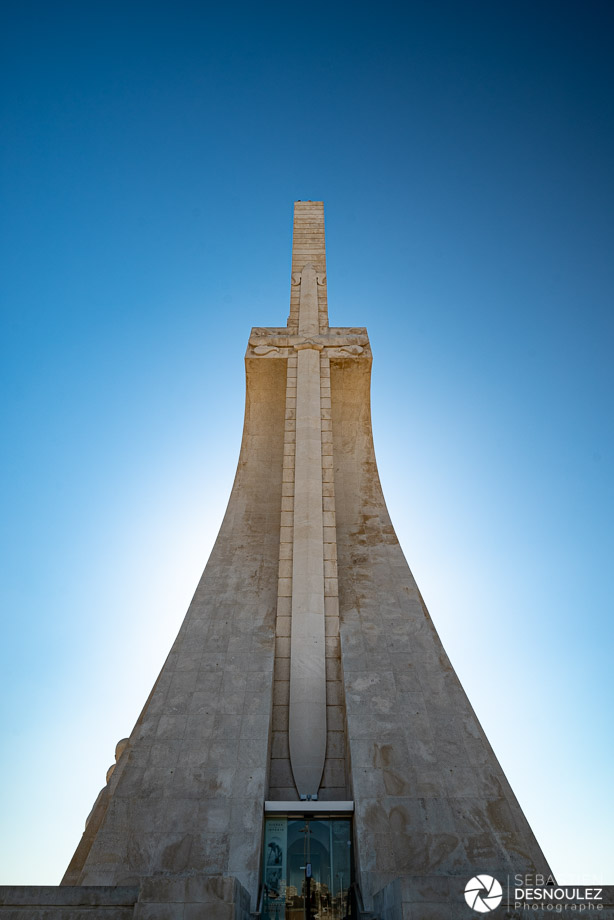
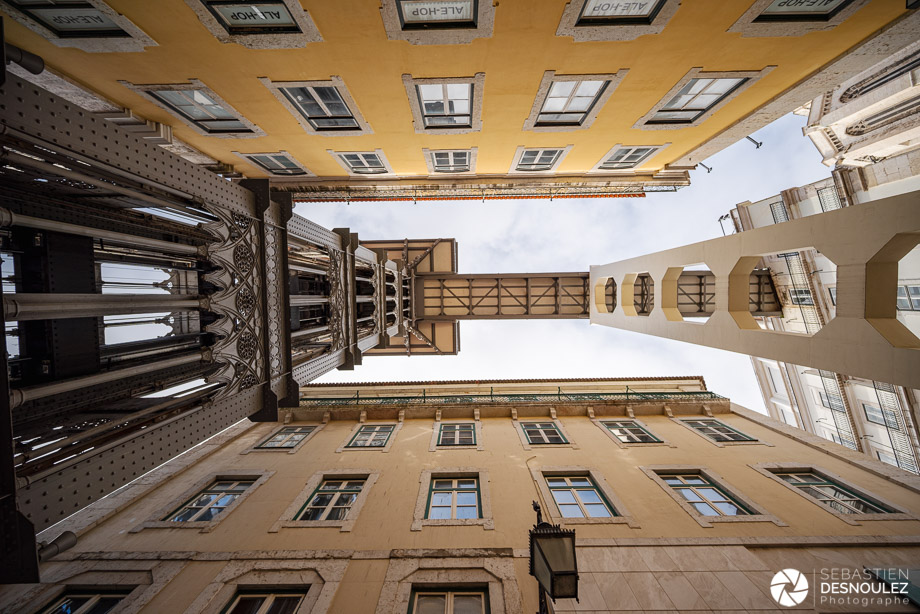
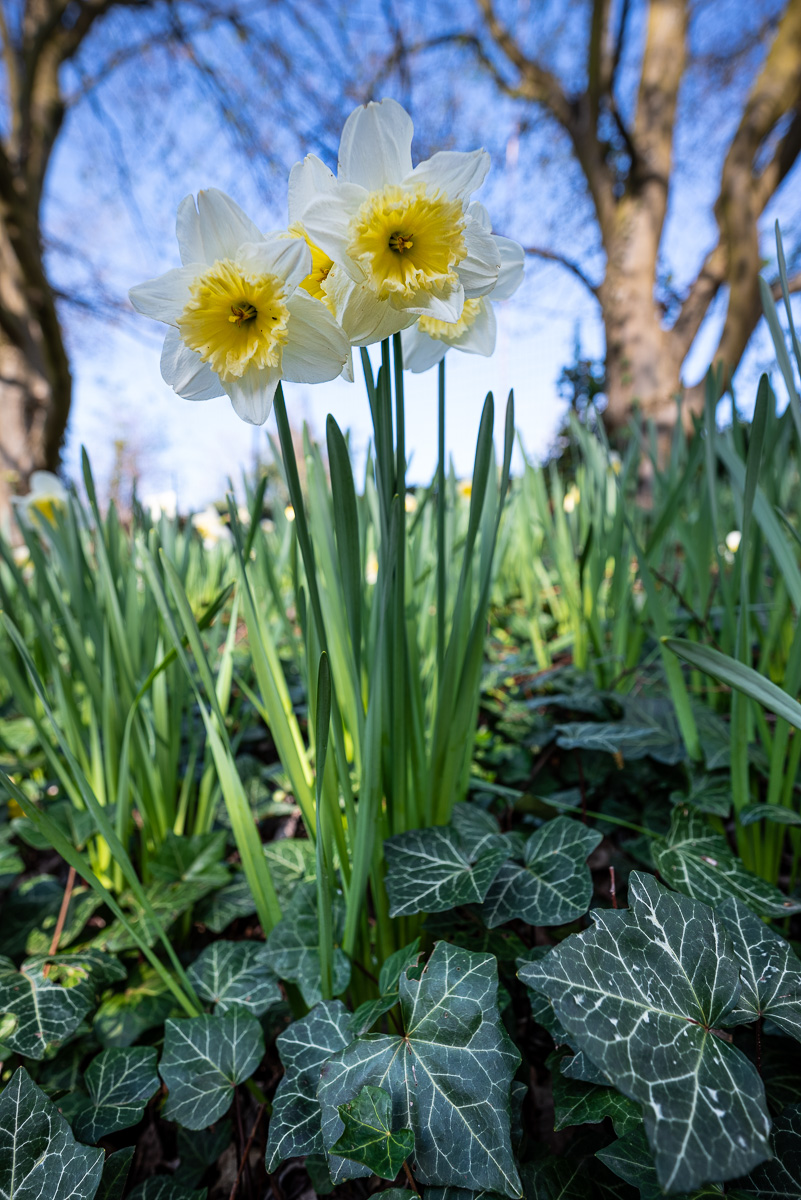
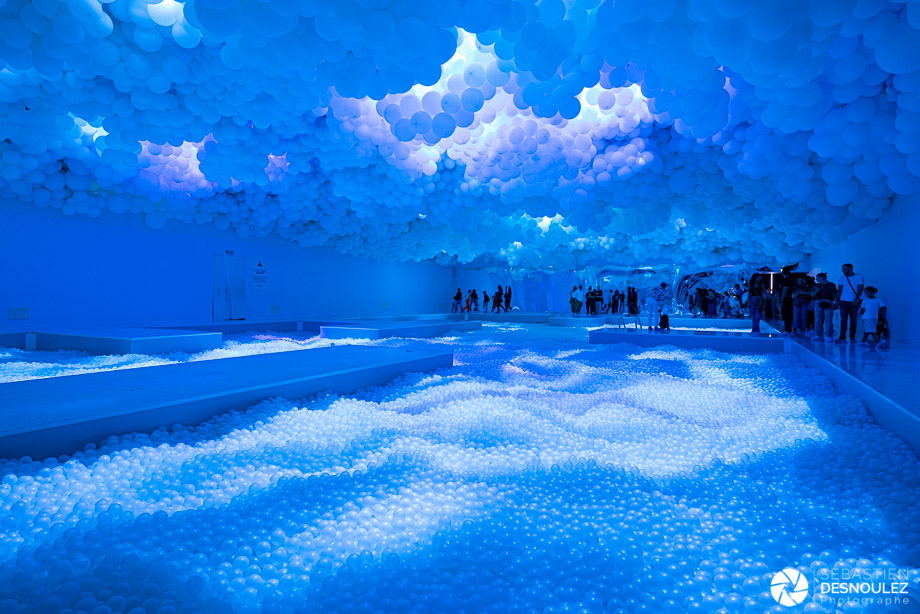
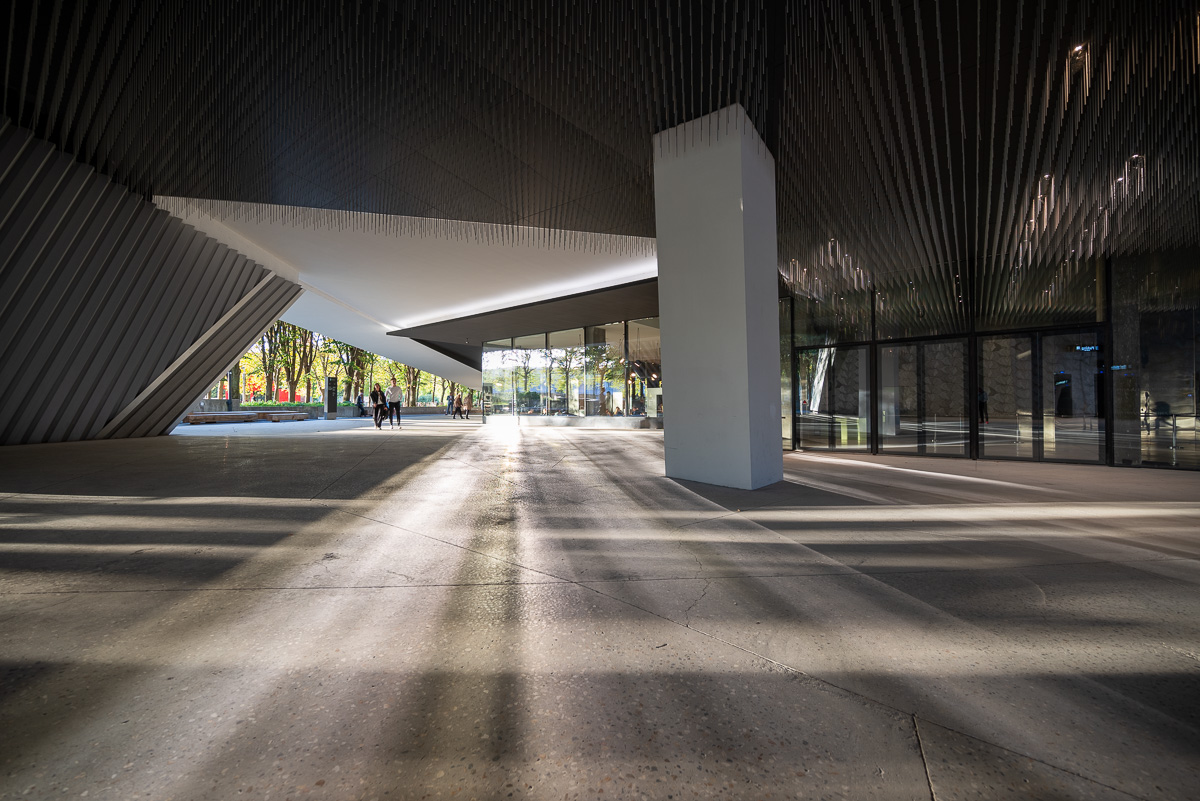
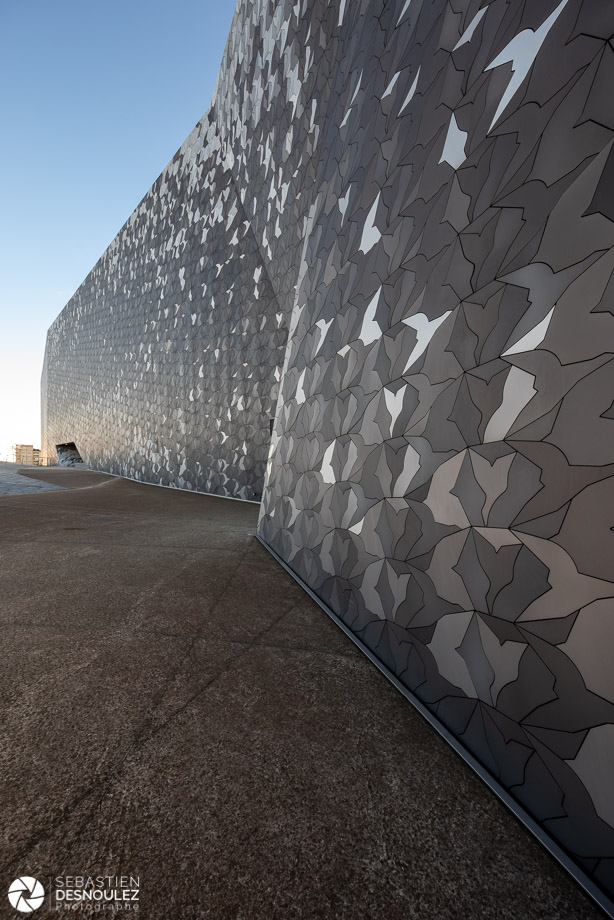
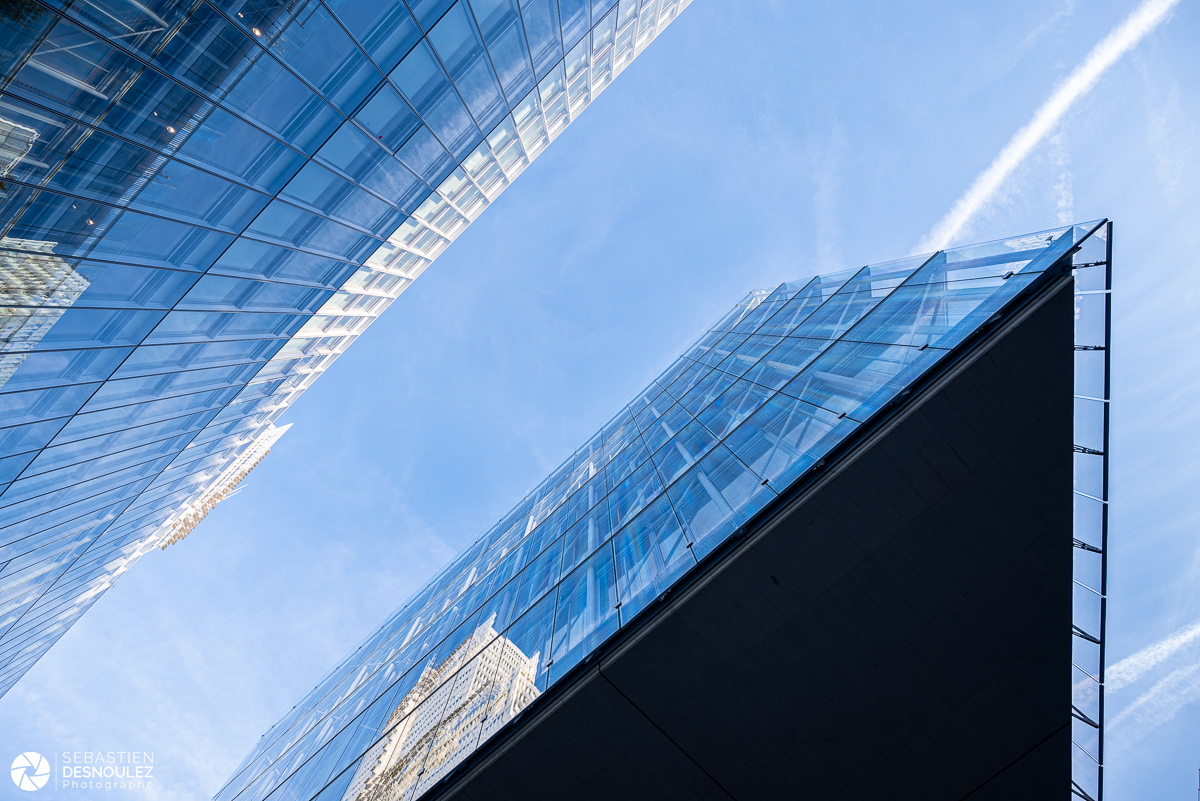
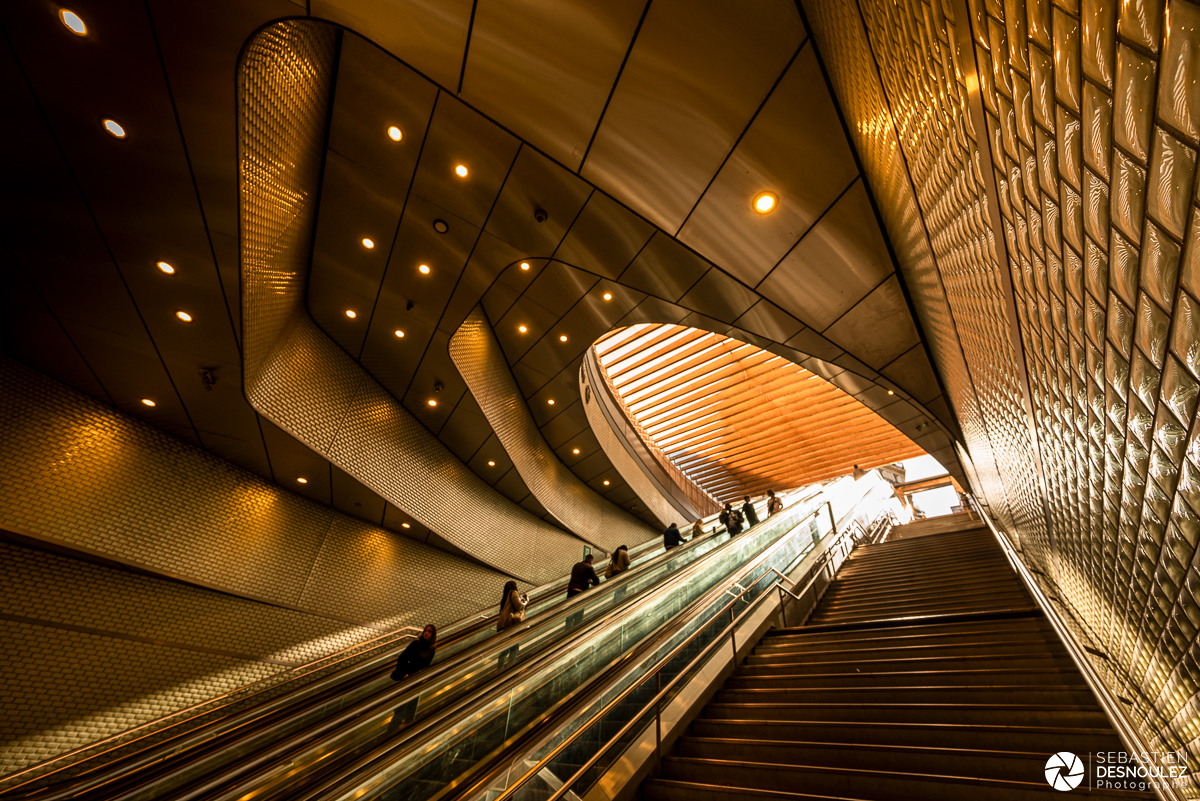
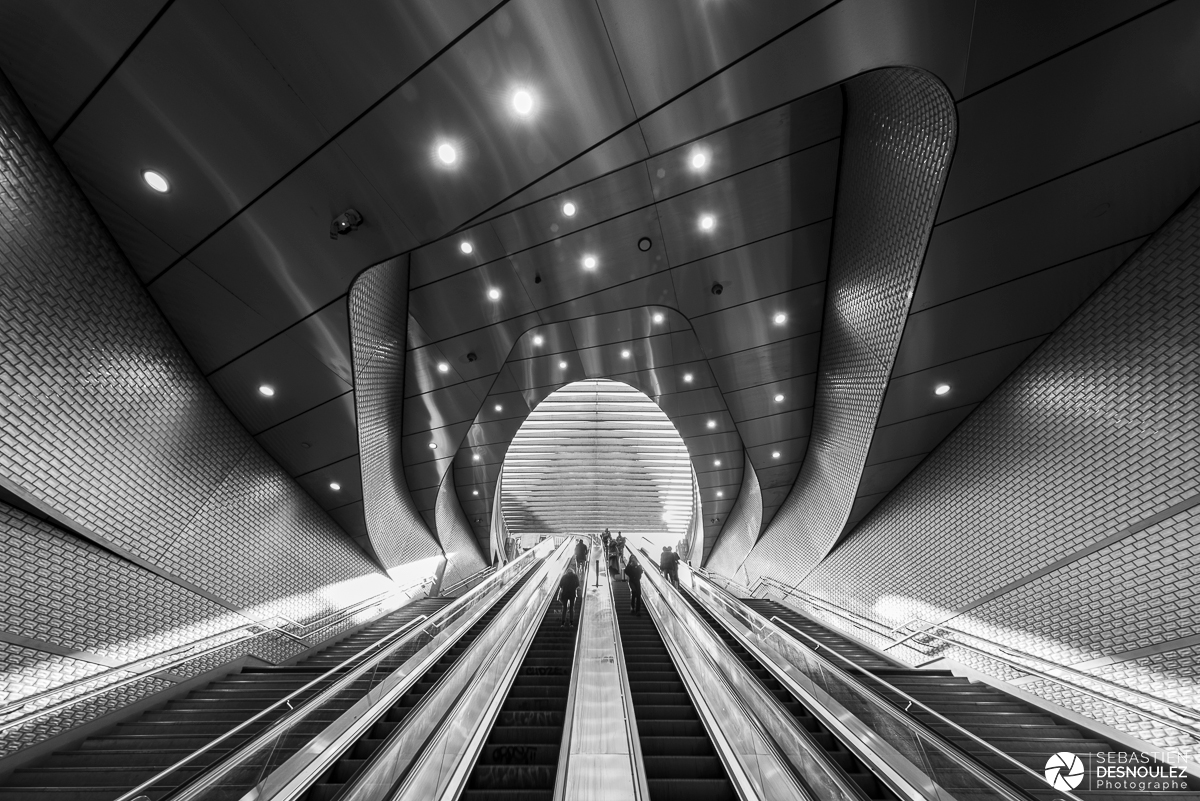
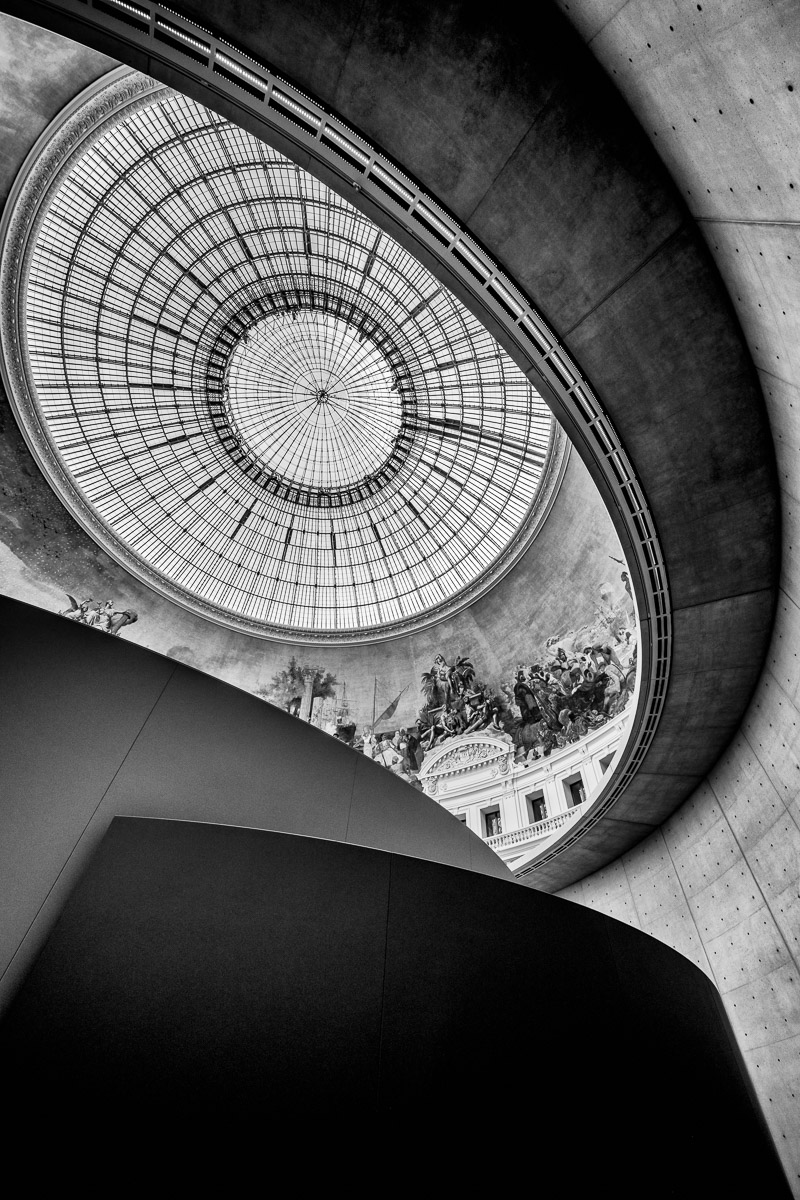
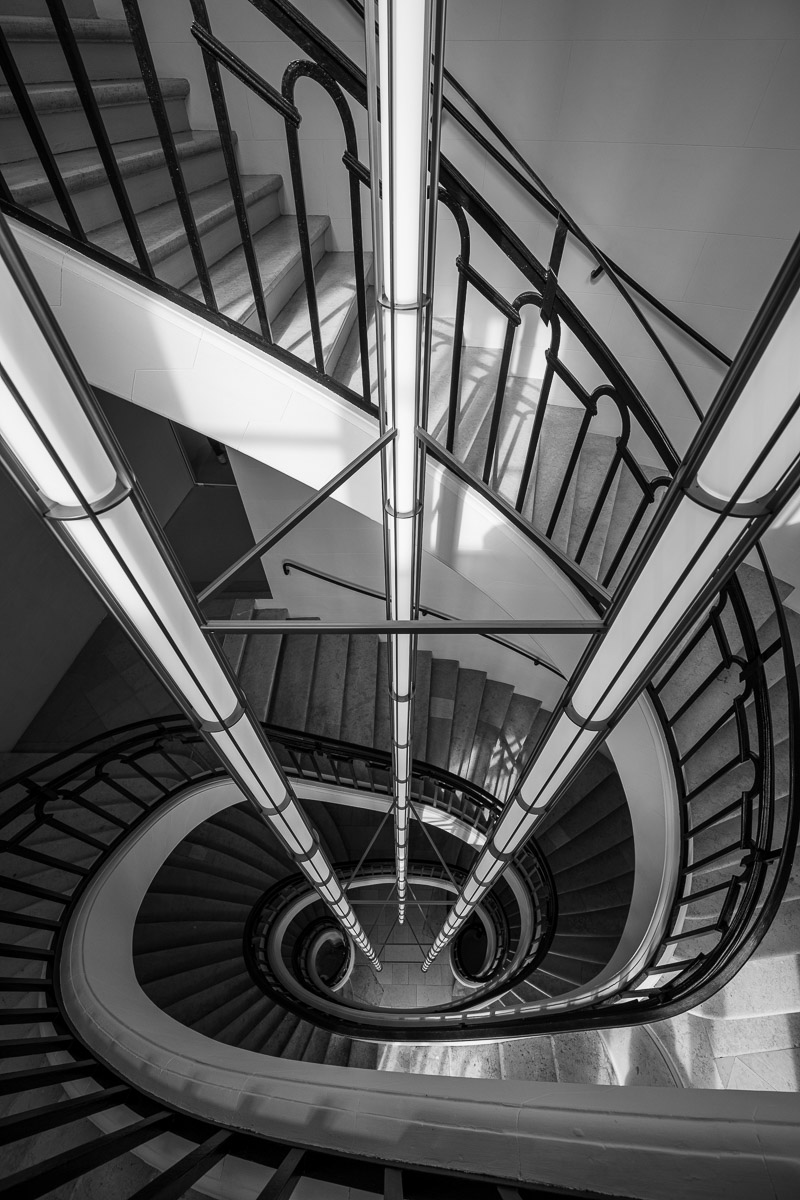
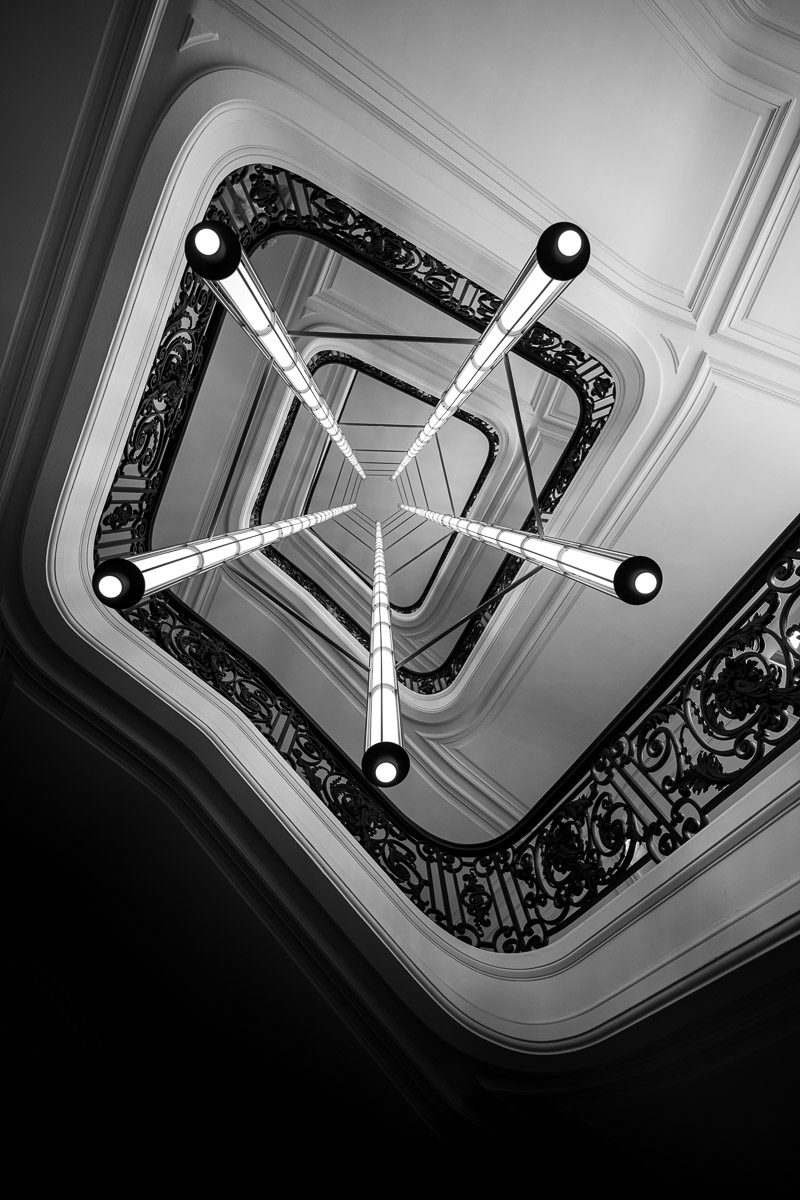
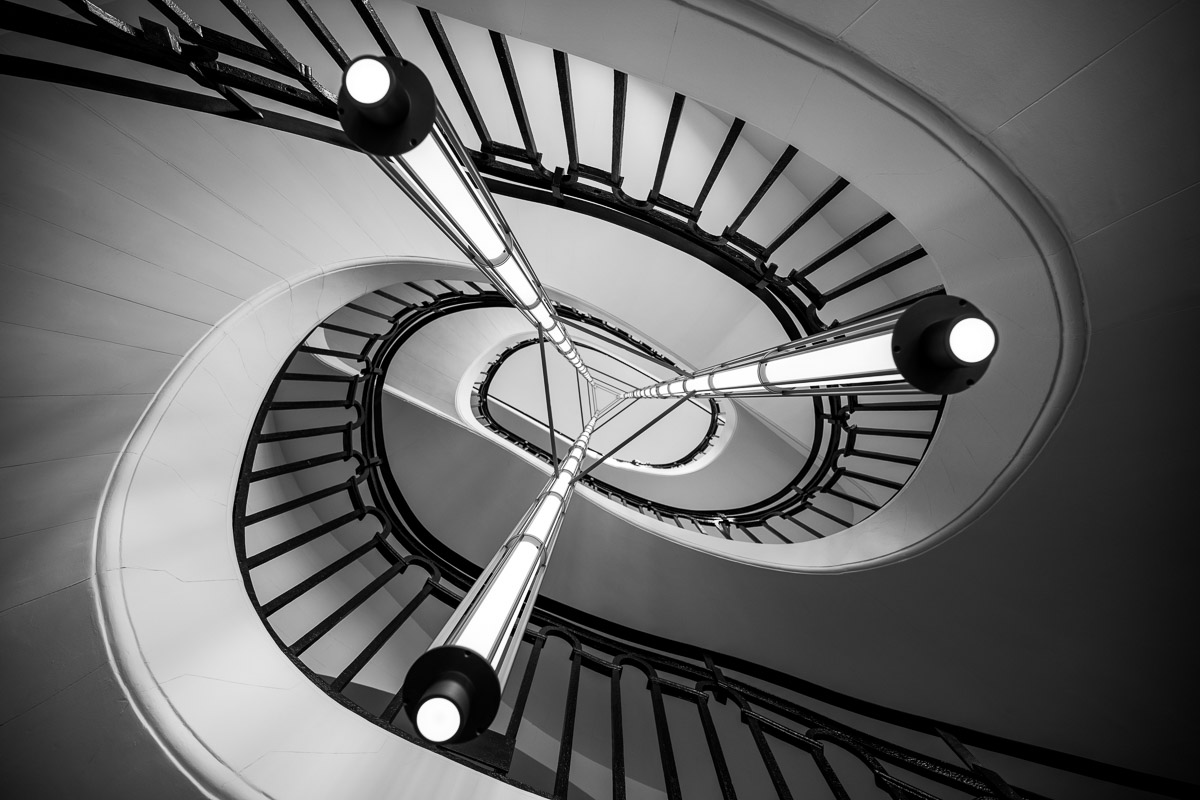
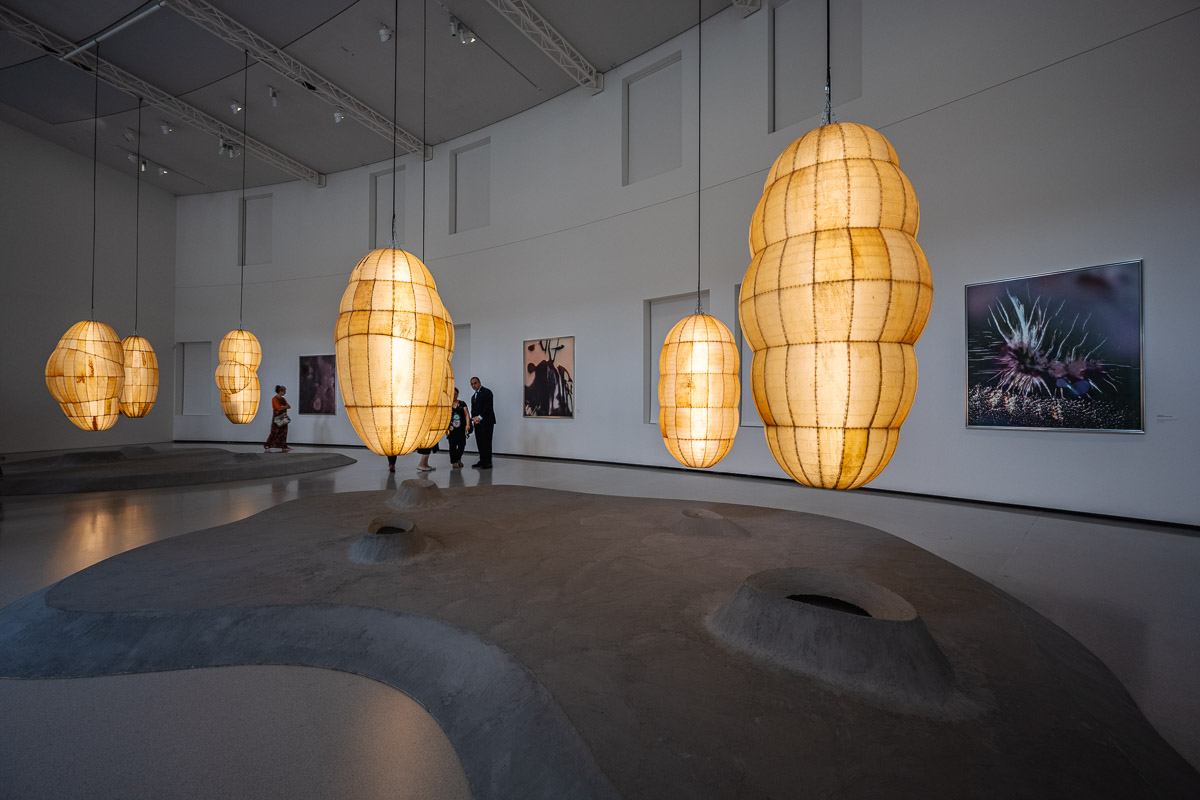
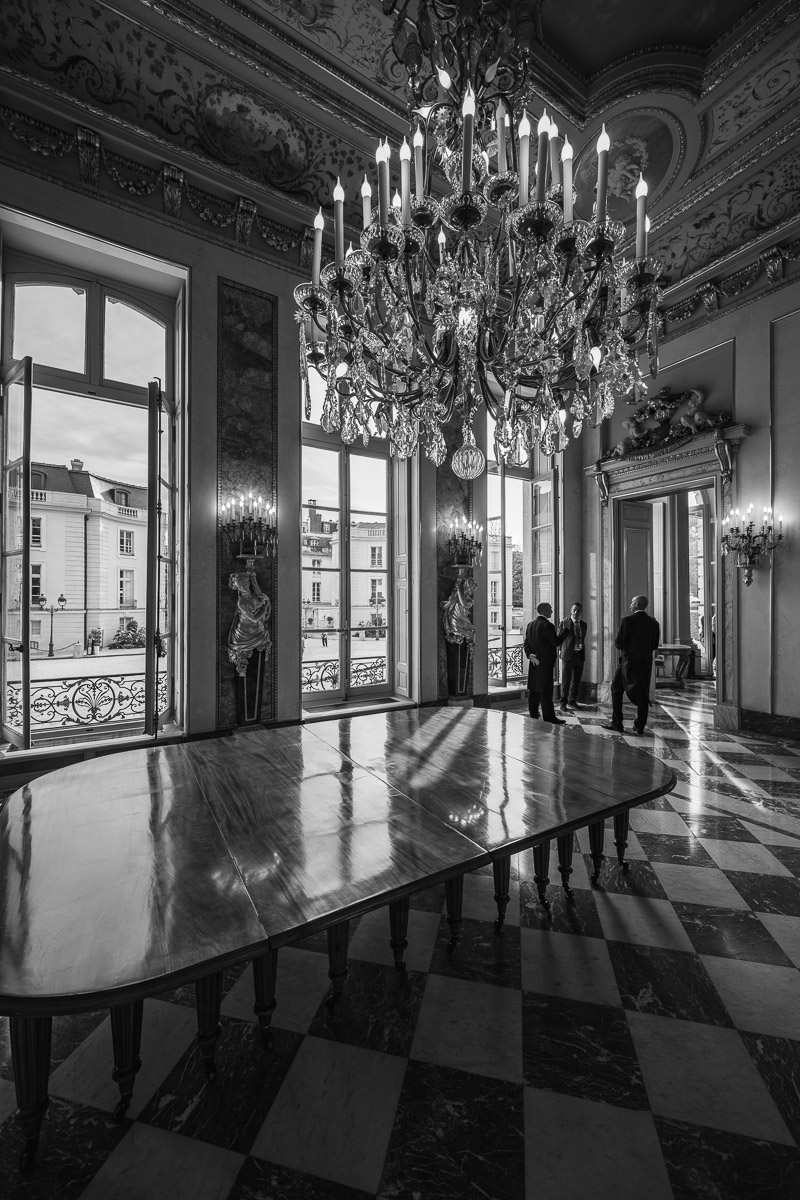
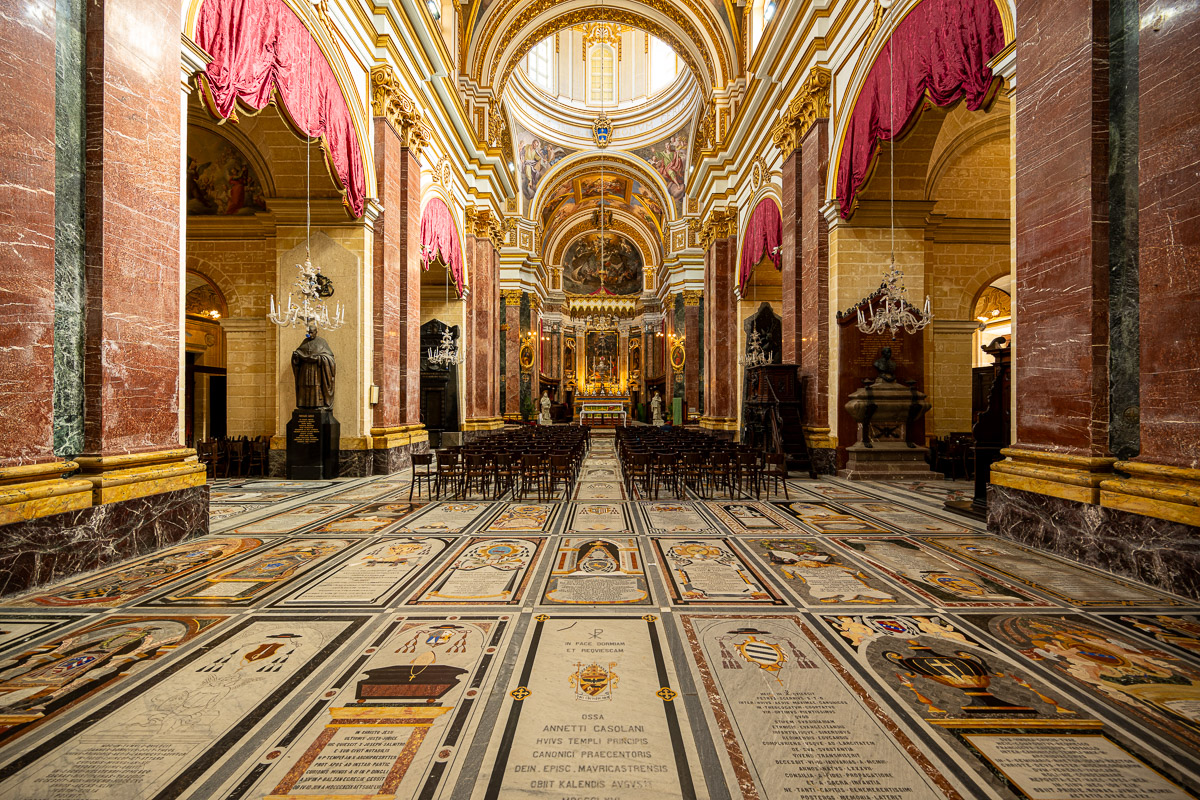
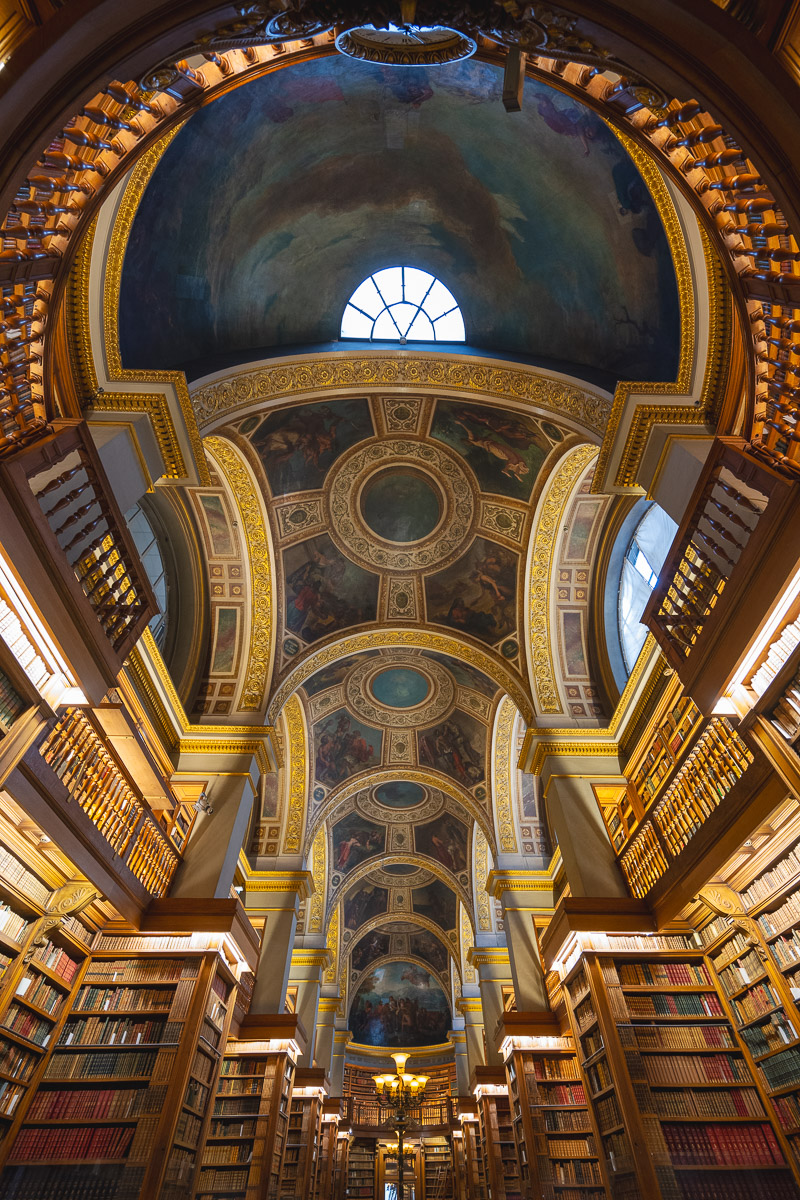
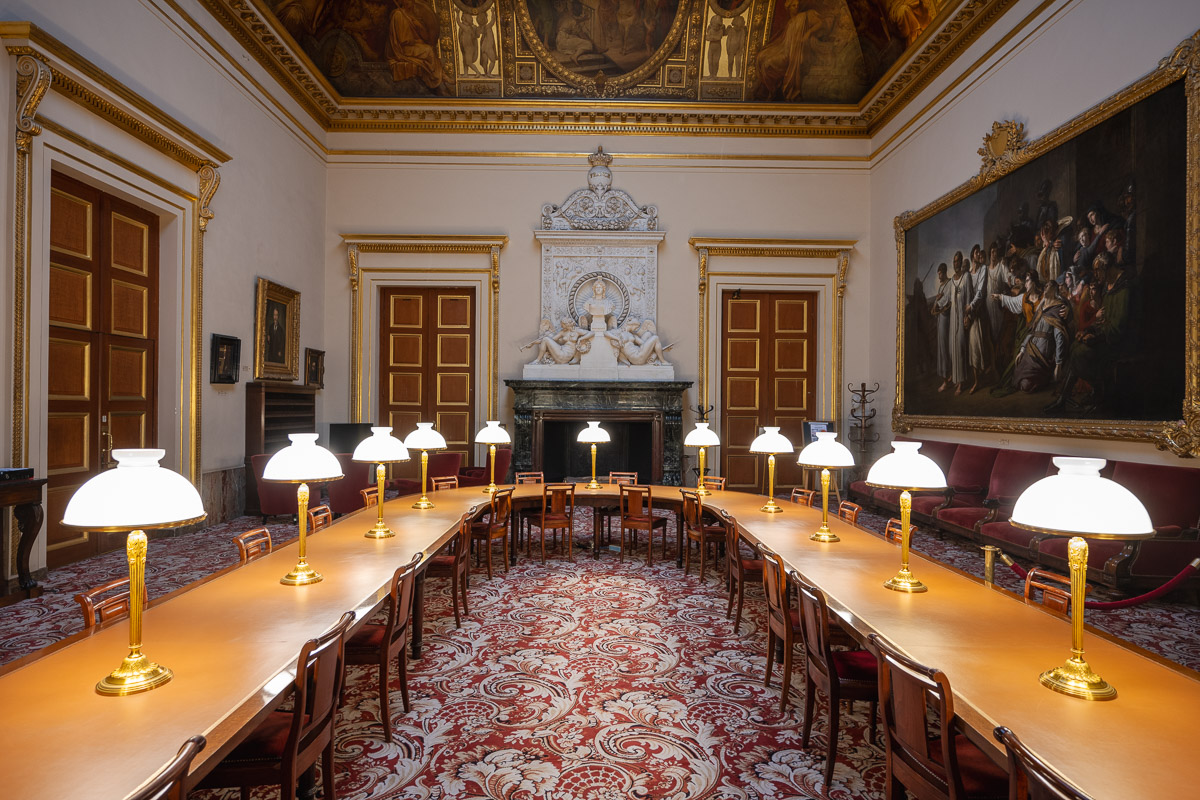
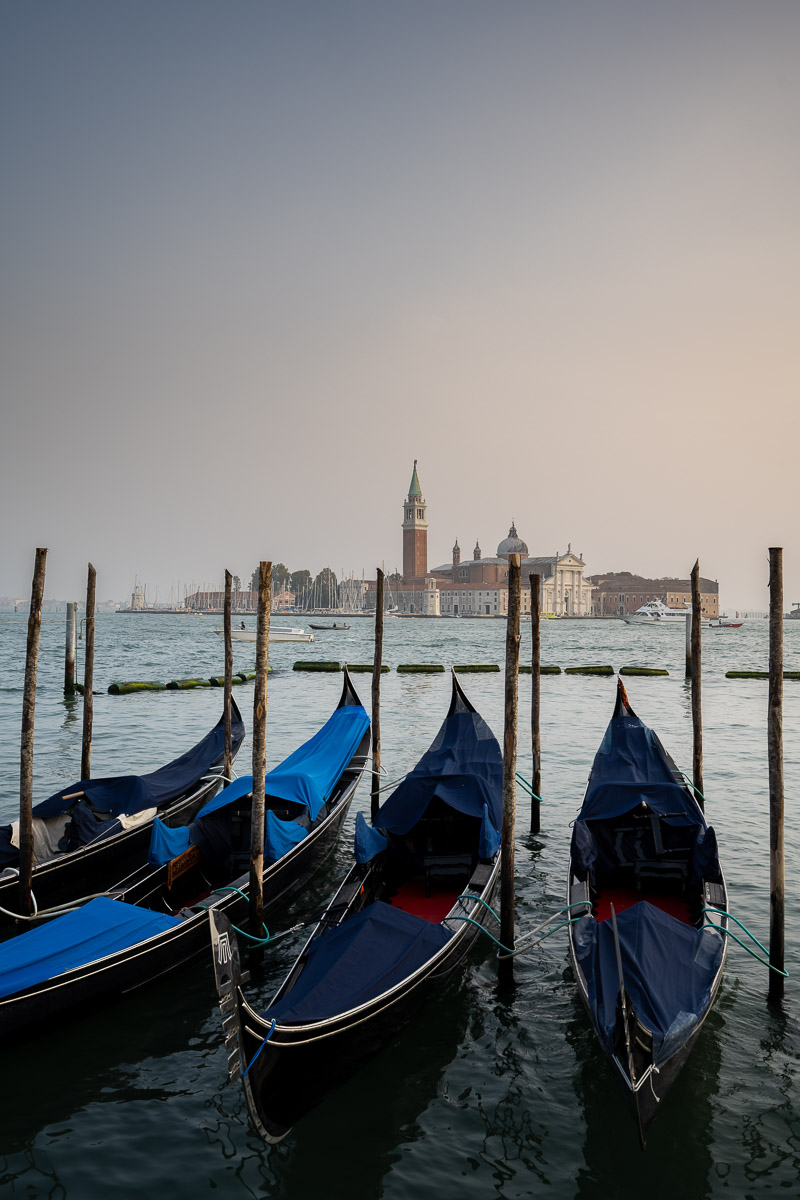
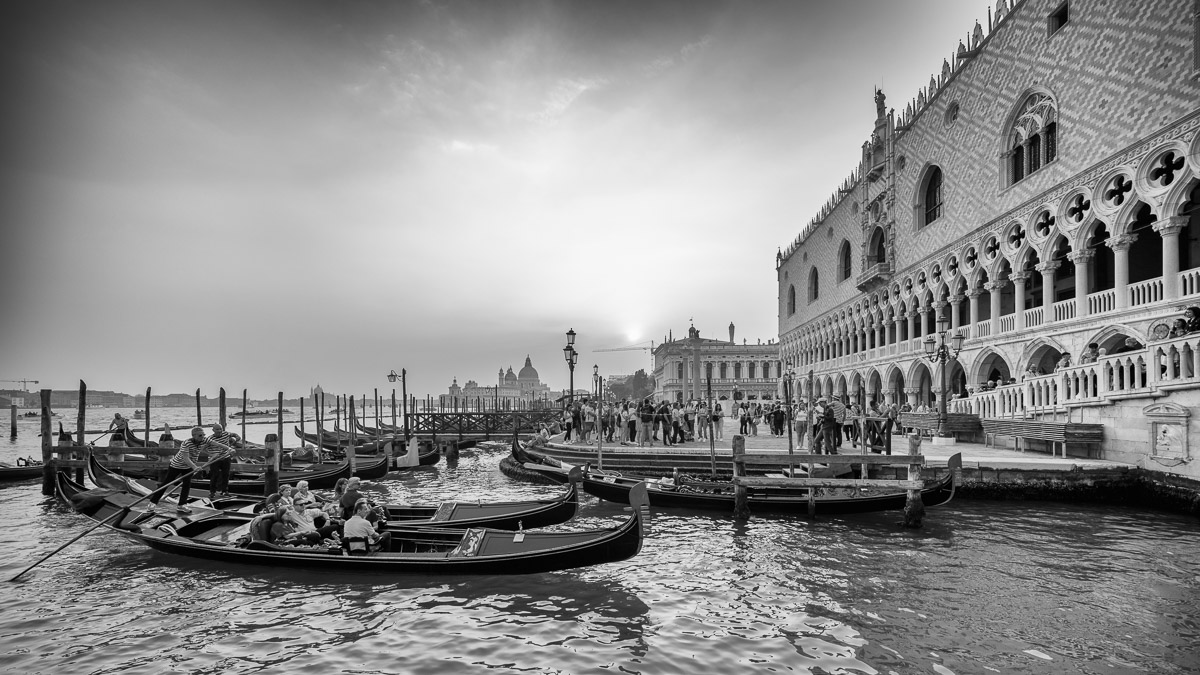
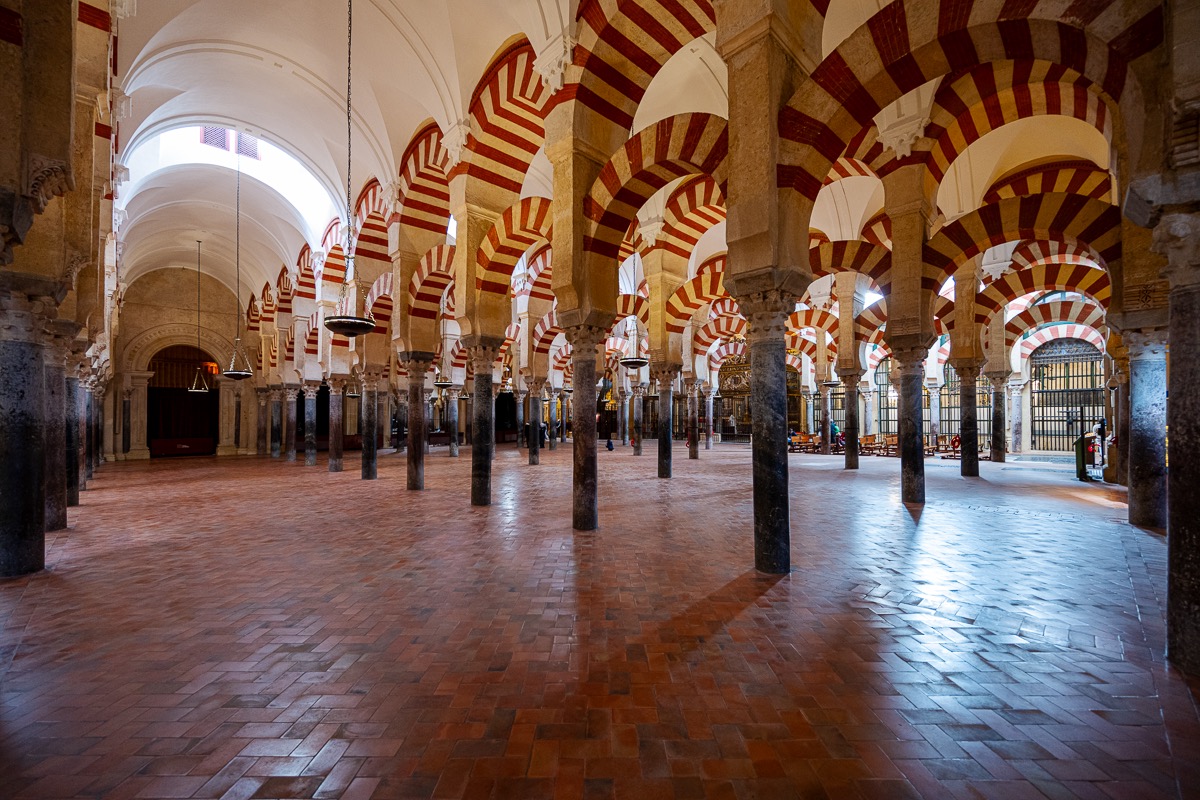
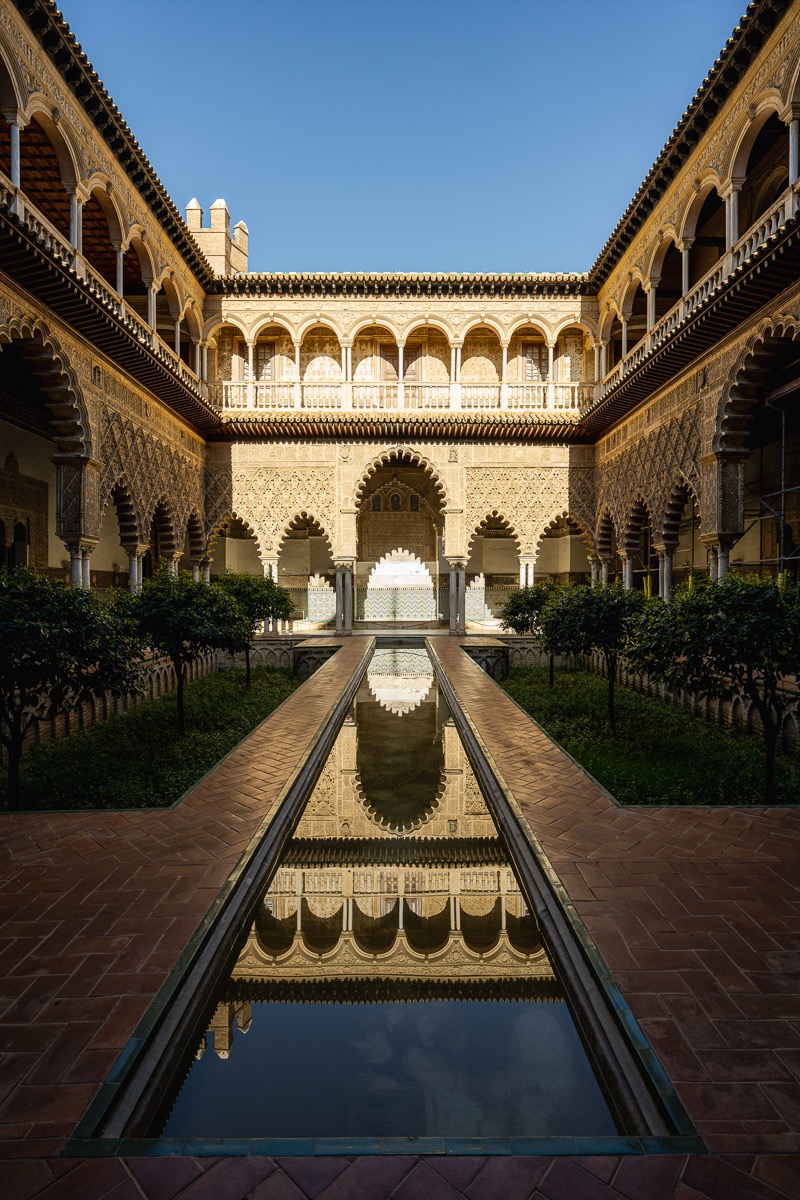
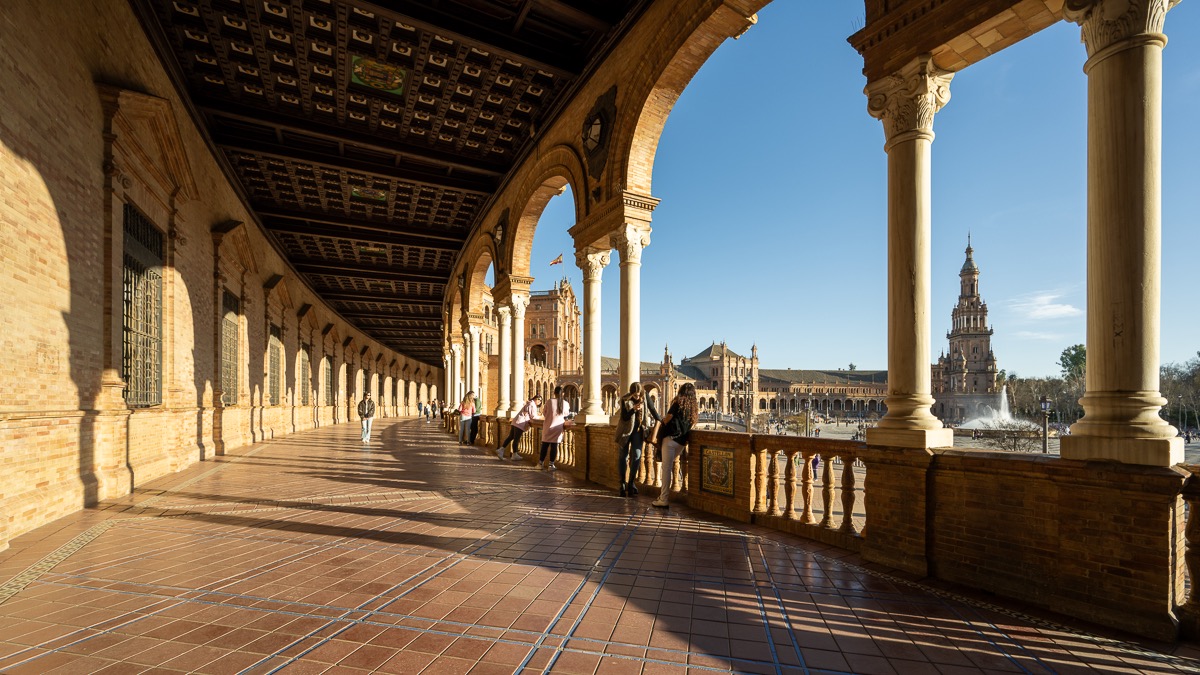
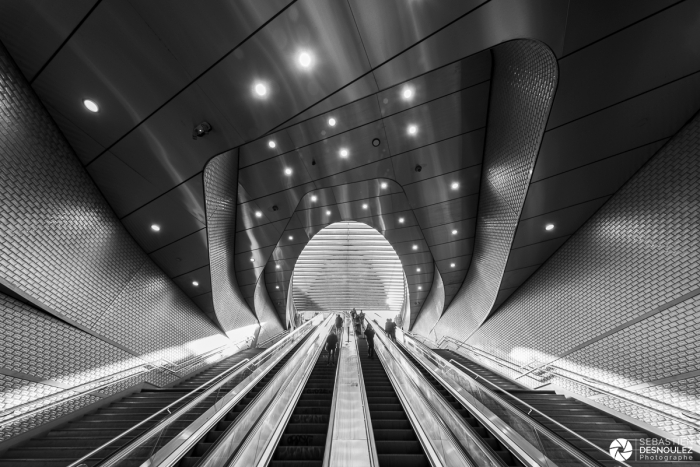
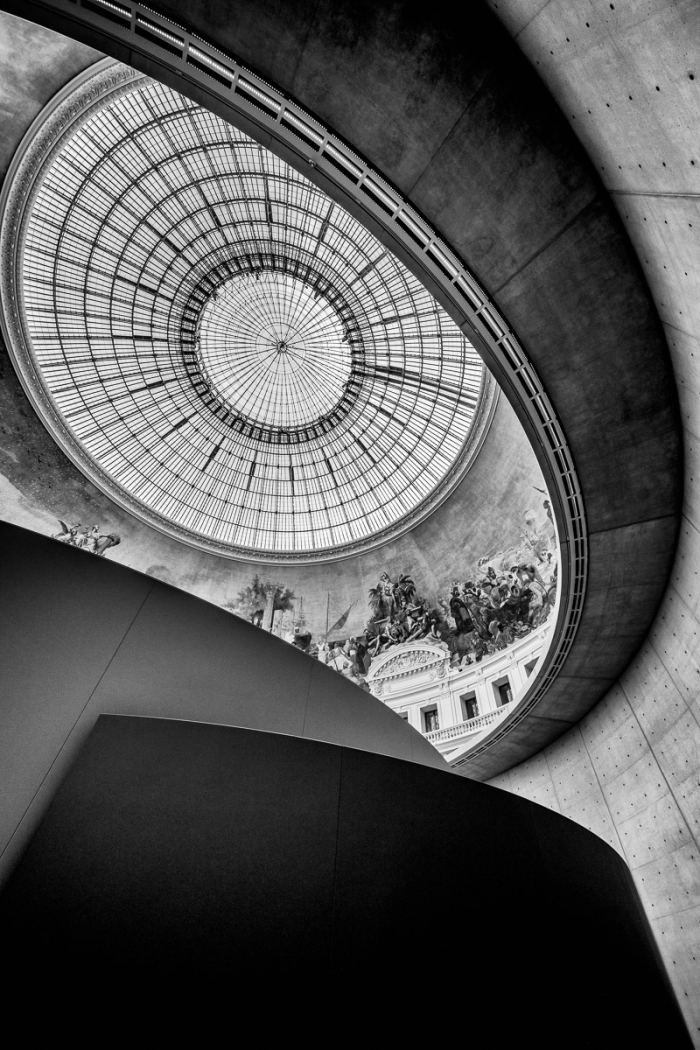
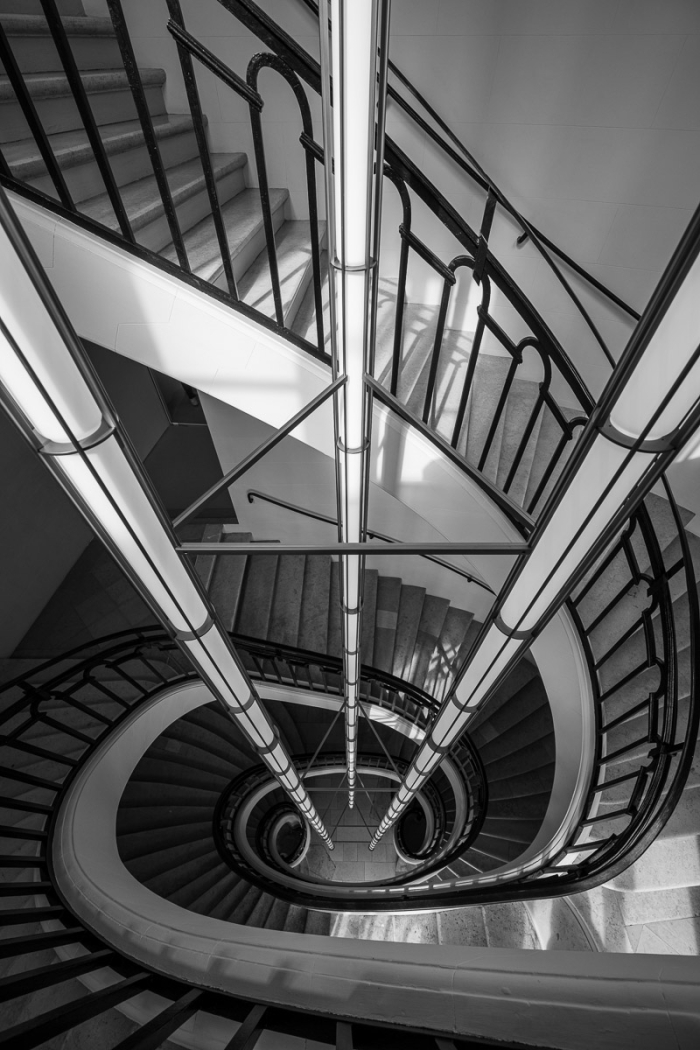
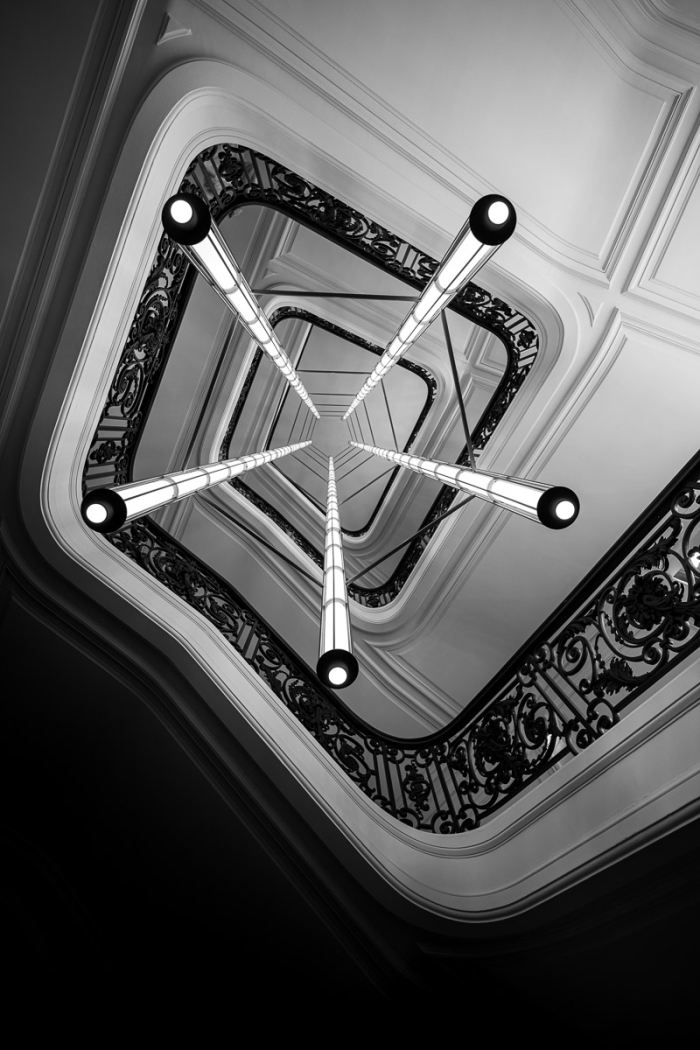
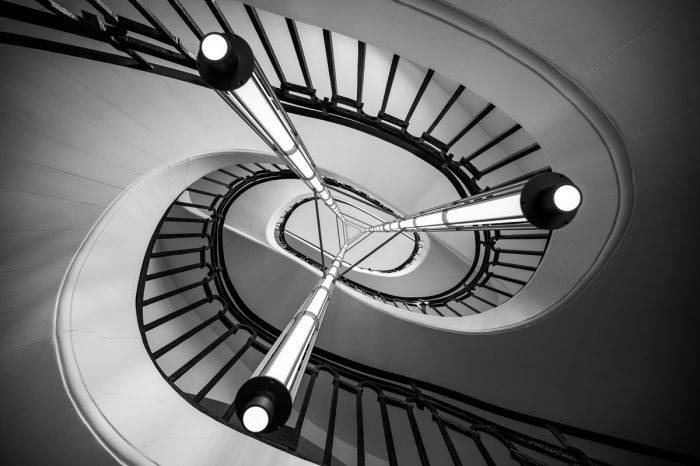
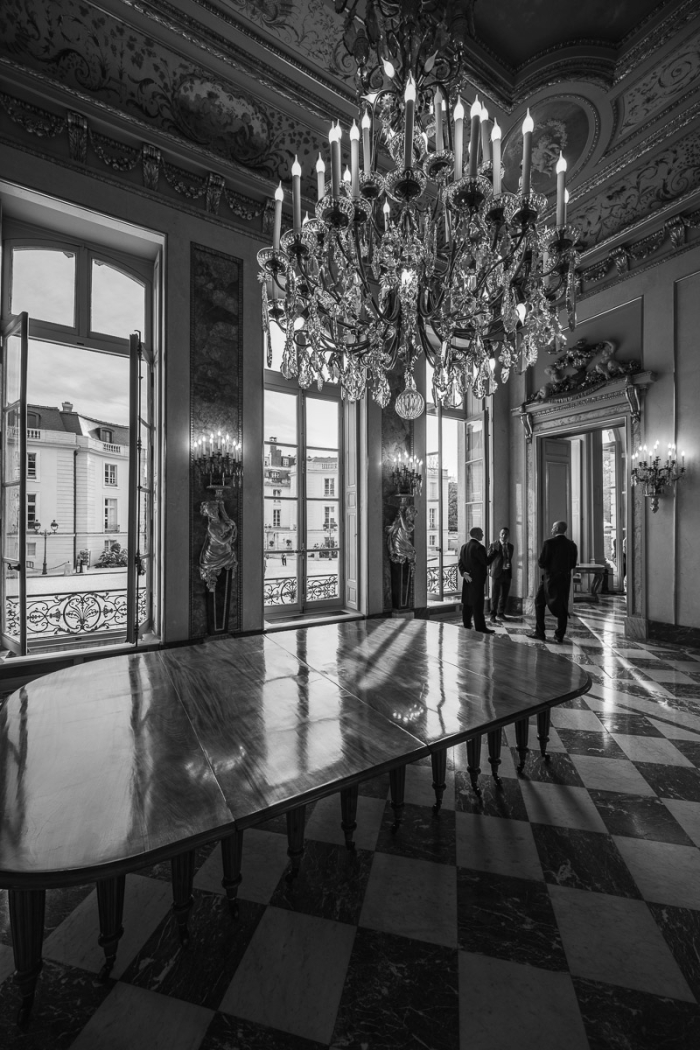
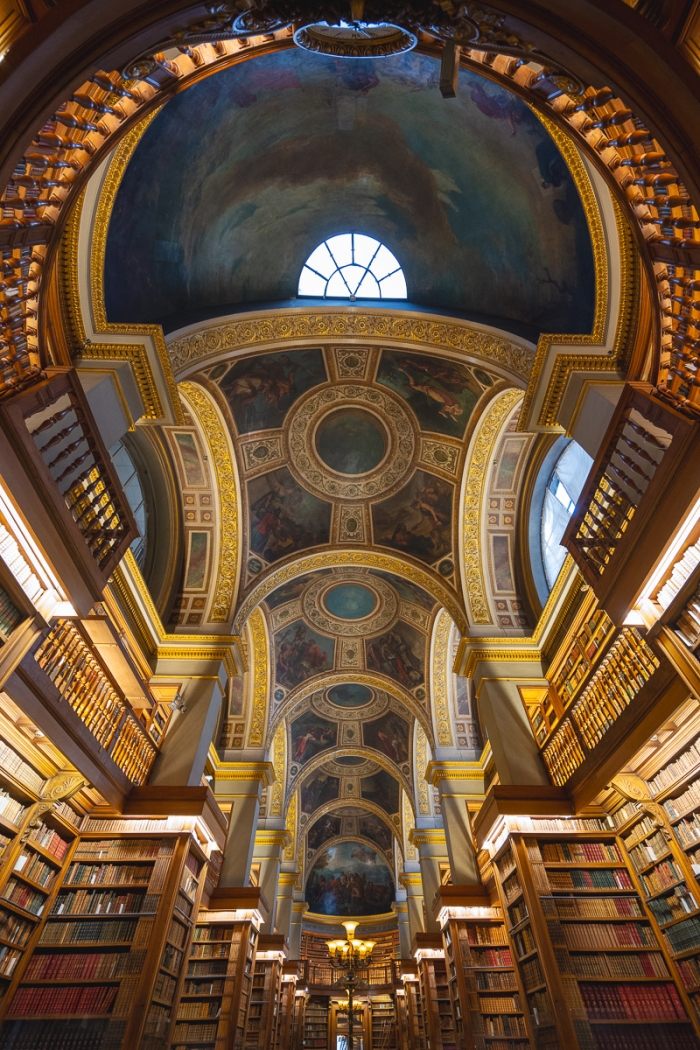
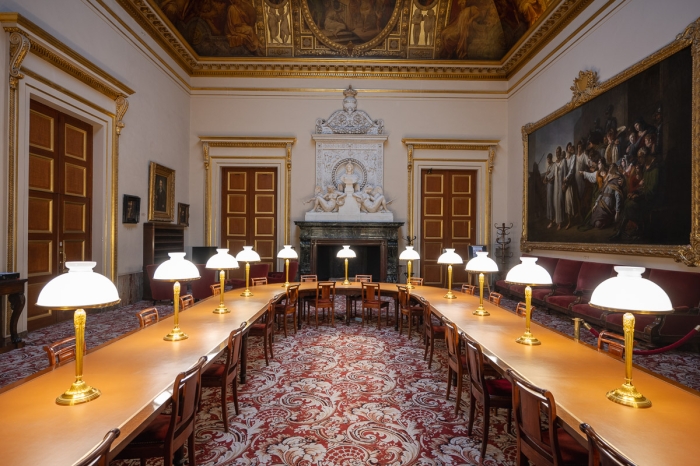
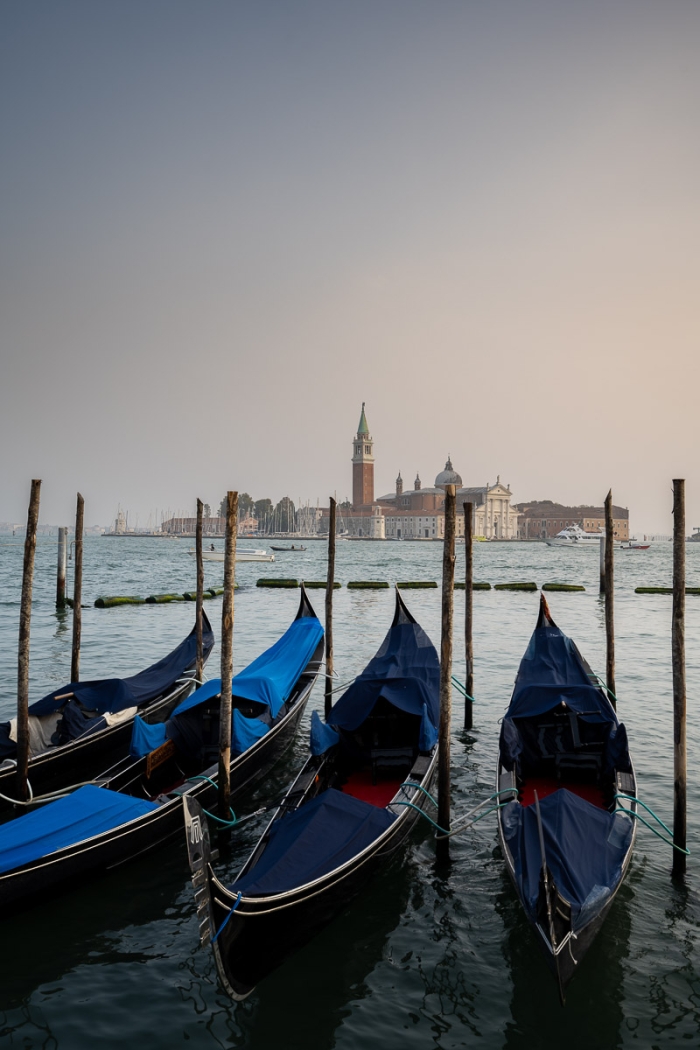
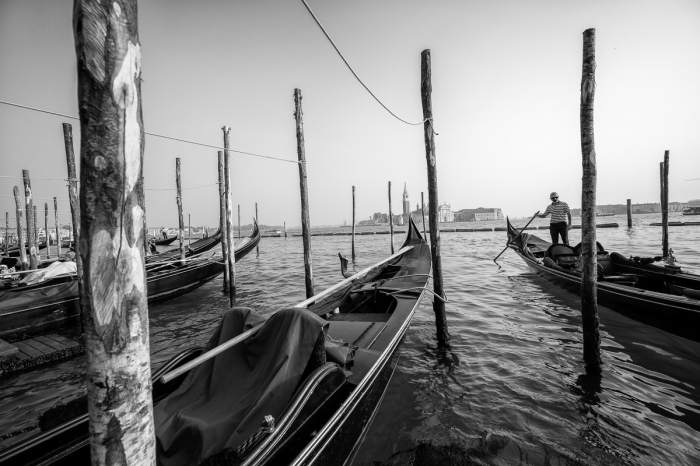
In architecture, it is a pleasure to frame accurately without later cropping to compensate for distortion. In landscape work, fine textures are well rendered and skies remain clean, with no fringes or micro‑blur.
Flare, backlight and diffraction
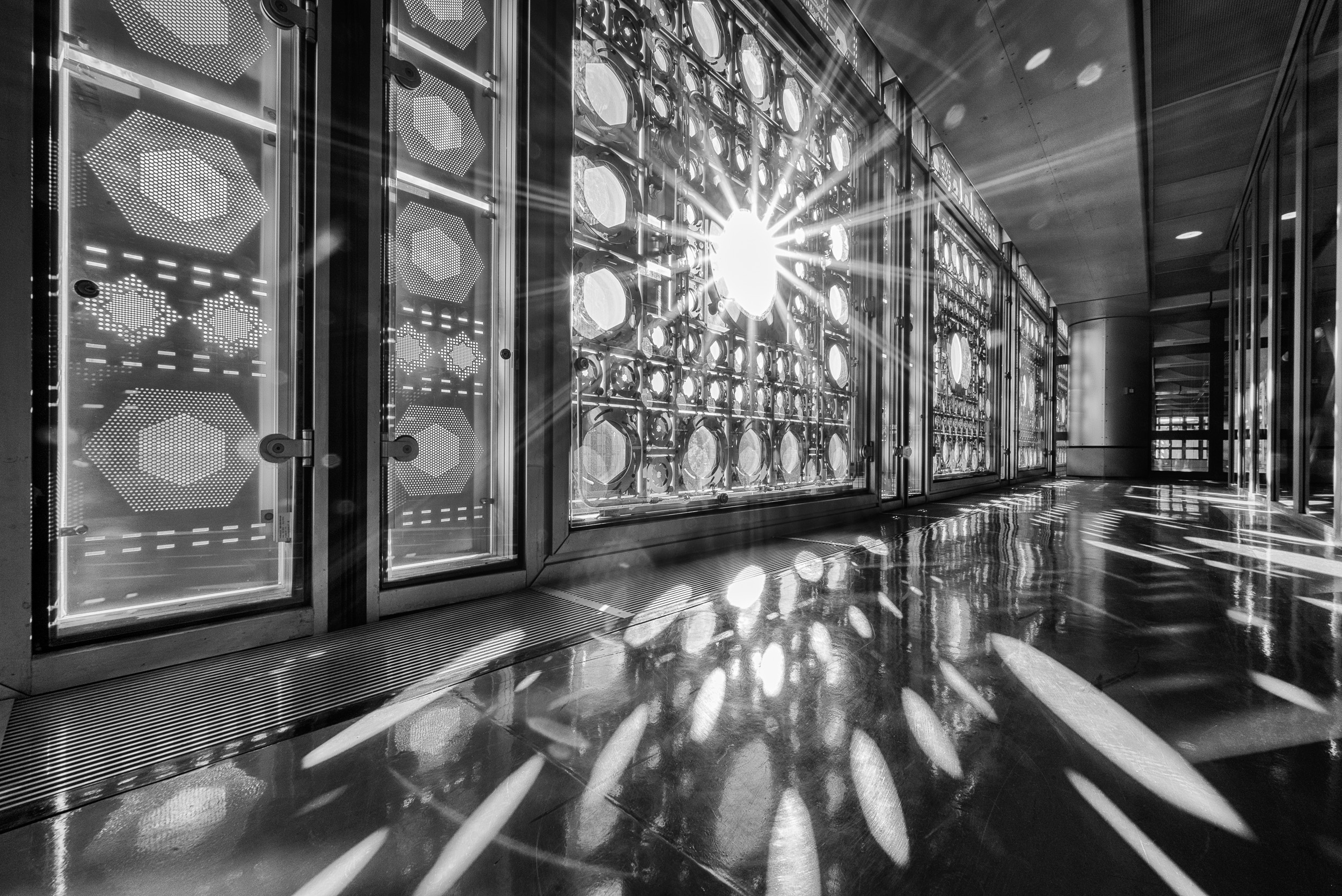
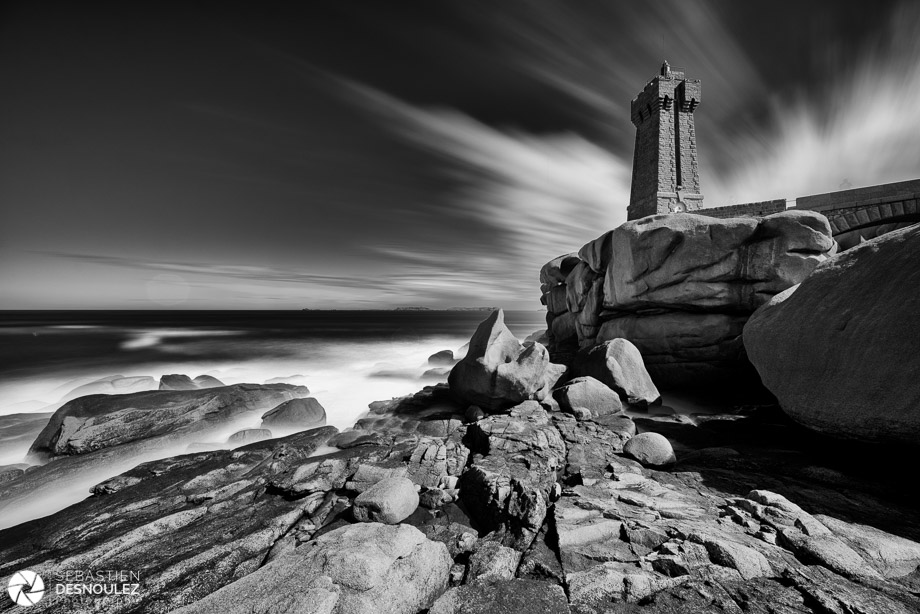
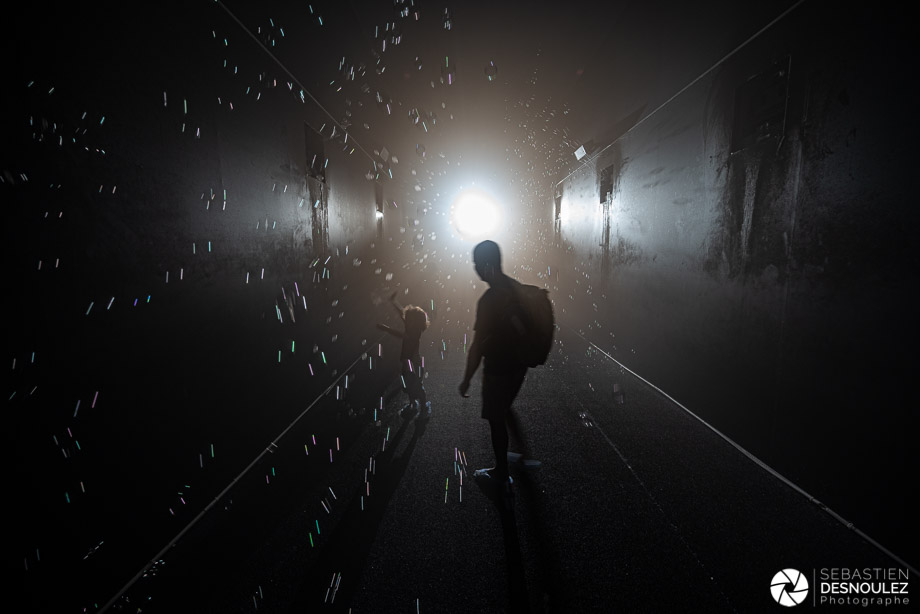
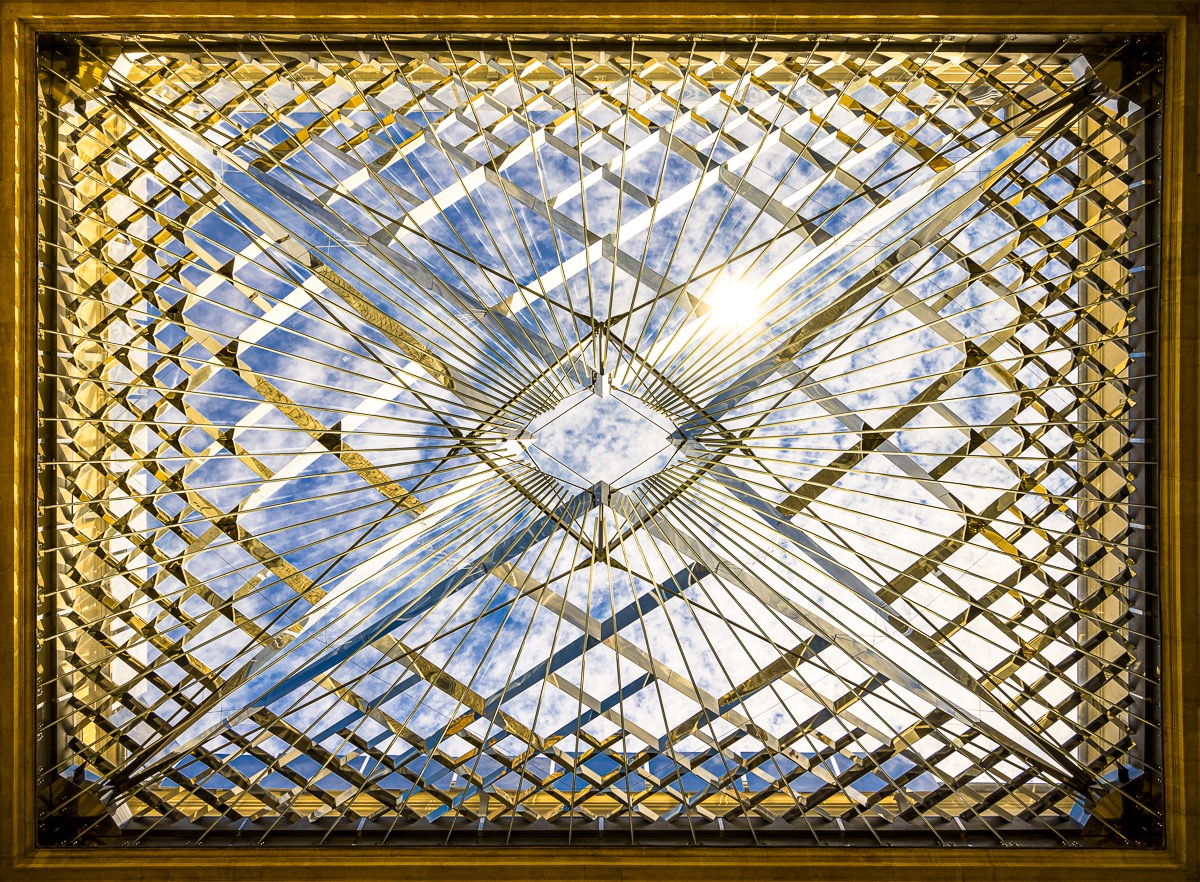
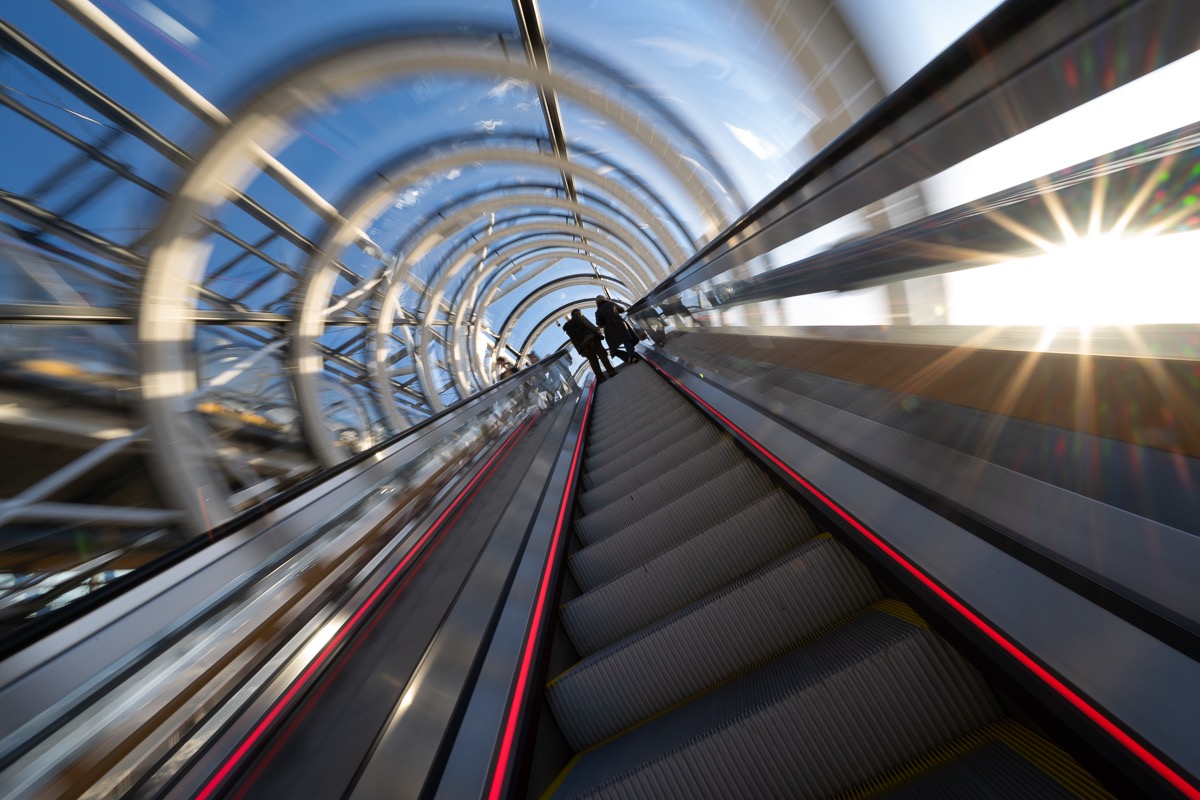
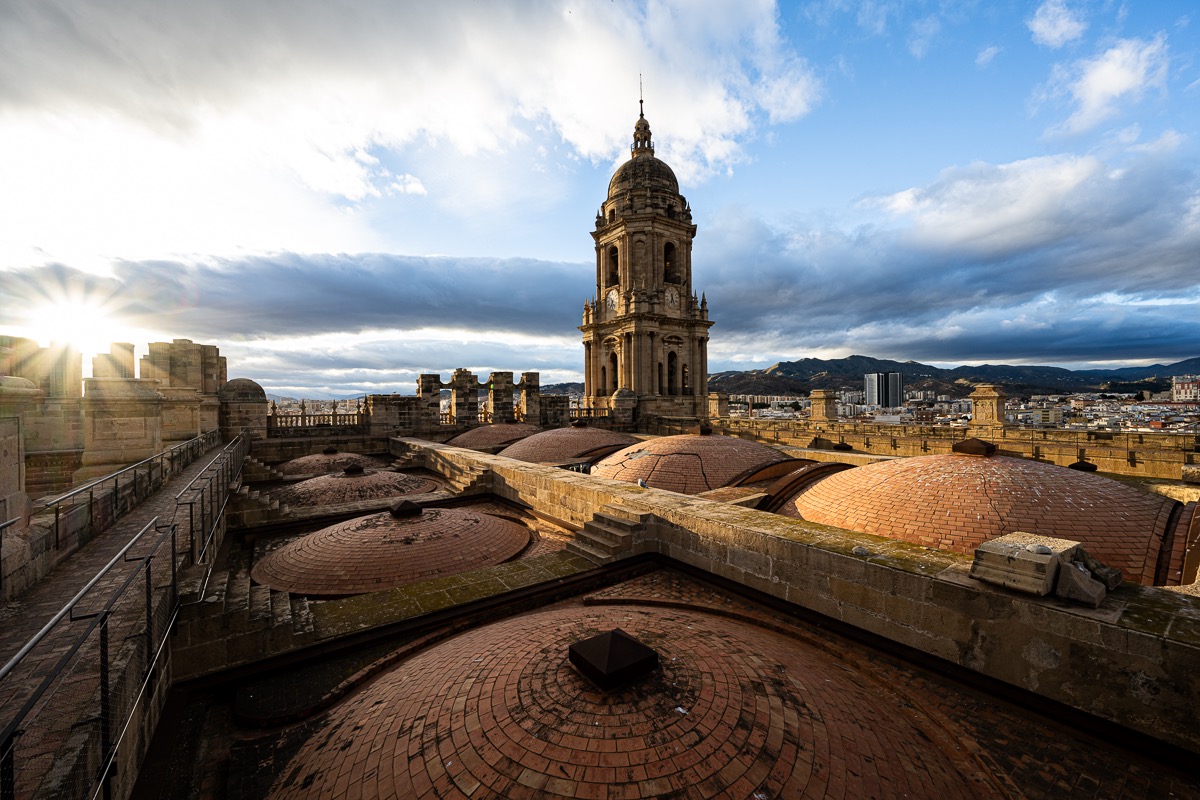
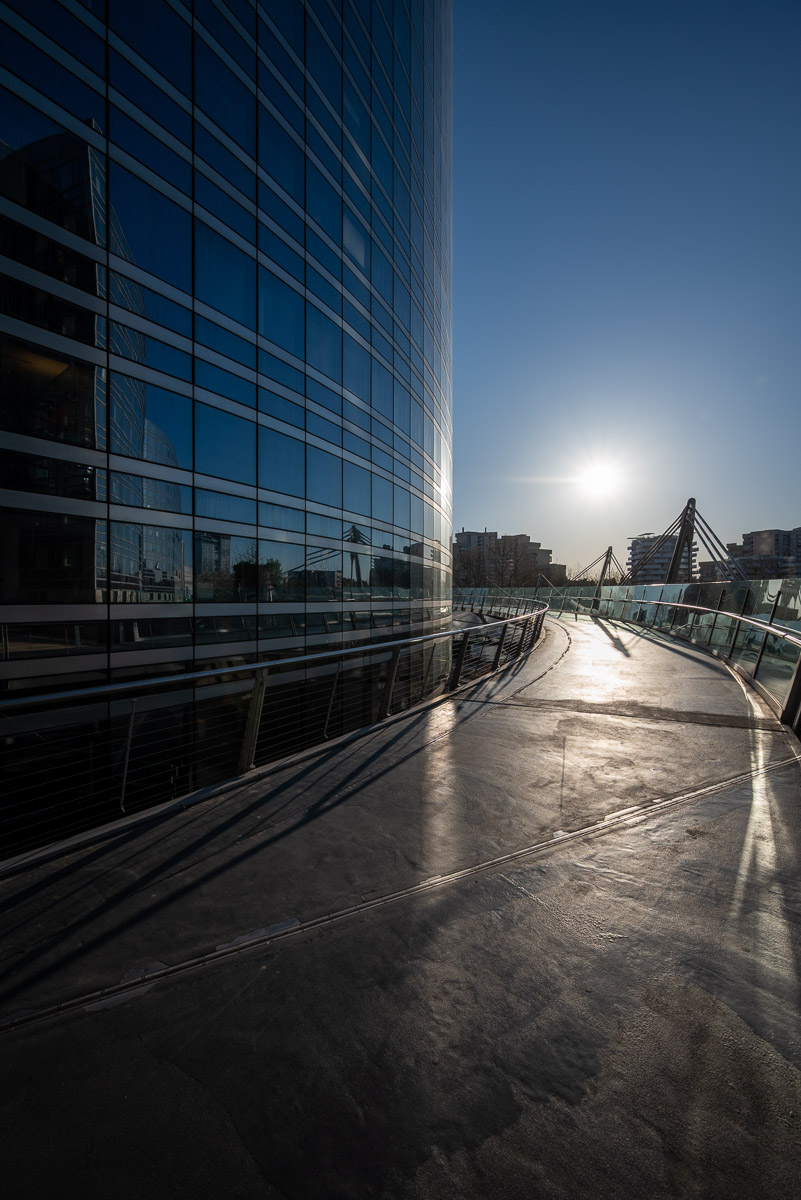
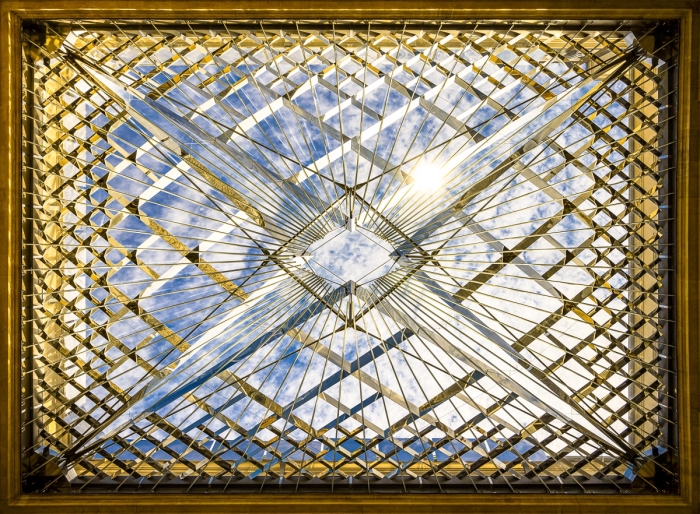
The optical coating is excellent. At both f/8 and f/22, in direct backlight (e.g. sun in frame), I have observed no flare at all. Two sample images at the end of the gallery illustrate this behaviour.
Diffraction at f/22 produces a 14‑point starburst thanks to the 7‑blade diaphragm, an aesthetic effect I sometimes use creatively.
Screw‑in filters and compactness
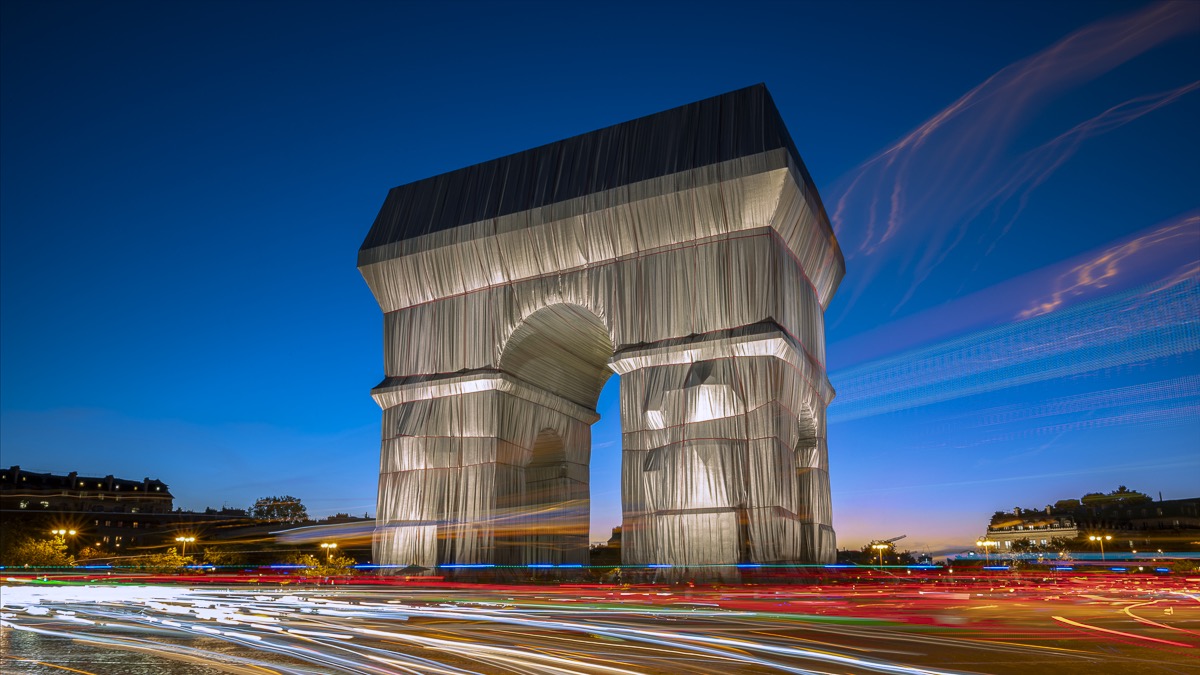
The 82mm thread allows use of standard screw‑in filters. I sold all my 77mm filters to standardise on 82mm. I mainly use a polariser, an ND64 and an ND32000 Nisi, with an 82‑77mm step‑down ring for my other lenses. See my article on ND filters and long exposure.
I only use screw‑in filters. Systems like the Nisi V7 are too expensive, too bulky and not suited to my gear bag. I prefer using the dynamic range of the Z8/Z7 II sensors and Lightroom masking rather than graduated filters.
Distortion and software corrections
The Nikon Z 14‑30mm f/4 S applies distortion correction directly in the EVF. JPEGs are saved corrected, and RAW files include a built‑in correction profile automatically enabled in Lightroom.
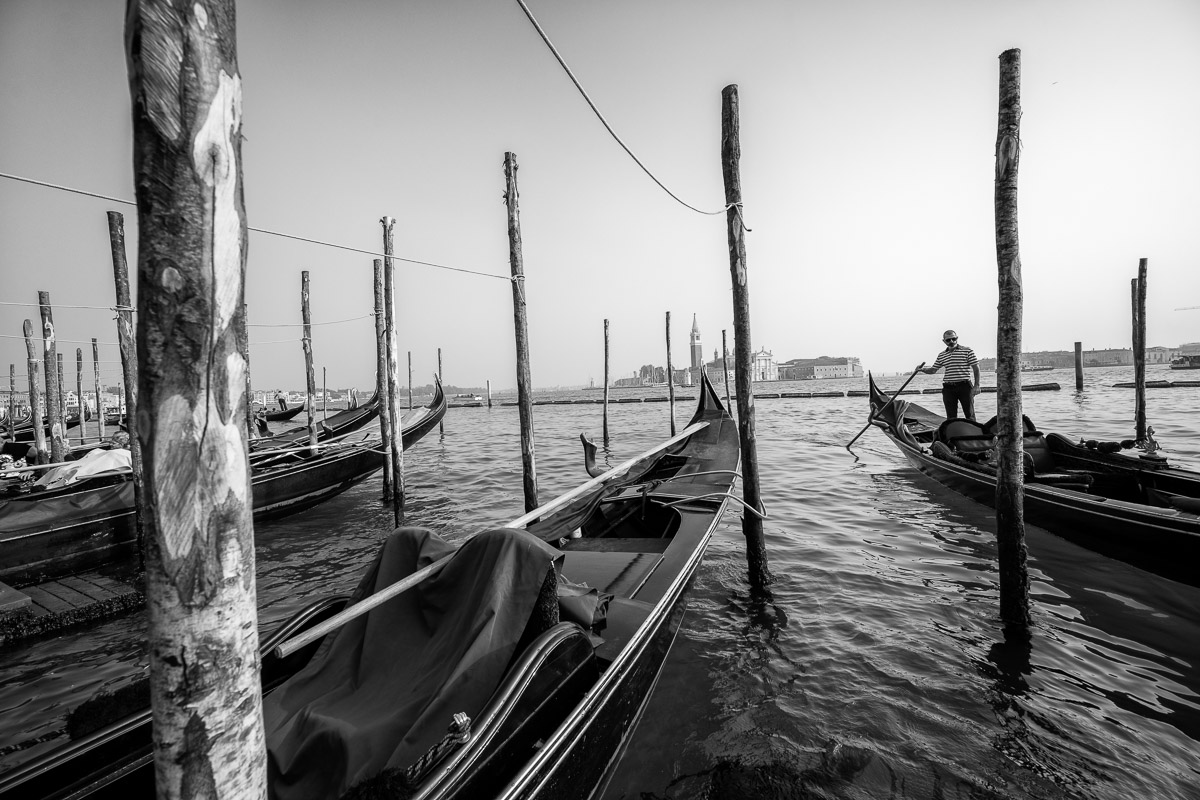
It cannot be disabled. As a result, this lens produces an “ortho‑corrected” rendering, a major advantage for architectural subjects. No need to frame wider and crop later, as I had to with the 16‑35mm F‑mount.
Technical specifications
| Mount | Nikon Z |
| Format | FX (full frame 24×36mm) |
| Focal length | 14-30 mm |
| Maximum aperture | f/4 |
| Minimum aperture | f/22 |
| Optical construction | 14 elements in 12 groups (4 ED, 4 aspherical, Nano Crystal Coat, fluorine coating) |
| Angle of view | 114° to 72° (FX) |
| Minimum focus distance | 0.28 m |
| Diaphragm | 7 rounded blades |
| Filter size | 82 mm |
| Dimensions | 89 × 85 mm |
| Weight | 485 g |
MTF curves and optical design
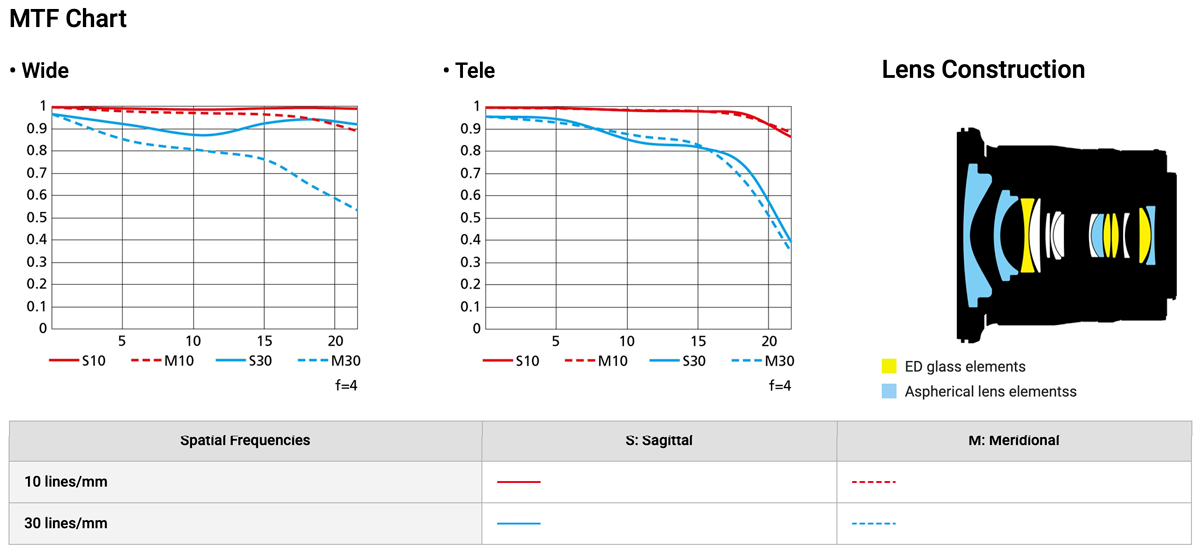
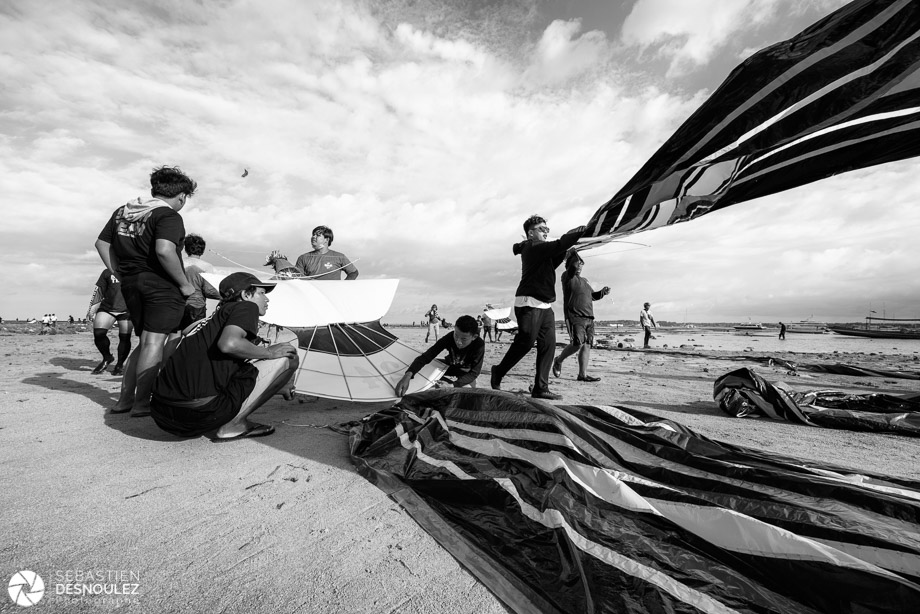
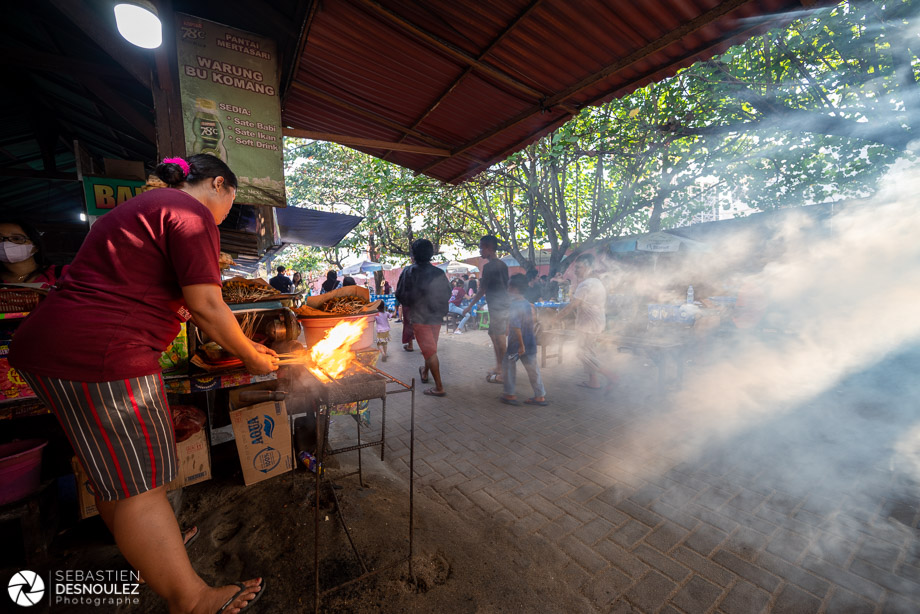
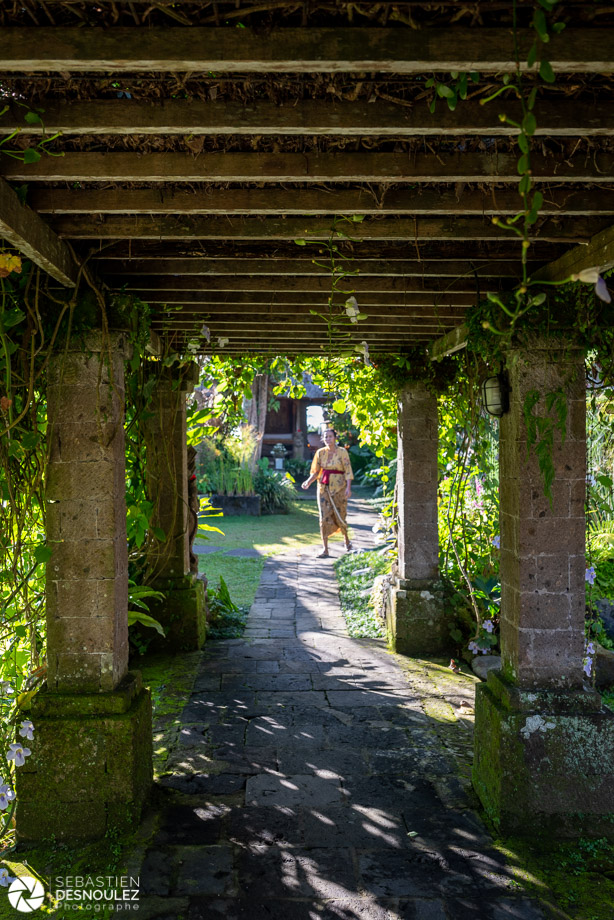
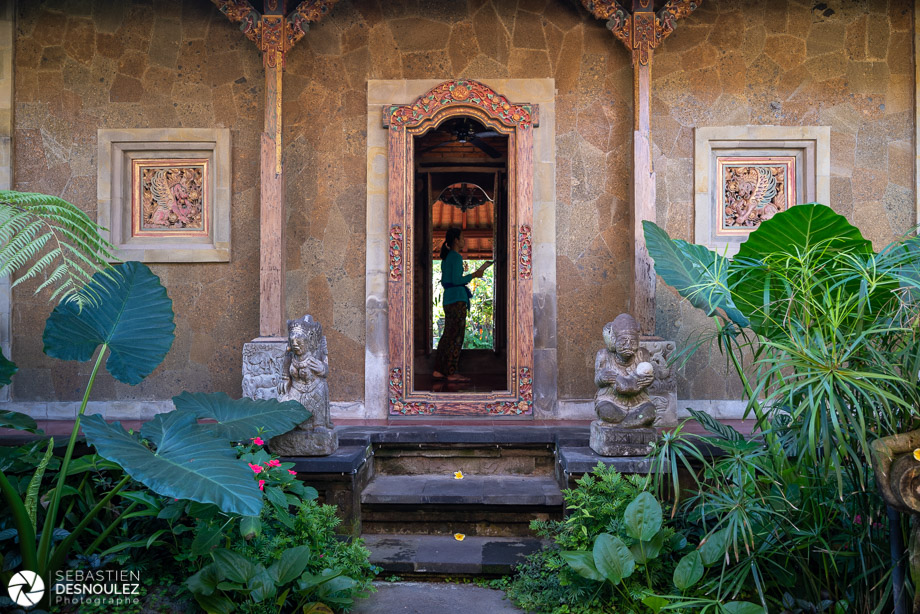
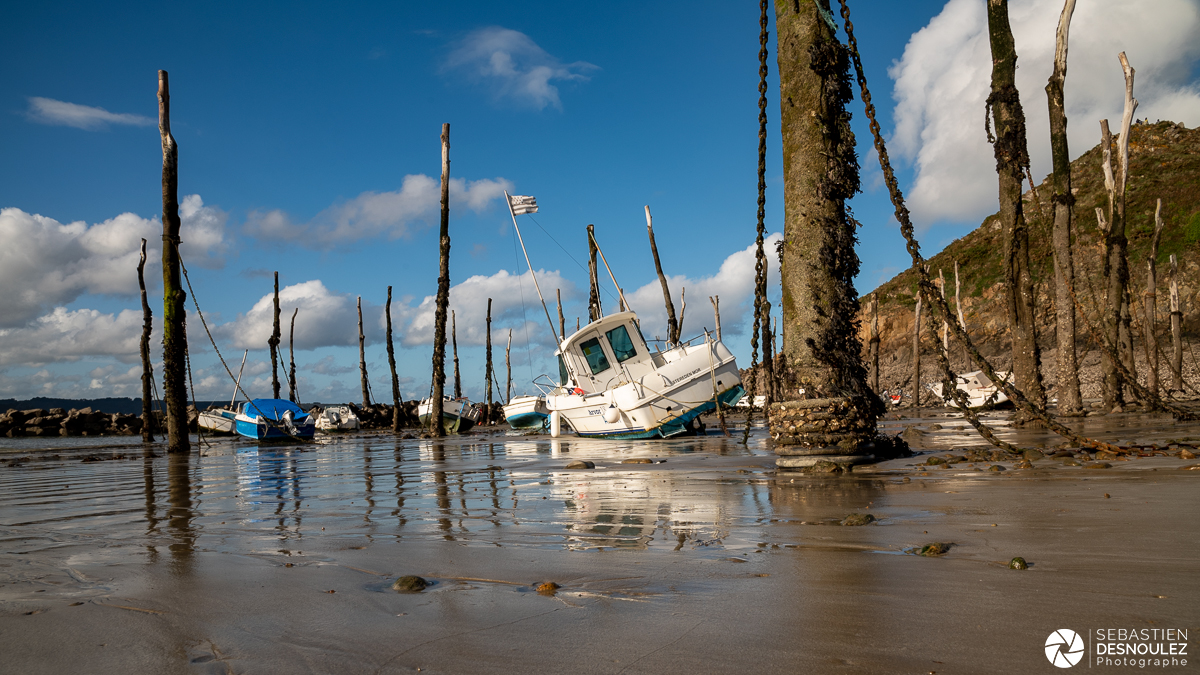
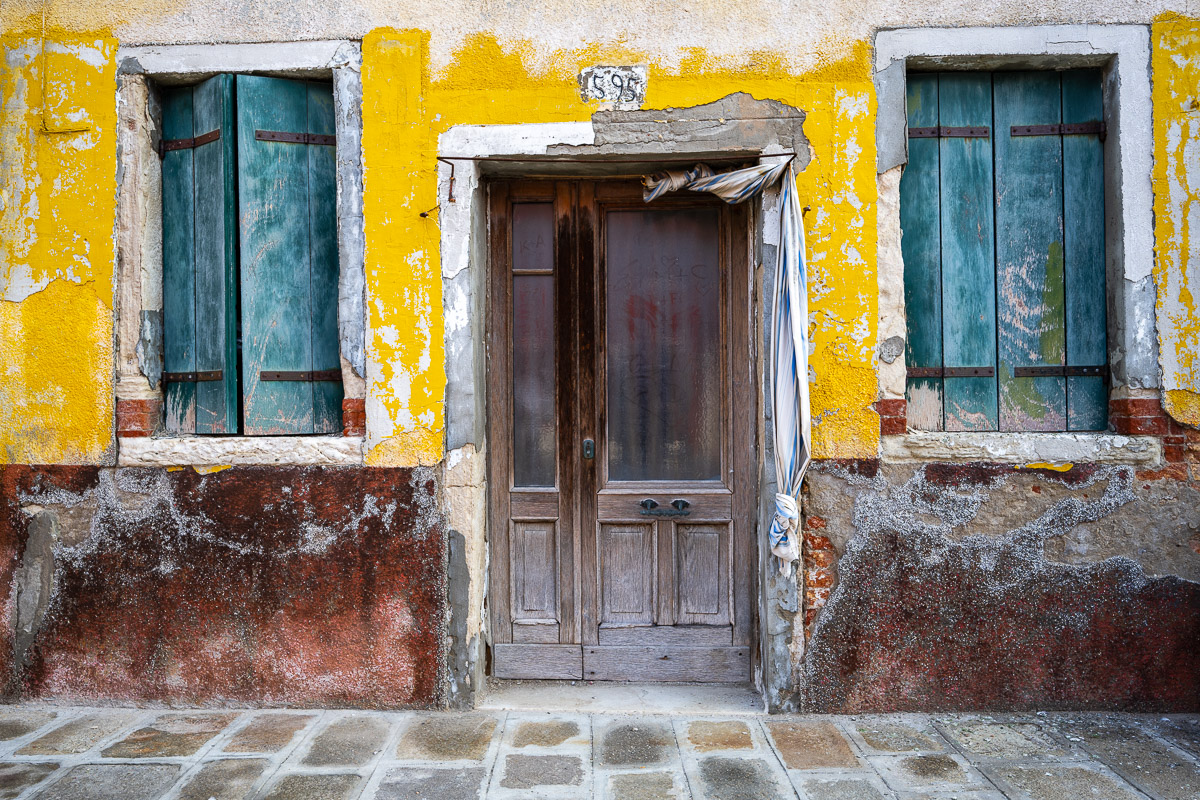
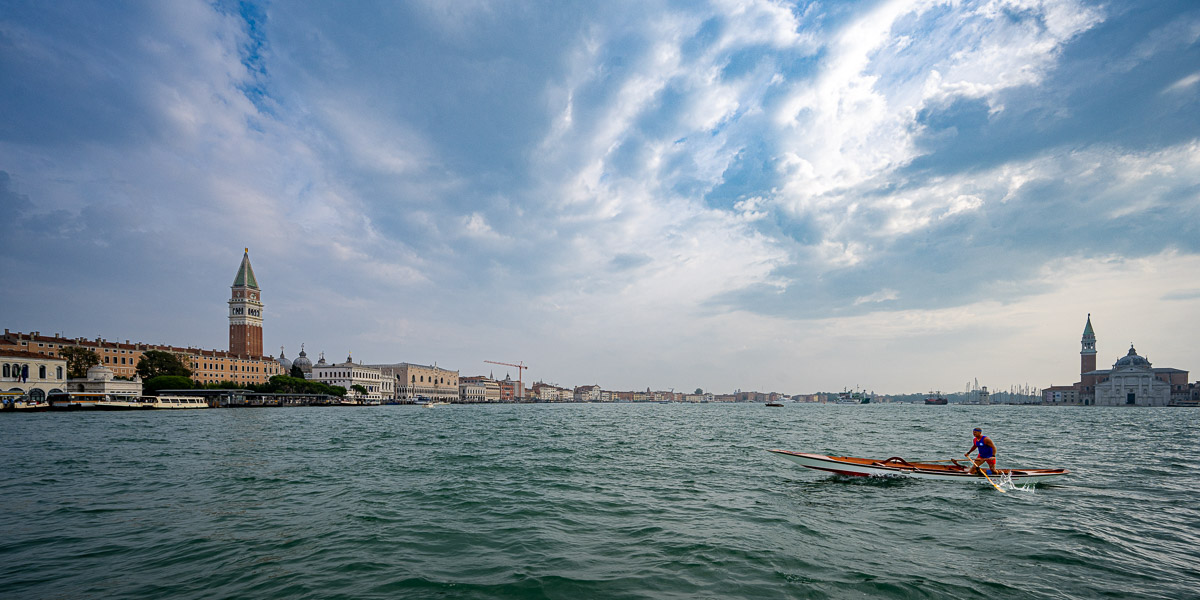
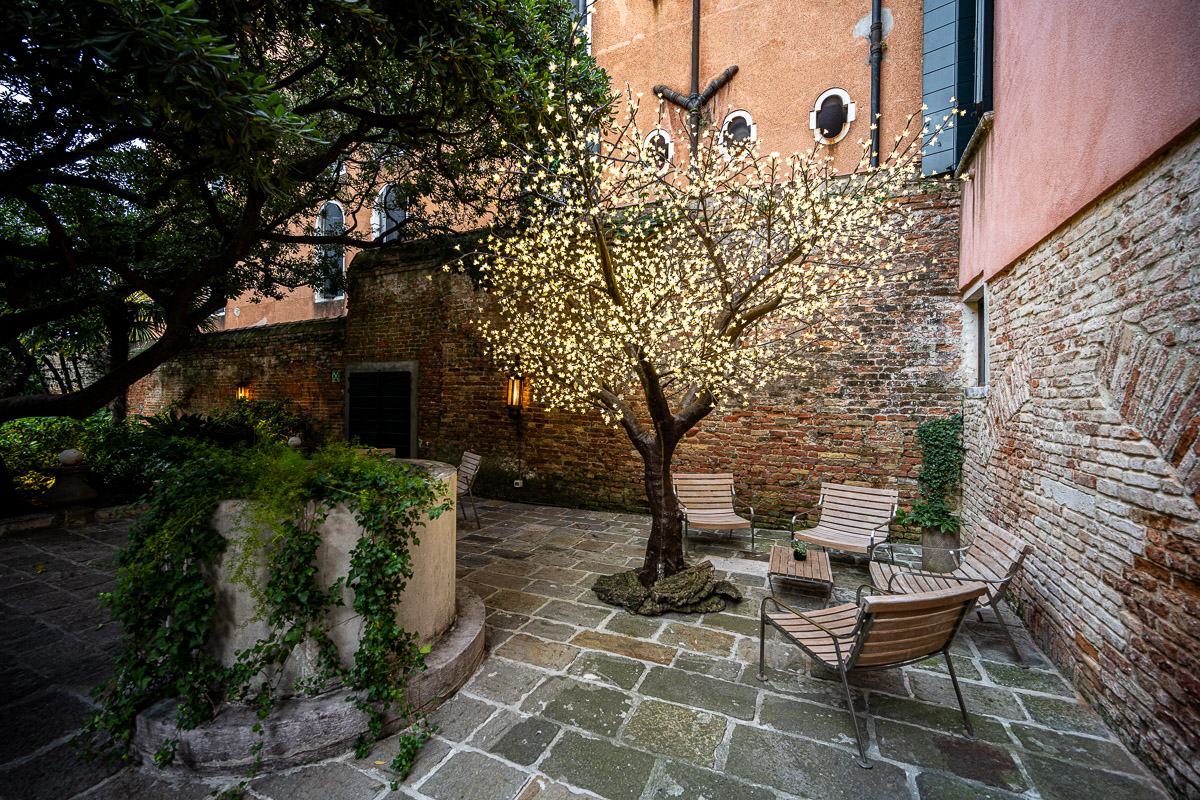
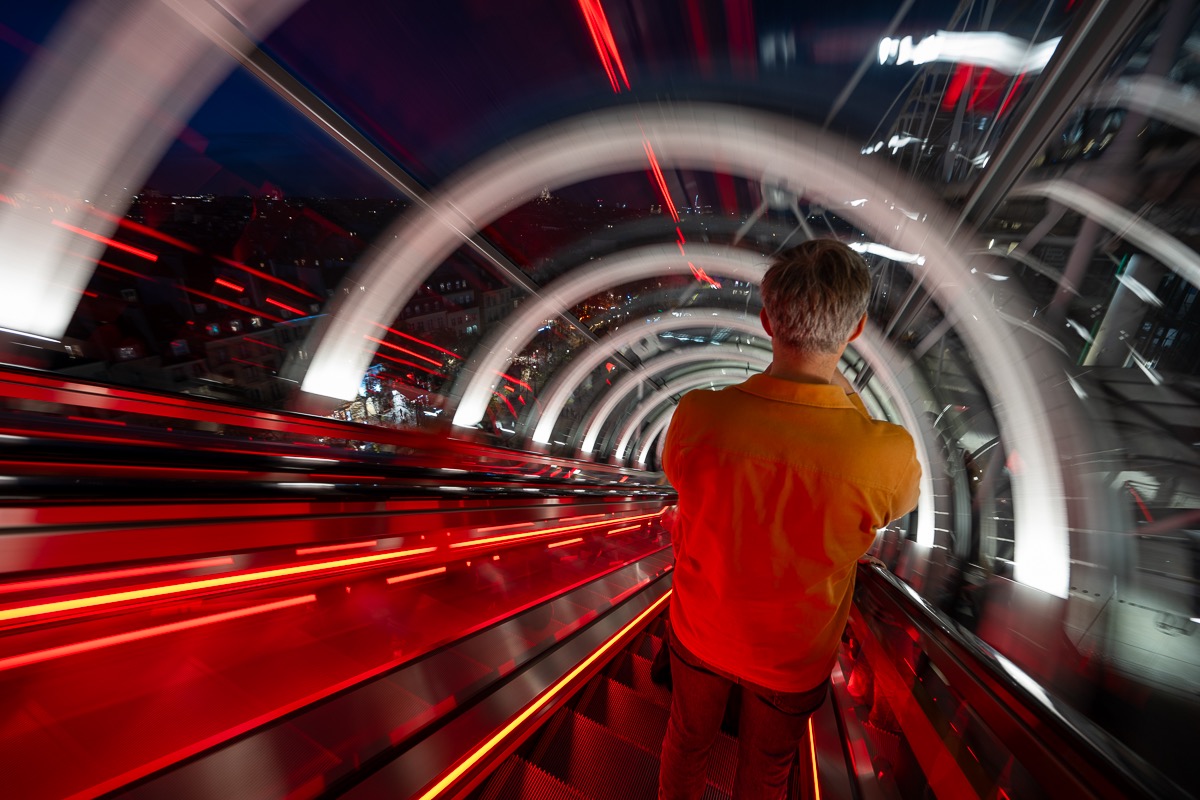
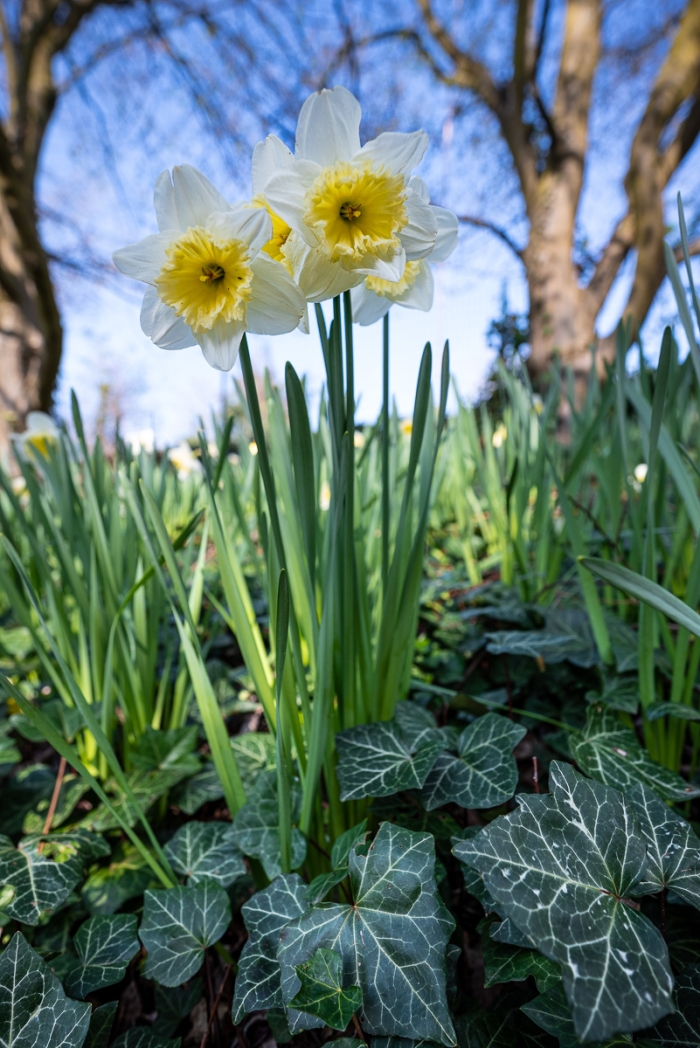
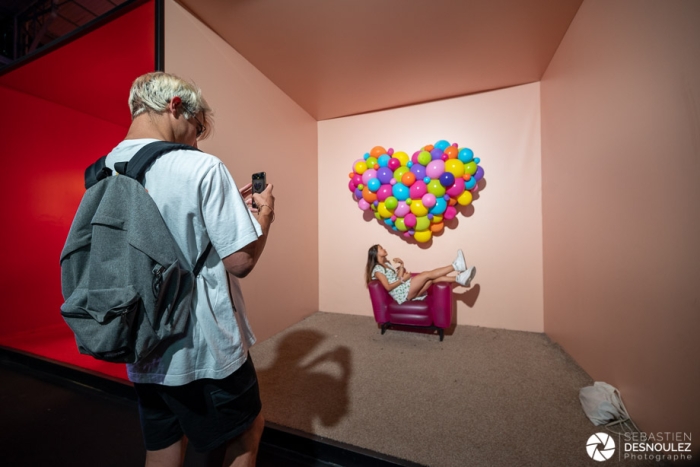
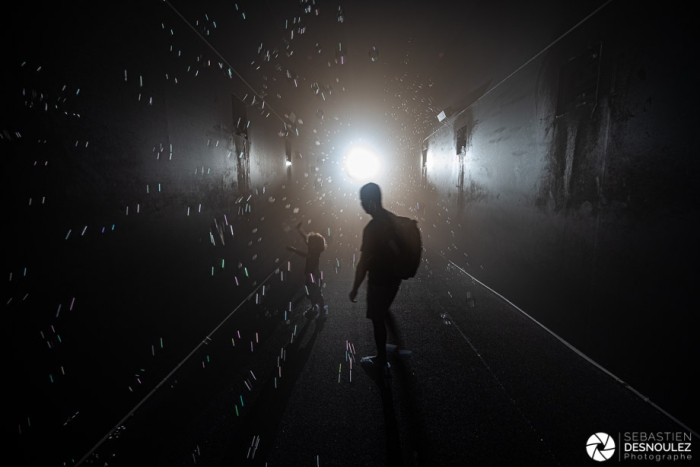
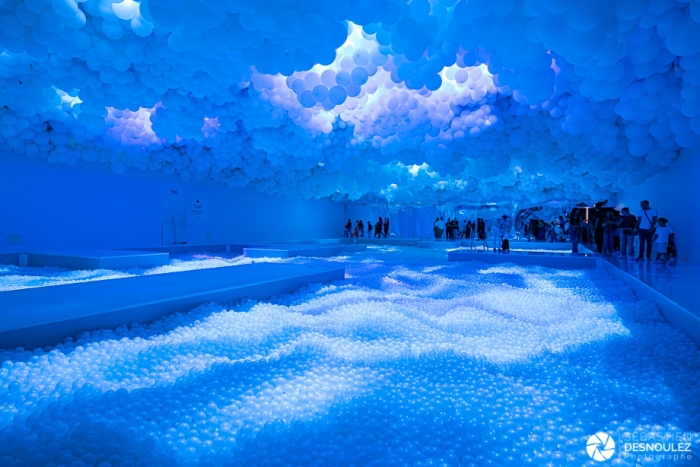
Photo gallery
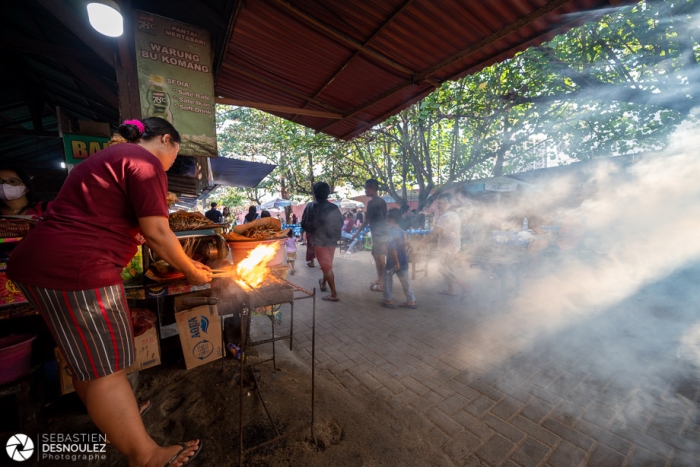
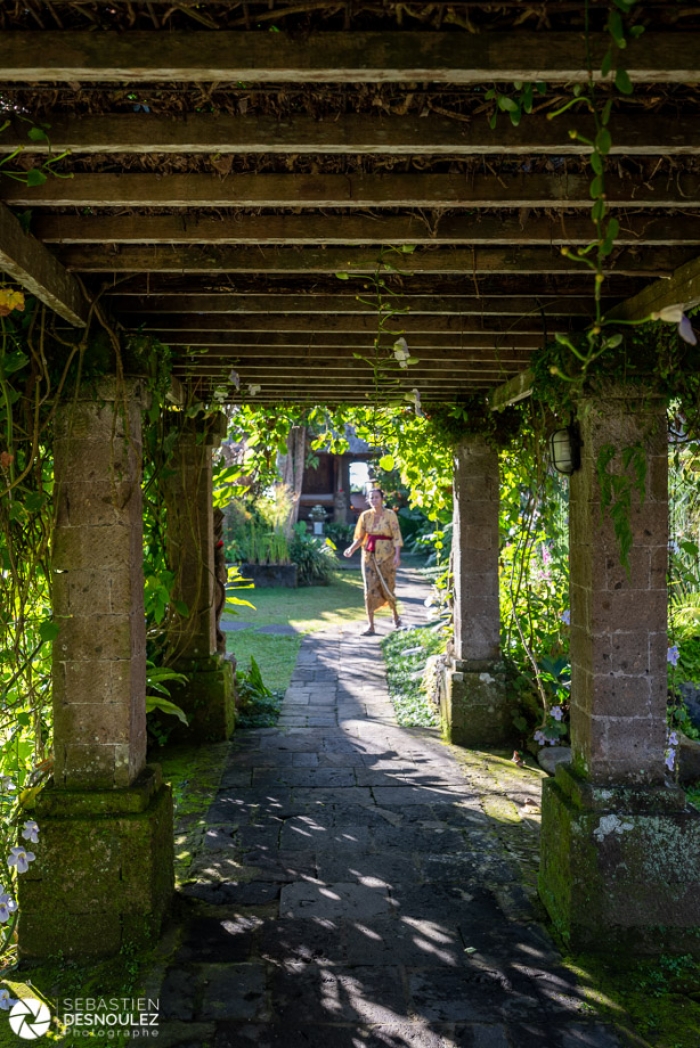
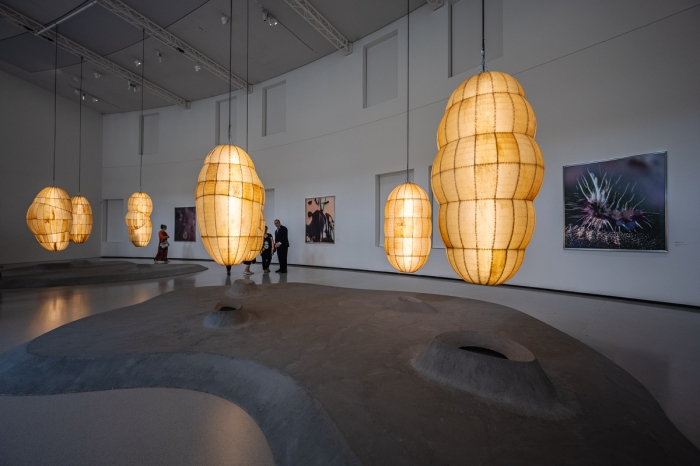
Click on the images below to view in full screen.



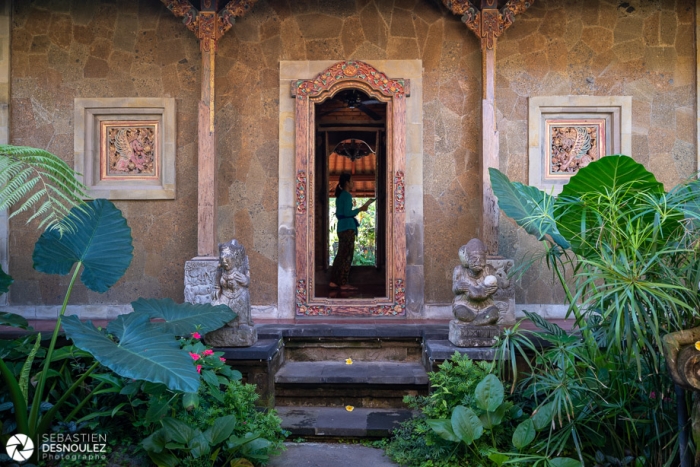




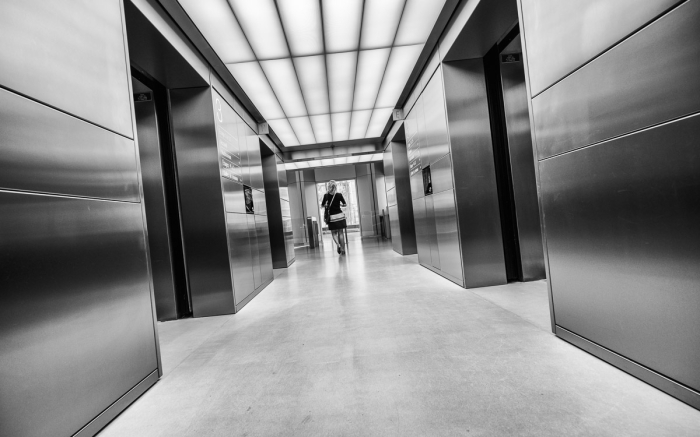

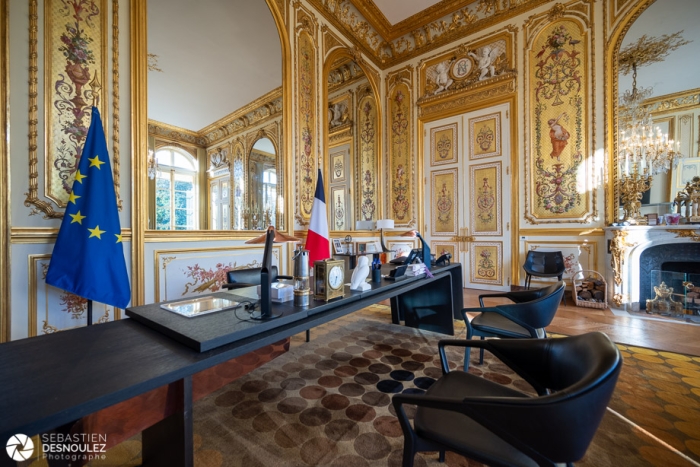
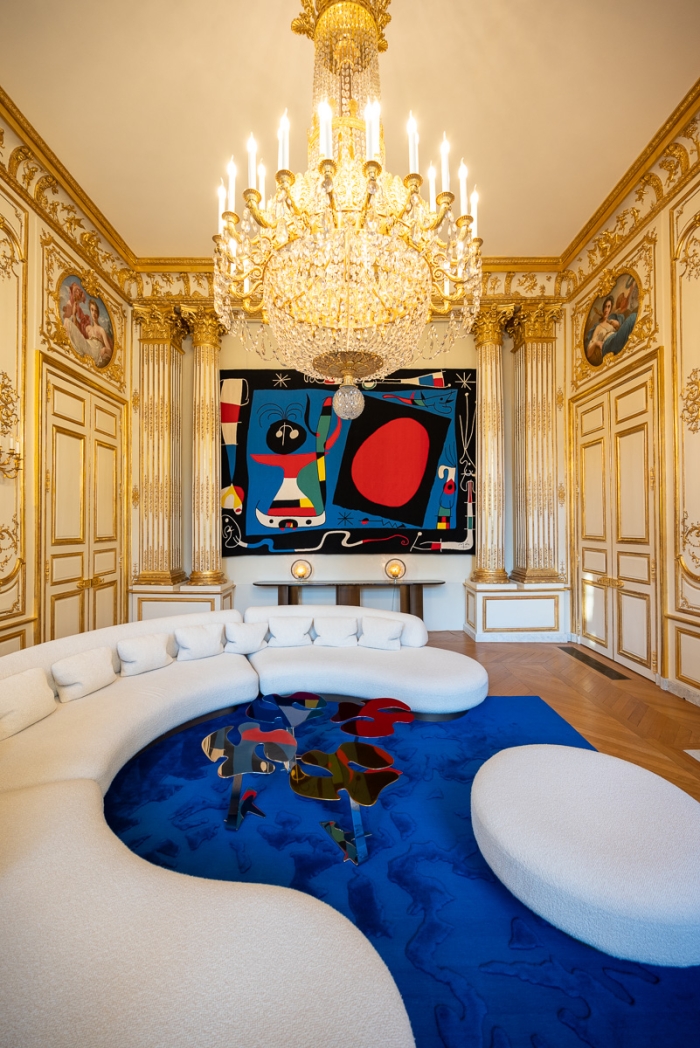
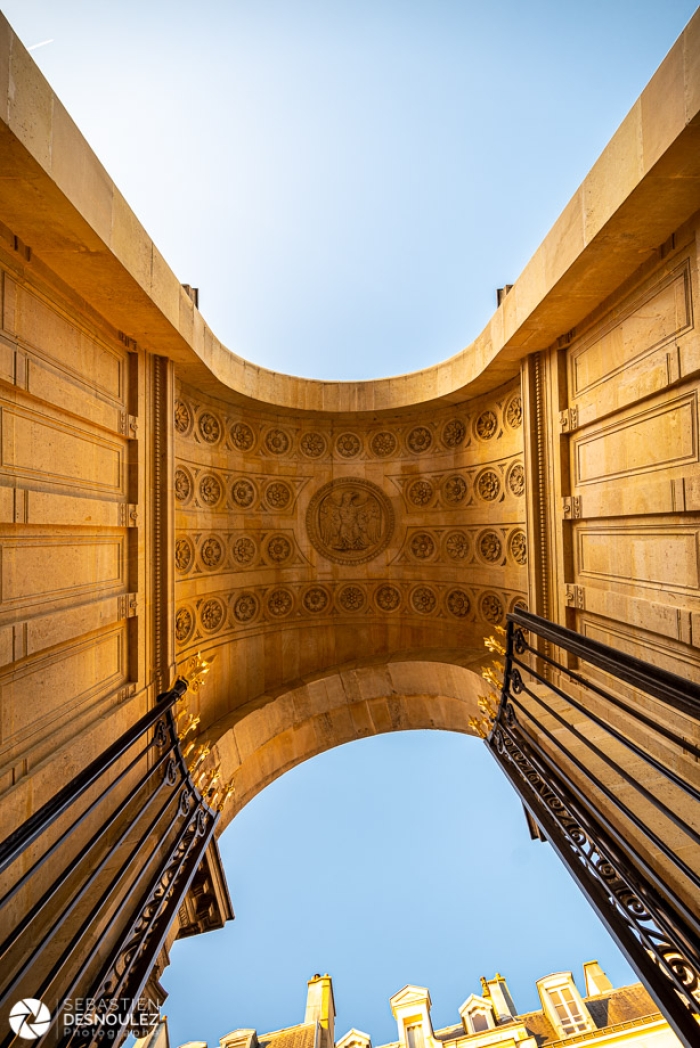

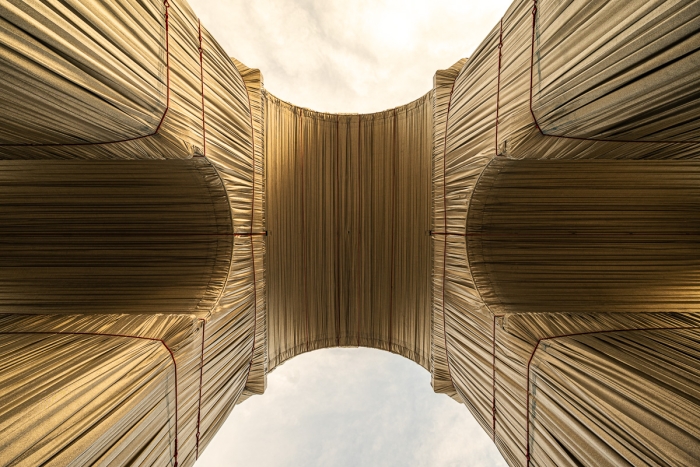
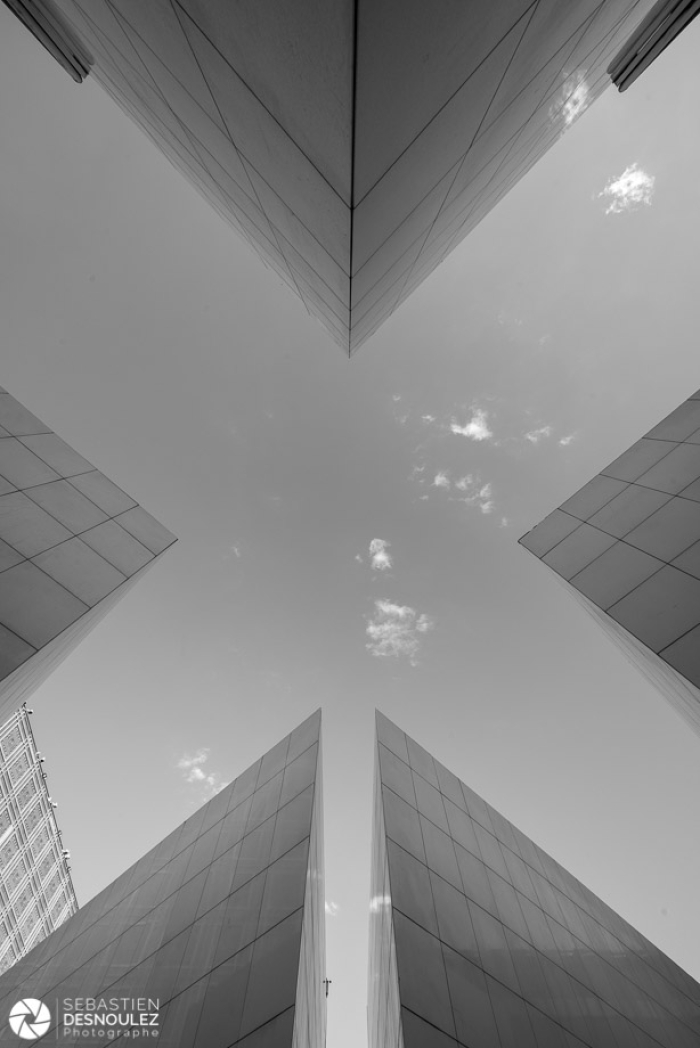
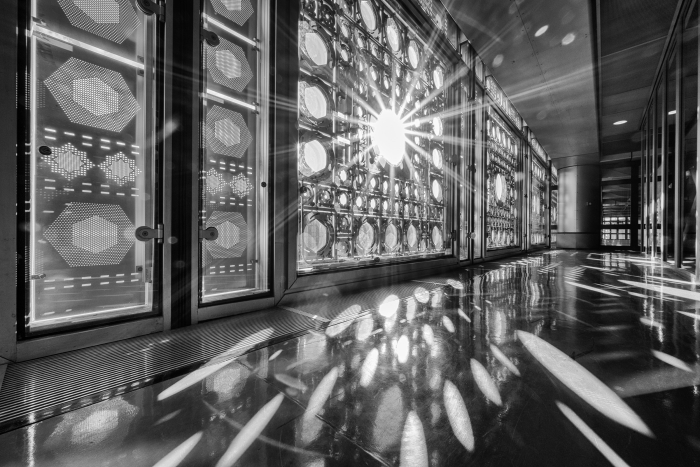
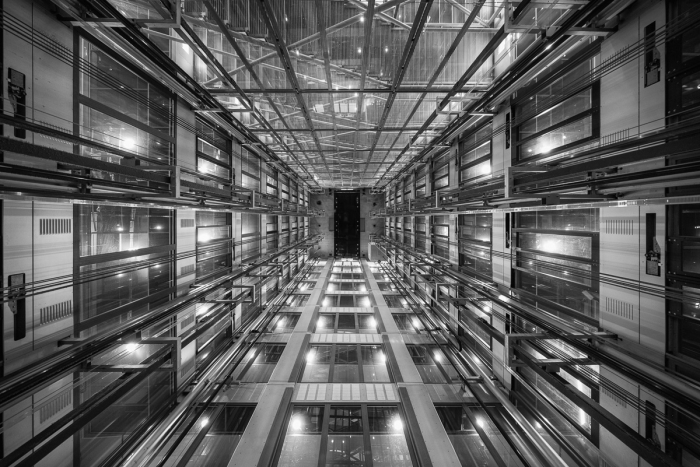
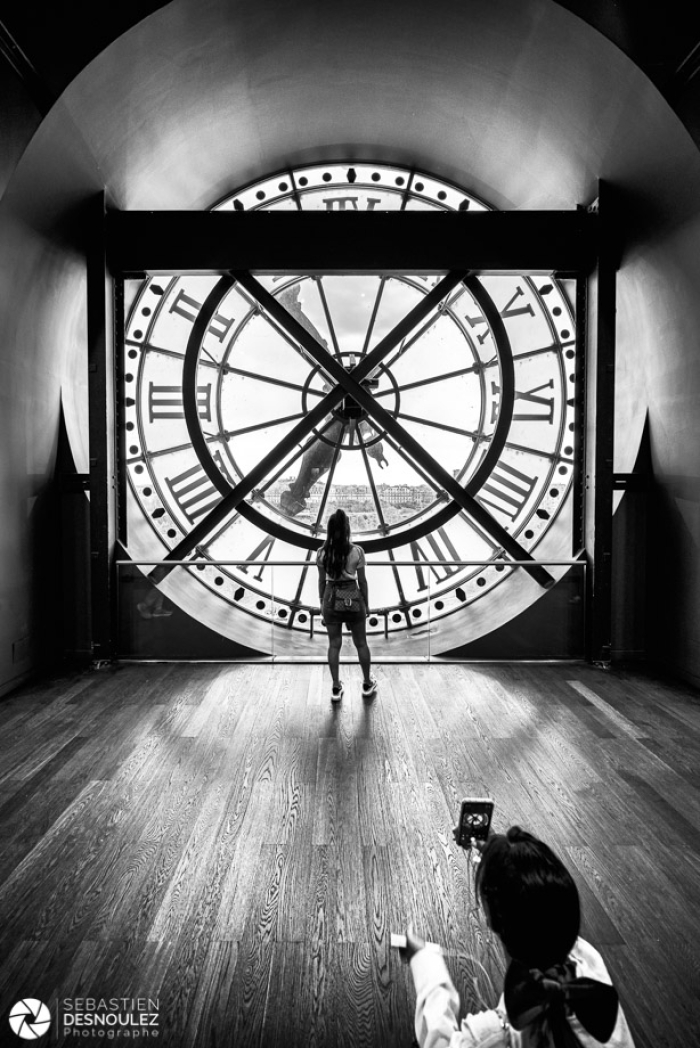
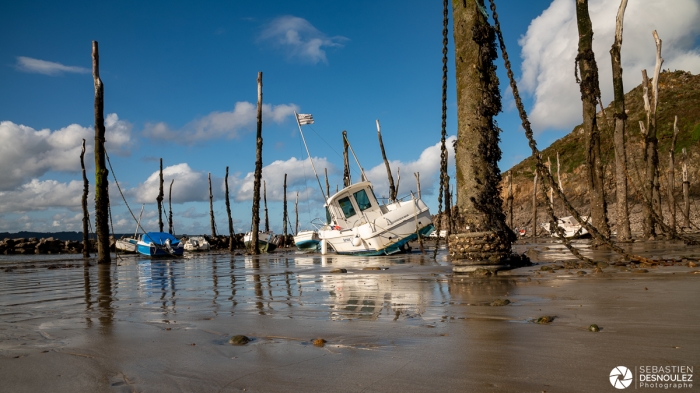
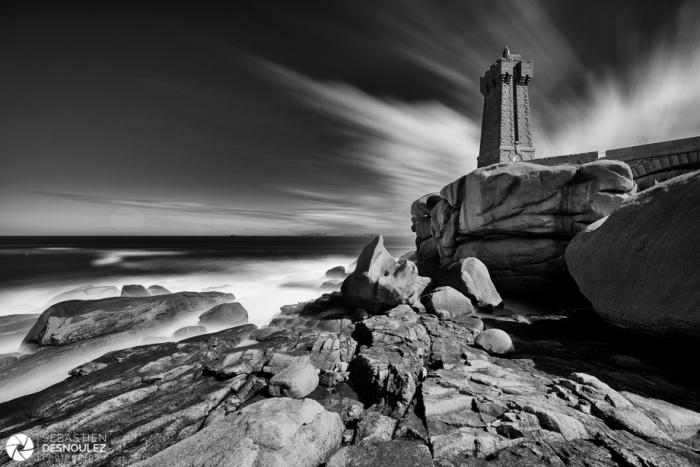
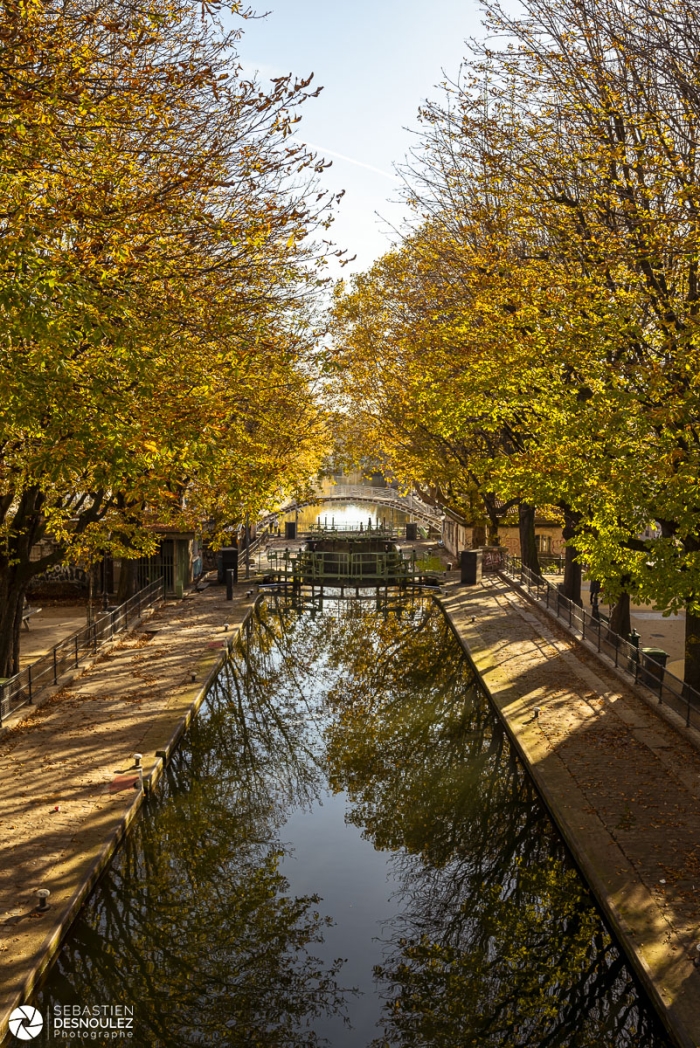
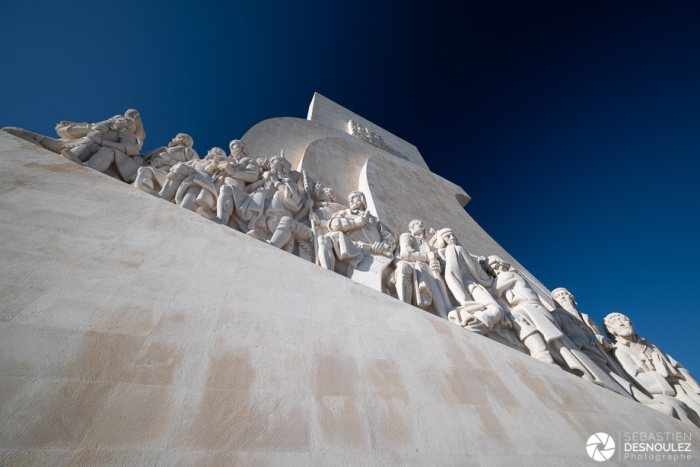
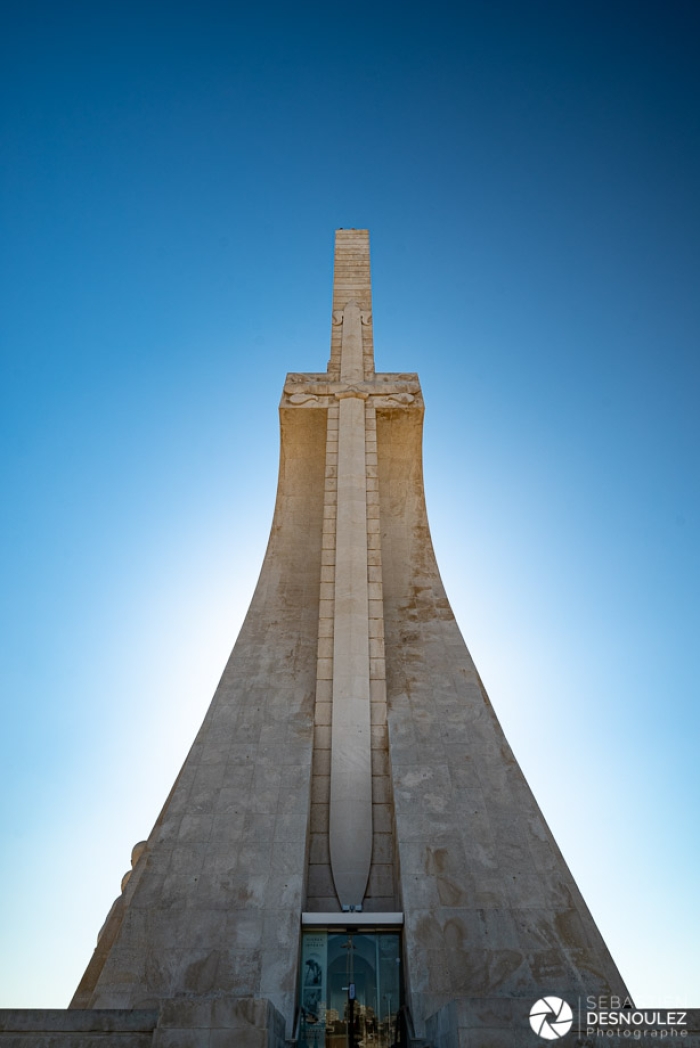
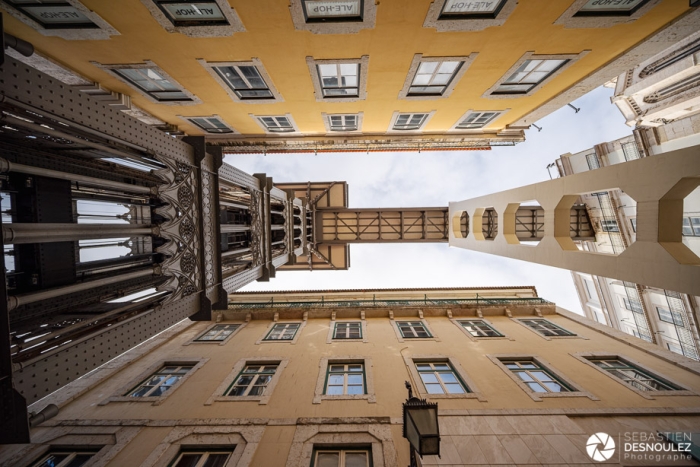
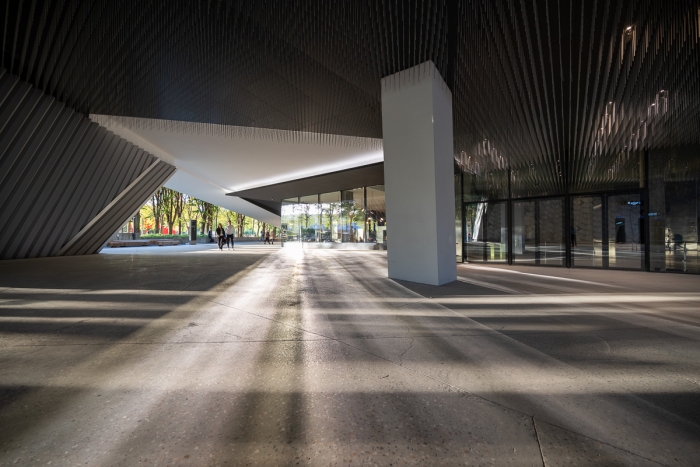
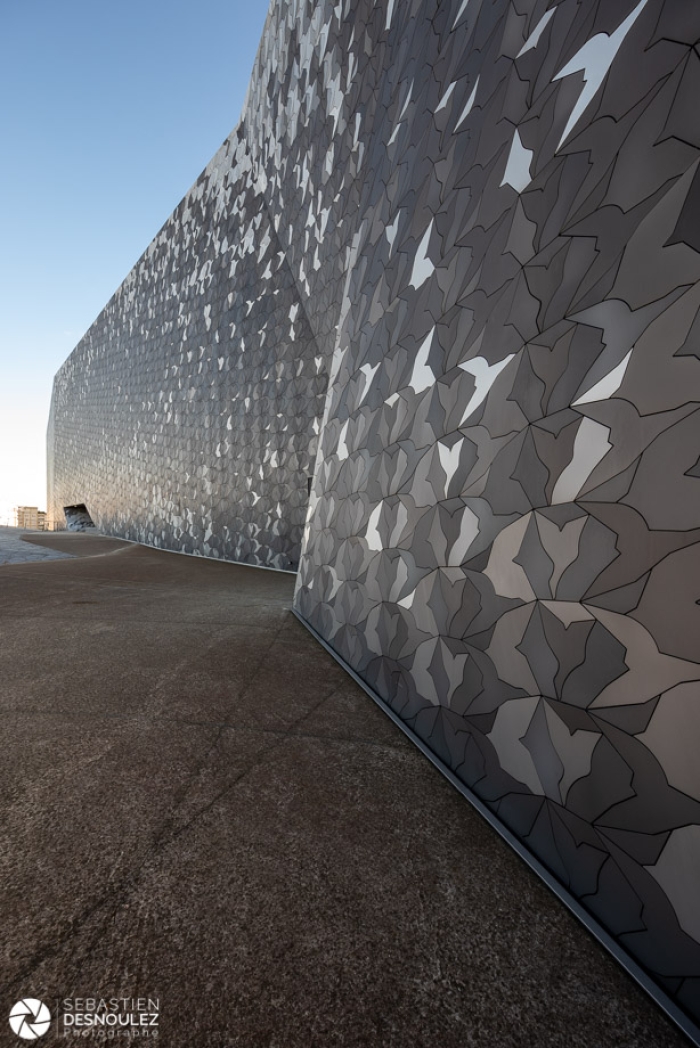
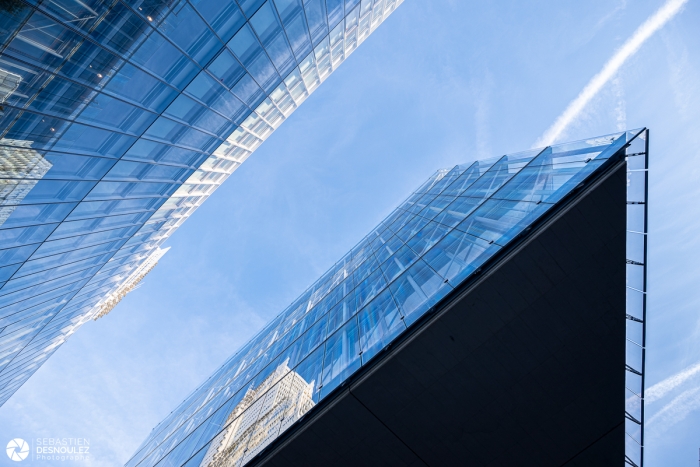
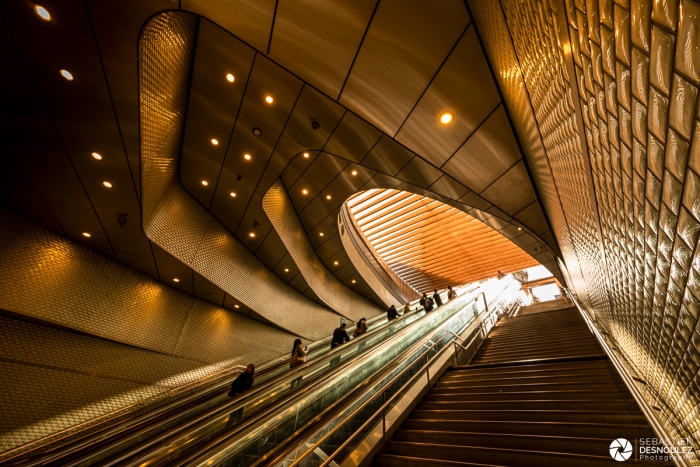

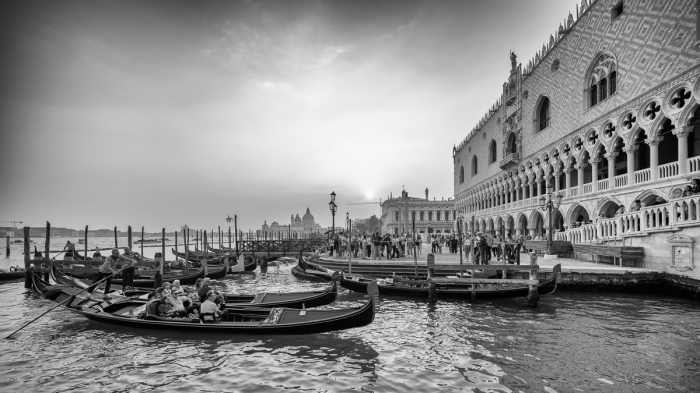
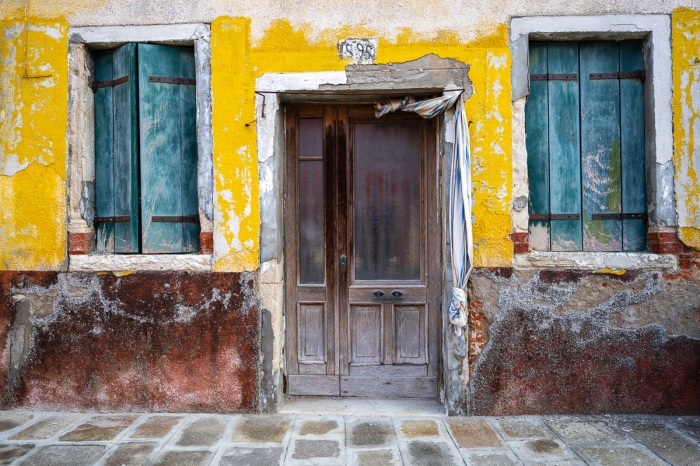
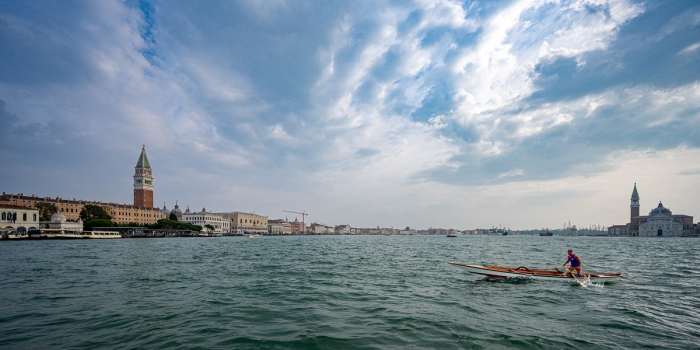
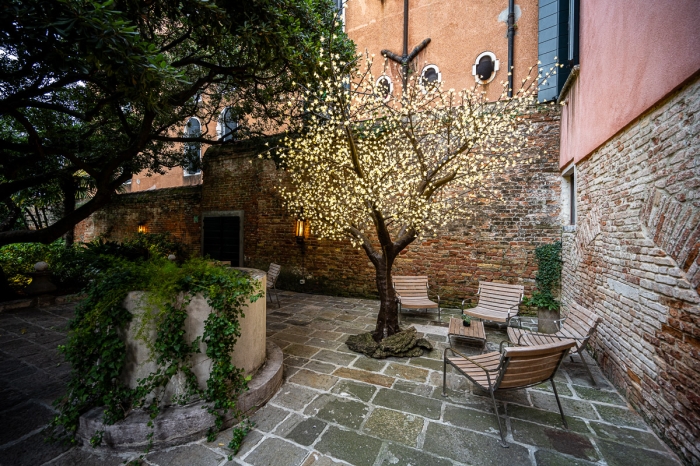
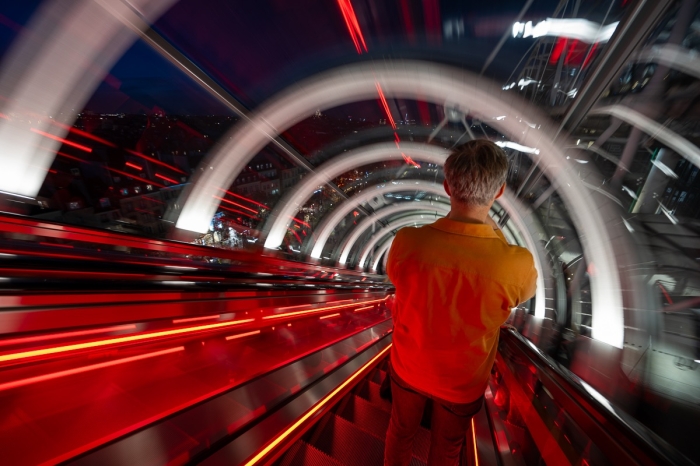
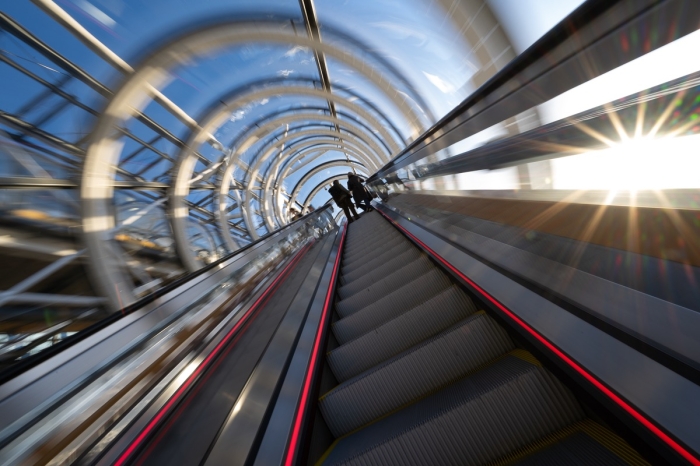
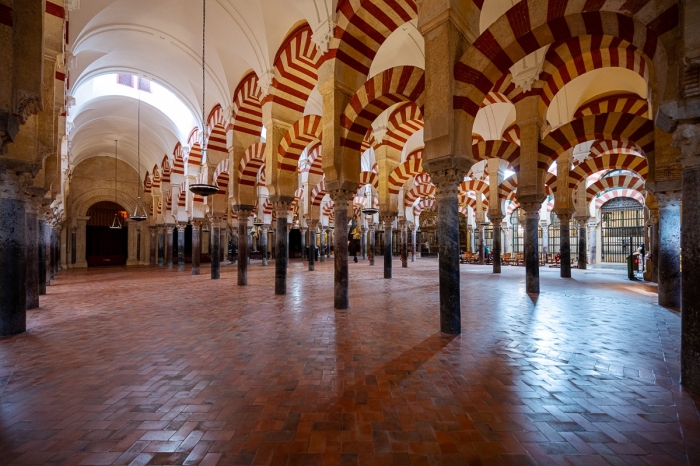
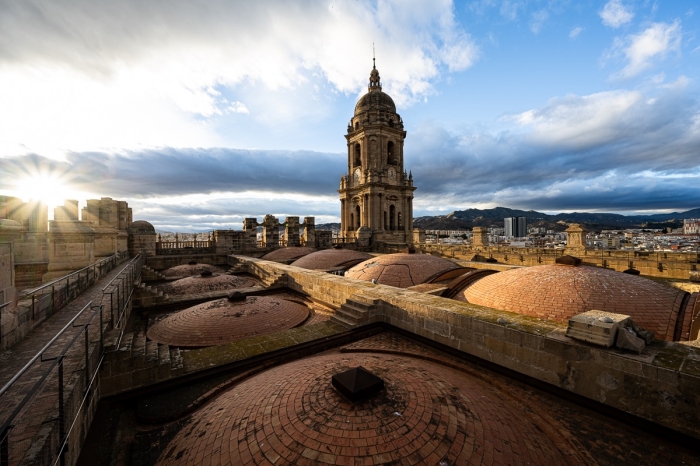
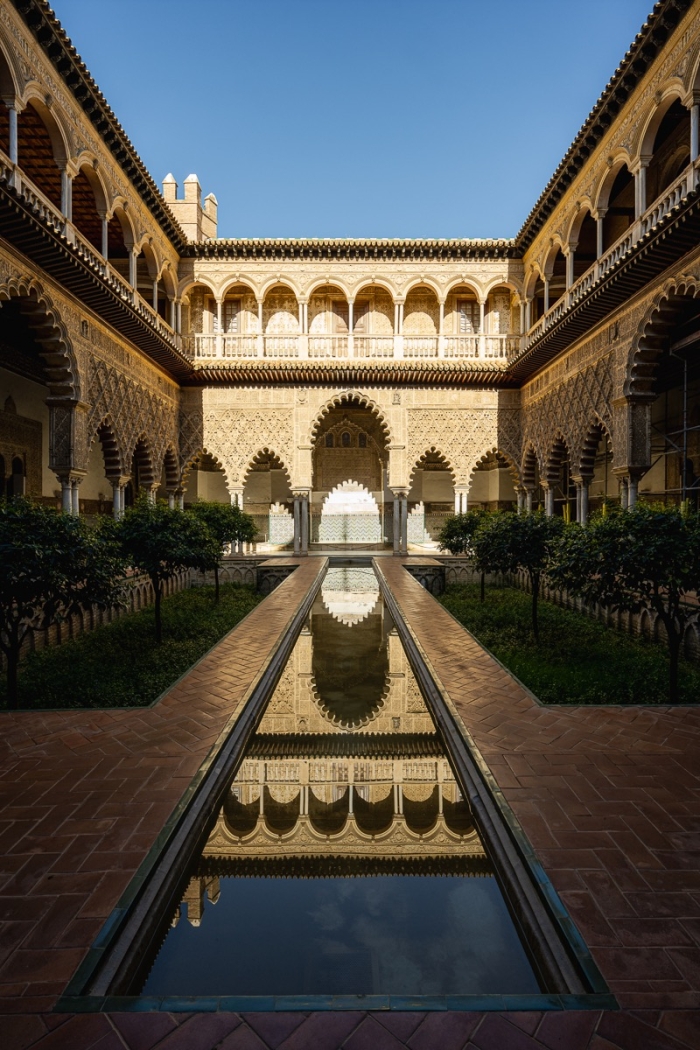
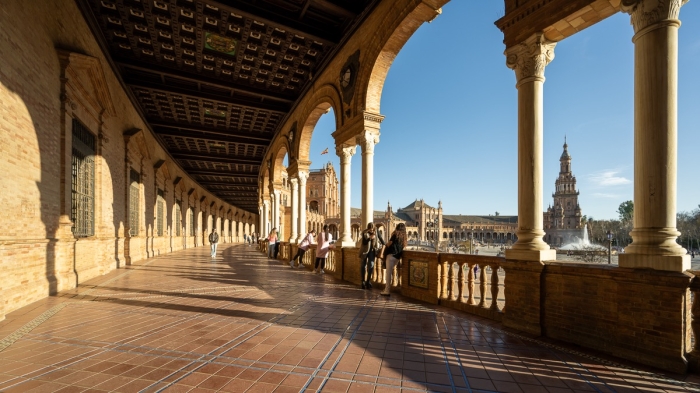

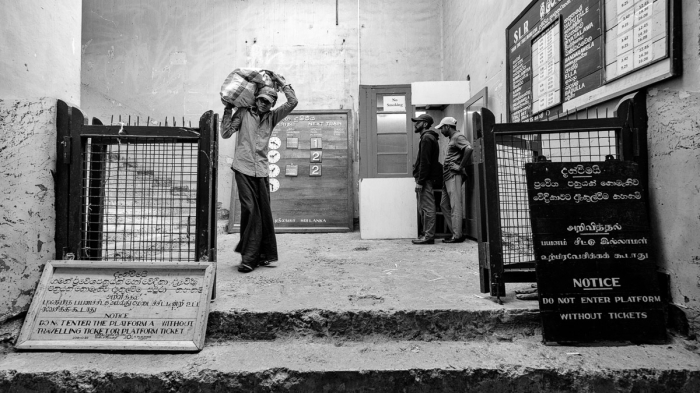
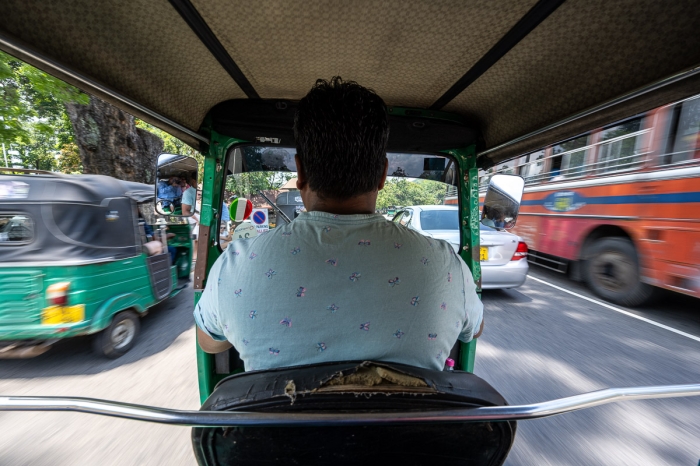
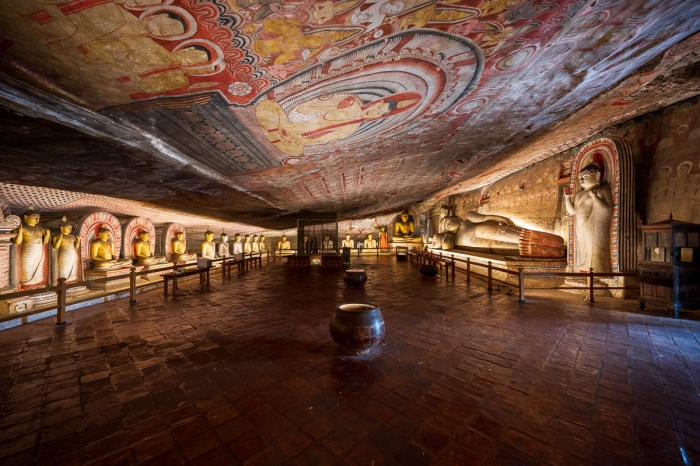

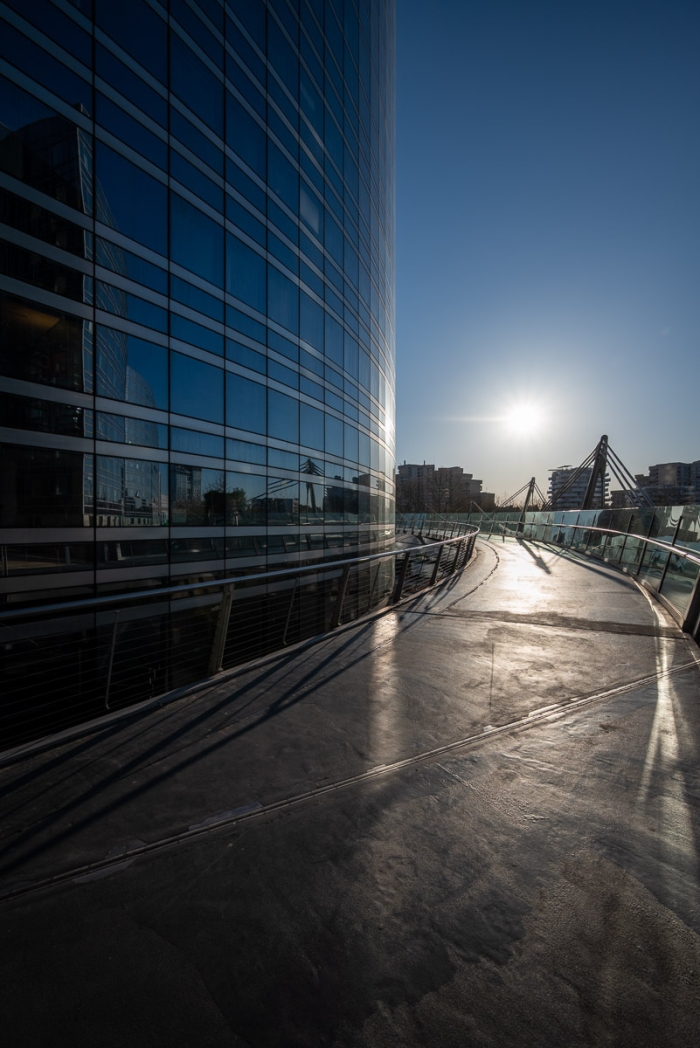
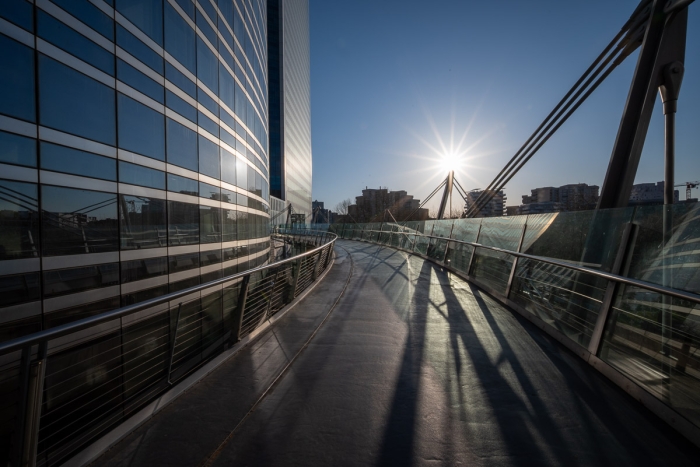
All photos on this website are copyright © Sebastien Desnoulez. No use is permitted without written authorization. Legal notice
Conclusion
The Nikon Z 14-30mm f/4 S is an exceptionally practical ultra‑wide zoom. It offers very good sharpness, automatic optical correction, remarkable compactness and compatibility with screw‑in filters. It is an efficient field tool for architecture, landscape, urban scenes or wide‑angle reportage.
If you are hesitating between this zoom and a brighter 14‑24mm f/2.8, consider weight, bulk and whether you truly need f/2.8. For the same budget, a 14‑30mm f/4 S combined with a fast prime (Z 20mm or 24mm f/1.8 S) will offer more creative flexibility.
FAQ
Is the 14‑30mm f/4 good for architectural photography?
Yes, absolutely. Automatic distortion correction, compactness and optical uniformity make it an excellent choice for wide architectural framing.
Can you use circular filters?
Yes. Its 82mm filter thread accepts standard screw‑in filters, a rare advantage on an ultra‑wide lens.
Which camera bodies pair well with this zoom?
It performs very well on the Z5, Z6, Z7, Z8 and Z9, including their later versions. Automatic correction is built into all Nikon Z bodies.
What about IBIS stabilisation?
With the Z8 or Z7 II, IBIS allows handheld shooting down to 1/10 s. Be mindful, however, of micro‑movements when composing very precise architectural images.
About the Author
Sebastien Desnoulez is a professional photographer specializing in architecture, landscape and travel photography. Trained in photography in the mid-1980s, he covered Formula 1 races and reported from around the globe before devoting himself to a more demanding fine art photography practice blending composition, light and emotion. He also shares his technical expertise through hands-on articles for passionate photographers, built on a solid background in both film and digital photography.
Tags