

Nikon Nikkor Z 24-120mm f/4 S: Field Review, Versatility and Optical Quality

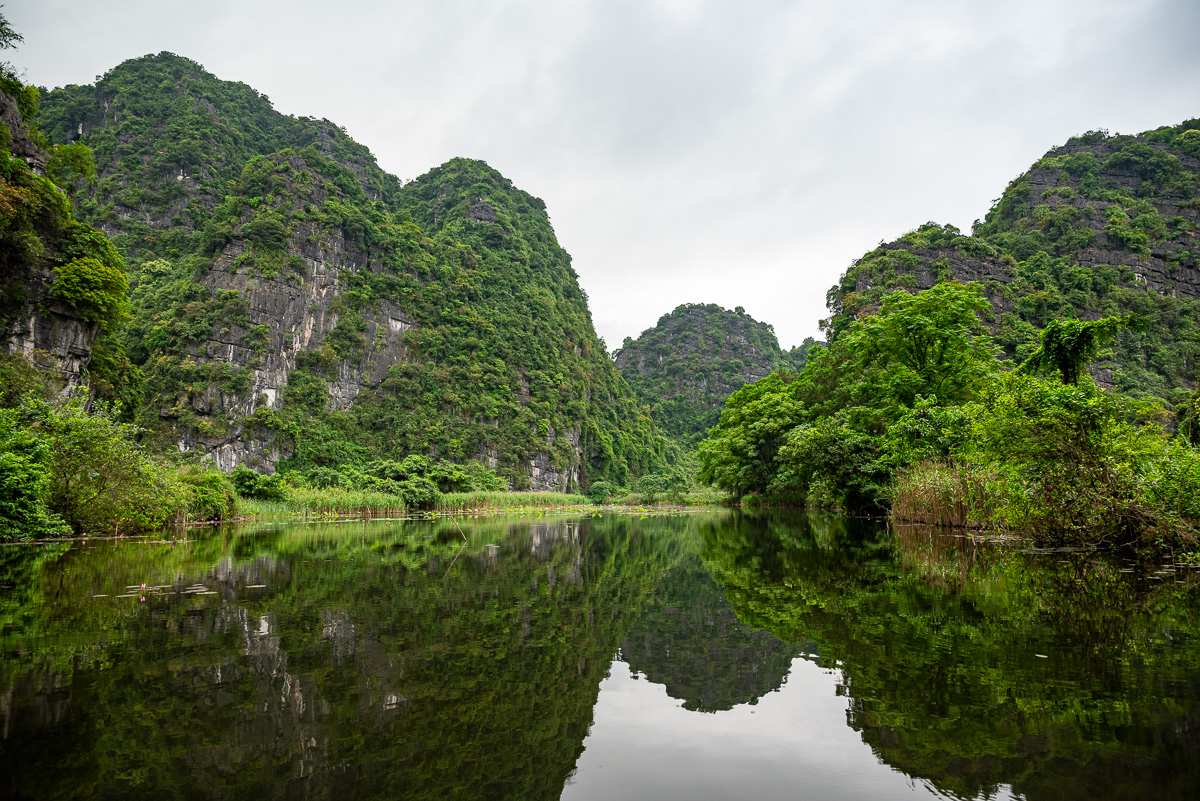
The Nikon Nikkor Z 24-120mm f/4 S is one of the most versatile and balanced zoom lenses in the Nikon Z mirrorless system. Lightweight, sharp and reliable in real-world conditions, it handles everything from architecture and landscapes to street and travel photography. After several years of use, this hands-on and illustrated review offers practical insights for photographers considering this lens.
Overview
The Nikon Z 24-120mm f/4 S covers most essential focal lengths for travel and documentary photography. With a constant f/4 aperture, S-line build quality, and excellent edge-to-edge sharpness, it's a reliable, consistent and highly versatile tool.
In my setup, it fits between the Nikkor Z 14-30mm f/4 S and a 70-200mm f/2.8, eliminating the need to carry fixed 24mm and 50mm primes. Compared to the classic 24-70mm f/4 S, the extended reach to 120mm gives more framing flexibility without switching lenses.
Build and Handling
On Nikon Z8 and Z7 II bodies, the lens feels surprisingly lightweight and well-balanced. The construction lives up to S-line standards: weather-sealed, with nano crystal, ARNEO, and fluorine-coated glass elements.
- Zoom ring: smooth and even, with a precise and progressive rotation over the full 24–120mm range.
- Focus ring: responsive and well-damped, useful for fine-tuning manual focus.
- Control ring: assigned to exposure compensation on my setup. It’s fluid, clickless, and has no tactile feedback, easy to adjust unintentionally.
- AF/MF switch: especially useful for long exposures and tripod use.
- L-Fn button: available, but not part of my regular workflow.
Optical Quality
Sharpness
As with many Z-mount lenses, the sharpness is outstanding and consistent across the entire focal range, even wide open. Compared to my former AF-S 24-120mm f/4, the improvements are clear:
- higher resolution,
- edge-to-edge consistency,
- better internal corrections.
Distortion and Vignetting
At 24mm, moderate distortion is visible before correction, but it’s well controlled by Nikon or Lightroom profiles. Vignetting is minimal, far less than the older F-mount version, and no issue when shooting RAW.
Flare Resistance
The nano crystal and ARNEO coatings do a great job controlling flare. Shooting into the sun is possible without major artifacts, as long as you avoid prolonged sensor exposure.
Autofocus and Stabilization
For non-sports photography, the AF of the Nikon Z 24-120mm f/4 S is more than adequate. It’s not built for fast action, but for travel, architecture or street/documentary work, it’s responsive, accurate and reliable. Internal focusing helps maintain stability when changing focal lengths.
Combined with the IBIS of the Nikon Z8 and Z7 II, it’s easy to get sharp results even in low light or quick grab shots. Compared to my older AF-S 24-120mm, I can shoot at slower shutter speeds without worrying about sharpness.
In most situations, I shoot in A mode (aperture priority) with Auto-ISO. This zoom fits naturally into that workflow, letting me work quickly across focal lengths without constantly adjusting exposure, a real advantage when shooting in fast-paced environments.
The AF/MF switch is invaluable when shooting long exposures or on a tripod: it lets me lock focus manually and avoid accidental refocusing.
In the Field: Architecture, Travel, Urban
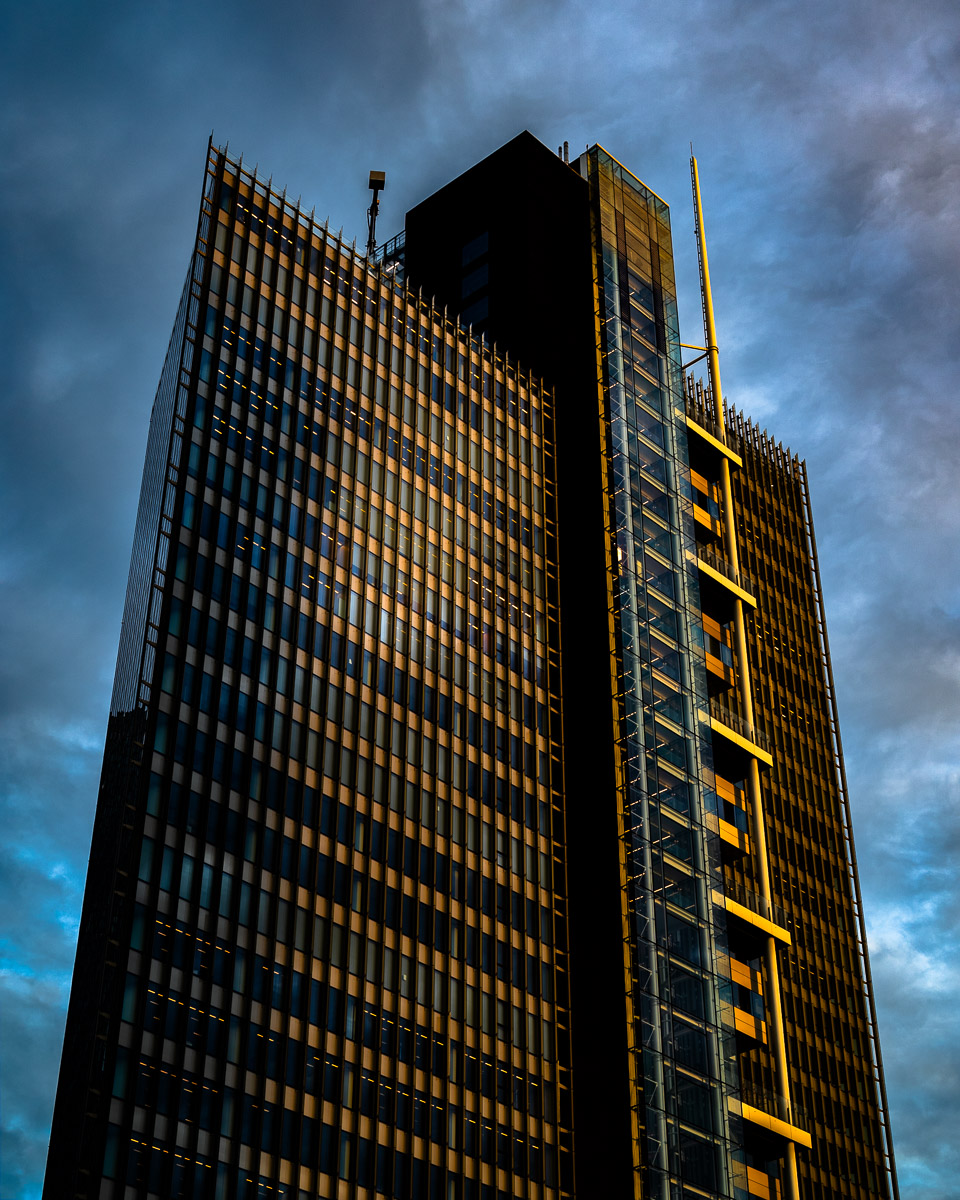
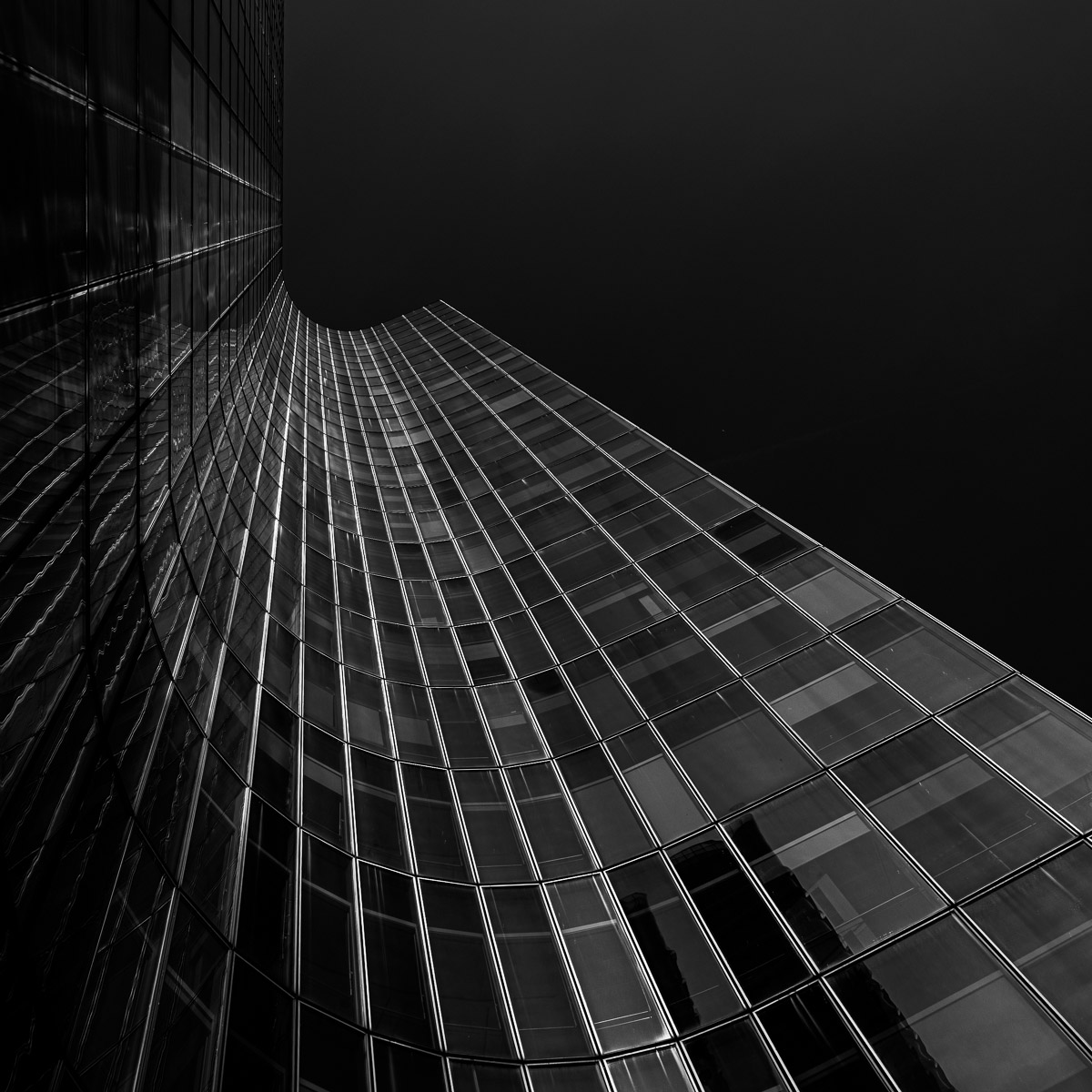
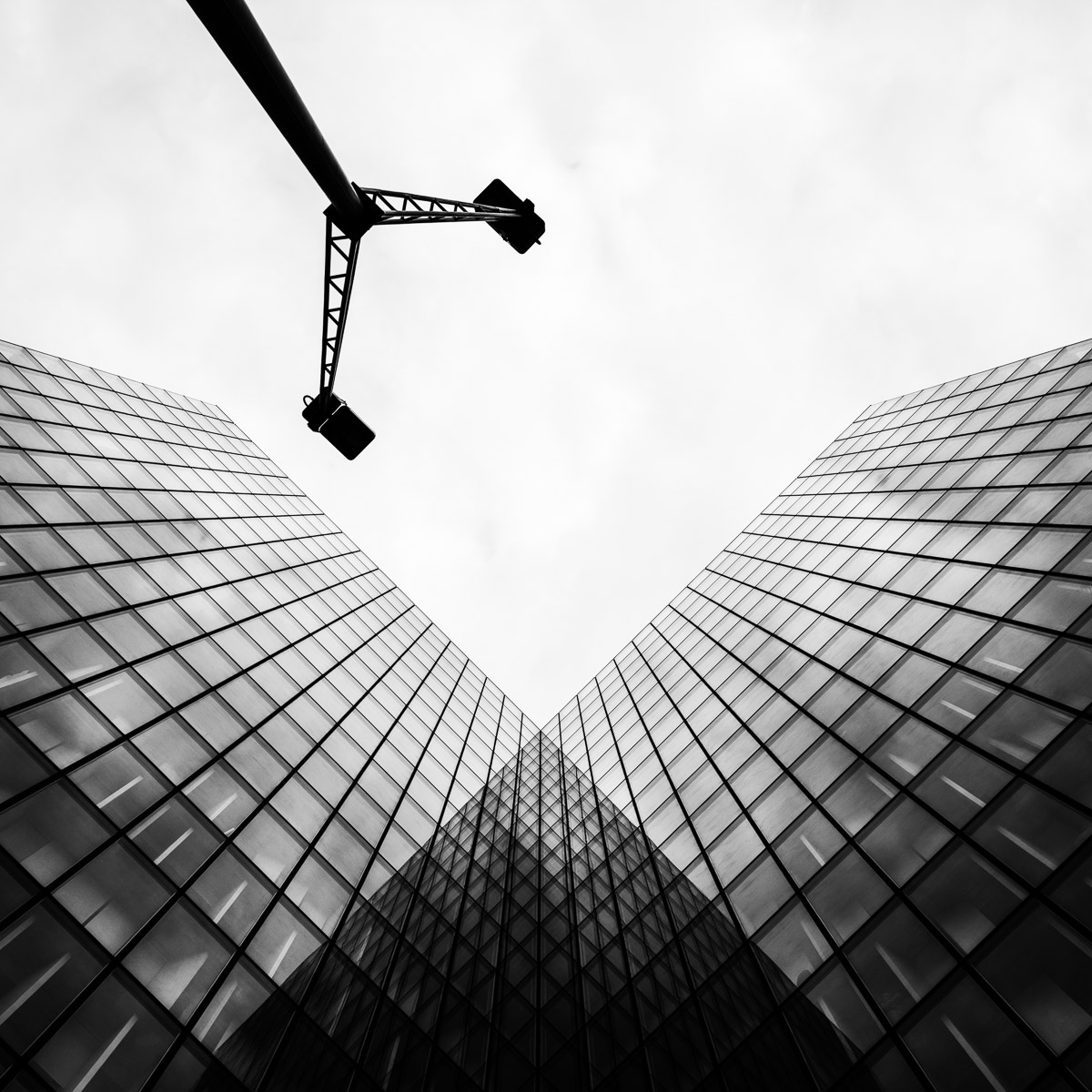
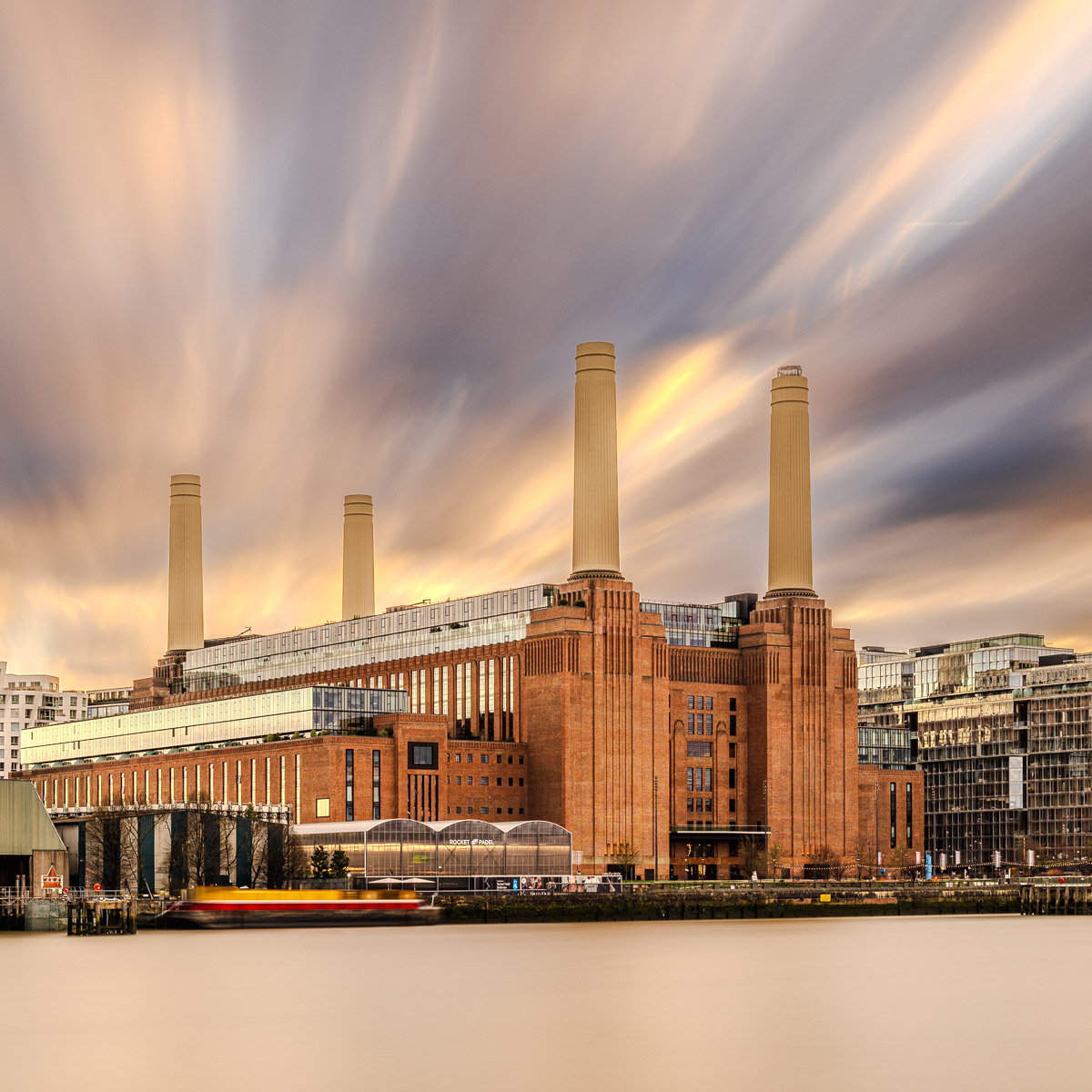
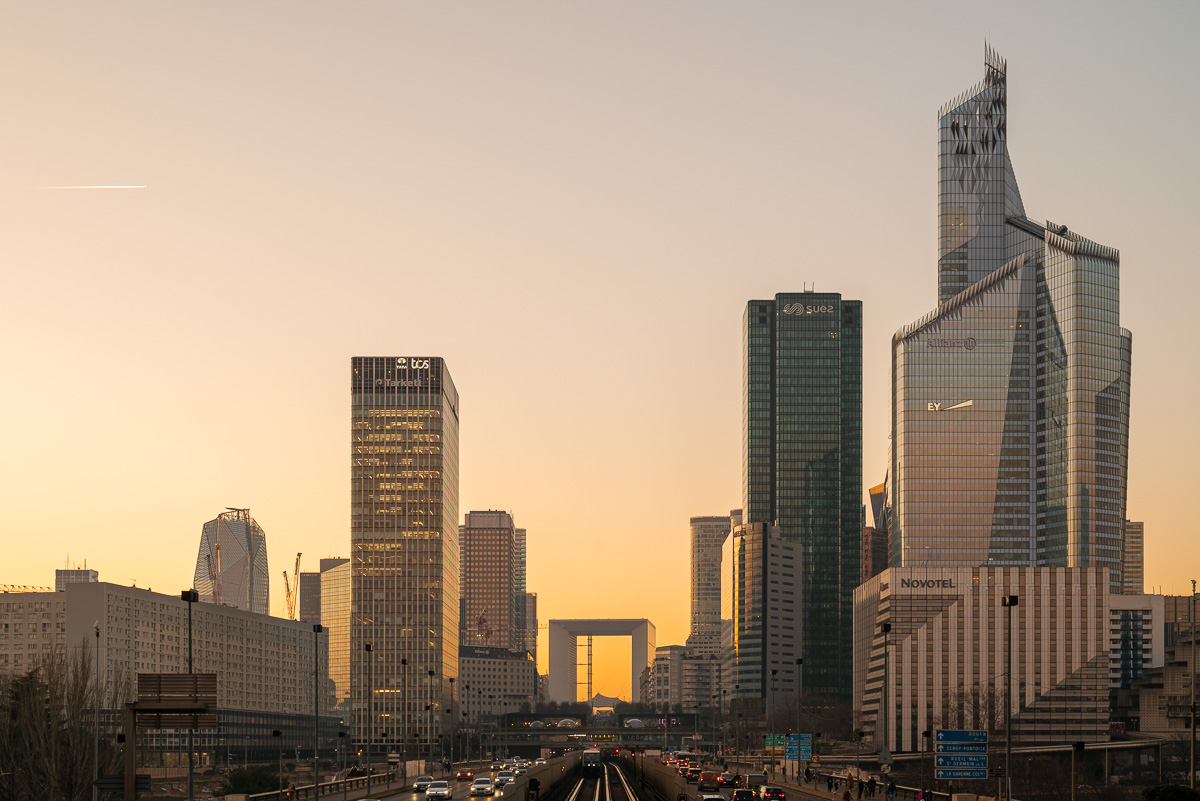
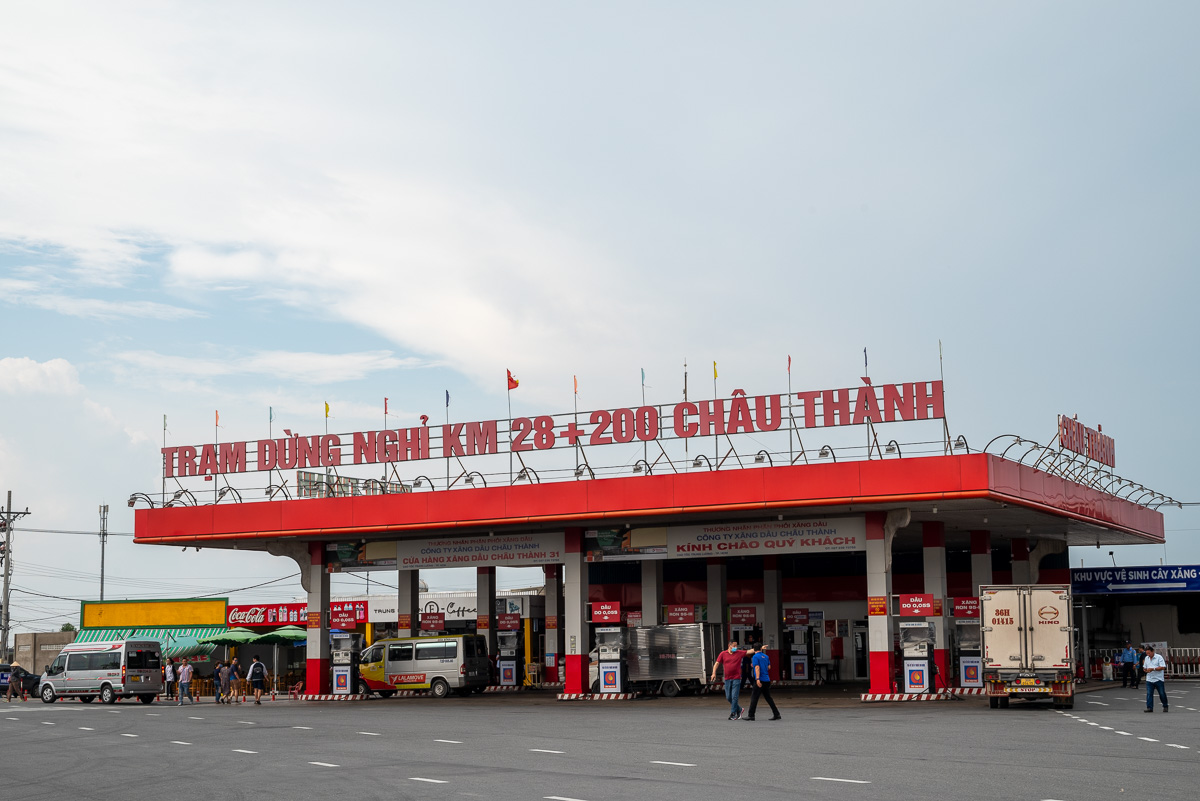
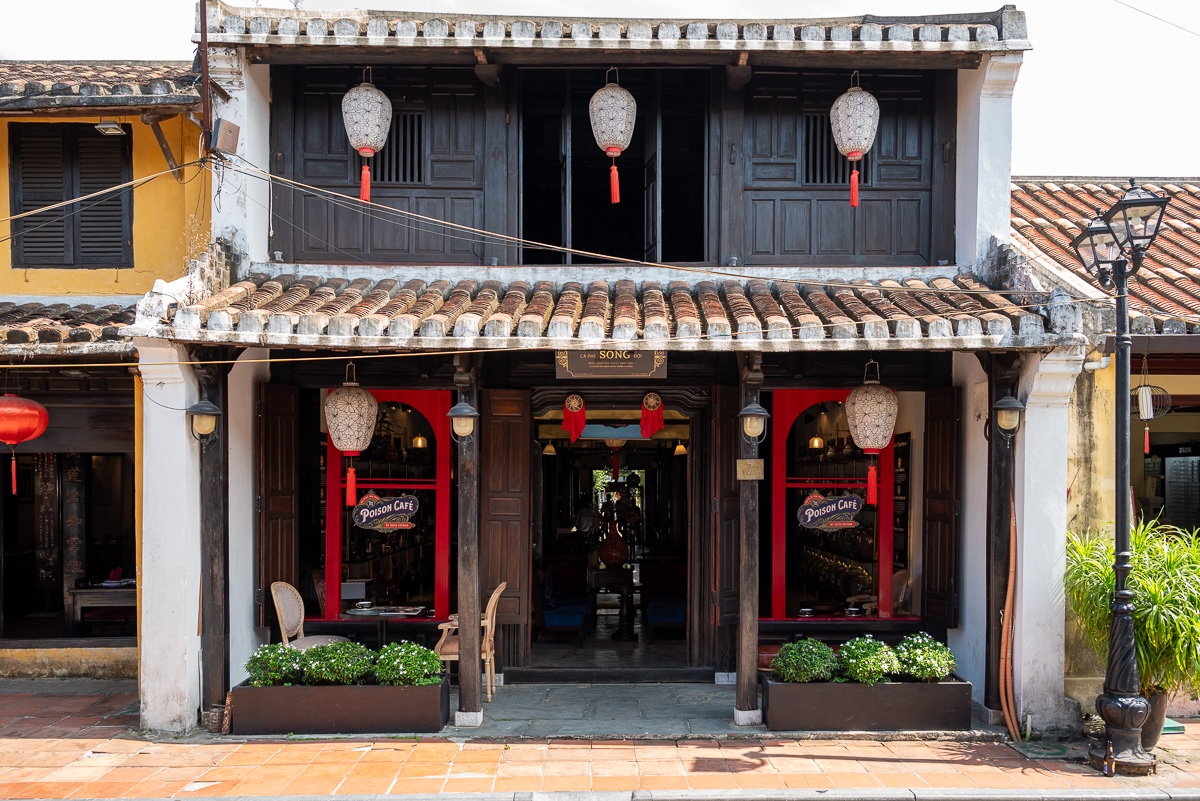
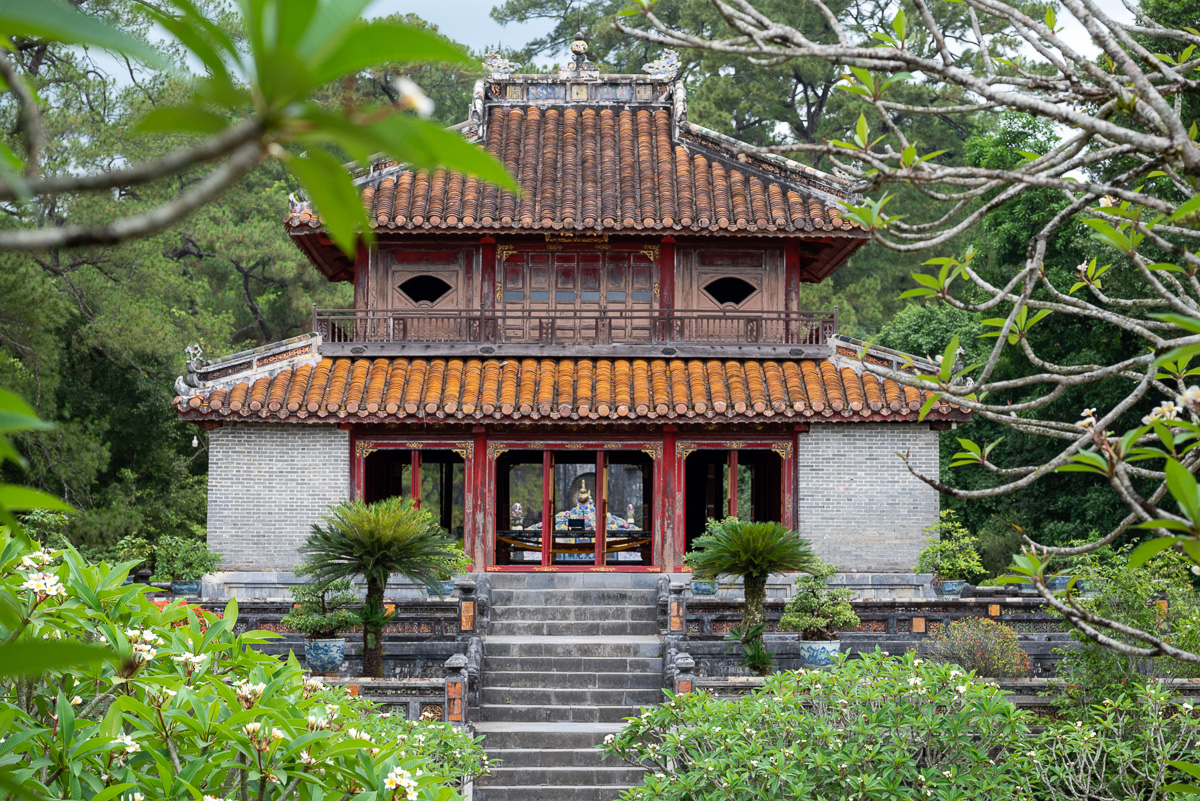
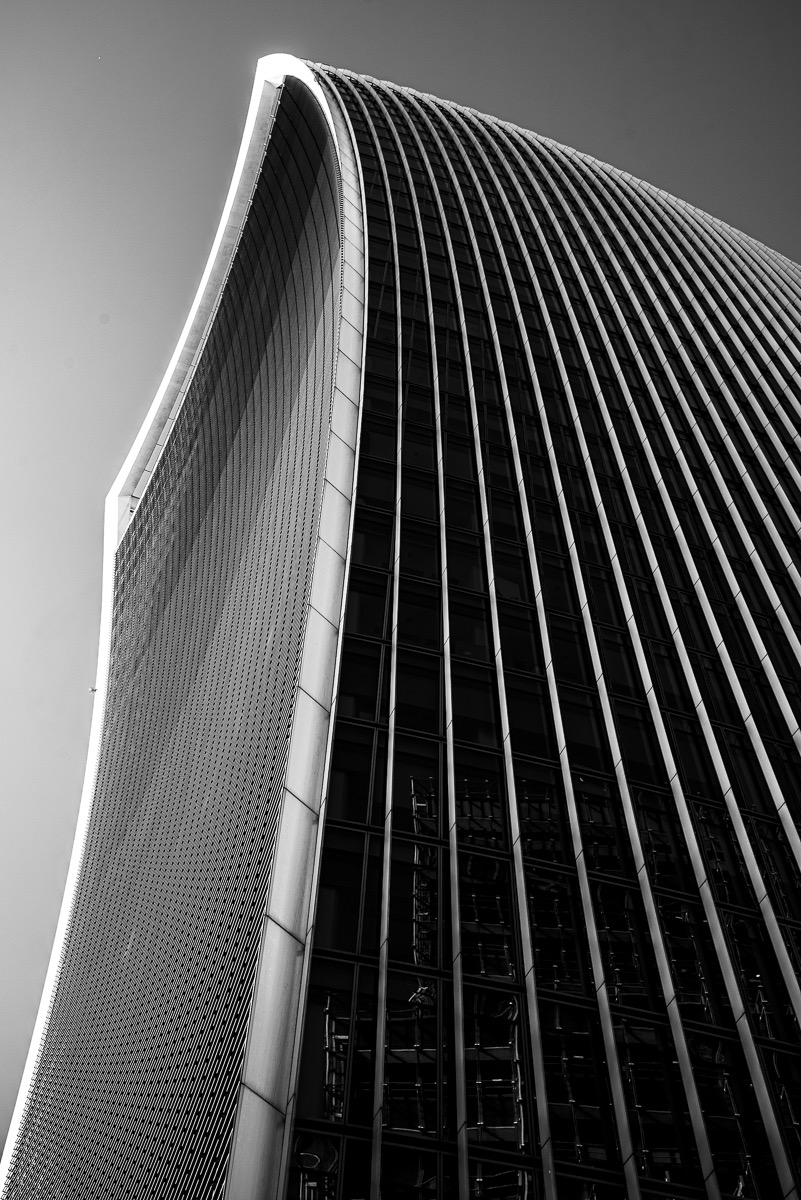
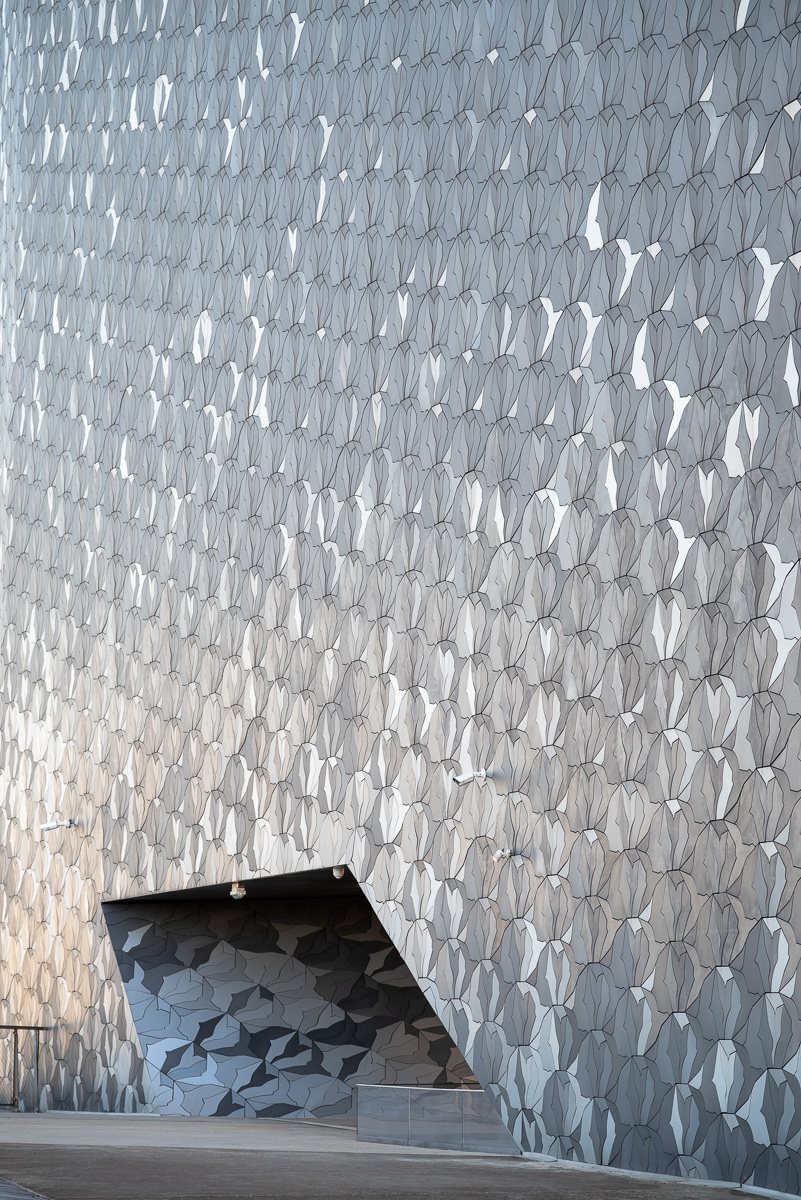
I always pair it with a Canon TS-E 17mm for shift work and use the 24-120mm to fill the range up to my 70-200mm. For architectural work, it lets me compose precisely and exclude distractions from the frame.
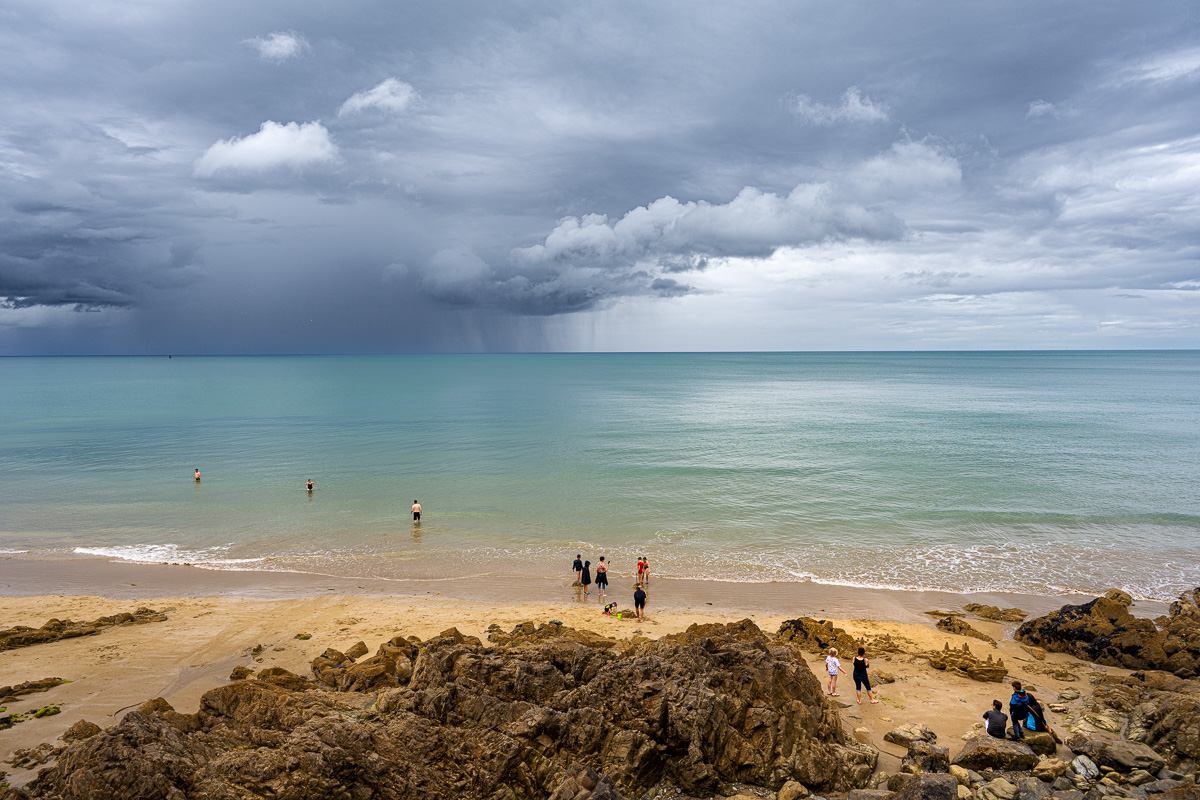
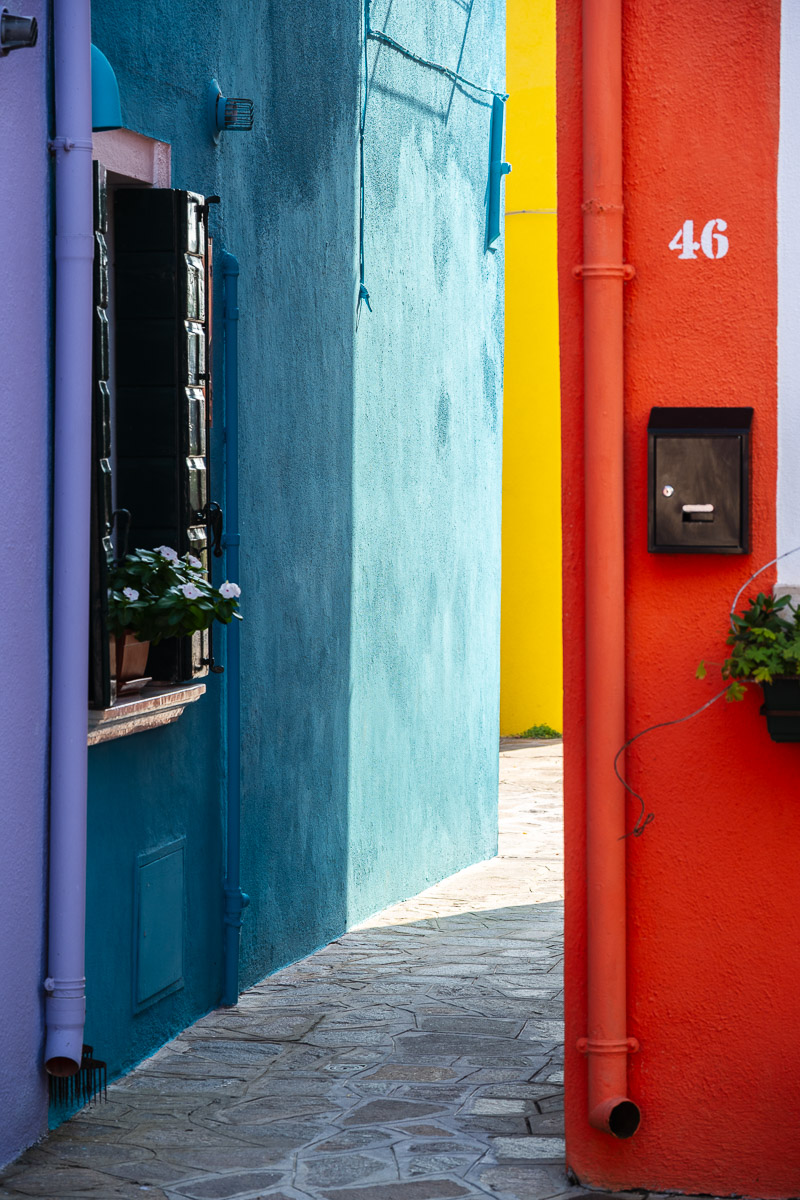
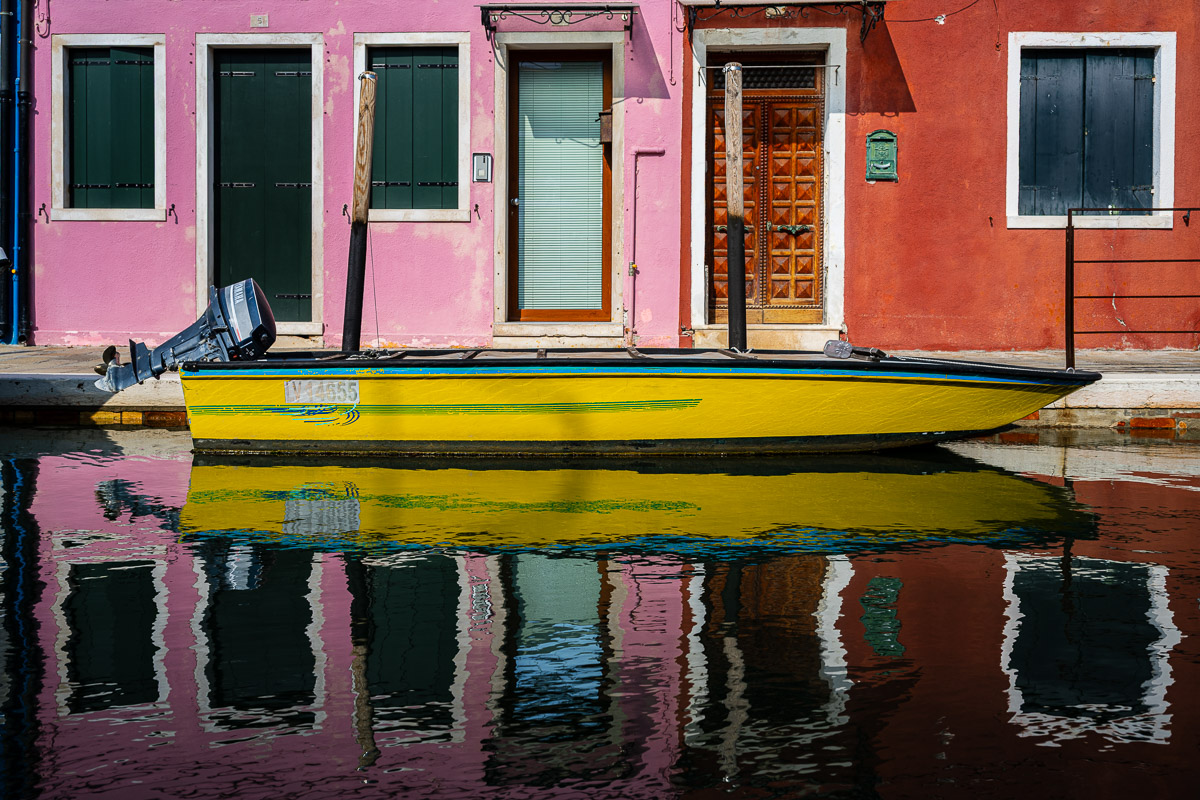
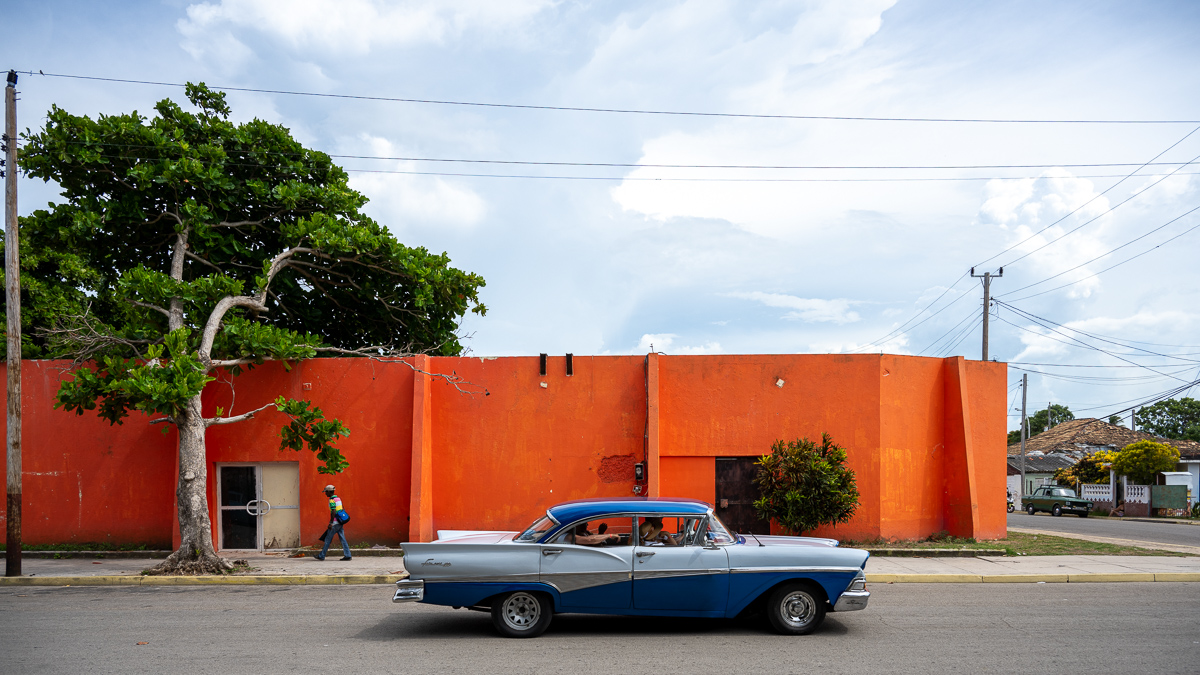
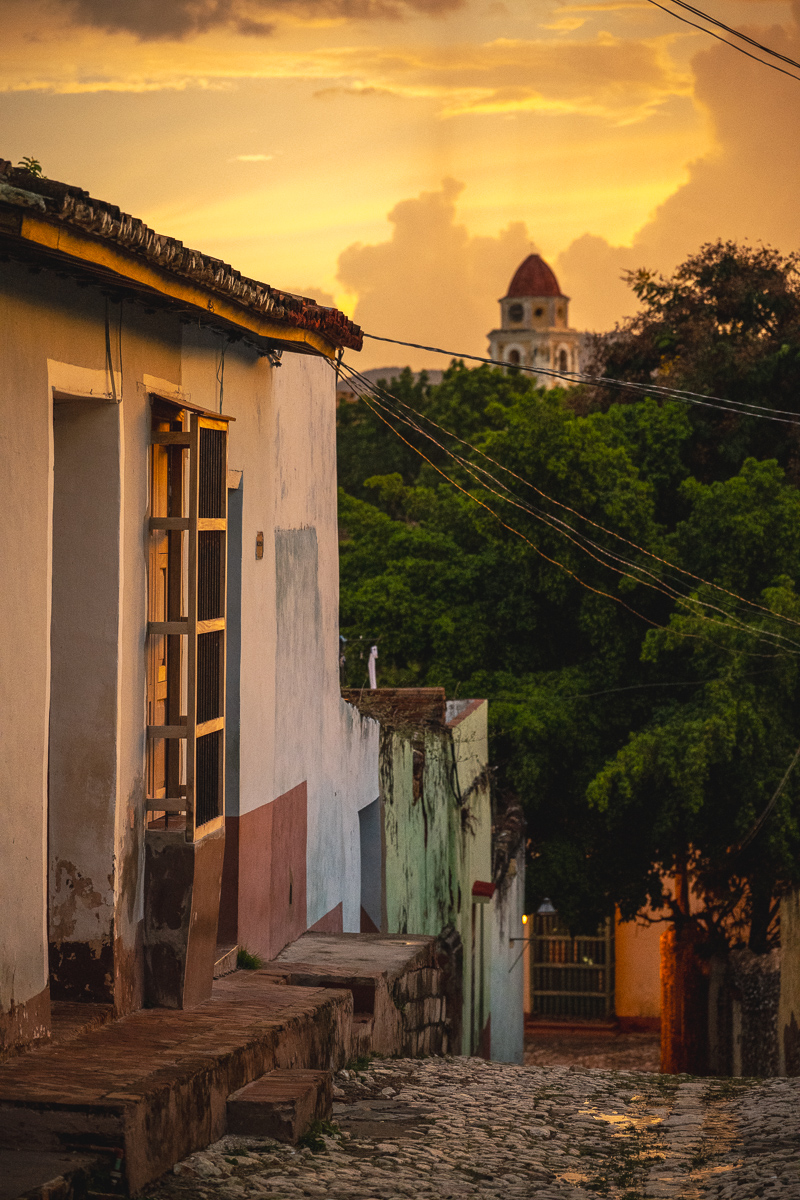
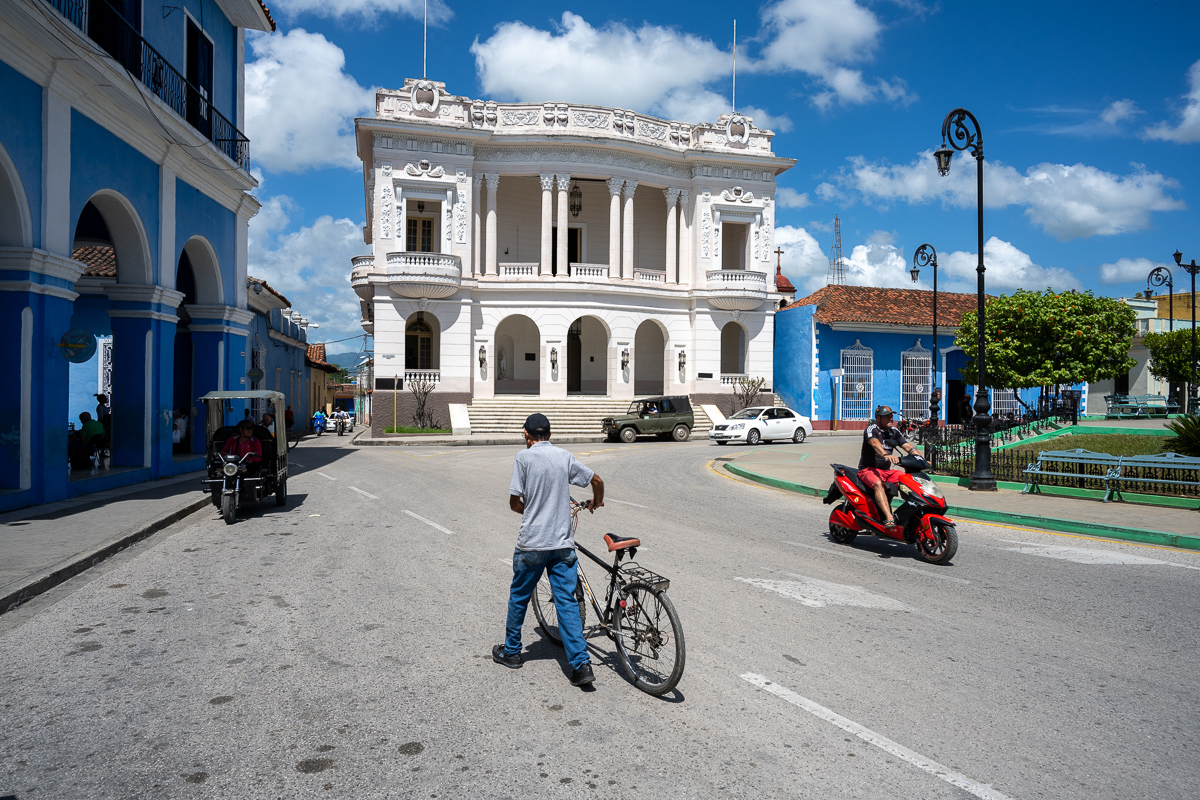
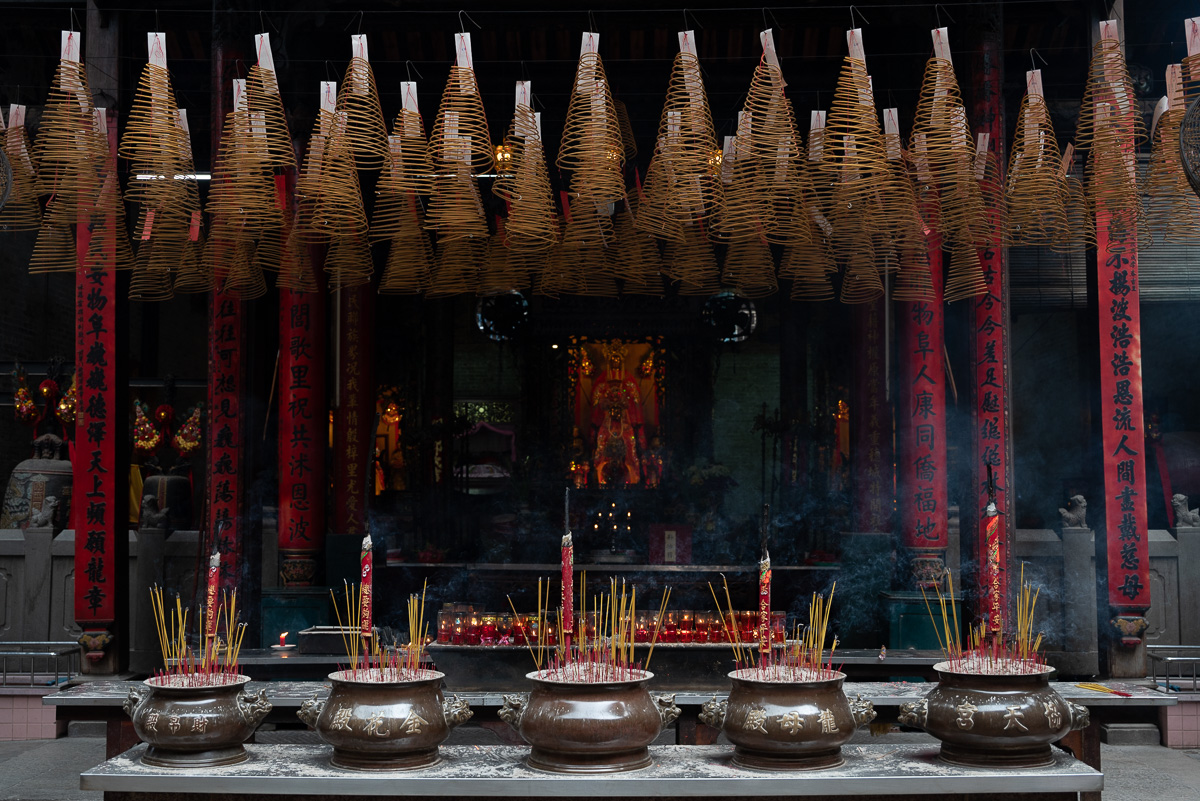
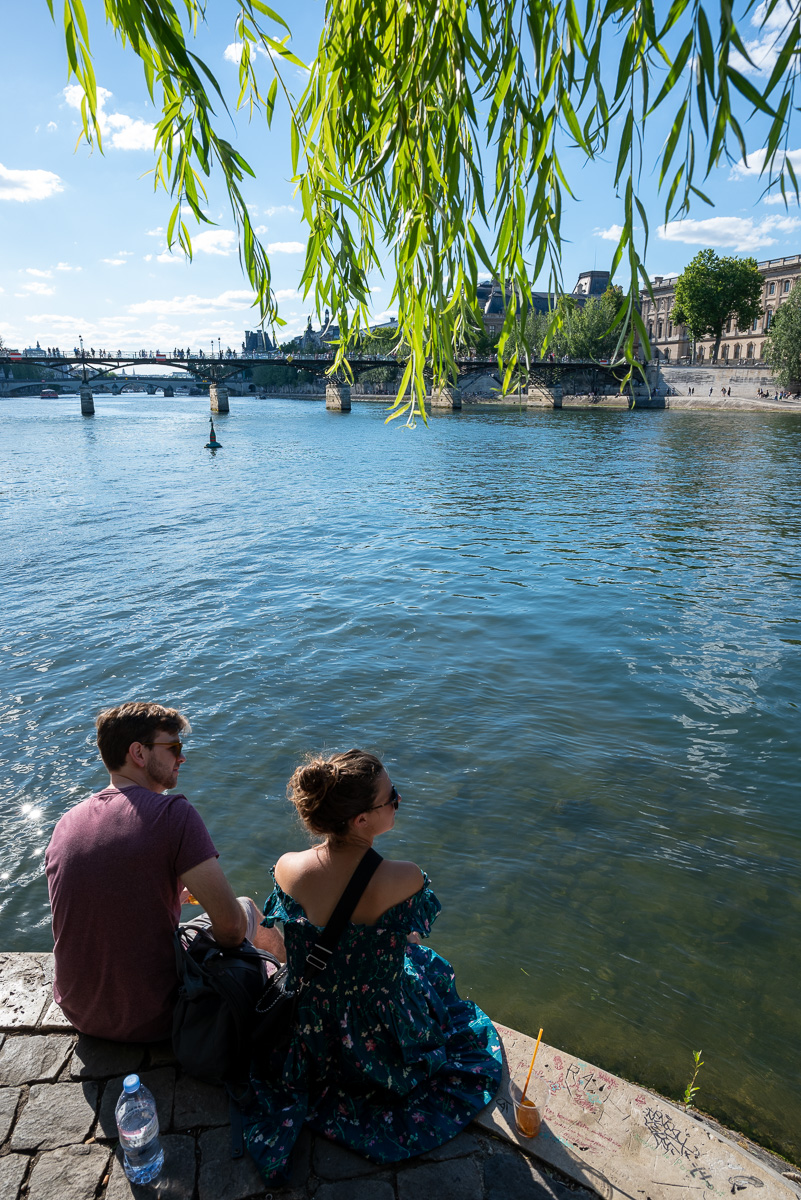
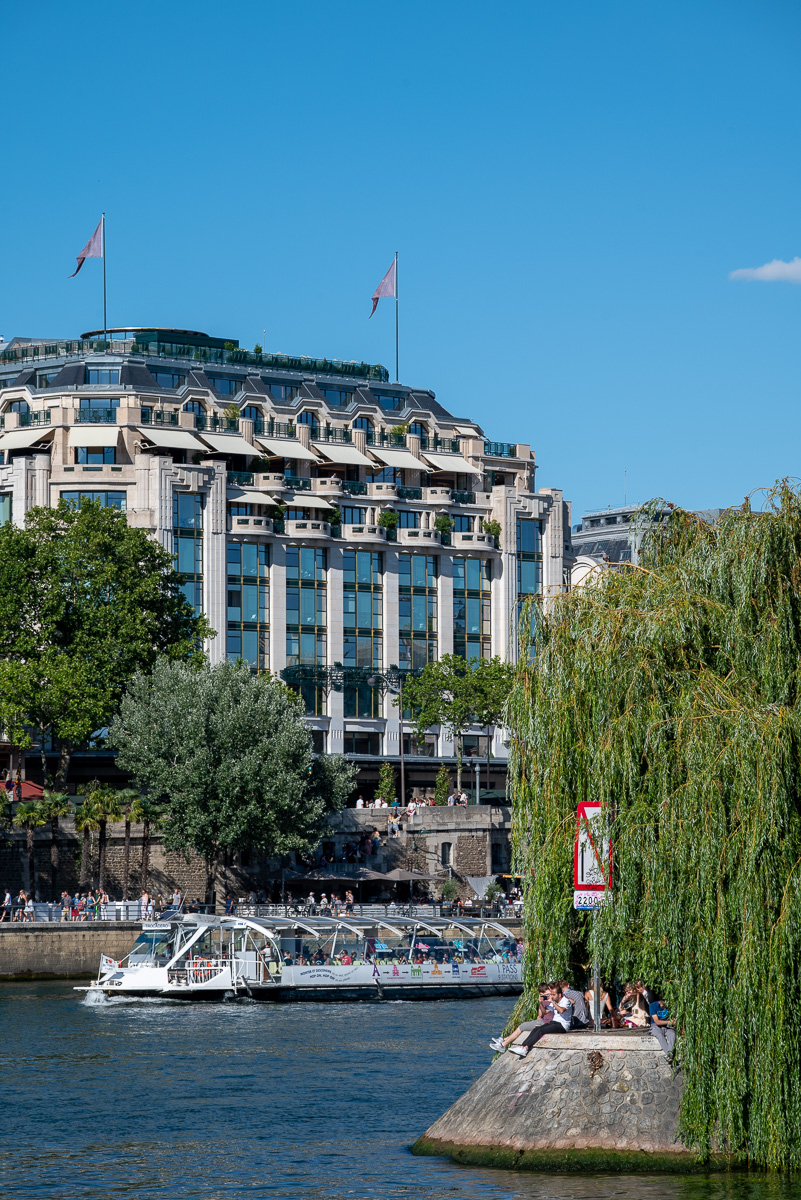
In urban or tourist settings, jumping from 24 to 120mm instantly gives real flexibility, perfect for unplanned street photography. It’s also the lens I grab when traveling light or heading out without a specific goal.
When I Don’t Use It
To isolate subjects or get strong bokeh, I prefer:
- the Nikkor Z 35mm f/1.8 S,
- or the Nikon Z 70-200mm f/2.8 S.
The f/4 aperture is flexible, but it’s not designed for ultra-thin depth of field or strong bokeh rendering.
Filters, Adapters and Practical Use
This lens takes 77mm filters. I’ve standardized my gear with 82mm filters (same as my Nikkor Z 14-30mm f/4 S) and use a 77-82mm step-up ring. Note: the lens hood is no longer usable in this setup.
I mainly use:
- a polarizing filter,
- and a neutral density filter.
For long exposures with a ND filter, I always switch to manual focus via the AF/MF switch to avoid focus shifts.
Quick Comparison with Other Nikon Z Zooms
- Z 24-70mm f/4 S → lighter, but limited focal range.
- Z 24-70mm f/2.8 S → brighter, but significantly heavier and bulkier.
- Z 24–70mm f/2.8 S II → brighter, lighter than its predecessor, but more expensive than the 24-120.
- Z 24-200mm f/4-6.3 → longer reach, but less consistent optics and narrower aperture.
The 24-120mm f/4 S strikes an excellent balance between flexibility, size and image quality.
Technical Specifications
| Mount | Nikon Z |
| Format | FX |
| Focal Length | 24-120mm |
| Maximum Aperture | f/4 |
| Minimum Aperture | f/22 |
| Optical Construction | 16 elements in 13 groups (ED, aspherical ED, aspherical, Nano Crystal, ARNEO, fluorine coatings) |
| Minimum Focus Distance | 0.35 m |
| Max. Magnification Ratio | 0.39× |
| Diaphragm Blades | 9 (rounded) |
| Filter Thread | 77mm |
| Dimensions (Ø × Length) | 84 × 118mm |
MTF charts and optical design
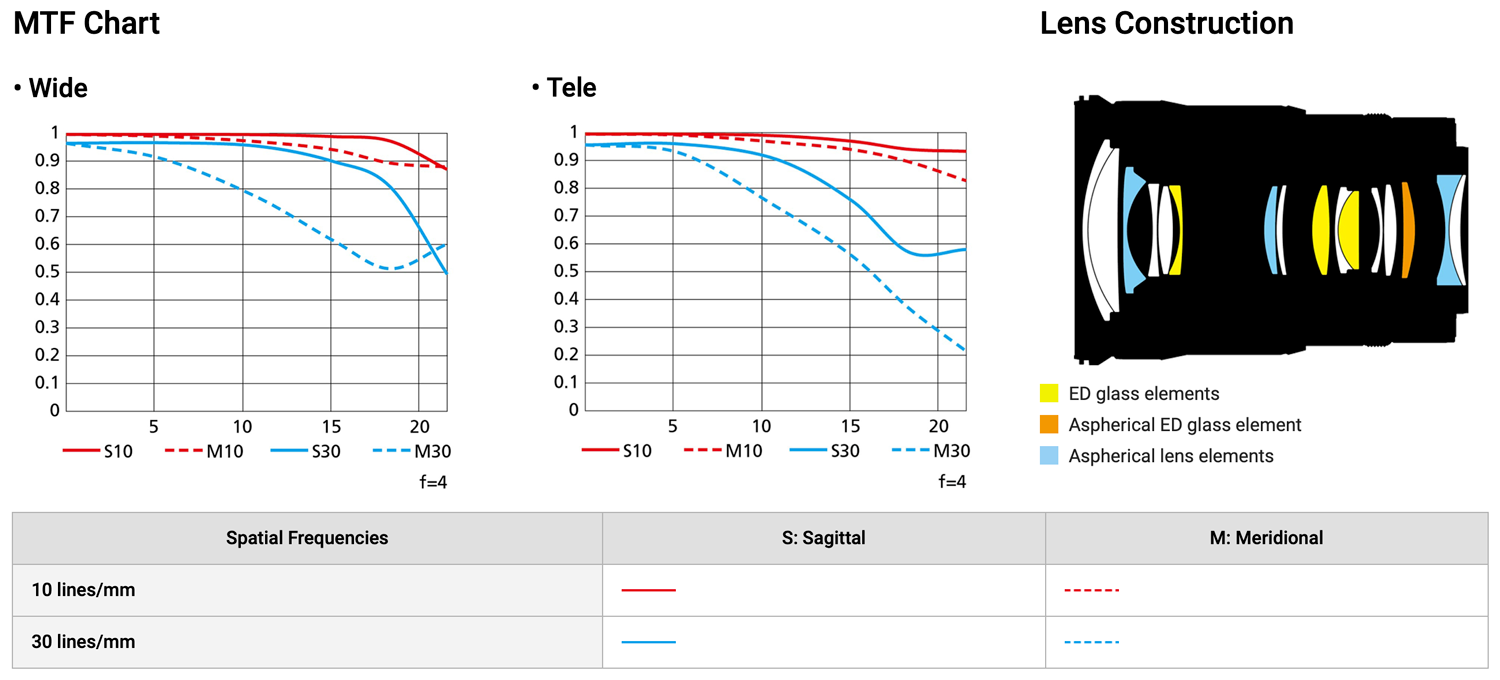
Photo Gallery
Click on the images below to view them fullscreen.
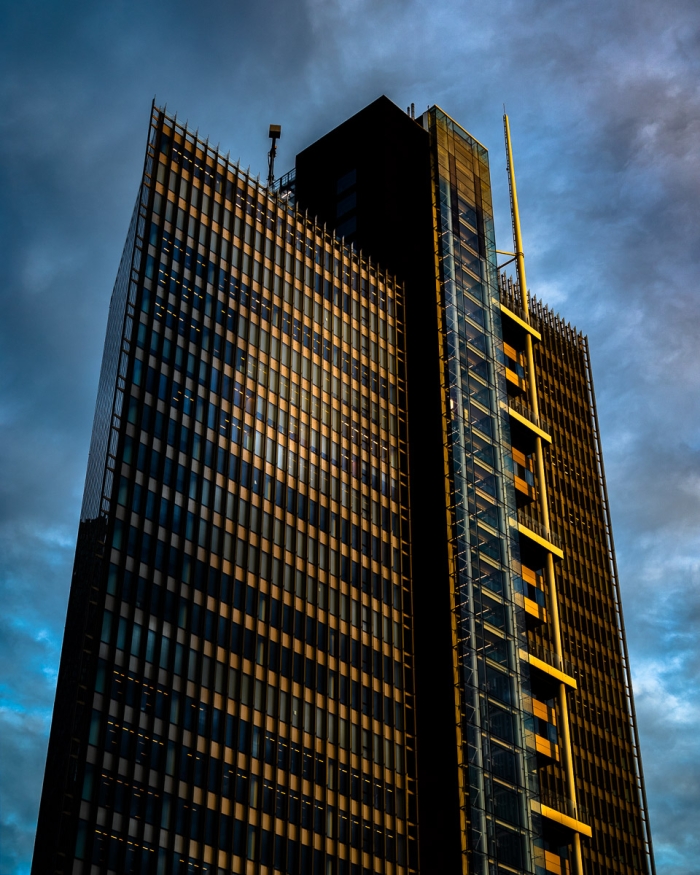
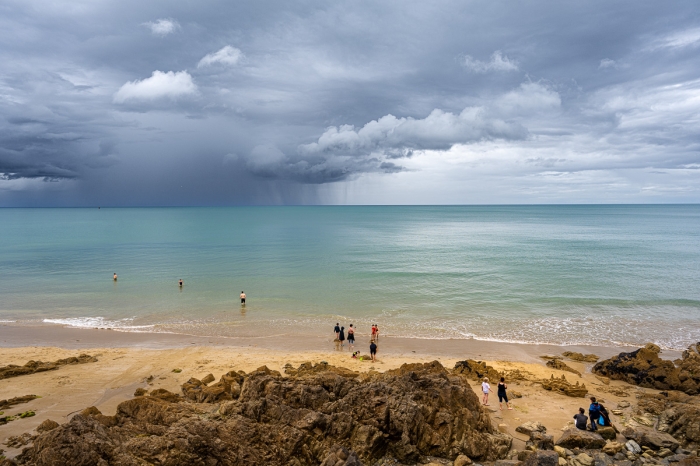
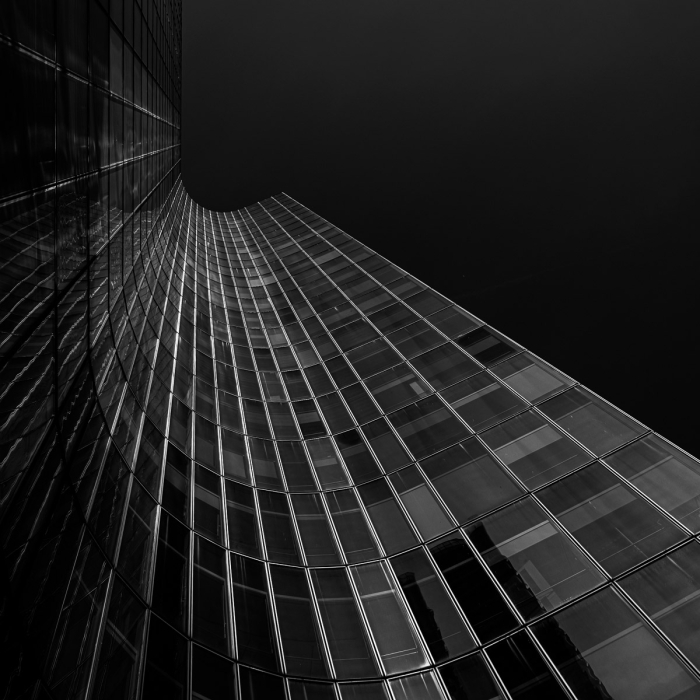
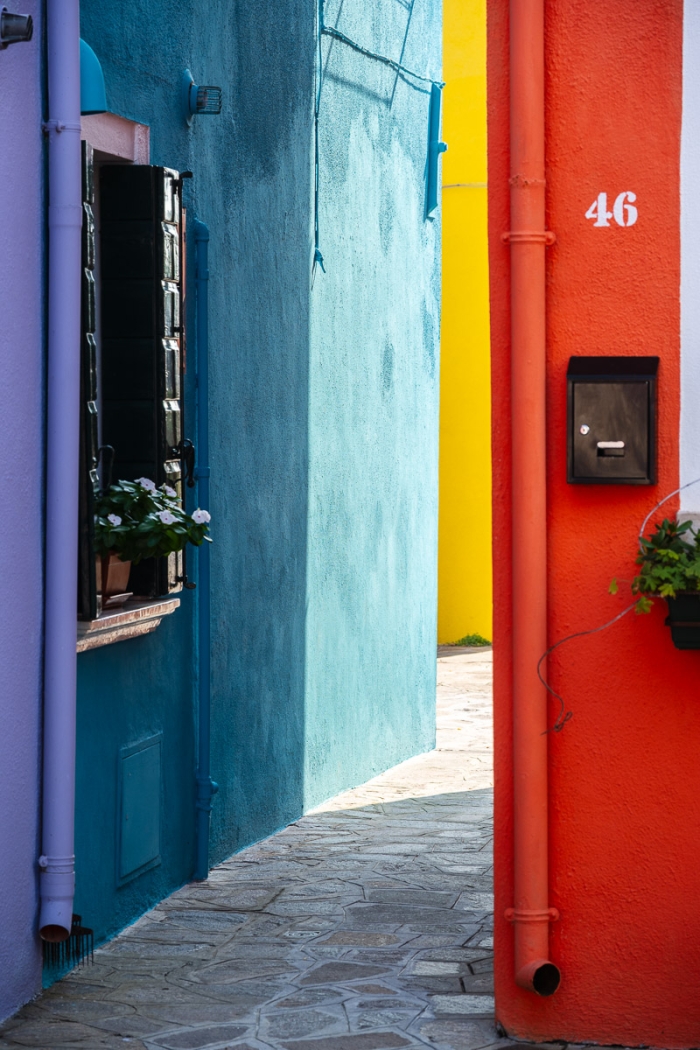
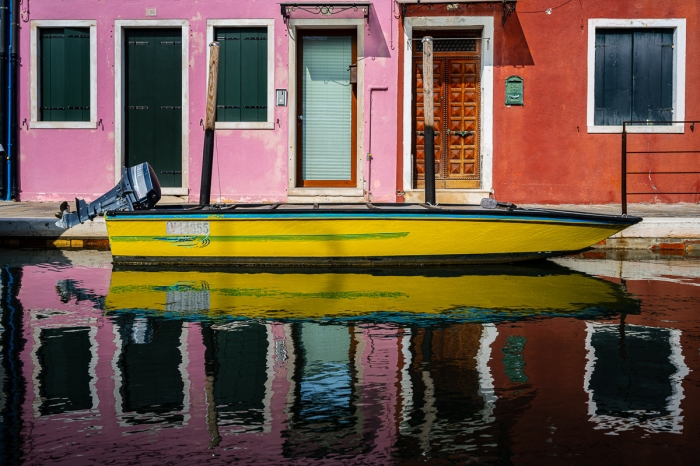
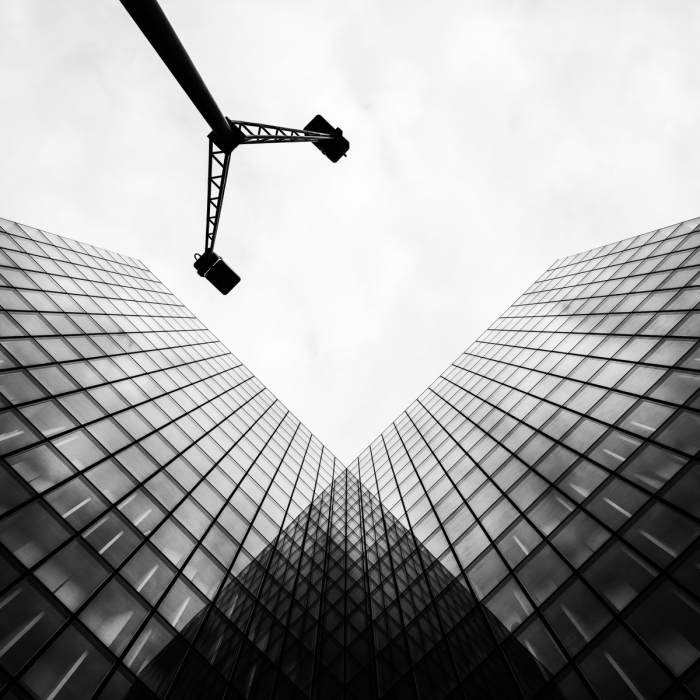
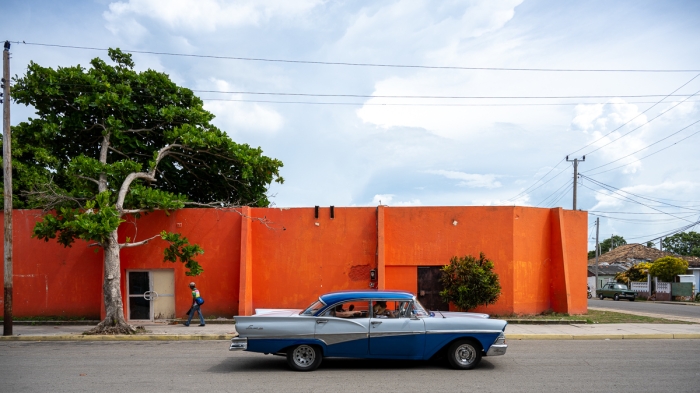
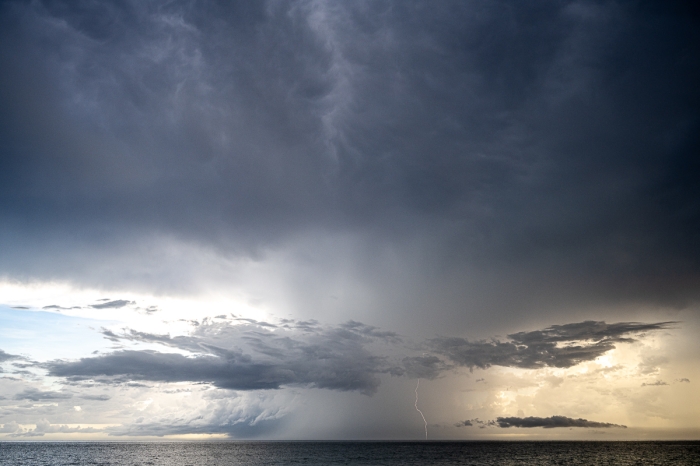
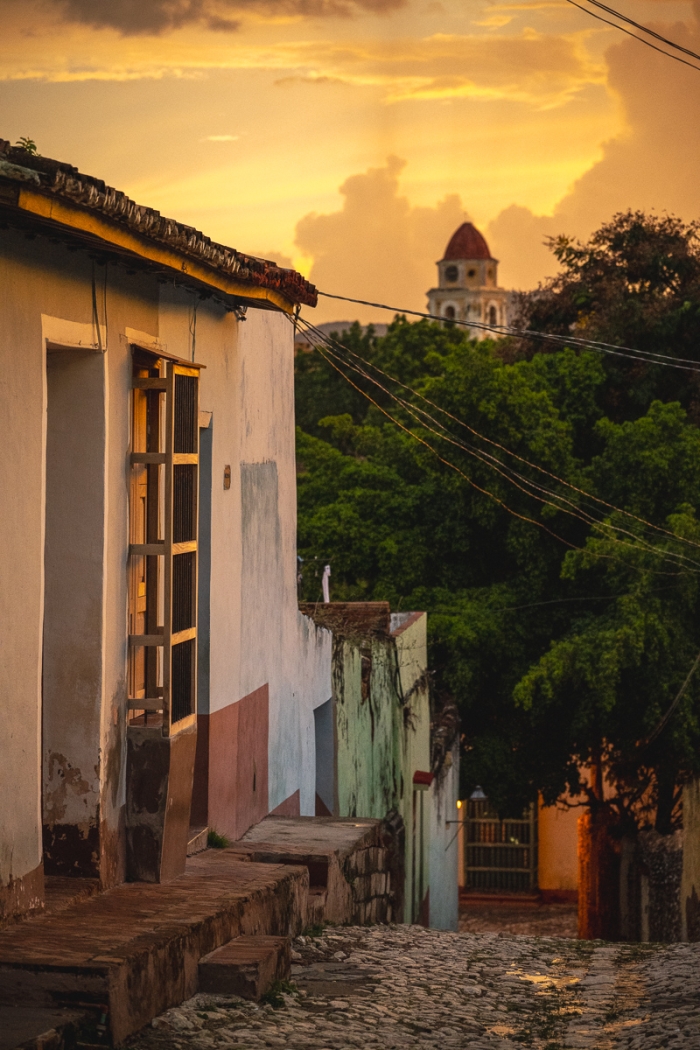




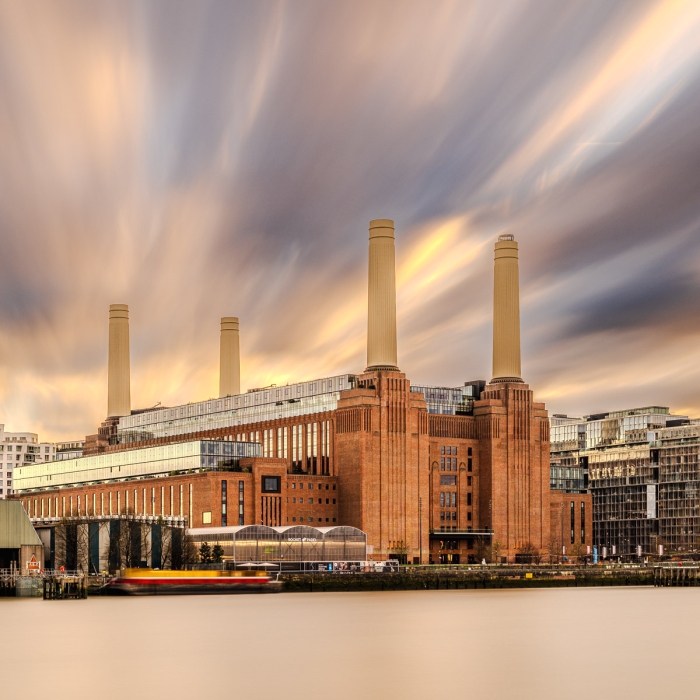
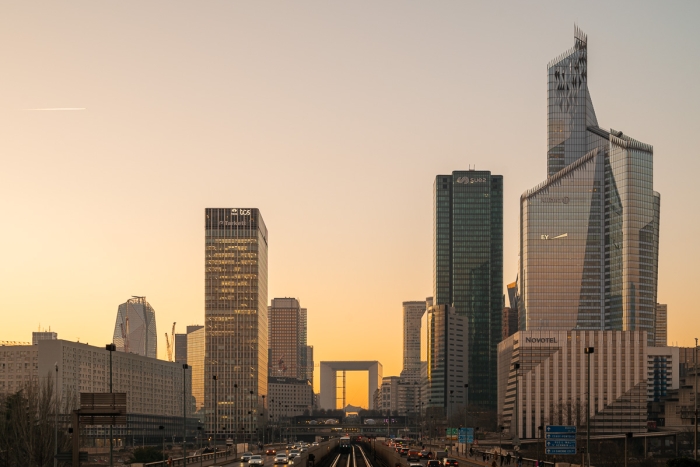


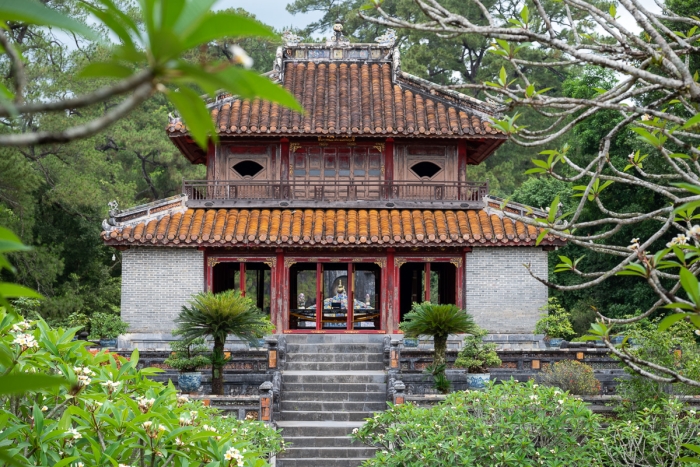
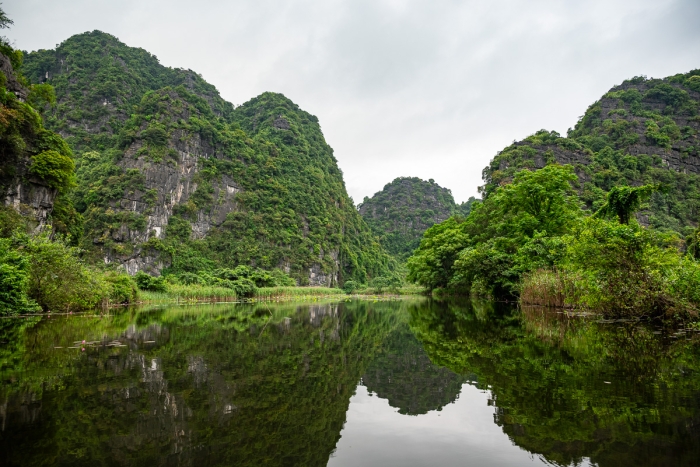
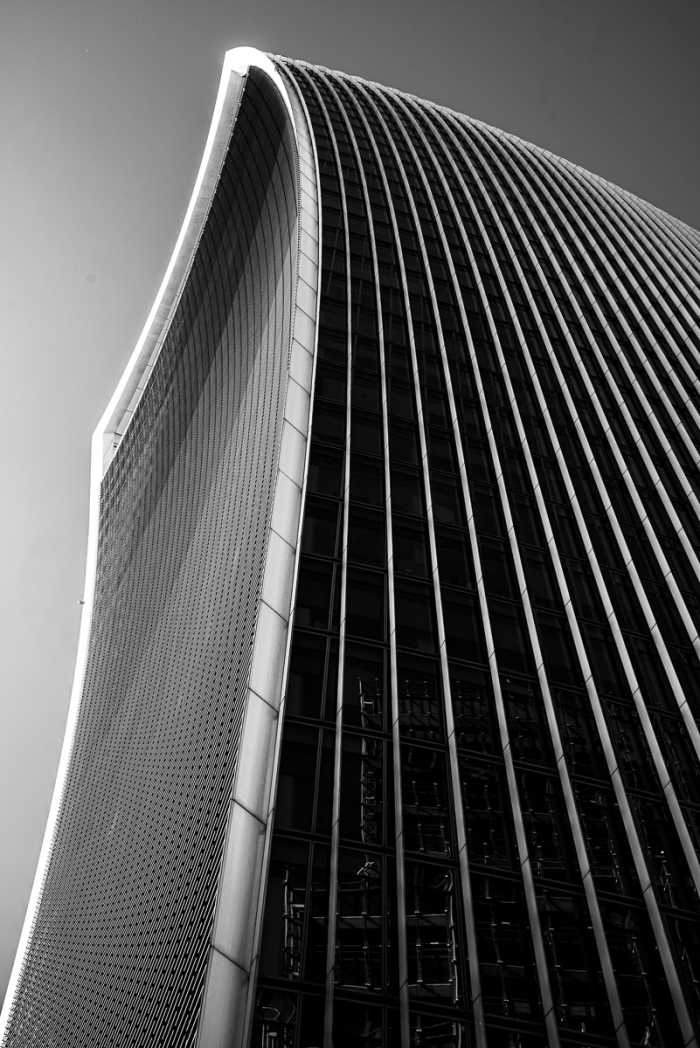
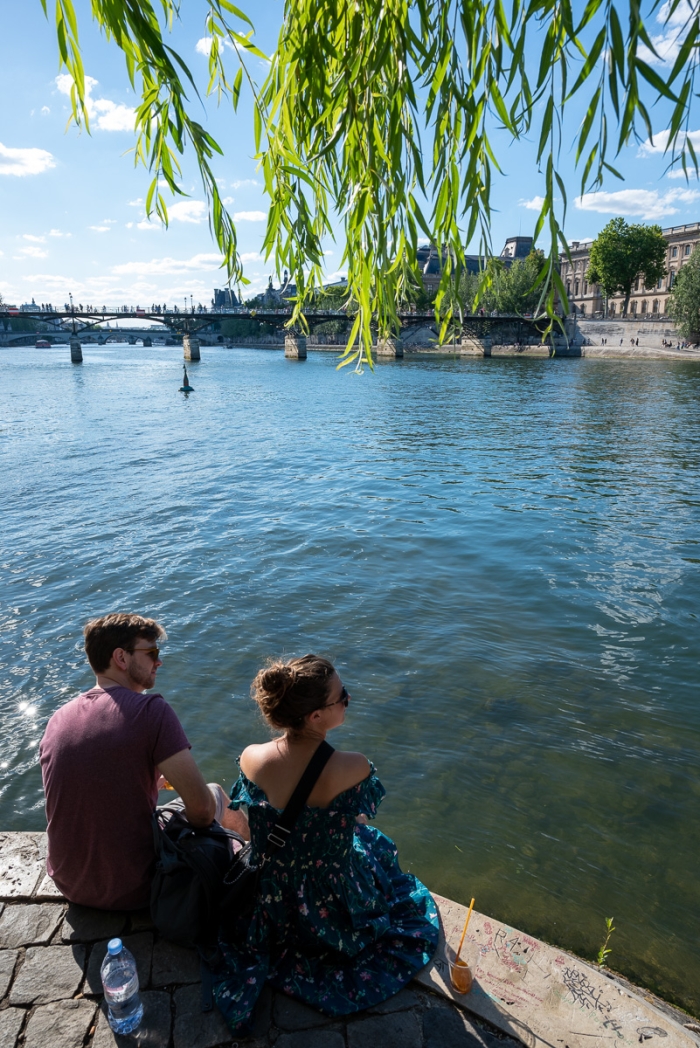
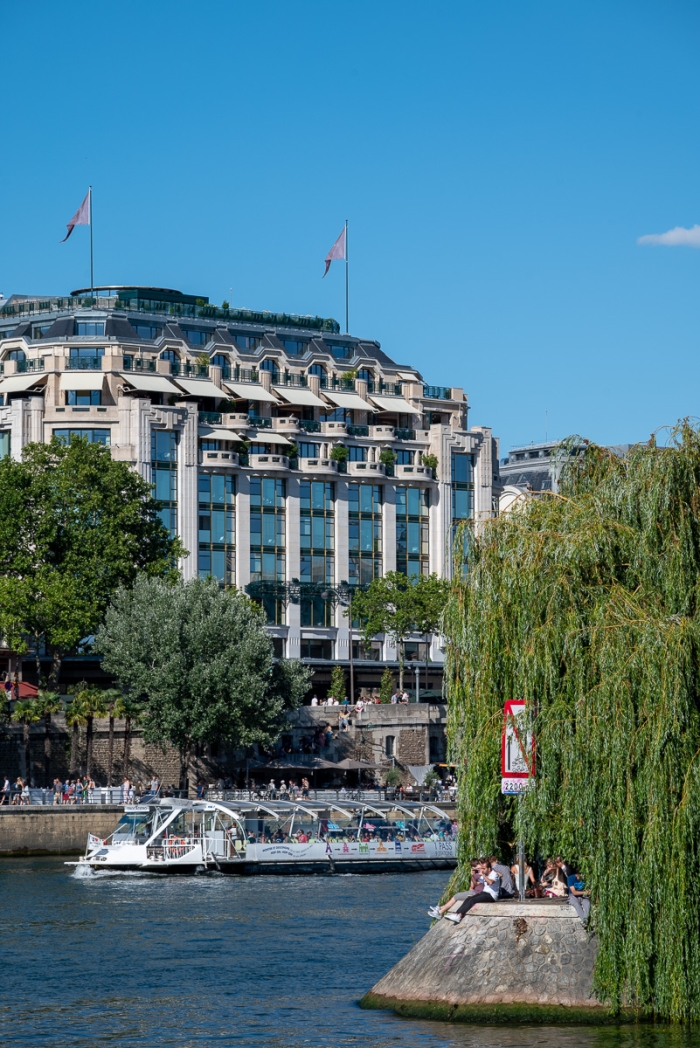
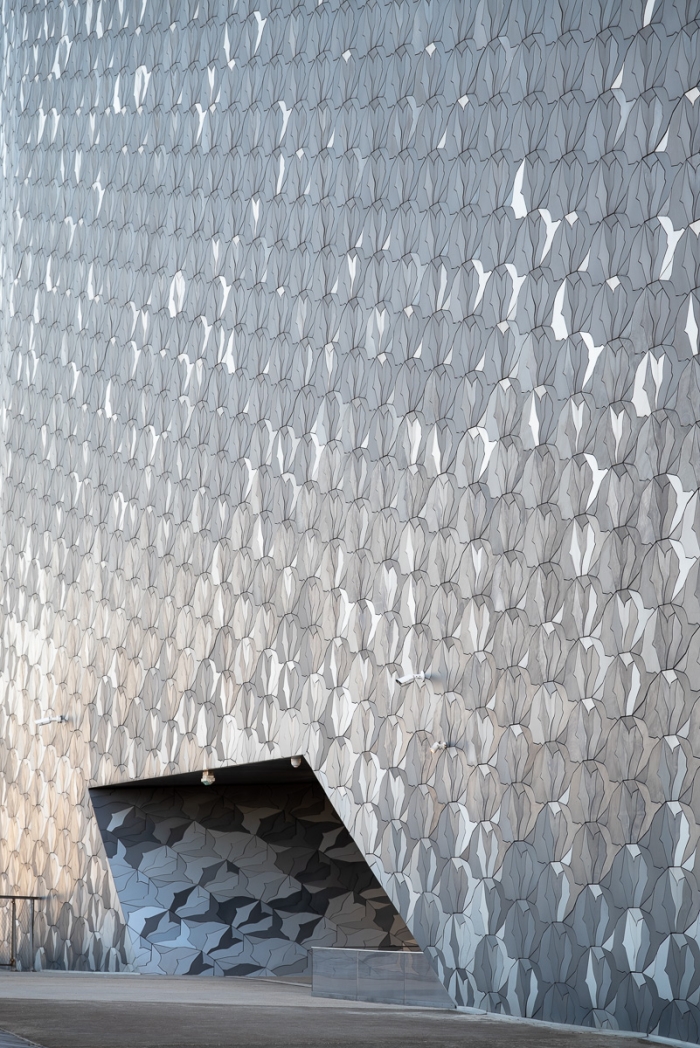
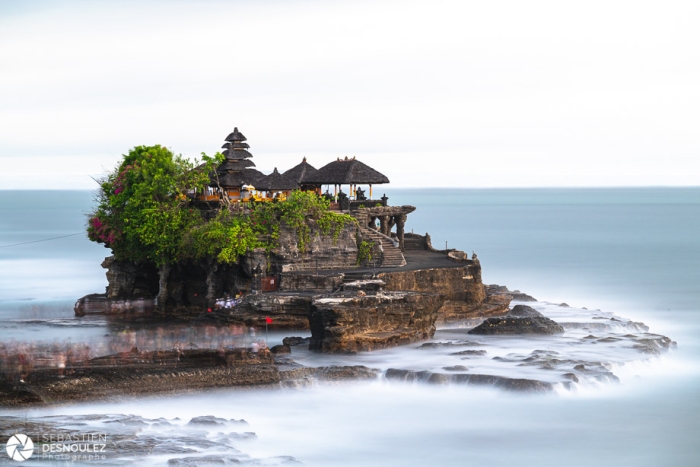

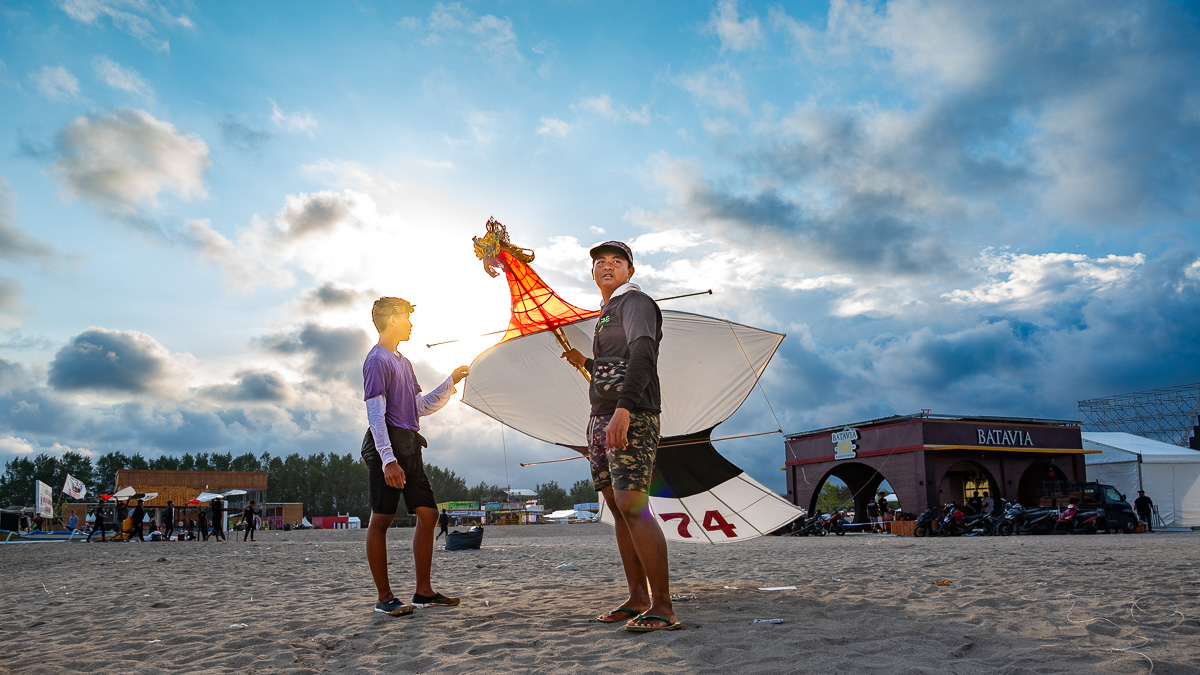


All the photos displayed on this website are copyright protected © Sebastien Desnoulez. No use allowed without written authorization.
Legal notice
Conclusion
The Nikon Z 24-120mm f/4 S is one of the most complete and versatile zooms in the Nikon Z lineup. It can replace several prime lenses, delivers consistently sharp images, handles flare impressively well, and pairs perfectly with an ultra-wide or compact telephoto lens.
For architecture, travel or documentary photography, it’s a reliable, precise, consistent tool, and one of the best all-round performers in the Nikon mirrorless system.
FAQ
Is the Nikon Z 24-120mm f/4 S good for architectural photography?
Yes. Thanks to its excellent edge-to-edge sharpness and well-corrected distortion, it is perfectly suited for non-shift architectural photography.
Can this lens isolate a subject?
At 120mm, subject isolation is possible, but this is not a bokeh-oriented lens. For stronger background blur, a 35mm/50mm/85mm f/1.8 or a 70-200mm f/2.8 is more appropriate.
Which filters should you use?
Polarizing filters, ND filters, or other types in 77mm. If your workflow is based on 82mm filters, a 82-77mm step-down ring works perfectly.
Can the Nikon Z 24-120 mm f/4 S be used for studio portrait photography?
Yes, this lens is well suited for portraits under controlled lighting. Used between 85 and 120 mm, it allows for tight framing, natural compression, and excellent sharpness. Even in a studio setup with Profoto-style flashes, it delivers professional-quality results (see the portrait in the photo gallery).
About the Author
Sebastien Desnoulez is a professional photographer based in Paris, specializing in architecture, landscape and travel photography. Trained in photography in the mid-1980s, he covered Formula 1 races and reported from around the globe before devoting himself to a more demanding fine art photography practice blending composition, light and emotion. He also shares his technical expertise through hands-on articles for passionate photographers, built on a solid background in both film and digital photography.
Tags