

Freelensing in Photography, a Creative Alternative to Tilt-Shift

Detaching a lens from the camera on purpose to create selective blur, light leaks, and images impossible to reproduce with a conventional optic, that is the whole point of freelensing. Still relatively unknown, this technique allows for a more instinctive, freer, and sometimes more expressive approach than a dedicated tilt lens. Through my experience with an old Nikon 50 mm f/2 non-Ai, first used on Nikon DSLRs and later considered in relation to Nikon Z cameras, I look back here at a practice that is at once handcrafted, demanding, and deeply creative.
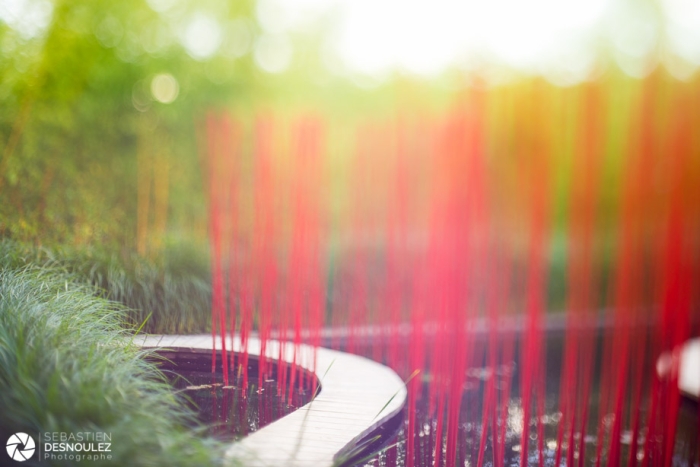
Freelensing consists of using a lens that is not mechanically attached to the camera body, holding it by hand in front of the sensor in order to freely change its angle and distance. This simple principle opens up a surprisingly wide range of possibilities. By tilting the optical block, you affect the plane of focus in a way that can recall the behavior of a tilt-shift lens, but with far greater freedom of movement. Added to this is an essential parameter, often regarded as a flaw in a traditional approach, stray light, which here becomes part of the creative process and contributes to the final rendering.
Contents
- What is freelensing?
- An alternative to tilt-shift, but not only that
- Why I chose a Nikon 50 mm f/2 non-Ai
- Light leaks, integrated into the creative process
- Travel, street photography, architecture, ideal creative playgrounds
- Freelensing with a Nikon Z, what options are there?
- Why this technique goes beyond a simple effect
What is freelensing?
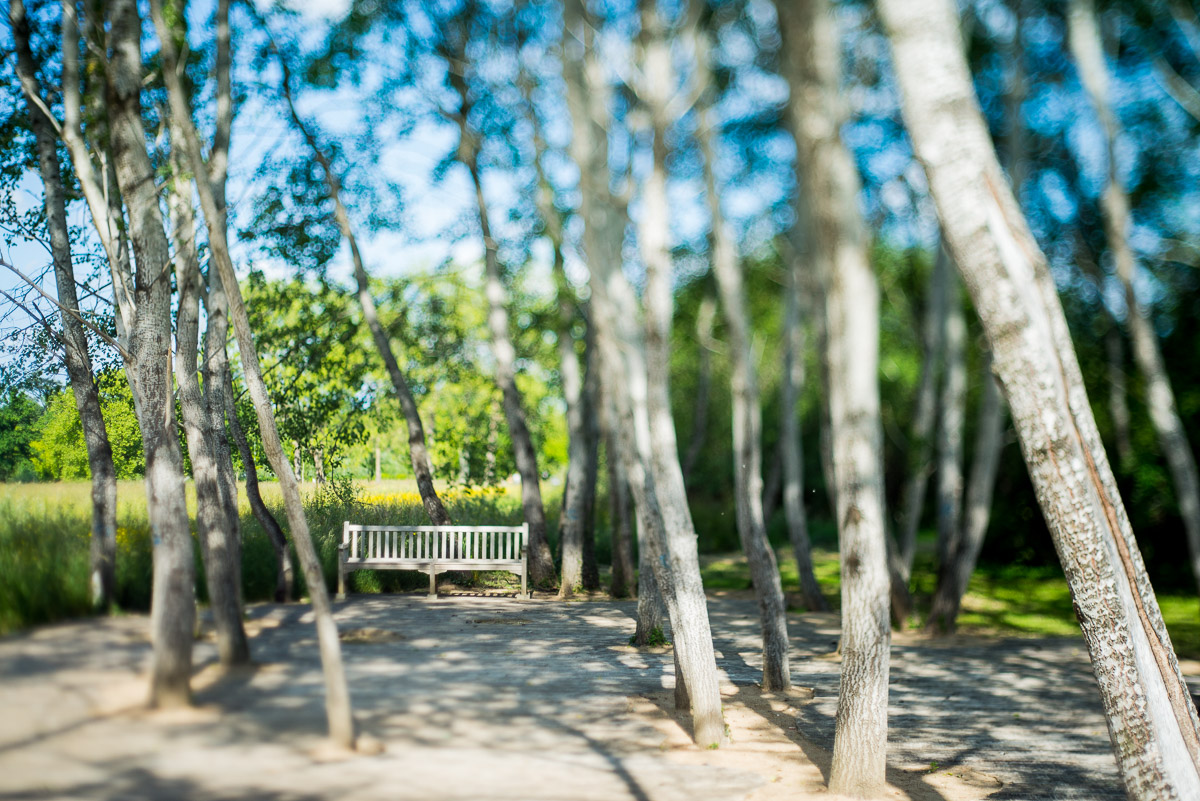
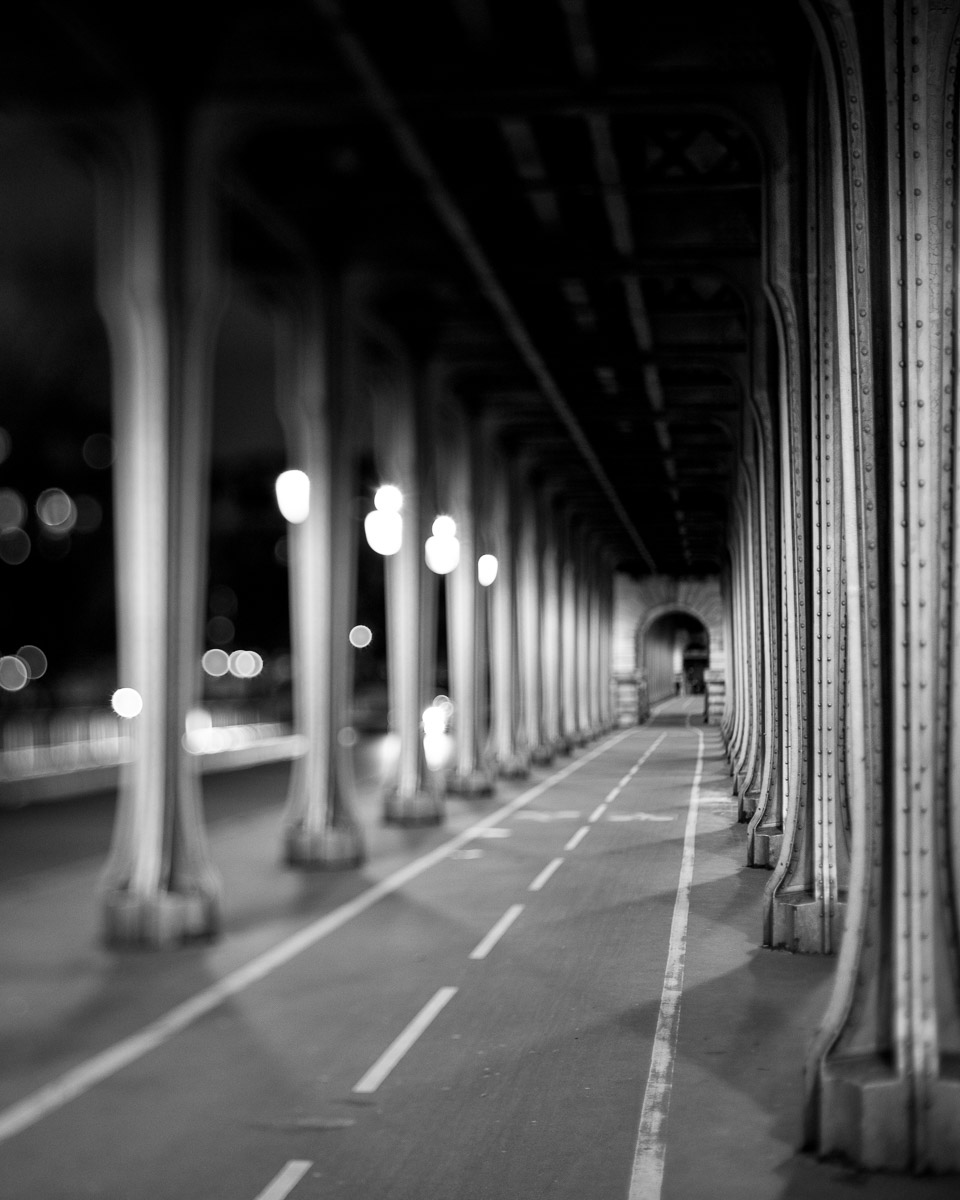
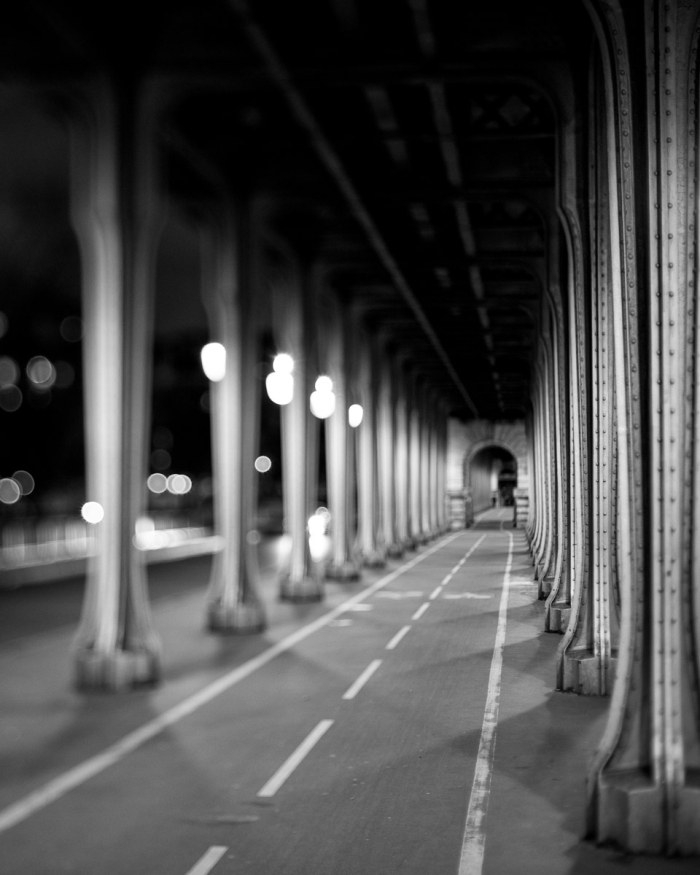
Freelensing is based on a very simple idea, removing the lens from its usual role as an optic perfectly aligned with the sensor. Instead of locking it onto the mount, you hold it by hand, slightly detached or tilted, which immediately changes the way the image is formed. The focal plane of the lens is no longer parallel to that of the sensor, and the sharp area moves through the frame much more freely than in a conventional shot.
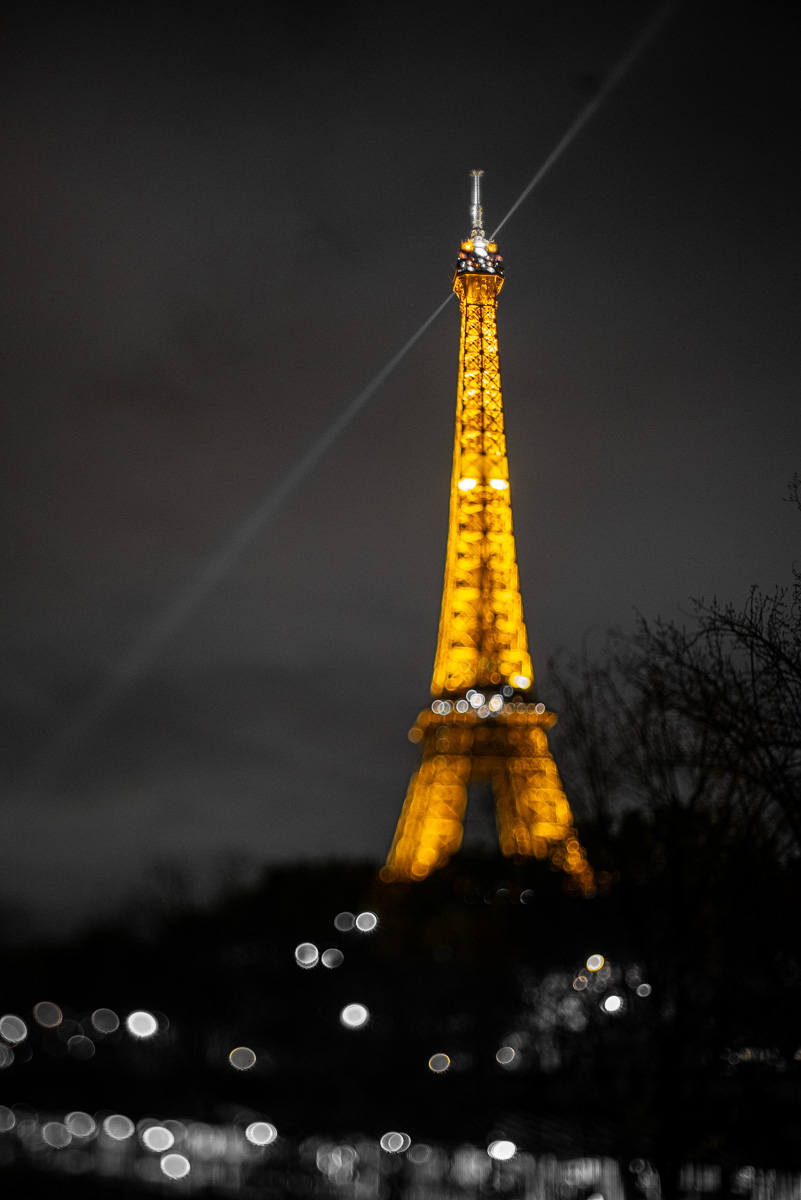
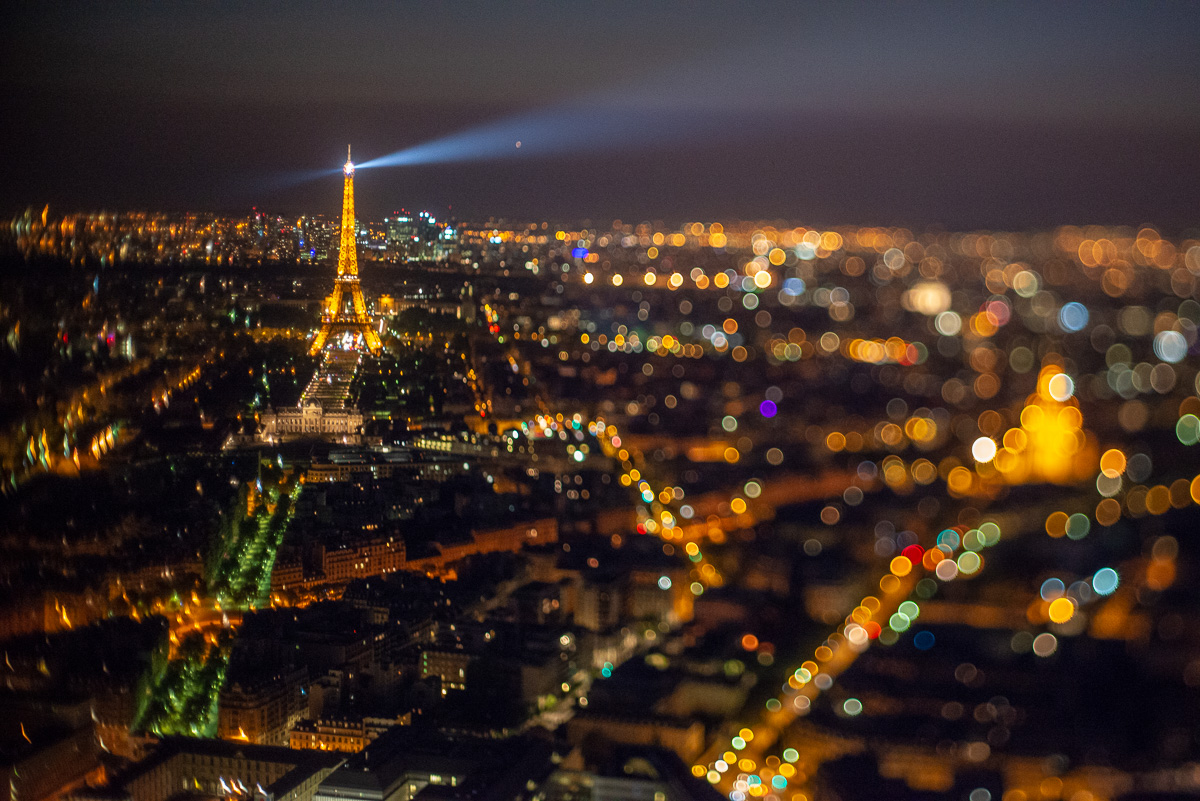
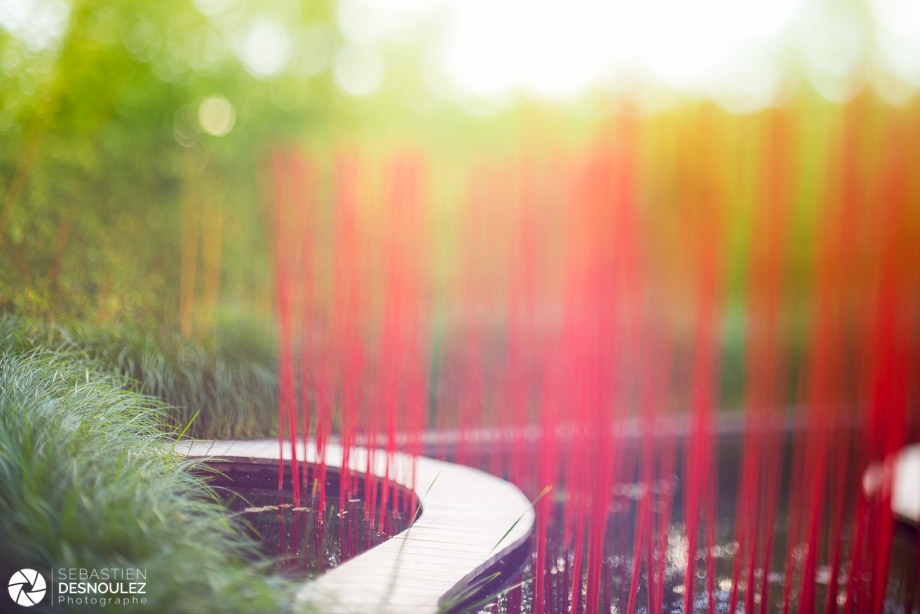
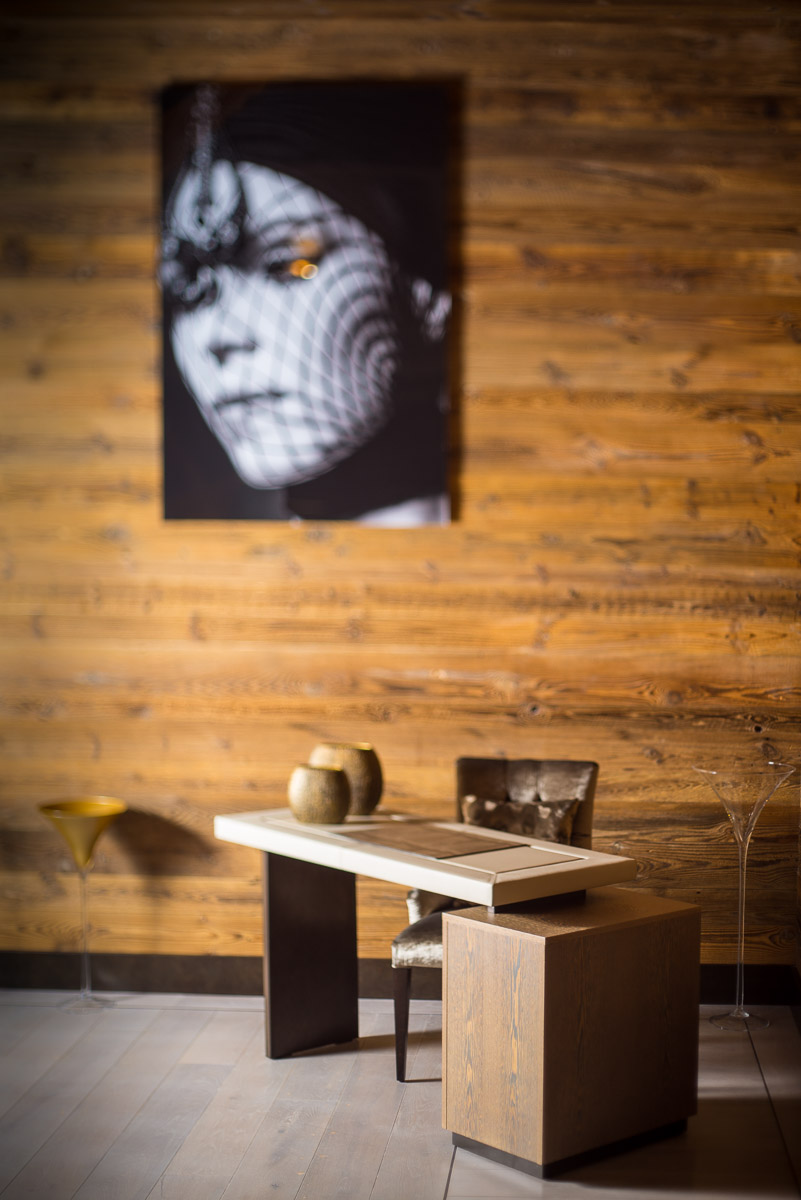
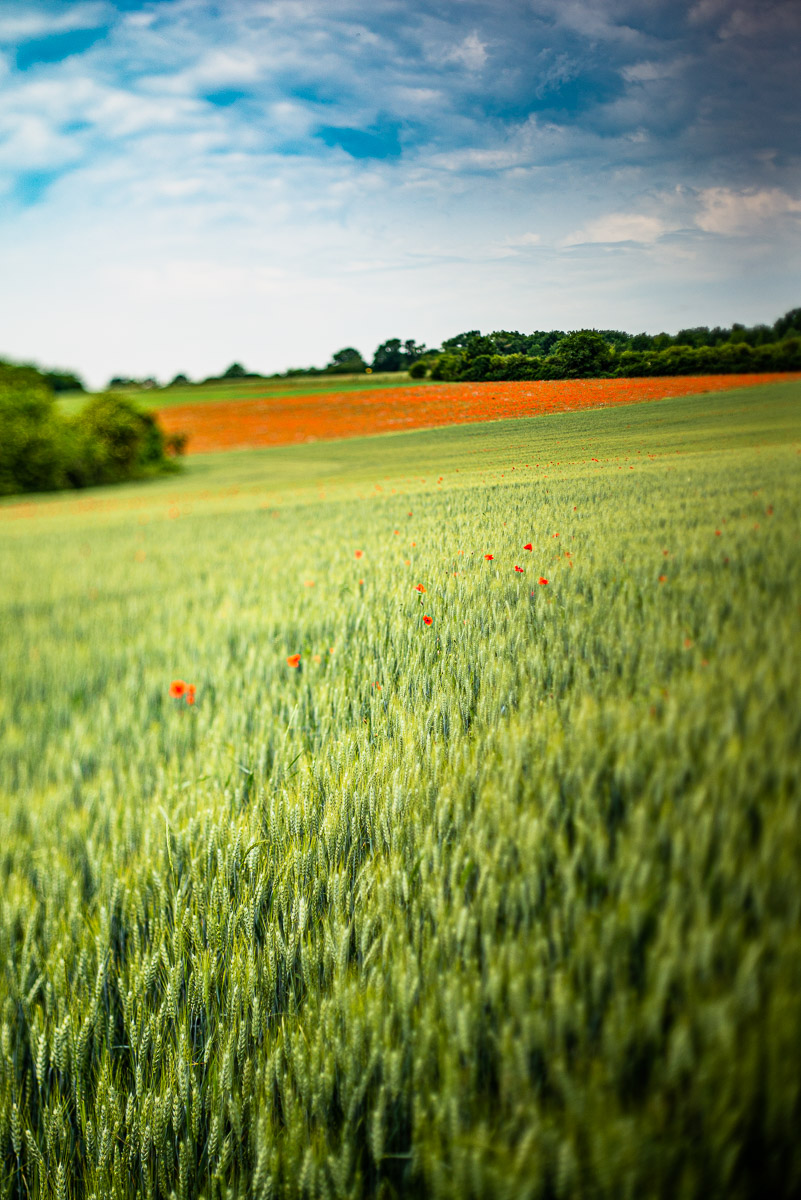
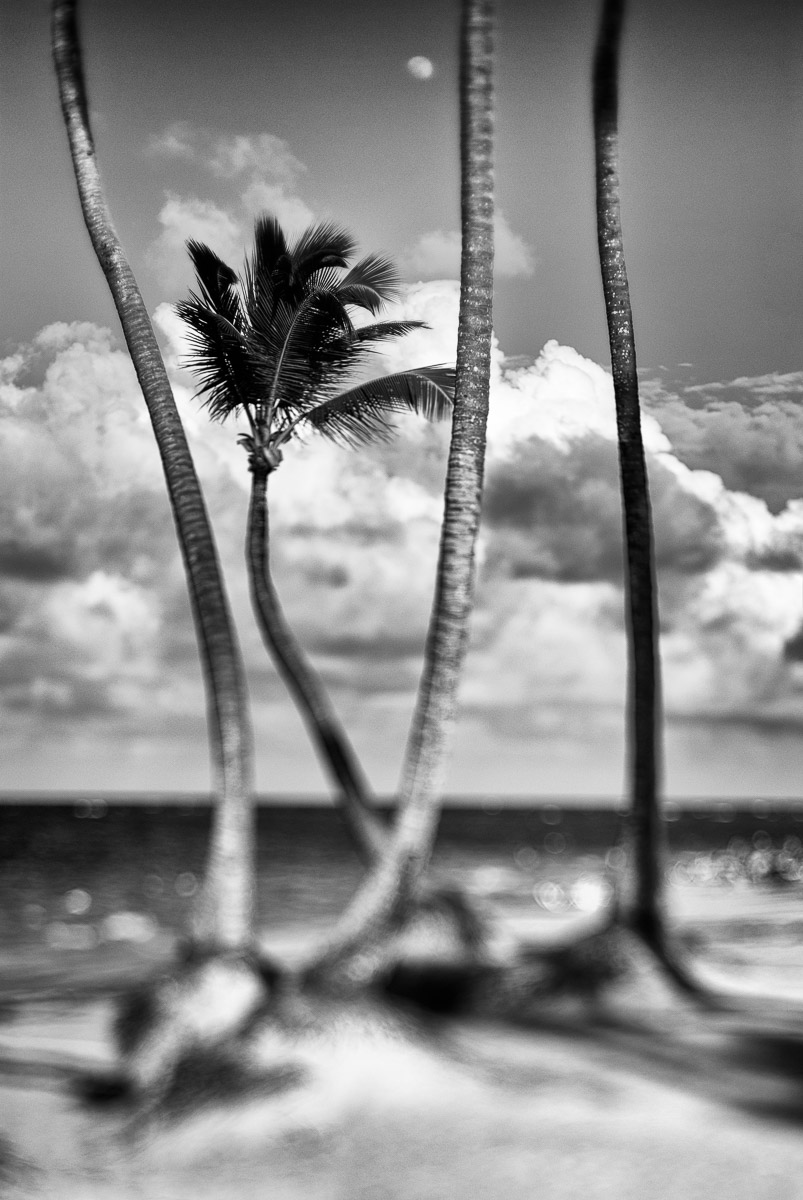
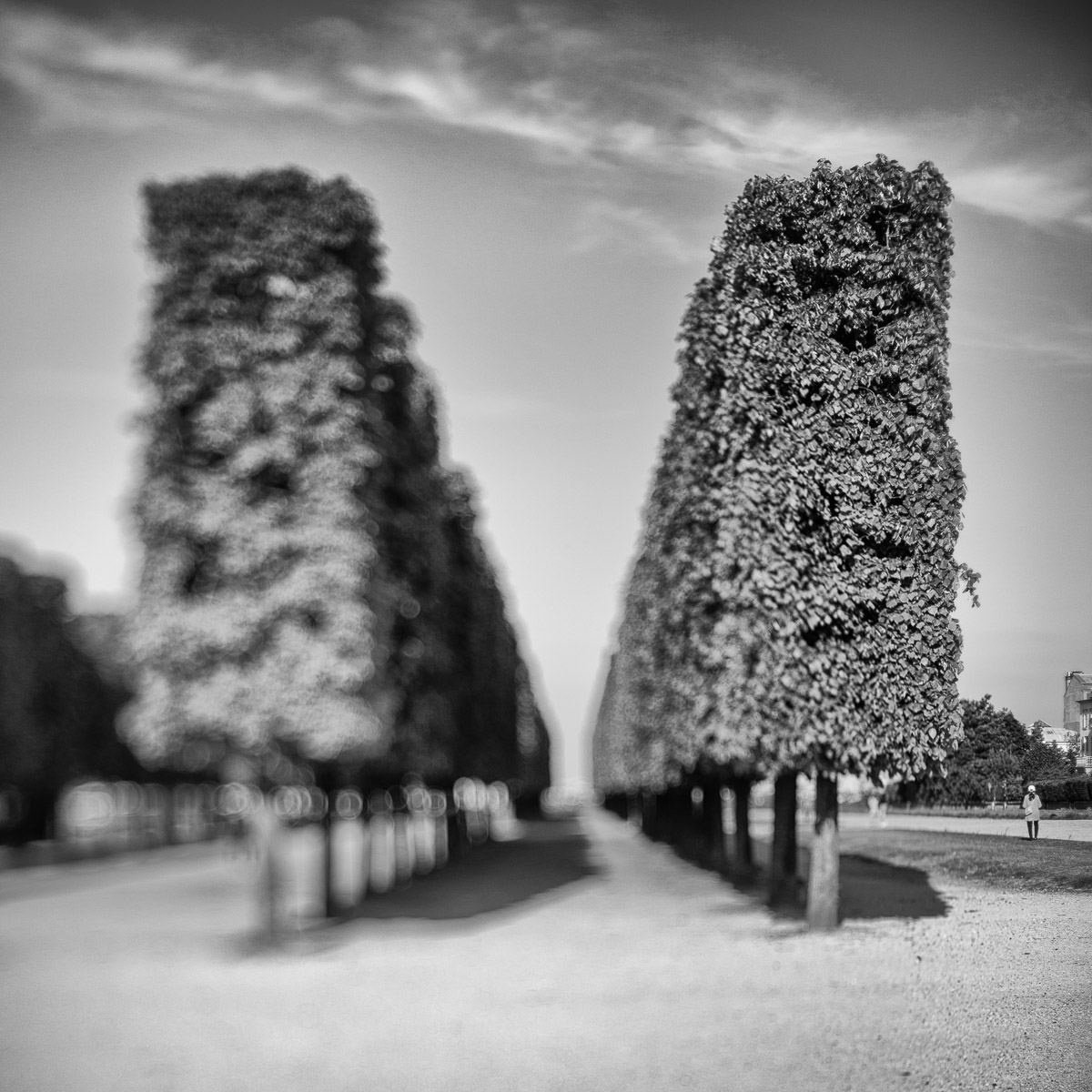
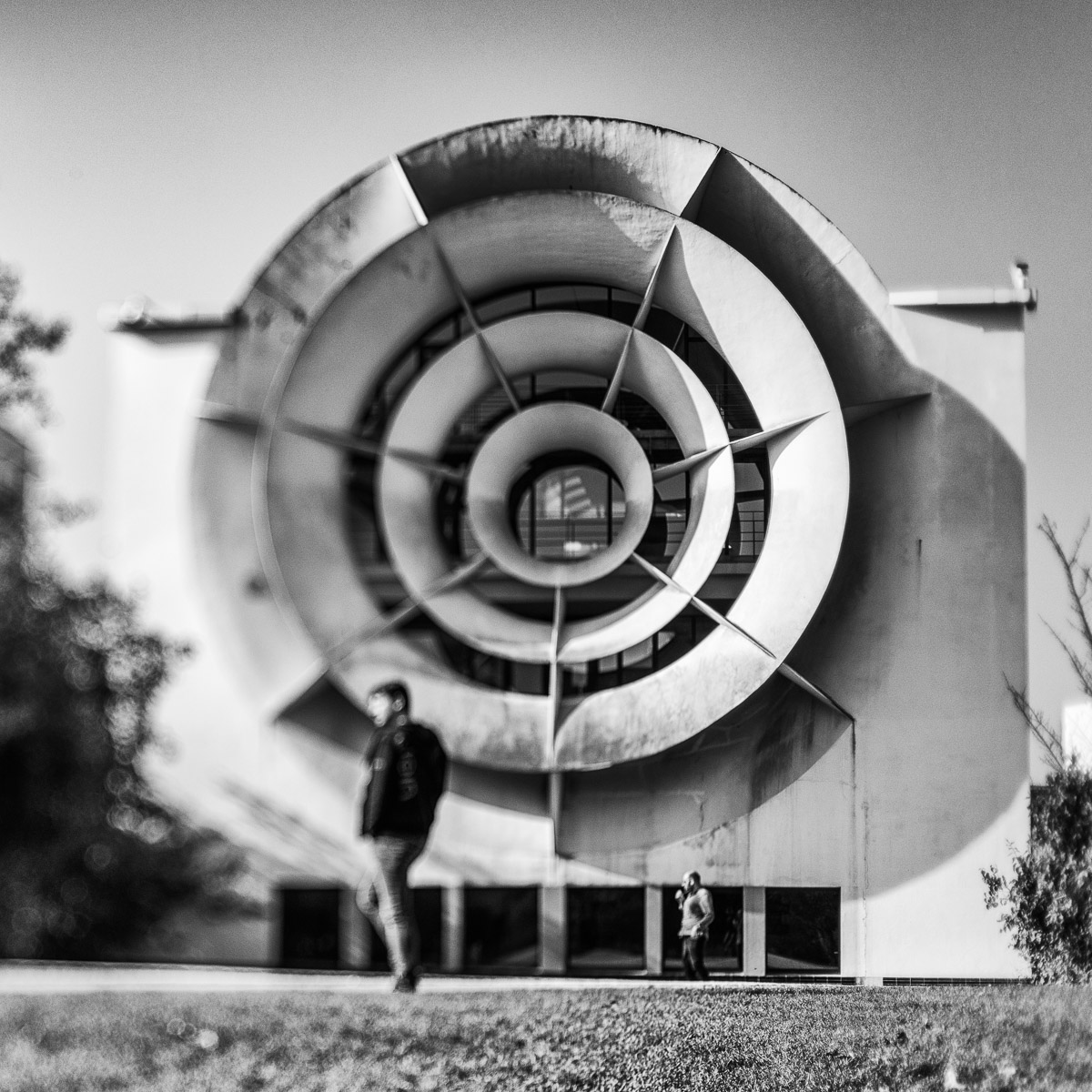
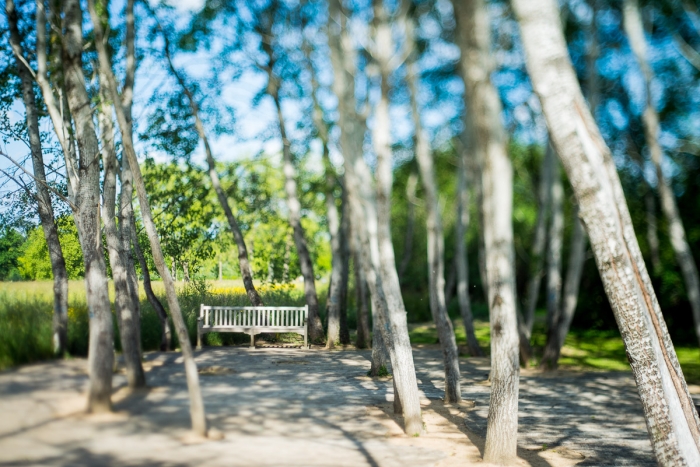
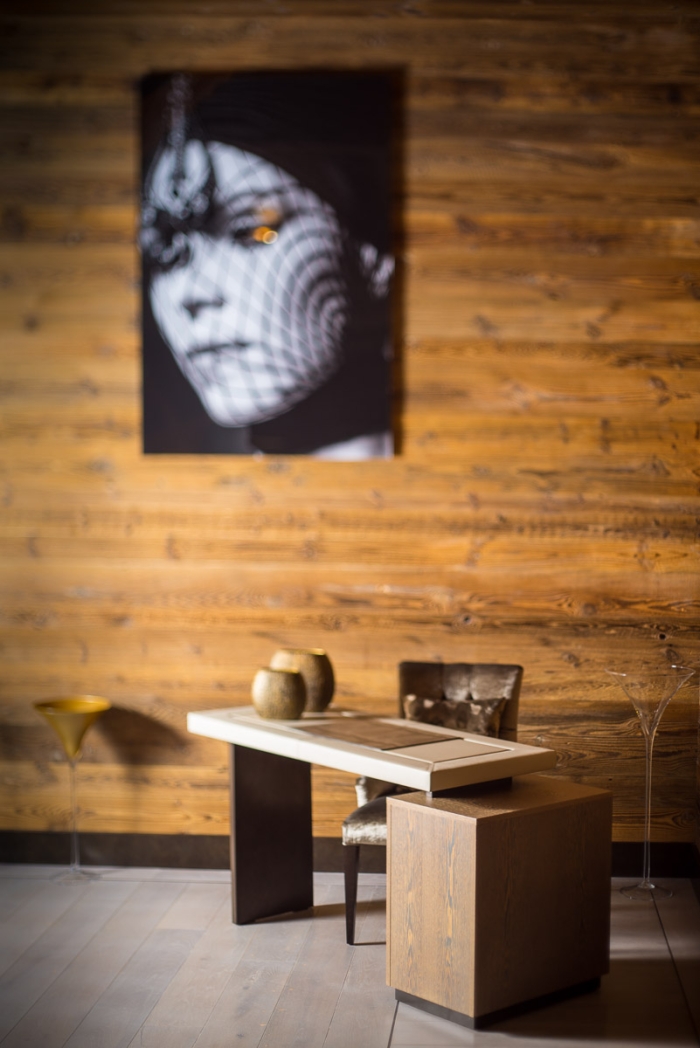
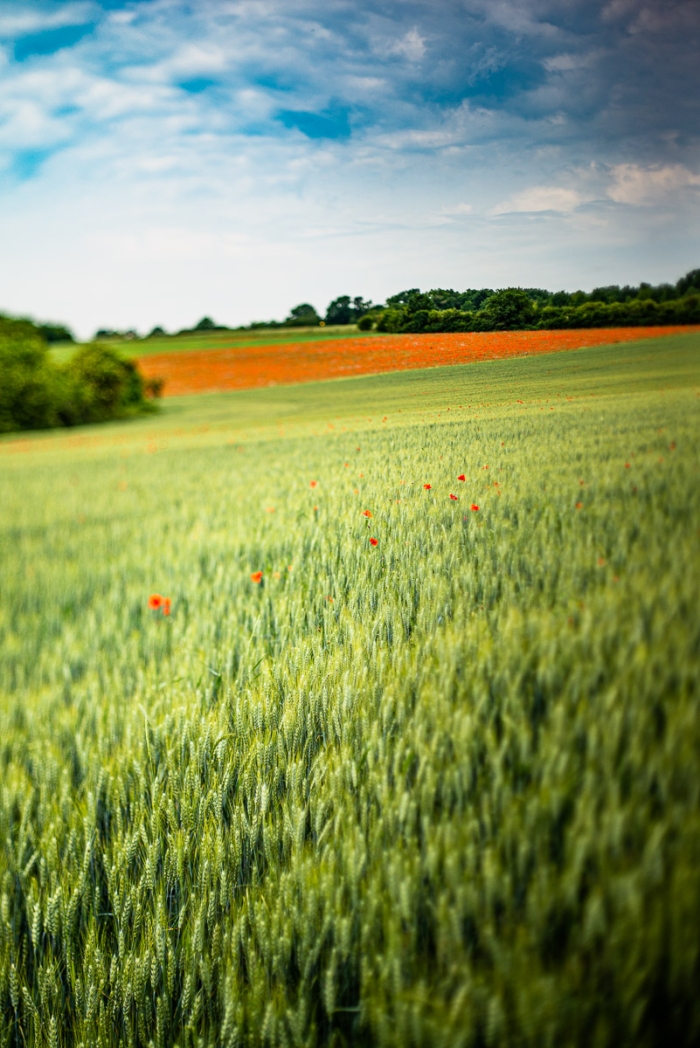
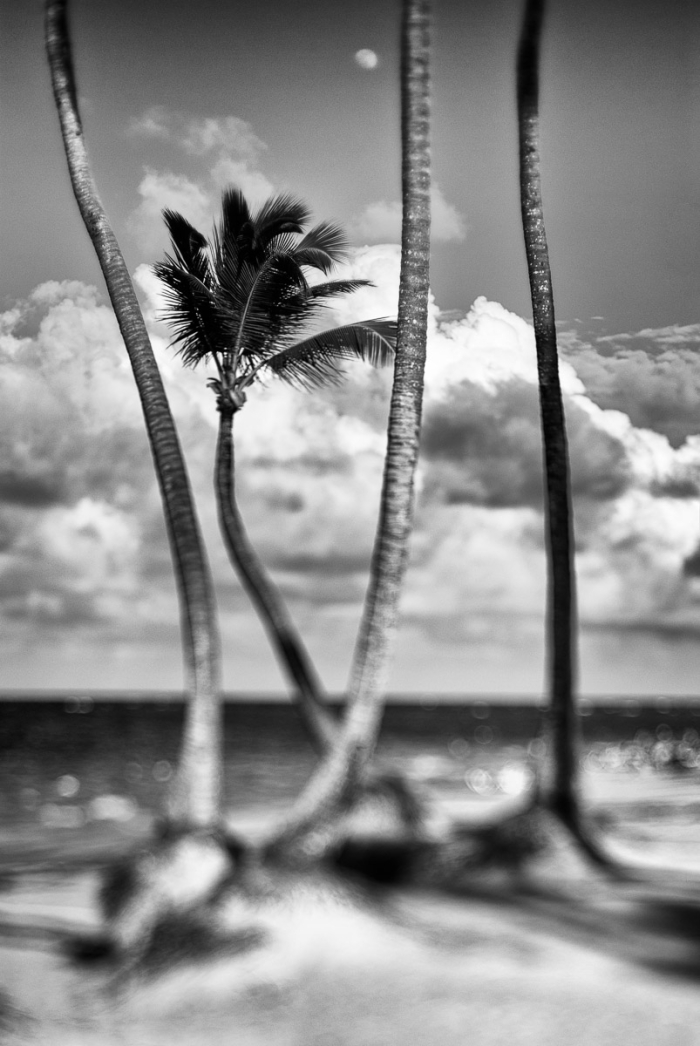
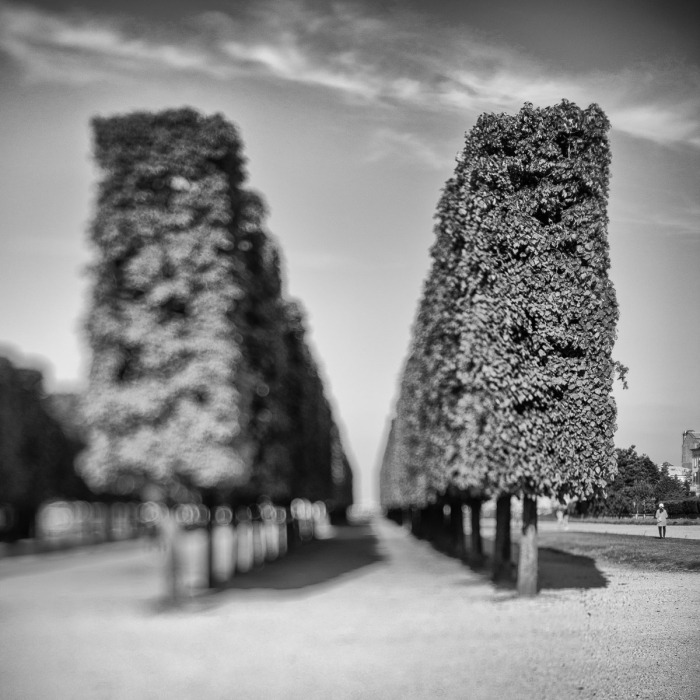
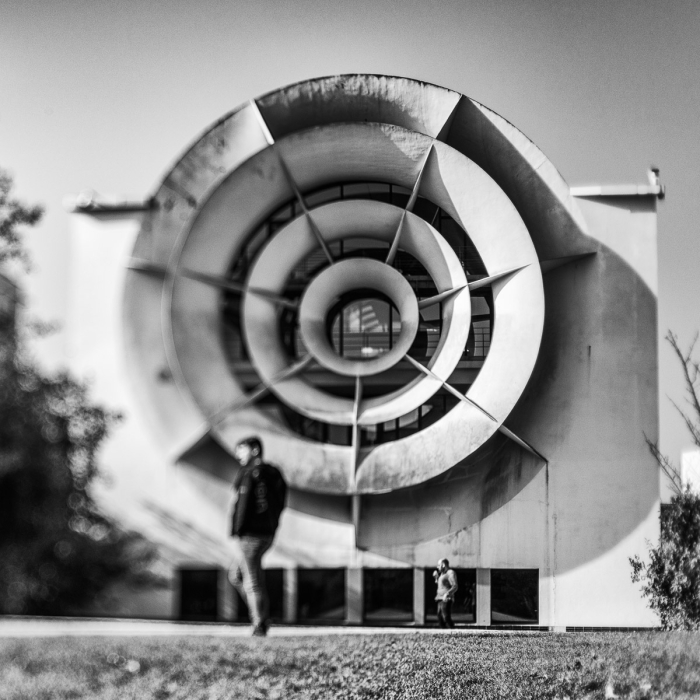
This shift profoundly changes the rendering. You can isolate a subject even more radically, intensify blur across the rest of the frame, or on the contrary let sharpness drift along a narrow visual strip. The resulting effect is not just about blur, but about the way the scene seems to detach itself from a conventional representation. The image becomes more fragile, more fluid, sometimes more sensory.
Freelensing is therefore not just a makeshift optical trick. It is also a different way of photographing, with an element of gesture, trial and error, and surprise that changes your relationship to the subject.
An alternative to tilt-shift, but not only that
Freelensing could be defined as a handmade alternative to a tilt-shift lens. That is true, in the sense that it allows you to play with the angle between the focal planes of the lens and the sensor. But that definition remains too limited. Freelensing does not try to faithfully reproduce what a specialized lens does, it deliberately moves away from it in order to offer a freer and less predictable rendering.
A tilt-shift lens is a tool of great precision. It is designed for controlled, measurable, repeatable movements. In architecture, still life, or landscape photography, it allows rigorous work on perspective and depth of field. Freelensing follows the opposite logic. Here, the movements of the optical block are no longer limited by a precision mechanism. The range can go beyond what a dedicated tilt lens allows, making it possible to push even further the separation between the sharp subject and the blurred areas.
That is also what sets this practice apart from a system such as Lensbaby. These creative optics can produce interesting renderings, but they are still built around a predefined effect. Freelensing retains something rawer, more open, more experimental. It also offers another advantage, the ability to work with an old Nikon lens, or one from another brand, whose optical quality may be better than that of some dedicated creative lenses. This way, you can benefit from a sharper, more precise in-focus area while still preserving very free blur across the rest of the image.
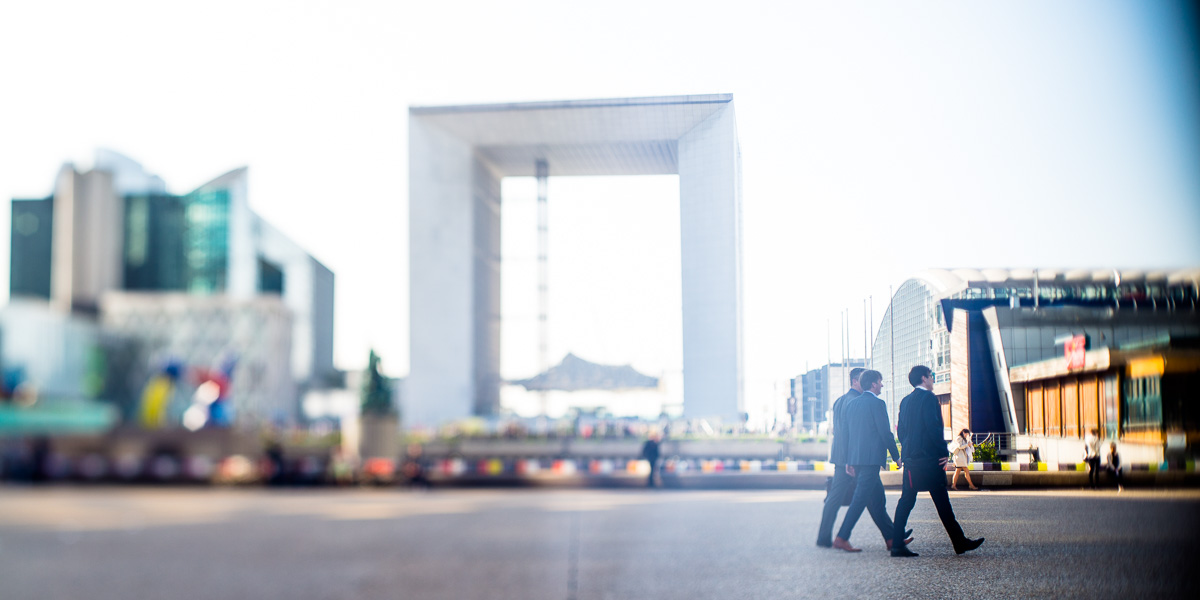
When I am looking for a rigorous architectural image, with precise framing and controlled perspective, I use a Canon TS-E 17mm f/4L, a lens I discuss in more detail in my article dedicated to that optic. I also explain the value of this type of equipment in Architectural Photography, Why Use a Tilt-Shift Lens?, where I revisit the advantages of shift and tilt for demanding photographic work. Freelensing, by contrast, opens the way to a much freer approach. To see an example of a tilt effect created with a dedicated architectural lens, you can look at Le Pouce de César at La Défense, Creation at the Heart of Concrete, where the framing remains rigorous while combining reduced depth of field with precise tilt control.
Why I chose a Nikon 50 mm f/2 non-Ai
For this practice, I used a Nikon 50 mm f/2 non-Ai, an old manual lens whose focusing ring I particularly like, with its fluted design, and whose aperture stays fully open at rest, allowing full use of extremely shallow depth of field. With this kind of lens, freelensing really comes into its own, because the sharp area can shrink to almost nothing and bring out a detail, a silhouette, or a texture with great strength.
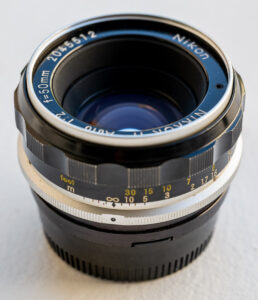
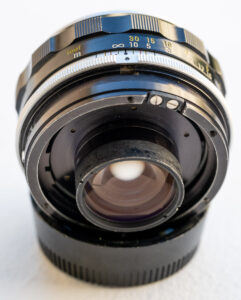
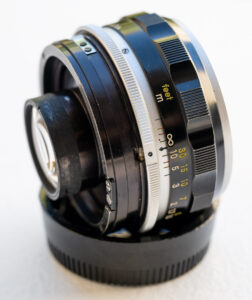
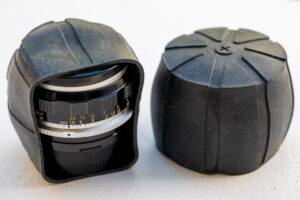
I removed the bayonet mount, then the aperture ring, in order to free the rear part of the optical body and move it without constraint, tilting it freely in front of the sensor. Without the bayonet mount, storage becomes more delicate. I therefore use a rear lens cap to avoid scratching the rear element, holding it in place with universal silicone caps such as Kuvrd, as can be seen below.
At first, I used this optic on Nikon DSLRs, especially a Nikon D610 and then a Nikon D800.
Light leaks, integrated into the creative process
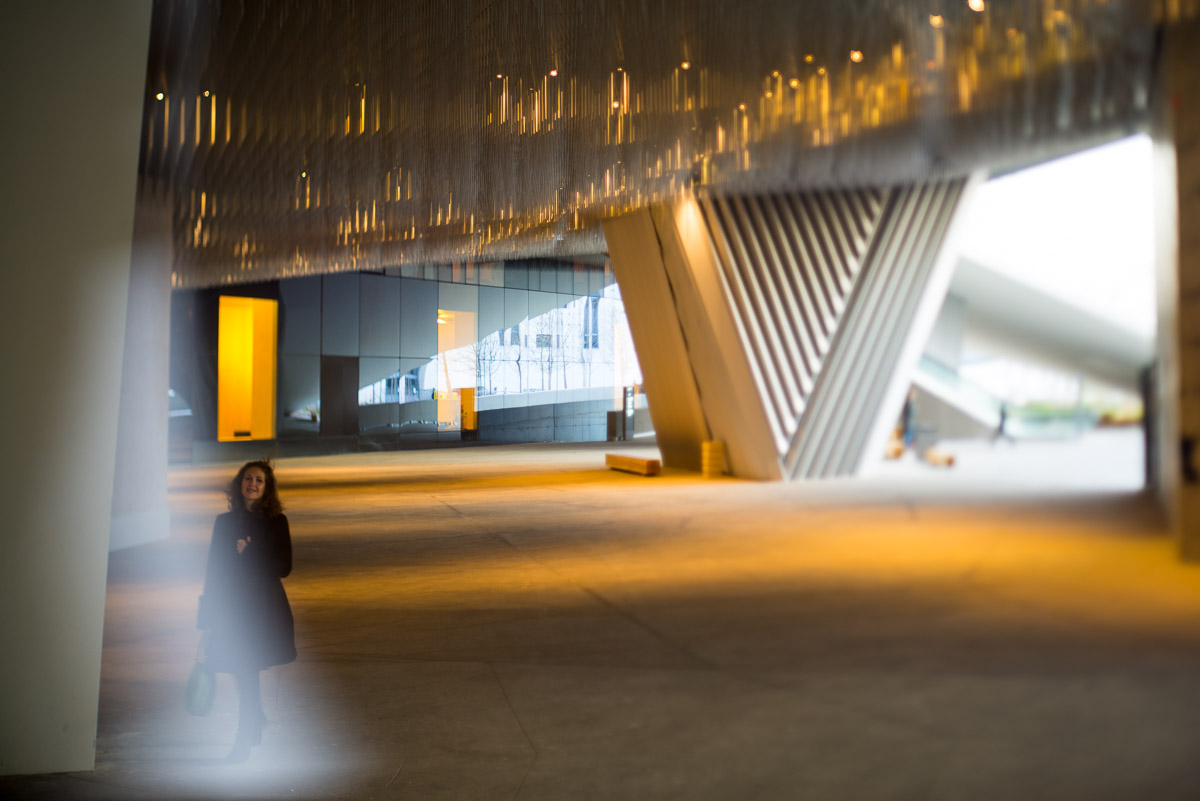
One of the most interesting aspects of freelensing lies in stray light. In traditional photographic use, it would be seen as a problem. Here, on the contrary, it becomes a component of the visual language. Light enters more or less through the gap left between the camera mount and the lens, depending on the orientation of the scene, the position of the hand, and how much opening is left at the sides.
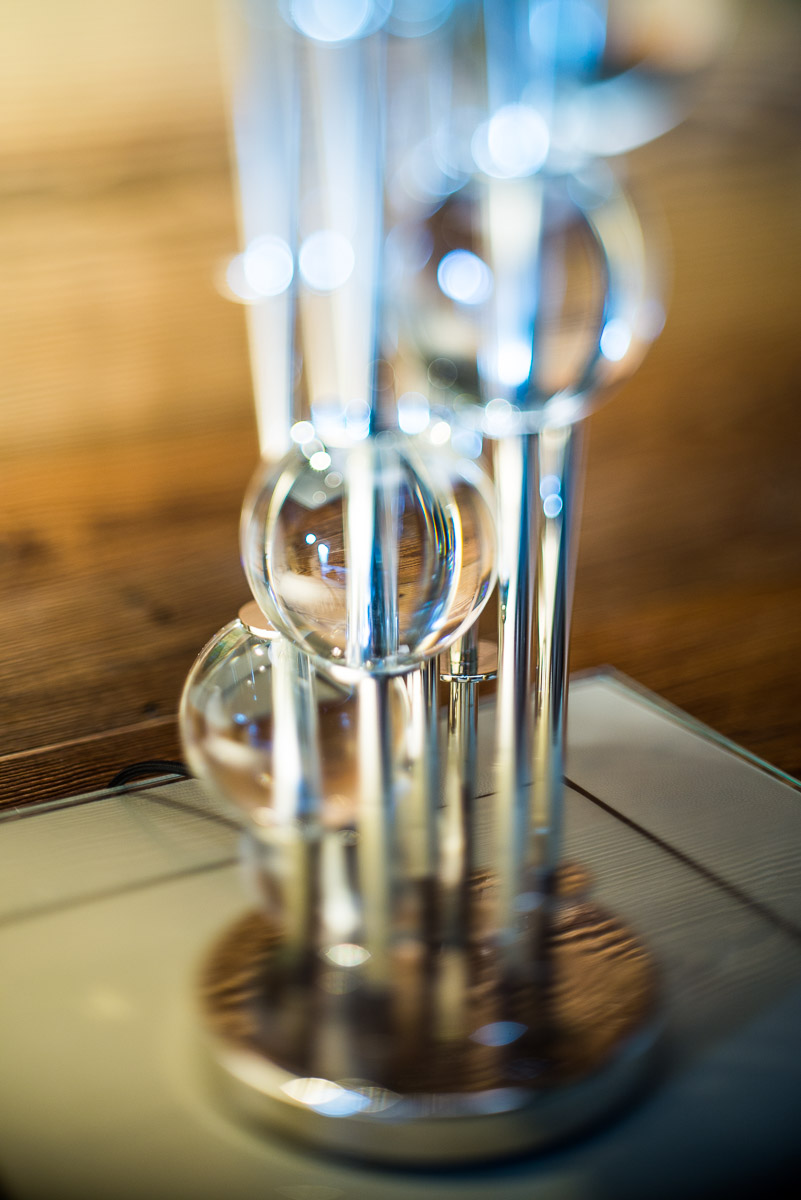
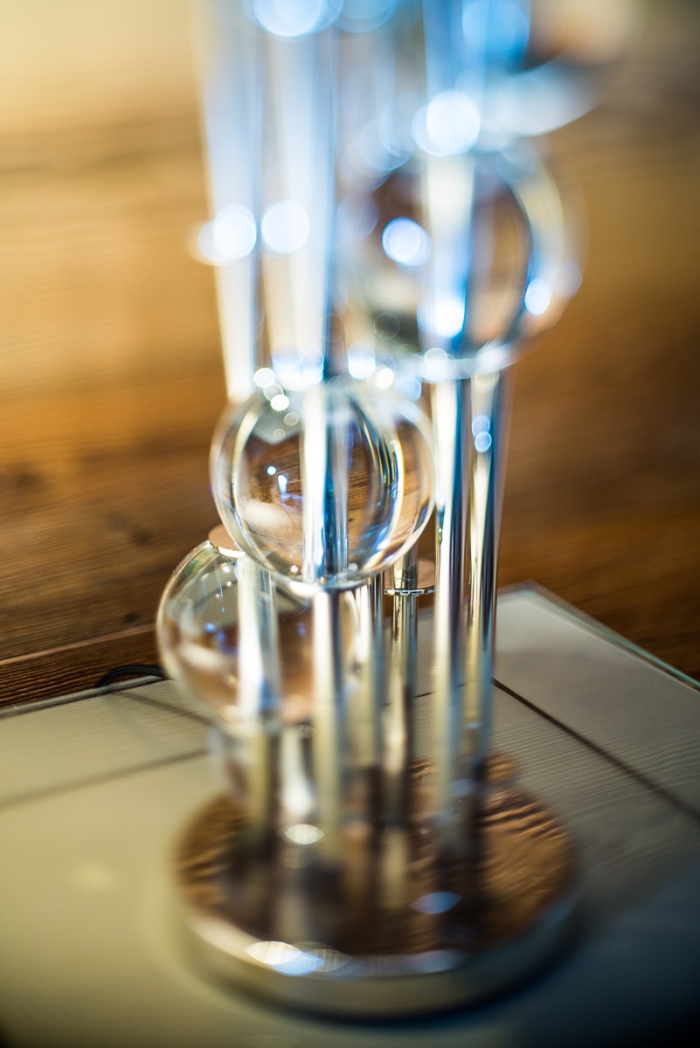
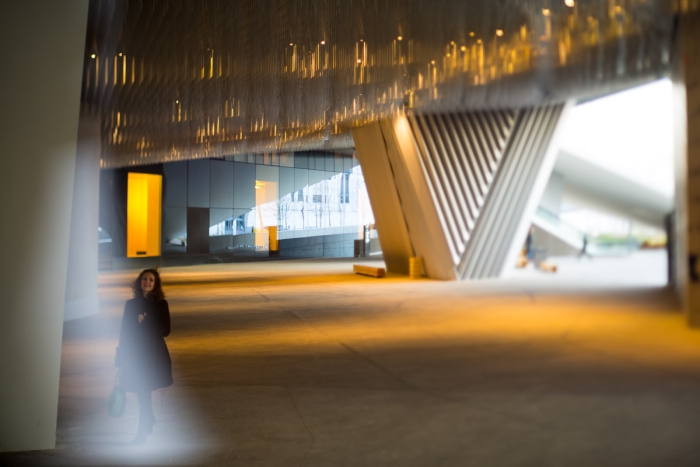
This light leak can produce a veil, a gradient, partial overexposure, or a warmer or milkier area. It never behaves in exactly the same way, and that is precisely what makes it interesting. In some images, it softens the reading. In others, it creates tension, vibration, an almost accidental presence that reinforces the unique character of the shot.
Freelensing is therefore not only about creating blur. It also allows a degree of luminous instability to enter the image, something difficult to reproduce artificially in post-processing. This imperfect, mobile, sometimes invasive light is fully part of the visual language produced by the technique.
Travel, street photography, architecture, ideal creative playgrounds
Freelensing can be applied to a wide range of subjects, but I find it especially relevant in travel, street photography, and in a certain approach to architectural photography. In each of these areas, it allows you to move away from straightforward documentary recording toward a more sensitive interpretation.
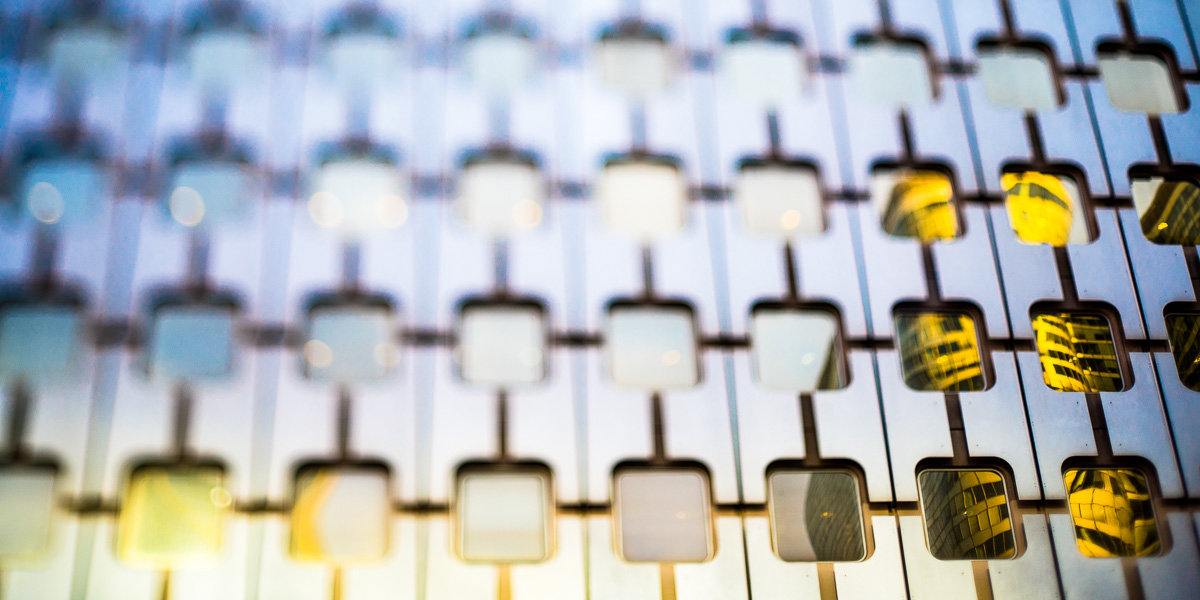
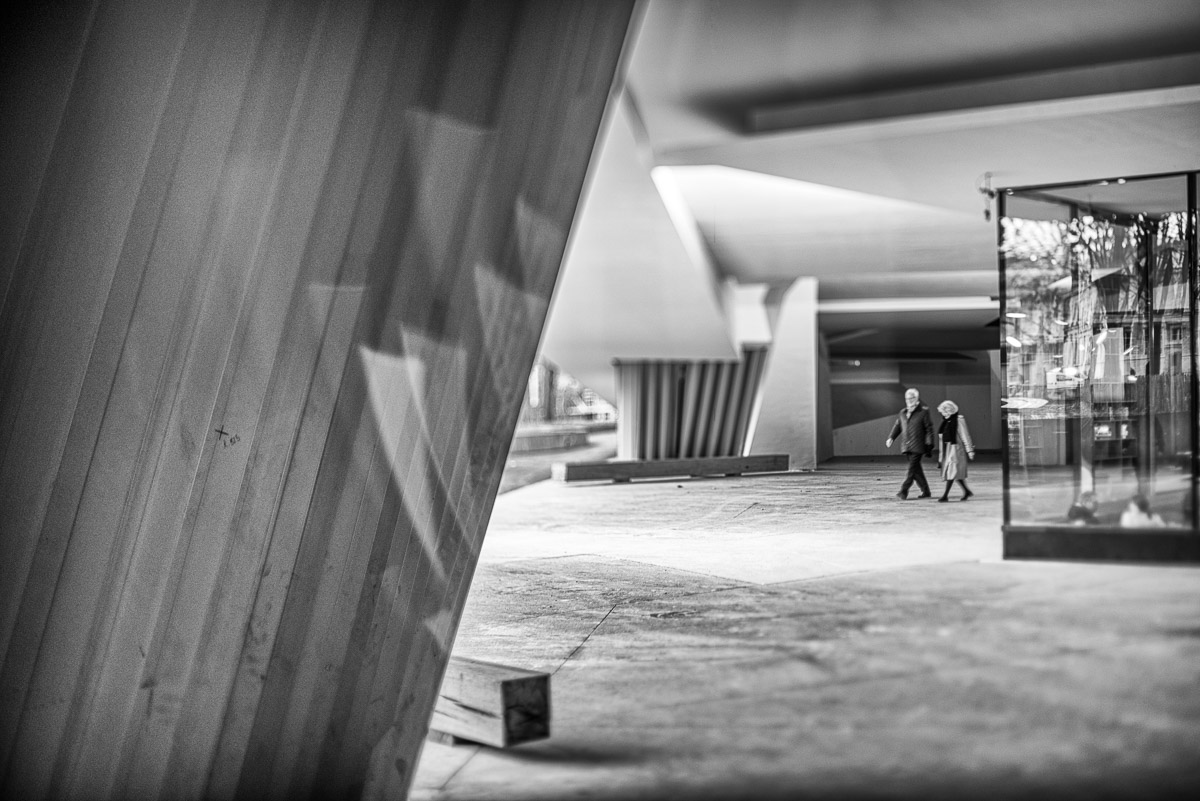
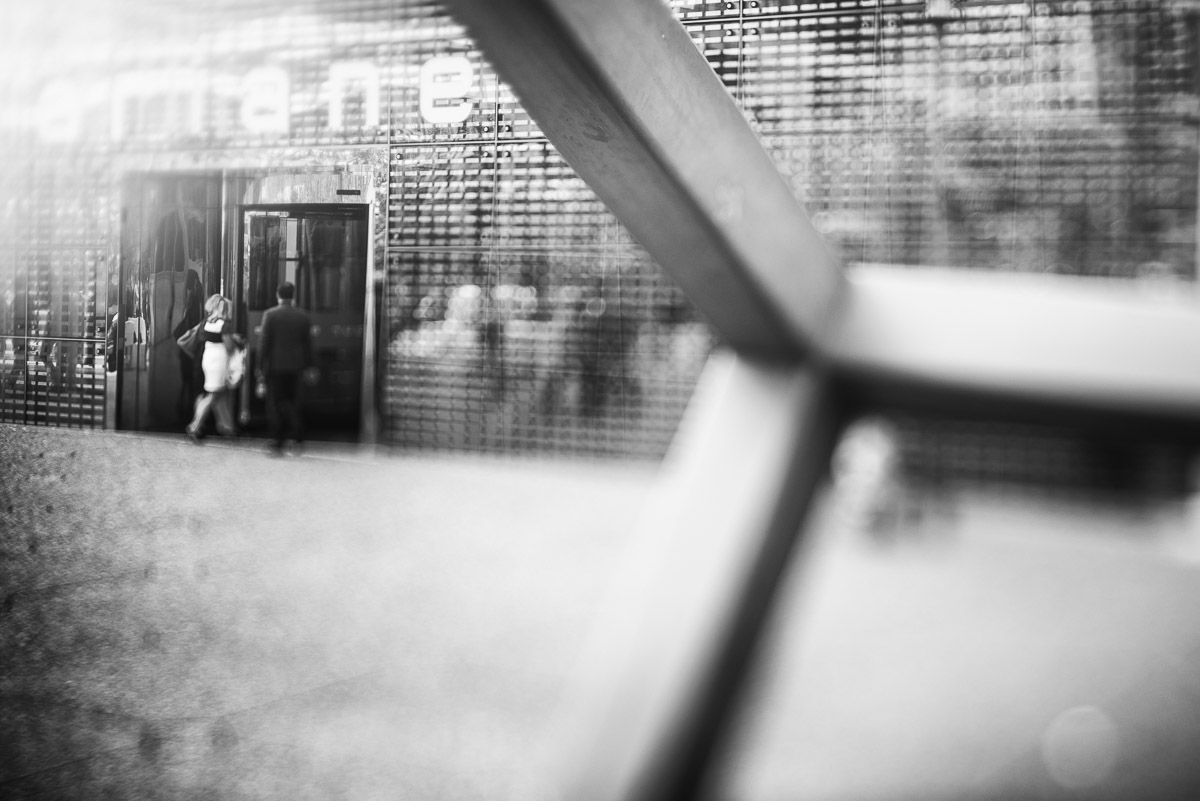
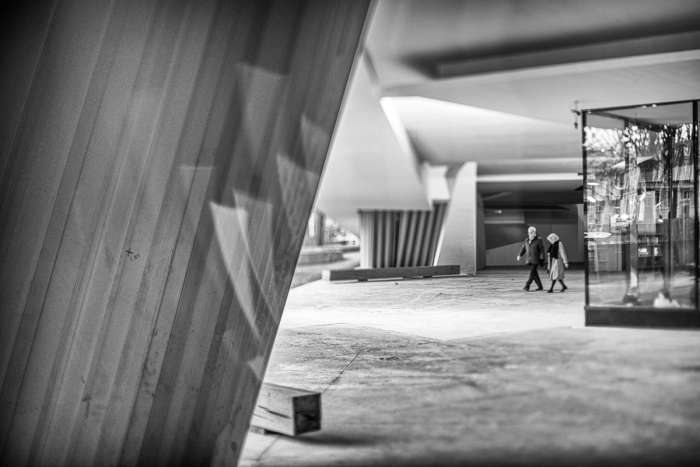
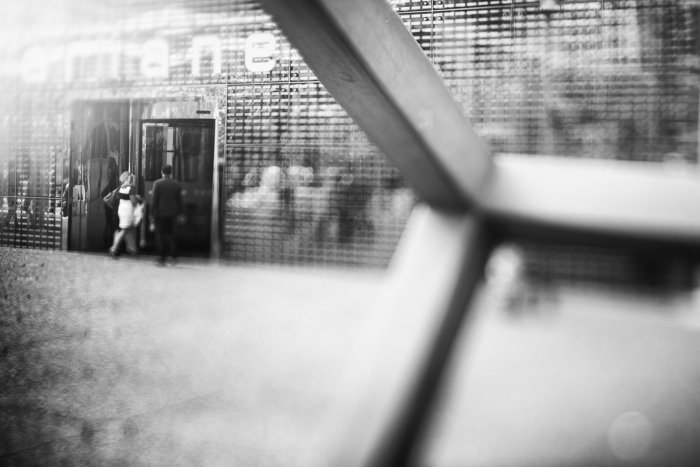
In travel photography, this technique allows a detail or a presence to emerge within a more diffuse environment. A market scene, a silhouette, a facade, a reflection can then take on an almost dreamlike dimension. In street photography, it intensifies the fleeting quality of the moment, as if the image were retaining the trace of an inner movement, of a gaze that hesitates or drifts. In architecture, freelensing obviously does not serve to correct verticals, but it can produce a more personal reading of a volume, a line, or a patch of light on a facade.
It is this ability to transform a real subject into a more interpreted image that seems most fertile to me. Freelensing allows you not just to show, but to suggest.
Freelensing with a Nikon Z, what options are there?
With a Nikon Z, freelensing raises an additional question, that of the sensor being more directly exposed to dust. On a DSLR, the mirror and the internal architecture created a form of distance. On a mirrorless camera, the sensor is far more exposed, which requires greater caution.
A first solution is to mount an FTZ adapter, or another adapter, on the camera, then hold the lens by hand the way you would on a DSLR. This solution helps limit direct sensor exposure somewhat while preserving what gives freelensing its character, especially the light leaks created by the gap between lens and body.
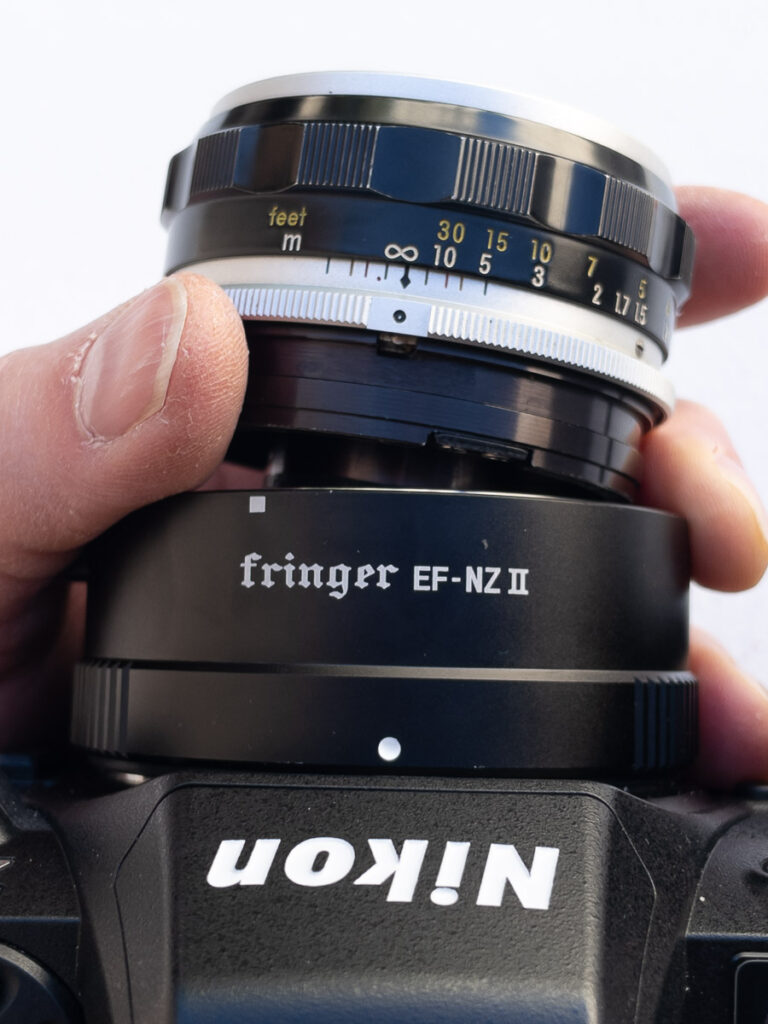
Freelensing in photography: Nikon 50mm f/2 Non-Ai - Photo: © Sebastien Desnoulez
Many DIY solutions for freelensing can be found online, using a wide variety of materials to create a link between two rings. Everyone develops their own method depending on their equipment, their needs, and the degree of flexibility they are looking for.
This diversity also applies to the choice of old lenses used for this kind of practice. Depending on their mechanical design and the position of their controls, some models may prove more suitable than others once the bayonet mount has been removed, especially if certain rings remain accessible. But every lens is a particular case, and nothing guarantees that it will return to its original condition afterward or that it will really suit this use. It is therefore better to experiment with what you already have on hand, and above all with a lens you are willing to modify, or even sacrifice. This approach requires both curiosity and caution, and everyone remains fully responsible for any modifications they undertake on their equipment.
Why this technique goes beyond a simple effect
What I like about freelensing is that it cannot be reduced to an easily identifiable visual effect. It forces you to work with gesture, with angle, with light, with a degree of uncertainty that contemporary photography often tends to eliminate. In a world where everything becomes more perfect, sharper, more corrected, this technique reintroduces a form of risk, and therefore of life.
Freelensing can produce results that go further than those of a dedicated tilt lens or a creative optic designed for this kind of use, precisely because it allows greater freedom and a greater share of unpredictability. It does not replace a tilt-shift lens, nor does it replace conventional photography, but it opens another territory. A territory where the image is built on the boundary between precision and accident, between control and surprise.
For me, that is where its real interest lies. Freelensing does not try to imitate a perfectly controlled photograph. On the contrary, it embraces deviations, shifts, luminous veils, and more radical blur in order to turn them into expressive material. And that freedom is no doubt what makes it so stimulating.
About the Author
Sebastien Desnoulez is a professional photographer based in Paris, specializing in architecture, landscape, and travel photography. Trained in photography from the mid-1980s onward, he covered Formula 1 races and produced reports around the world before devoting himself to a demanding fine art photography practice that blends composition, light, and emotion. He also shares his technical experience through practical articles for passionate photographers, drawing on a strong visual culture built in both film and digital photography.
Click on the photos below to view them full screen.
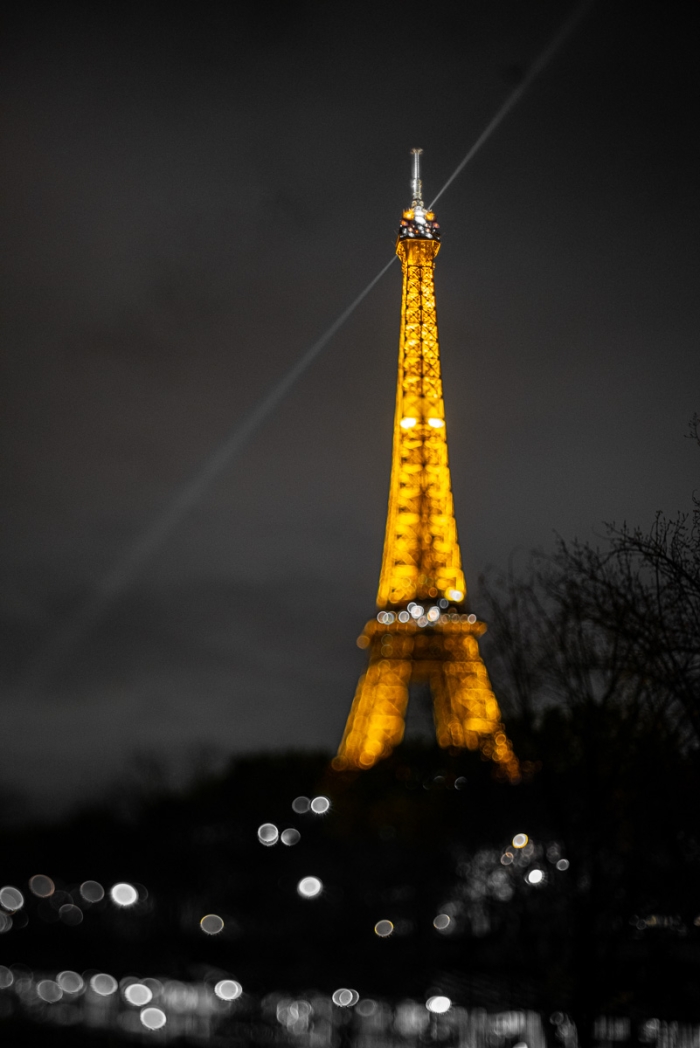
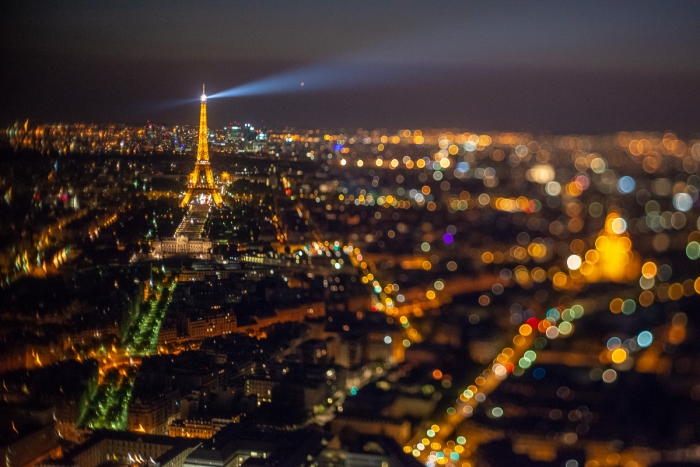
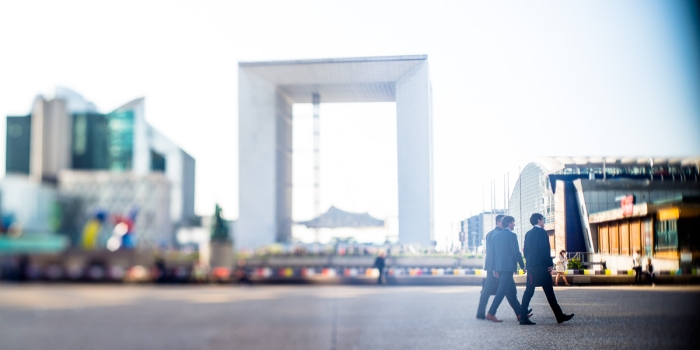



All the photos displayed on this website are copyright protected © Sebastien Desnoulez. No use allowed without written authorization. Legal notice
Tags