

Blur in Photography: Speed, Focus, Tilt and Long Exposure

The blur in photography is not always a mistake. It can become a true visual language, capable of conveying speed, isolating a subject, destabilizing a geometry, or opening a more contemplative space. From panning in motorsport to shallow depth of field, from tilting a tilt-shift lens to freelensing, and through to long exposures that erase passers-by or smooth water, blur offers another way of writing an image. Here is how I use it in my photographic practice.
Why blur interests me in photography
I am especially drawn to contrasts and oppositions in photography. Blur is one of their strongest expressions. It interacts with sharpness, stillness, structure, and light. It can be brutal or subtle, descriptive or almost abstract. It can heighten the sense of speed, make a background disappear, or, on the contrary, unsettle an overly familiar architectural form.
To me, blur is therefore not a lack of precision. It is another way of writing photography. It brings movement, uncertainty, time, and sometimes even a form of contemplation into the image. Where sharpness asserts, blur suggests. And it is often in that suggestion that the image truly begins to breathe.
Motion blur
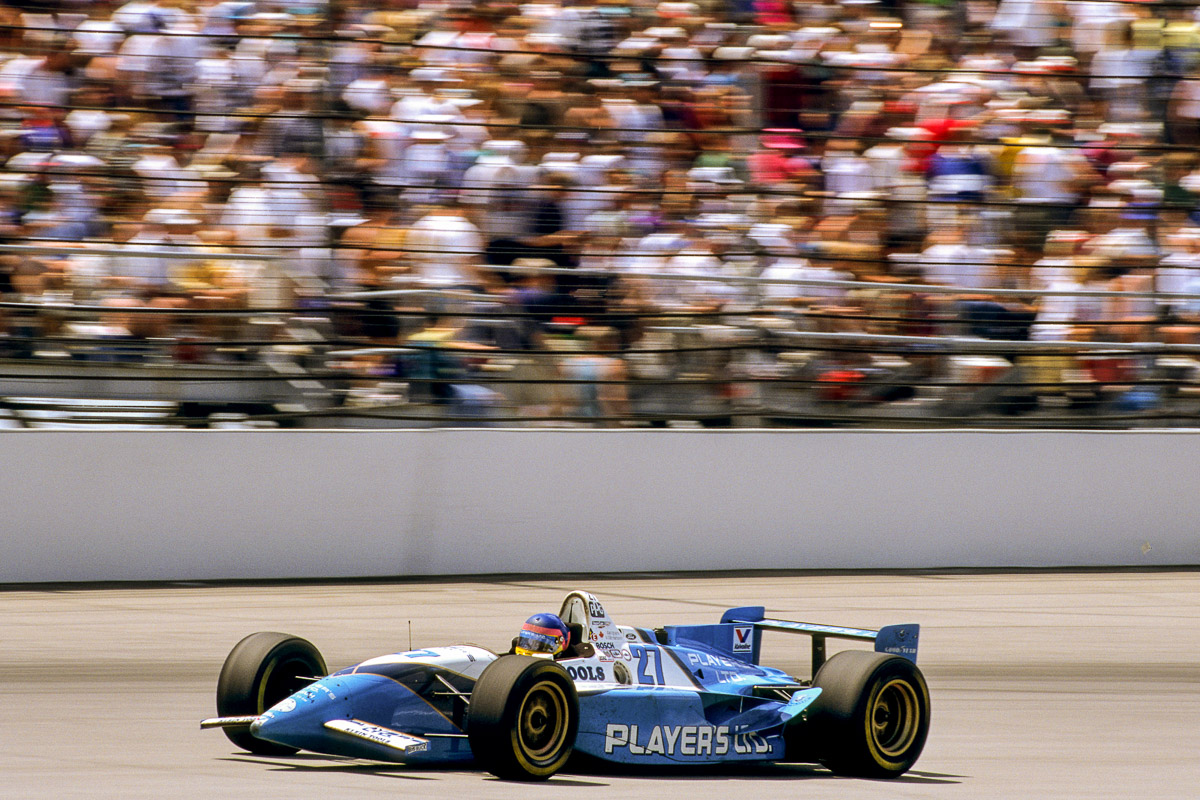
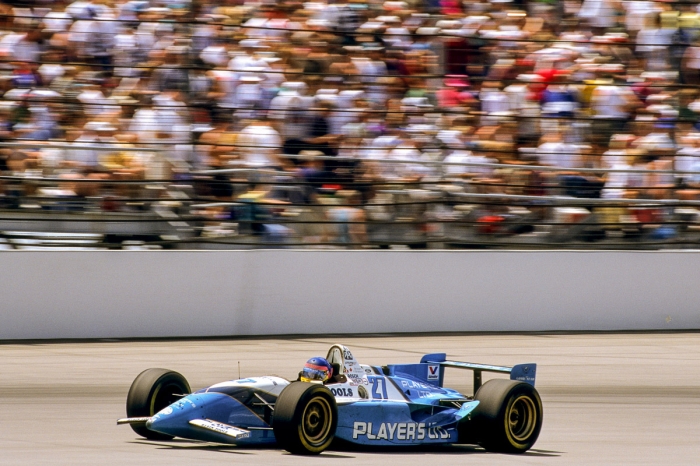
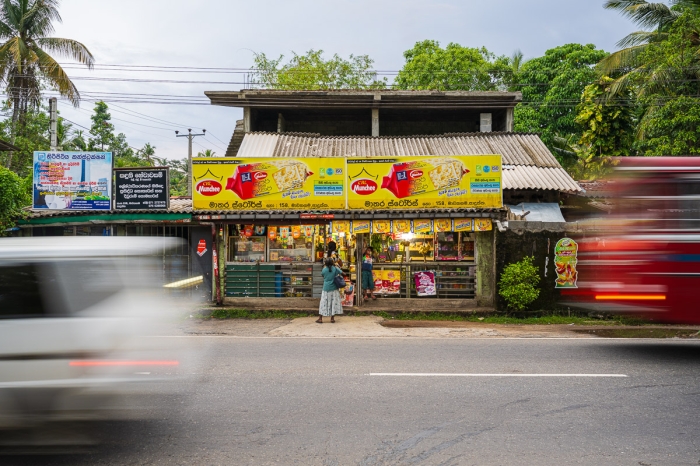
Motion blur is probably the most immediately readable form of blur. Its principle is simple: choose a shutter speed slower than the subject’s movement, then follow that movement with the camera. If the tracking is good, the subject remains relatively sharp while the background, or fixed elements, turn into lines, streaks, or fields of color.
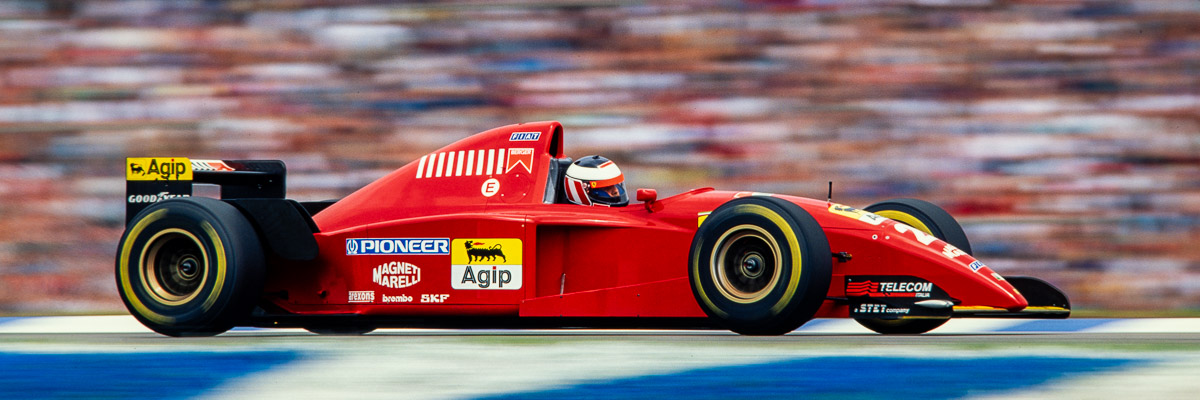
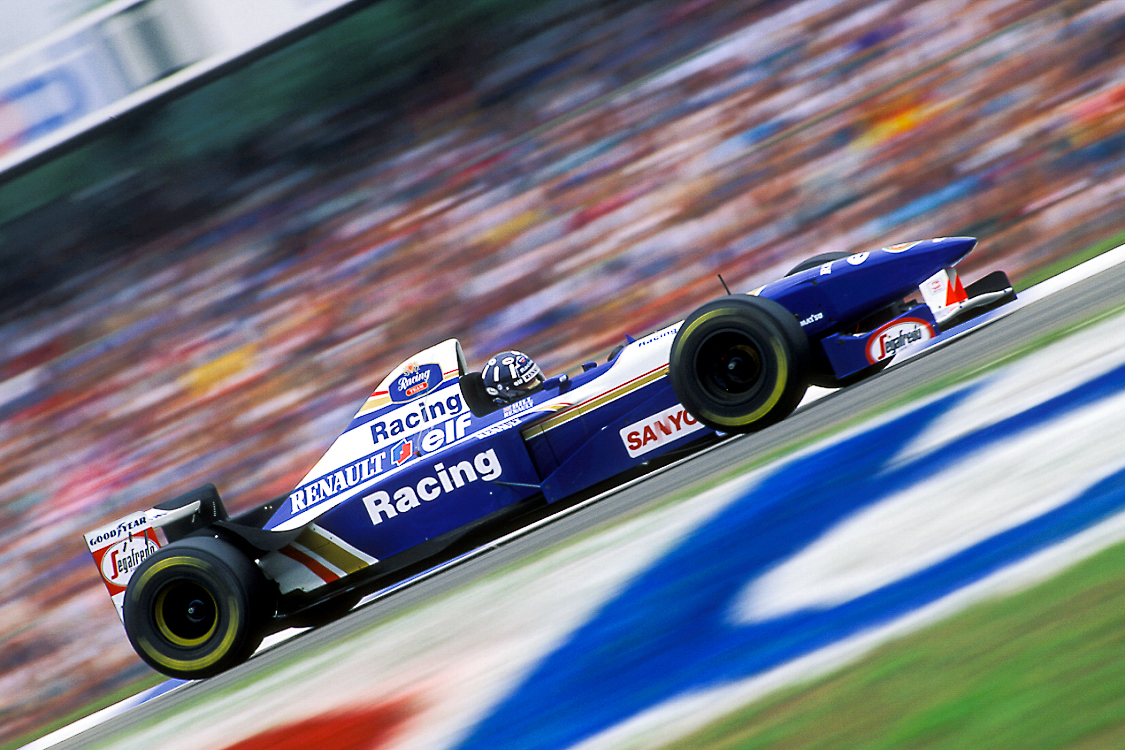
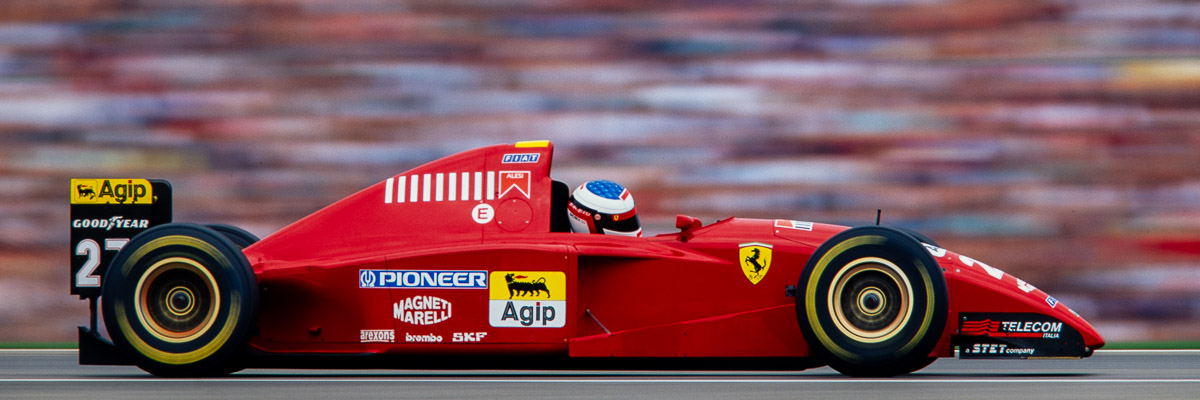
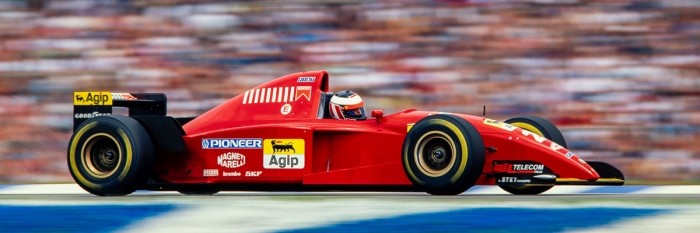
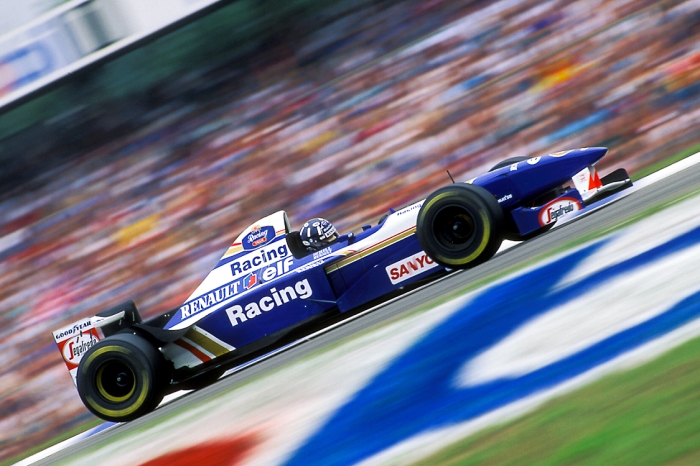
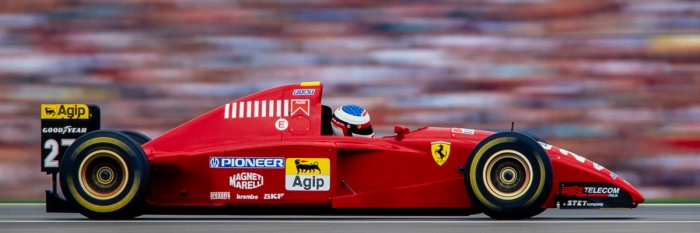
With a telephoto lens, this exercise is more accessible. The subject appears to move quickly through the frame, which makes panning easier. I used this technique in motorsport photography for years. My best result was achieved in the Stadium section of the Hockenheim circuit, during the German Grand Prix, with Formula 1 cars photographed at 1/250 s or 1/125 s. The cars remain readable, while in the background the grandstands turn into a succession of color patches whose regularity almost draws abstract lines.
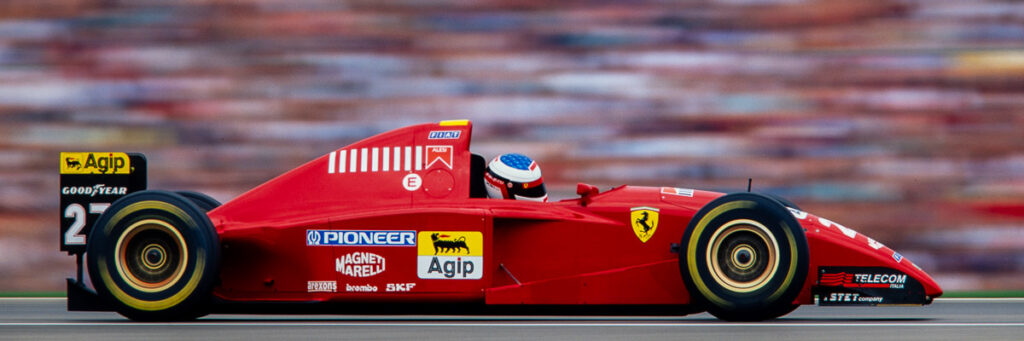 Jean Alesi / Ferrari, German F1 Grand Prix 1995 - Photo: © Sebastien Desnoulez
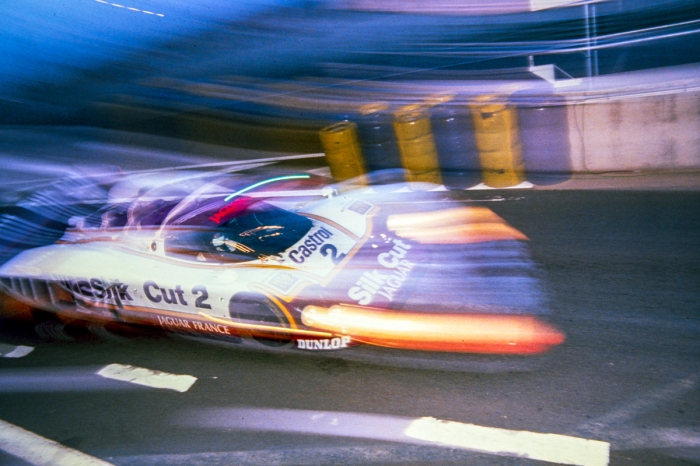
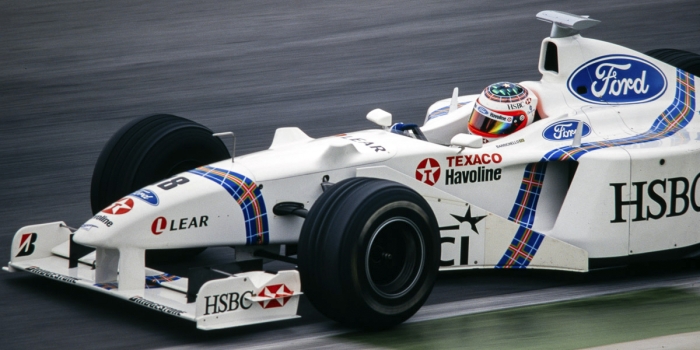
With a wide-angle or medium focal length, the exercise becomes more difficult. The subject, often closer, forces you to use an even slower shutter speed to achieve a convincing effect. The background then becomes much more dramatically distorted, as in this Jaguar at the 1989 24 Hours of Le Mans. In this case, motion blur does not simply animate the background, it intensifies the violence of the movement and gives the image an almost physical energy.
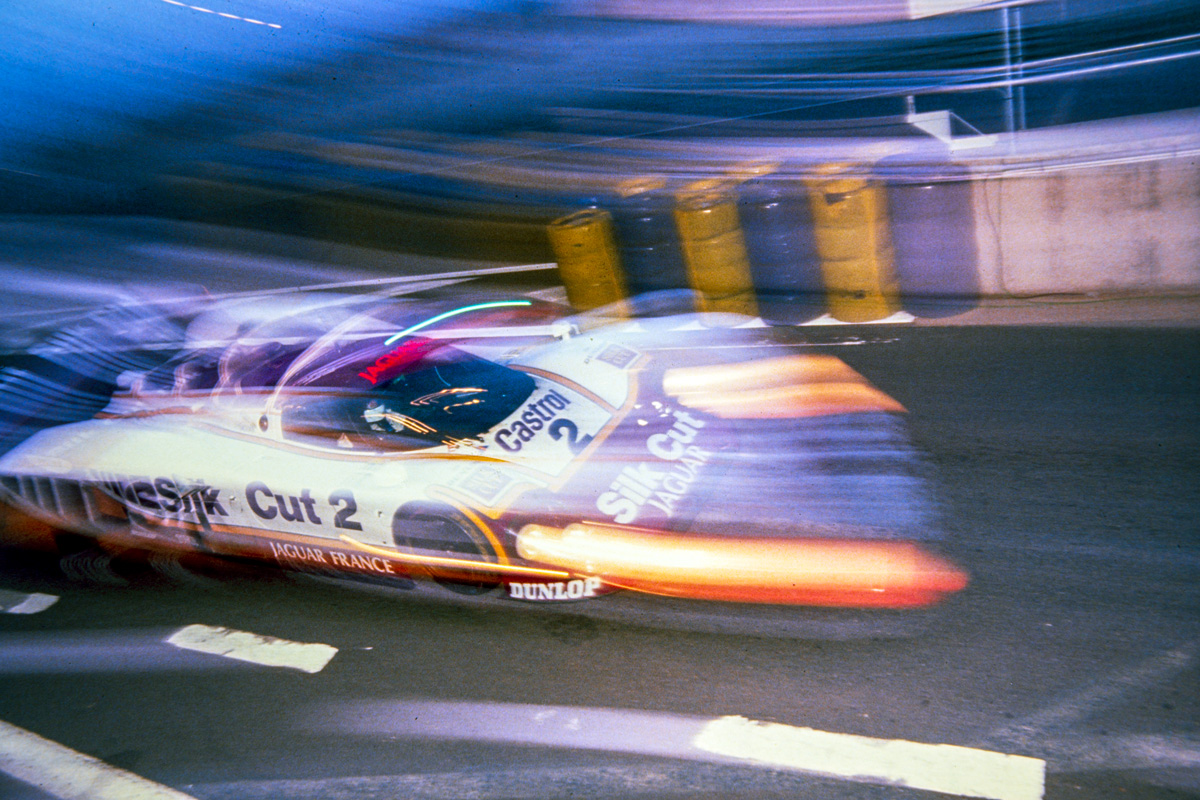 Jaguar XJR-9, 24 Hours of Le Mans 1989 - Photo: © Sebastien Desnoulez
Out-of-focus blur
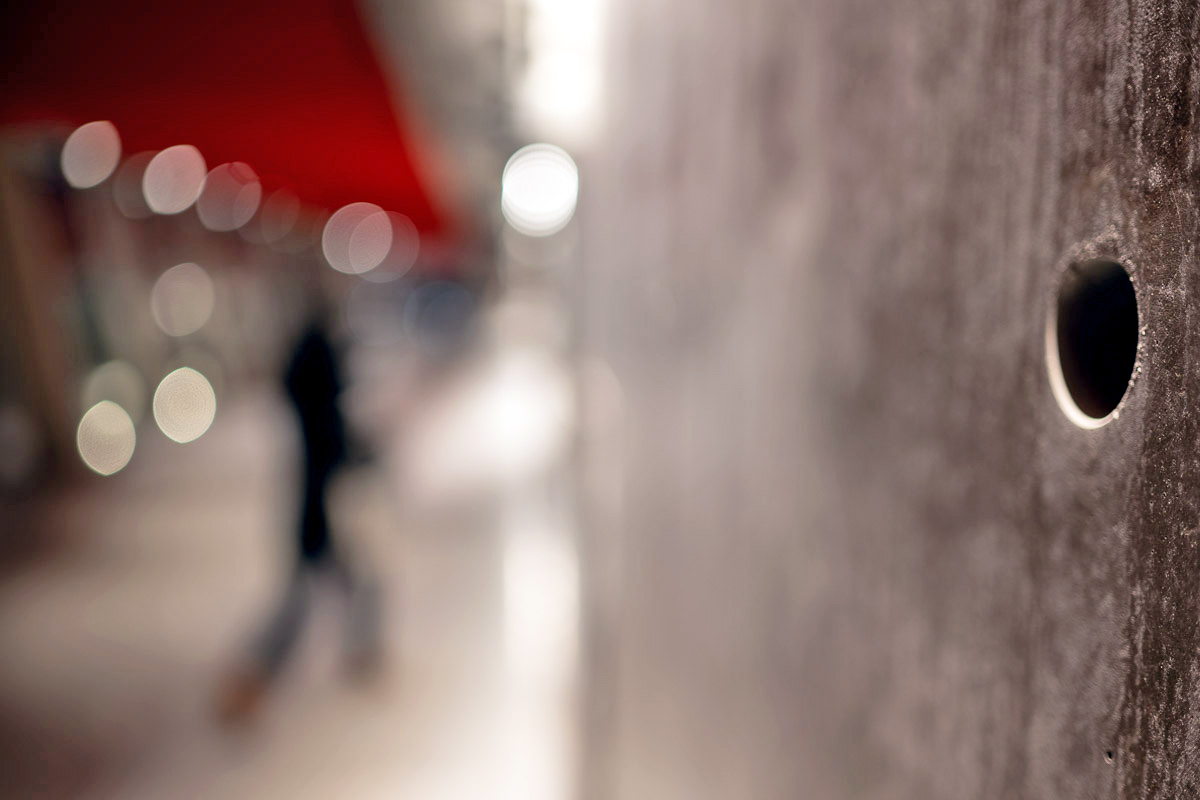
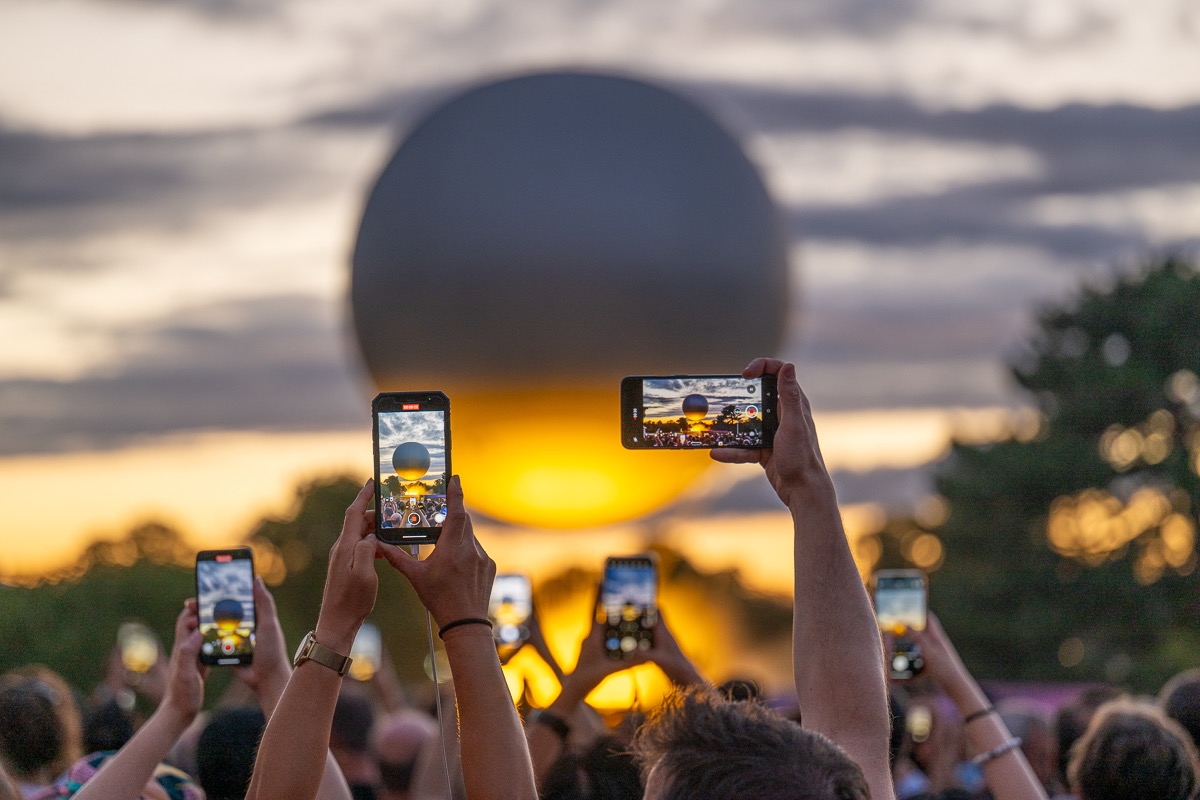
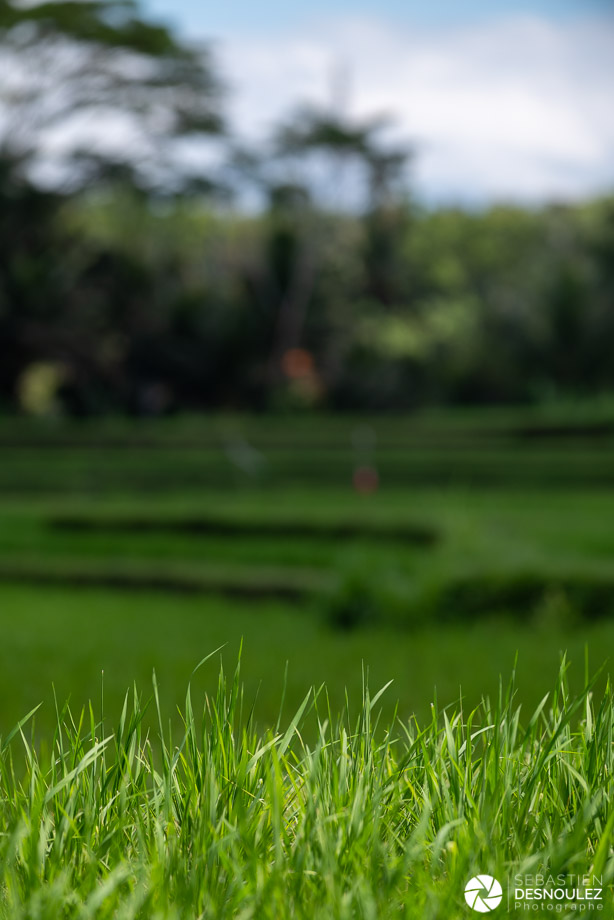
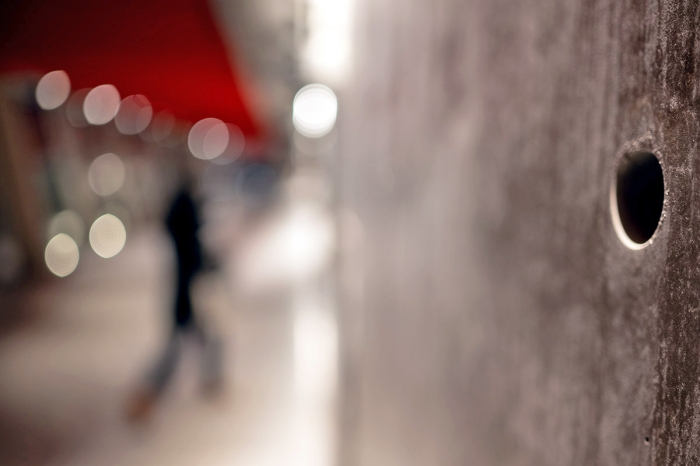
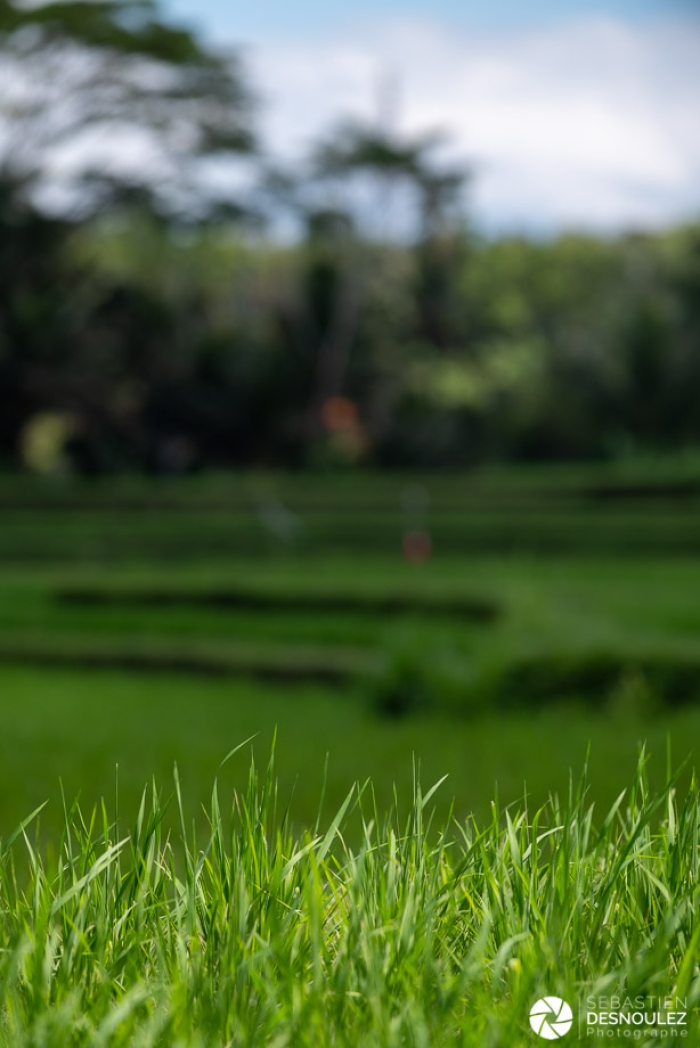
Blur can also come not from movement, but from depth of field. In macro photography, it becomes almost inevitable. The sharp zone is then extremely small, and the slightest movement changes the image completely. In flowers, for example, only a small part of the subject may remain sharp while the rest falls into a soft diffusion. This blur guides the eye and sometimes transforms a very real detail into an almost abstract presence.
 Orchid in macro photography - Photo: © Sebastien Desnoulez
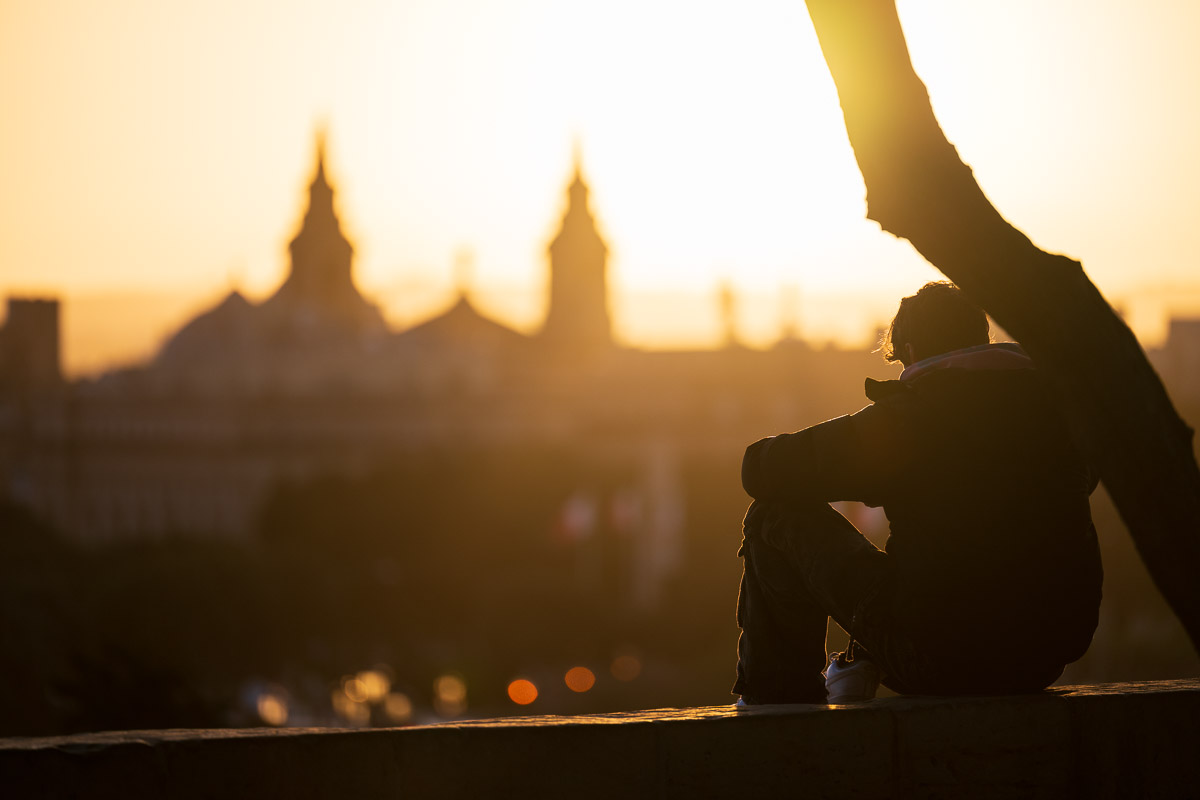
With a telephoto lens, out-of-focus blur is a very effective way of separating a subject from its environment. Beyond 300mm, compression of the planes and shallow depth of field naturally produce a very soft background. This works particularly well for isolating an animal, a face, or any subject placed in a visually busy environment.
At full aperture, this effect can also be sought with shorter focal lengths. A 70-200mm f/2.8 allows very fine control over the transition between sharp and blurred areas. Even a 35mm f/1.8, used at close range, greatly reduces depth of field and highlights a detail while letting the rest of the scene fade away. Here, blur does not convey speed, but selection of the gaze.
Focal plane tilt, tilt-shift and freelensing
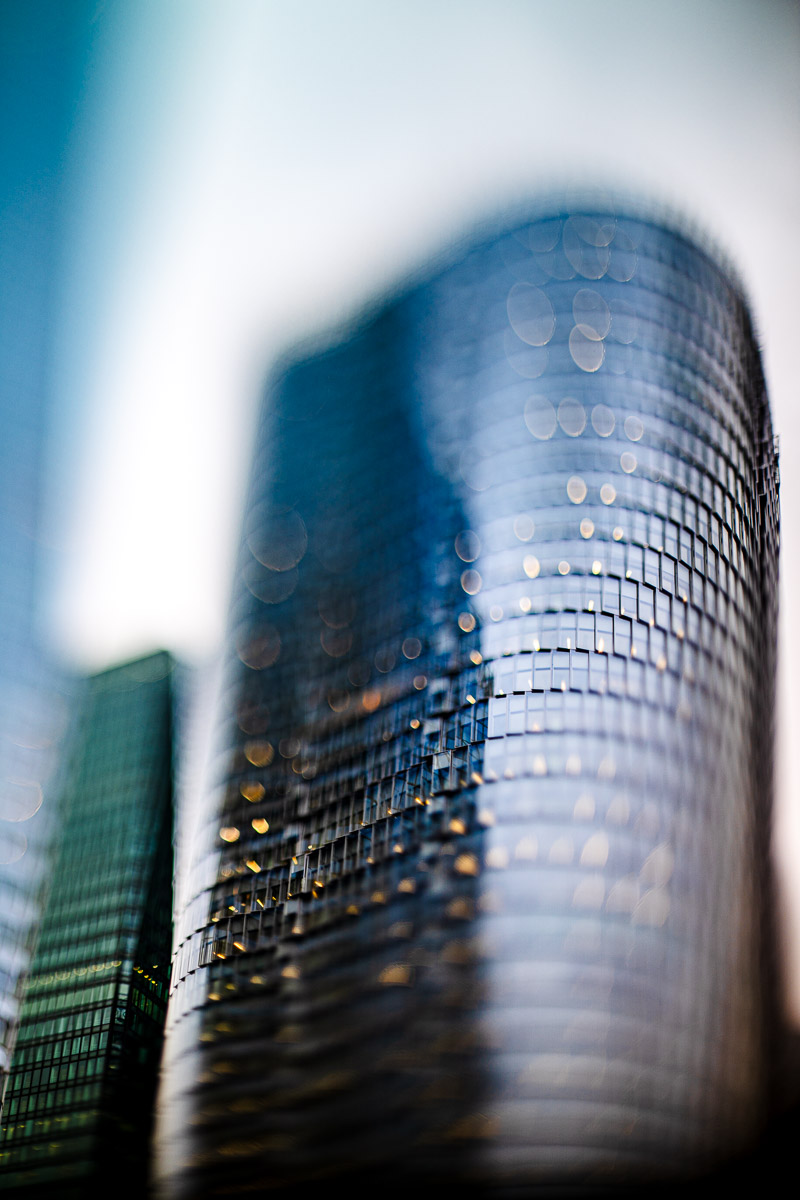
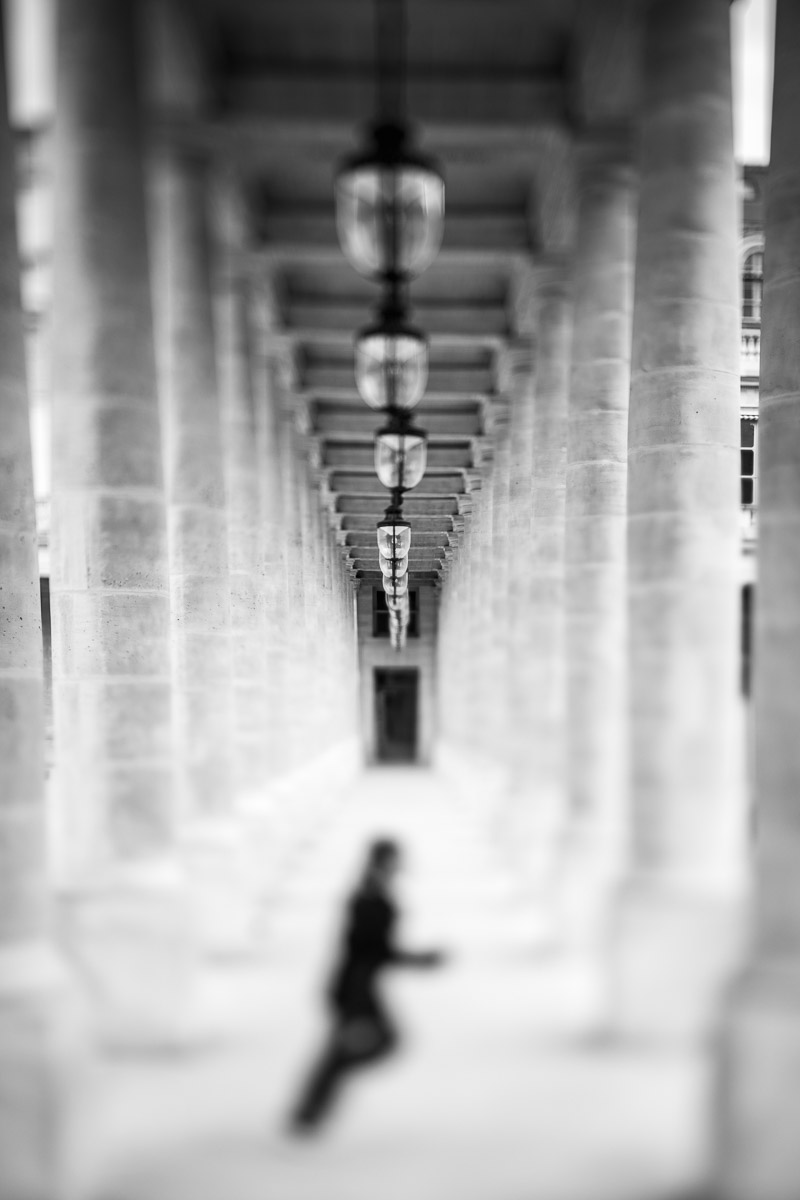
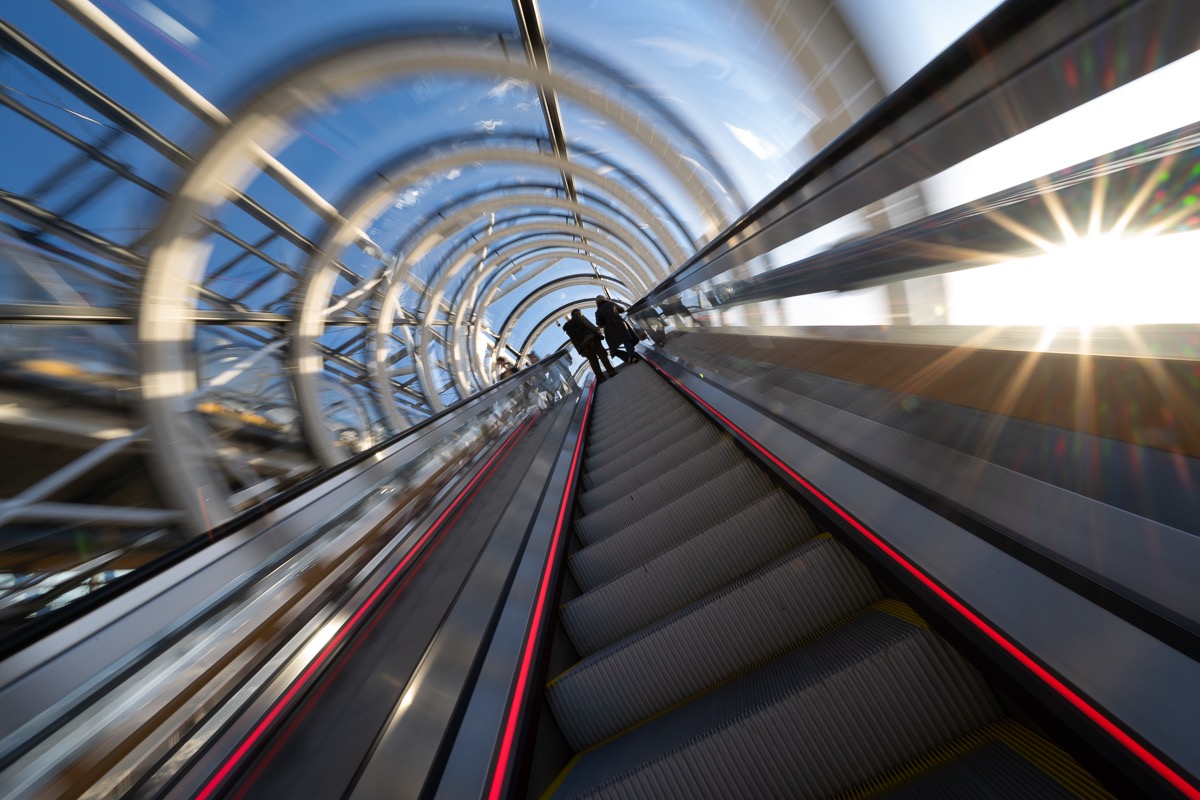
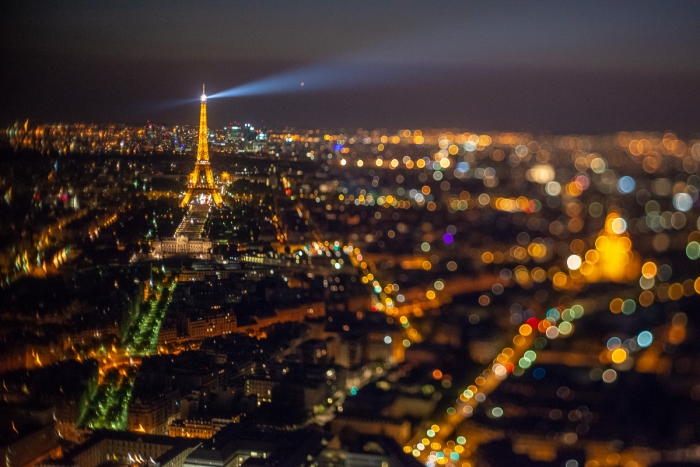
Another way of working with blur is to alter the focal plane itself. This is the principle behind tilting the optical body, as found in tilt-shift lenses, also known as perspective control and tilt lenses. When the plane of the lens is no longer parallel to that of the sensor, sharpness is distributed differently across the image. The sharp zone then corresponds to the intersection of these planes.
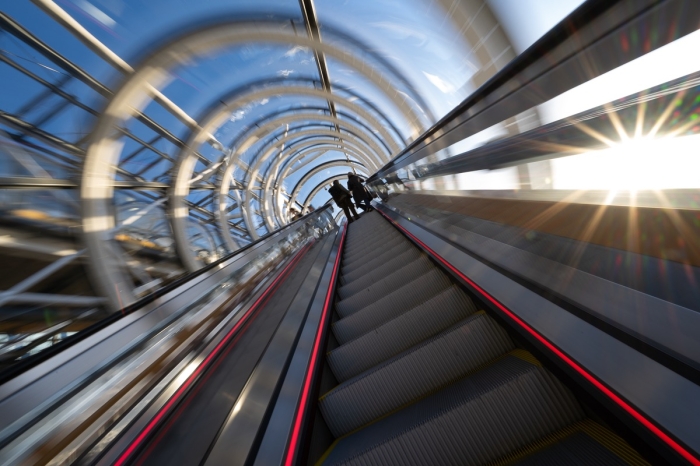
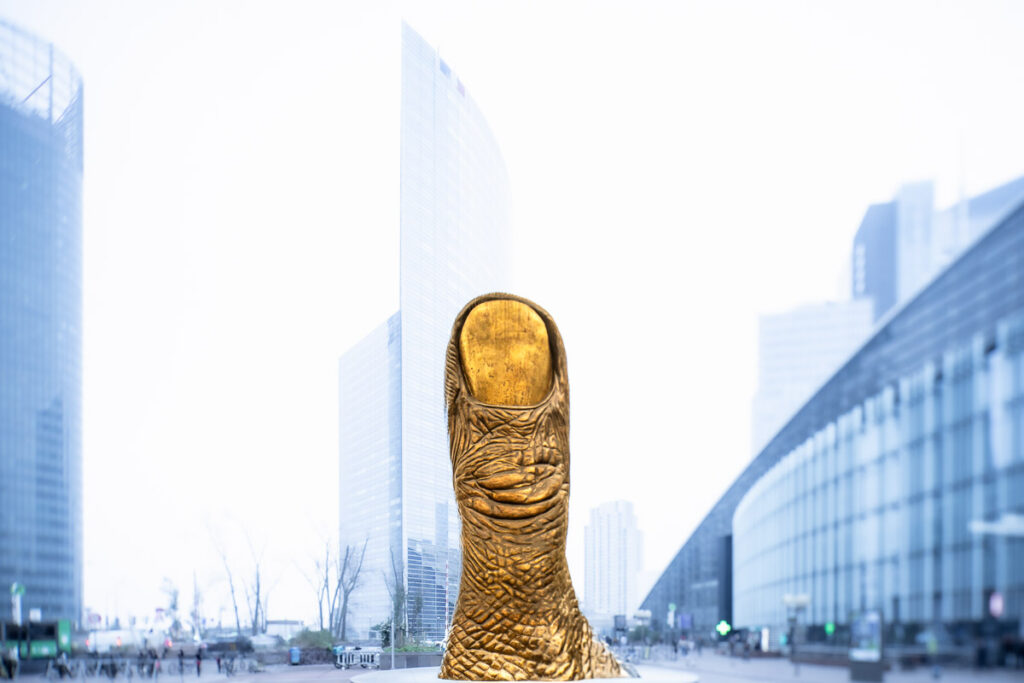 Le Pouce by César at La Défense - Photo: © Sebastien Desnoulez
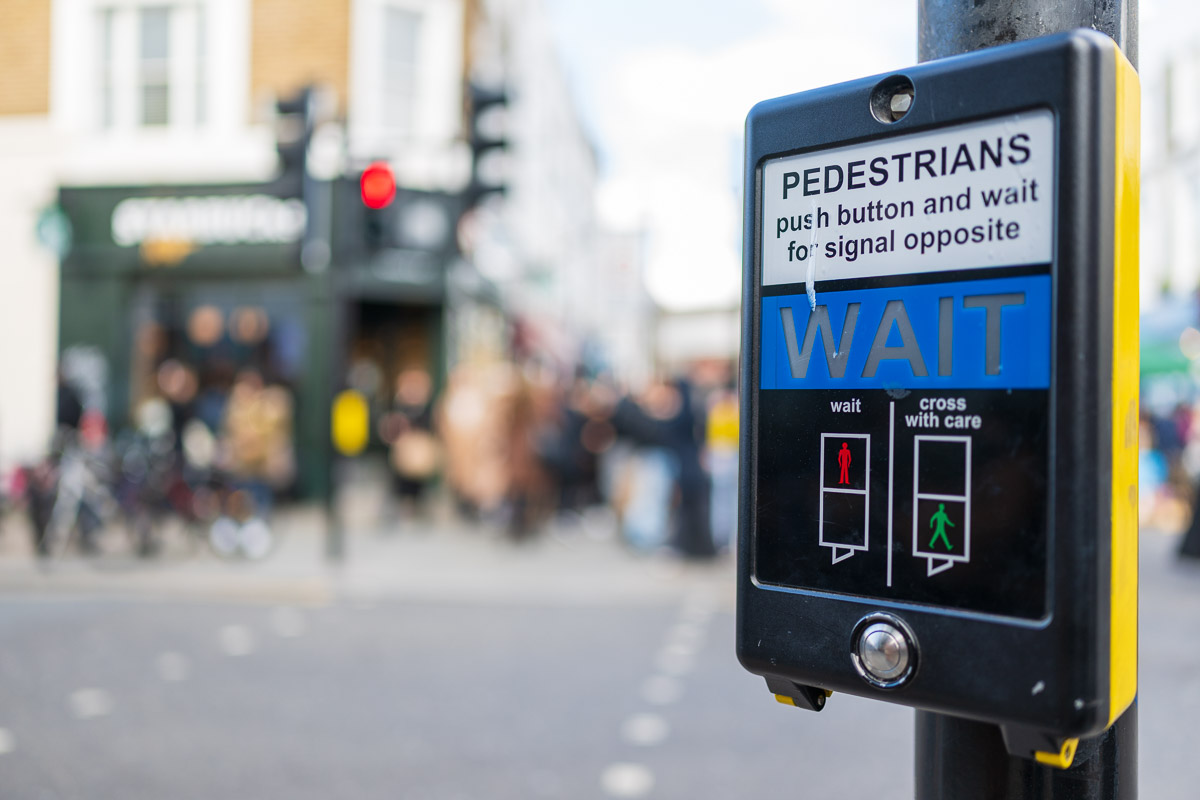
With a Nikon PC-E or Canon TS-E lens, the tilt is usually only a matter of a few degrees, yet that is enough to profoundly change the reading of a scene. Even with a 17mm f/4, you can isolate a subject within an urban landscape and produce that well-known photographed model effect. The brain interprets the narrow sharp zone as that of a close-up shot.
On the other hand, tilt can also increase the apparent sharpness of a subject if the Scheimpflug principle is respected. When the plane of the sensor, the plane of the lens, and the plane of the subject all intersect on the same line, it becomes possible to achieve great sharpness without stopping down excessively. This is especially valuable in product photography, still life, or certain architectural situations.
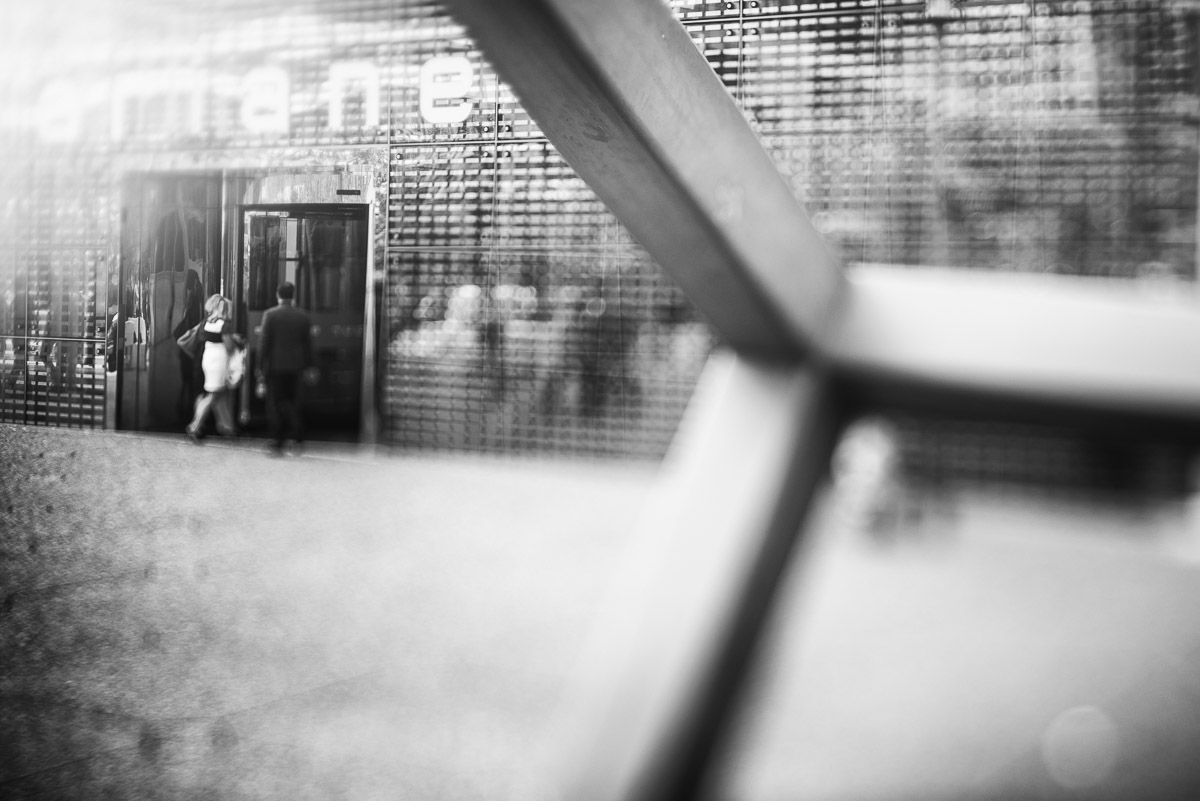
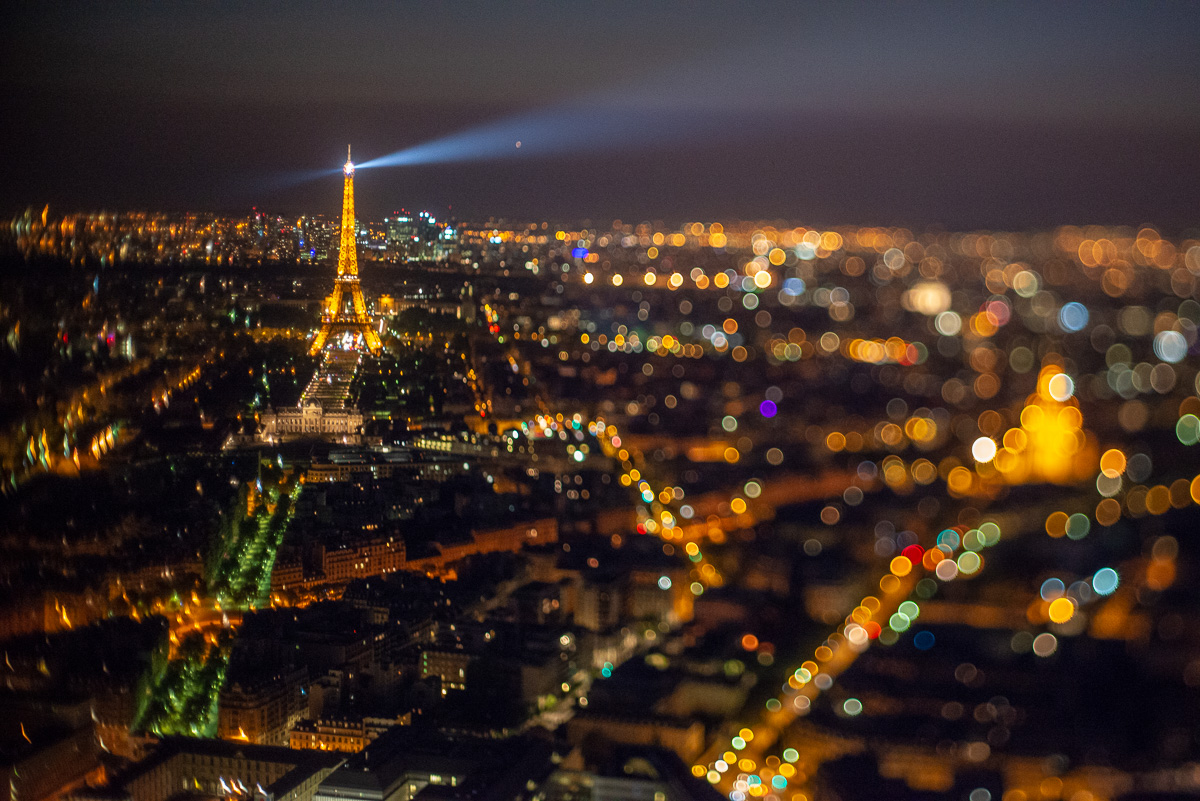
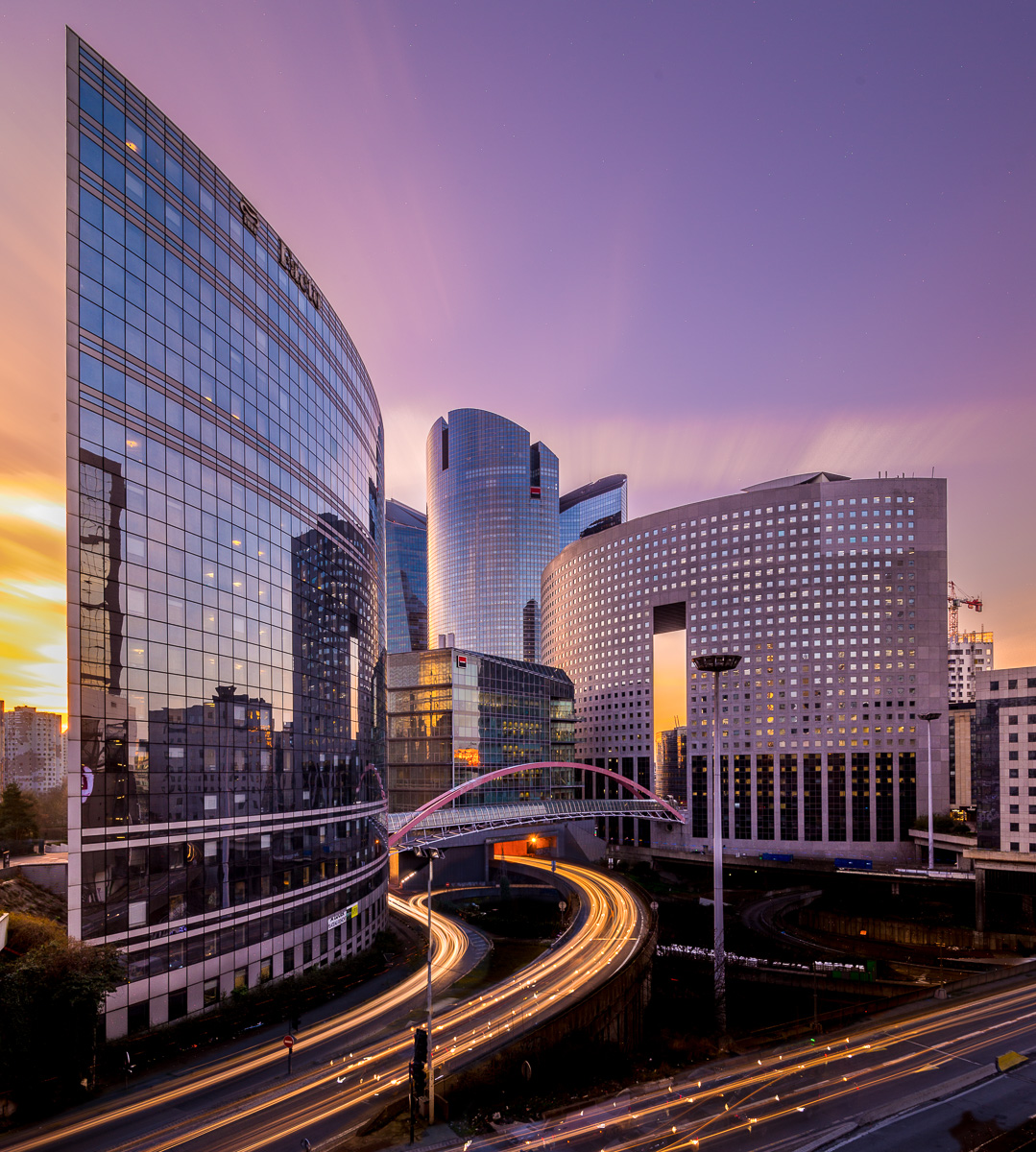
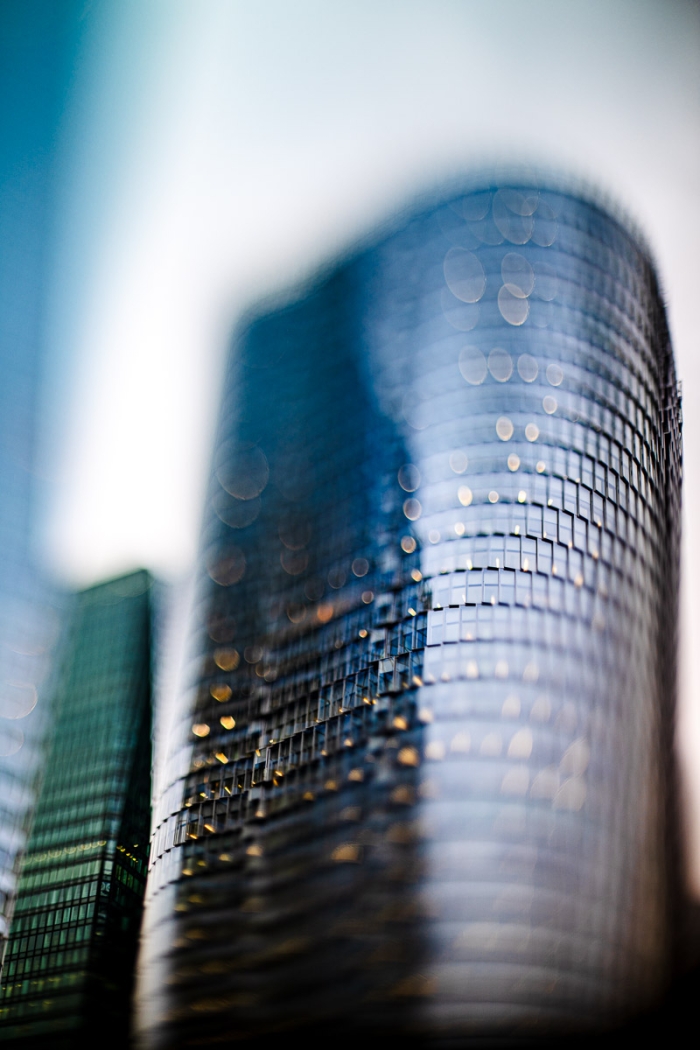
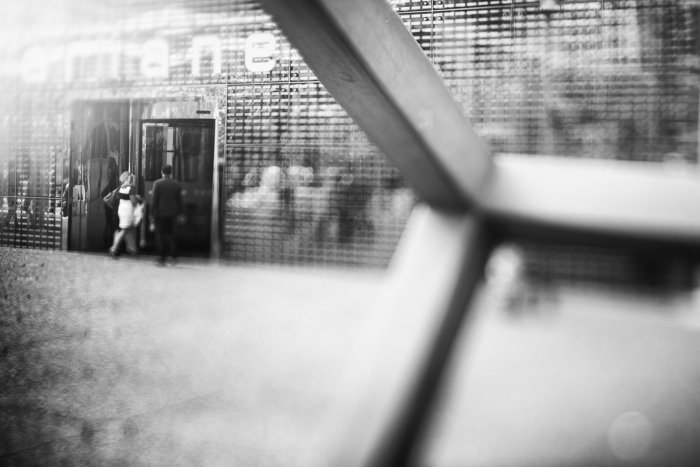
Freelensing pushes this logic in a more radical way. It consists of holding a lens by hand in front of the sensor, without mechanically attaching it to the camera body, in order to freely increase the angle between the optic and the sensor plane. This frees the photographer from the physical limits imposed by the manufacturer. The sharp zone becomes highly mobile, sometimes extremely narrow, and light leaks may enter the image. Blur then does more than isolate a subject. It destabilizes the structure, introduces randomness, and forces the eye to reconstruct what it can no longer clearly see.
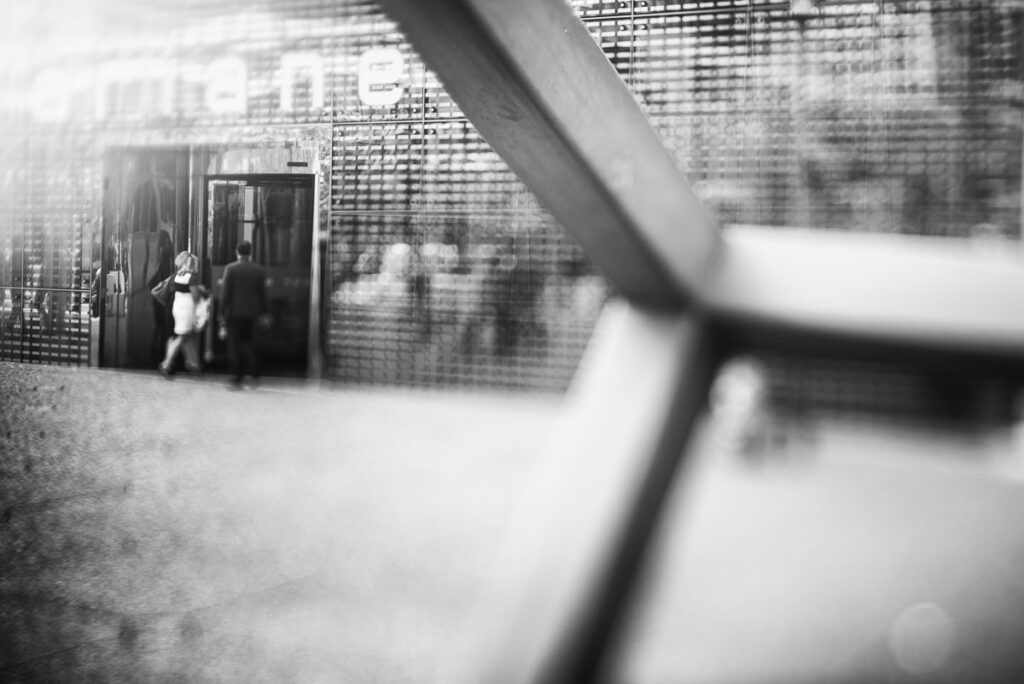 Tour Ariane and La Défonce, artwork by Francois Morellet, half-blurred series - Photo: © Sebastien Desnoulez
For rigorous architectural photography, I use a Canon TS-E 17mm f/4L. I also explain the value of these optics in more detail in Architectural Photography, Why Use a Perspective Control Lens?. And for a freer approach, I devoted a full article to freelensing in photography.
Long exposure
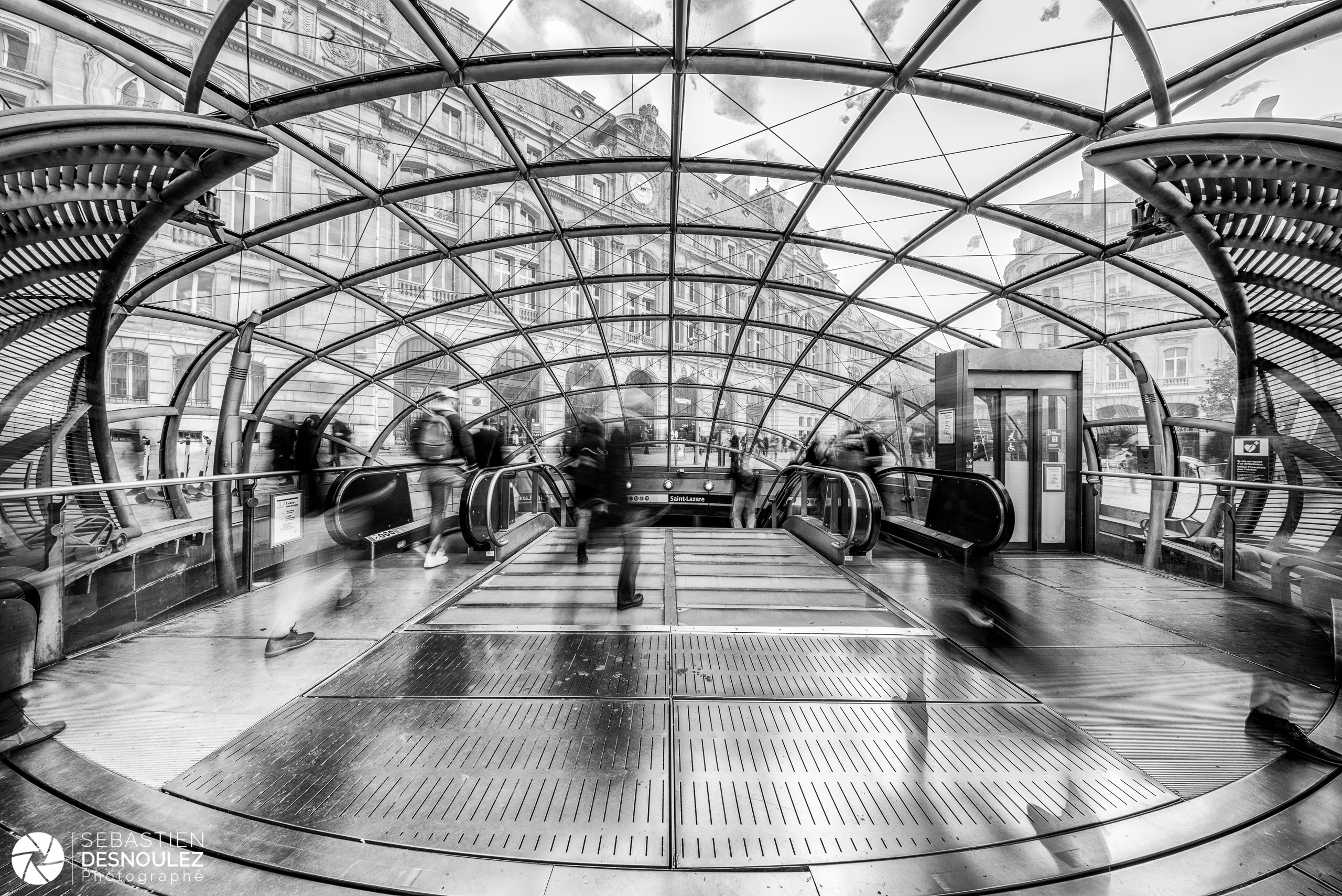
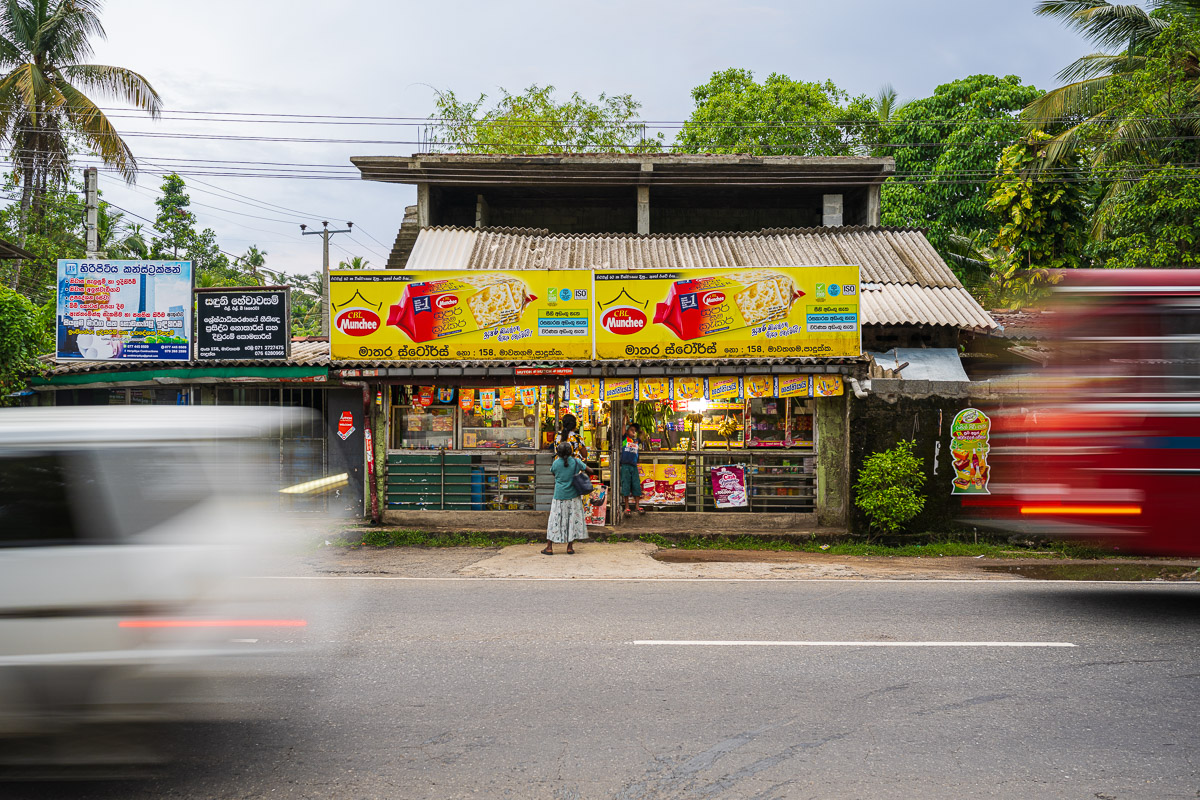
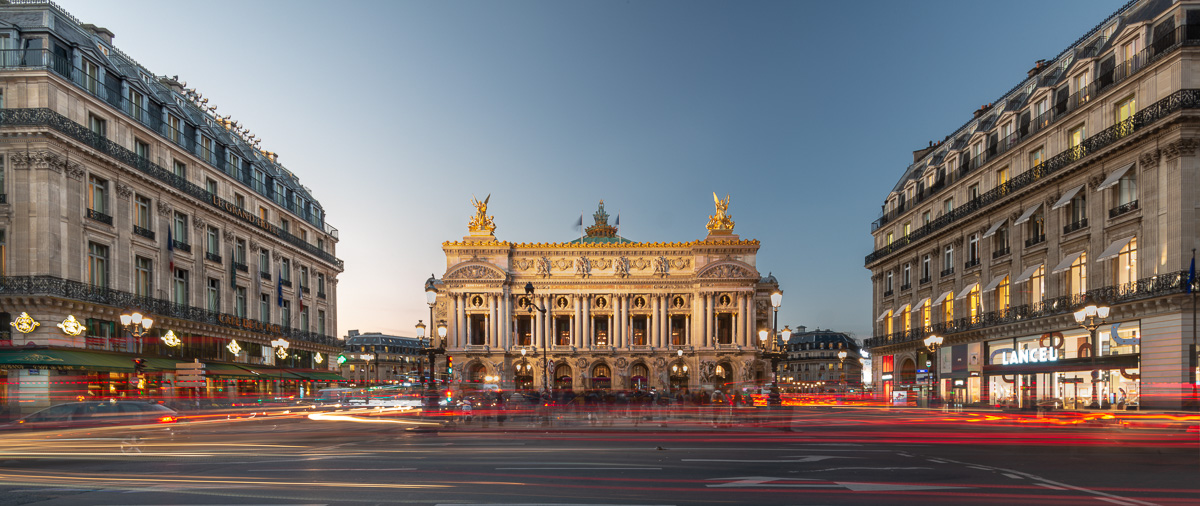
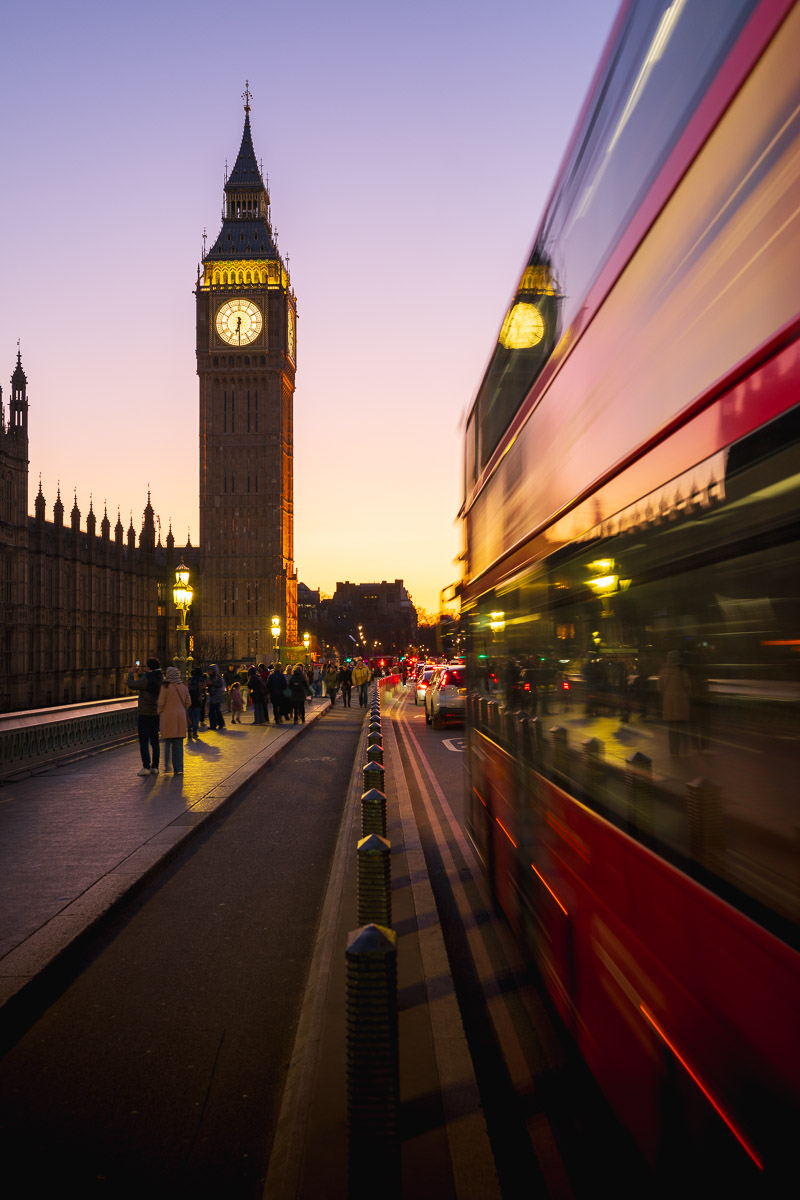
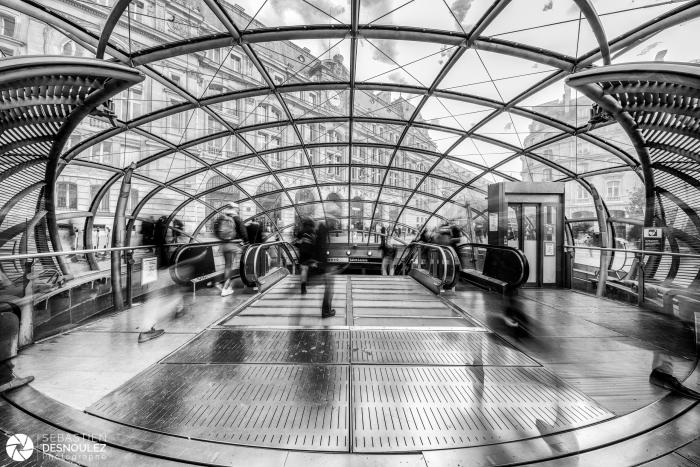
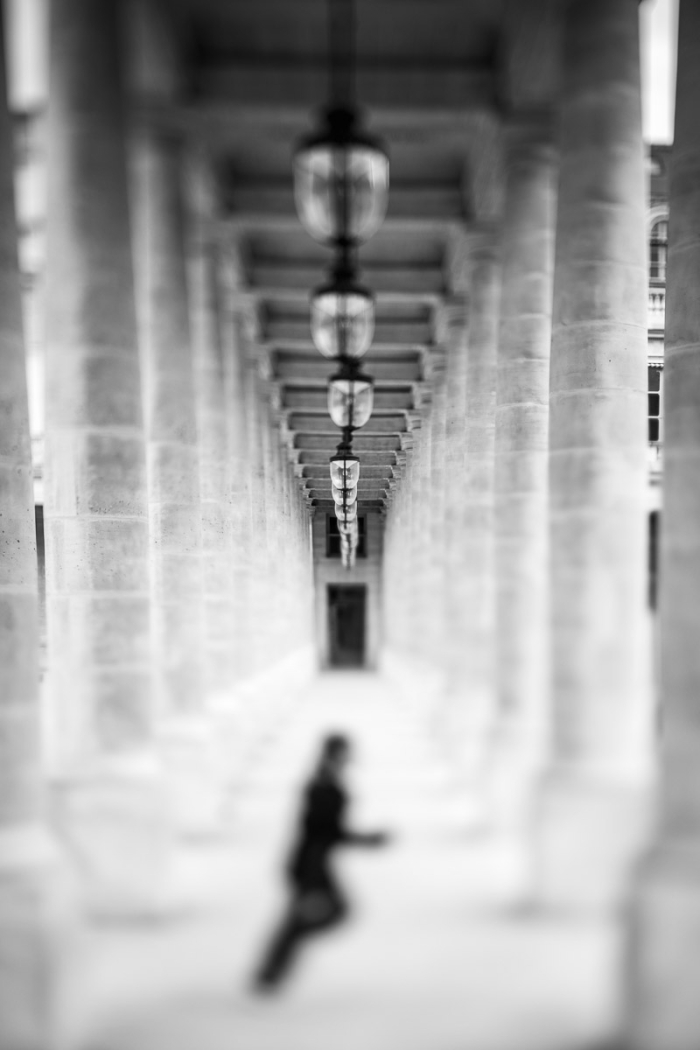
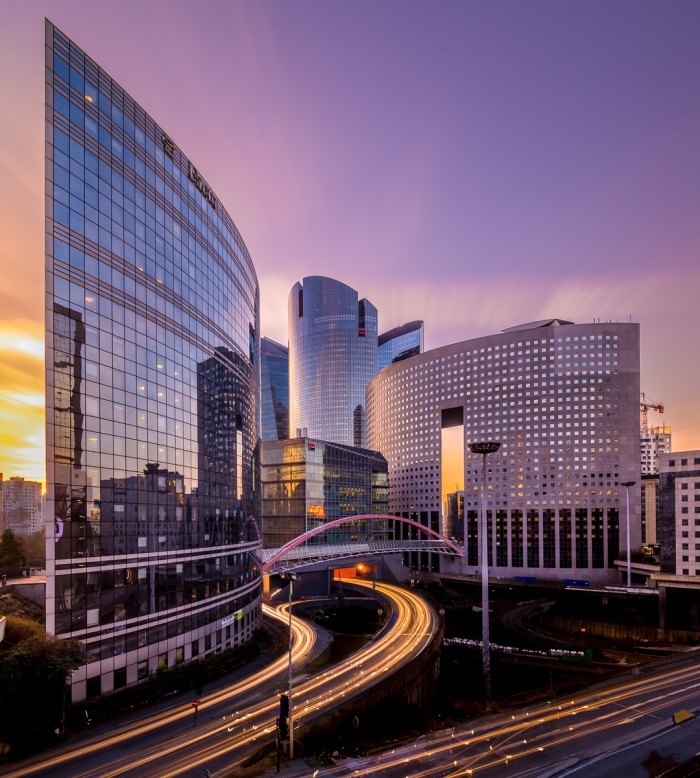
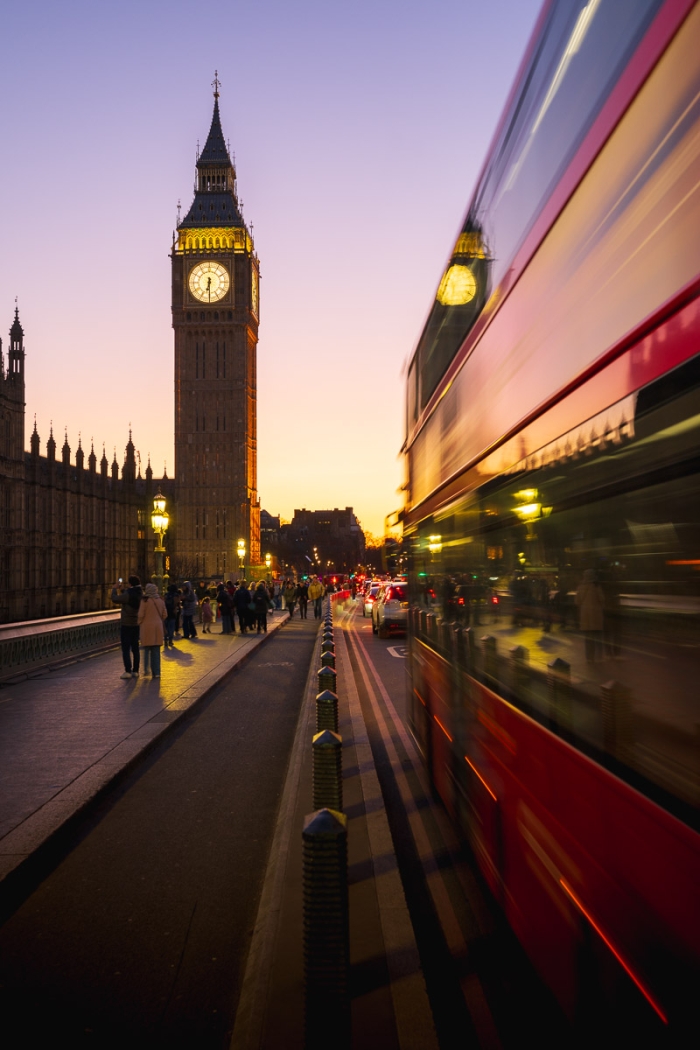
Long exposure transforms the relationship between what moves and what remains. With exposure times around 1/8 s to 1/30 s, it becomes possible to blur pedestrians while still preserving a certain readability of the scene. Figures double, stretch, and become almost ghostlike. This technique works particularly well in the city, where fixed architecture contrasts with human passage.
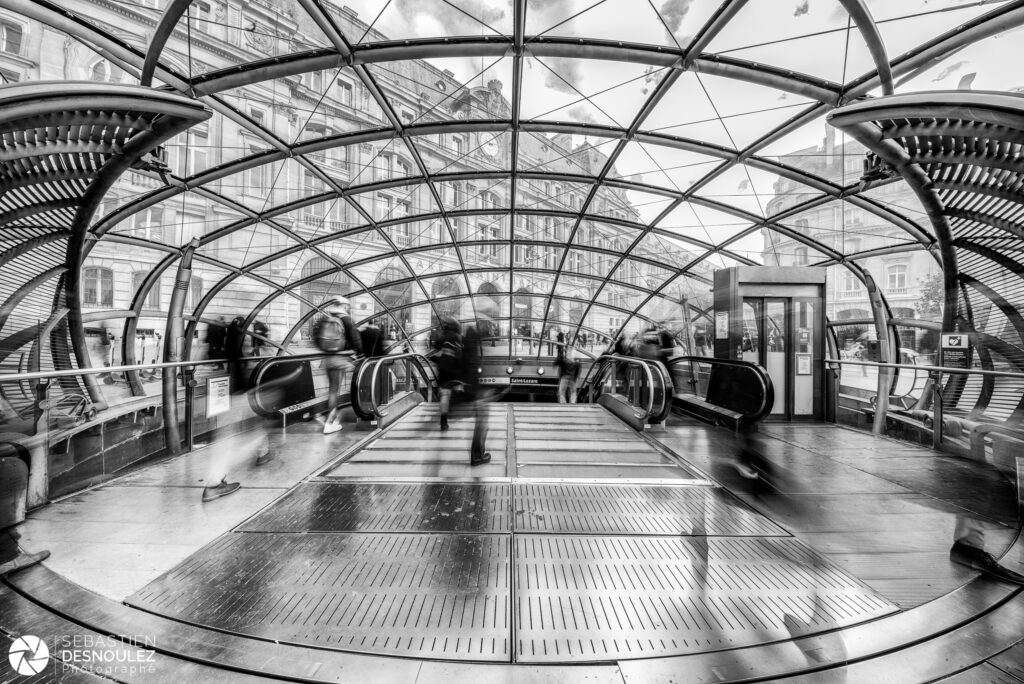 Saint-Lazare Station, Paris - Ghosts series - Photo: © Sebastien Desnoulez
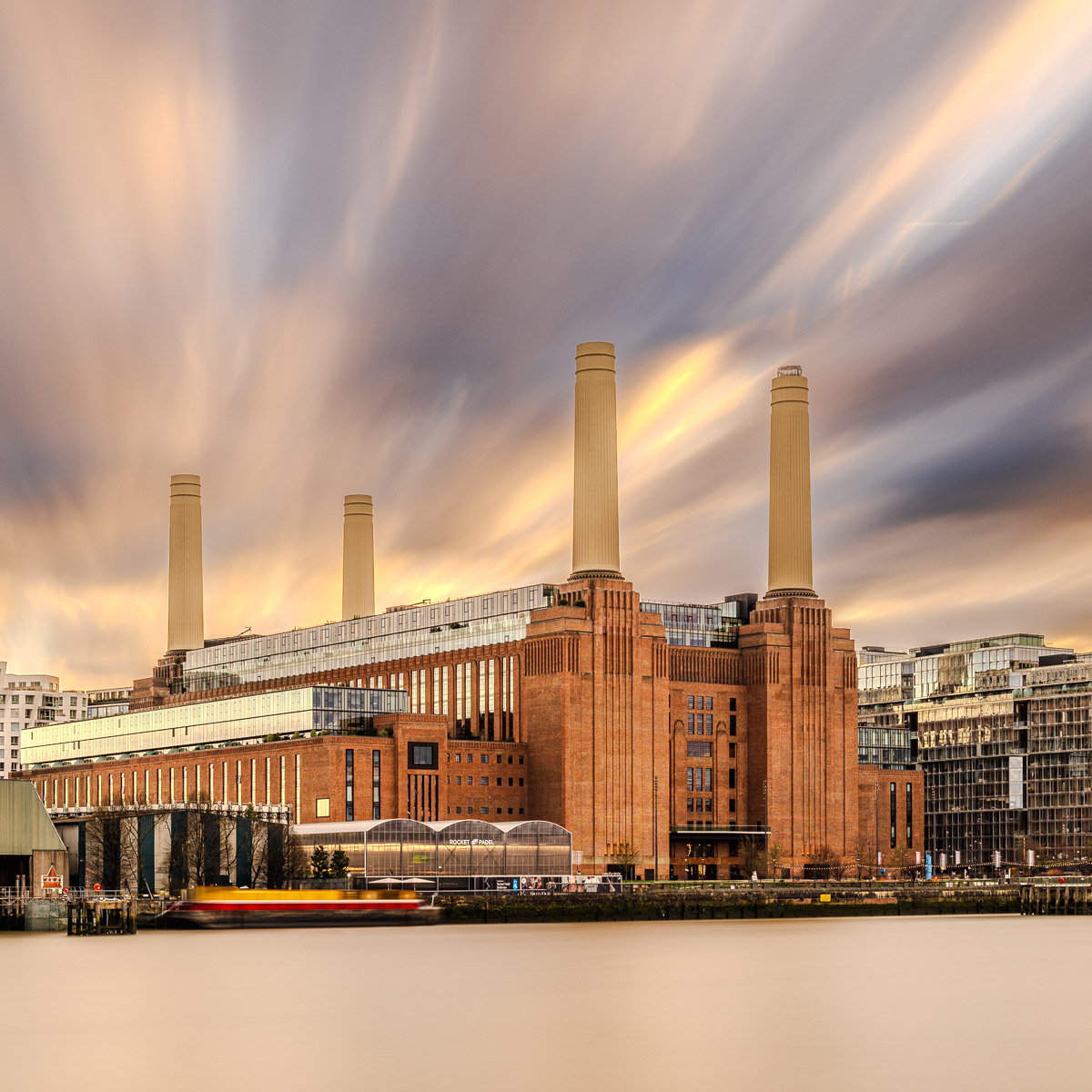
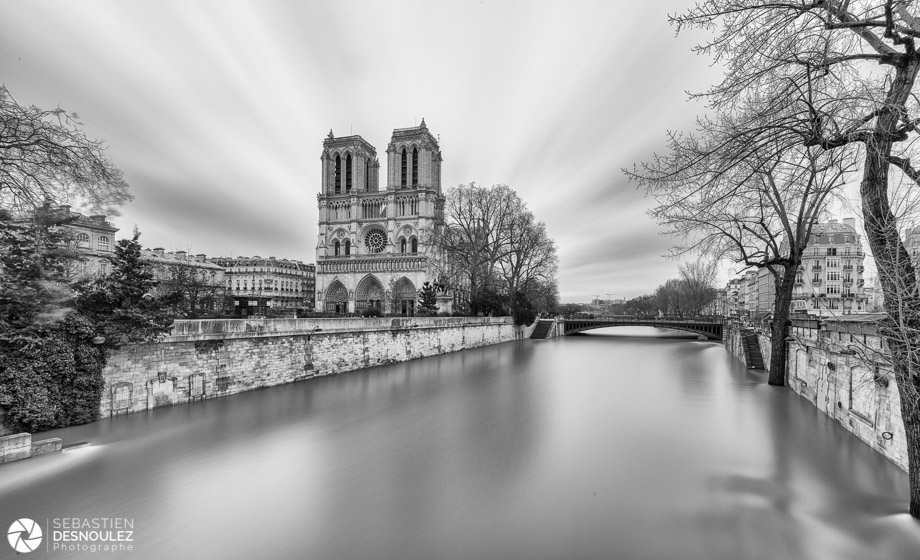
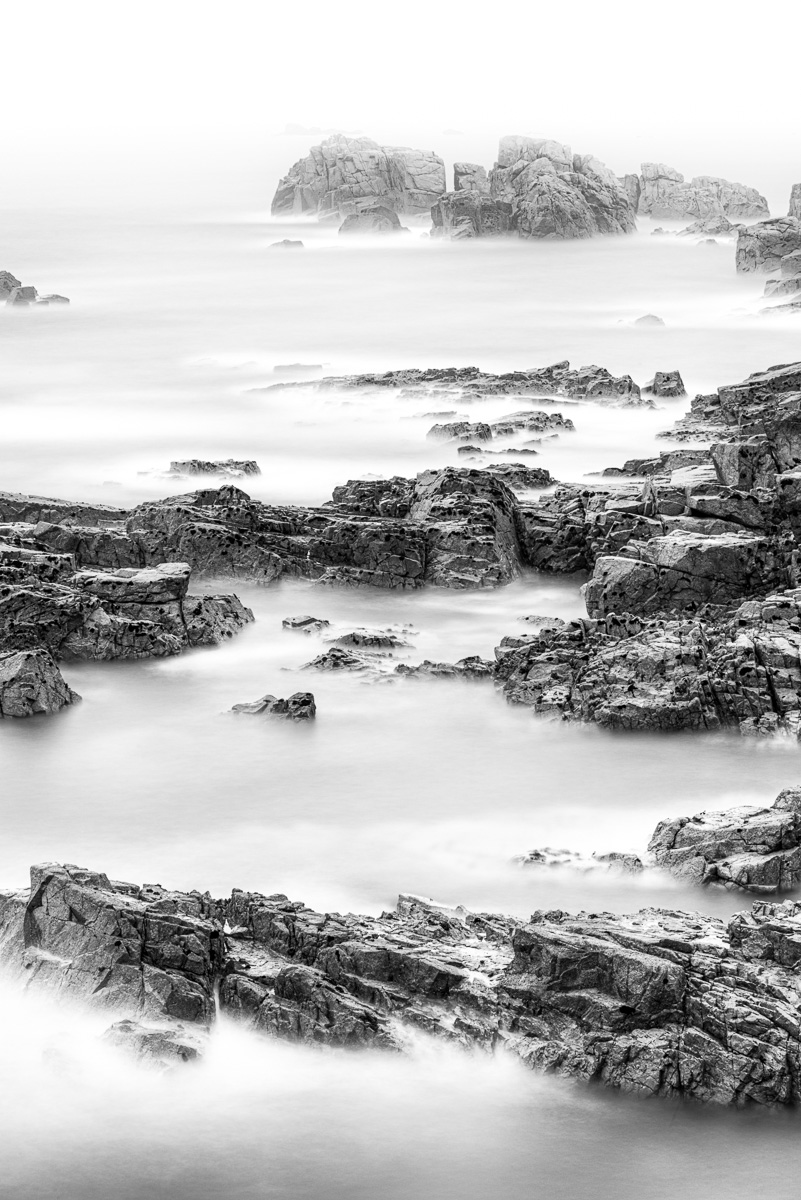
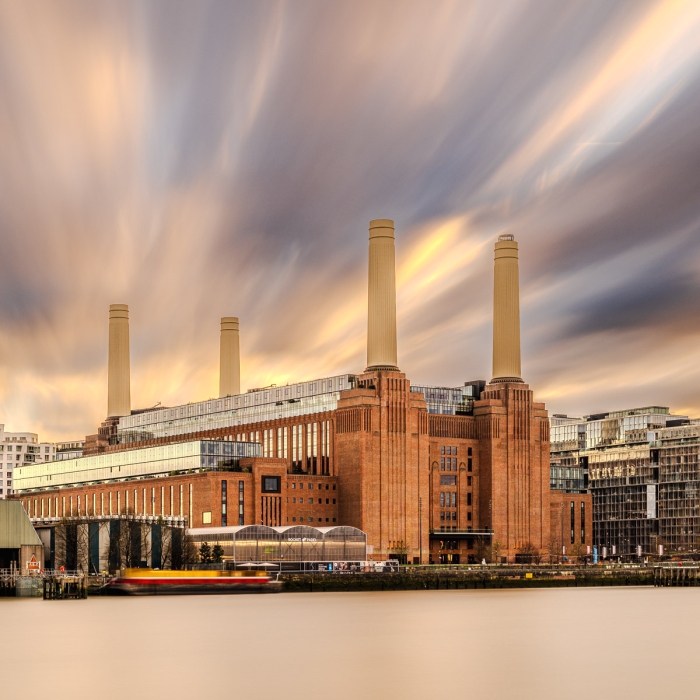
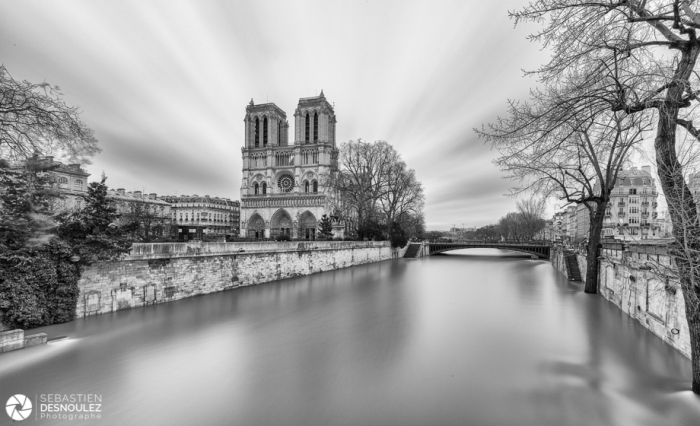
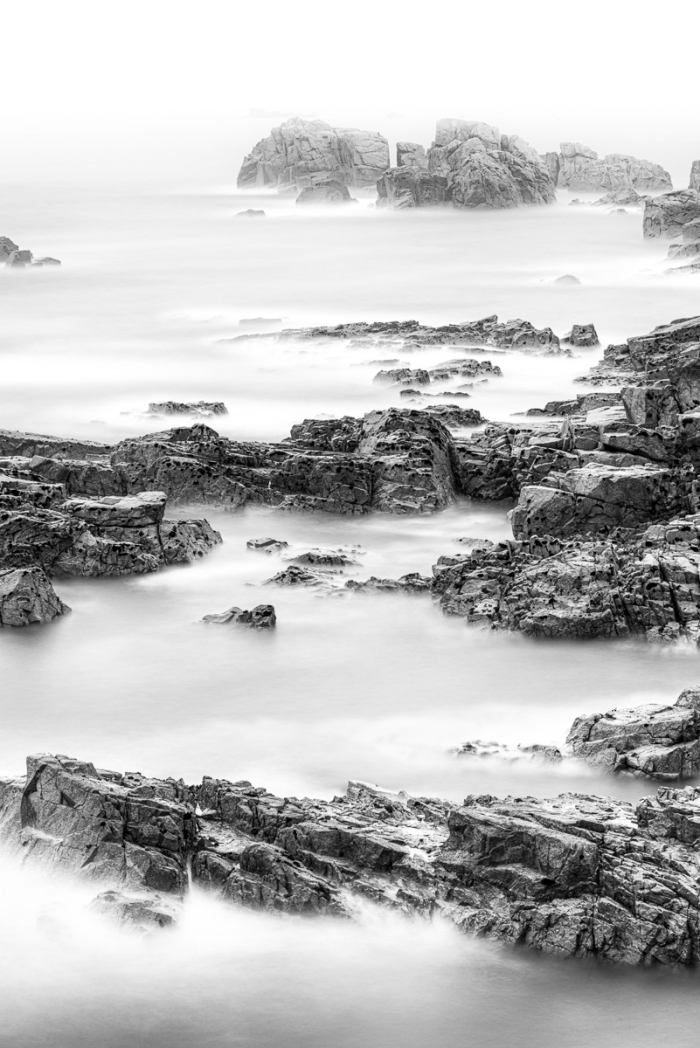
By lengthening the exposure even further, notably with an ND filter that reduces the amount of light reaching the sensor, vehicles and passers-by can disappear completely. Water becomes smooth, clouds stretch out, while buildings, bridges, or rocks remain still. Blur then becomes a tool of simplification. It removes what agitates the scene in order to reveal its underlying structure.
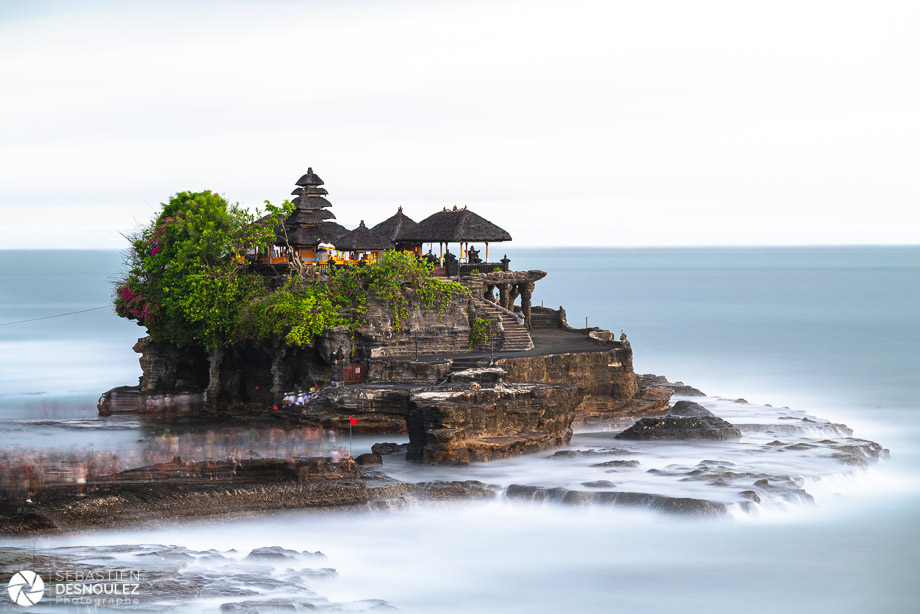 Ghosts of Tanah Lot, Bali - Photo: © Sebastien Desnoulez
Blur as a photographic language
What I like about all these forms of blur is that they do not belong to a single register. Blur can be energetic or meditative, brutal or subtle, descriptive or almost abstract. It can serve a sports image, a flower, a street, an urban landscape, a facade, or a waterscape. In every case, it works through contrast. It fully exists only because it interacts with sharpness, stillness, geometry, material, or light.
To me, blur in photography is therefore not a defect to be corrected at all costs. It is a resource. A way of bringing speed, depth, uncertainty, time, or contemplation into the image. And it is often in that space of suggestion that photography becomes most alive.
FAQ about blur in photography
What are the main types of blur in photography?
They include motion blur, out-of-focus blur, blur linked to focal plane tilt with a tilt-shift lens or through freelensing, and blur produced by long exposure.
How do you achieve a successful pan shot in photography?
You need to choose a shutter speed slower than the subject’s movement, then follow that movement with the camera. The subject can remain relatively sharp while the background becomes blurred.
Why use out-of-focus blur?
Out-of-focus blur helps isolate a subject, simplify the image, and guide the viewer’s eye. It is especially useful in macro photography, with telephoto lenses, and at wide apertures.
What is the purpose of tilting a tilt-shift lens?
Tilt changes the distribution of sharpness across the image. It can either reduce the sharp zone for a creative effect or, on the contrary, extend it by respecting the Scheimpflug principle.
What is the difference between tilt-shift and freelensing?
Tilt-shift relies on a specialized lens with precise and limited movements. Freelensing consists of holding a lens by hand in front of the sensor, allowing a freer, more extreme, and often more experimental tilt.
Why use an ND filter for long exposure?
An ND filter reduces the amount of light reaching the sensor. It therefore makes it possible to lengthen exposure time even in daylight, in order to smooth water, blur clouds, or make passers-by disappear.
About the Author
Sebastien Desnoulez is a professional photographer specializing in architecture, landscape and travel photography. Trained in photography in the mid-1980s, he covered Formula 1 races and reported from around the globe before devoting himself to a more demanding fine art photography practice blending composition, light and emotion. He also shares his technical expertise through hands-on articles for passionate photographers, built on a solid background in both film and digital photography.
Click on the photos below to view them full screen.











All the photos displayed on this website are copyright protected © Sebastien Desnoulez. No use allowed without written authorization. Legal notice
Tags