

Sigma 105mm Macro f/2.8 EX DG OS HSM: Field Test and Pro Review

Among affordable macro lenses, the Sigma 105mm f/2.8 OS HSM stands out. Bright, stabilized, and lightweight, it proves remarkably sharp when used handheld. This article shares my experience, from my early macro attempts to years of testing in the field and scanning analog archives.
My early steps in macro: extension tubes, bellows, and a 50mm
I started macro photography with a 50mm lens mounted on extension tubes, paired with a Nikon DX-format DSLR. This affordable setup allowed me to get very close to the subject, perfect for capturing flower pistils from unusual angles. The APS-C crop factor helped tighten the frame, giving more punch to my compositions.
Later, I moved to a Micro-Nikkor 105mm f/2.8 Ai, then to more elaborate setups like extension tubes combined with a PB-6 bellows, used with my full-frame Nikon D610 and D800 bodies. This gave me very precise results, but the setup wasn’t practical outdoors, especially with wind-sensitive subjects.
Why I chose the Sigma 105mm f/2.8
Respectful of nature, I refused to cut a flower just to photograph it in a wind-free studio. I was looking for a stabilized, autofocus, lightweight, and sharp lens that could help me shoot handheld while minimizing subject movement. I chose the Sigma MACRO 105mm F2.8 EX DG OS HSM, which was much more affordable for occasional use than its Nikon counterpart AF-S VR Micro-NIKKOR 105mm f/2.8G, and especially lighter and less bulky.
And I never regretted that decision. The Sigma turned out to be extremely sharp, to the point that I even used it for event photography, delivering impressively crisp images even at full aperture.
In the field: handheld macro photography
My approach to macro is intuitive, far from the highly controlled setups used by some macro specialists. I don’t use a tripod, focus stacking, clamps, diffusers, or artificial lighting. I generally set the lens to minimum focusing distance, shoot wide open at f/2.8, and move closer by shifting my position slightly. It’s a process driven by observation and experimentation.
In this context, autofocus helps compensate for minor movements, especially when a light breeze shakes the subject. The Sigma’s optical stabilization helps maintain sharpness, making it perfect for a light, discreet, and flexible approach.
An ideal lens for film scanning
The Sigma 105mm’s precision became even more obvious while scanning film negatives. To understand the method I’ve developed, and why this lens performs so well in this context, I invite you to read the following two articles:
- How to Scan Your Film Photos: Flatbed Scanner, Nikon Coolscan or Camera?
- Digitizing Black and White Negatives with a Camera and Developing Them in Lightroom
Optical rendering and sharpness
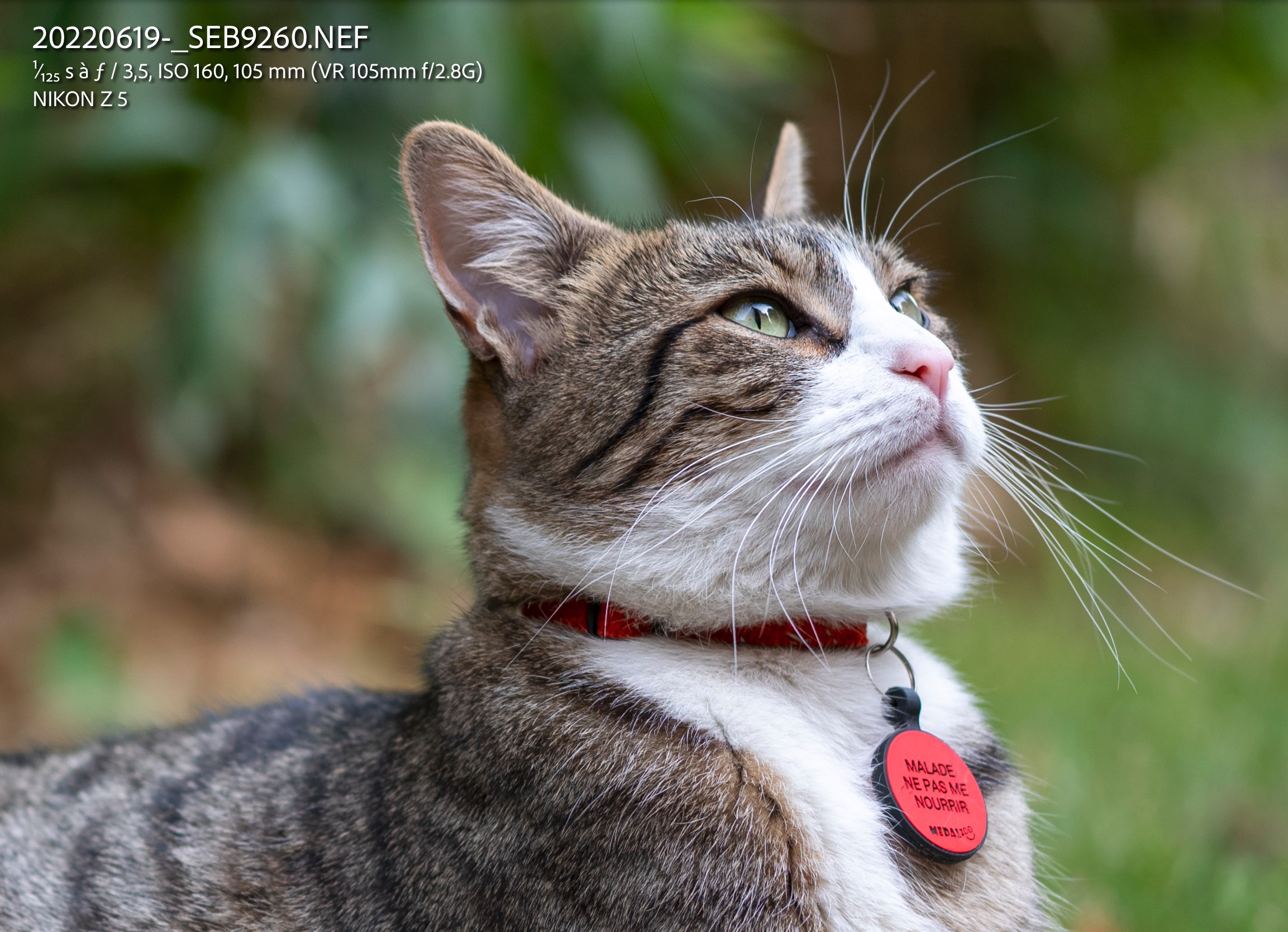
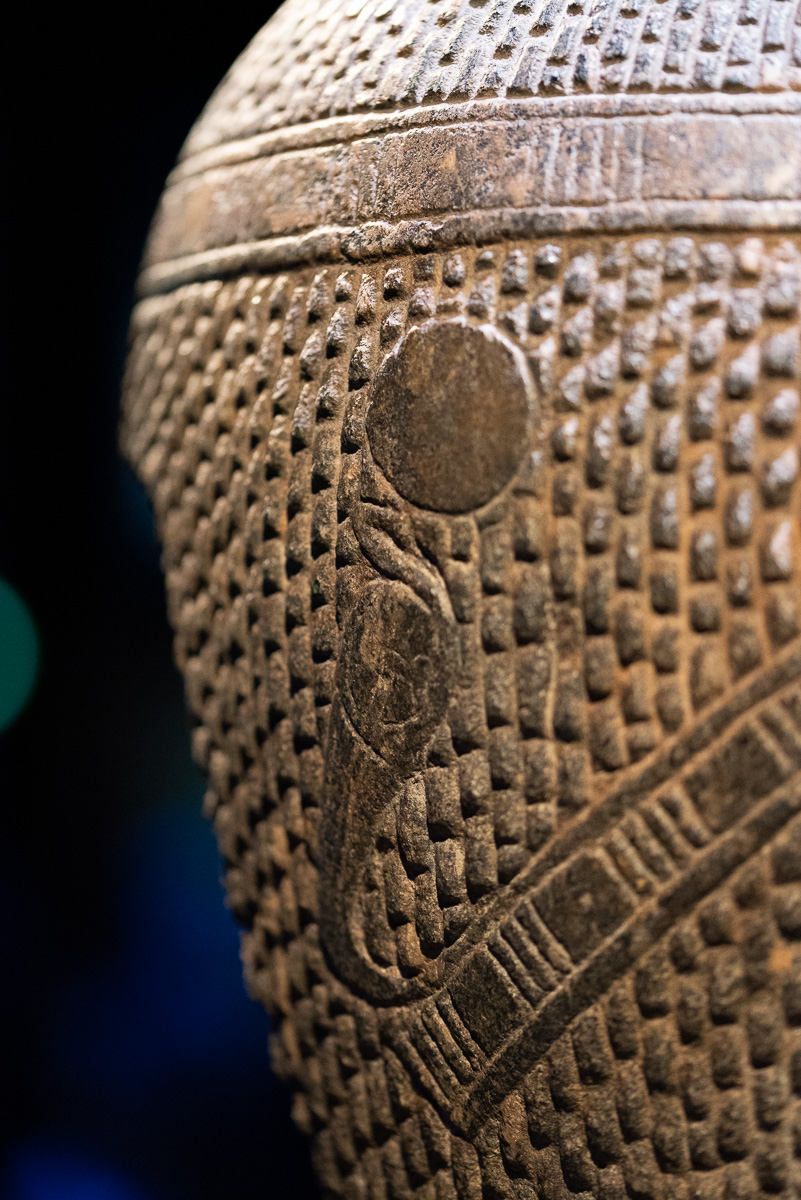
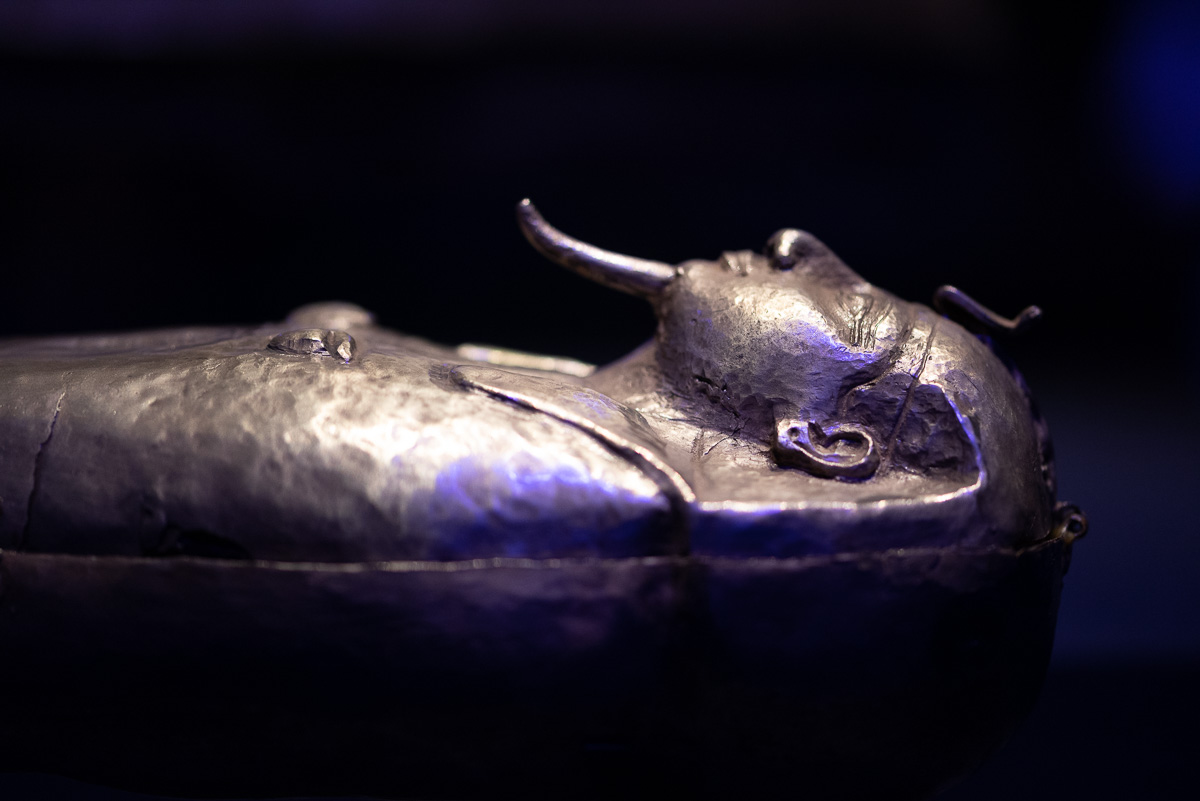
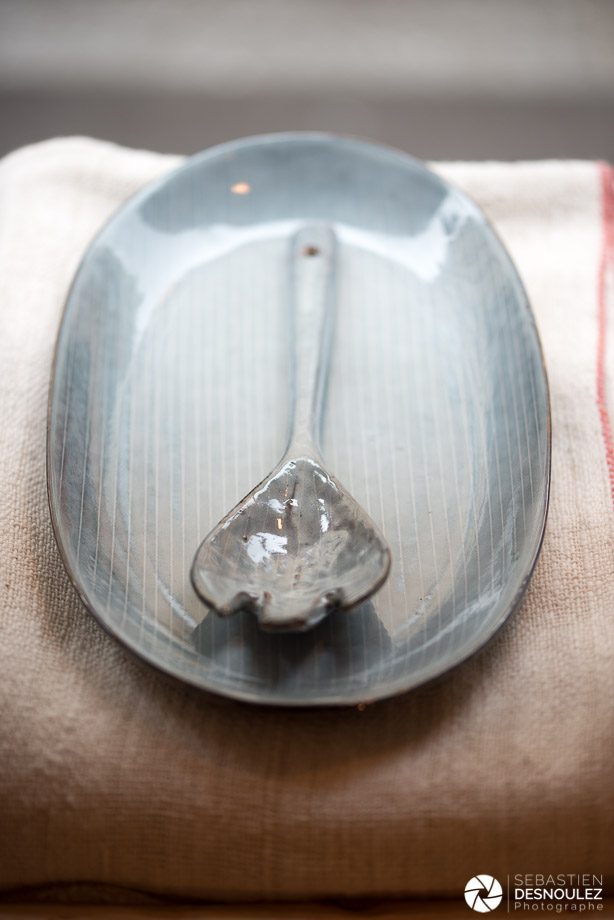
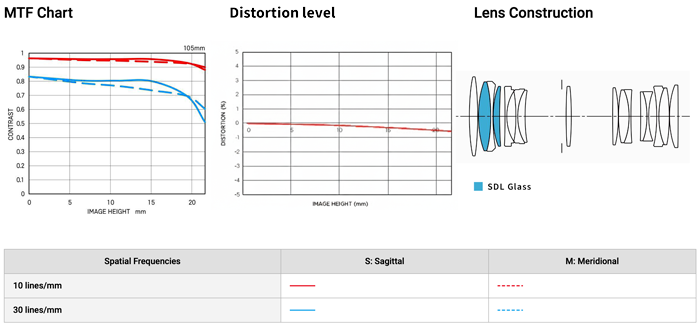
At full aperture, f/2.8, the lens already delivers excellent center sharpness, with smooth and progressive bokeh, ideal for flower pistils or isolated insects. Stopping down slightly improves edge sharpness quickly, making the lens very usable for high-quality reproductions or close-up portraits. Color rendering is neutral, and chromatic aberration remains well controlled, even in backlight.
Compared to the Nikkor Z 50mm f/2.8 MC
The Sigma surprised me with its superior field flatness and virtually no visible distortion, which is especially useful when reproducing negatives. The Nikkor Z 50mm MC is a good native-Z option, but I prefer the Sigma’s optical neutrality and more comfortable working distance.
Technical specifications
| Feature | Specification |
|---|---|
| Optical design | 16 elements in 11 groups |
| Aperture | 9 rounded blades |
| Minimum aperture | f/22 |
| Minimum focusing distance | 31.2 cm |
| Magnification ratio | 1:1 |
| Filter diameter | 62 mm |
| Dimensions (Ø × length) | 78.3 mm × 126.4 mm |
| Weight | 725 g |
| Stabilization | Yes |
My copy is a Nikon F-mount version, and I use it with a FTZ adapter on my Nikon Z8 and Z7 II bodies. Autofocus works perfectly in this configuration, and stabilization remains active. That makes a big difference for handheld use.
MTF curves and optical design
FAQ
Is the Sigma 105mm f/2.8 compatible with Nikon Z cameras?
Yes, with an FTZ adapter, the lens works very well on Nikon Z cameras like the Z8 or Z7 II, including autofocus and stabilization.
Can it be used for scanning film negatives?
Absolutely. Its flat field, sharpness, and lack of distortion make it an excellent choice for faithful reproduction of both negatives and slides.
Is it still relevant compared to modern Z lenses?
Yes, for those seeking a high-performance, affordable, and widely available second-hand option, the Sigma 105mm f/2.8 remains a very strong contender against newer but more expensive or less versatile Z-mount lenses.
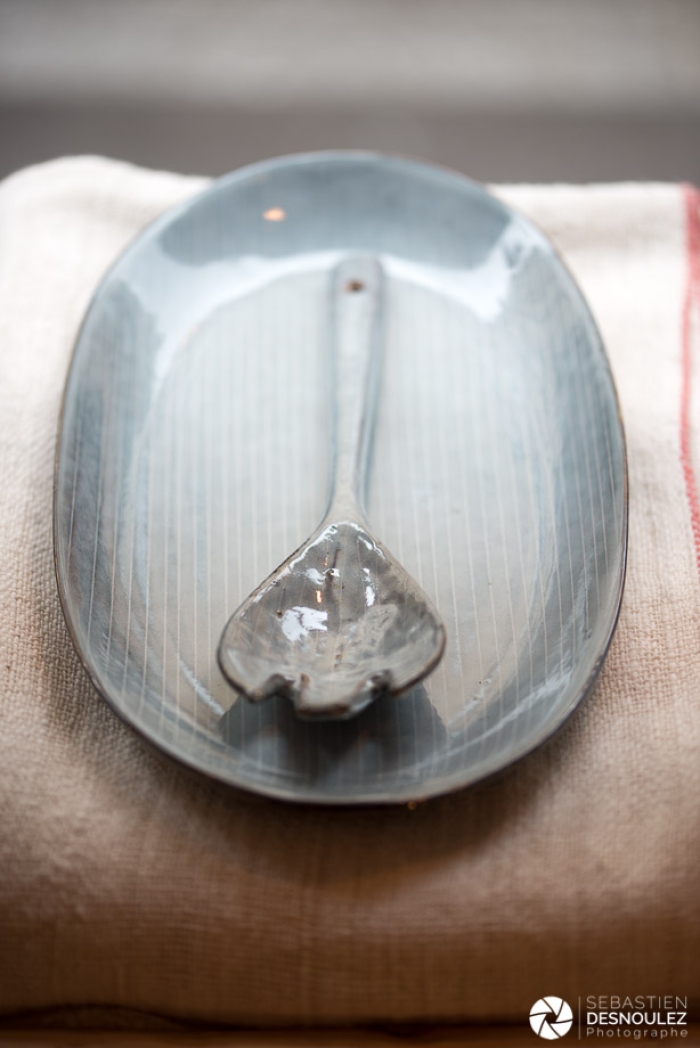
Click on the photos below to view them in fullscreen.





















All photographs on this website are copyright protected © Sebastien Desnoulez. No use allowed without written authorization.
Legal notice
About the Author
Sebastien Desnoulez is a professional photographer specializing in architecture, landscape and travel photography. Trained in photography in the mid-1980s, he covered Formula 1 races and reported from around the globe before devoting himself to a more demanding fine art photography practice blending composition, light and emotion. He also shares his technical expertise through hands-on articles for passionate photographers, built on a solid background in both film and digital photography.
Tags