

Vintage Photo Filters: Instax mini Evo Cinema and Fujifilm X Half, Fun or a Trap for Your Photos?

Two new Fujifilm releases put vintage effects back in the spotlight: the Instax mini Evo Cinema and the Fujifilm X Half. A perfect opportunity to step back and think about filters, presets, and “recipes”: when they boost creativity, and when they lock your memories into a passing trend.
Note : this article is not meant to criticize the Instax mini Evo Cinema or the Fujifilm X Half. They are two creative products designed for different uses. I’m using them here as a starting point to discuss a broader topic: filters, presets, recipes, and their impact on our images - especially when those looks become irreversible.
Why the vintage look is making a strong comeback
Vintage photography never really disappeared. It simply changes shape. Today, Fujifilm brings it back to the foreground with two very different products, sharing one key idea: giving images a strong identity right from the moment of capture.
On one side, the Instax mini Evo Cinema stages a “memory” experience: you shoot, you print, you share. On the other, the Fujifilm X Half sits in a more “camera-first” logic: a 1-inch sensor, film simulations, exposure controls, and more creative headroom.
This wave makes sense. It answers two very current desires: to slow down, and to give your images visual consistency without spending ages editing. But it’s also worth looking at the other side of the coin.
2010, Instagram, Hipstamatic: the big shift
The “vintage filter” phenomenon exploded around 2010 with Instagram and iOS apps like Hipstamatic or PlasticBullet. At the time, it felt revolutionary: with one gesture you could simulate grain, vignetting, color shifts, light leaks, and optical flaws.
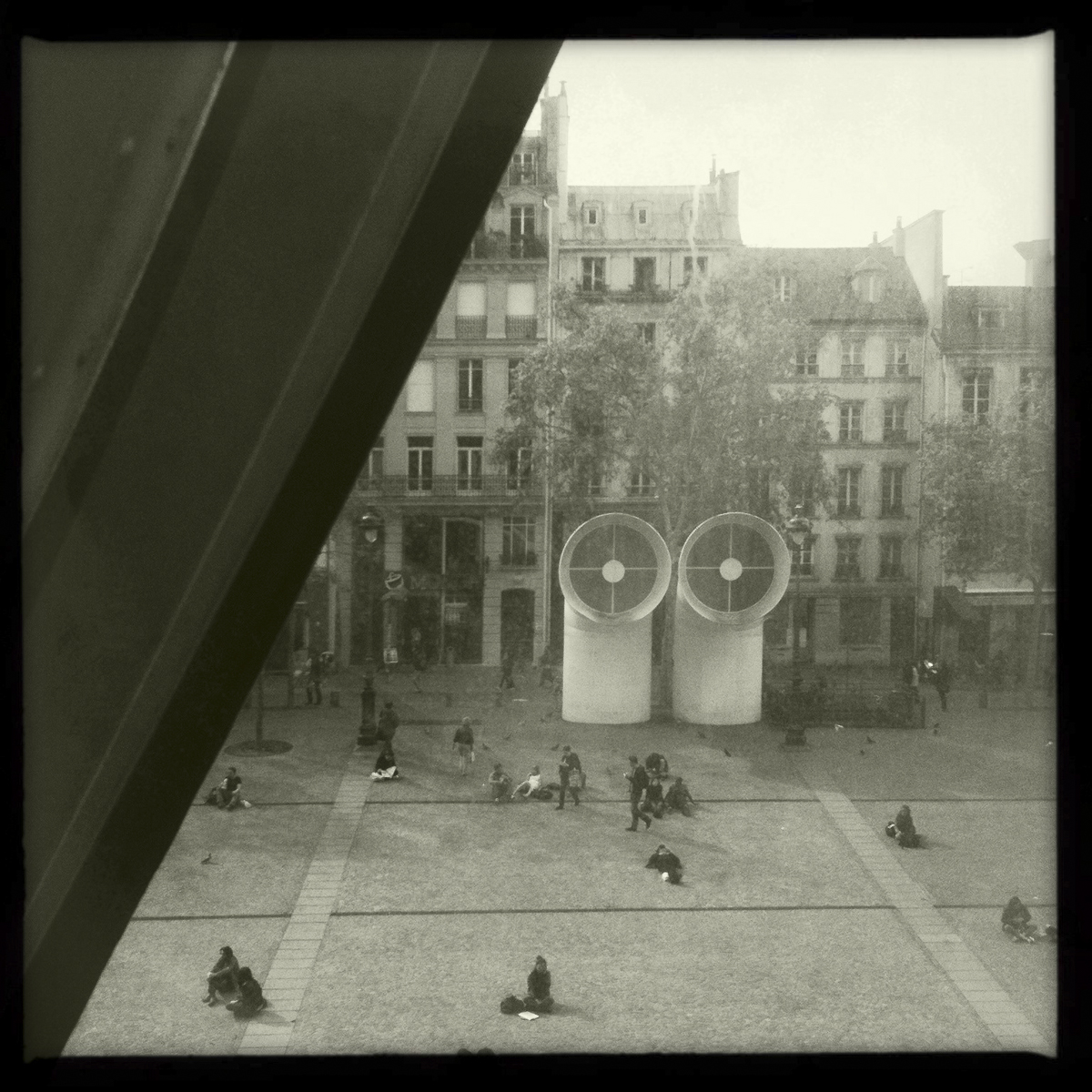
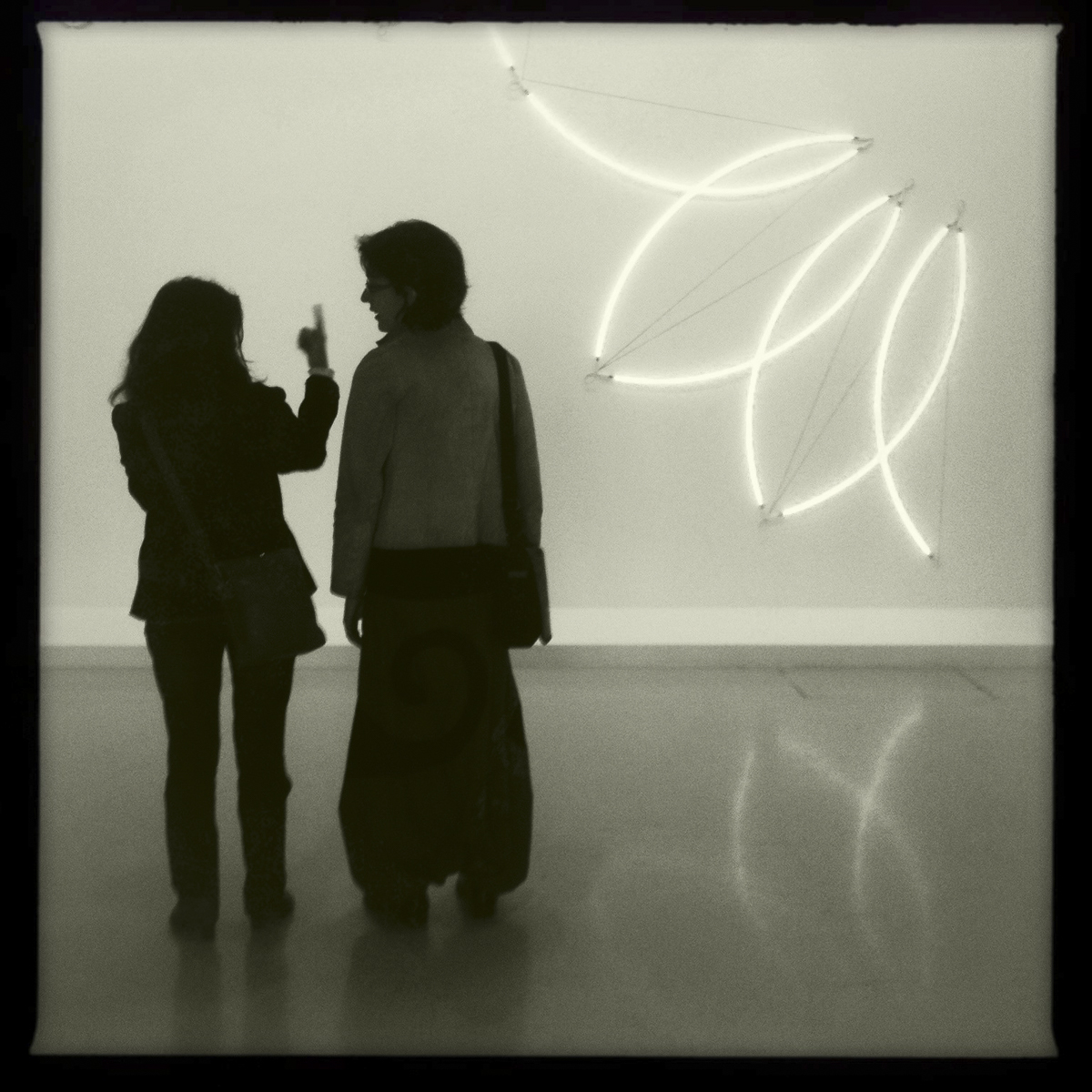
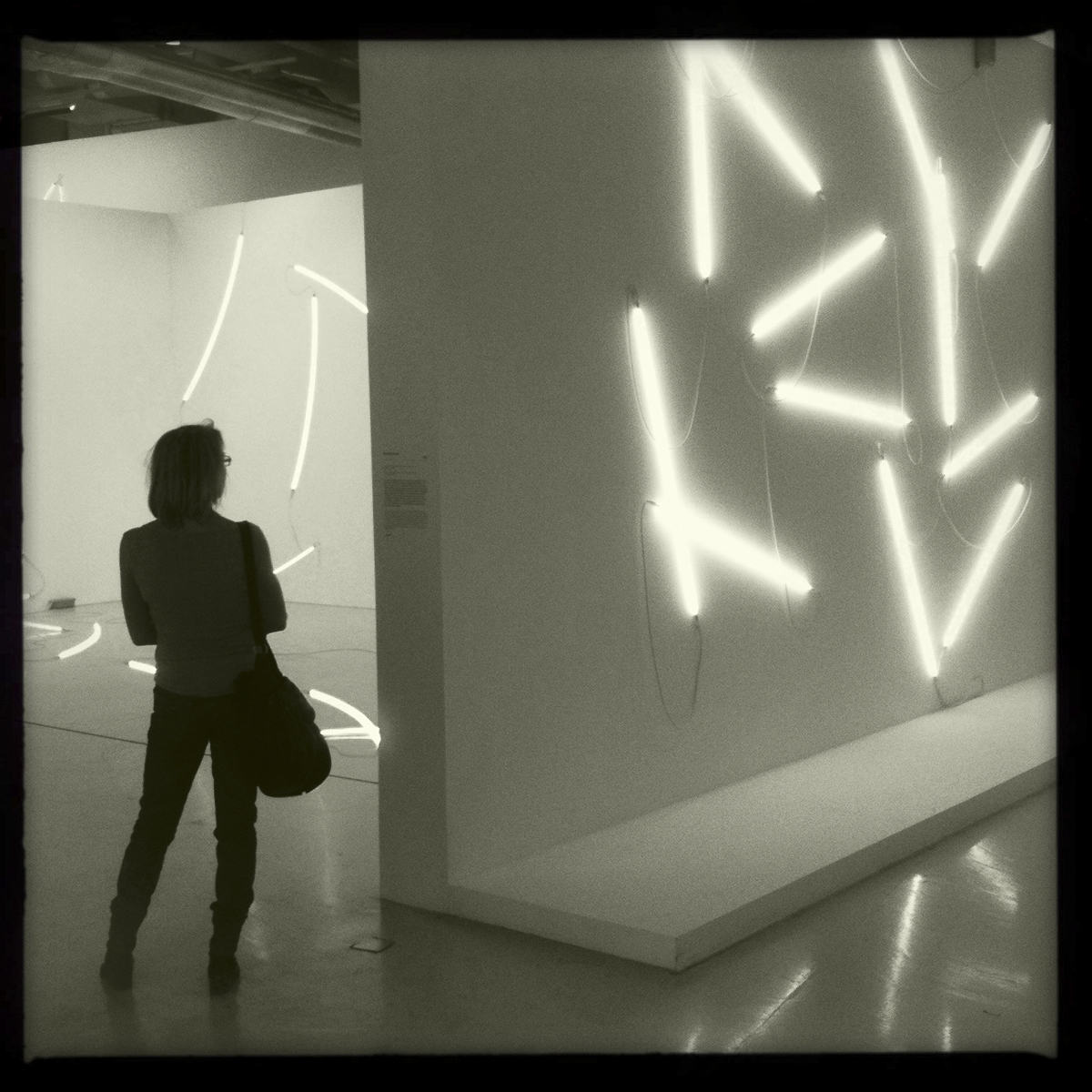
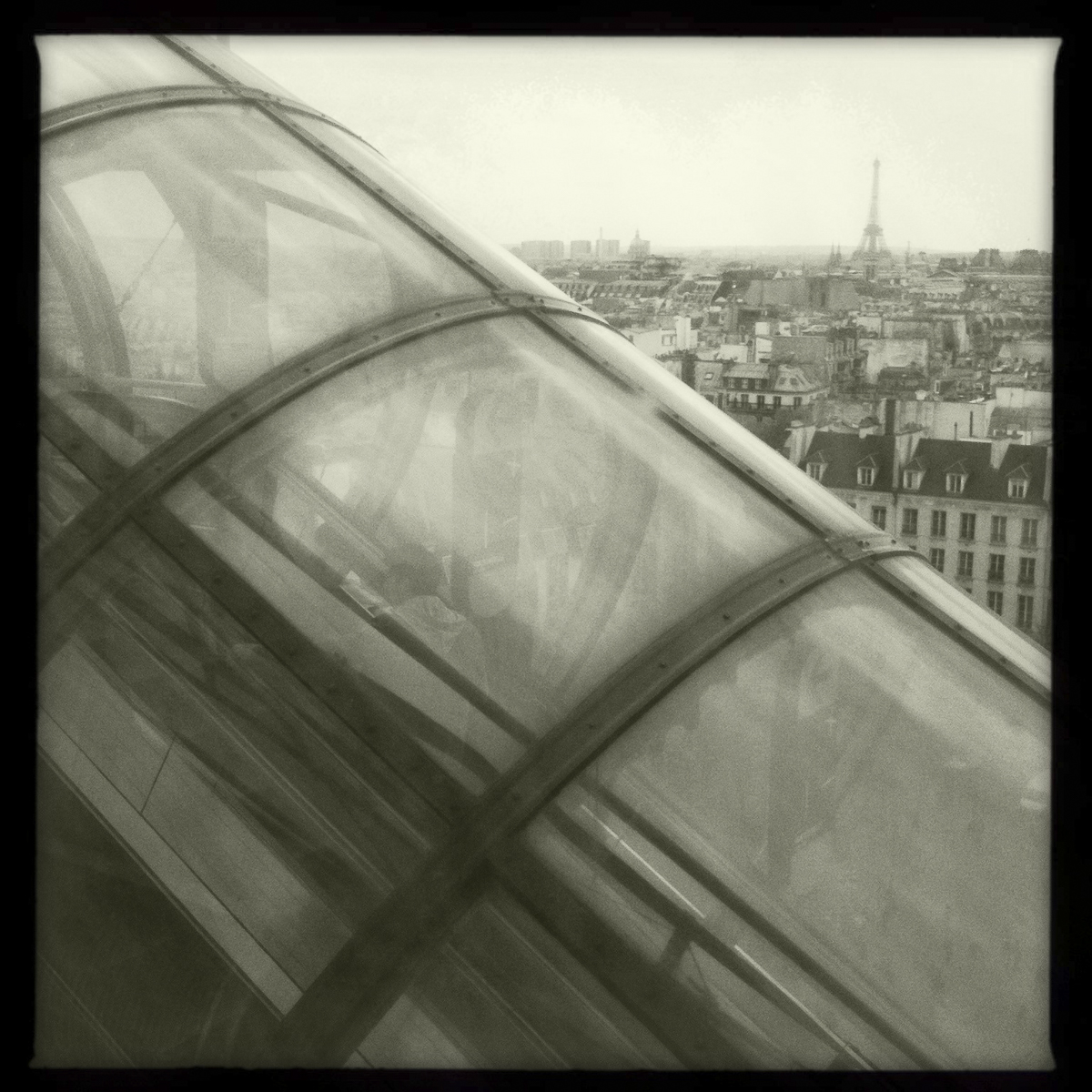
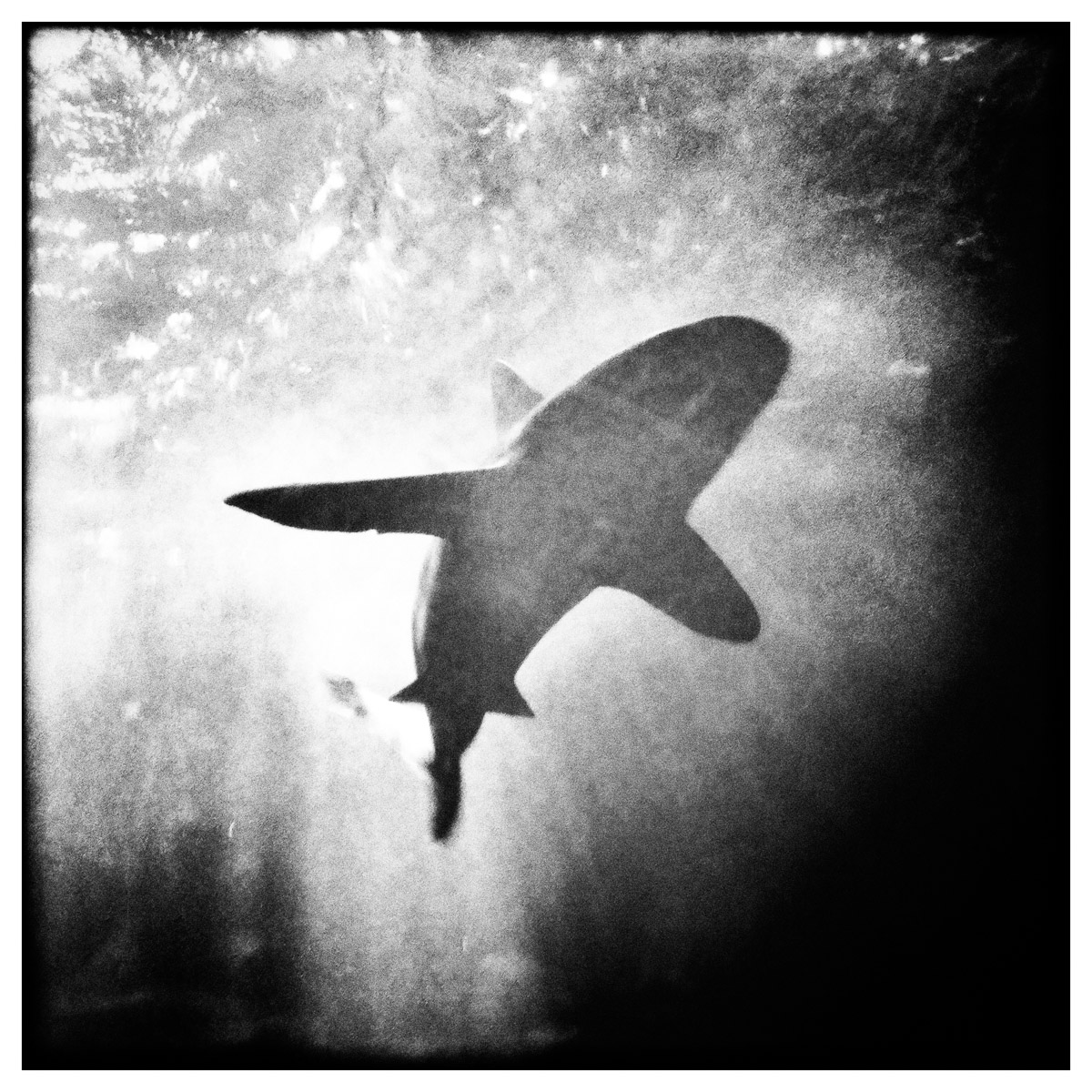
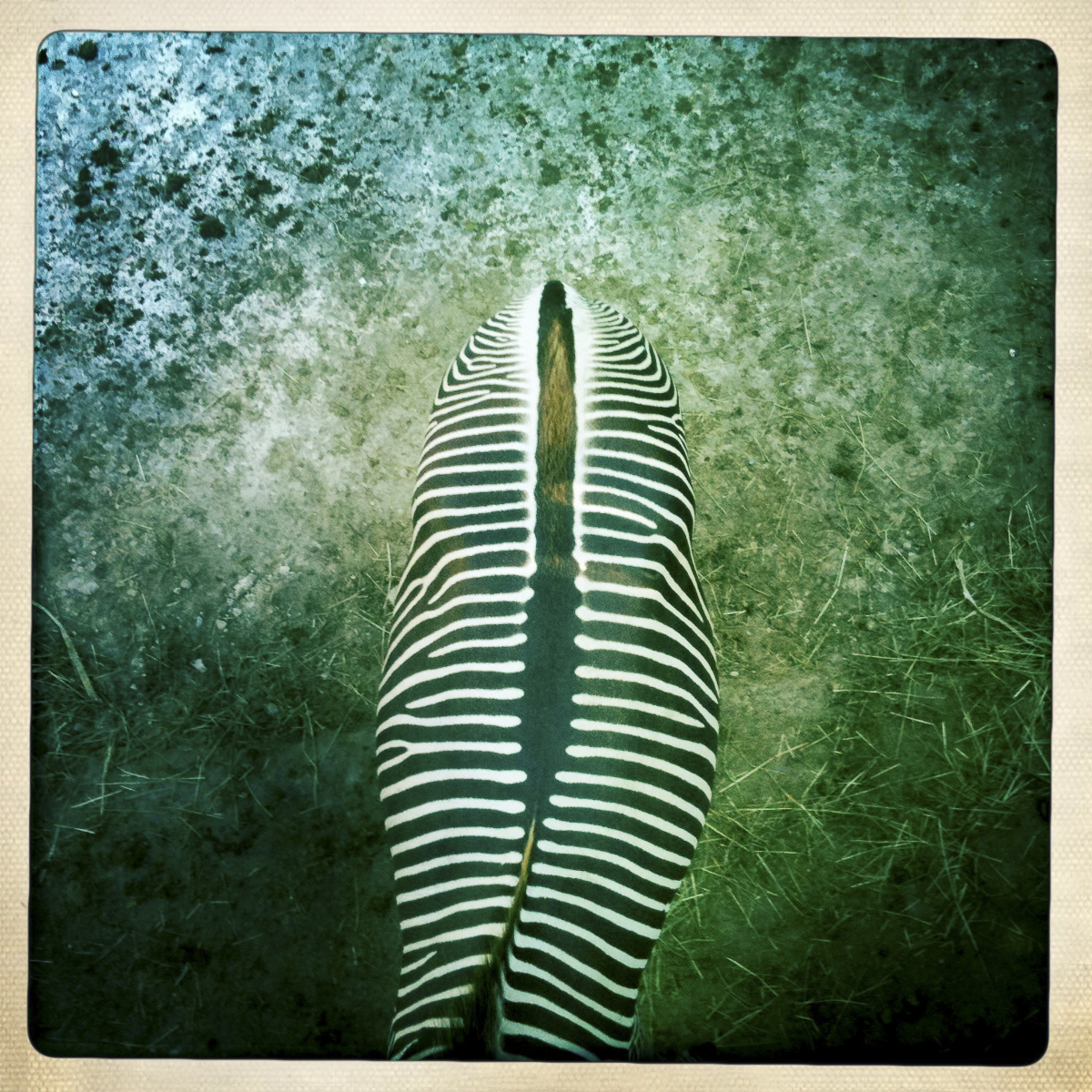
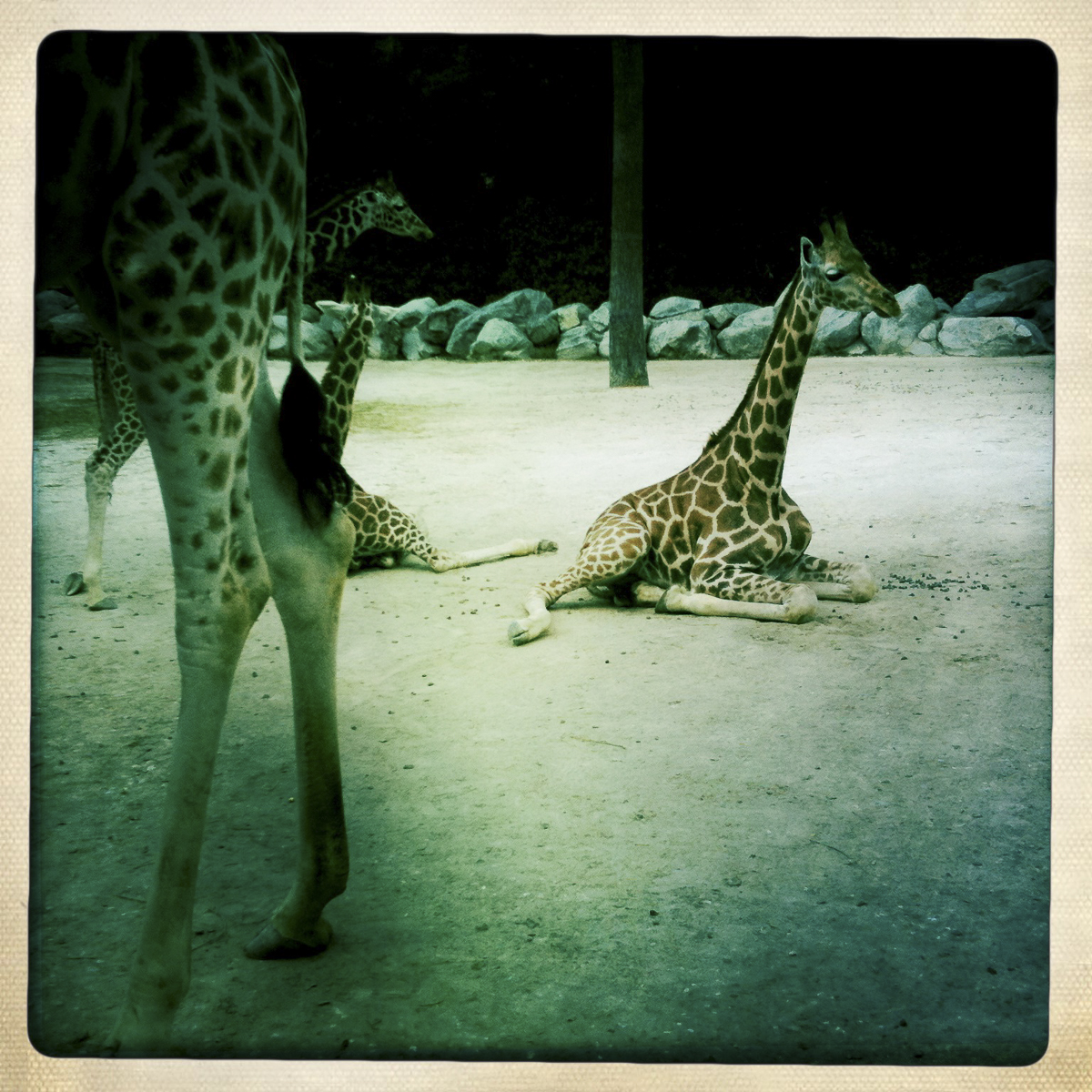
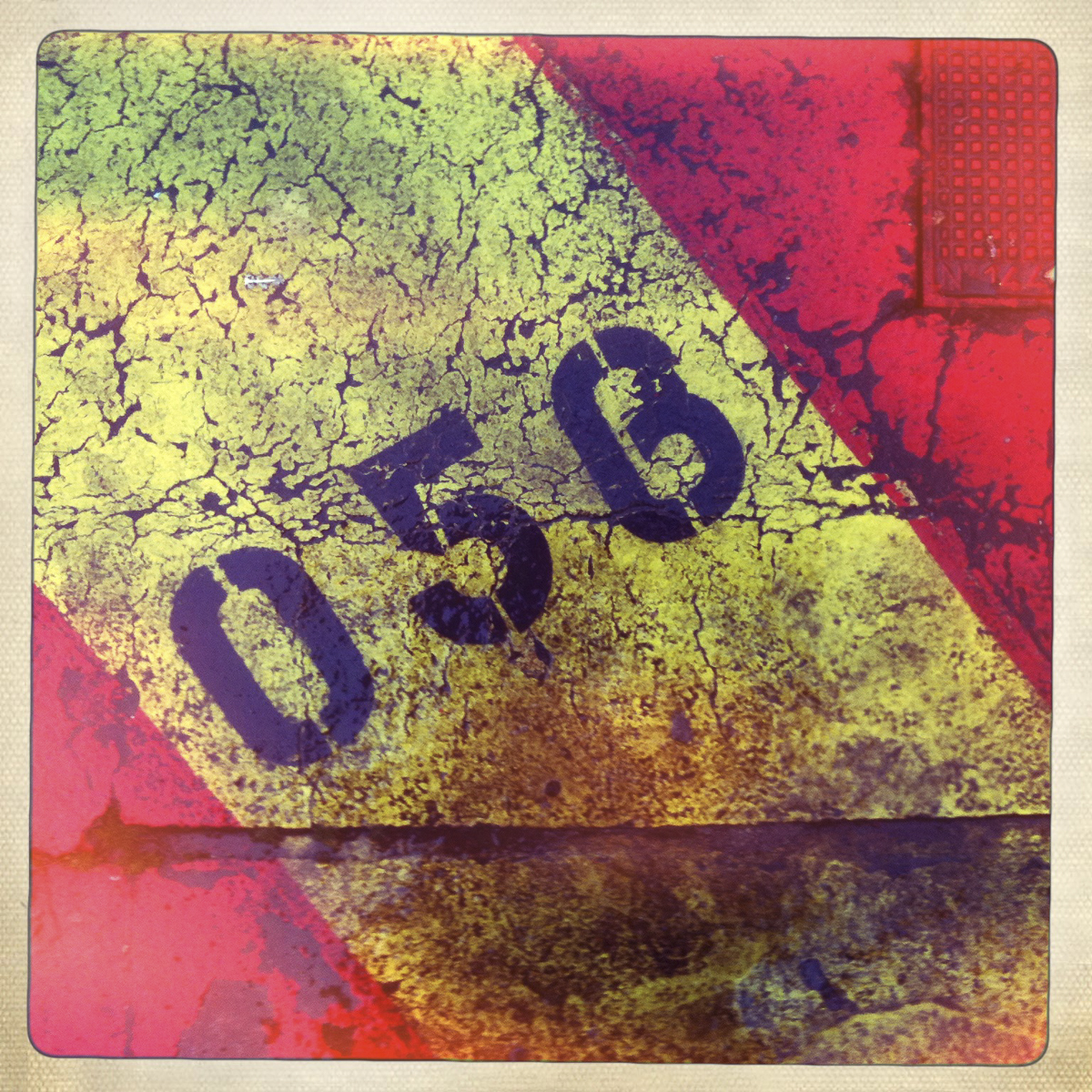
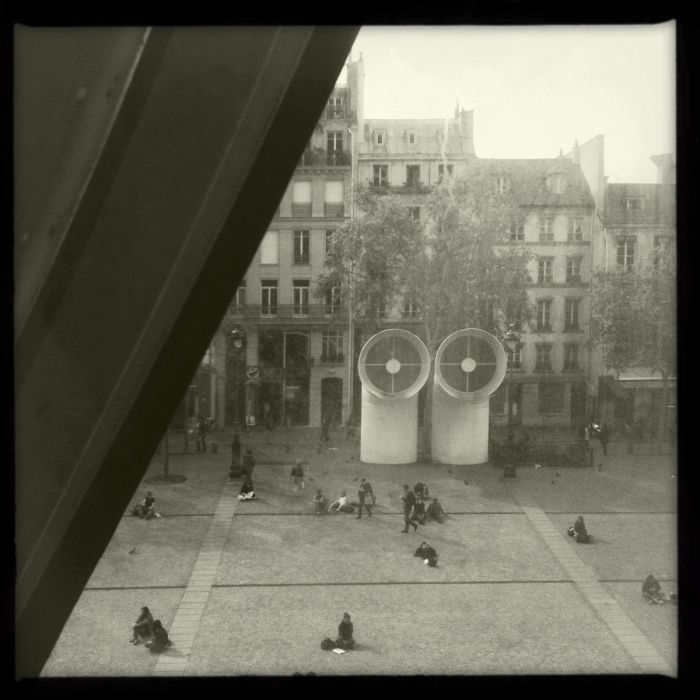
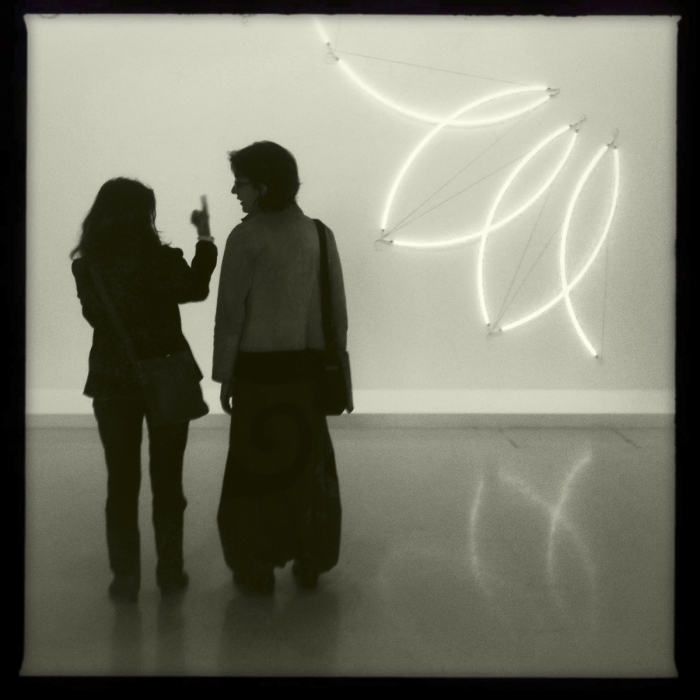
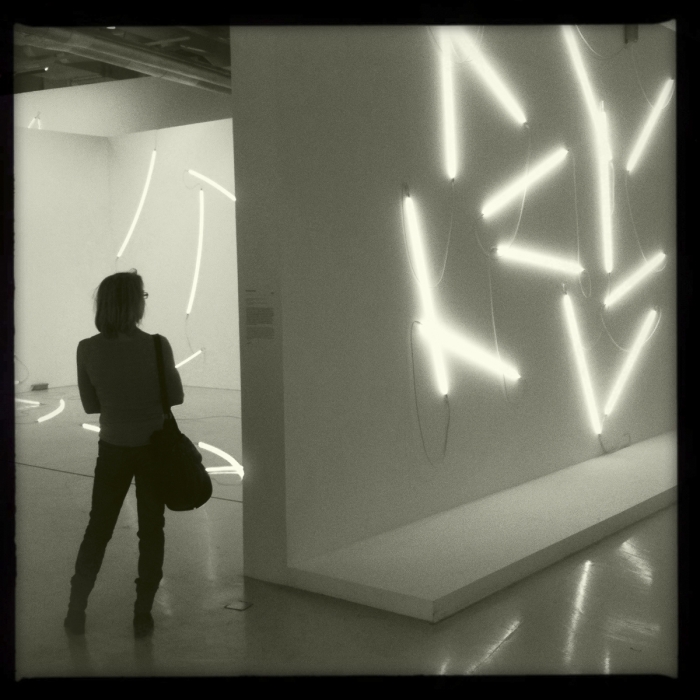
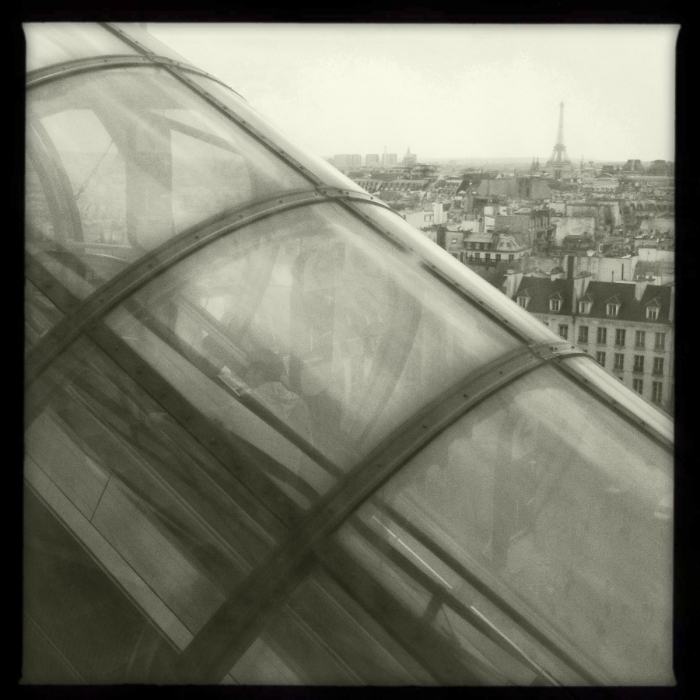
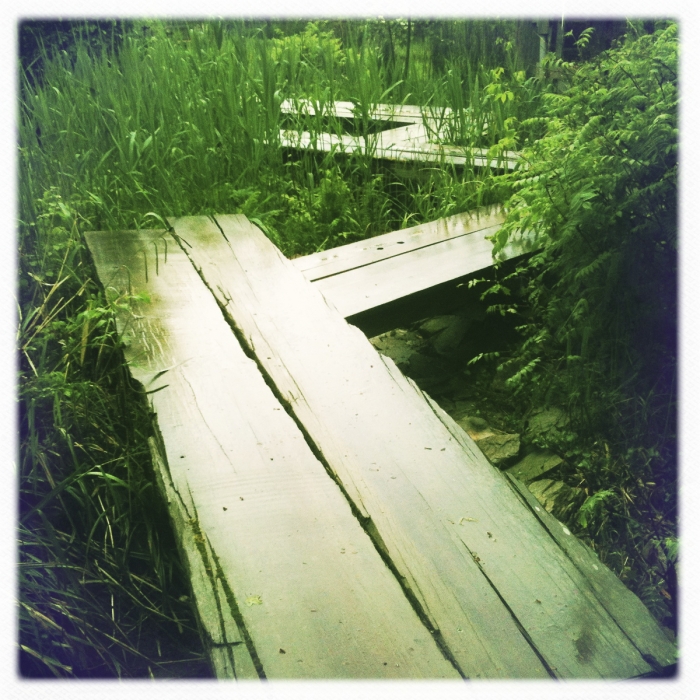
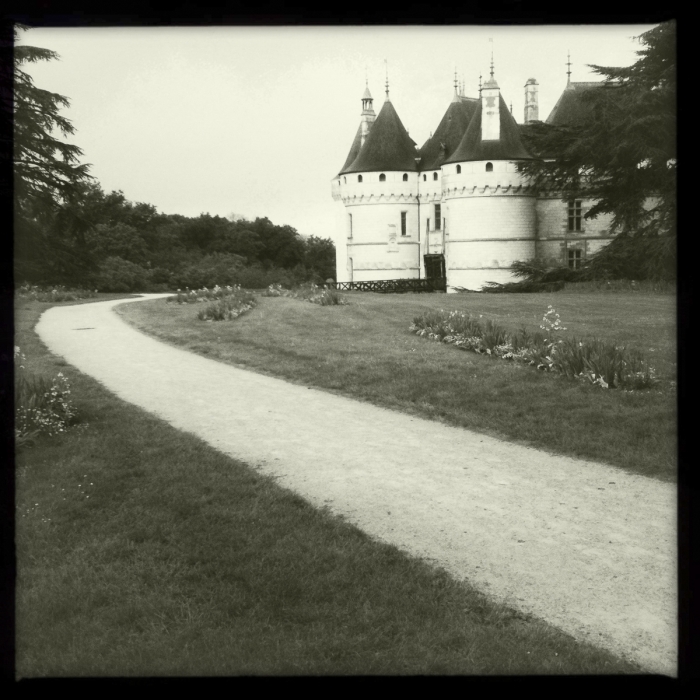
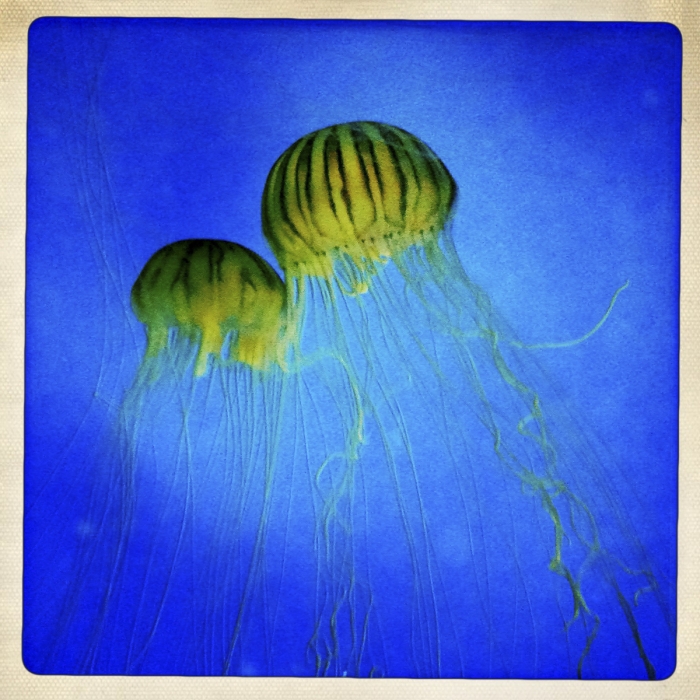
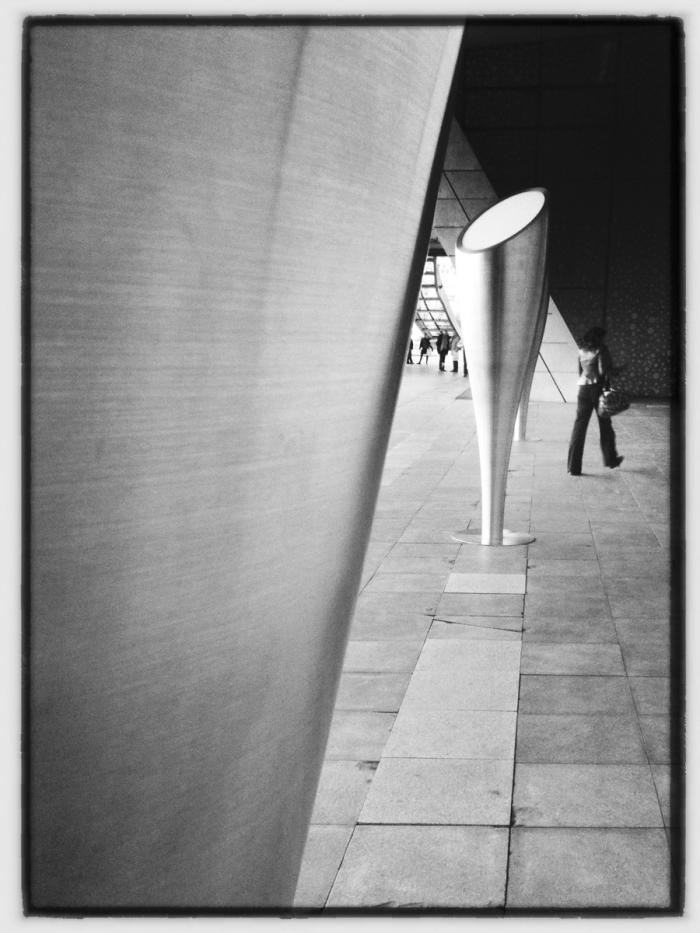
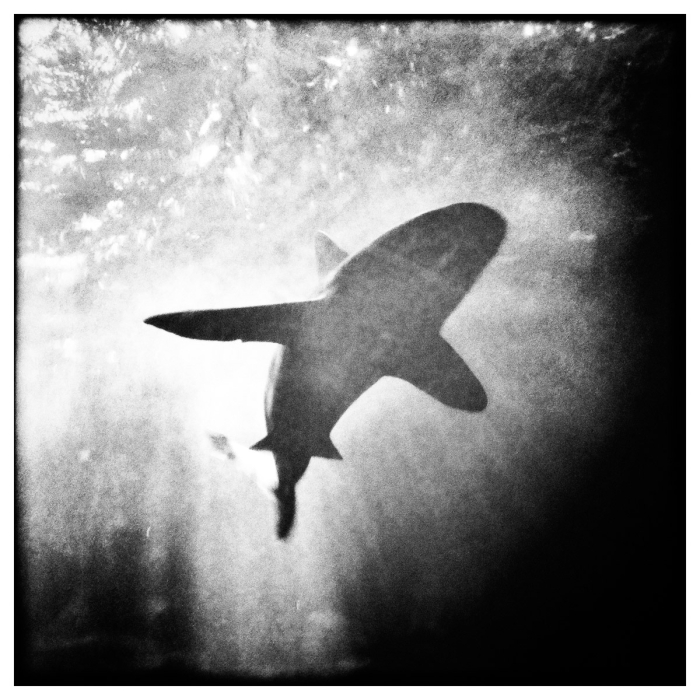
I used Hipstamatic a lot myself, first with the iPhone 3GS, then with the 4S. The idea was simple: recreate an atmosphere close to certain Holga images, without the long workflow of film, development, and scanning. In the moment, it was fun, even exhilarating.
With hindsight, it’s more nuanced. Some of those images have become hard to revisit, because the look is too strong, too tied to a trend, and often applied destructively to a compressed file.
This isn’t just about two models
It matters to say this clearly: the topic isn’t only about the Instax mini Evo Cinema and the Fujifilm X Half. Fujifilm has long offered “signature” renderings across much of its lineup through film simulations and, for those who want to go further, through custom recipes and image settings.
And Fujifilm isn’t alone. Other brands also offer built-in looks and profiles. Nikon, for example, has a comparable approach with Picture Controls, including Creative Picture Controls on certain cameras, which let you stylize the rendering straight out of camera.
In other words, this isn’t a brand comparison, but a question of method: when does a look reinforce an intention, and when does it trap you in a ready-made aesthetic?
The real risk: photo archives that become irreversibly dated
The issue isn’t liking a style, or wanting to “tint” a period of your life. The issue is when the effect replaces intention - and especially when it becomes irreversible.
Many filters produce heavily stylized JPEGs that override the original image: colors already “baked in”, frozen contrast, lost detail, artificial skin and skies, and sometimes added blur that becomes tiring over time. The result can look appealing today, then feel dated tomorrow - while still being the only trace of an important moment.
Another point people often forget: the grain, color casts, and optical imperfections these looks imitate came from real technical limitations in the 20th century. Very often, photographers of that time would have dreamed of better film, better optics, and a more faithful reproduction. Recreating those “flaws” can be a valid artistic choice, but it should be a choice, not an automatic default.
When trends loop back on themselves
One detail shows how fast taste can shift. Around 2010, the trend was obvious, highly visible filters, Hipstamatic and Instagram-style. Then, about a decade later, the opposite aesthetic came back, especially among younger users looking for images that were less “optimized”, less smoothed, more raw, like those produced by older smartphones.
For instance, there was renewed interest in the iPhone 3GS, not for performance, but for a rendering seen as more “vintage” and more “real” than some heavily processed images from recent phones. Proof that trends and tastes cycle, and that an era’s “unfiltered” look can become fashionable again a few years later.
Instax mini Evo Cinema: instant effect, fully embraced
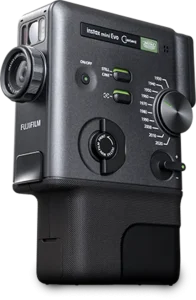
The Instax mini Evo Cinema leans into instant gratification. It’s a hybrid object - halfway between a camera, a video camera, and a printer. Fujifilm pushes the concept further with a “decades” logic via the Eras Dial: 10 effects (1930 to 2020) with an adjustable intensity.
On the technical side, the approach is clearly “memory-first”:
- Sensor: 1/5-inch CMOS, approx. 5 MP
- Photo: 1920 x 2560 pixels, JPEG
- Lens: 28mm (35mm equivalent), f/2.0
- Video: 24p, standard mode 600 x 800, and a higher-quality mode listed up to 1080 x 1440 depending on configuration
- Storage: internal memory and microSD up to 256 GB
- Printing: 1600 x 600 dot exposure, about 16 seconds per print
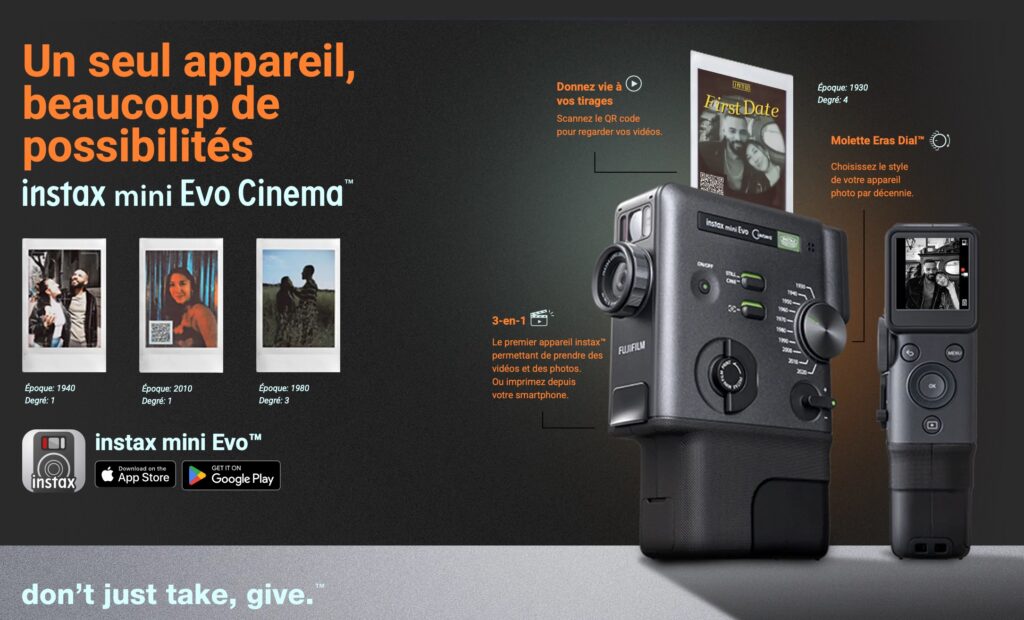
Important: on this kind of memory-oriented device, the look is typically saved directly into the JPEG. That means the chosen effect (grain, tint, decade look) is “baked in.” Unlike shooting RAW + JPEG, you don’t necessarily keep a neutral base you can return to later.
My take: it’s a “moments machine”, extremely effective if your goal is to produce an object, a trace, a printed memory. But you need to accept a structural limitation: when style is part of the process, you often give up a truly neutral version you can reuse later.
The Fujifilm X Half follows a different logic: less “memory object”, more “camera”, even if the intent remains to offer strong looks straight out of camera.
Fujifilm X Half: a vintage look with more control
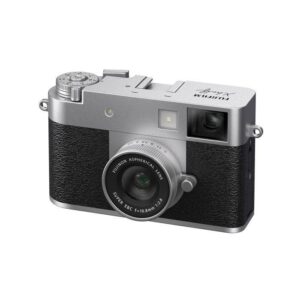
The Fujifilm X Half sits in a different place. It keeps the “vintage” spirit, but brings stronger photographic fundamentals: a 1-inch sensor, higher resolution, exposure modes (P, A, S, M), and above all Fujifilm’s ecosystem of film simulations and image settings (grain, rendering, recipes).
A few useful technical reference points:
- Sensor: 1-inch (13.3 x 8.8 mm), 17.74 MP
- Lens: 32mm (35mm equivalent), f/2.8
- Controls: P, A, S, M, exposure compensation up to plus or minus 3 stops for stills
- Simulations: 13 modes (Provia, Velvia, Classic Chrome, Classic Neg, Nostalgic Neg, Eterna, Acros, Sepia, etc.)
- Video: Full HD with bitrates listed up to 50 Mbps, 24p, plus high-speed modes depending on format
The key point isn’t the full spec list, it’s the use: with this kind of camera, you can play with looks while keeping a more “photographic” approach, and therefore something more durable for your archives.
Quick comparison: what really matters
| Key point | Instax mini Evo Cinema | Fujifilm X Half |
|---|---|---|
| Philosophy | Memory object, instant printing, decade look | Compact camera, vintage look, more control |
| Sensor | 1/5-inch, approx. 5 MP | 1-inch, 17.74 MP |
| 35mm-equivalent focal length | 28mm | 32mm |
| Max aperture | f/2.0 | f/2.8 (down to f/11) |
| Formats | JPEG | JPEG (with Fuji-style rendering via simulations) |
| Built-in looks | Eras Dial, 10 decades, adjustable intensity | Film simulations, creative filters, grain and settings |
| Video | 24p, modest resolutions, 2.5 to 9 Mbps | Full HD, 24p, up to 50 Mbps listed |
| Printing | Yes, Instax mini | No |
| Weight | Approx. 270g (without film or card) | Approx. 240g with battery and card |
My tips for having fun without sacrificing your photos
I’m not opposing creativity and quality. I simply think you need to stay in control, especially when you’re photographing everyday life, family, travel, everything that will become a personal archive.
The simple solution: keep a non-destructive original
If you want to enjoy a vintage look without locking your images, the ideal is to choose a camera that offers RAW + JPEG. The idea is simple: you get a stylized JPEG ready to share, and at the same time a RAW file that keeps a usable base (color, white balance, dynamic range) if you change your mind years later.
Many modern cameras offer this approach no matter which look you pick: image profiles, Picture Controls, creative styles, film simulations. The principle stays the same: a look for immediate pleasure, and a source file for freedom.
1) Keep a neutral version
If you enjoy vintage looks, great. But if possible, keep a more neutral image too - or at least a less aggressive interpretation. Trends change. Your memories remain.
2) Filters won’t save a boring photo
A filter doesn’t replace light, framing, or timing. It can reinforce an intention, not create a photo out of nothing. And when too many people use the same recipes, everything starts to look the same.
3) Use vintage as a choice, not a reflex
Grain, color casts, halos, “flaws” can be a language. But that language must serve the subject. Otherwise it’s just a decorative layer applied to everything, and you eventually get tired of it.
4) Think “archive” before “hype”
My Hipstamatic experience taught me one simple thing: years later, it’s frustrating to sort through an entire period of overly stylized photos. You sometimes regret not keeping a cleaner base. Vintage is fun, but it can become a lock.
Conclusion
The Instax mini Evo Cinema and the Fujifilm X Half show two visions of the vintage look. One prioritizes the object and the instant; the other prioritizes photography and continuity. In both cases, the key is knowing what you want: an instantly printed, fully embraced souvenir - or images that will still feel readable and enjoyable in ten, twenty, thirty years.
That doesn’t mean you should never recreate an older visual style. On the contrary, it can be a real artistic choice. But the iPhone 3GS example is telling: yesterday’s rendering can become desirable again tomorrow, sometimes precisely because it wasn’t over-filtered.
And what if the real idea is this: tomorrow’s nostalgia won’t only be about recreating “80s looks” today. It will also be about the real aesthetic of our time - the look of today’s sensors, today’s processing, today’s colors. In twenty or thirty years, that rendering will likely become a “period” too, something others will want to bring back.
That’s also why it’s better to keep a non-destructive base: tastes evolve, and what you find “too neutral” today may become exactly the look people want tomorrow.
My personal approach is simple: capture clean with modern gear, then alter if needed, while keeping a way back. That way, you get the fun of filters without sentencing your photos to a single, locked-in style.
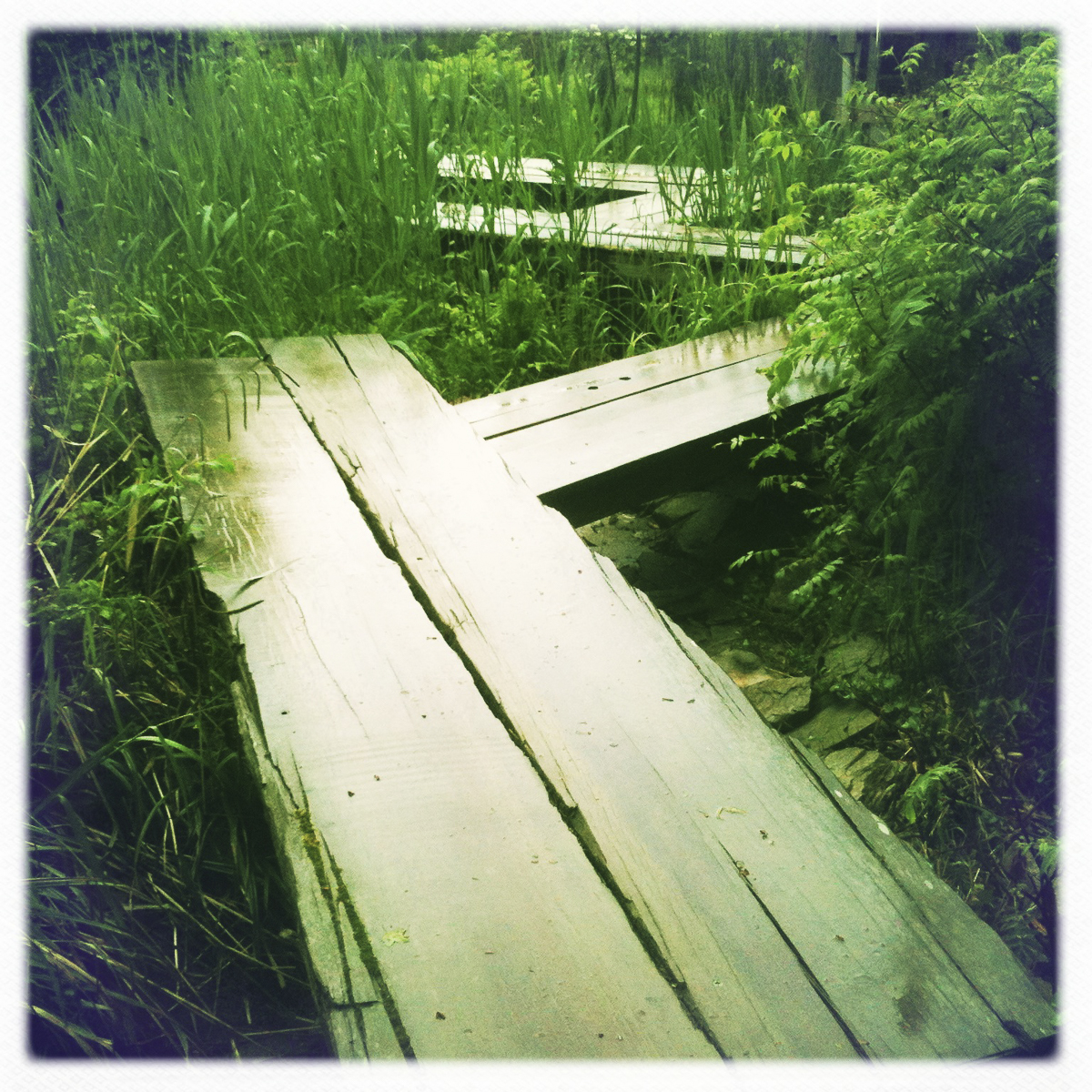
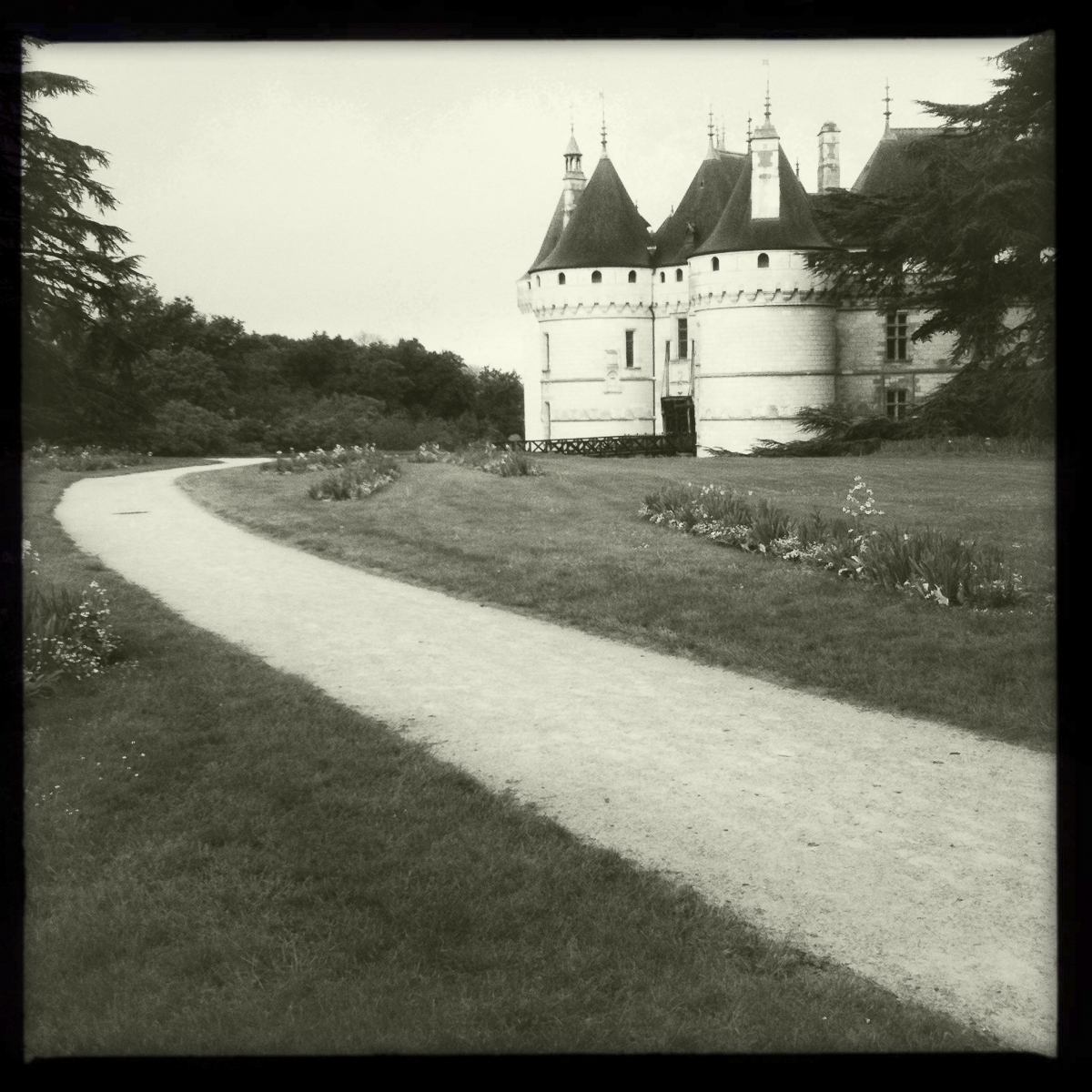
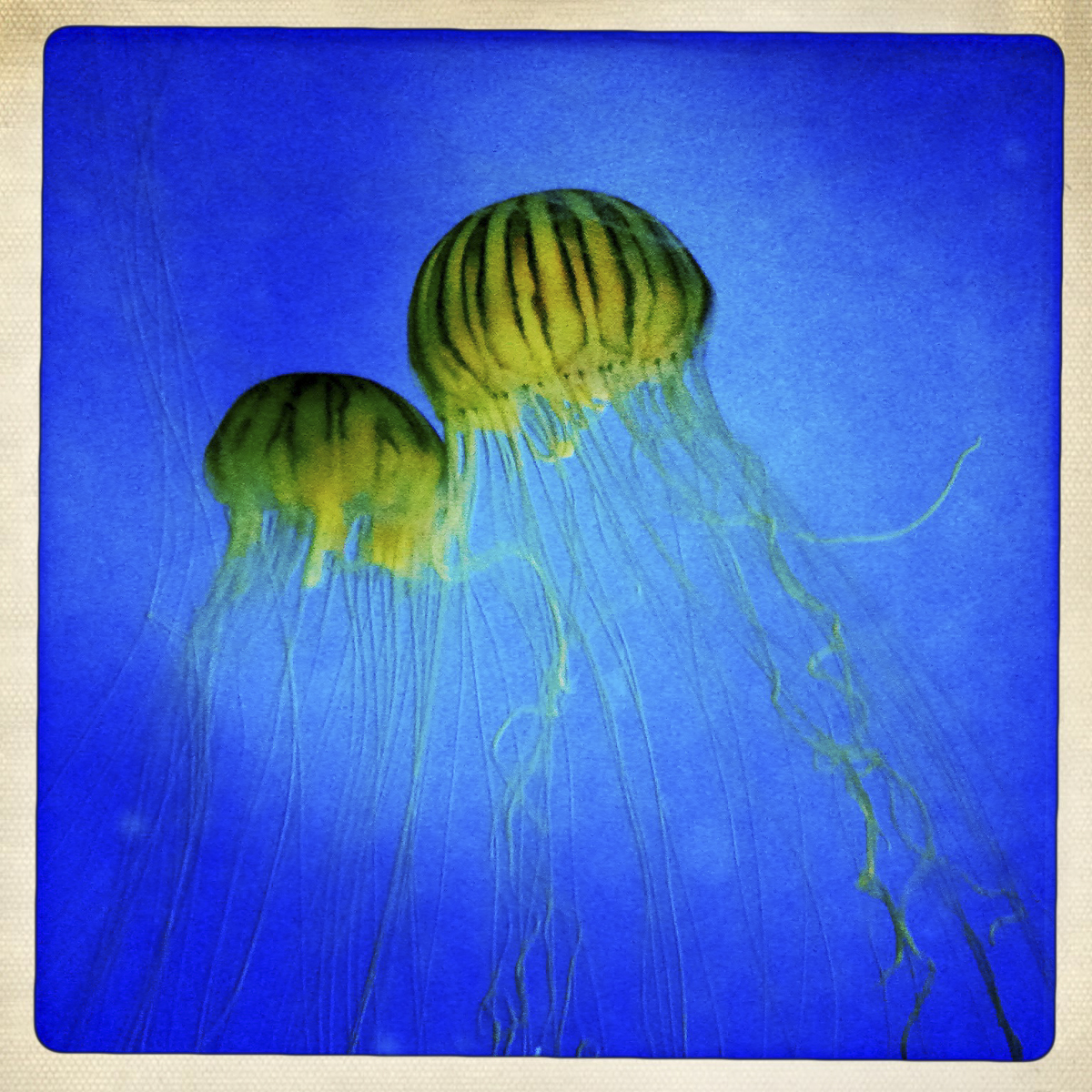
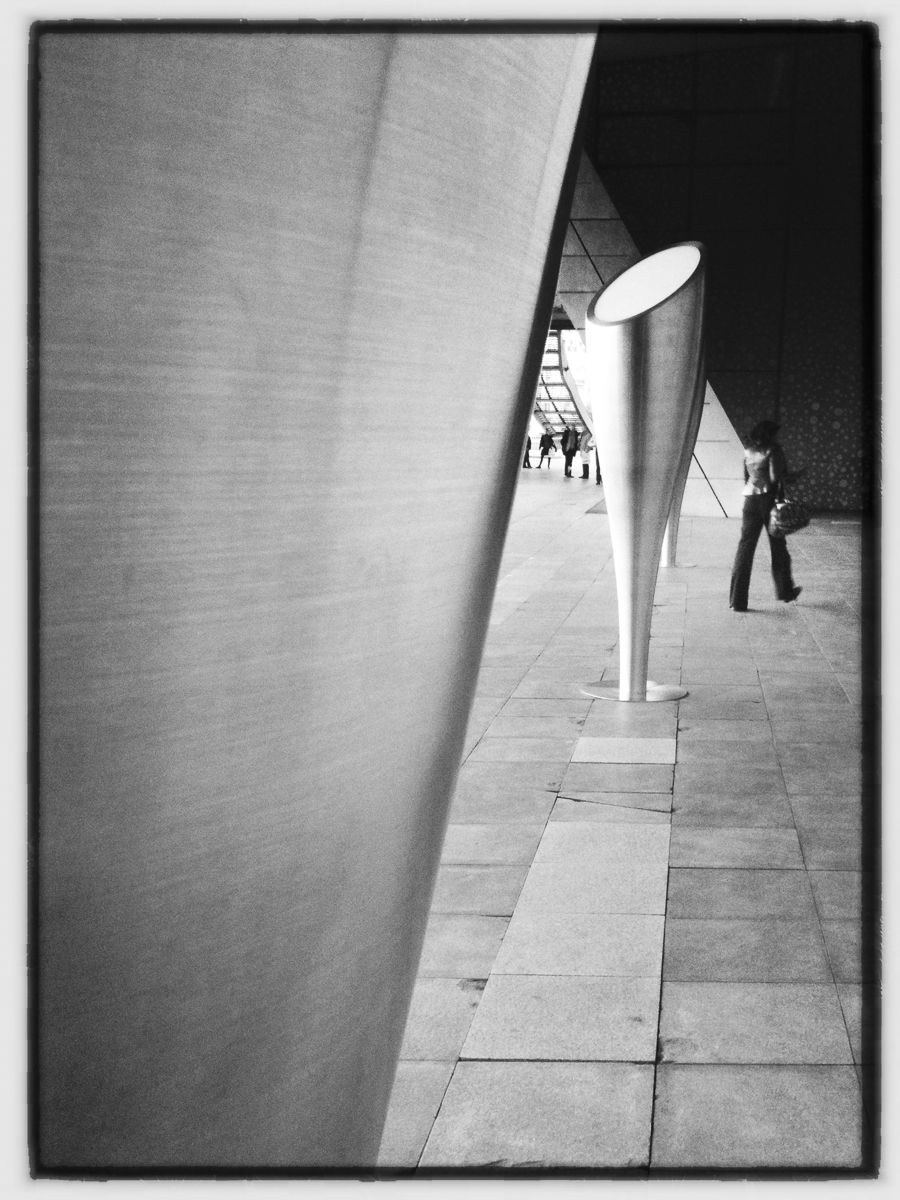
Gallery of iPhone-era Hipstamatic images, to illustrate a dated look and its limits
Click the photos below to view them full screen.

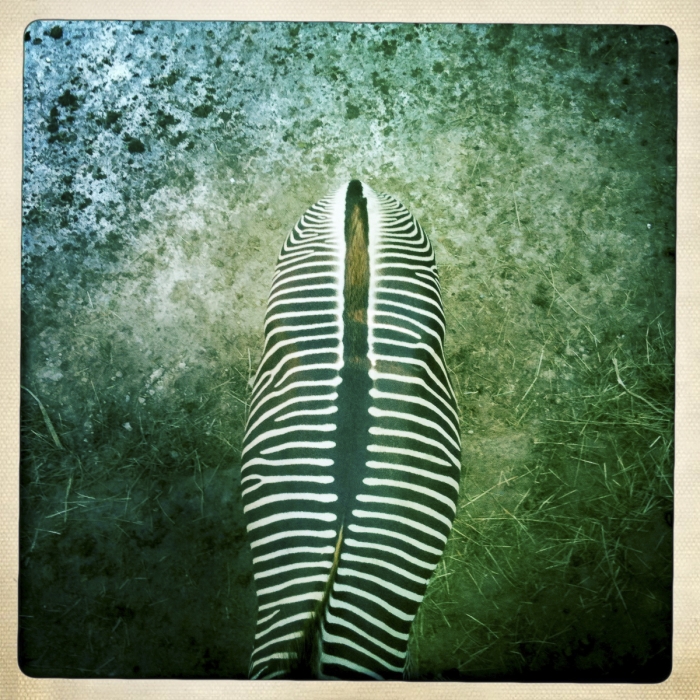
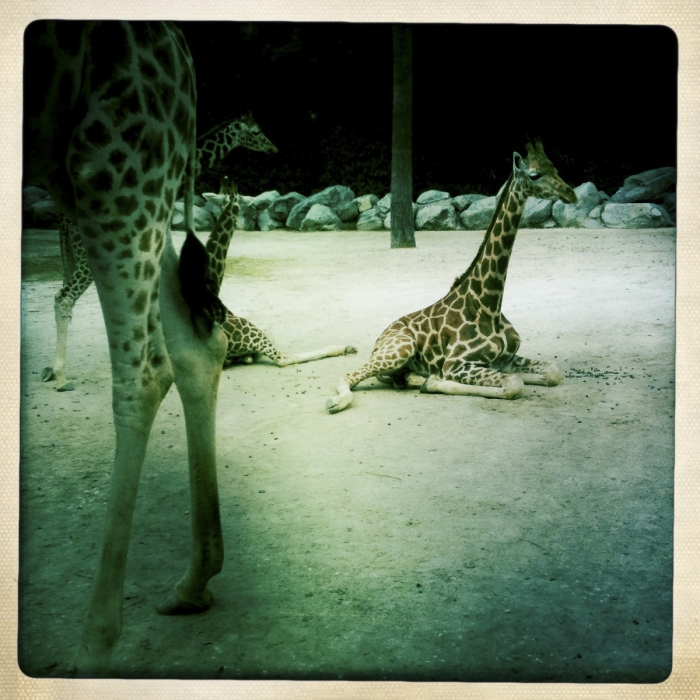
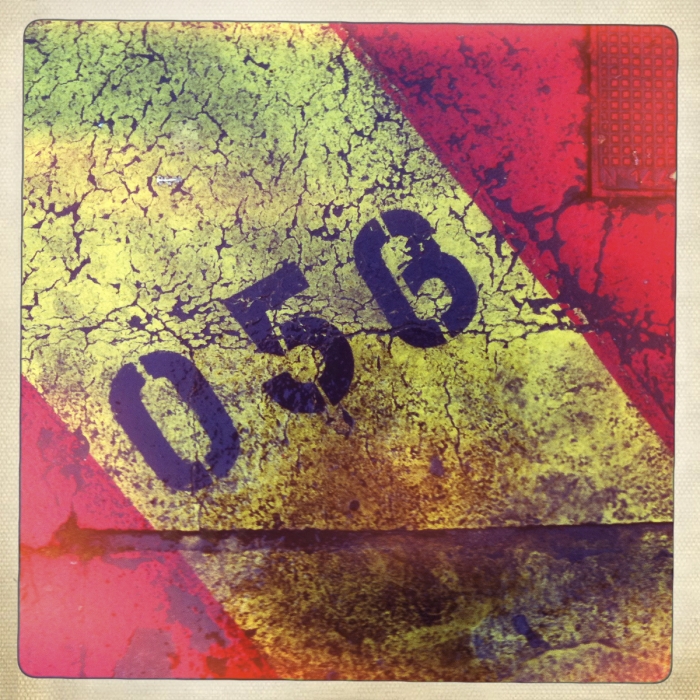
All the photos on this website are protected by copyright © Sebastien Desnoulez. No use is permitted without the author’s written approval.
Legal notice
About the Author
Sebastien Desnoulez is a professional photographer specializing in architecture, landscape and travel photography. Trained in photography in the mid-1980s, he covered Formula 1 races and reported from around the globe before devoting himself to a more demanding fine art photography practice blending composition, light and emotion. He also shares his technical expertise through hands-on articles for passionate photographers, built on a solid background in both film and digital photography.
Tags