

Nikon NIKKOR 500mm f/4 Ai-P IF-ED: the last professional manual super-telephoto lens from Nikon

Some lenses leave a lasting mark on a photographer’s career. The Nikon NIKKOR 500mm f/4 P IF-ED clearly belongs to that category. Designed in the late 1980s, this manual-focus super-telephoto lens represents a form of technical culmination. Even today, it remains an excellent option on the second-hand market for photographers seeking optical power, reliability, and complete control over image making.
A professional lens designed to last
Introduced by Nikon in 1988, the Nikon NIKKOR 500mm f/4 P IF-ED is a fixed focal length telephoto lens intended for professional photographers working in film photography, primarily in sports, wildlife, and press photography.
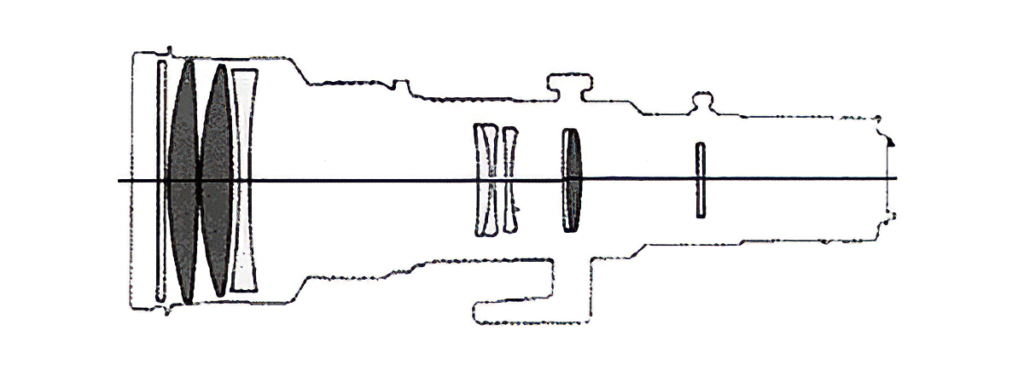
Its optical formula is based on 8 elements arranged in 6 groups, incorporating ED (Extra-low Dispersion) elements to limit chromatic aberrations, which are particularly critical at this focal length. The lens features internal focusing (IF), ensuring a constant physical length and better balance on a tripod.
The entire assembly is housed in a fully metal barrel, with an integrated tripod collar, designed to withstand intensive field use.
The “P” in Ai-P: a communicative manual lens
The letter P in the Nikon NIKKOR 500mm f/4 P IF-ED designation stands for Processor. Unlike older Ai-S lenses, this version incorporates an CPU (electronic chip) that transmits aperture information to the camera body.
This feature offers several advantages:
-
- fully functional metering on recent camera bodies,
- EXIF data recording,
- comfortable compatibility with modern Nikon DSLR bodies and Nikon Z mirrorless cameras via the FTZ or FTZ II adapter.
My field experience: from Le Mans to Formula 1
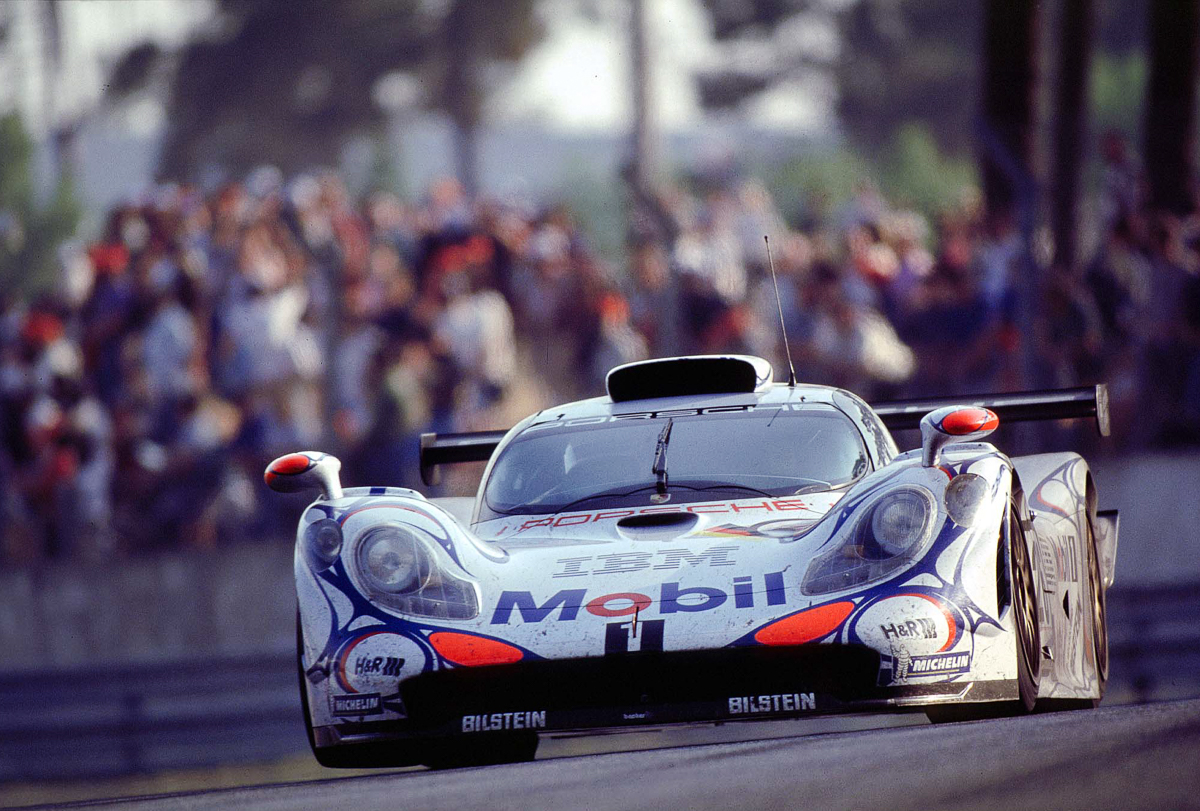
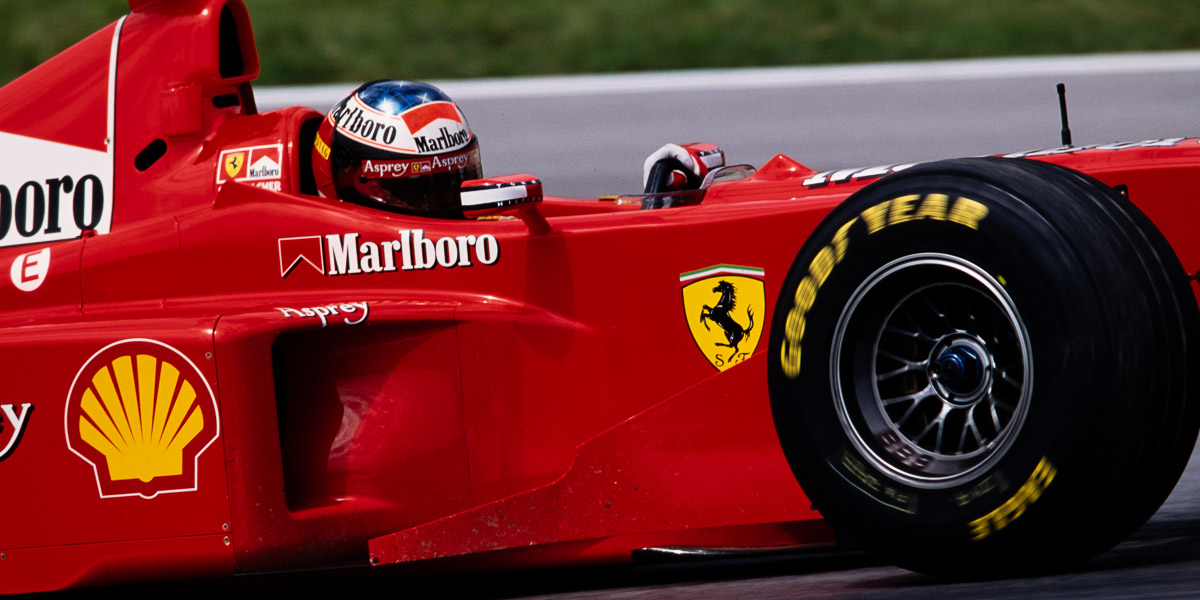
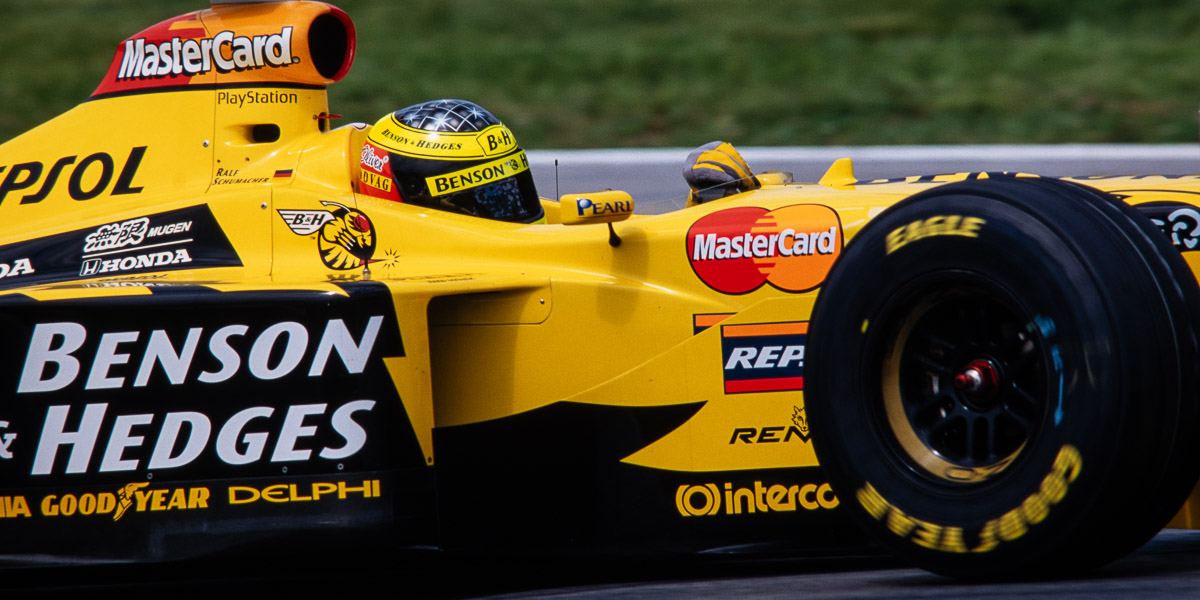
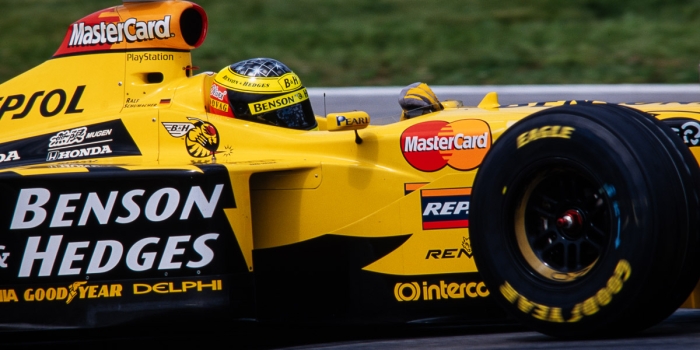
I purchased my first Nikon NIKKOR 500mm f/4 Ai-P in Indianapolis in May 1998, shortly after returning to Nikon with the F5, along with a TC-14 AF-I teleconverter.
At that time, in circuit motorsport photography, work was still largely done using manual focus. At 500mm, with proper anticipation and a precise reading of racing lines, the absence of autofocus was not a limitation.
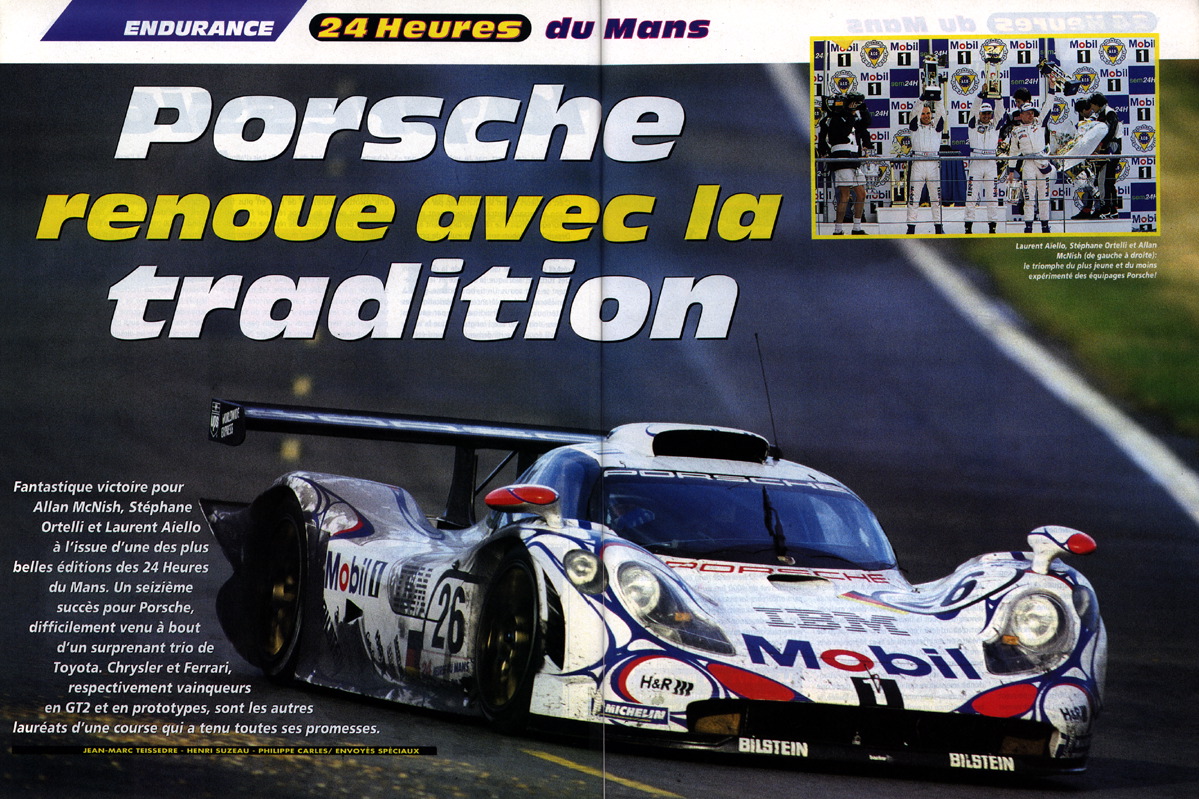
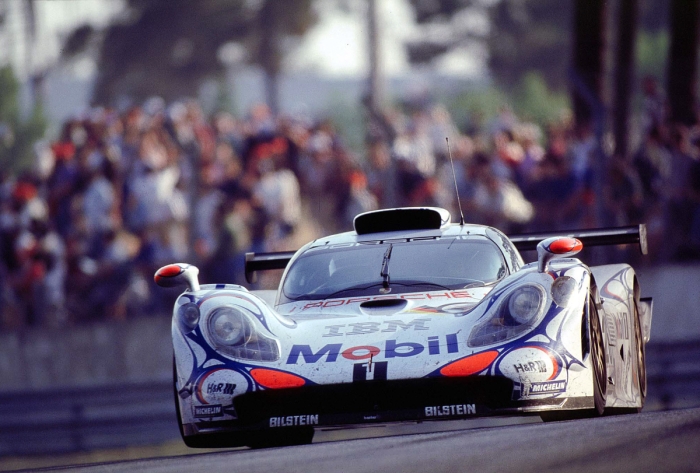
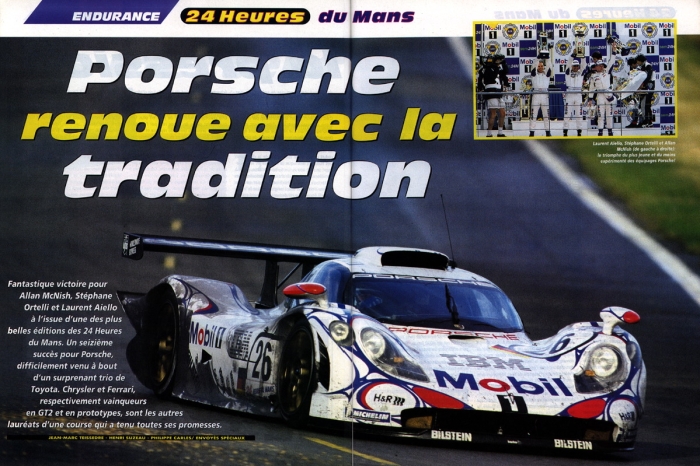
I used it the same year at the 24 Hours of Le Mans, notably to capture the photograph of the Porsche 911 GT1-98 on three wheels, as well as the image used for the double-page opening spread of the race report published in Auto Hebdo. These are two different photographs, taken during the same weekend with the same lens.
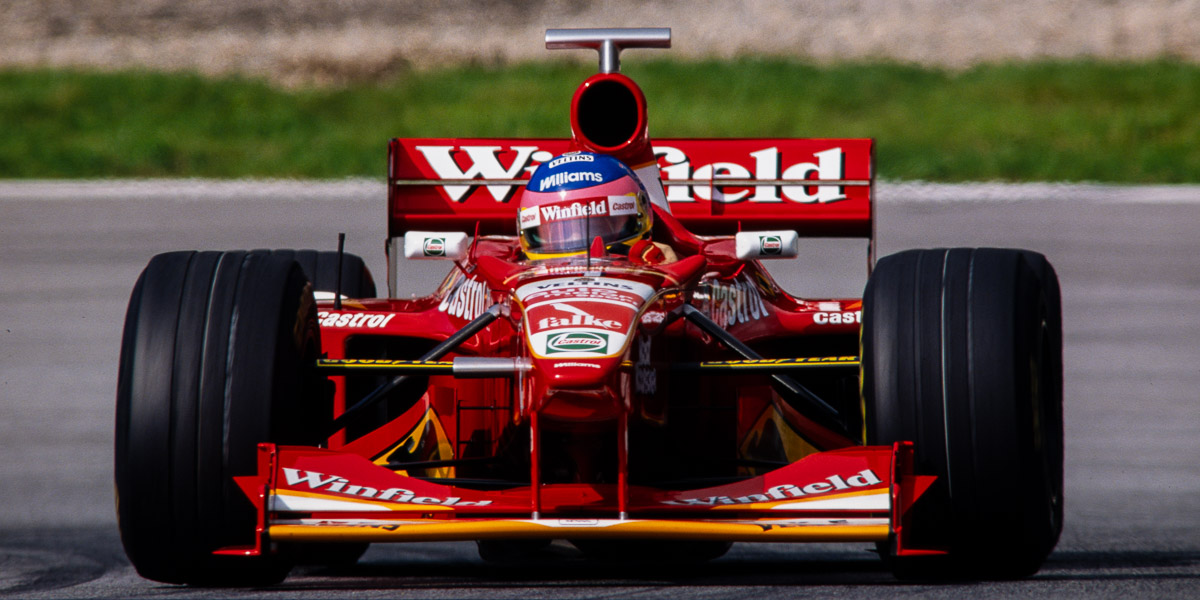
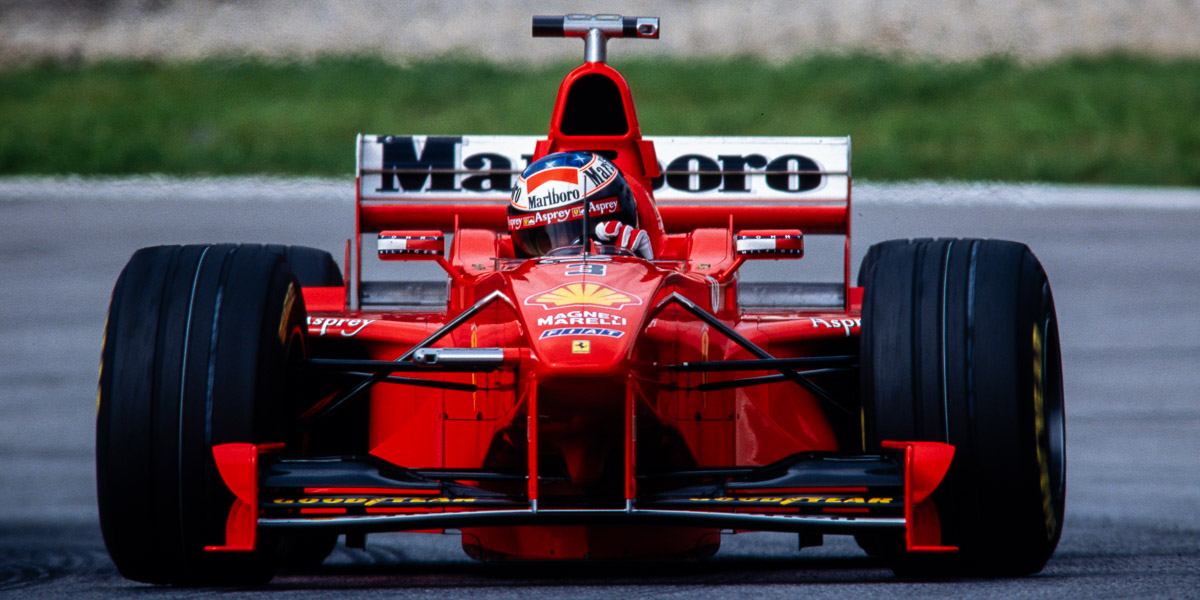
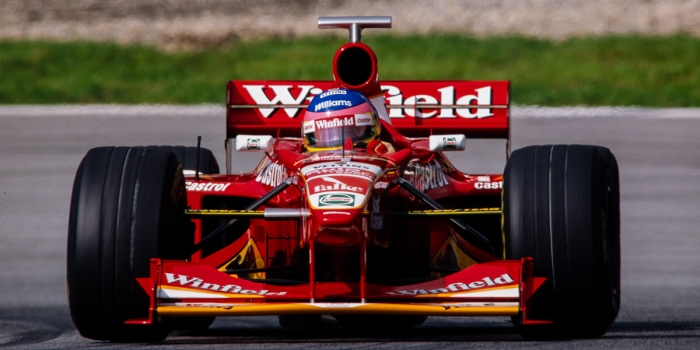
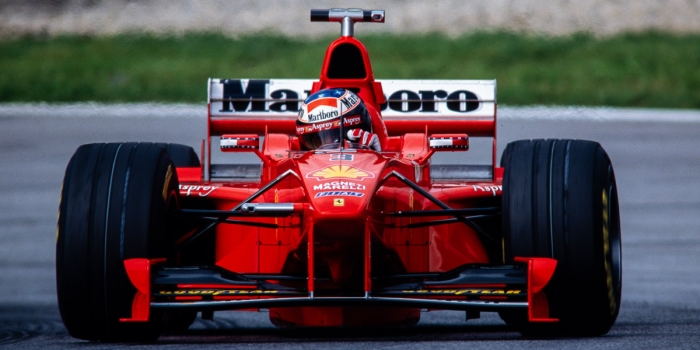
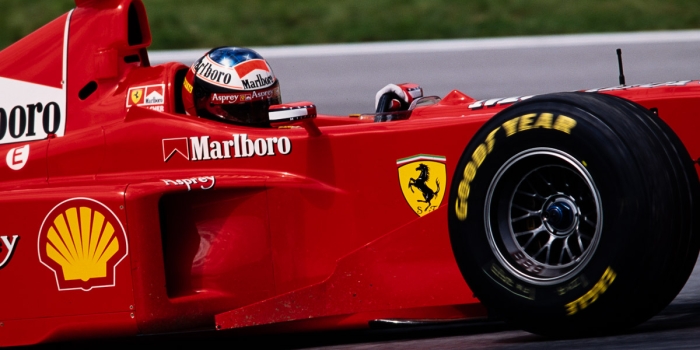
It also accompanied me during my last Formula 1 Grand Prix in Austria, again in 1998, and on several other circuit races until 2000.
When the DPPI agency switched from Canon to Nikon with the arrival of the Nikon D1, I sold this 500mm lens and began using the long lenses provided through the agency pool.
Mechanical reliability as a key argument
With hindsight, the Nikon NIKKOR 500mm f/4 P IF-ED now offers a decisive advantage over early autofocus generations.
It is the last Nikon 500mm lens entirely designed for manual focusing. This design makes it extremely reliable over the long term.
Without questioning the optical qualities of the AF-I, or AF-S versions, many of them are now no longer repairable. A failure of the autofocus motor can completely immobilize the lens, including manual focusing. I experienced this firsthand with a 500mm AF-S at the Indianapolis 500 in 2001, which failed without warning.
By contrast, the 500mm Ai-P remains mechanically simple and durable, as long as it is in good condition.
An unexpected return… then a new departure
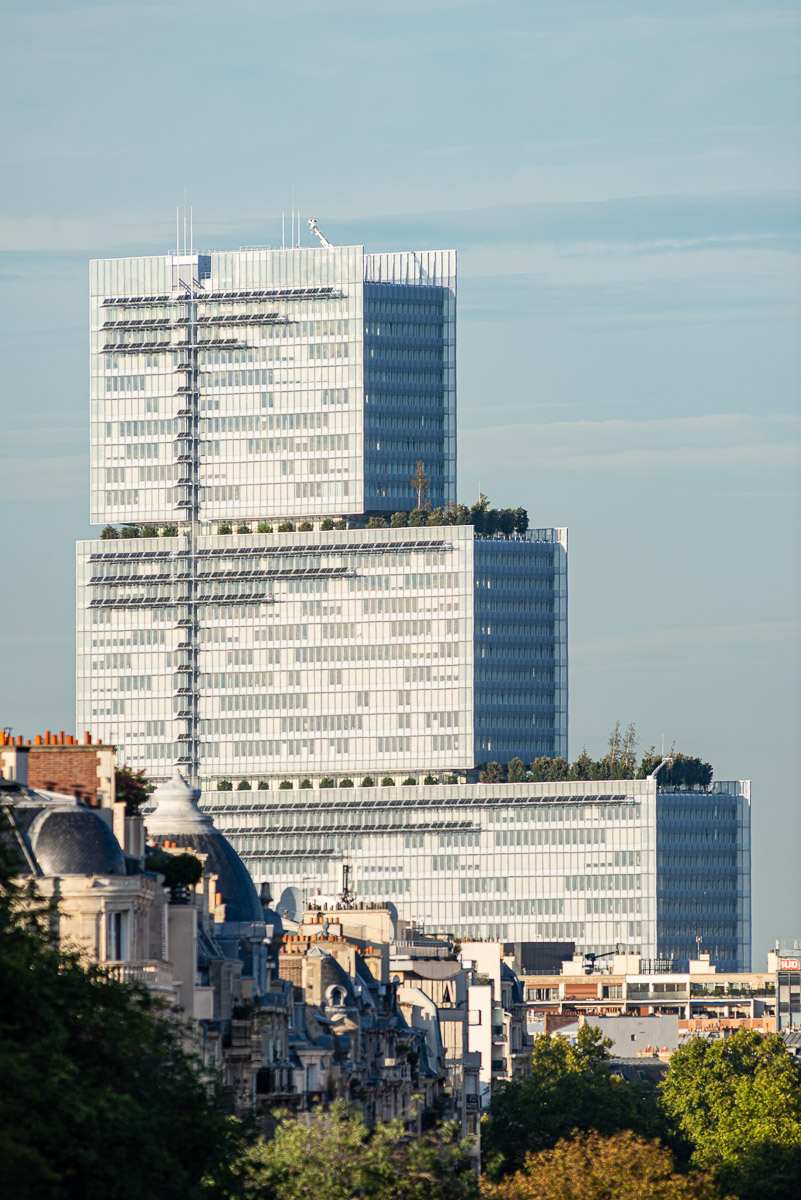
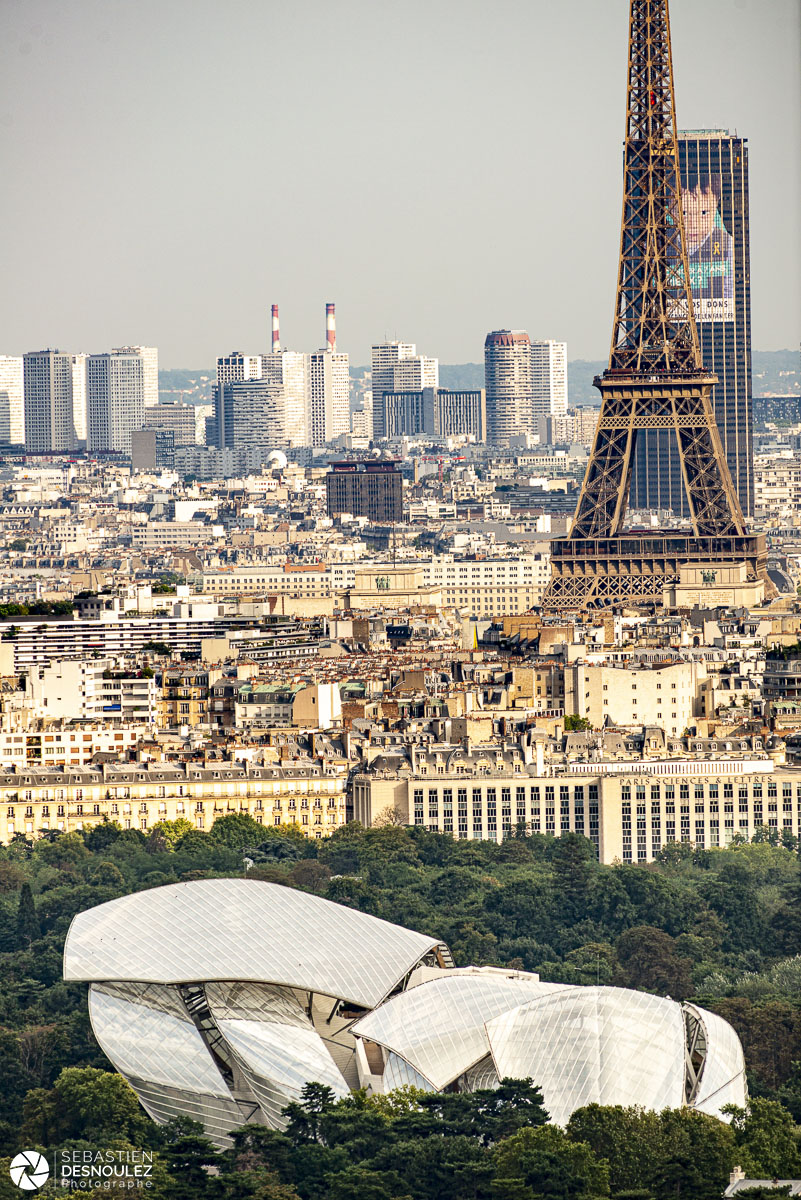
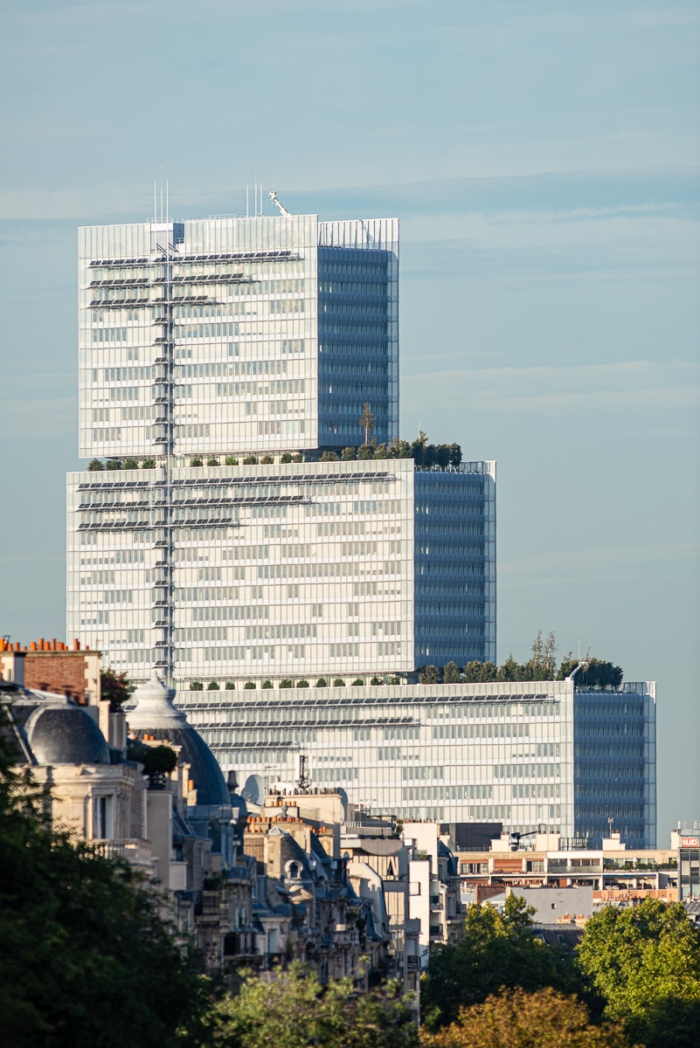
This 500mm lens haunted me for years, to the point that I bought another one on eBay in mid-2019, this time with the idea of using it for urban and architectural photography.
The pandemic and other projects eventually led me to sell it again in 2021 to help finance my Nikon Z5. This camera allowed me to use my 1992 Canon EF 300mm f/2.8 non-IS lens along with its 1.4x and 2x teleconverters via an adapter.
Even today, the GAS (Gear Acquisition Syndrome) and very affordable second-hand prices could tempt me once again to buy this indestructible lens… but let’s stay reasonable.
Current uses and accepted limitations
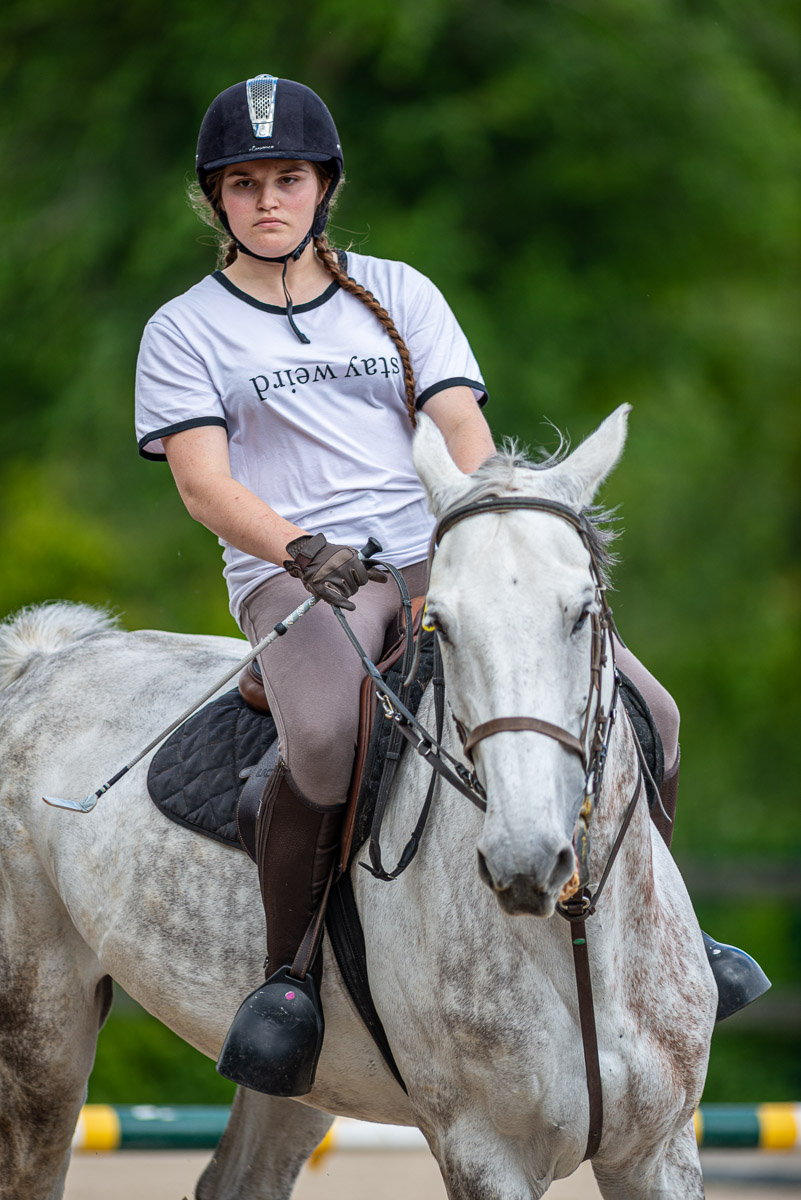
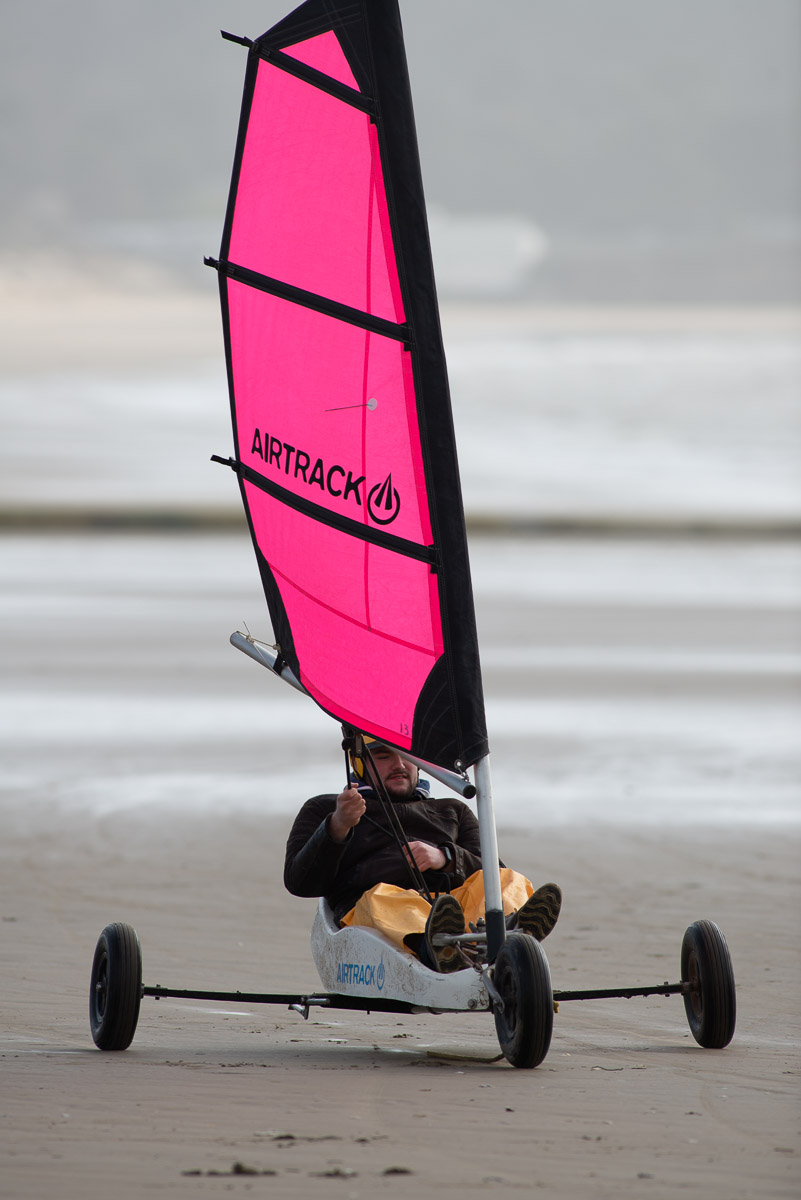
Mounted on a Nikon DSLR or Nikon Z mirrorless camera via an FTZ adapter, the Nikon NIKKOR 500mm f/4 P IF-ED remains perfectly usable, provided its constraints are accepted.
Its manual focusing makes it particularly suitable for:
- static or highly predictable subjects,
- compressed landscapes,
- architecture and urban details,
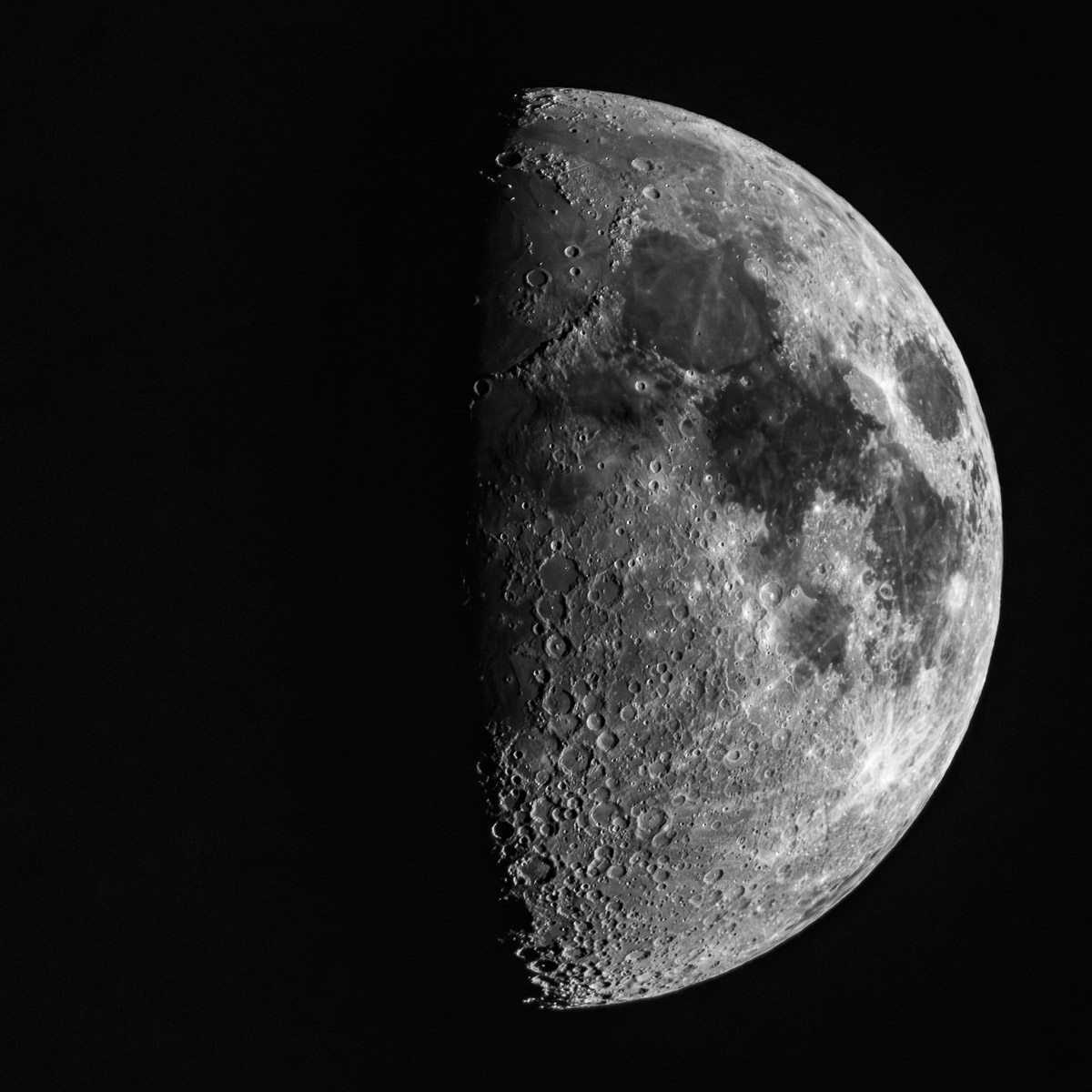
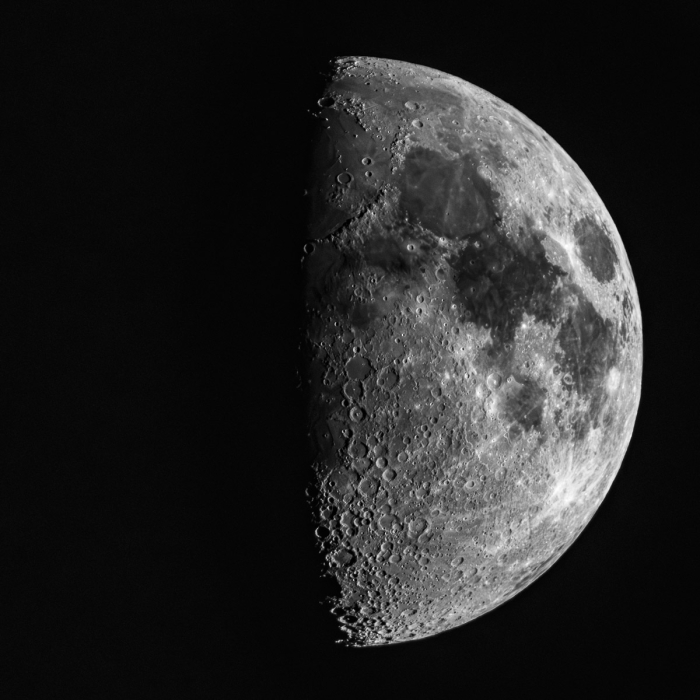
- lunar astrophotography,
- certain highly anticipated wildlife situations.
It demands rigor, patience, and full engagement from the photographer, but rewards that effort with consistently excellent image quality.
Photo gallery
Click on the photos below to view them full screen.



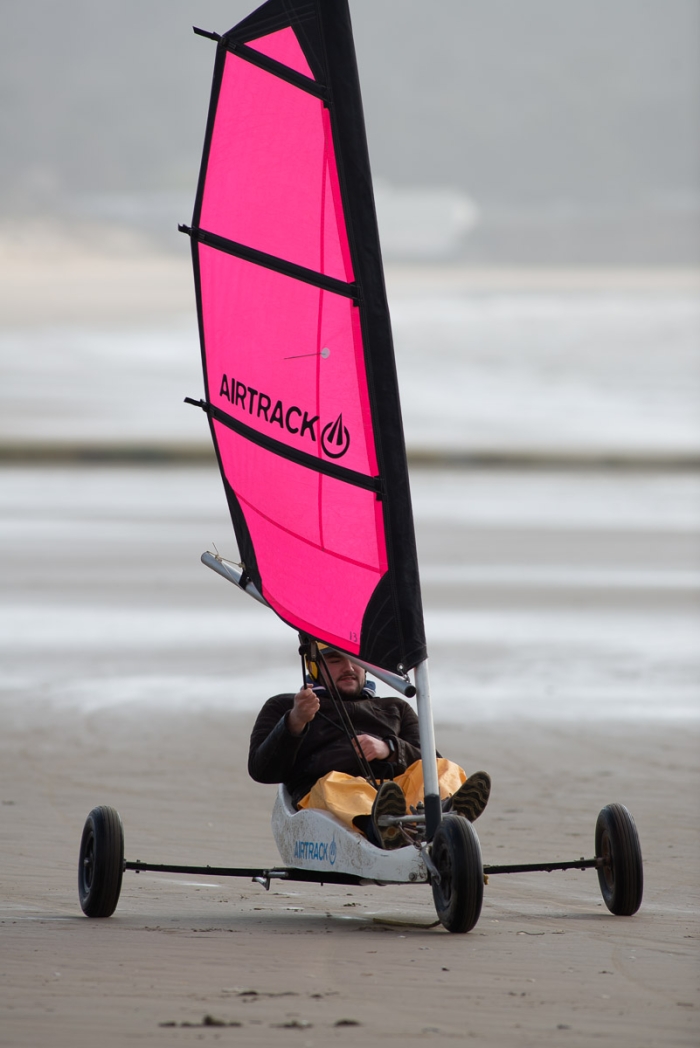
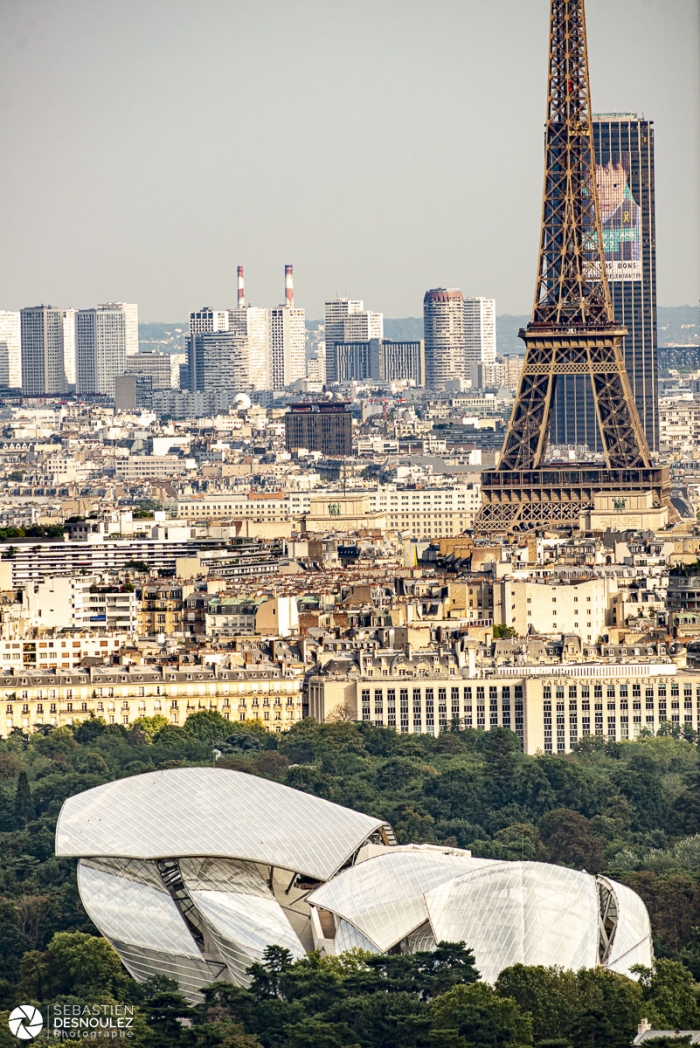
All photographs on this website are protected by copyright © Sebastien Desnoulez. No use is permitted without the author’s written consent. Legal notice
Technical specifications: Nikon NIKKOR 500mm f/4 P IF-ED
| Lens type | Prime lens |
|---|---|
| Focal length | 500mm |
| Mount | Nikon F |
| Compatible format | 35mm full frame (FX), film and digital |
| Maximum aperture | f/4 |
| Minimum aperture | f/22 |
| Optical construction | 8 elements in 6 groups |
| Diaphragm blades | 9 |
| Focusing | Manual focus only |
| Internal focusing | Yes |
| Minimum focusing distance | 5 m |
| Image stabilization | No |
| Teleconverter compatibility | Yes |
| Filters | 39mm, drop-in type |
| Tripod collar | Integrated |
| Construction | Metal barrel, weather-sealed |
| Dimensions | 384 x 138mm |
| Weight | Approx. 3 kg |
FAQ: Nikon NIKKOR 500mm f/4 P IF-ED
Can this lens be used on a Nikon Z camera?
Yes. Using an FTZ or FTZ II adapter, the Nikon 500mm f/4 Ai-P is fully compatible with all Nikon Z mirrorless cameras, while retaining exposure metering and EXIF data thanks to its built-in CPU.
Is it suitable for sports or wildlife photography?
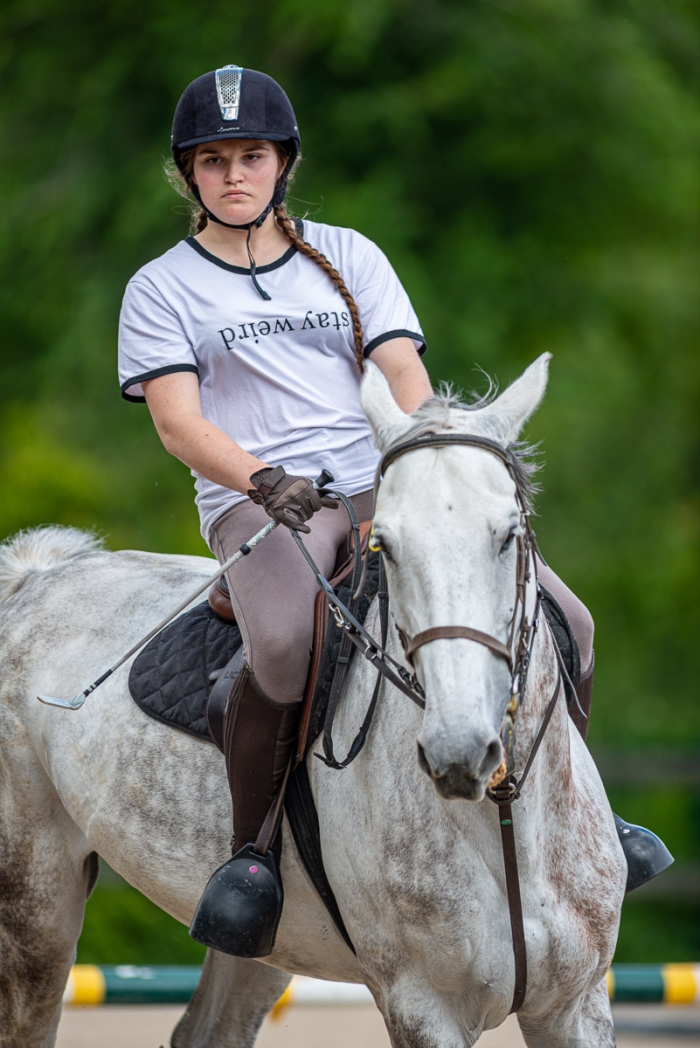
Yes, provided you have excellent manual focusing skills. For static subjects or predictable movements (perched birds, cars exiting a corner), it remains extremely effective.
What is the difference compared to AF-S or AF-I versions?
AF-S and AF-I versions feature autofocus motors, but in the event of motor failure (often irreparable today), manual focusing can also become impossible. The Ai-P is entirely mechanical and therefore more reliable over the long term.
Can teleconverters be used with the 500mm Ai-P?
Yes, it works perfectly with Nikon TC-14, TC-17, and TC-20 teleconverters, including stacked combinations, provided you accept a significant loss of light.
Which subjects are best suited for this lens today?
Compressed landscapes, urban architecture, distant scenes, the moon, building details, or long-distance portraits. It is less suitable for fast action handheld shooting, unless you have strong reflexes and solid support.
Conclusion
The Nikon NIKKOR 500mm f/4 P IF-ED remains a reliable value on the second-hand market. For a reasonable budget, it delivers professional-grade optical quality, exceptional mechanical robustness, and broad compatibility with modern Nikon cameras.
Its manual focusing requires a thoughtful approach and carefully chosen subjects, but for those willing to embrace this constraint, it remains a remarkably effective and nearly timeless tool.
A lens that reminds us that before autofocus became ubiquitous, photography was first and foremost about mastery of technique, anticipation, and vision.
About the Author
Sebastien Desnoulez is a professional photographer specializing in architecture, landscape and travel photography. Trained in photography in the mid-1980s, he covered Formula 1 races and reported from around the globe before devoting himself to a more demanding fine art photography practice blending composition, light and emotion. He also shares his technical expertise through hands-on articles for passionate photographers, built on a solid background in both film and digital photography.
Tags