

Canon TS-E 24mm f/3.5L: Test and Review

The first-generation Canon TS-E 24mm f/3.5L spans two very different periods of my photographic practice. I first discovered it in 1993 on a film SLR, before buying a used copy nearly thirty years later to photograph architecture and urban landscapes with a Nikon Z.
Overview
Introduced in 1991, the Canon TS-E 24mm f/3.5L belongs to the first generation of tilt-shift lenses designed for the Canon EF mount. It was launched alongside the TS-E 45mm f/2.8 and TS-E 90mm f/2.8, but was the only lens in the range to carry Canon’s L designation.
Its 24mm focal length makes it primarily suited to architectural, interior, landscape and urban photography. Its 58.6mm image circle, significantly larger than the 24 × 36mm format, allows the optical unit to be moved without the sensor or film immediately extending beyond the area covered by the lens.
Two separate movements are available:
- shift, which moves the lens parallel to the film or sensor plane;
- tilt, which angles the optical axis and changes the orientation of the plane of focus.
Focusing is entirely manual. The aperture, however, remains electronically controlled by the camera body, in accordance with the Canon EF mount system.
1993: a first test in Hong Kong
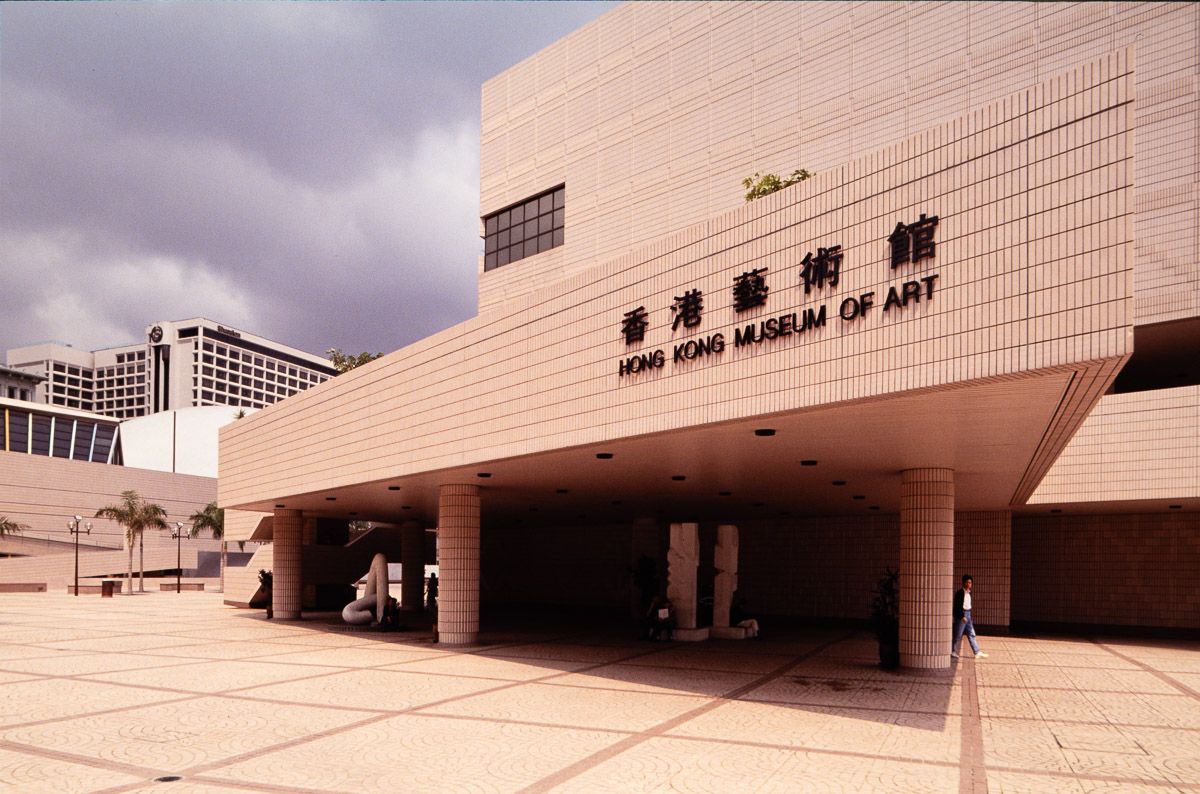
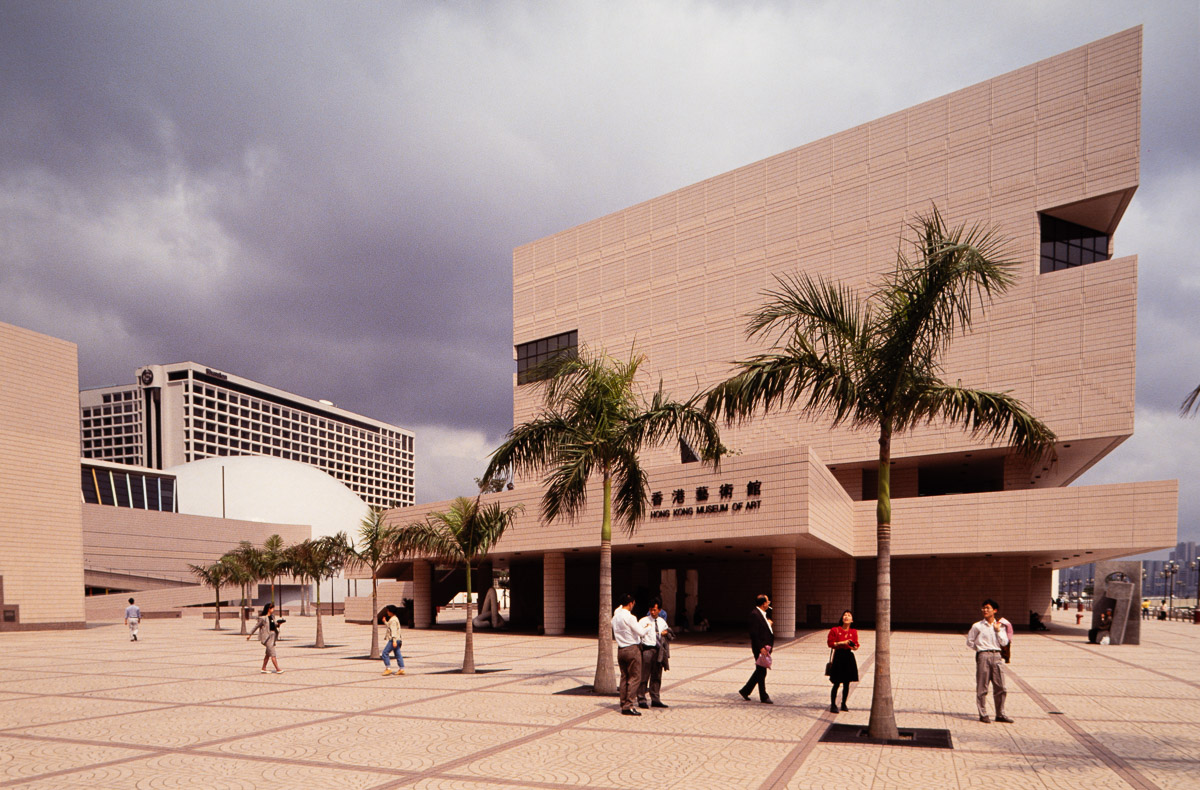
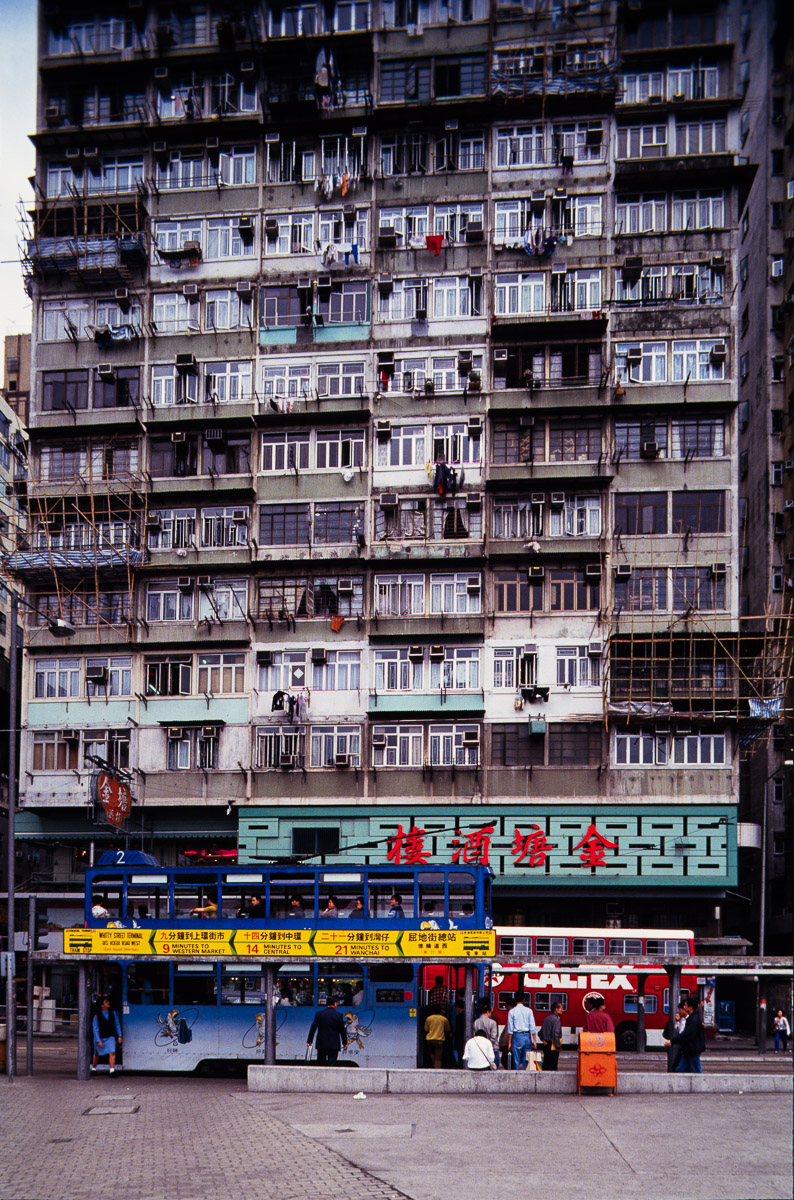
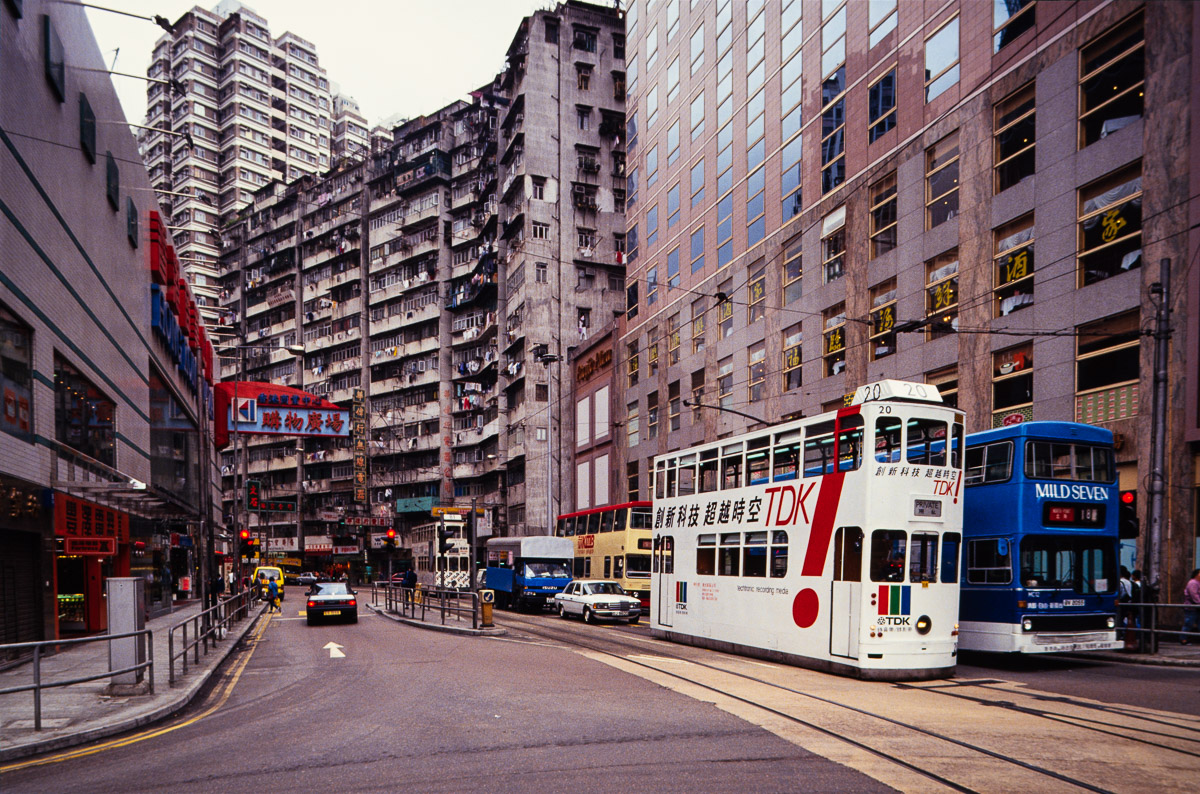
I first used a Canon TS-E 24mm f/3.5L in 1993. Canon Pro had lent me a copy to test in Hong Kong, the ultimate vertical city, during a one-day stopover connected with an IndyCar assignment at Surfers Paradise on Australia’s east coast to cover Nigel Mansell's first race since his Formula 1 world champion title.
The location was particularly appropriate. Hong Kong’s buildings, narrow streets and overlapping architecture immediately demonstrated the value of shift for keeping vertical lines parallel.
Using such a lens on a film SLR was nevertheless less comfortable than it is today on a mirrorless camera. The viewfinder offered no electronic level, adjustable grid or magnified view with which to check the camera’s alignment and the finer details of the composition.
With a shift lens, even a very slight tilt of the camera body is enough to reintroduce converging verticals or make the entire image appear to lean. Precise positioning of the horizon is therefore just as important as the shift setting itself.
This first experience did not convince me enough to invest in the lens. A few months later, I preferred to buy a Sinar view camera in California. The ground glass, wider range of movements and ability to control the geometry of the image directly were better suited to the way I worked at the time.
2022: returning to a 24mm shift lens on Nikon Z
I returned to the Canon TS-E 24mm f/3.5L in 2022, in a very different context. I was then using Nikon Z mirrorless cameras together with an EF-Z adapter, originally purchased so that I could continue using my Canon EF 300mm f/2.8L USM.
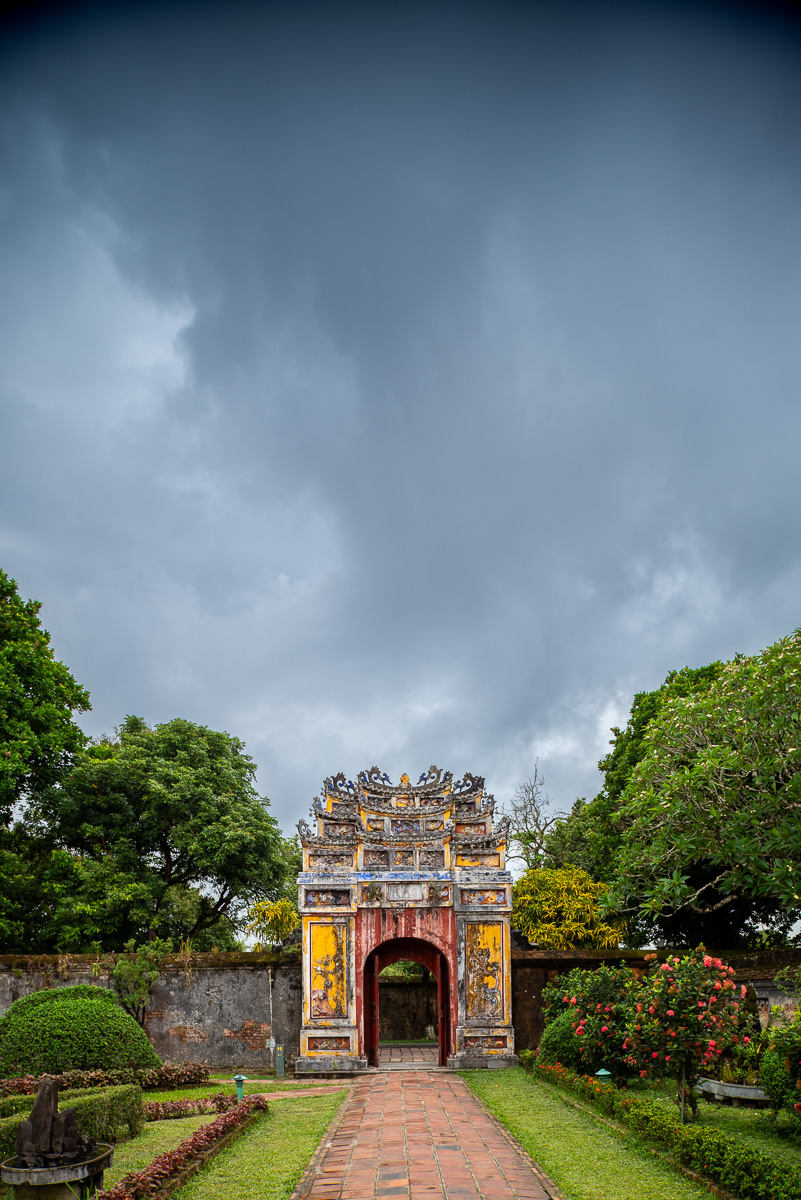
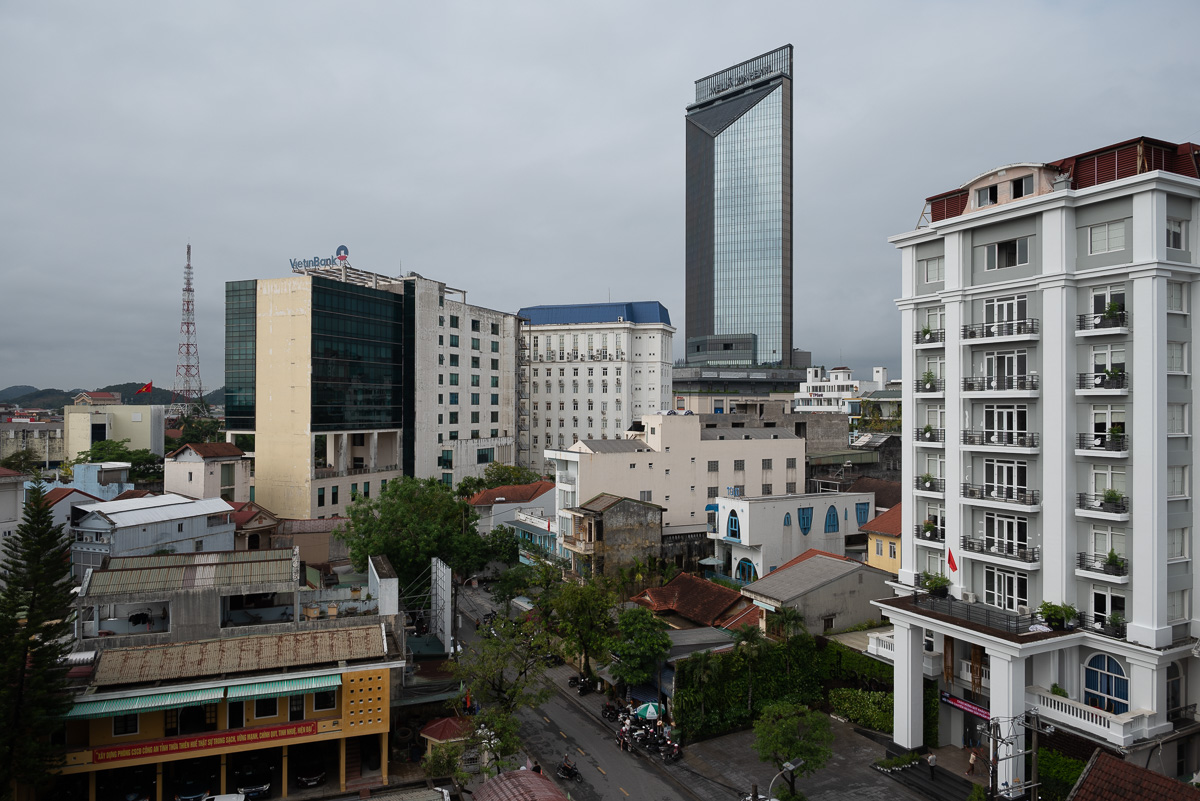
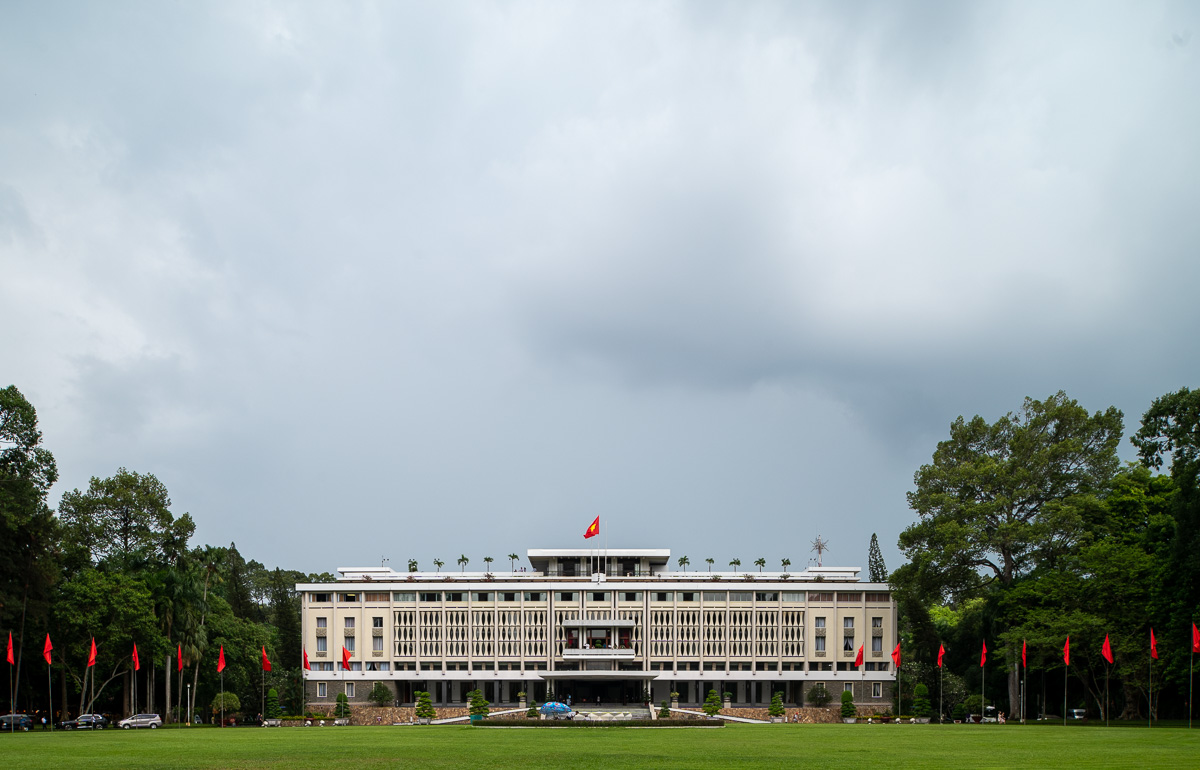
Before travelling to Vietnam, I bought a used first-generation TS-E 24mm f/3.5L. I wanted to photograph temples, monuments and urban landscapes without exaggerating converging lines.
Using it on a mirrorless camera completely transformed the experience compared with my 1993 test. A grid and electronic level made it easier to position the camera, while magnified viewing allowed me to check focus in different areas of the image.
Above all, I rediscovered the pleasure of composing a photograph with controlled perspective directly at the time of shooting, without having to apply major corrections afterwards. This approach is similar to working with a view camera: the camera body remains perfectly level and vertical, while the framing is moved within the image circle using the lens movement.
Construction and handling
The Canon TS-E 24mm f/3.5L is relatively compact for a lens with movements. It measures approximately 78mm in diameter, 86.8mm in length and weighs 570g.
Its mechanical construction includes several controls:
- a knob for adjusting shift;
- a knob for adjusting tilt;
- locking knobs for securing each movement;
- a button allowing the mechanism to rotate around the optical axis.
Shift reaches ±11mm and tilt ±8°. The entire mechanism can rotate by 90° to either the right or the left, with intermediate click stops every 30°.
In its original configuration, the tilt and shift axes are perpendicular. A vertical shift is therefore combined with a lateral tilt direction. This arrangement suits certain applications, but offers less freedom than the mechanism of the second-generation lens, whose axes can be oriented independently.
The manual focusing ring is wide and sufficiently progressive. With a static architectural subject, the lack of autofocus is not a genuine constraint, particularly when using the magnified view of a mirrorless camera.
Using the lens nevertheless requires a methodical approach. The camera must first be positioned and levelled, then focused before the lens is shifted to obtain the desired composition. Focus and the edges of the image should then be checked again.
Shift and perspective correction
Shift was the main reason I used this lens. It moves the optical axis parallel to the sensor without changing the orientation of the camera body.
With a conventional lens, photographing the upper part of a building usually requires tilting the camera upwards. The sensor is then no longer parallel to the façade and the vertical lines appear to converge.
With the TS-E 24mm, the camera body can remain perfectly vertical. The optical unit is shifted upwards to include the top of the building within the frame. Perspective remains natural, without artificially widening the lower part of the image or stretching the corners through extensive software correction.
This way of working often requires more distance from the subject than correcting the image afterwards, but it better preserves the original composition and avoids losing a significant part of the photograph through cropping.
Shift can be oriented vertically, horizontally or diagonally by rotating the mechanism. Horizontal movement can notably be used to create several photographs for stitching into a panorama while keeping the camera body stationary.
It can also be used to alter the apparent viewpoint slightly when there is a risk of the camera being reflected in glass or another glossy surface.
I explain this principle in greater detail in the article Architectural photography: why use a shift lens?
Tilt and control of the plane of focus
Tilt angles the lens plane relative to the sensor. It changes the orientation of the plane of focus according to the Scheimpflug principle.
In landscape photography, a slight downward tilt can bring the plane of focus closer to the plane of the ground. A nearby foreground and a distant background can then both be kept sharp without stopping the lens down excessively.
Applied in the opposite direction, tilt can instead deliberately reduce the sharp area and create a miniature effect.
In my use of this 24mm lens, however, tilt remained a secondary function. I had primarily bought it for shift and for controlling architectural perspective. Tilt also requires great precision, as even a very small adjustment can move the sharp area considerably.
Image quality on a modern digital camera
Despite being designed in the early 1990s, the first-generation Canon TS-E 24mm f/3.5L remains capable of producing very good images on a modern digital camera. Used without shift, it delivers a good level of detail, with more consistent performance when stopped down by a few stops.
When shifted, the sensor progressively uses the peripheral areas of the image circle, which are inevitably less capable than its centre. The reduction in sharpness therefore becomes more visible along the edges and in the corners located in the direction of the movement. Stopping down improves uniformity and limits this loss of definition, without eliminating it completely near the maximum shift position.
This first version does not offer the same level of correction or uniformity as the Canon TS-E 24mm f/3.5L II, whose optical formula and image circle were completely redesigned. Its second-hand price made it much more accessible, however, and its results remained appropriate for my use while travelling.
Extreme shift and vignetting
Near the limit of vertical shift, darkening becomes clearly visible in the part of the image furthest from the optical axis. This vignetting results from using the extreme edge of the image circle.
Stopping down can reduce it, but does not completely eliminate the effect when the full 11mm of shift is used.
Rather than trying to make an image perfectly uniform when one corner remained slightly darkened, I sometimes preferred to accept and accentuate the effect. Clearly intentional vignetting often appears more coherent than a partial correction that leaves an irregular variation in brightness.
This limitation is therefore not necessarily a critical flaw. It mainly requires careful monitoring of the edges of the frame and a decision at the time of shooting as to whether the movement should be reduced, the image slightly cropped or the darkening incorporated into its visual treatment.
Why I sold it
I eventually sold the Canon TS-E 24mm f/3.5L to help finance a Nikon Z7 II and a NIKKOR Z 70-200mm f/2.8, which later accompanied me to Cuba.
Selling it did not reflect any particular disappointment. The lens had allowed me to rediscover a method of composition similar to working with a view camera, but with a much lighter and more portable system.
I was nevertheless looking for a solution offering better performance and greater uniformity when shifted. I subsequently tested two copies of the Nikon PC-E NIKKOR 24mm f/3.5D ED. Both displayed areas that were excessively blurred in the photographs I made when the lens was shifted.
These results may have been caused by an alignment defect or a mechanical irregularity specific to the copies I tested, but they did not encourage me to keep the Nikon version.
I ultimately chose the Canon TS-E 17mm f/4L. Its wider focal length is better suited to interiors, buildings photographed with limited working distance and dense urban architecture. Its image circle and uniformity when shifted also correspond more closely to my current use.
Technical specifications
| Mount | Canon EF |
| Format | 24 × 36mm |
| Release date | April 1991 |
| Focal length | 24mm |
| Maximum aperture | f/3.5 |
| Minimum aperture | f/22 |
| Optical construction | 11 elements in 9 groups |
| Image circle | 58.6mm |
| Horizontal angle of view | 74° without tilt or shift |
| Vertical angle of view | 53° without tilt or shift |
| Diagonal angle of view | 84° without tilt or shift |
| Focusing | Manual |
| Minimum focusing distance | 0.30m |
| Maximum magnification | 0.14× |
| Number of diaphragm blades | 8 |
| Maximum shift | ±11mm |
| Maximum tilt | ±8° |
| Mechanism rotation | ±90°, with click stops every 30° |
| Movement configuration | Tilt and shift axes perpendicular in the original configuration |
| Stabilisation | No |
| Filter diameter | 72mm |
| Lens hood | Canon EW-75B II |
| Dimensions | Approximately 78 × 86.8mm |
| Weight | Approximately 570g |
MTF curves and optical construction
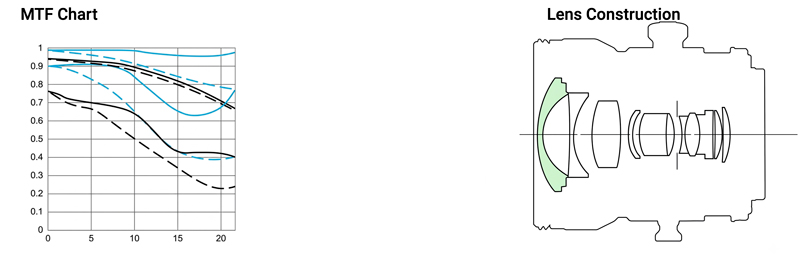 MTF curves and optical construction of the Canon TS-E 24mm f/3.5L – Canon document
The optical design of the Canon TS-E 24mm f/3.5L consists of 11 elements arranged in 9 groups. The large aspherical front element helps limit distortion and coma, while the floating focusing system is intended to maintain performance between the minimum focusing distance of 0.30m and infinity.
At maximum aperture, represented by the black curves, contrast at 10 lines per millimetre remains high in the centre before progressively decreasing towards the edges. Resolution at 30 lines per millimetre falls more sharply across the second half of the image field, with a noticeable difference between the sagittal and meridional orientations.
At f/8, represented by the blue curves, contrast becomes very high across most of the image and the rendering of fine detail improves significantly. The reduction in performance nevertheless remains visible at the periphery, particularly for meridional structures.
These curves describe the lens’s performance in its centred position. They do not directly represent the result obtained at maximum shift, when the sensor uses an even more peripheral part of the image circle. They nevertheless confirm the benefit of stopping down by a few stops to obtain a more uniform image.
Conclusion and review
The first-generation Canon TS-E 24mm f/3.5L remains an interesting lens for discovering shift photography without investing in a much newer and significantly more expensive version.
My first test in Hong Kong in 1993 did not convince me. On a film SLR, controlling the level, horizon and limits of the frame required a degree of precision that was difficult to achieve without a gridded focusing screen or electronic assistance.
Nearly thirty years later, using it on a Nikon Z allowed me to reassess the lens completely. The electronic level, viewfinder grid and ability to magnify the image make the process much more precise and closer to the methodical approach of a view camera.
Its image quality remains satisfactory on a modern digital sensor, provided that the lens is stopped down and the peripheral areas are monitored during substantial shift movements. Vignetting at the edge of the image circle must also be anticipated or accepted as an aesthetic choice.
The first version of the TS-E 24mm offers neither the uniformity nor the mechanical flexibility of more recent models. It nevertheless maintains an appealing balance between second-hand price, construction quality and creative possibilities.
I sold it to upgrade my equipment before choosing the Canon TS-E 17mm f/4L, which is better suited to my architectural photography. The TS-E 24mm f/3.5L nevertheless allowed me to rediscover, in a compact system, the pleasure of controlling perspective directly at the time of shooting.
Photo gallery
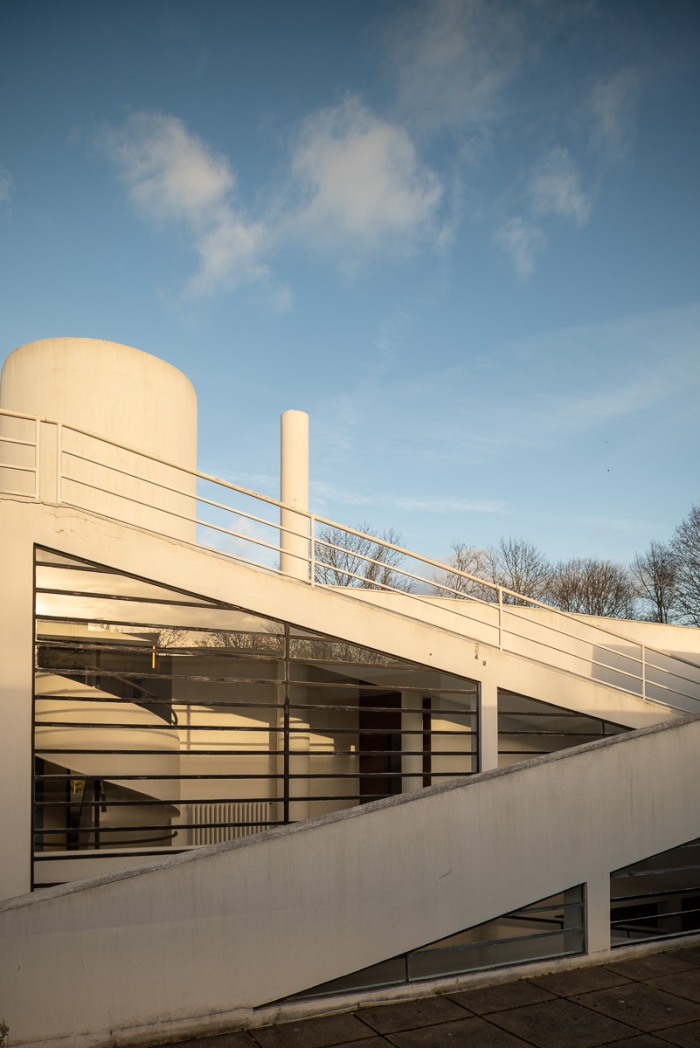
Click the photographs below to view them full screen.


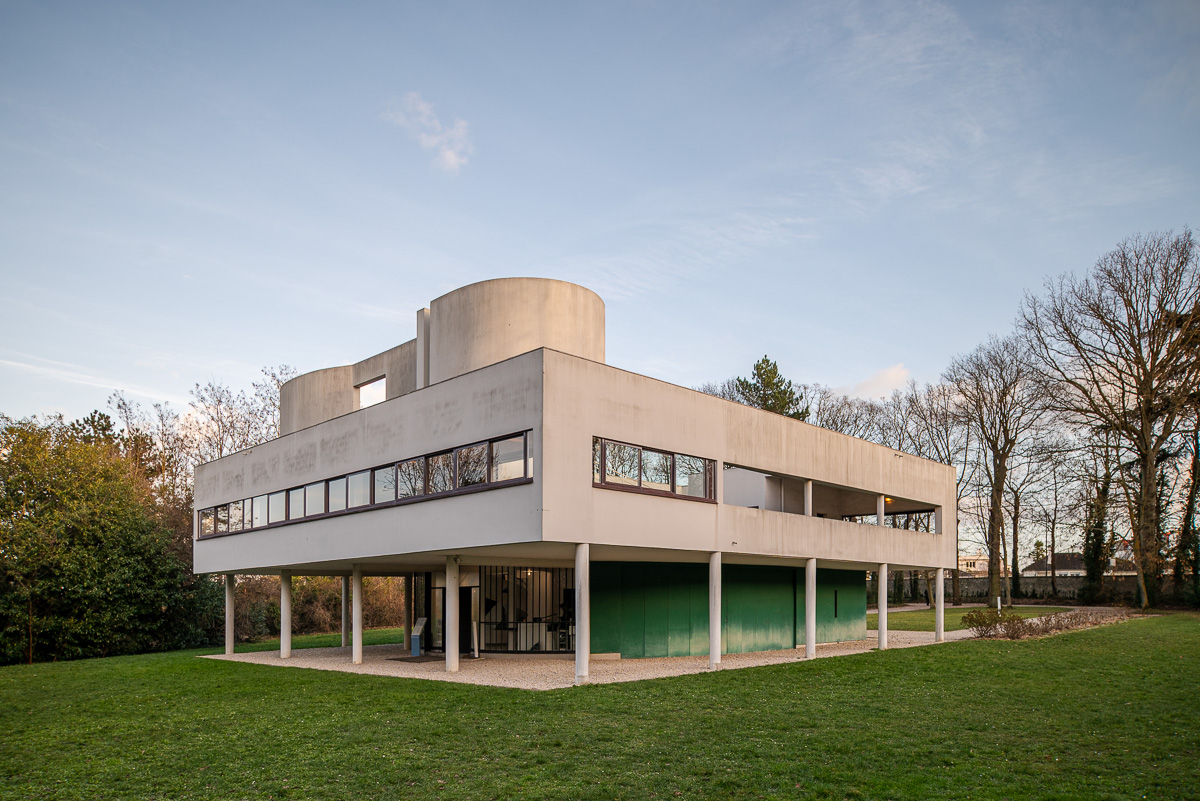
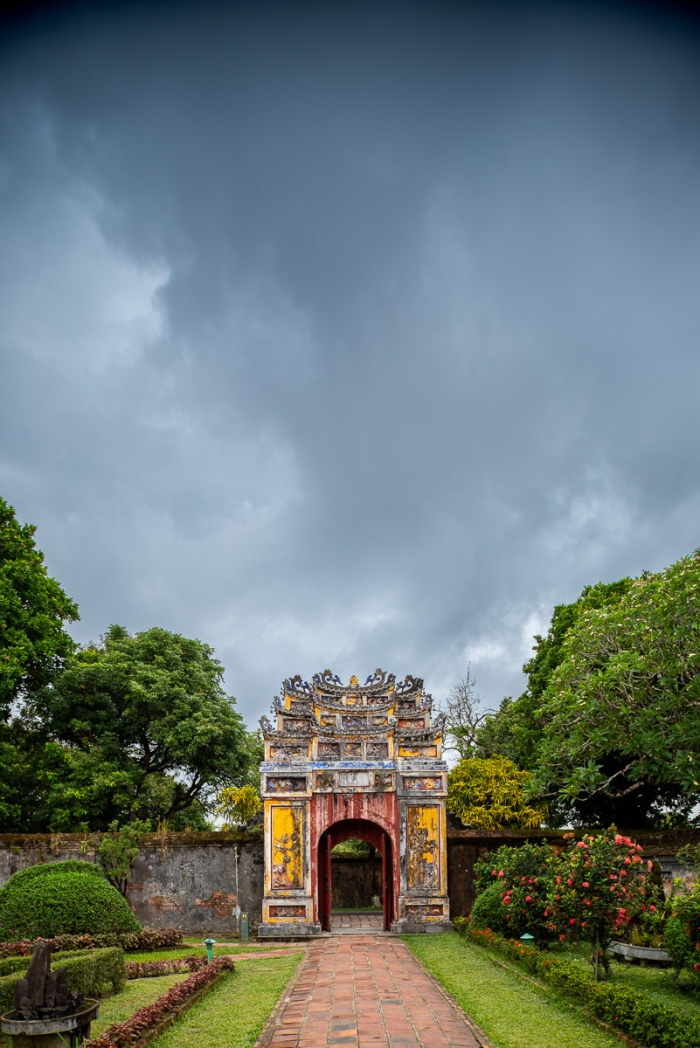

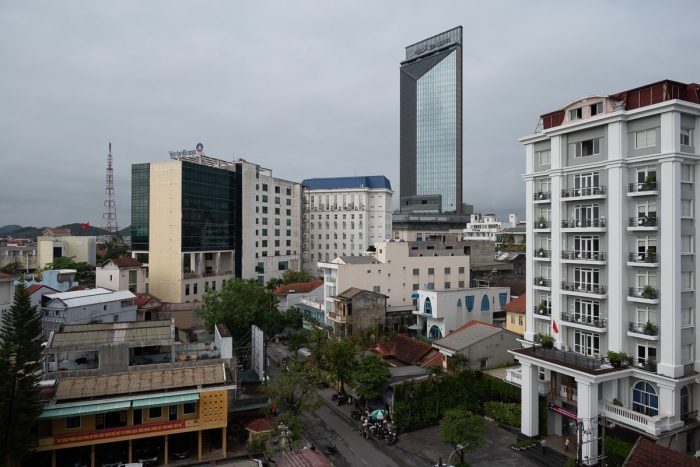

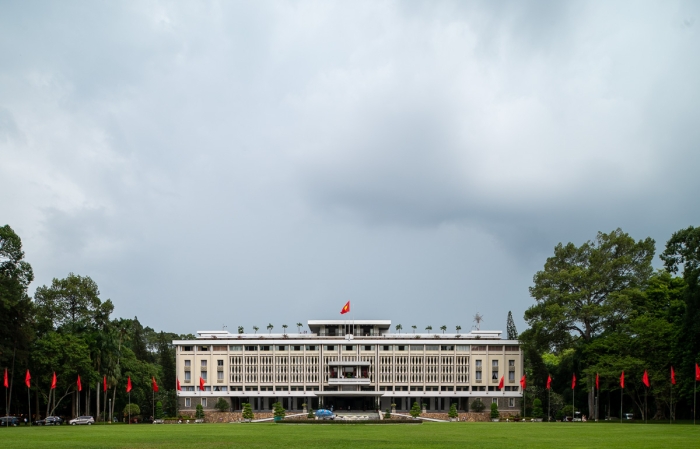
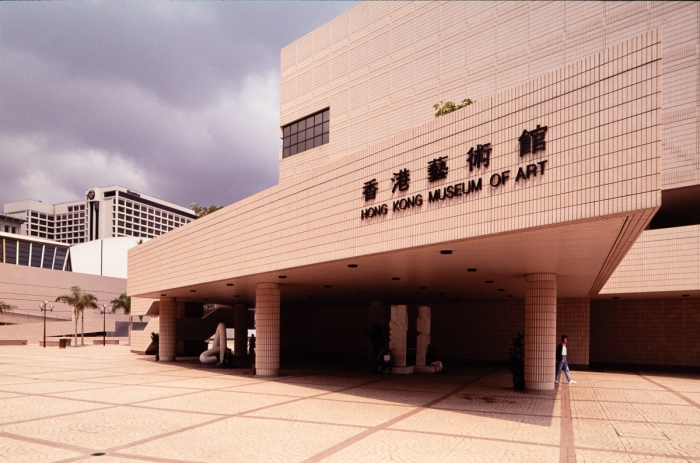
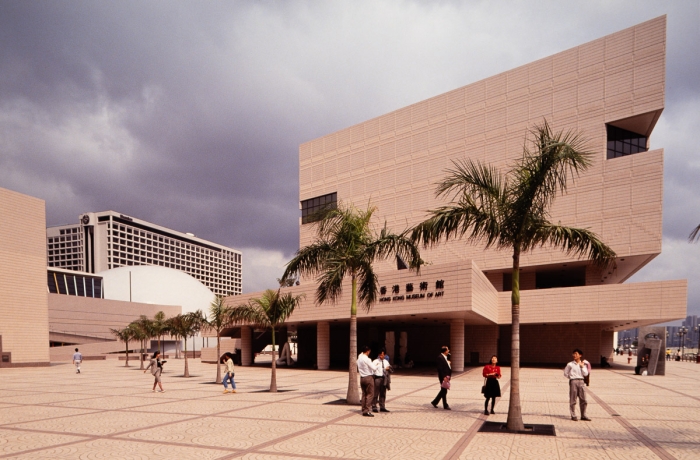
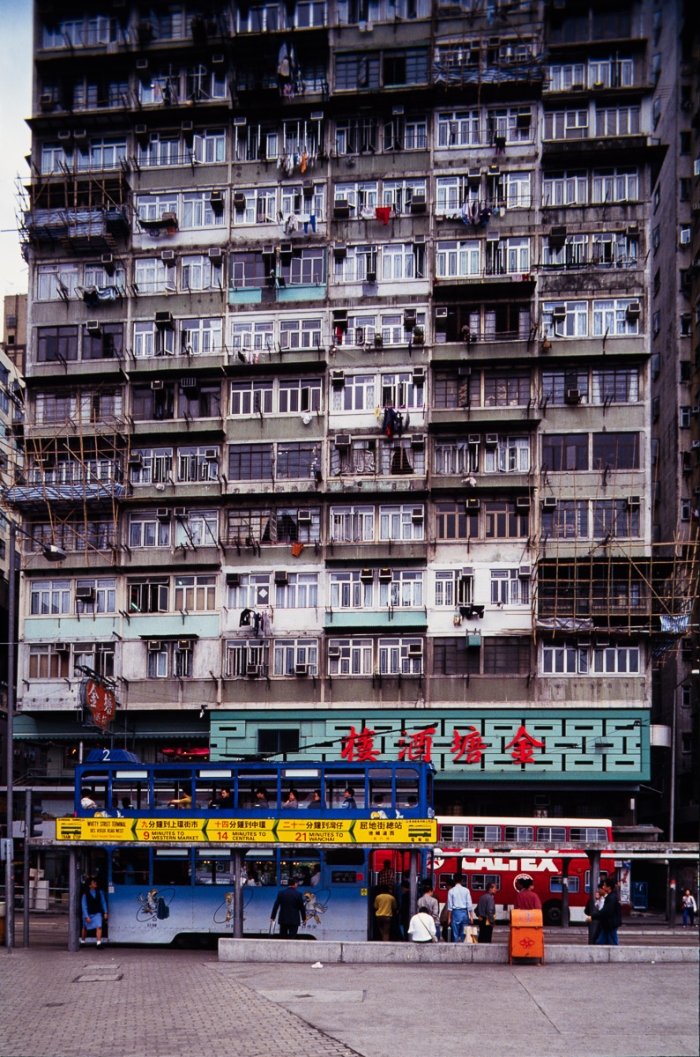
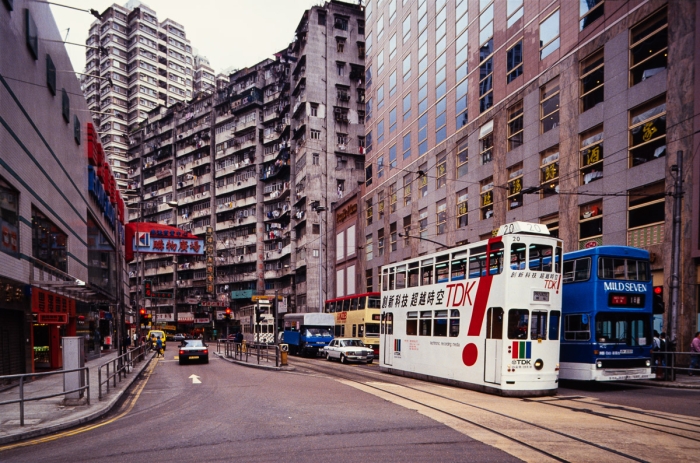
All the photos displayed on this website are copyright protected © Sebastien Desnoulez. No use is permitted without the author’s written permission. Legal notice
FAQ
What is the difference between shift and tilt?
Shift moves the lens parallel to the sensor in order to change the framing without tilting the camera body. It is mainly used to keep vertical lines parallel in architectural photography. Tilt angles the optical axis and changes the orientation of the plane of focus.
Is the Canon TS-E 24mm f/3.5L suitable for a modern digital camera?
Yes, provided that a reduction in uniformity in the peripheral areas during substantial shift movements is accepted. Stopping down by a few stops noticeably improves the results. My experience is based on using it with a Nikon Z camera and an EF-Z adapter.
Can perspective be corrected entirely in software?
Yes, but substantial correction stretches certain parts of the image and requires cropping. Shift makes it possible to control verticals directly at the time of shooting while making more efficient use of the sensor’s resolution.
Does the Canon TS-E 24mm f/3.5L vignette when shifted?
Vignetting becomes visible near the maximum shift position, when the sensor uses the extreme edge of the image circle. Stopping down can reduce the effect, but does not always eliminate it completely.
What is the difference between the Canon TS-E 24mm f/3.5L and the Mark II version?
The second version has a more recent optical design, a larger image circle, better uniformity and movements that are more flexible to orient. The first generation remains more compact, lighter and generally much less expensive on the second-hand market.
Is the Canon TS-E 24mm f/3.5L preferable to the Canon TS-E 17mm f/4L?
The choice mainly depends on the available working distance. The 24mm provides more natural framing when sufficient space is available. The 17mm is better suited to interiors, narrow streets and large buildings photographed from a nearby viewpoint.
Read also: discover a selection of my main articles in the photography gear guide: lenses, field tests and photographic workflow.
About the author
Sebastien Desnoulez is a photographer, author and image-maker based in Paris. His work encompasses architectural, landscape and travel photography, with particular attention paid to composition, lines, light, blur and visual accidents. Trained in photography in the mid-1980s, he covered Formula 1 races and produced assignments around the world before developing a form of fine-art photography based on the tension between graphic precision and visual instability. He also shares his technical experience through practical articles for photography enthusiasts, drawing on a strong visual culture developed through both film and digital photography.
Tags