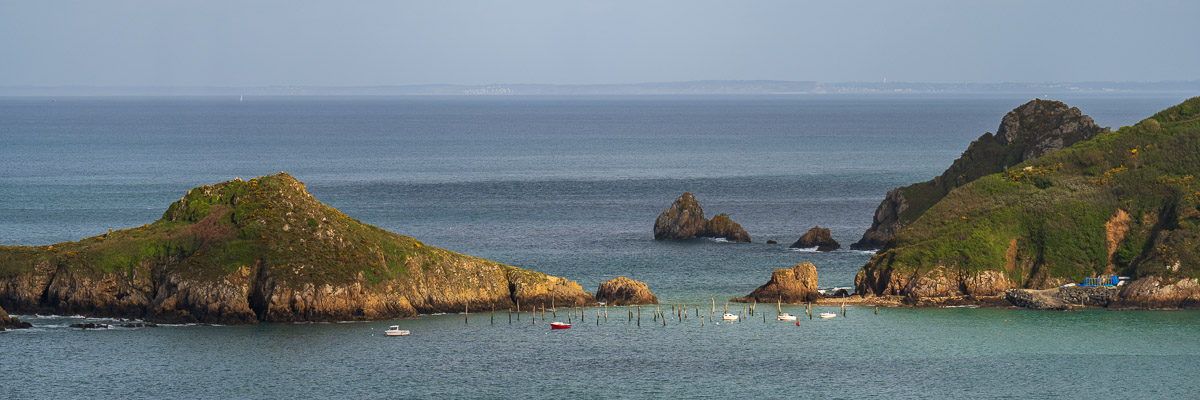


Northern Brittany: Photographing a Landscape in Motion

Between the Côtes-d’Armor and northern Finistère, the landscape changes quickly. Within a few hours, the tide reveals stretches of sand and mud, a squall coming in from the Atlantic erases the horizon, the light transforms the colour of the water, while long exposures can make the sea appear almost motionless.
These photographs were taken in April and September 2026, from Gwin Zegal to Locquirec, via Plougrescant, Plougasnou, Aod al Lay and the mouth of the Douron. They do not follow a particular itinerary. Instead, they show different ways in which the northern coast of Brittany is transformed by light, weather and tides.
A landscape that never stays the same for long
On the northern coast of Brittany, photographing a place often means photographing a temporary state.
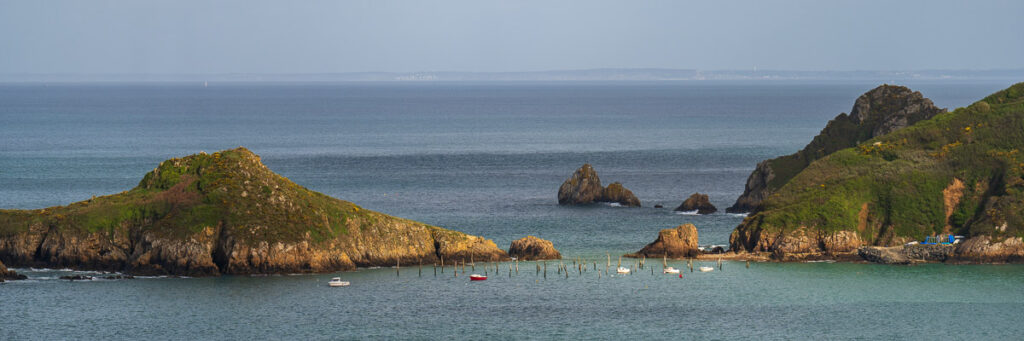 Gwin Zegal harbour, April 2026 - Photo: © Sebastien Desnoulez
At Gwin Zegal, in the Côtes-d’Armor, the landscape changes considerably depending on the tide, the light and the water level. I will not go into this work in detail here, as it is already presented in the article Constructing an image over time: Gwin Zegal in long exposure, which brings together photographs taken over several years and at different stages of the tide.
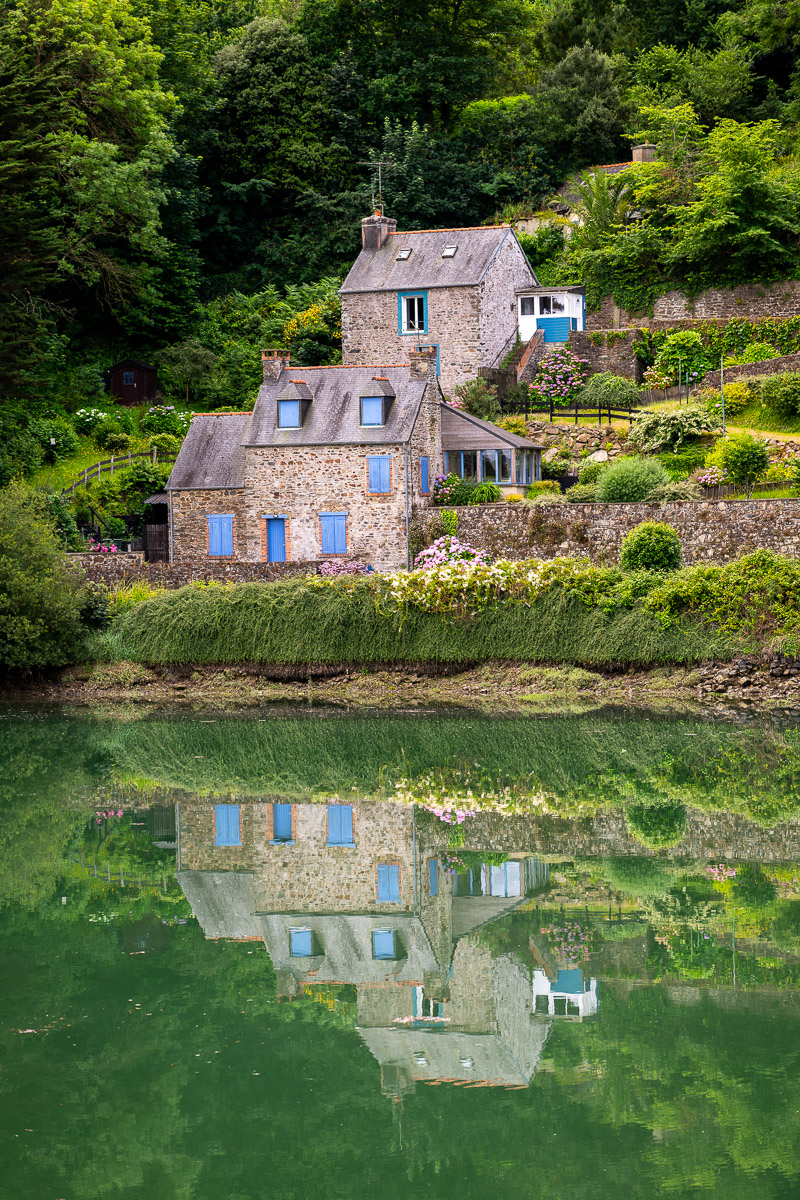
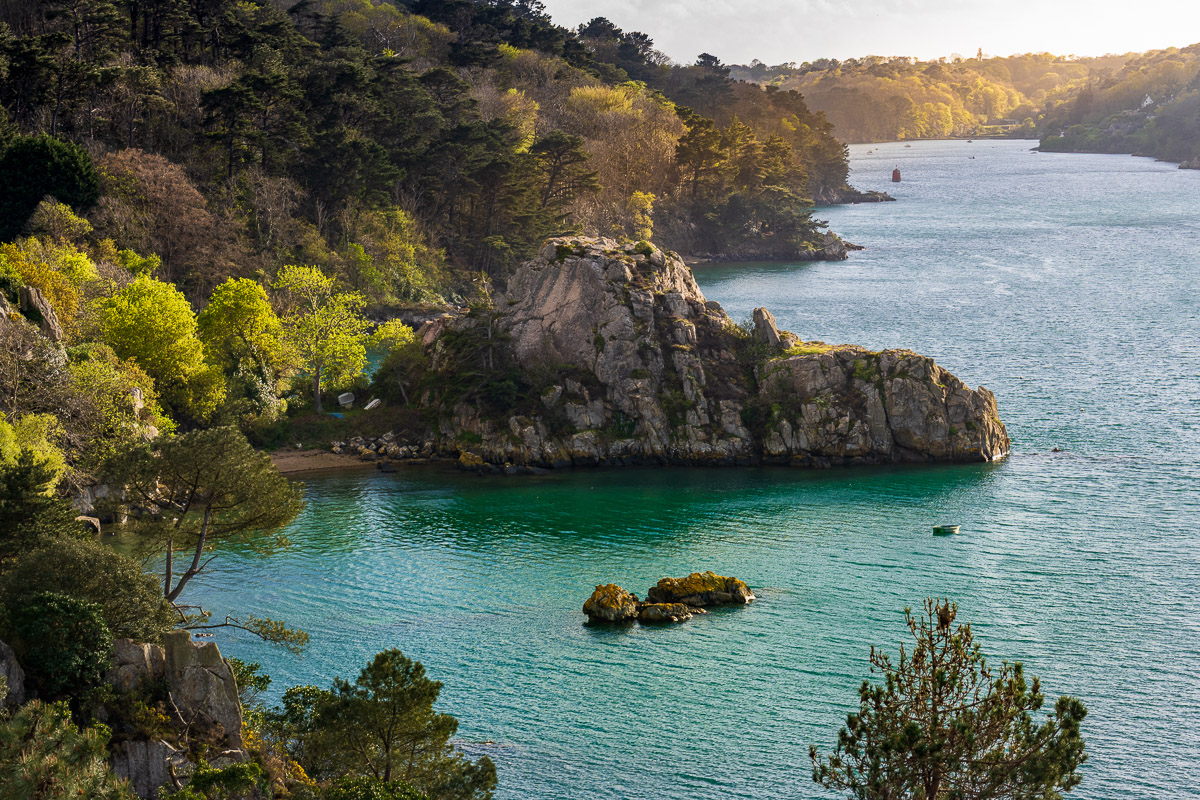
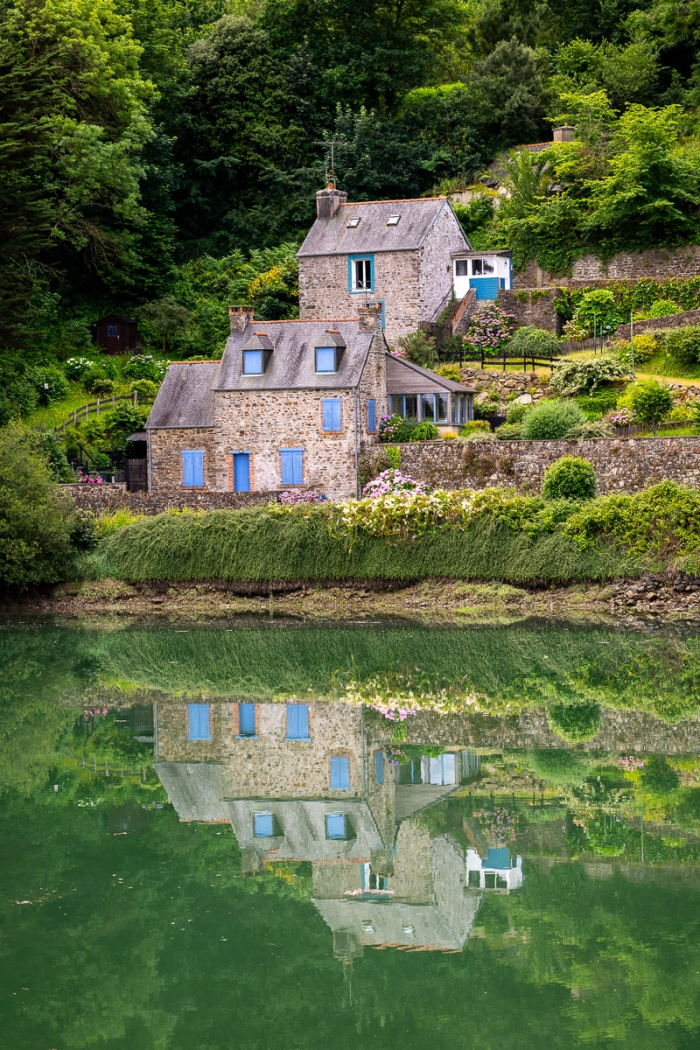
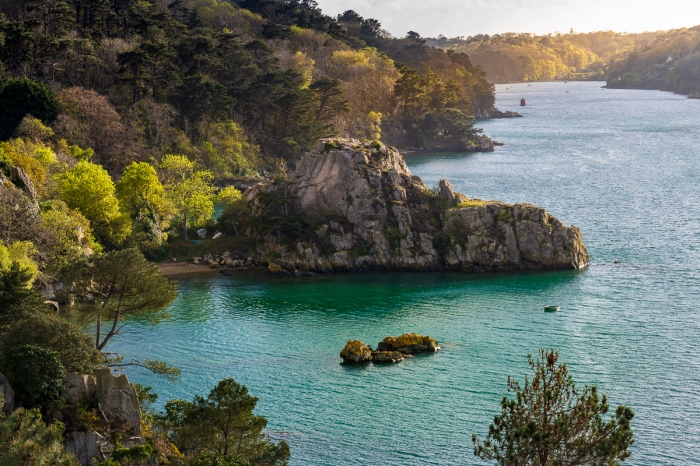
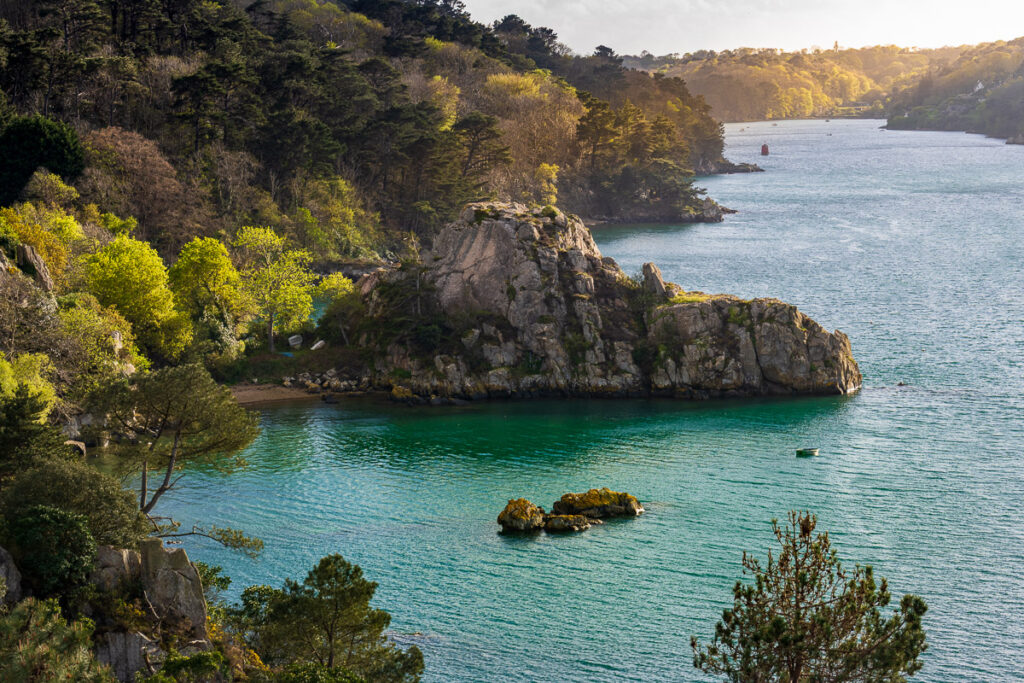 The fjord of Loguivy-de-la-Mer, April 2026 - Photo: © Sebastien Desnoulez
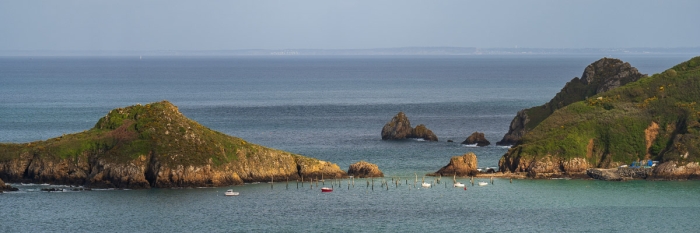
At Loguivy-de-la-Mer, the water reaches inland between wooded slopes and rocks, at times giving the landscape the appearance of a fjord. Light filtering through the clouds is enough to alter the colours of the water and gradually separate the different planes of the landscape.
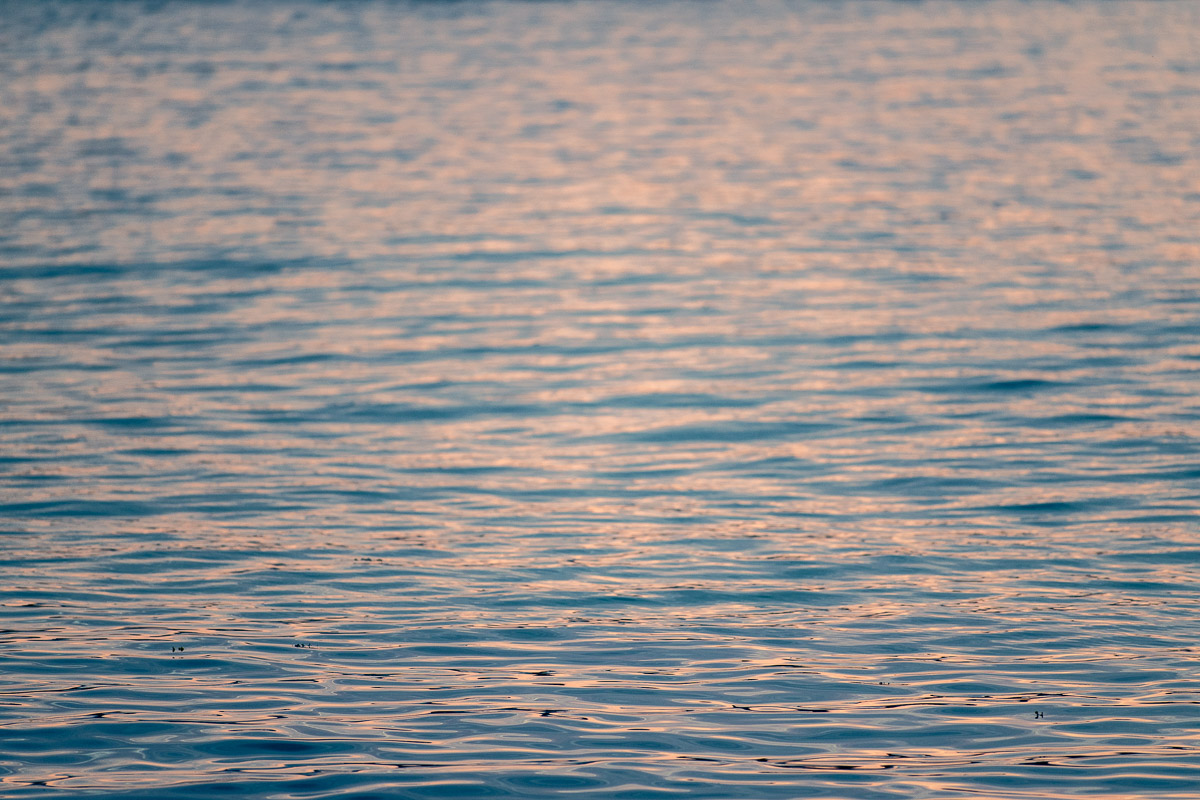
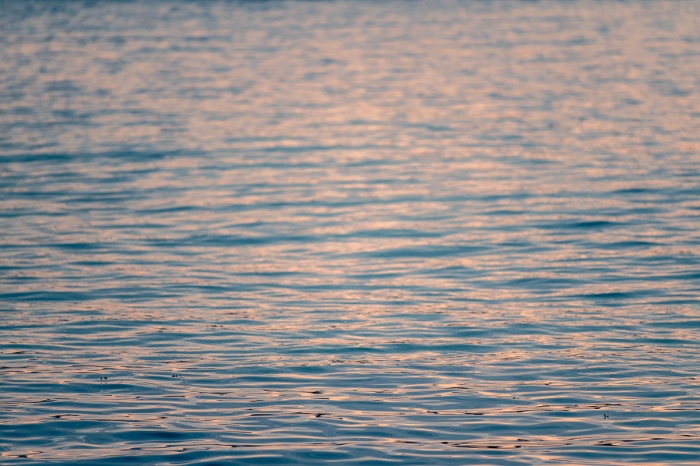
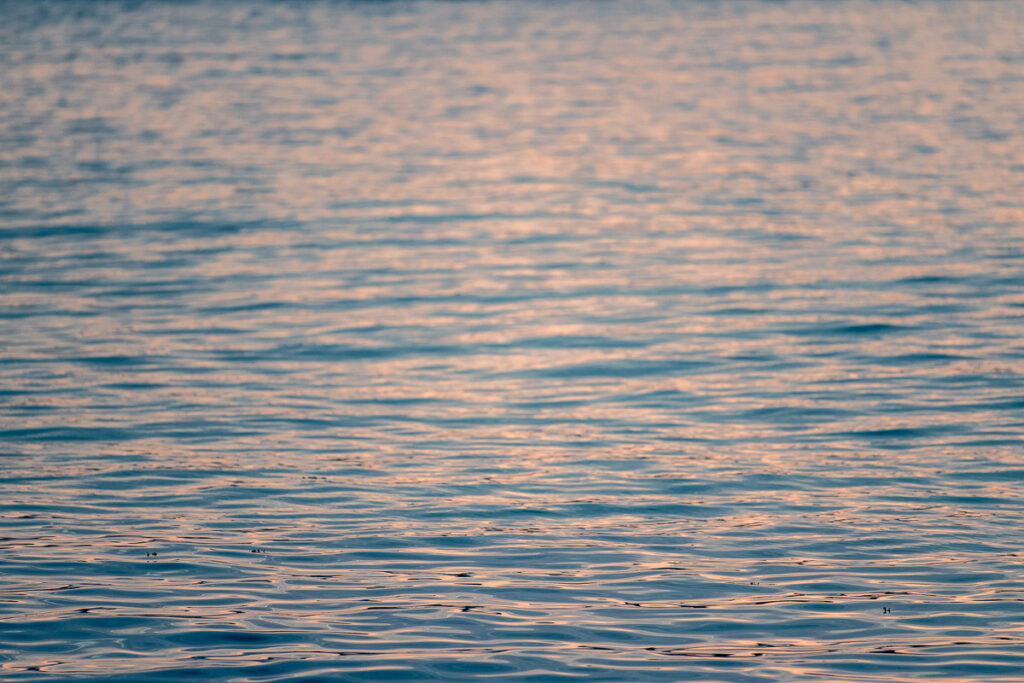 Reflections of the setting sun, Plougasnou, September 2026 - Photo: © Sebastien Desnoulez
Sometimes, simply framing more tightly is enough for the landscape to lose almost all its reference points. On the surface of the water, reflections from the sky combine blue with pinkish tones until little remains but light and movement.
Rock and sea
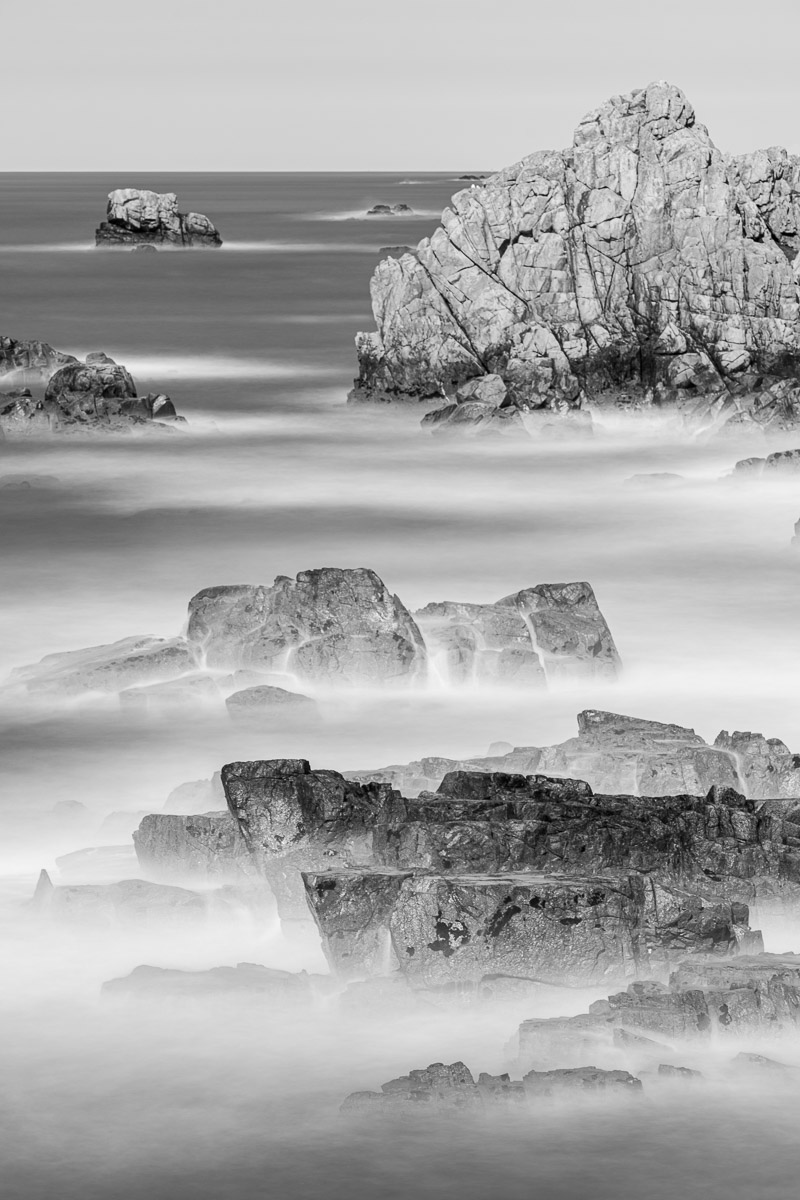
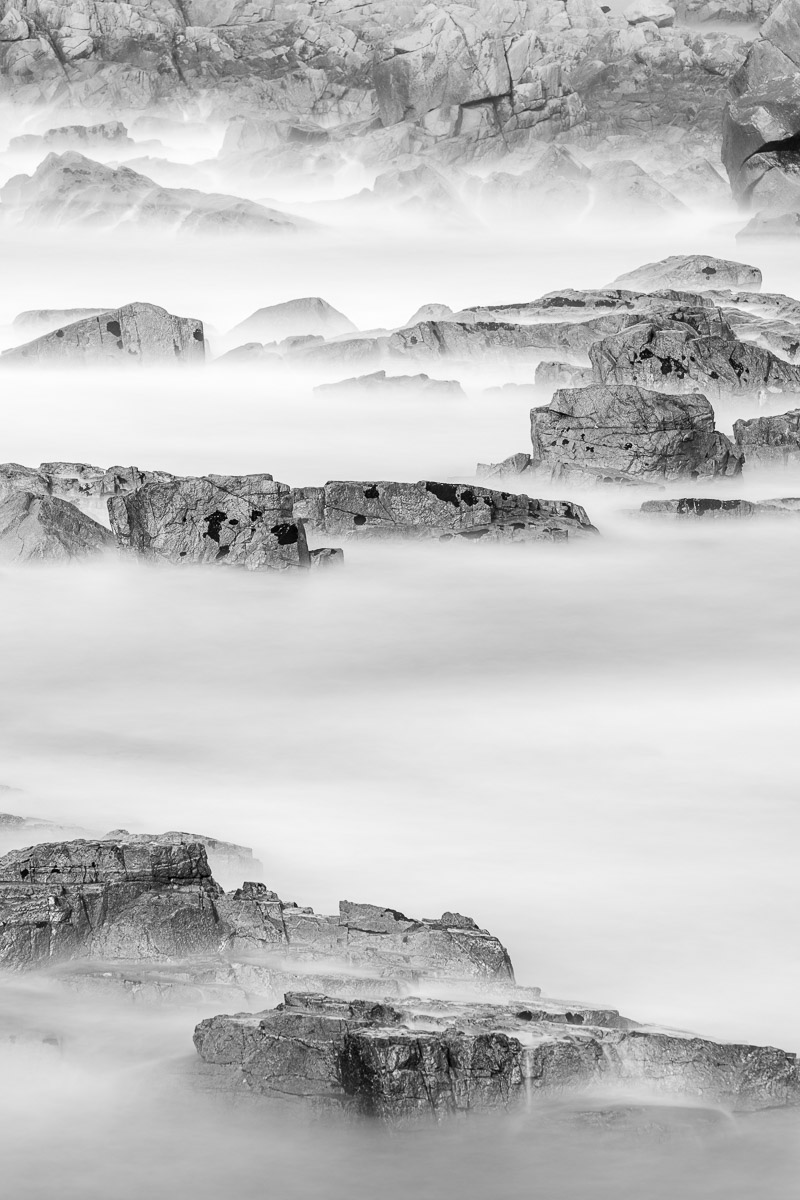
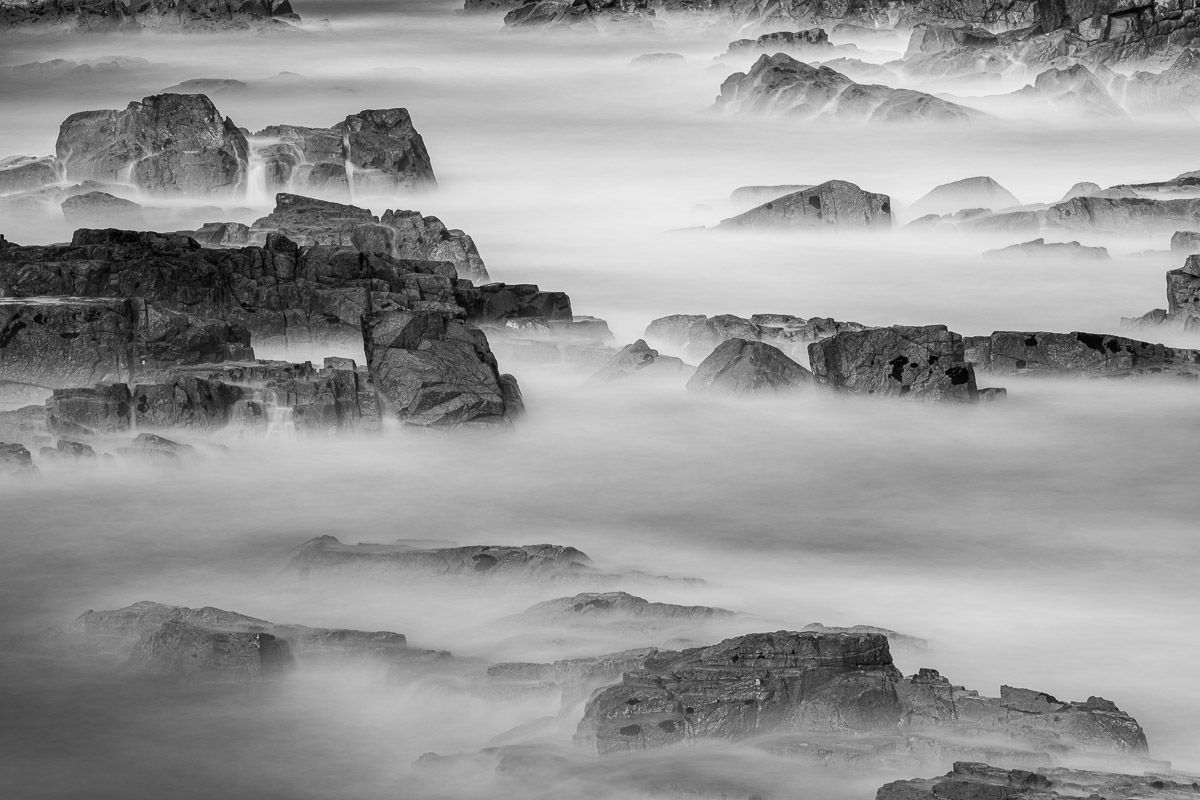
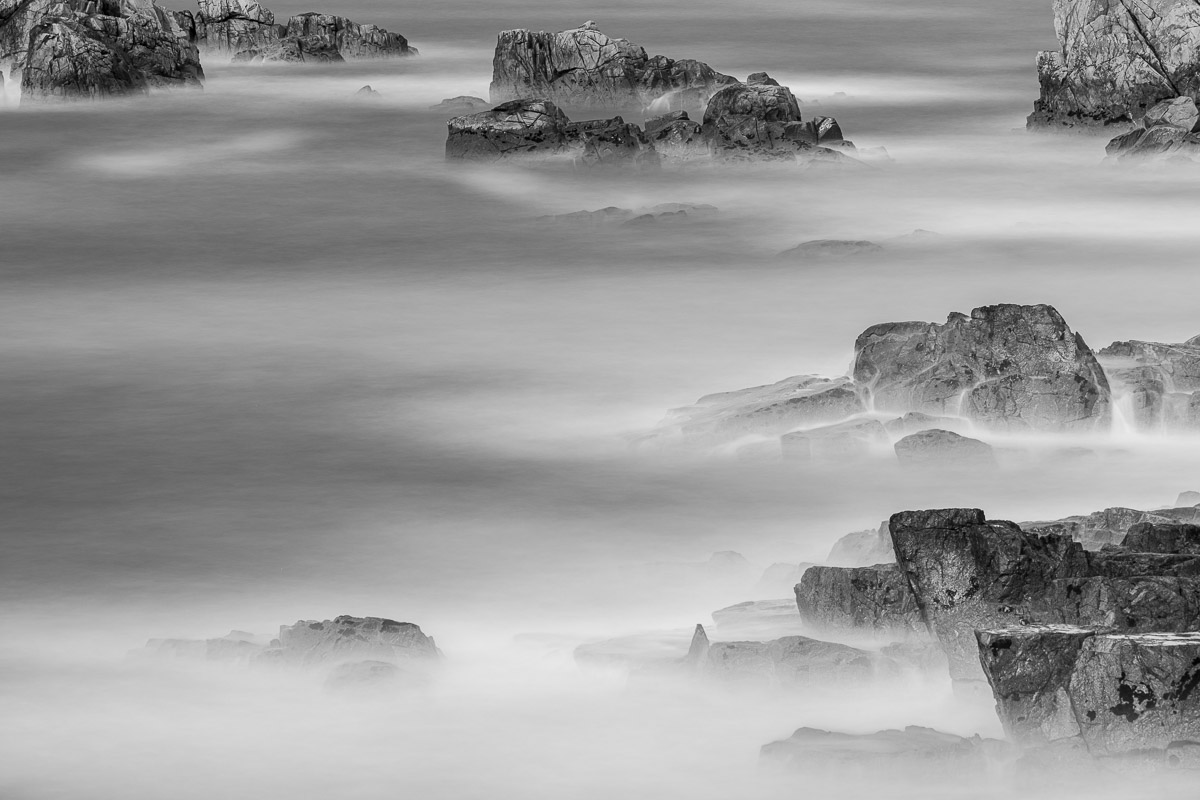
With a long exposure, the movement of the water gradually disappears. The waves no longer structure the image and the rocks seem isolated within a uniform surface. The landscape remains recognisable, but some of its usual reference points disappear.
It is this transformation that interests me more than the search for a faithful representation of the place.
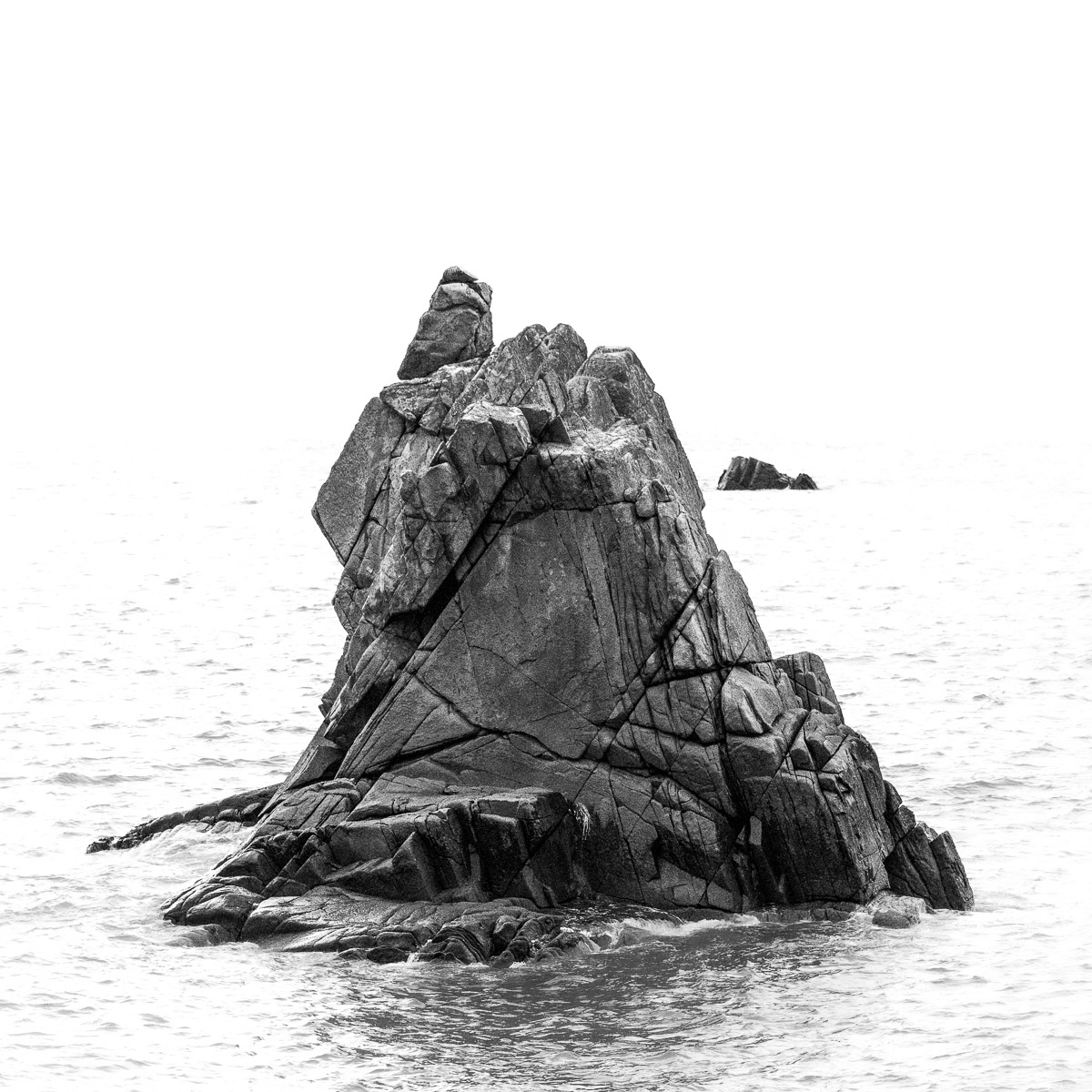
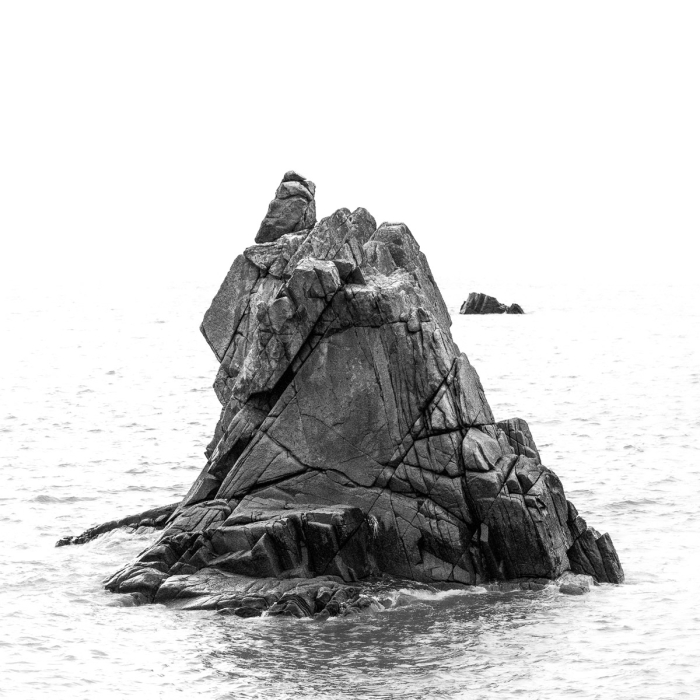
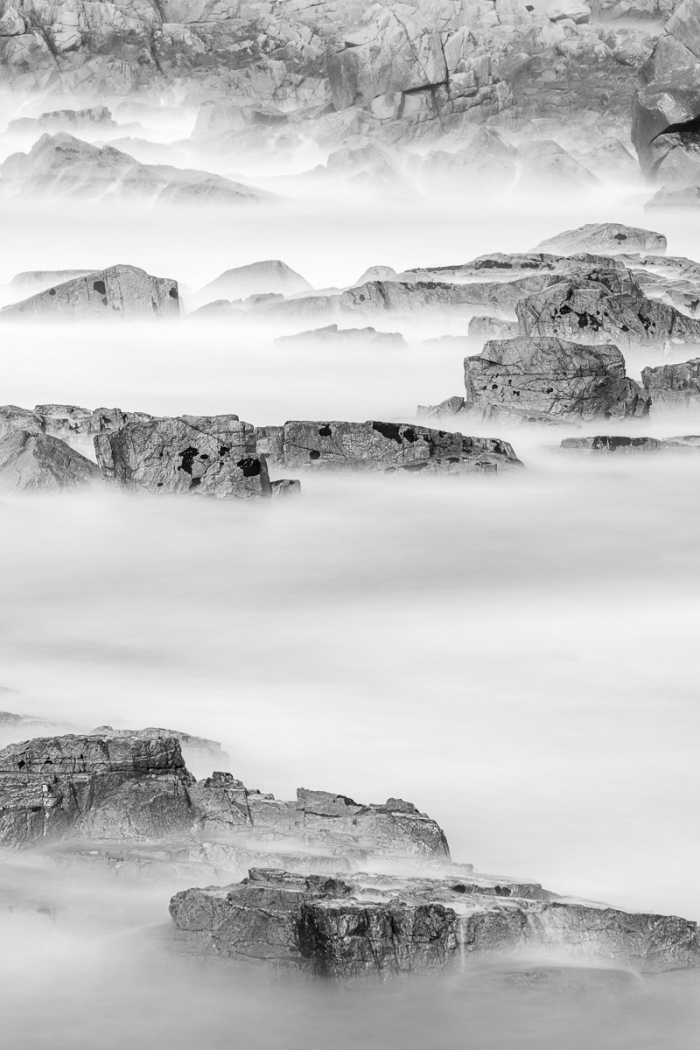
At Plougrescant, the rocky masses allow me to take this approach further.
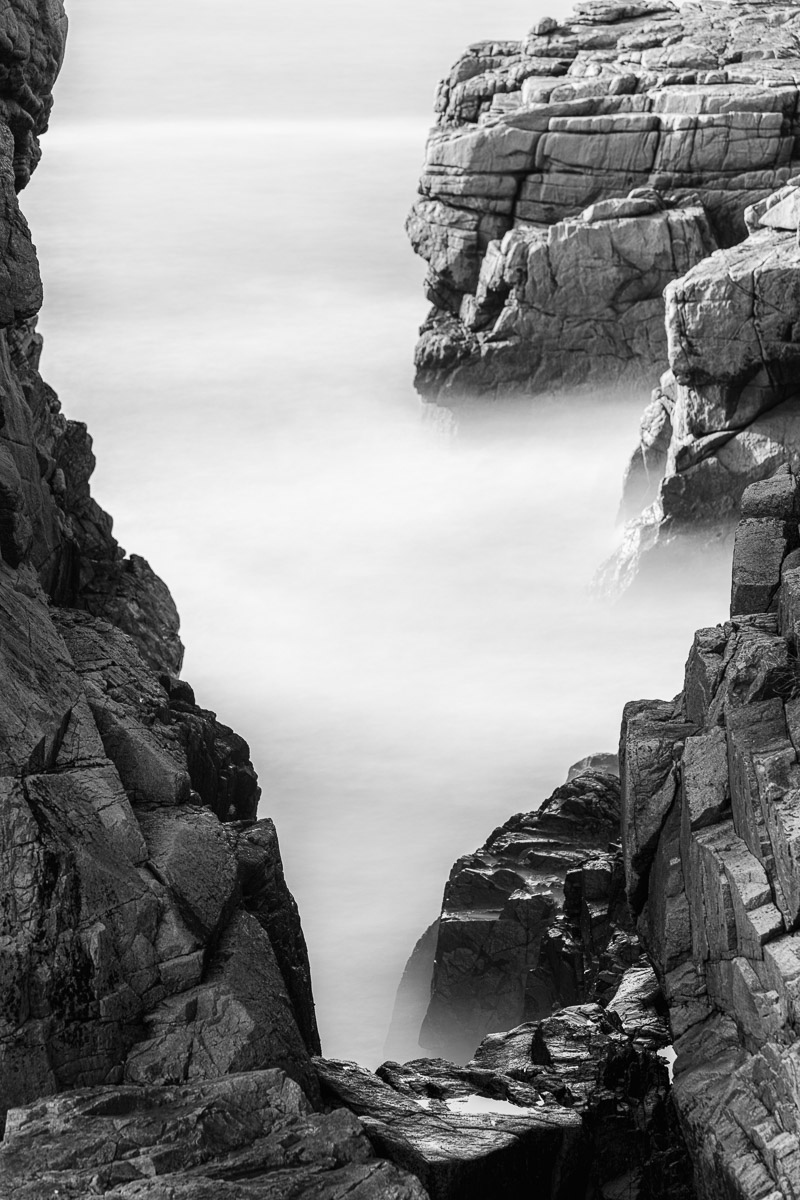
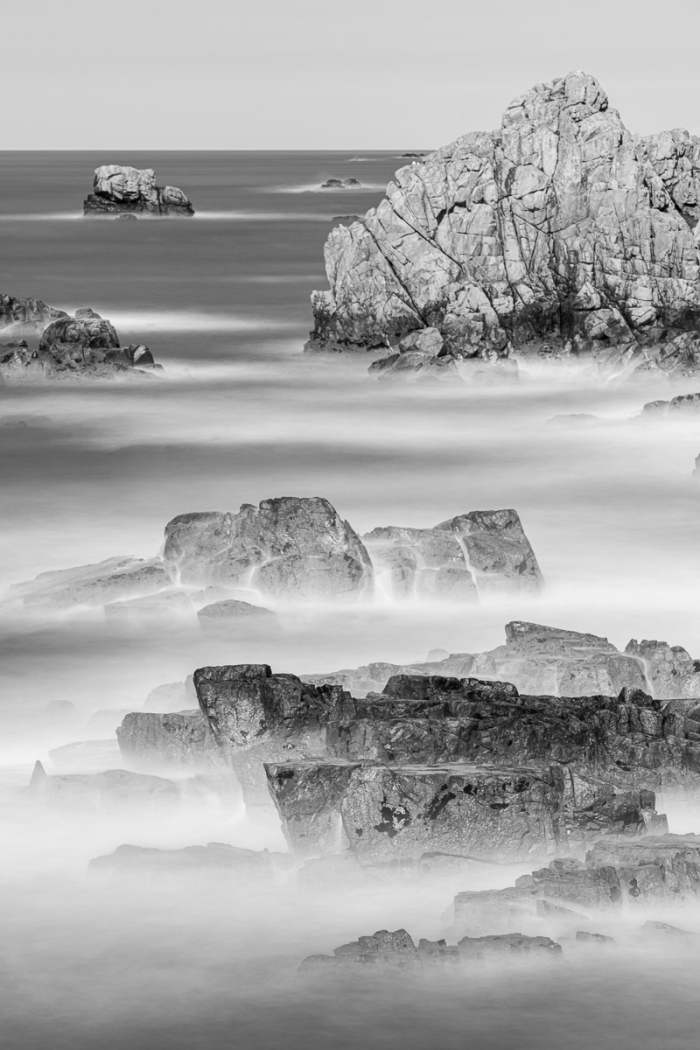
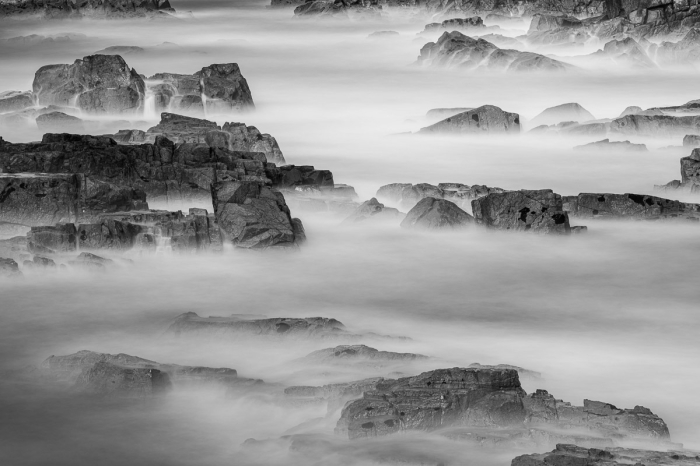
In black and white and with long exposure times, the sea becomes a pale surface from which the granite rocks emerge. Colour no longer intervenes, and the scale of the landscape can sometimes become difficult to judge.
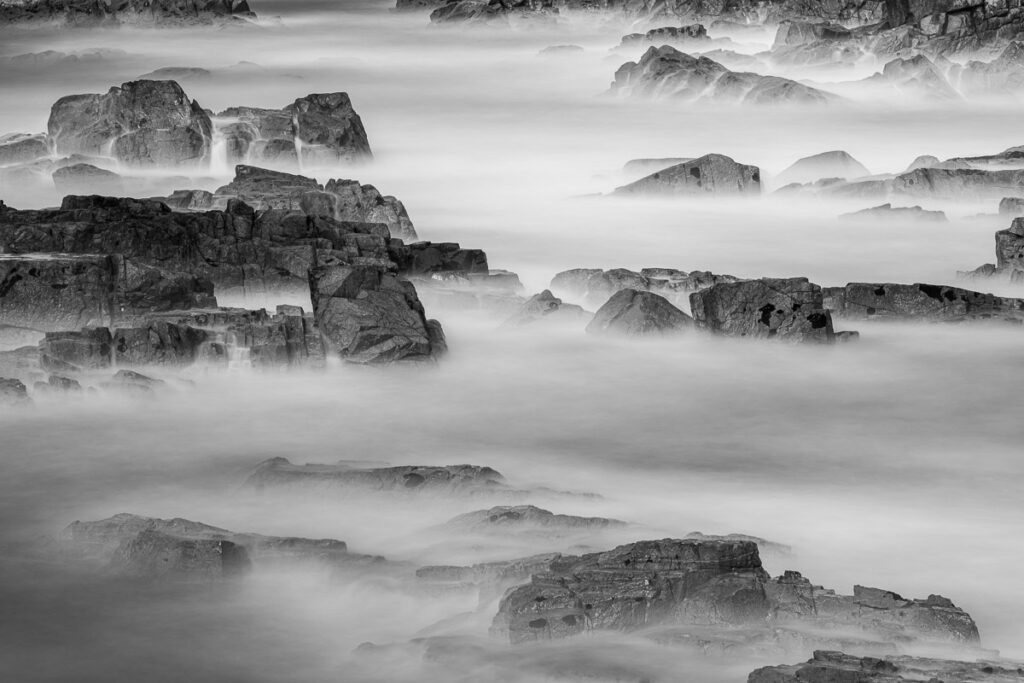 Plougrescant, April 2026 - Photo: © Sebastien Desnoulez
This approach is explored in greater detail in the article Long-exposure photography in Brittany: Seascapes between dream and movement, devoted to several seascapes photographed using extended exposure times.
The rocks, water and sky are reduced to a few shades of grey and simple shapes.
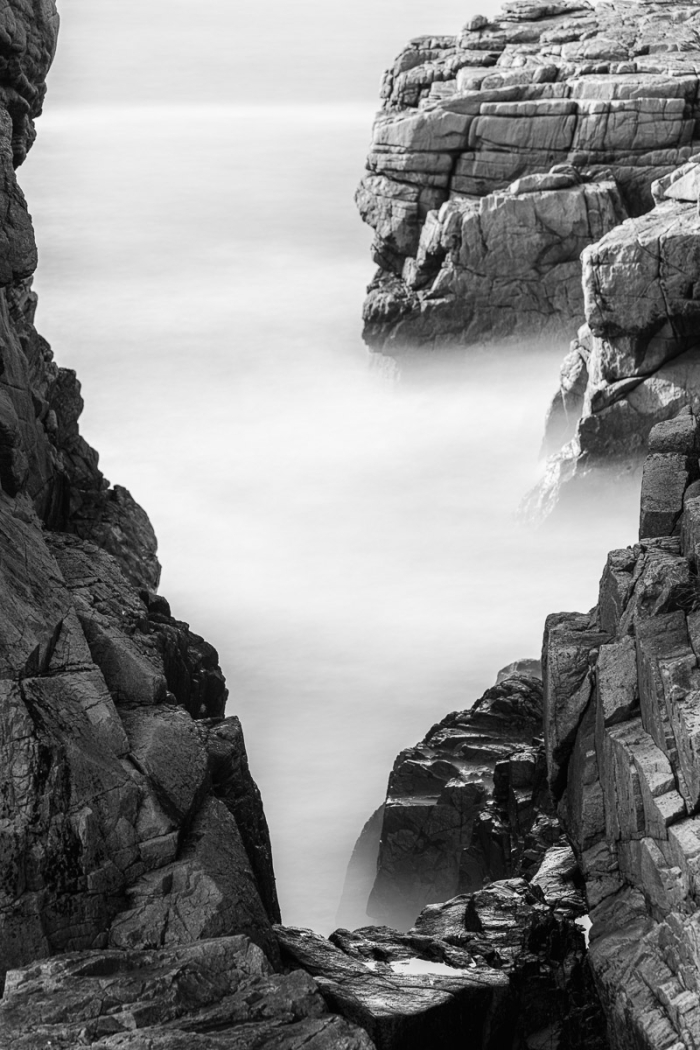
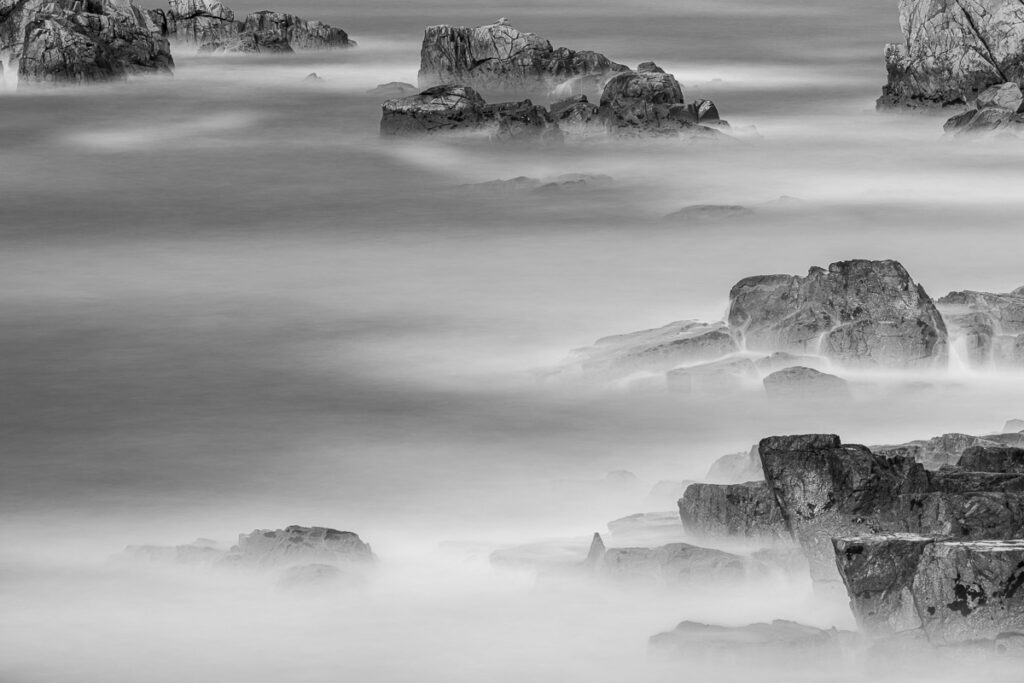 Plougrescant, April 2026 - Photo: © Sebastien Desnoulez
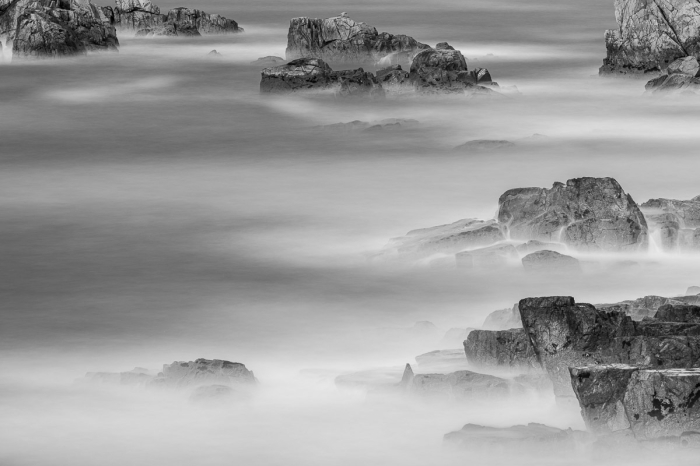
A long exposure does more than simply smooth the water. It changes the balance of the image: everything that moves tends to disappear, while fixed elements become increasingly prominent.
At Pointe de Primel, in Plougasnou, the rock takes on a darker presence. Light and shadow give the relief a denser, almost enclosed appearance.
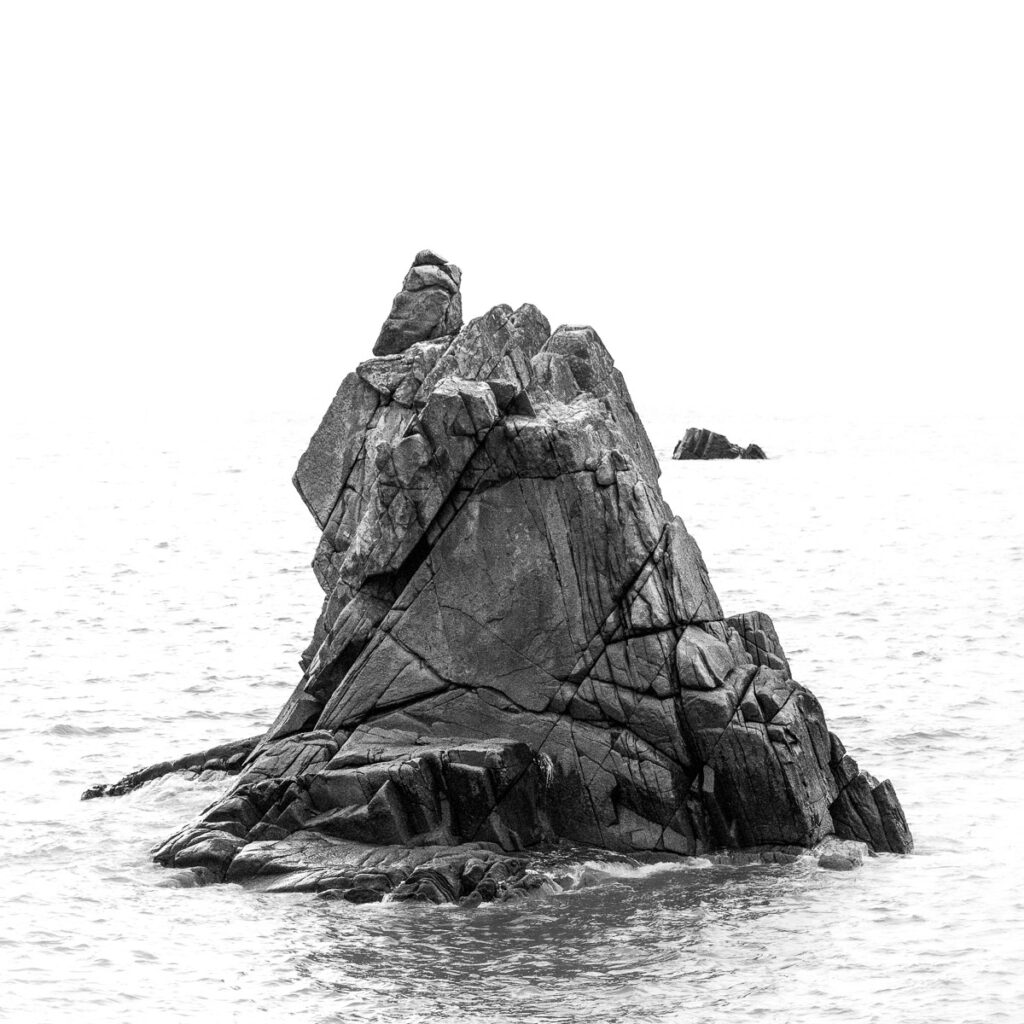 Dark side of the rock, September 2026 - Photo: © Sebastien Desnoulez
When the tide redraws the landscape
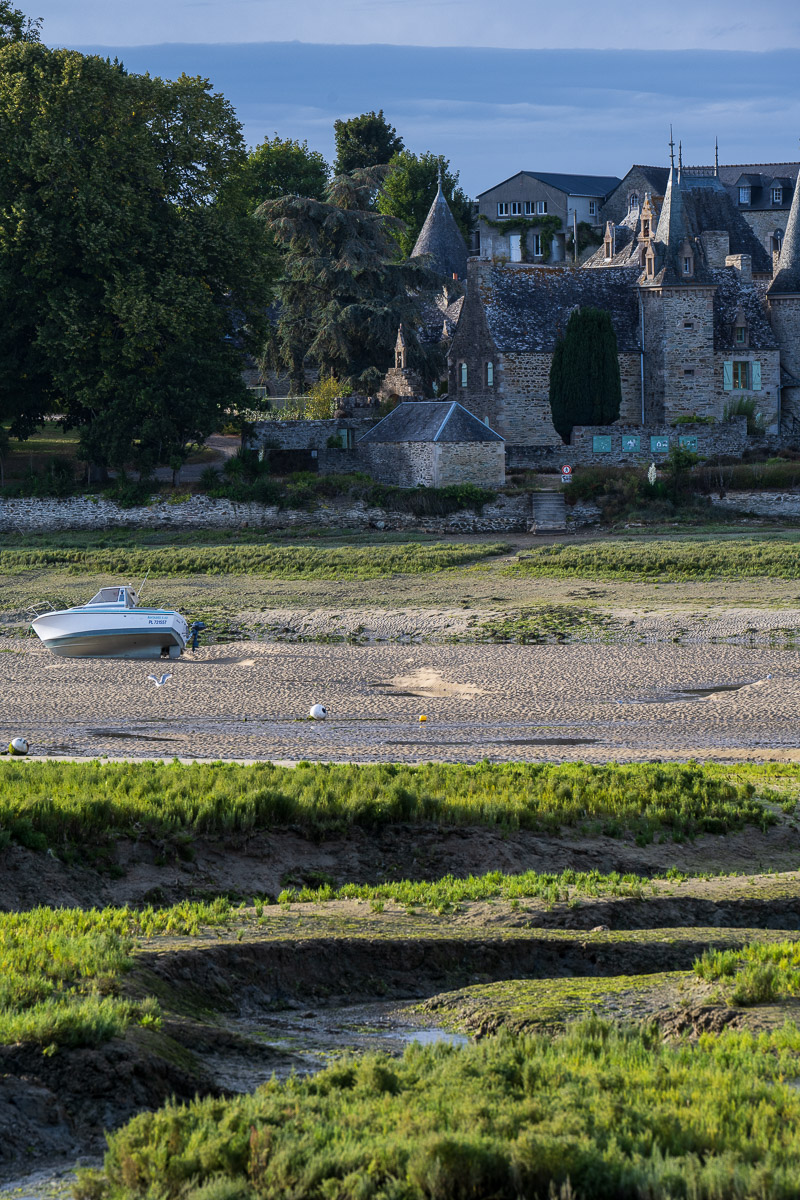
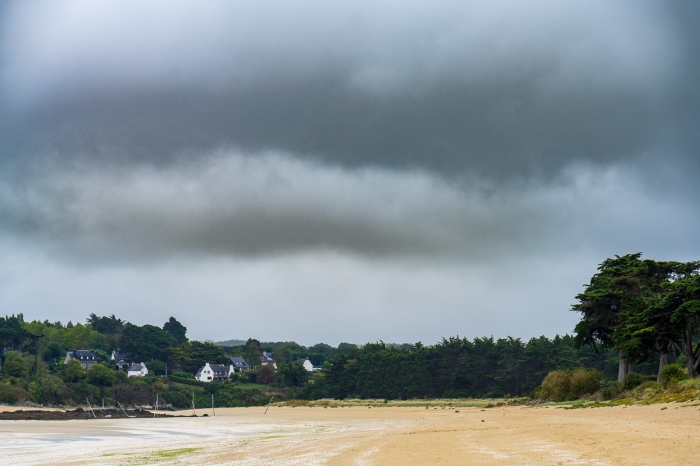
At Plestin-les-Grèves, the mouth of the Douron offers another kind of transformation.
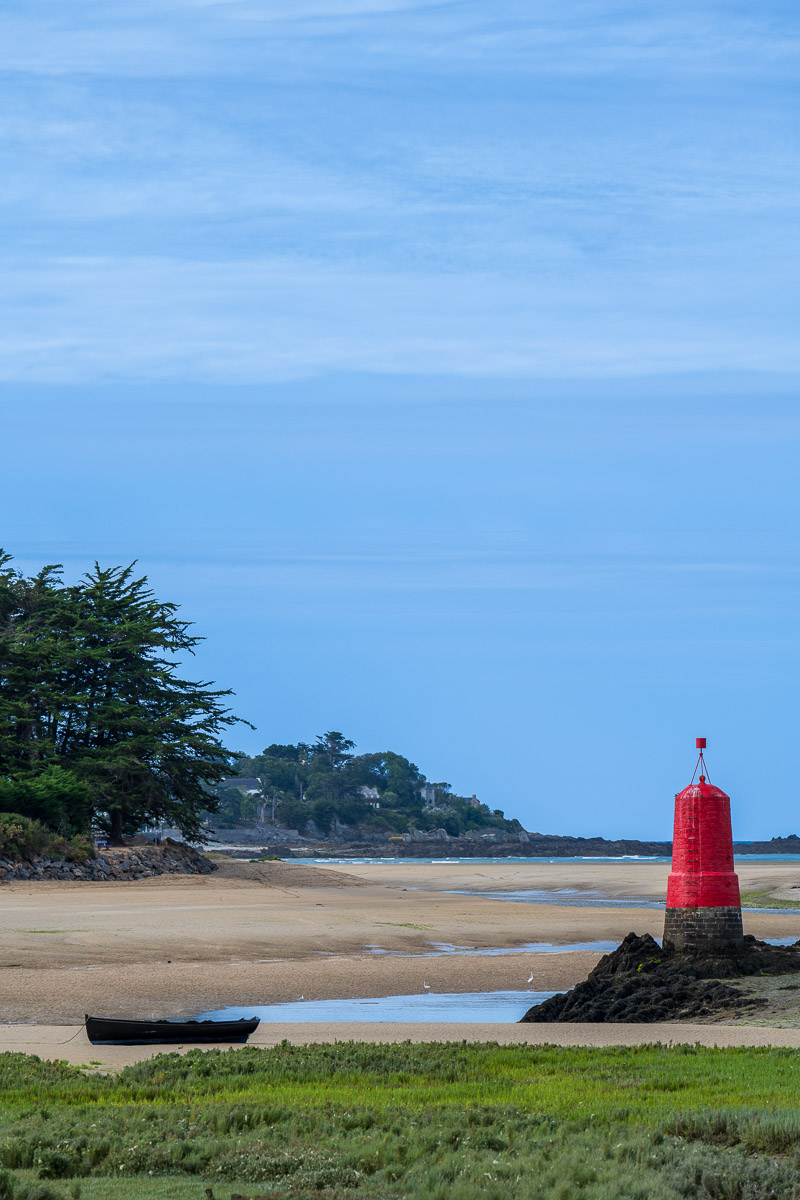
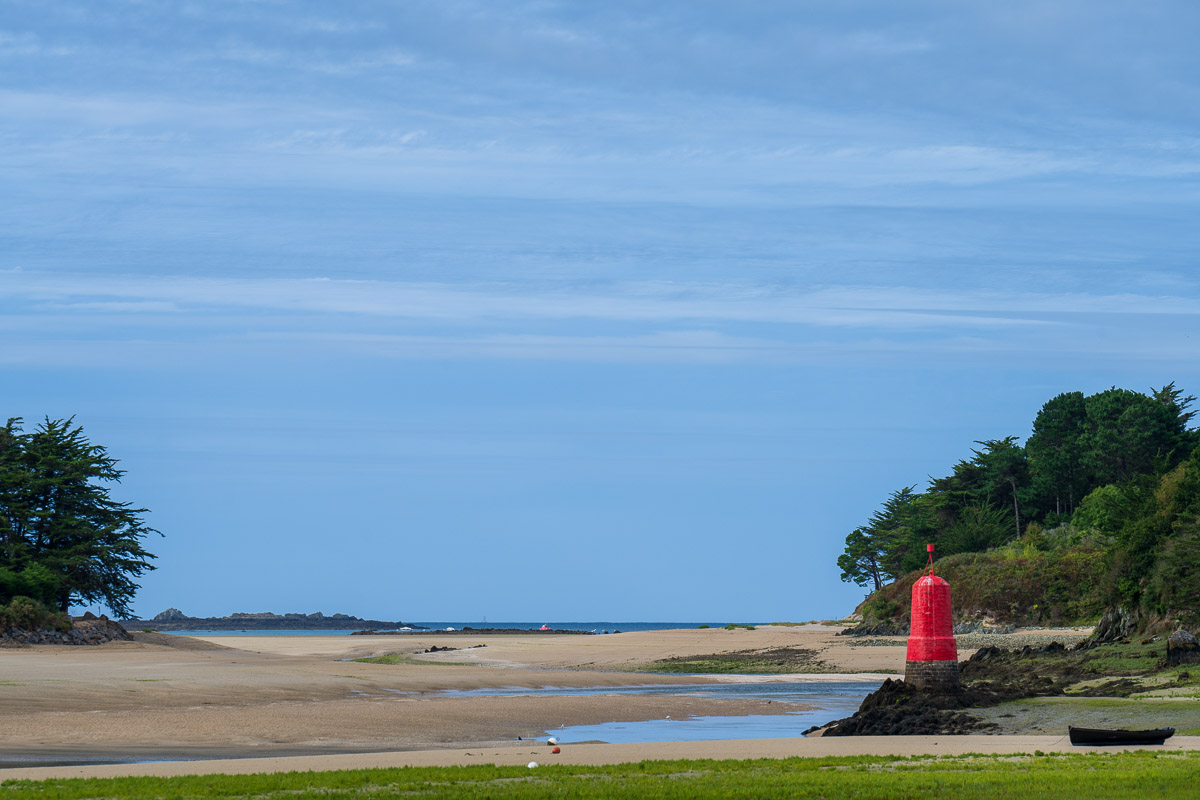
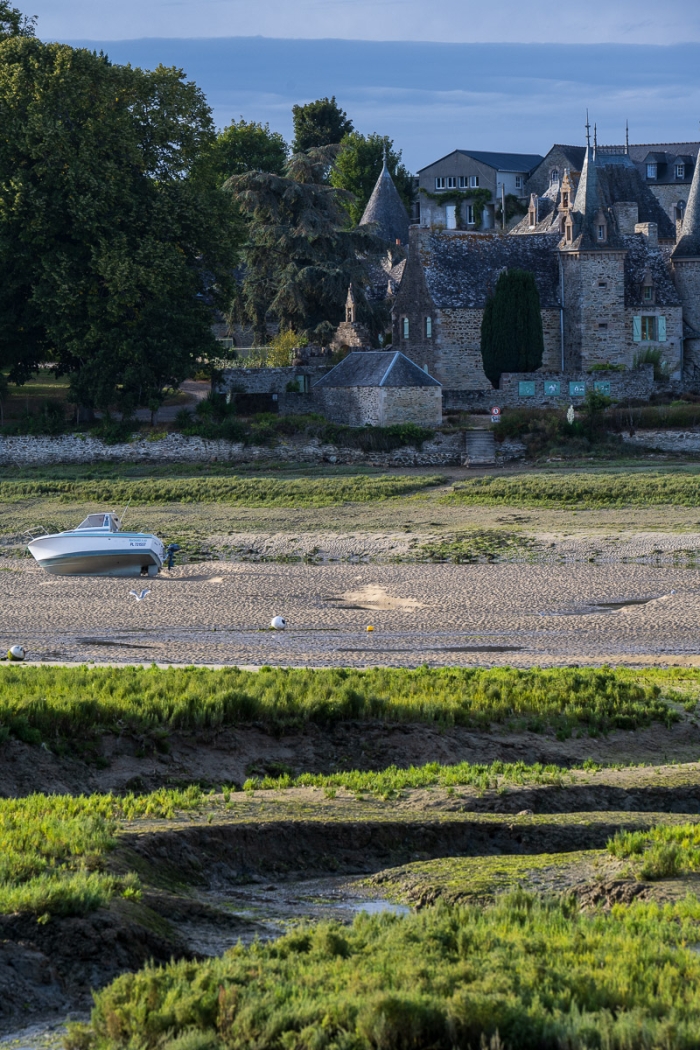
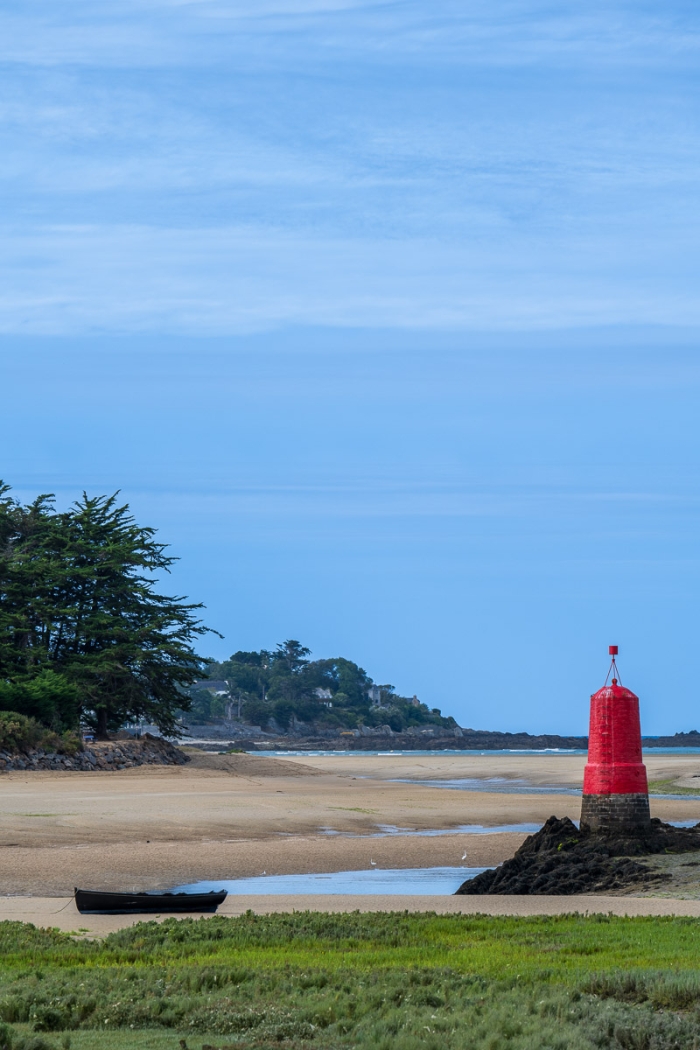
At low tide, the entire inlet empties. Boats are left resting on the exposed ground, channels reappear, and large areas that were covered by water only a few hours earlier become visible.
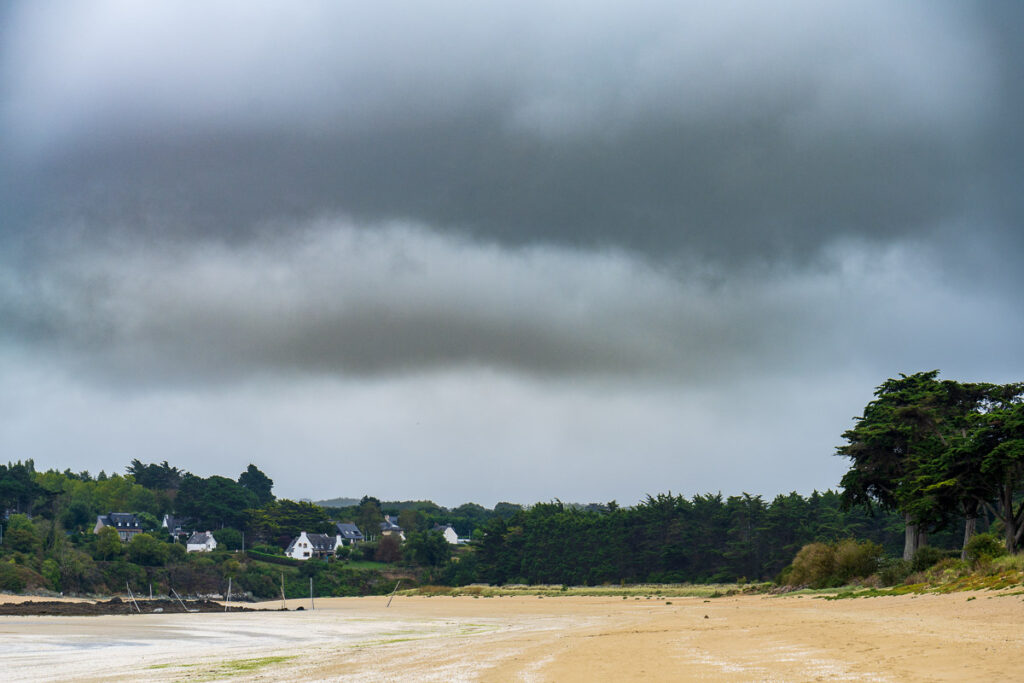 Plestin-les-Grèves, September 2026 - Photo: © Sebastien Desnoulez
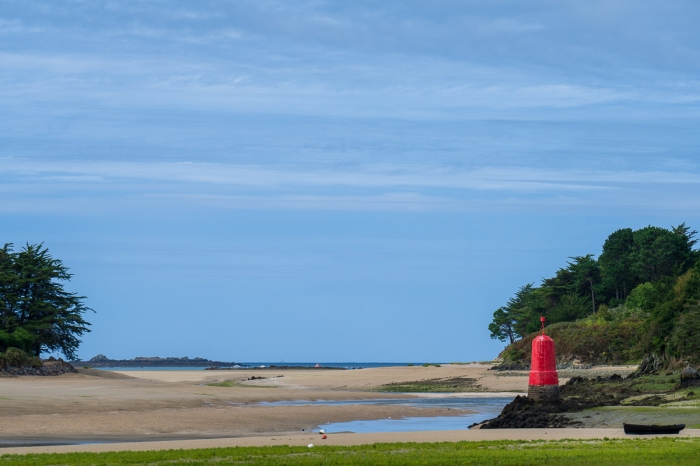
The structure of the landscape changes with it.
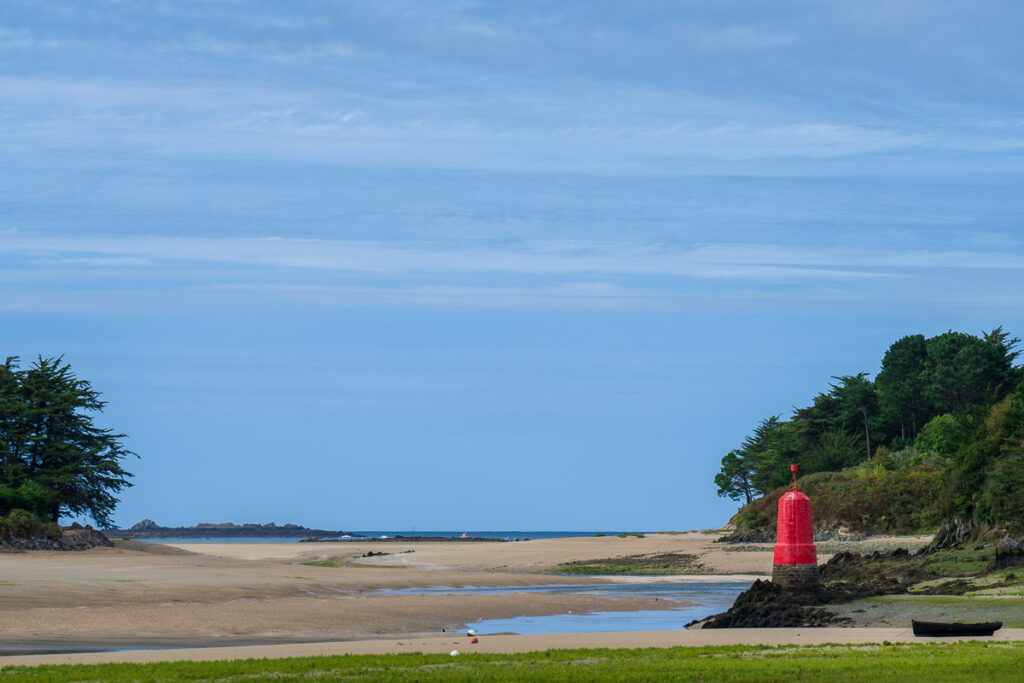 Plestin-les-Grèves, September 2026 - Photo: © Sebastien Desnoulez
A navigation marker, a few boats or a line of water are enough to give scale to these large exposed areas. The photograph shows less the sea itself than the trace left by its retreat.
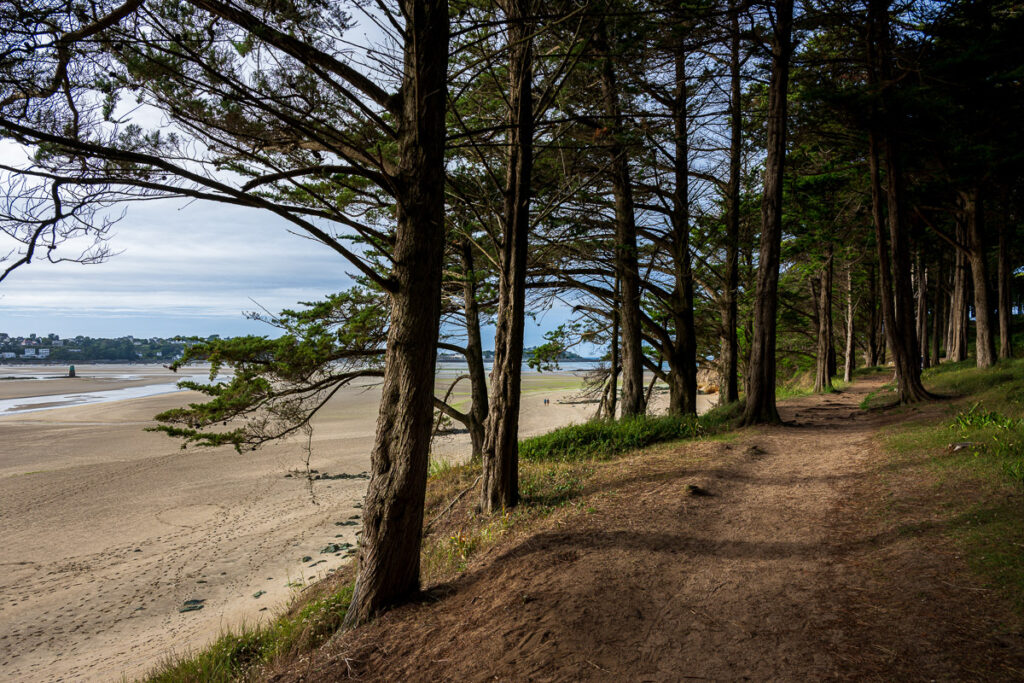 Plestin-les-Grèves, September 2026 - Photo: © Sebastien Desnoulez
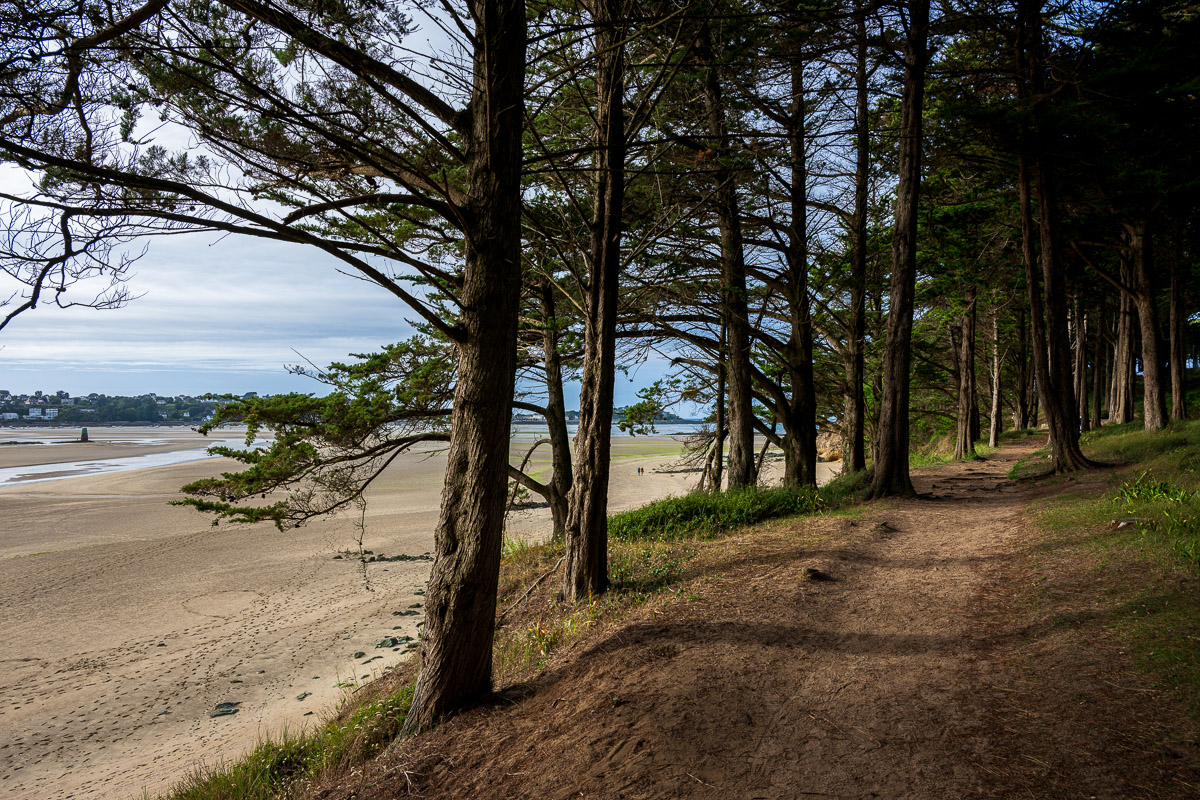
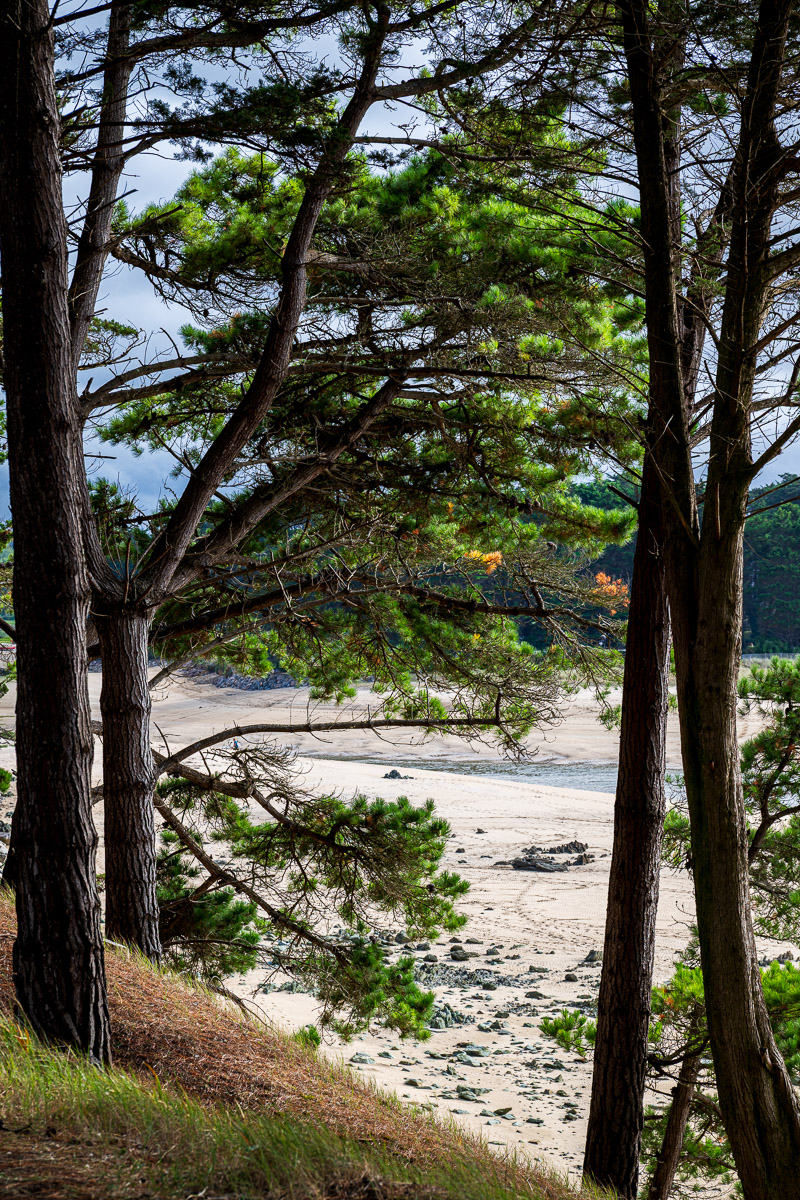
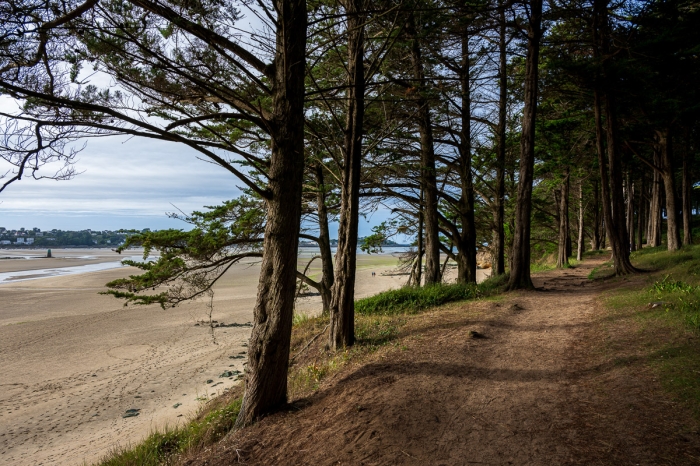
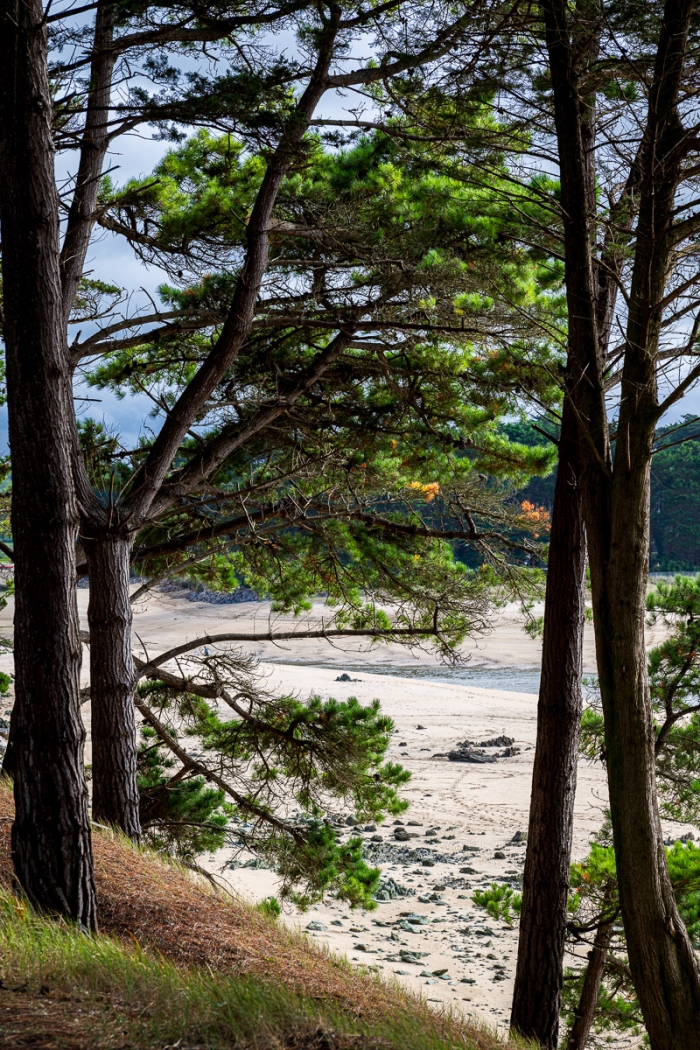
Nearby, the path leading to the Hogolo thermal baths passes through pine trees. Moving temporarily away from the shoreline, the vertical trunks, shadows and openings towards the light create a more structured landscape, in which the sea may no longer be visible but remains close by.
Photographing the rain
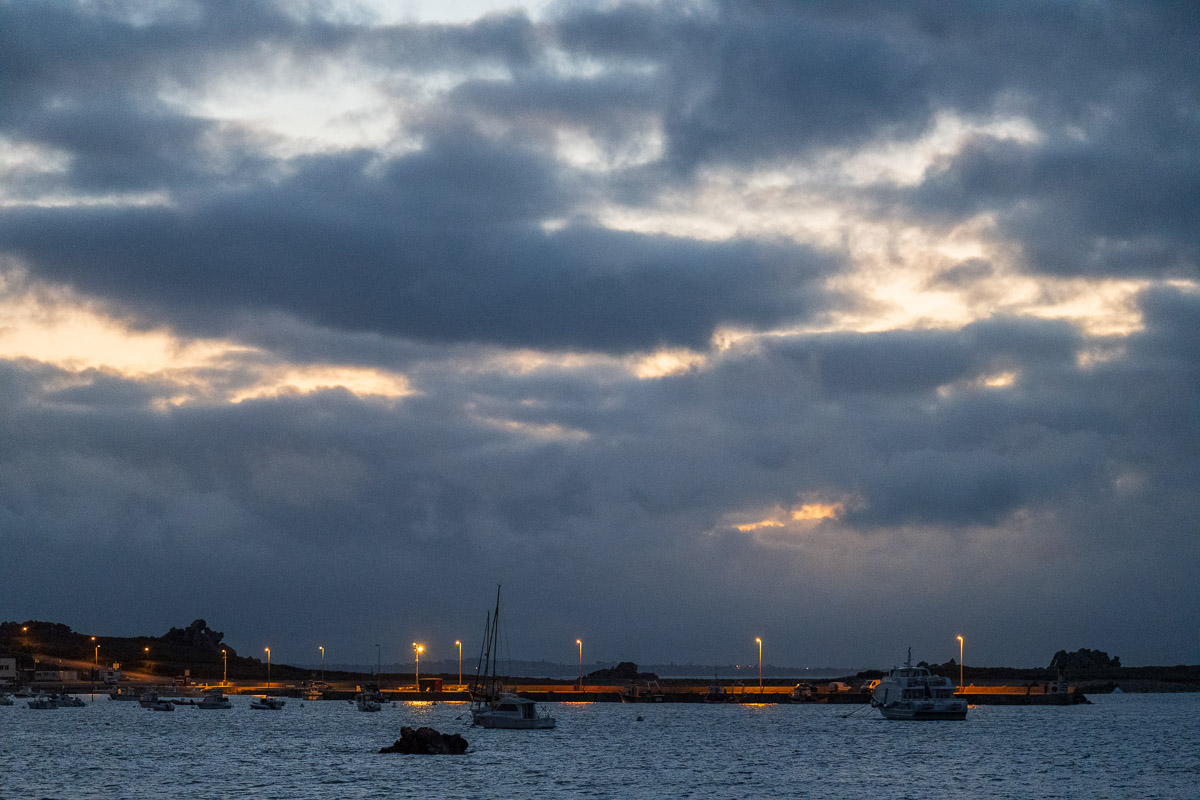
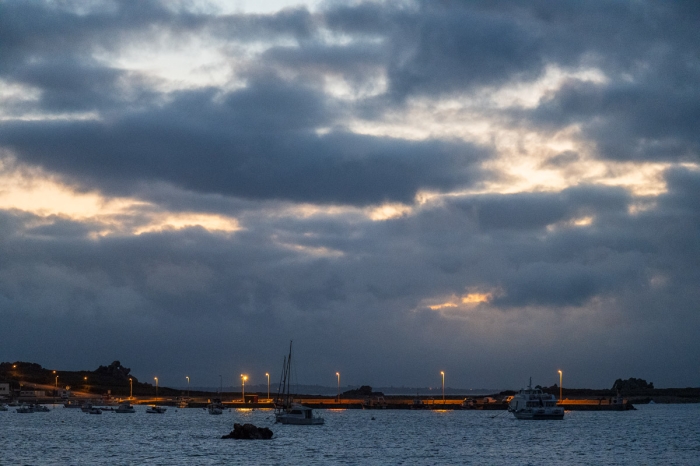
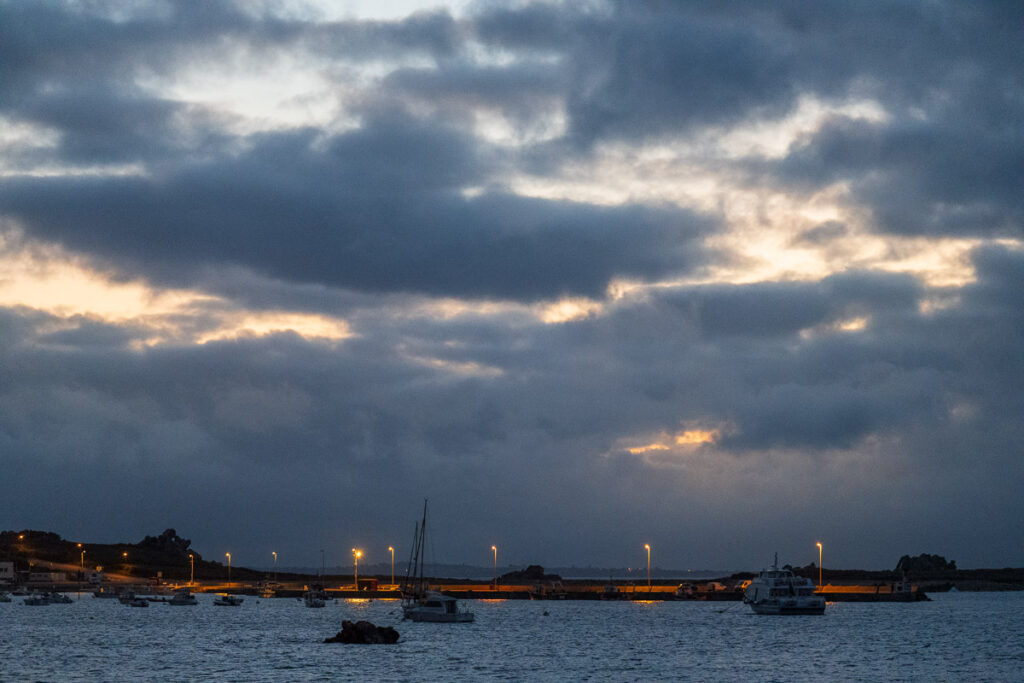 Plougasnou harbour, September 2026 - Photo: © Sebastien Desnoulez
In September, the sky and the weather take an increasingly important place in the images. At dusk, a few artificial lights are enough to outline the harbour beneath a mass of clouds still crossed by the last light in the sky.
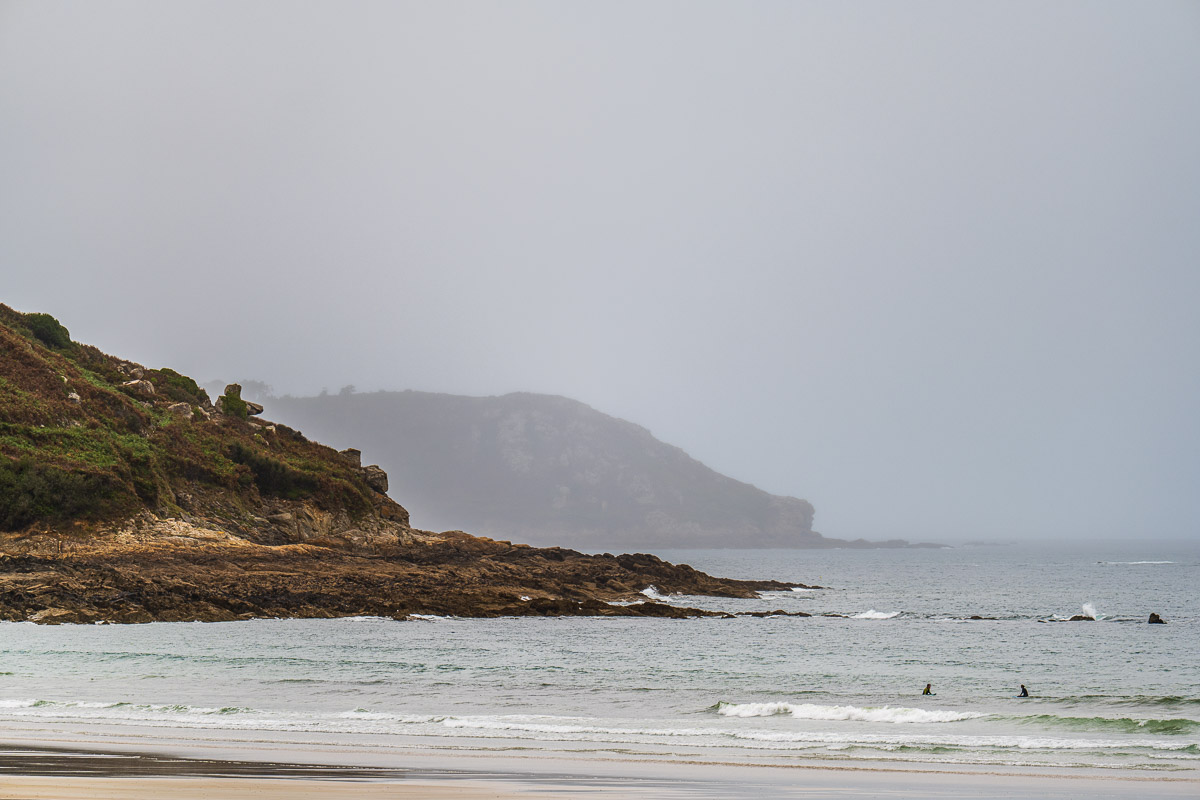
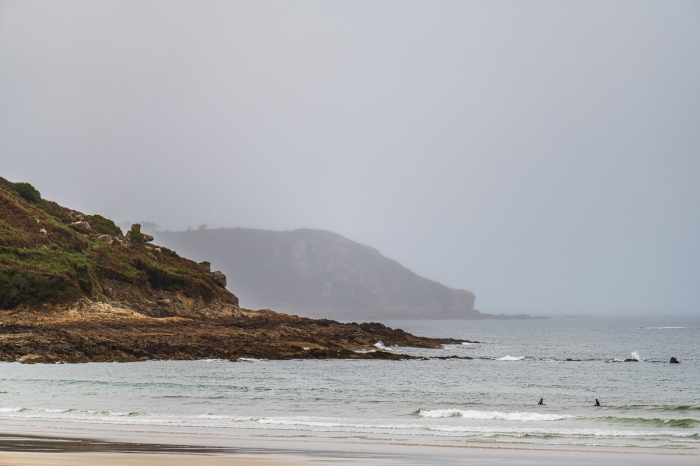
At Locquirec, a curtain of rain approaches from the west. Behind the surfers, the cliffs in the background gradually disappear behind the falling rain.
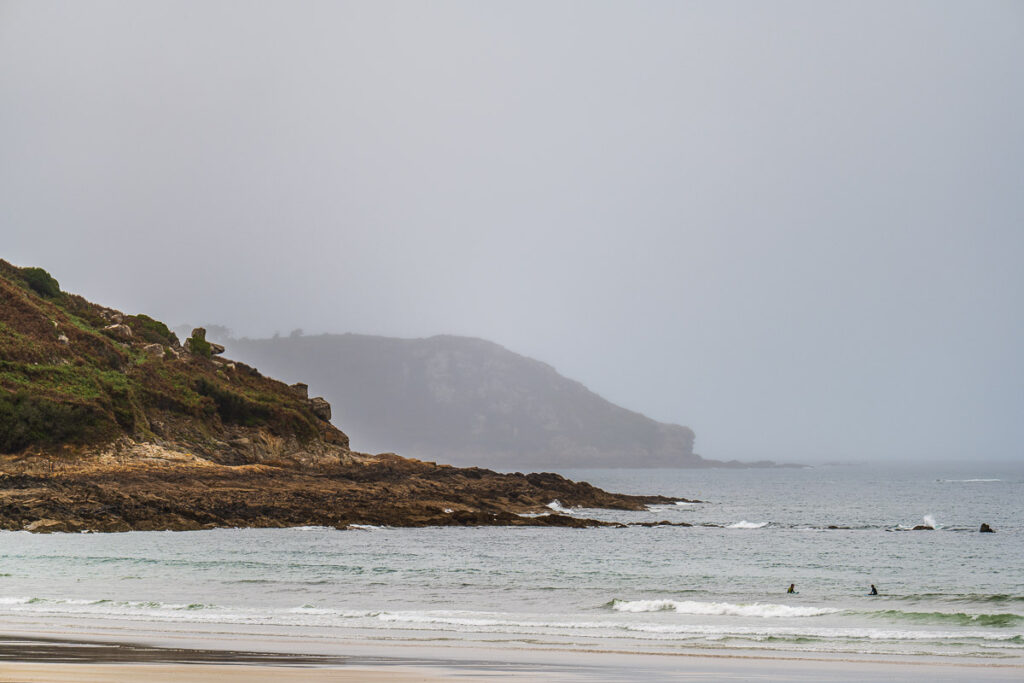 Rain approaching Locquirec, September 2026 - Photo: © Sebastien Desnoulez
Just a few minutes are enough to completely alter the depth of the scene.
The rain is not necessarily falling yet where I am photographing. It can be seen in the distance, like a mass advancing towards me and transforming the landscape before it even arrives.
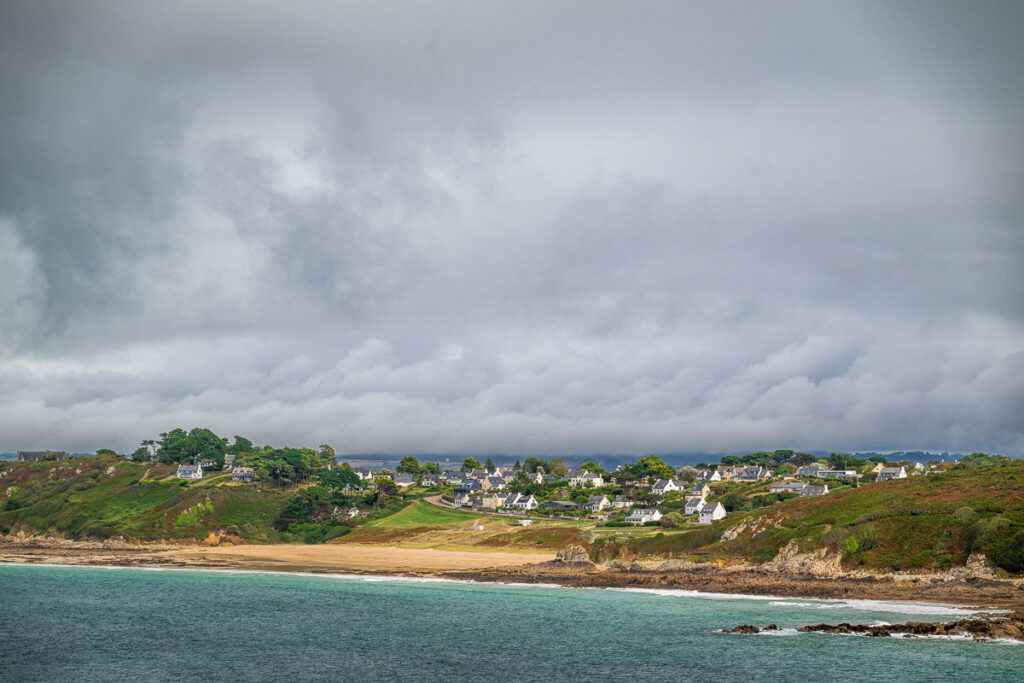 Locquirec, September 2026 - Photo: © Sebastien Desnoulez
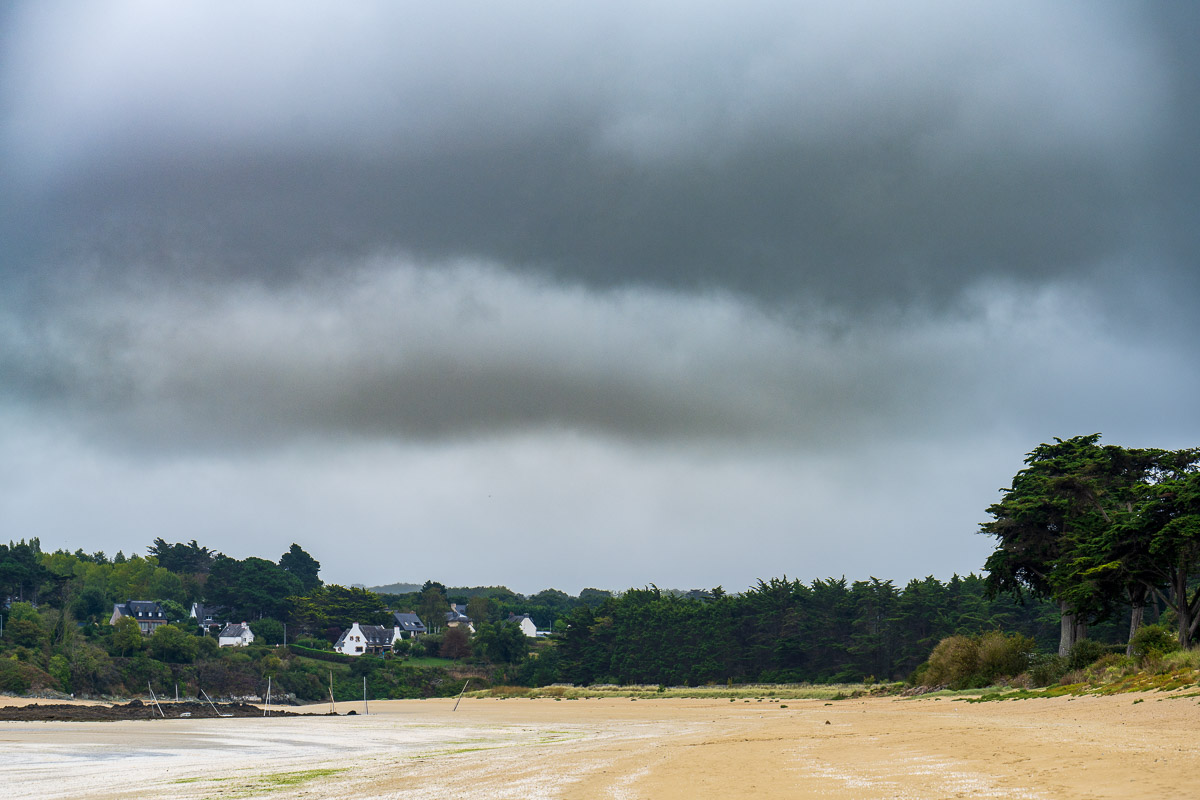
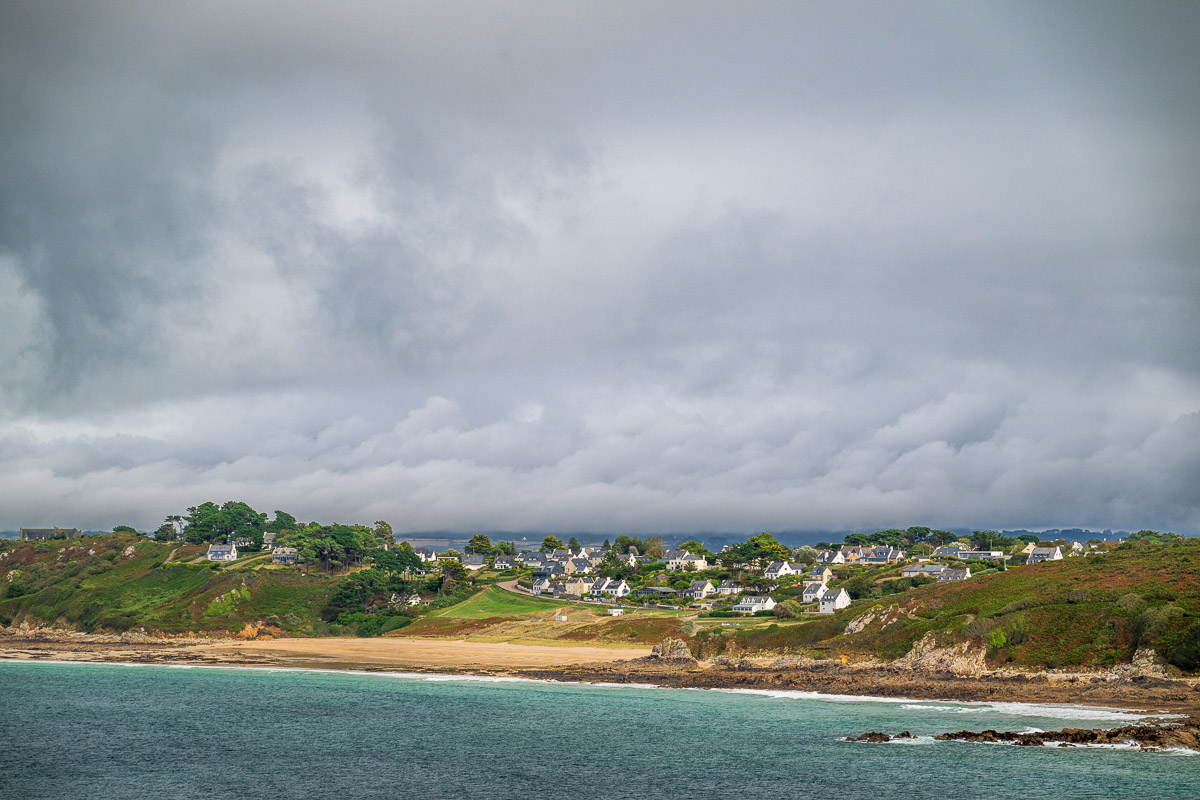
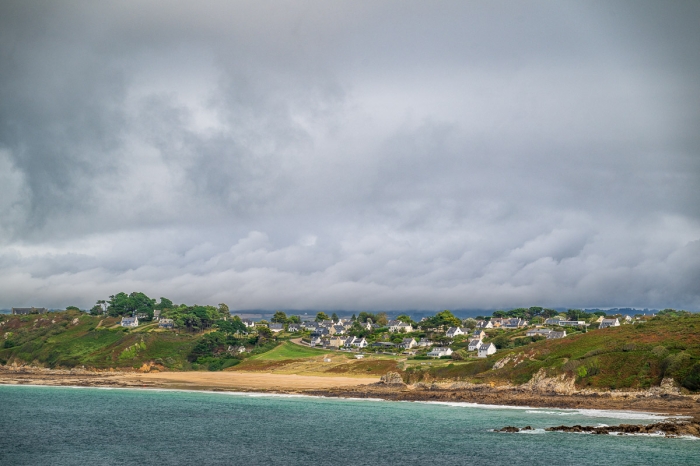
In another view of Locquirec, the houses occupy only a small part of the image beneath a far more dominant sky. The proportion between the village and the clouds conveys the feeling of a landscape constantly subjected to changing weather.
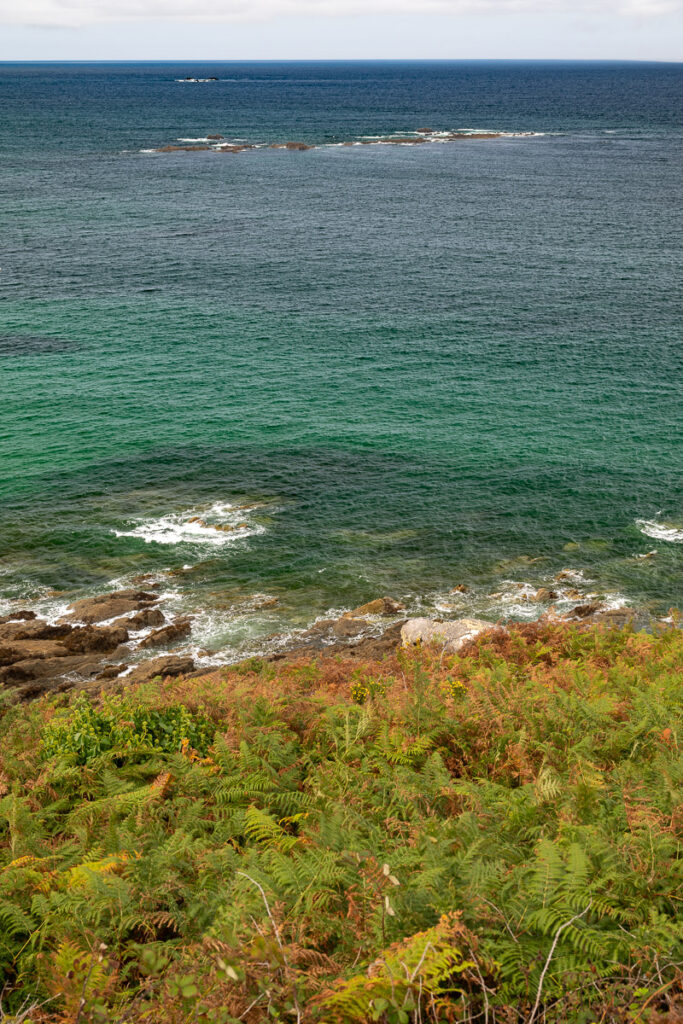 Northern Finistère, September 2026 - Photo: © Sebastien Desnoulez
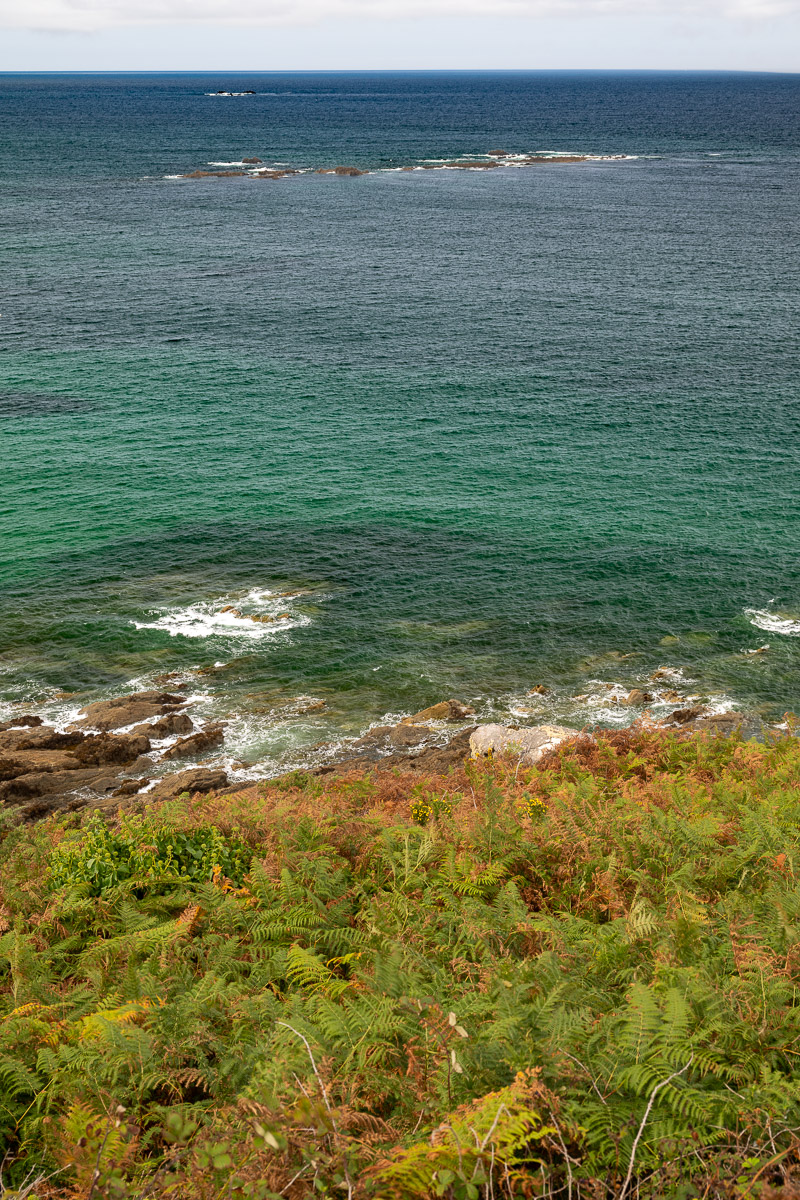
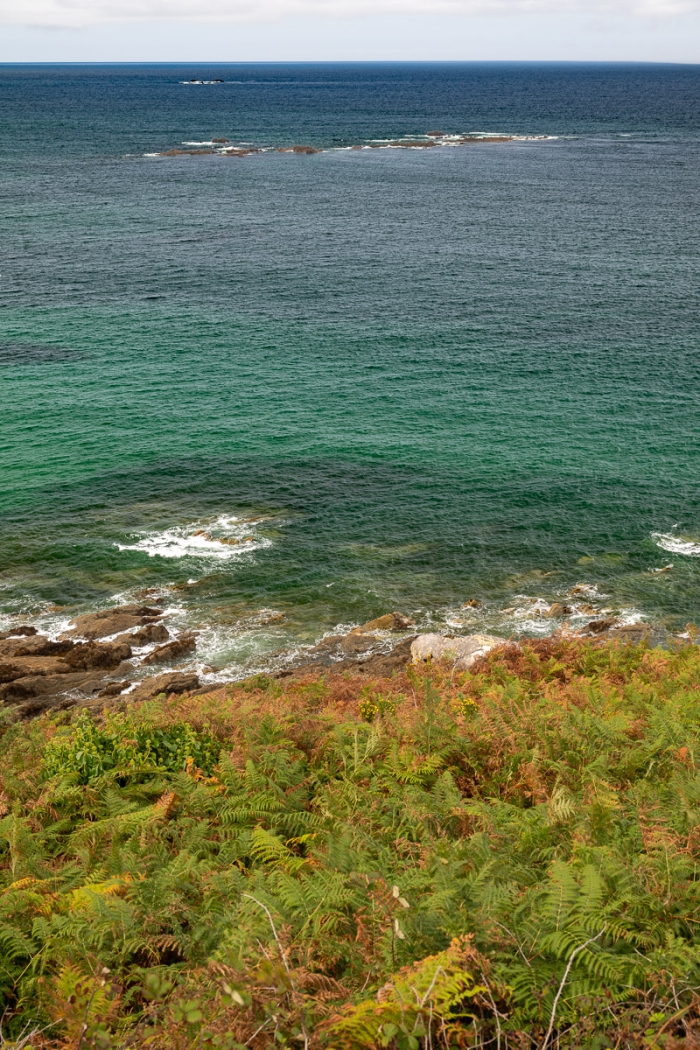
At Aod al Lay, between Saint-Jean-du-Doigt and Locquirec, sea, rocks and sky once again form a landscape in which light matters as much as the place itself.
Between description and interpretation
I often photograph a landscape in response to what presents itself in front of me: a particular light, a shape, a rocky mass or a change in the weather.
Brittany is particularly well suited to this approach because conditions change so quickly. Returning to the same place a few hours later can be enough to produce a very different image.
The tide alters the volumes. Rain removes some of the planes within the landscape. A long exposure erases the movement of the water. Black and white simplifies the forms still further.
The landscape being photographed is therefore always the landscape of one particular moment.
This is probably what keeps bringing me back to this coast: rather than an unchanging setting, it offers a succession of temporary landscapes.
About the author
Sebastien Desnoulez is a photographer, author and image maker based in Paris. His work spans architectural photography, landscape photography and travel photography, with particular attention to composition, lines, light, blur and visual accidents. Trained in photography in the mid-1980s, he covered Formula 1 and reported from around the world before developing a fine art photography practice built around the tension between graphic rigour and visual instability. He also shares his technical experience through practical articles for passionate photographers, drawing on a strong visual culture acquired in both film and digital photography.
Click on the photographs below to view them full screen.
All the photos displayed on this website are copyright protected © Sebastien Desnoulez. No use is allowed without written authorization.
Legal notice
Tags