

1988 French Election Campaigns in Photographs

In 1987, I began working as a freelance photographer in Lille. I covered meetings, campaign visits and political gatherings connected with the 1988 French presidential election, followed by the legislative elections. Shot on film, these reportages became a formative stage in my apprenticeship as a press photographer.
At the time, I was trying to train myself in the field and build my portfolio. I photographed whatever I could get close to: public meetings, candidate visits, moments of waiting, faces, gestures, rooms, crowds. I also studied the images published in magazines and newspapers, with the aim of producing comparable photographs: clear, structured, usable images, capable of holding their place in a printed layout.
I then held a professional card issued by the Union des Photographes Créateurs. It made access to many events easier and allowed me to work in an environment where everything happened very quickly. Electoral campaigns impose demanding reporting conditions: difficult light, unpredictable movement, crowded spaces, and decisive moments that do not happen twice.
Learning press photography
These photographs belong to my earliest press reportages. In Lille, in the late 1980s, I wanted to show that I could cover current affairs, follow national political figures and produce images that could be used by the press.
I went to campaign meetings, official visits and public gatherings with my film cameras and a few rolls of film. I worked in very different conditions: sometimes in dark rooms, sometimes with flash, sometimes in the street, in the middle of a dense crowd. The aim was to bring back a clear image and to find a composition, a gaze, a tension, a detail that gave the scene documentary value.
These reportages allowed me to work on visible subjects, connected with national news, in conditions close to those faced by agencies and major newspapers. They were also a way of moving beyond the usual subjects of the local press, by looking for situations that were more exposed, faster-moving and more demanding photographically.
Lille and Northern France as political ground
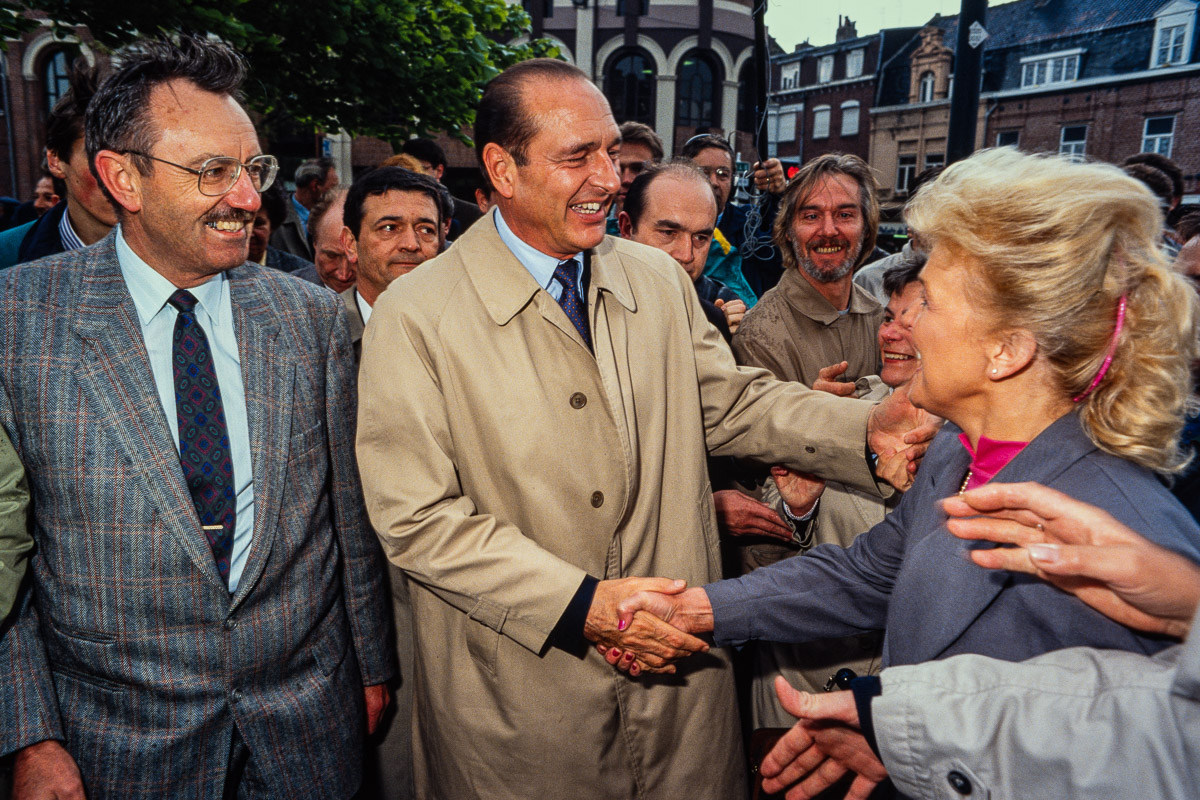
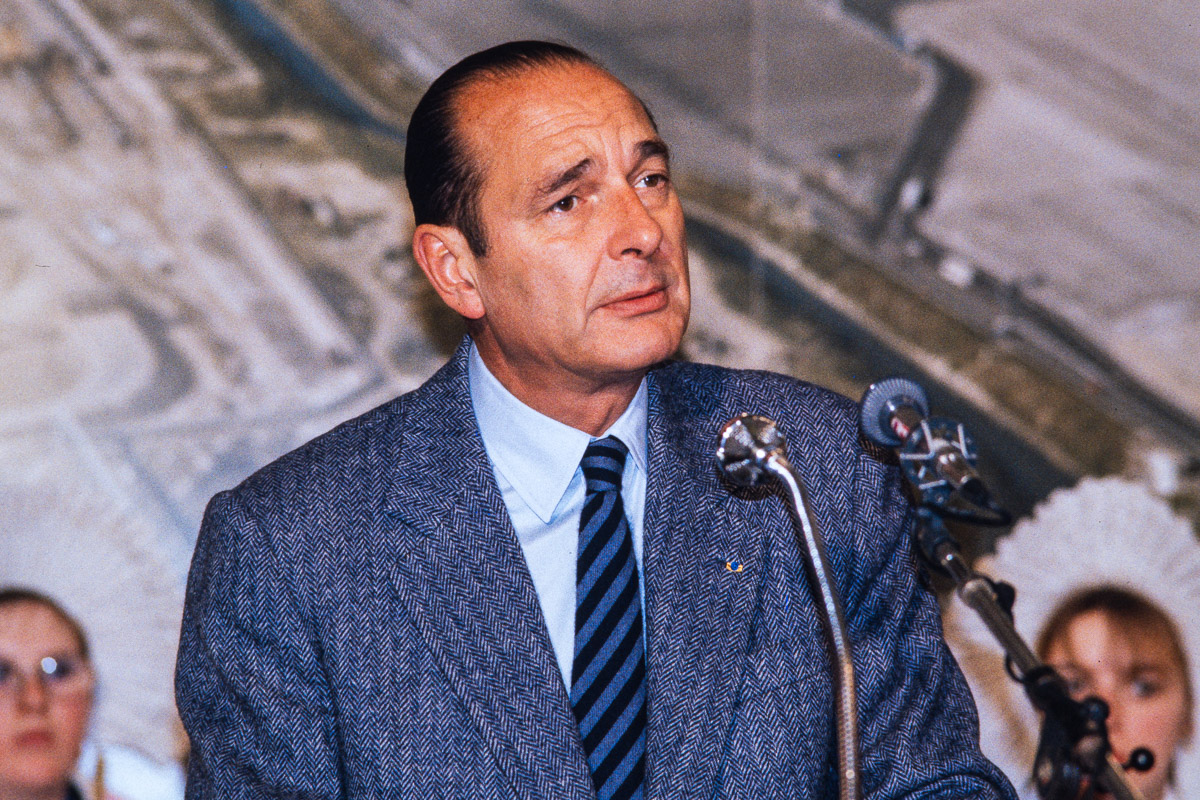
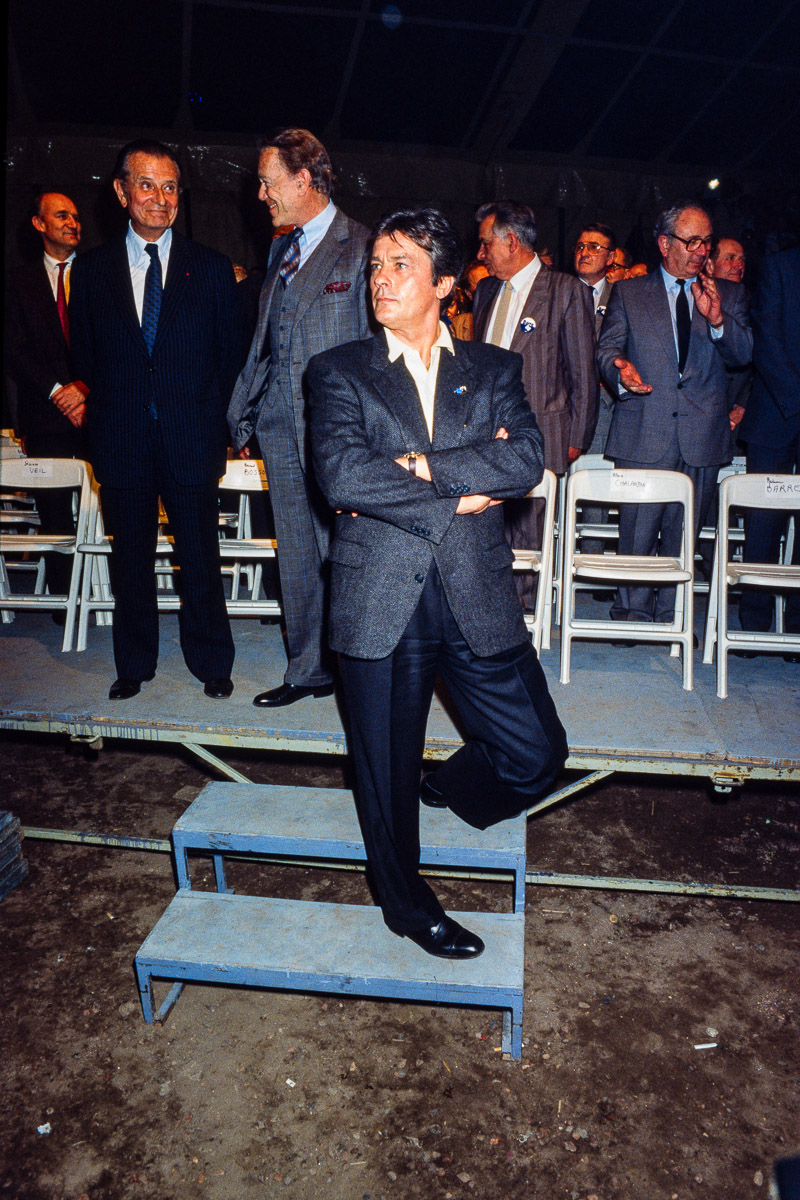
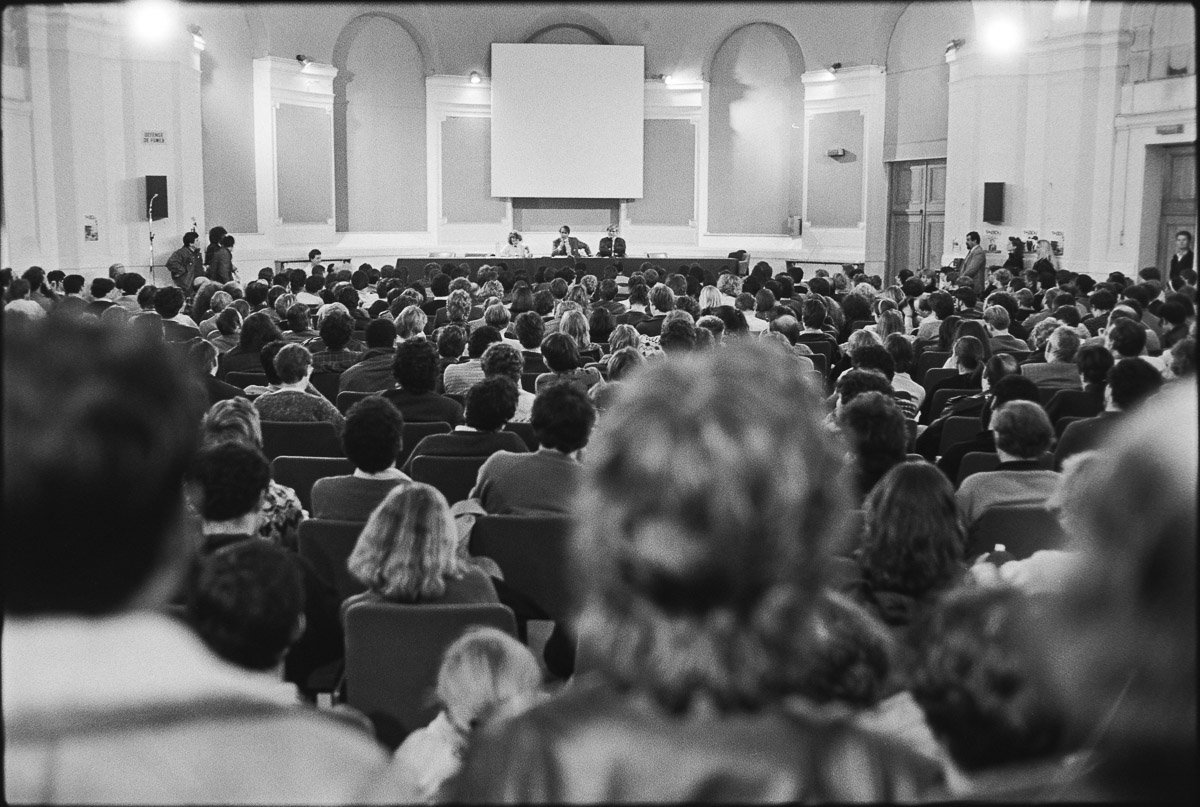
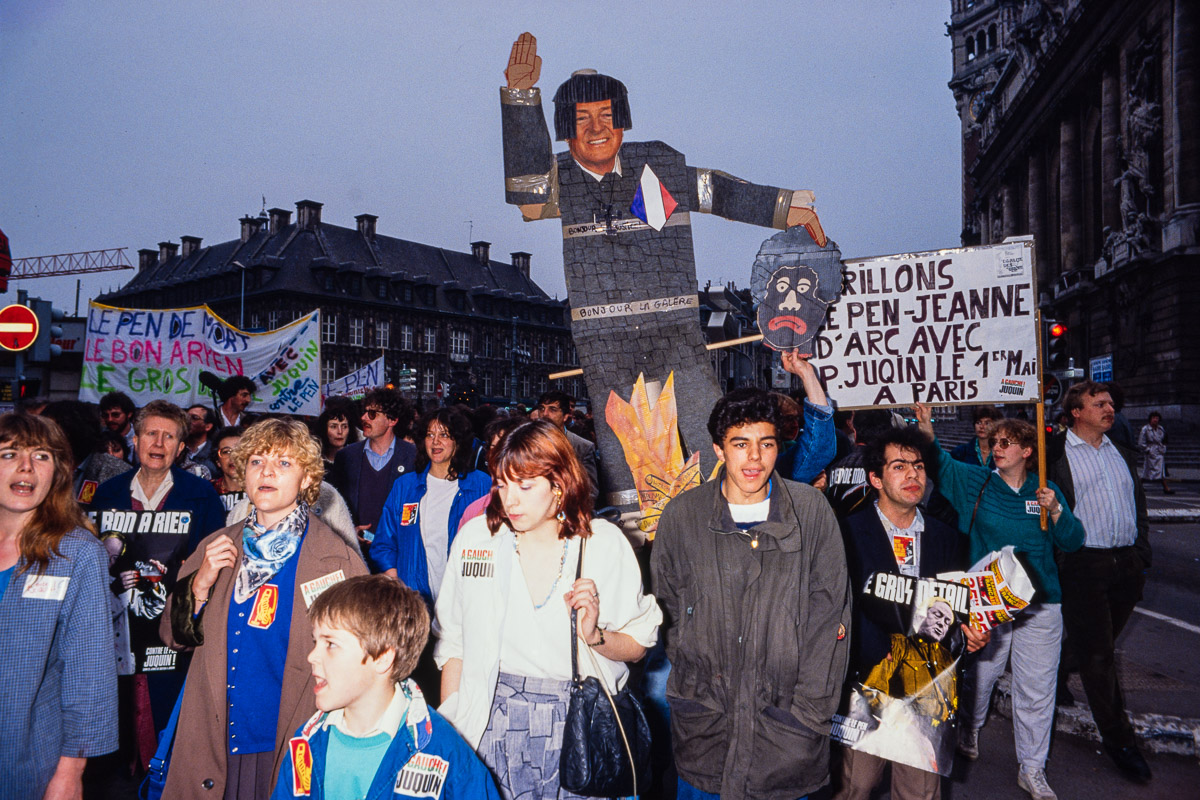
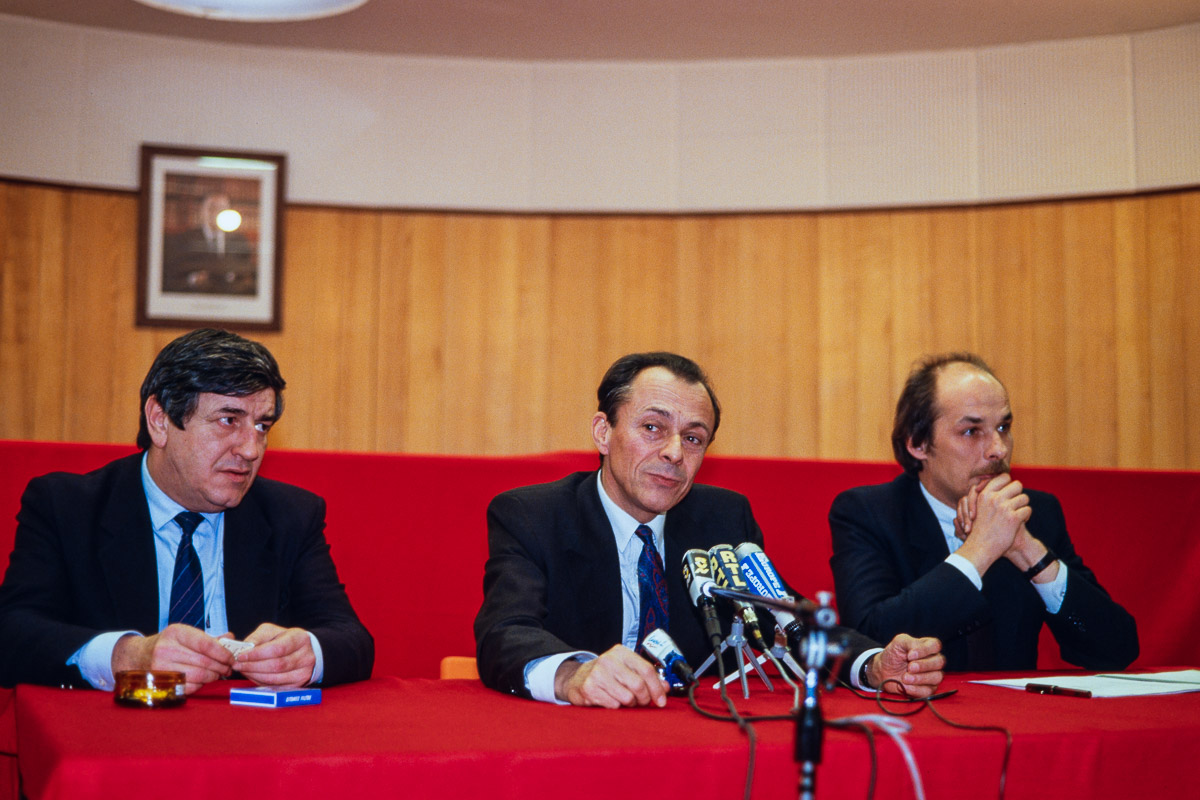
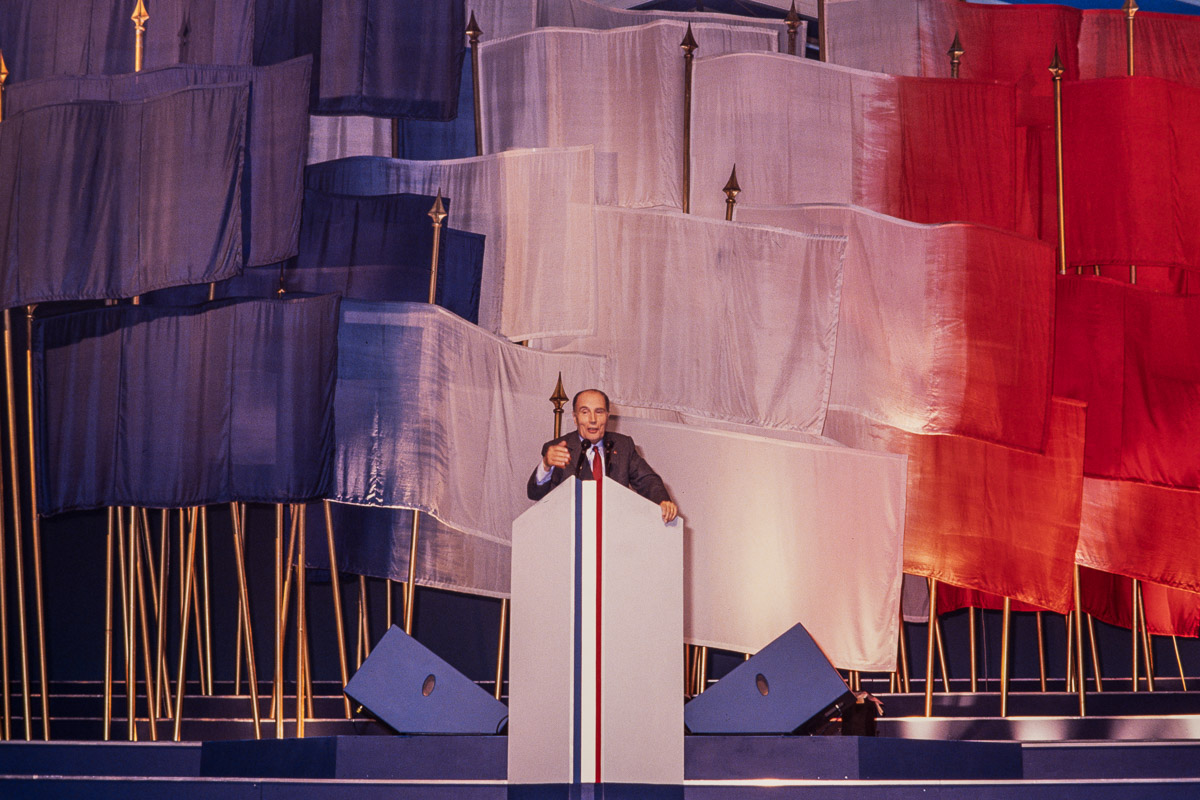
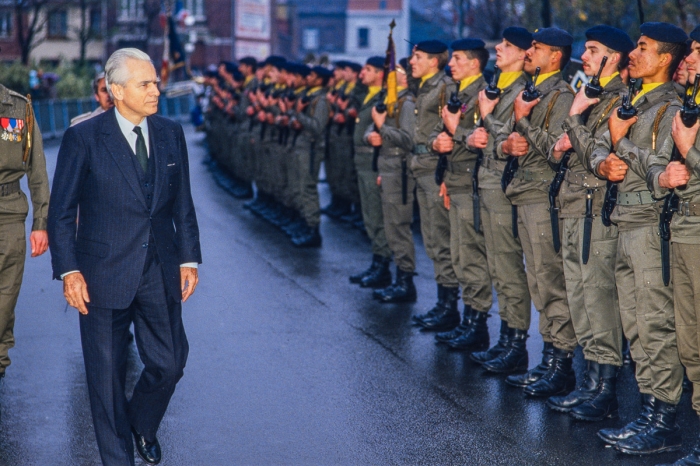
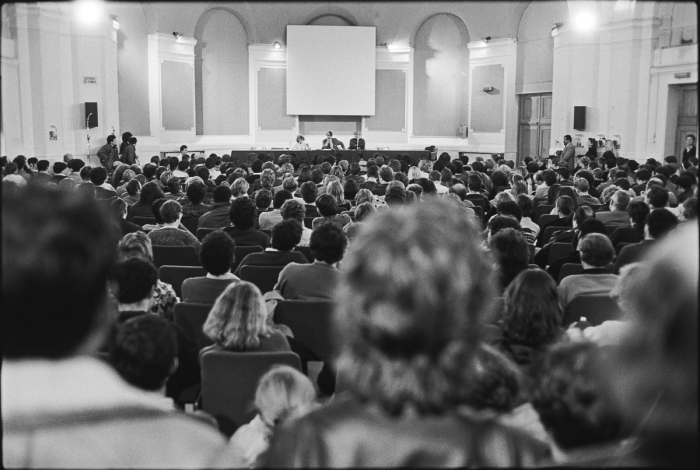
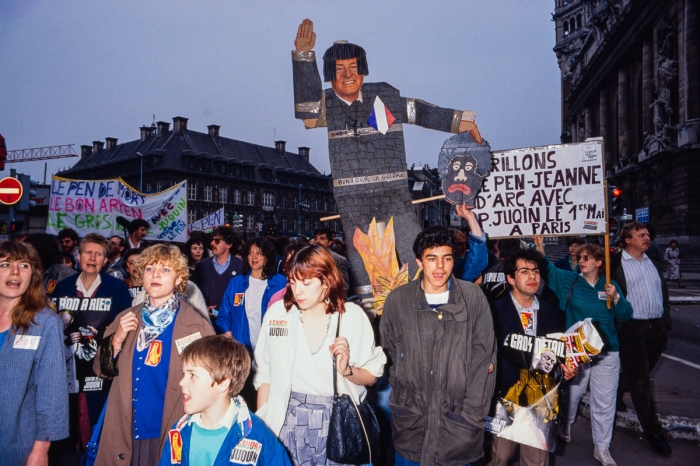
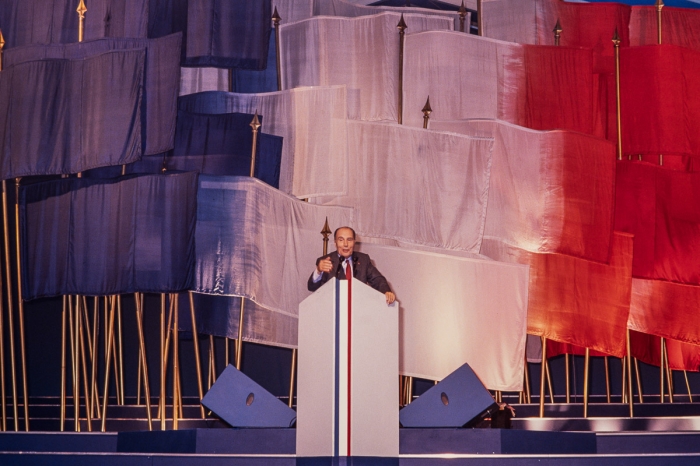
The Nord-Pas-de-Calais region played an important role in the campaign. Lille, Douai, Calais and other towns hosted meetings, campaign visits, gatherings and field events. These occasions offered very different situations: platforms, microphones, flags, packed rooms, controlled movements, waiting moments and public reactions.
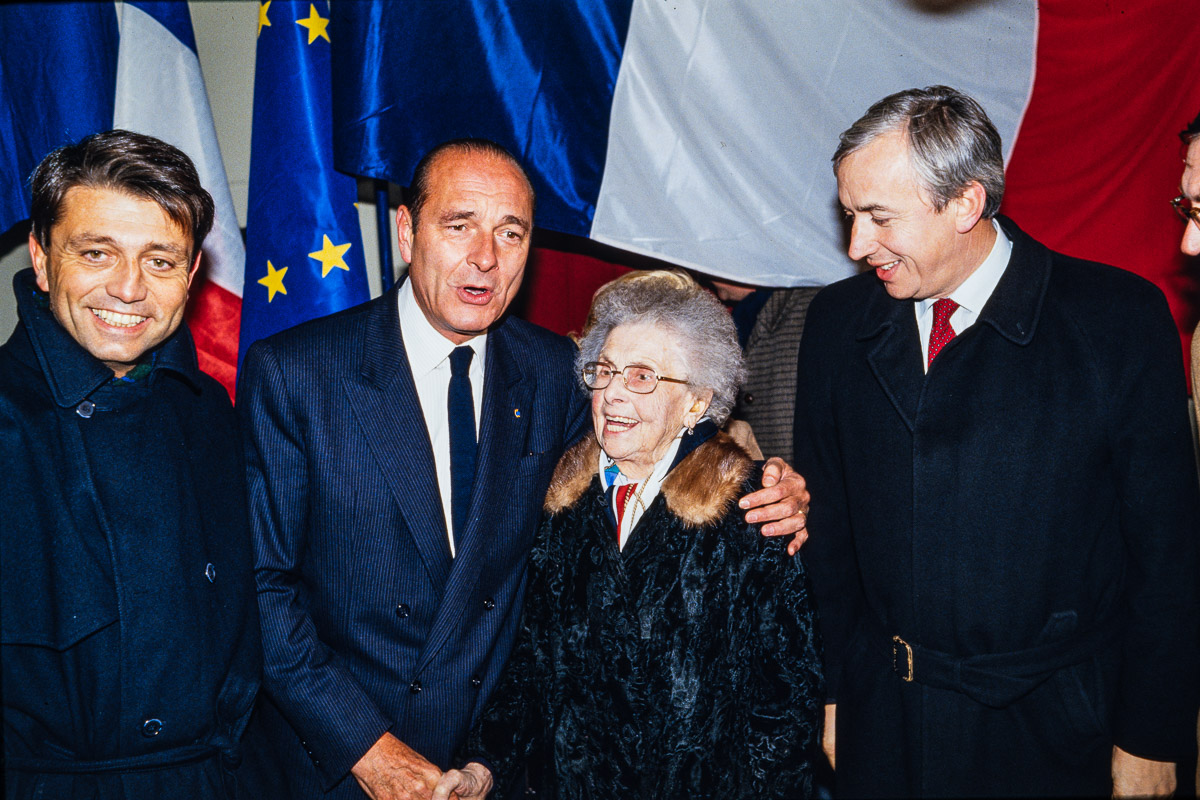
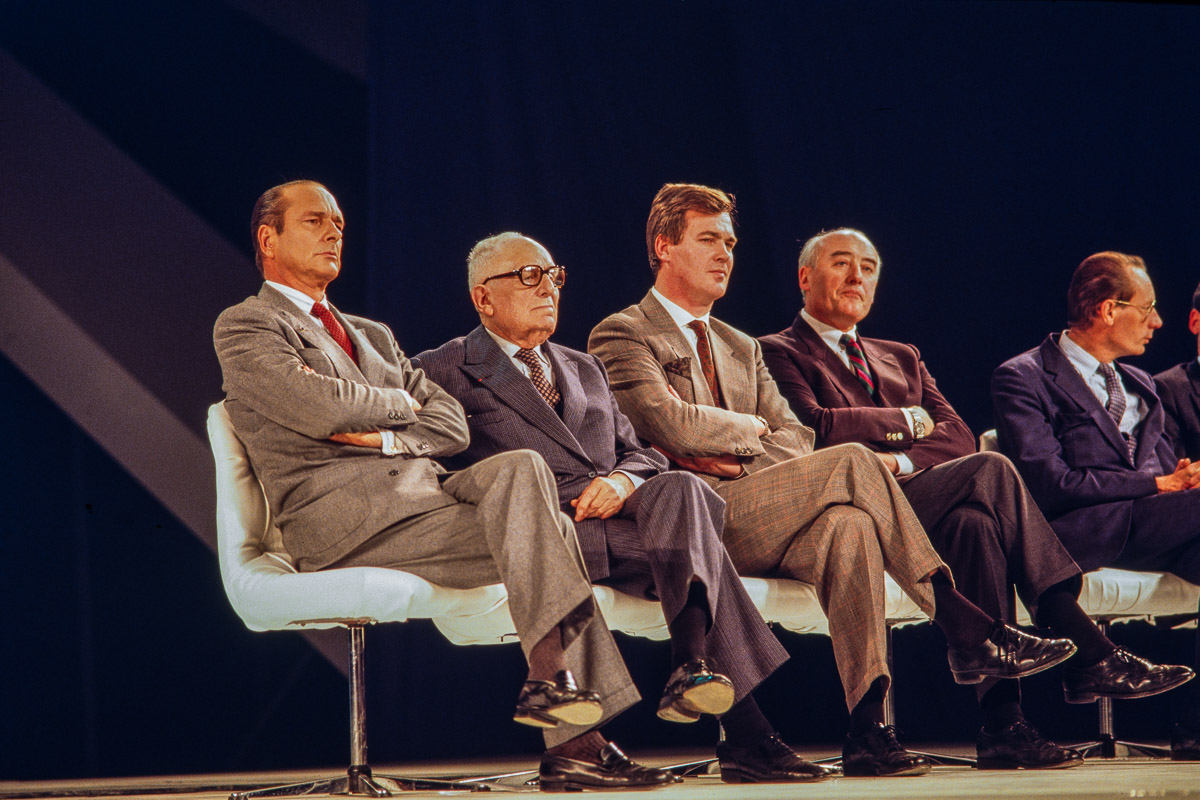
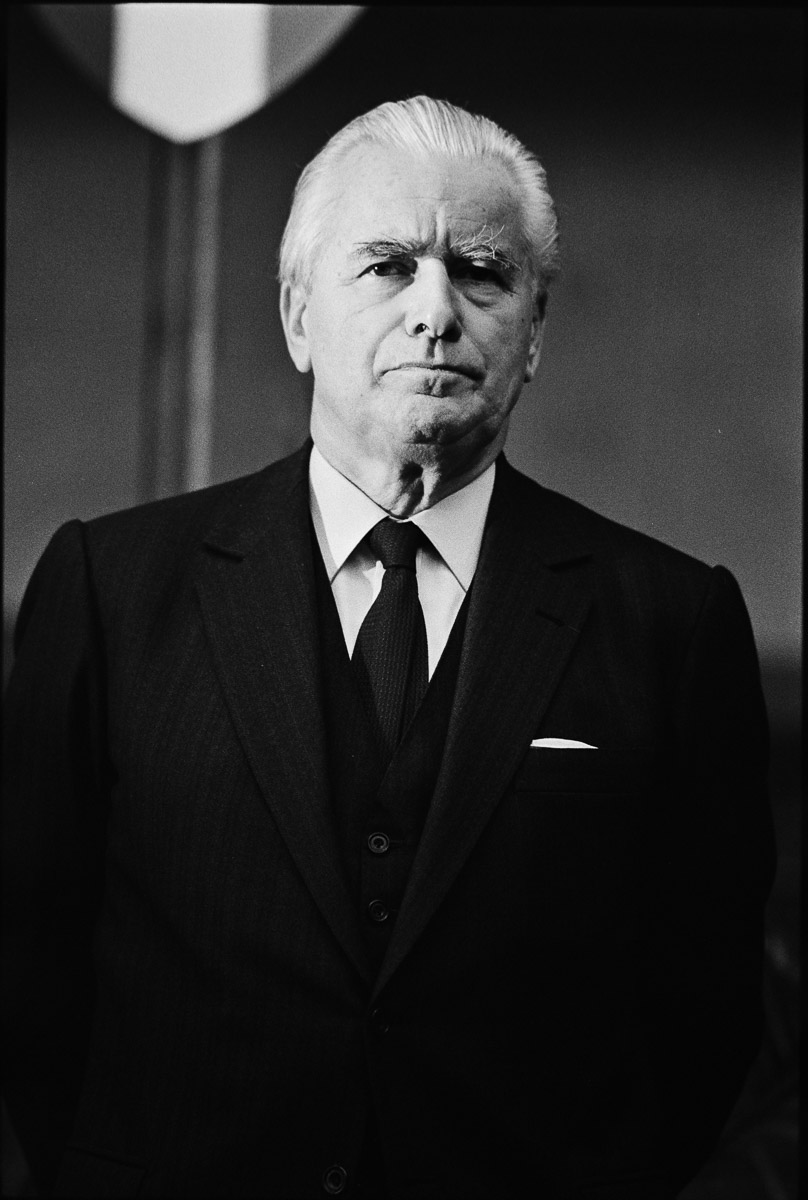
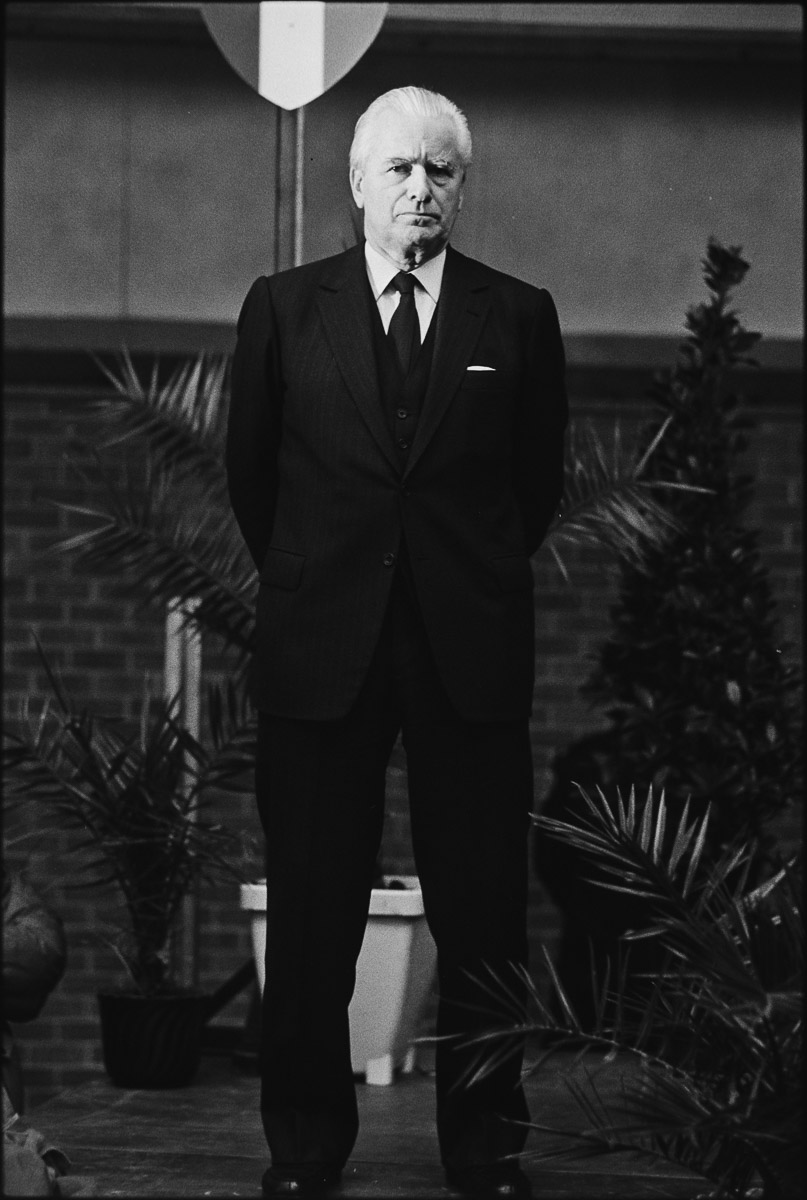
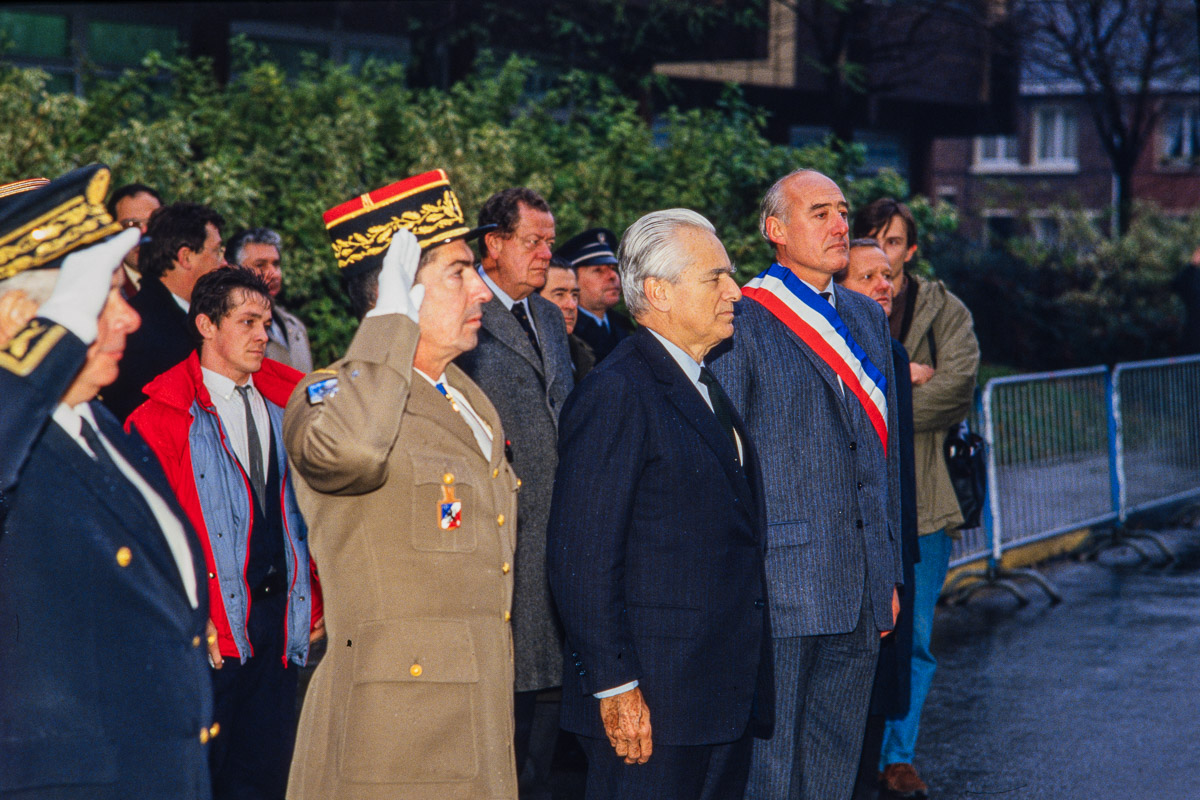
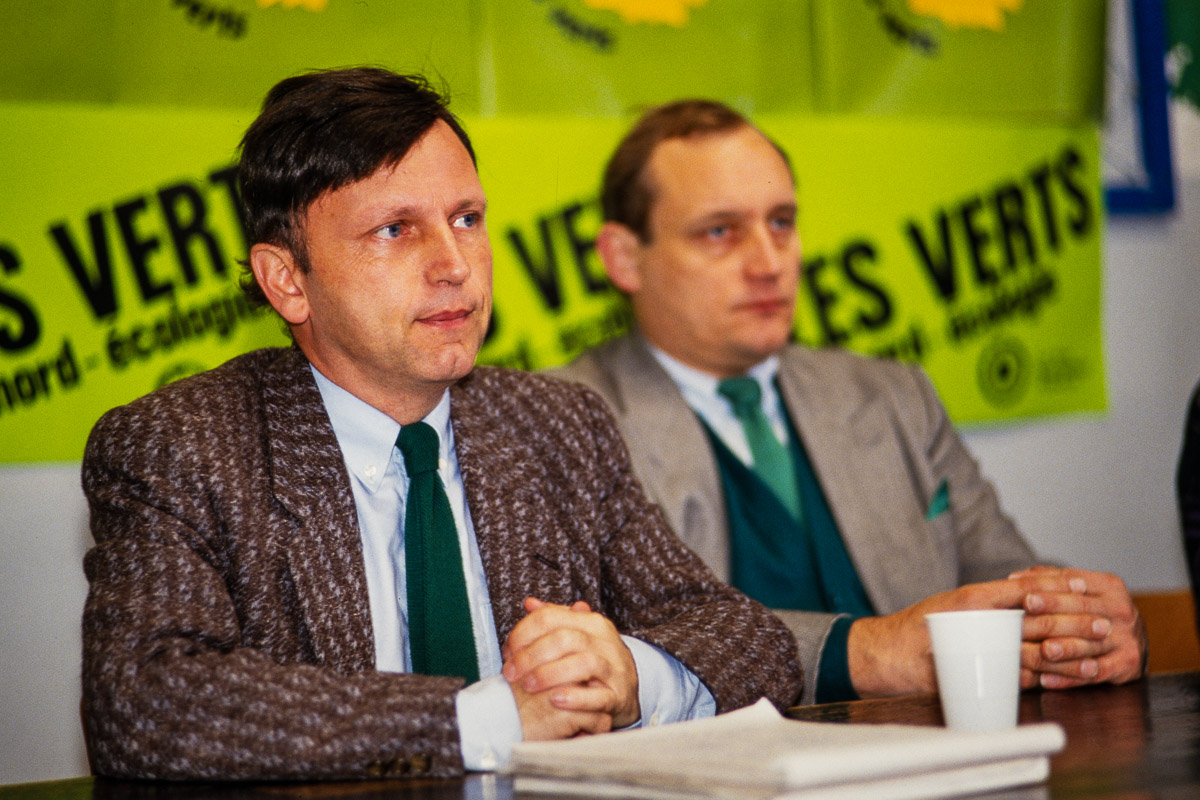
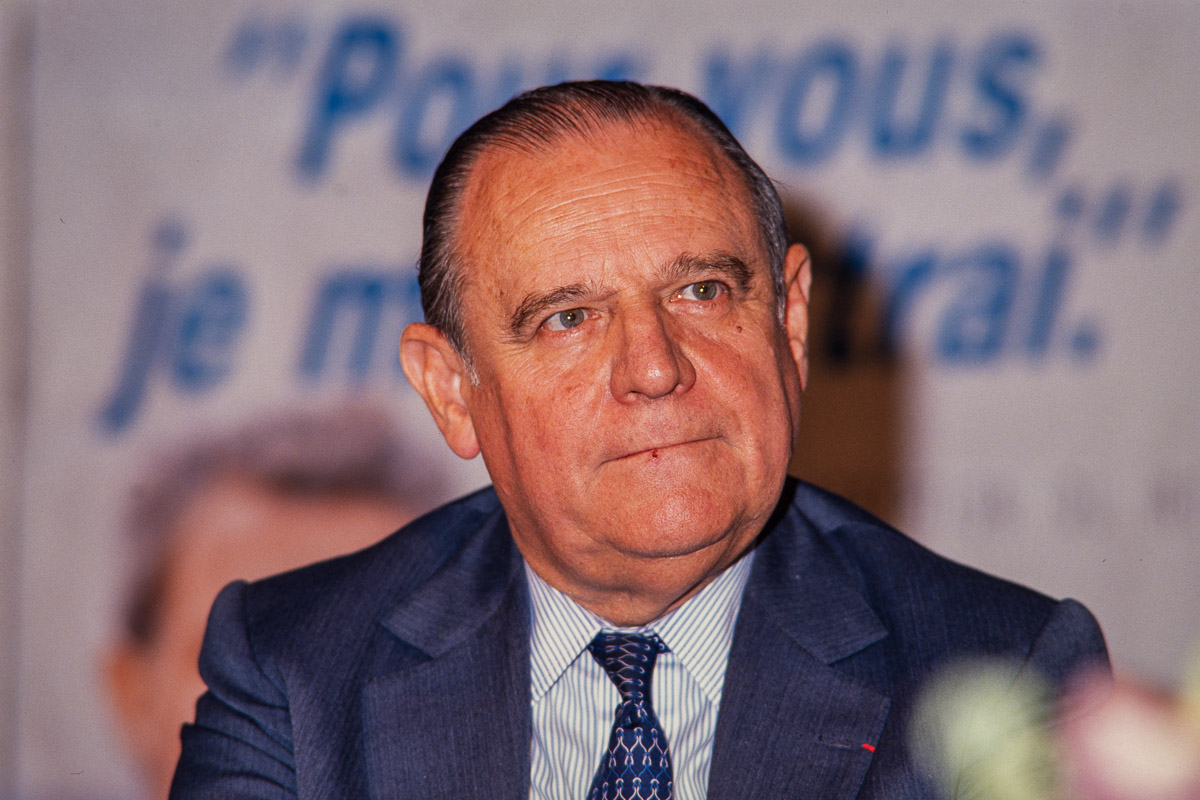
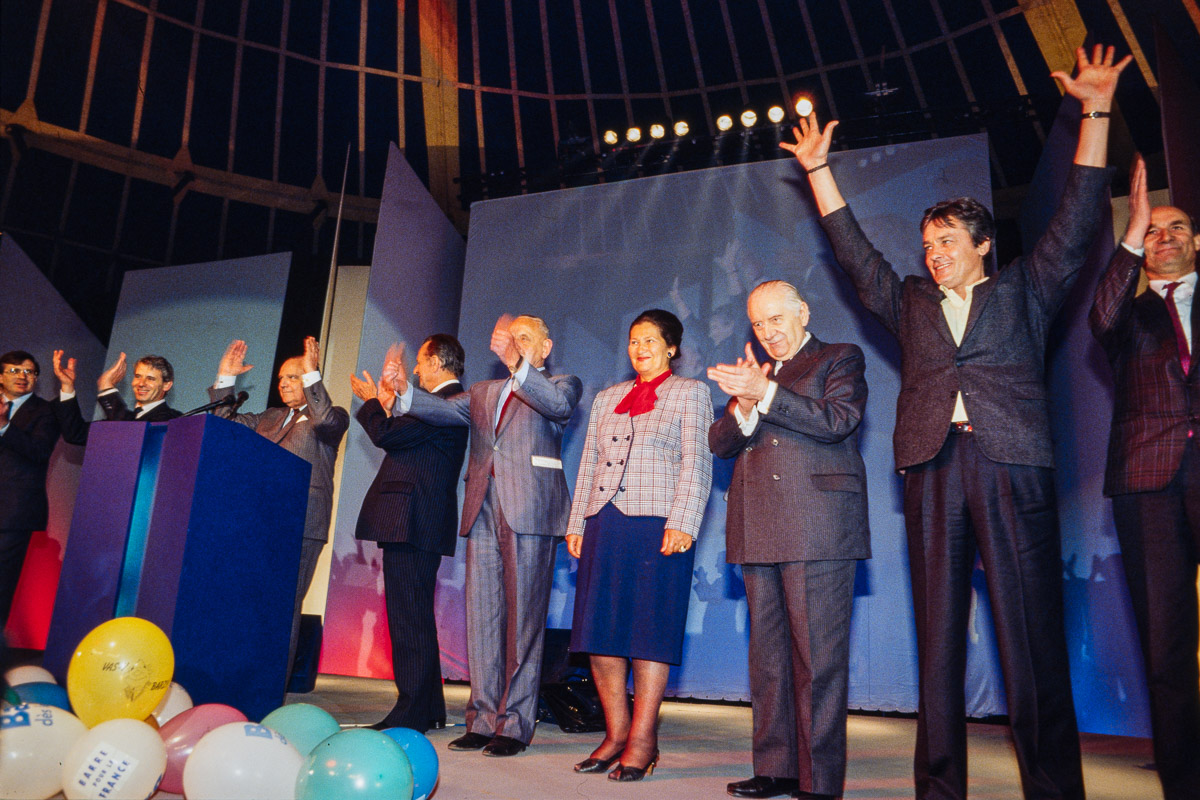
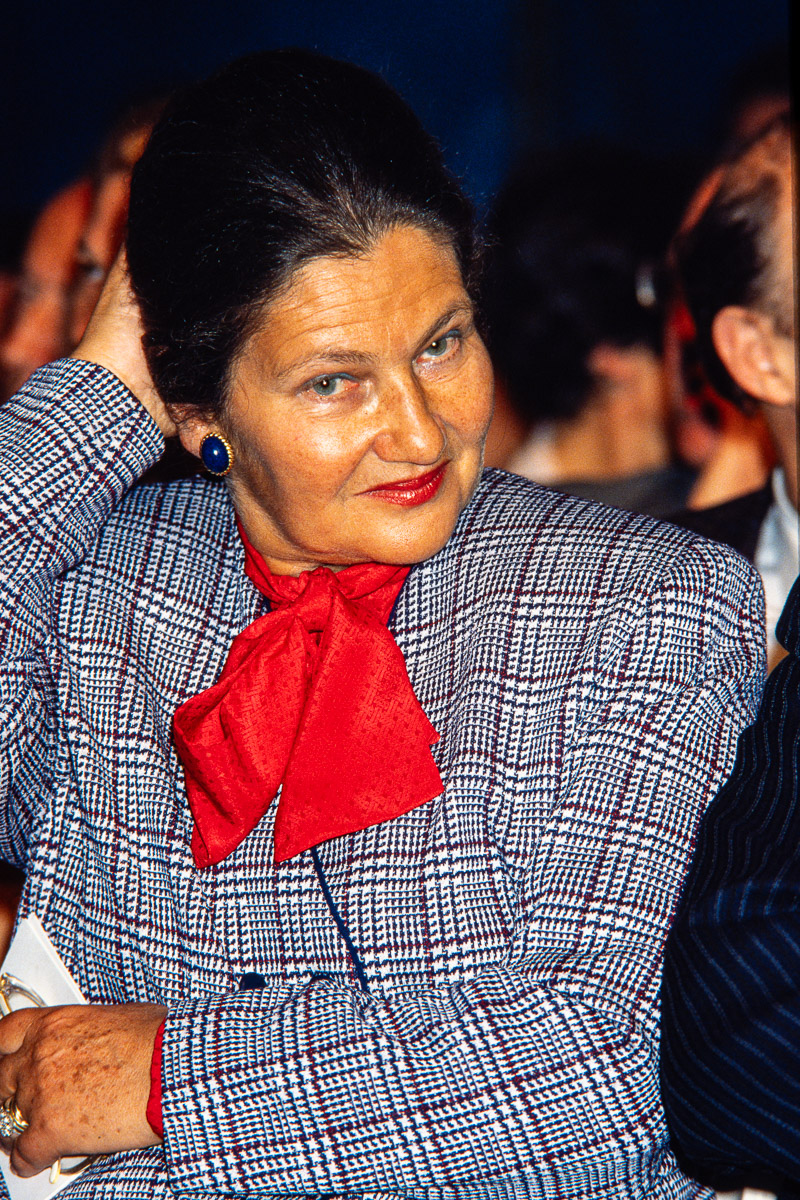
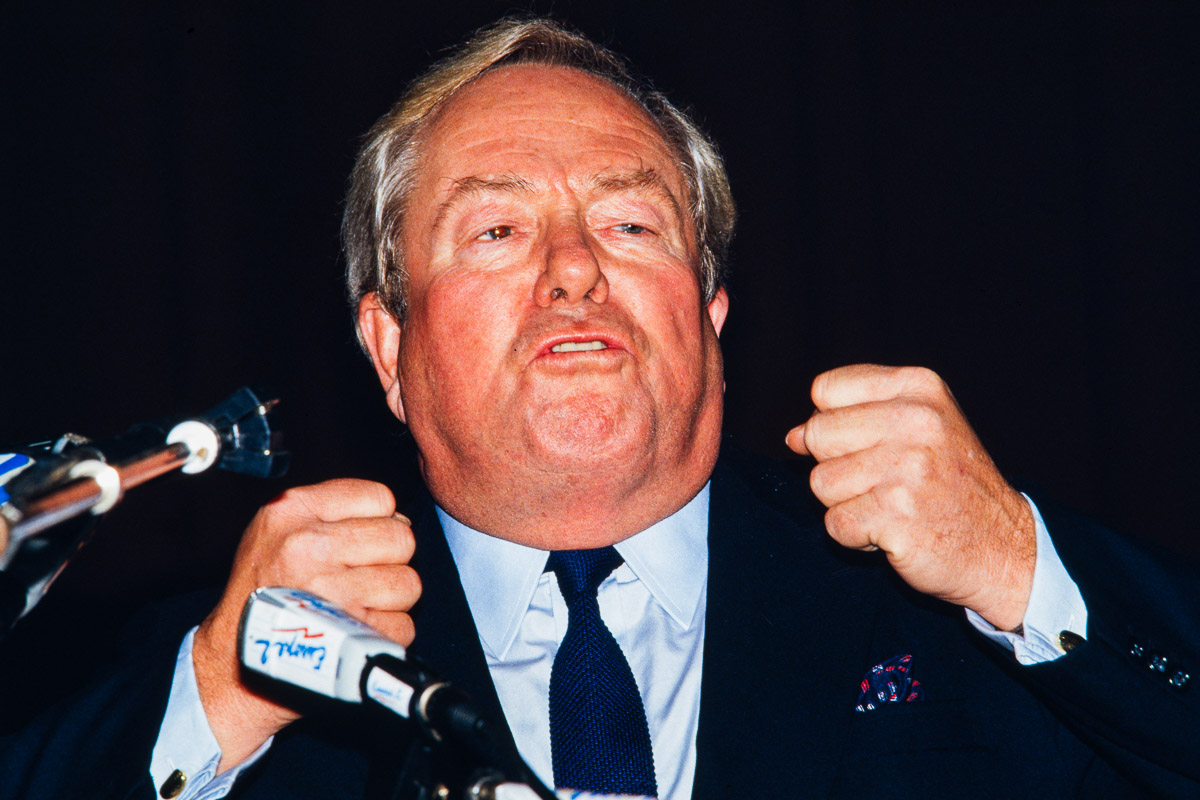
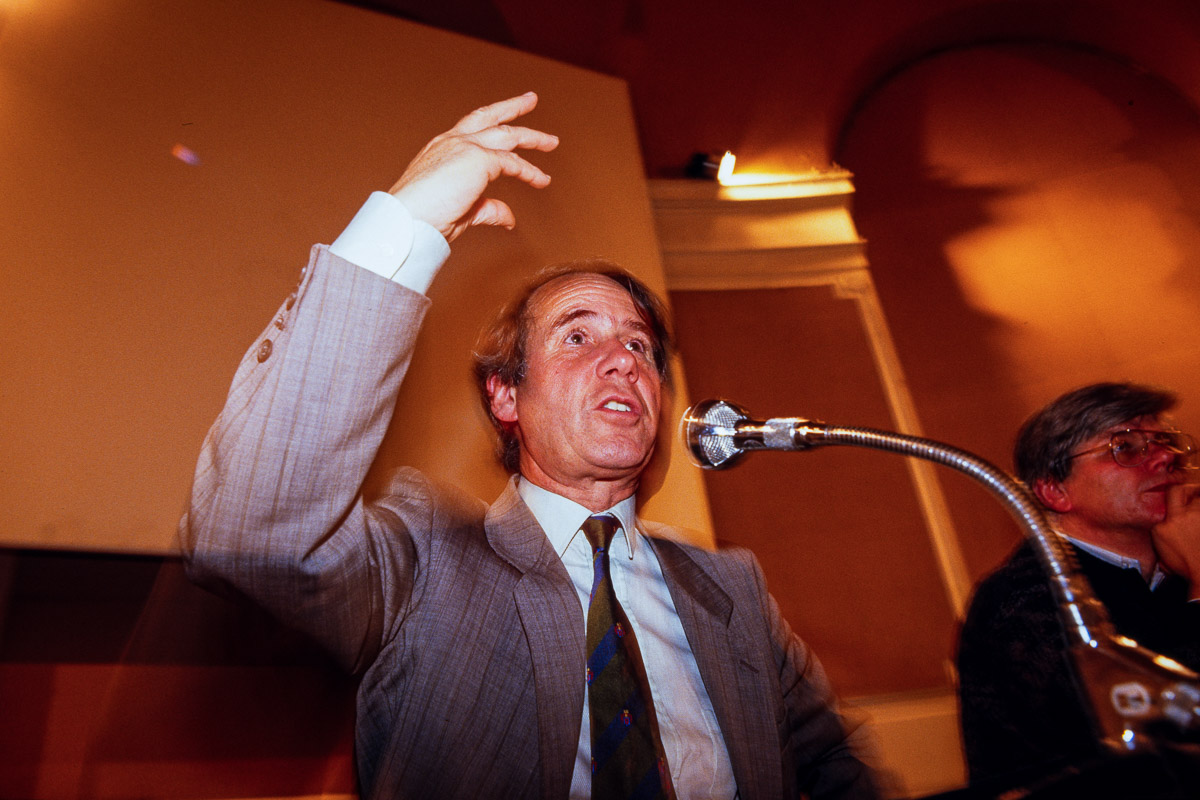
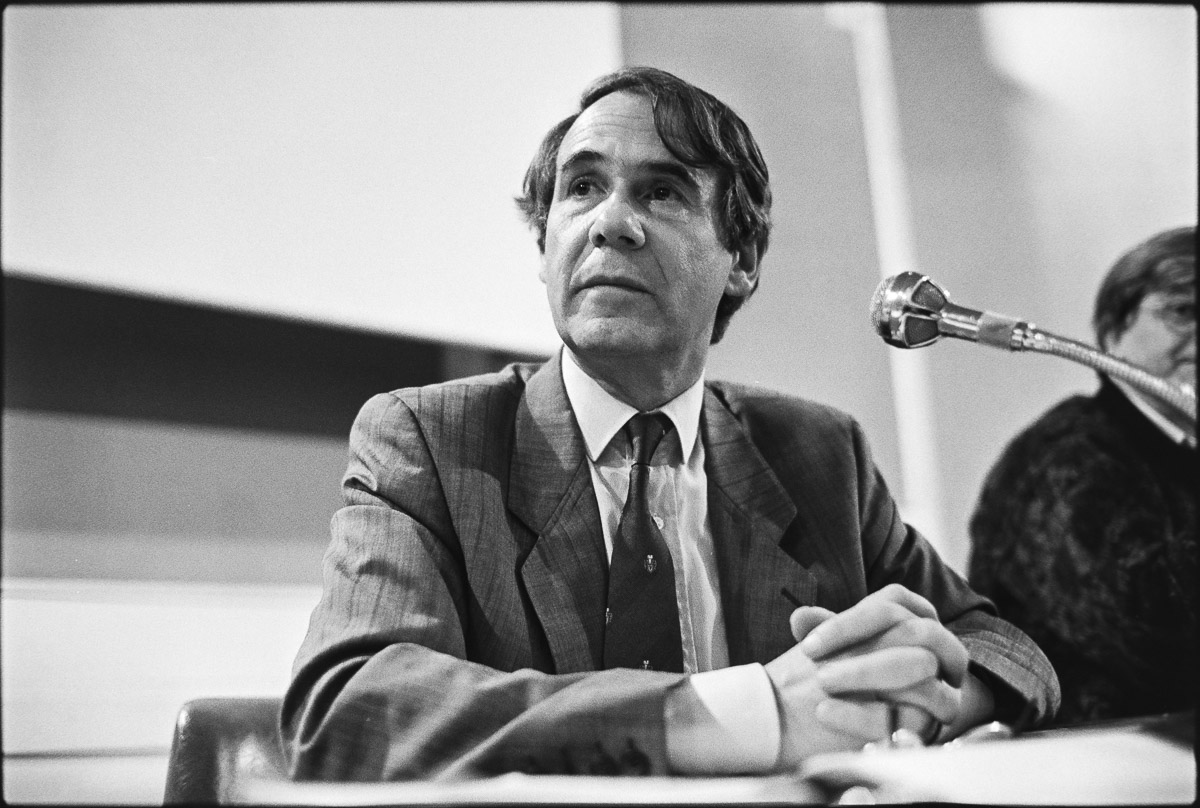
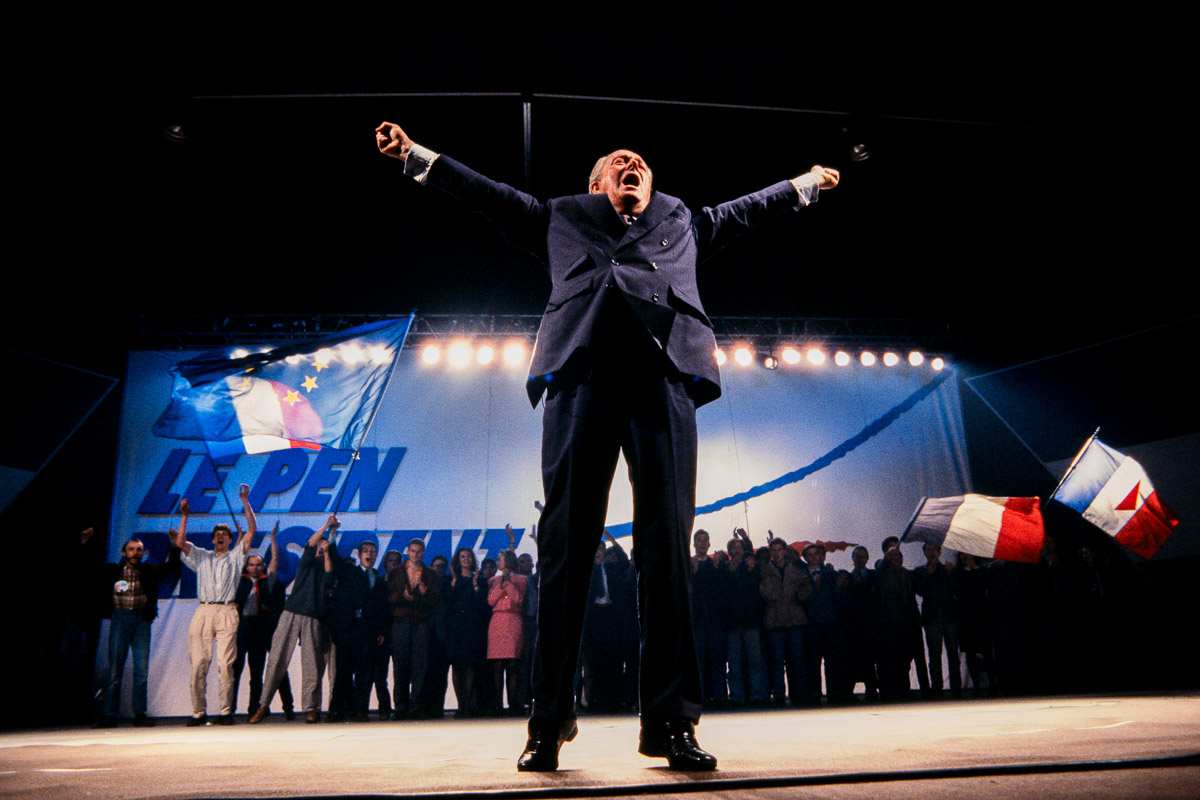
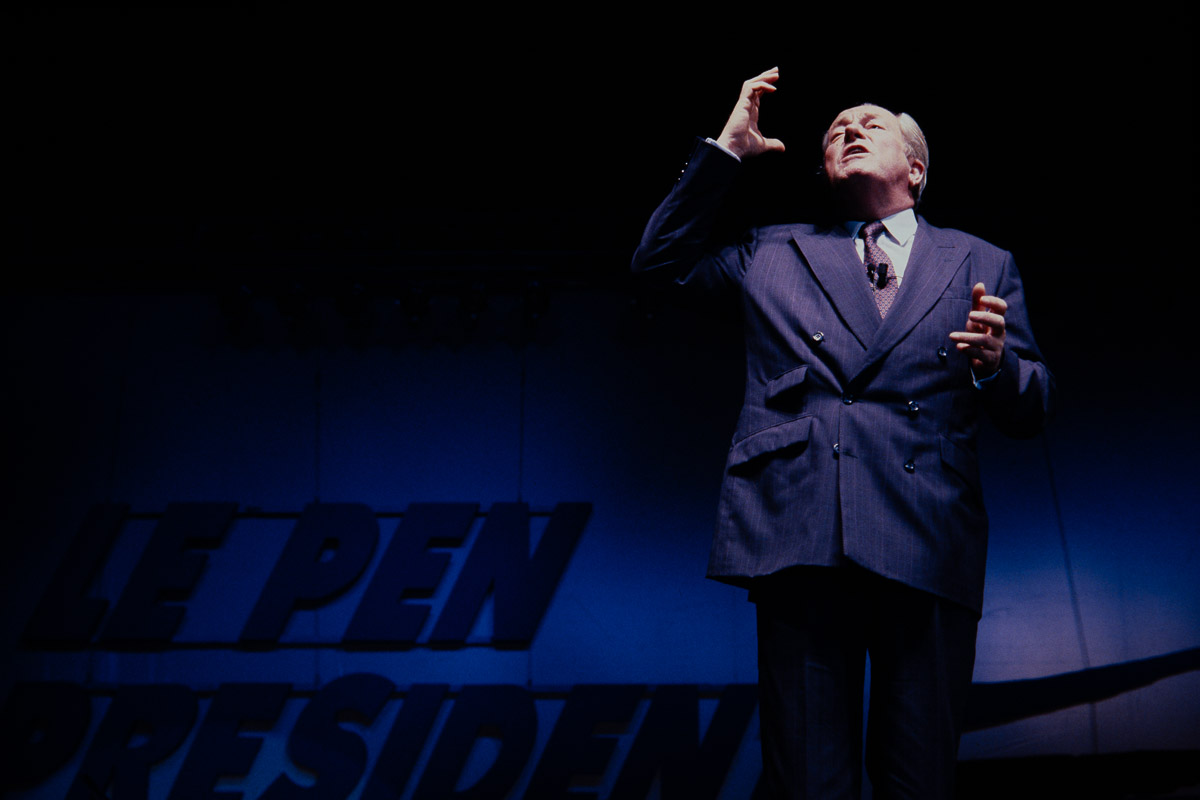
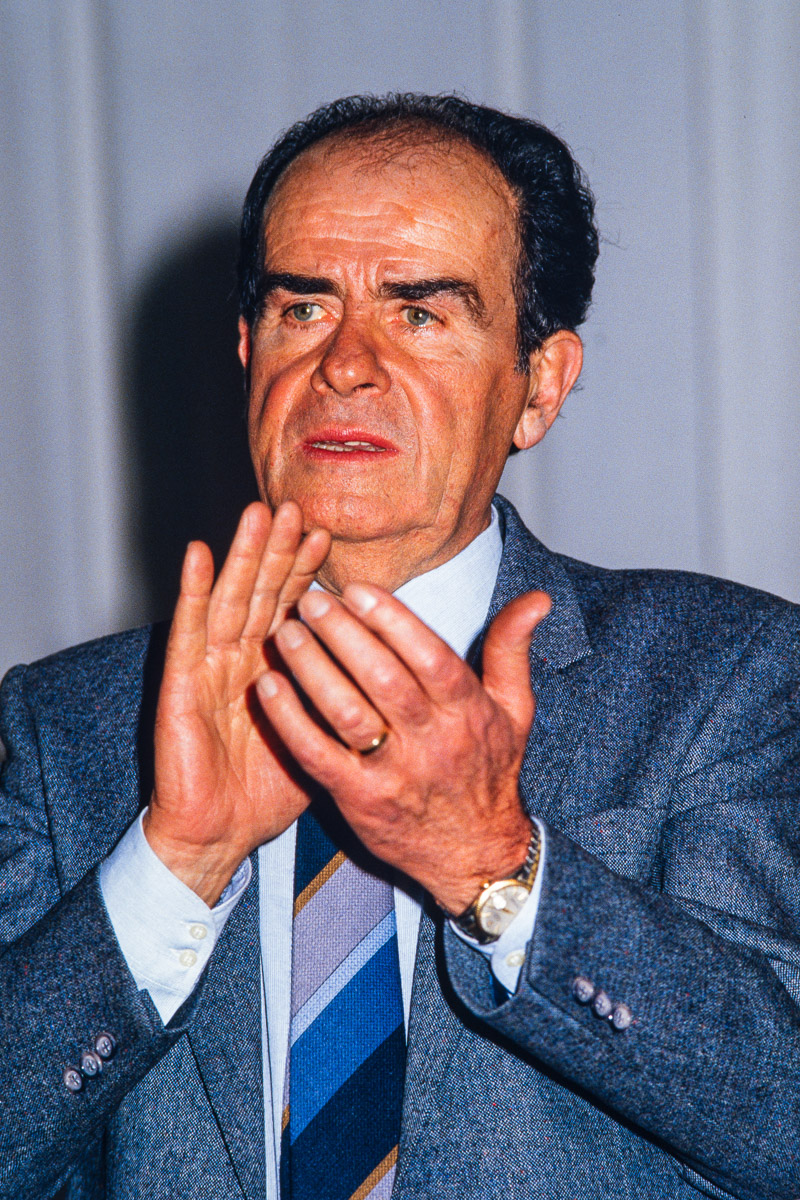
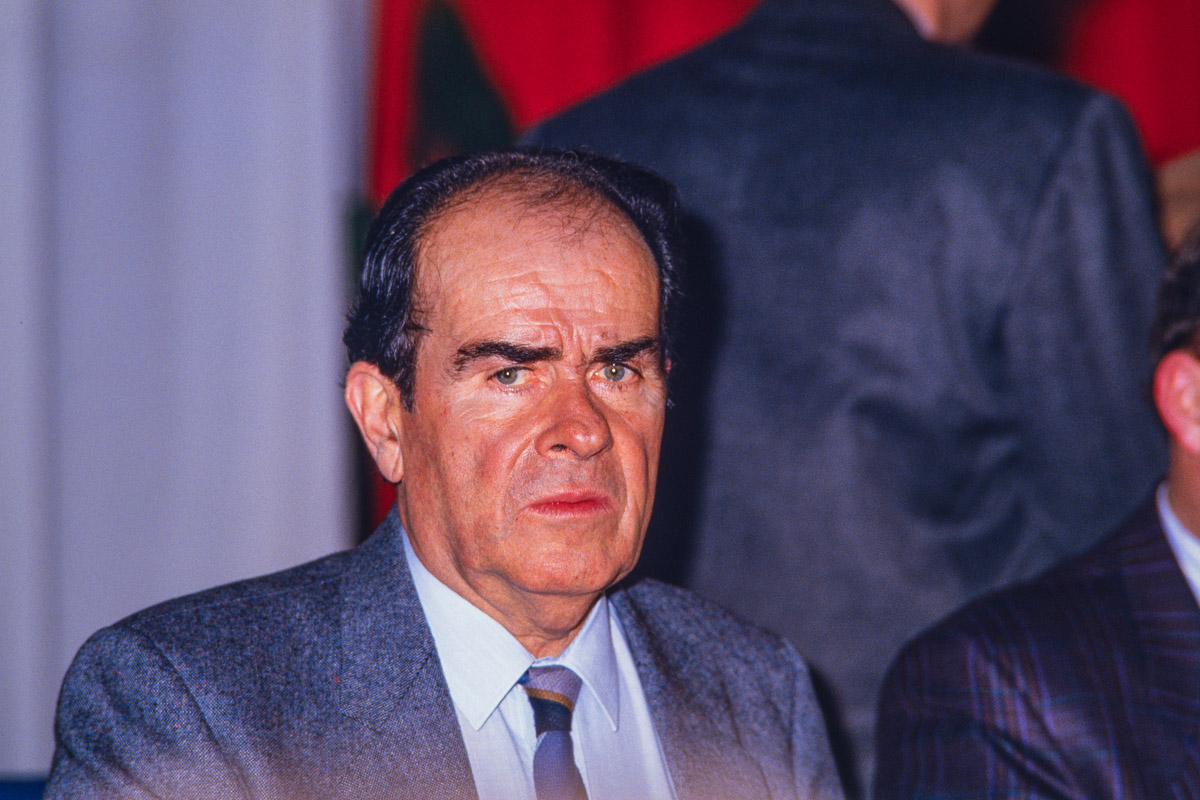
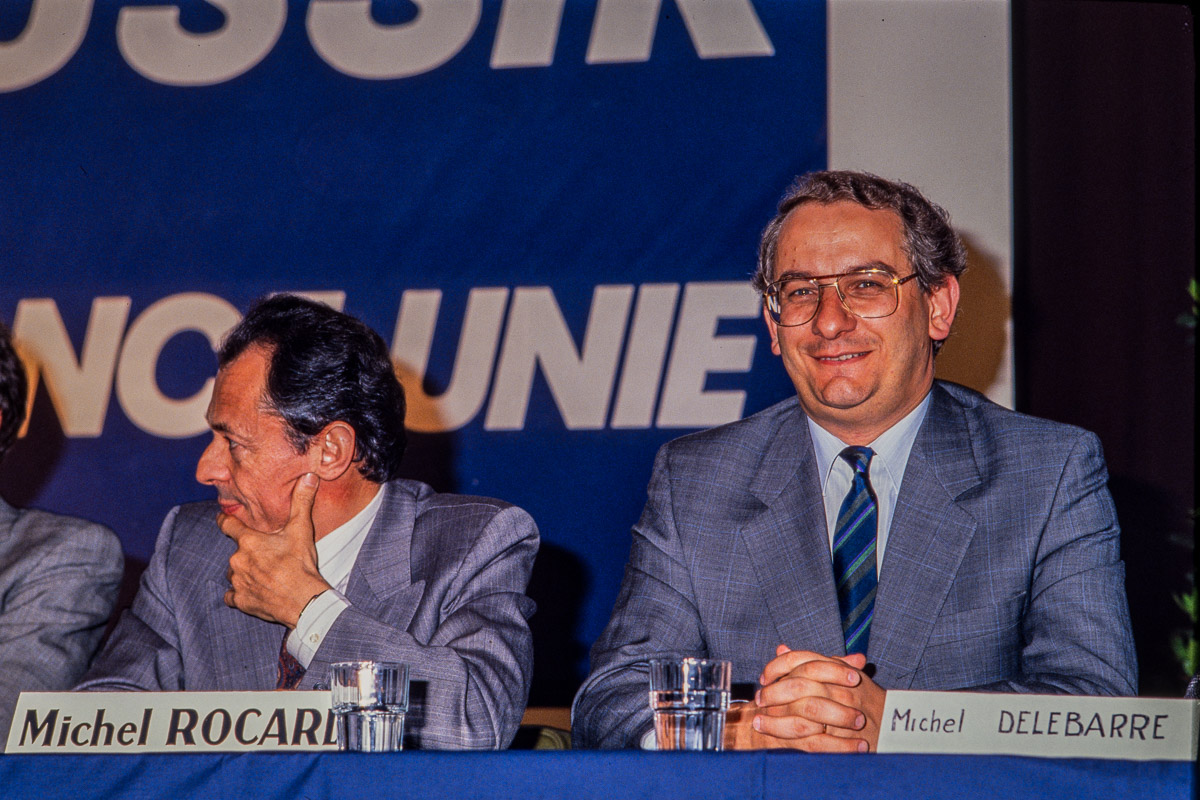
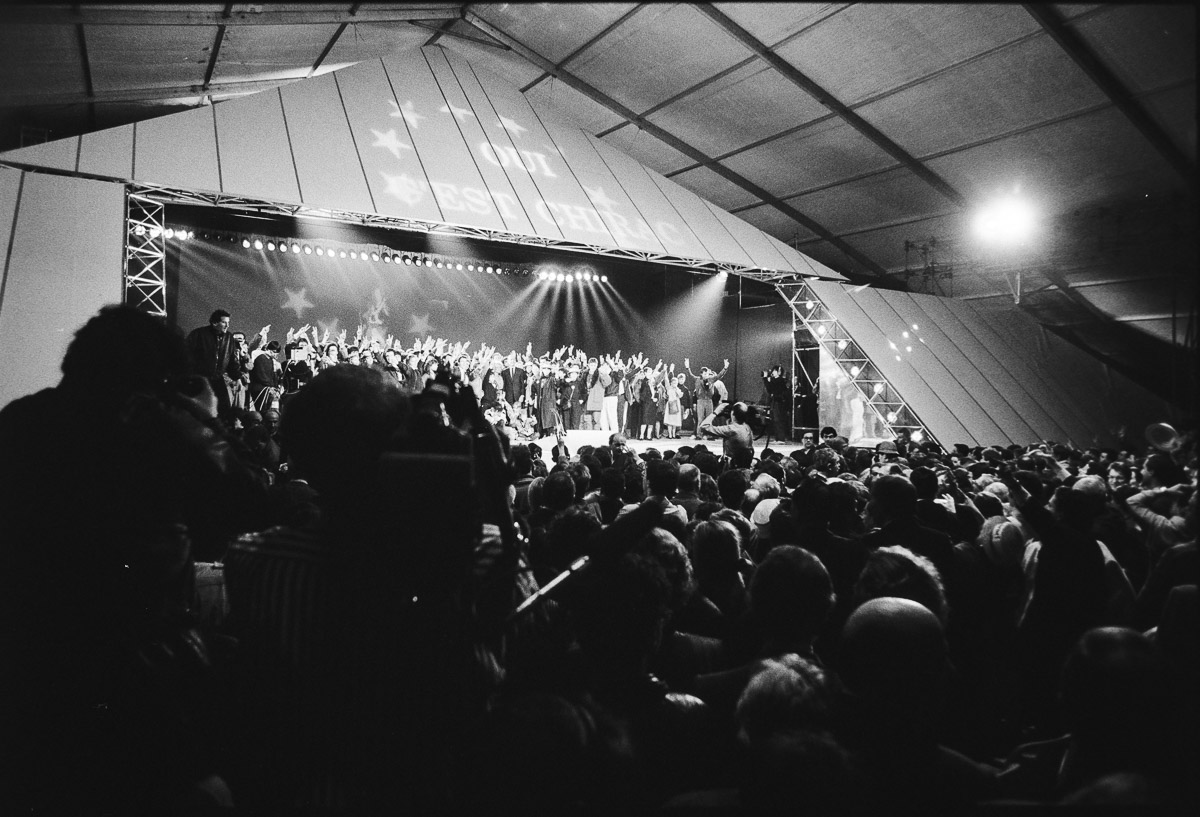
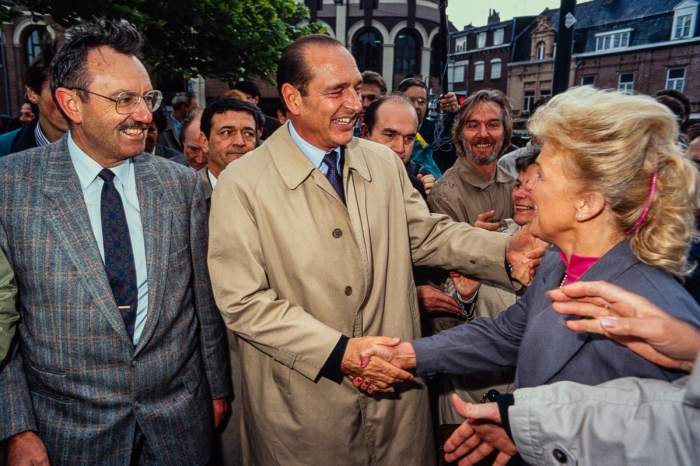
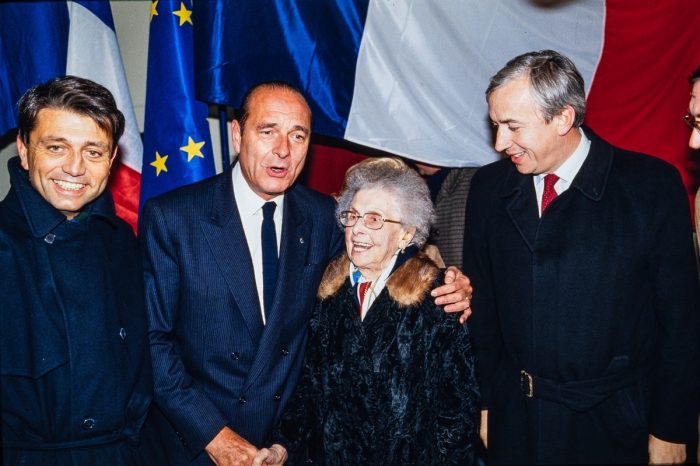
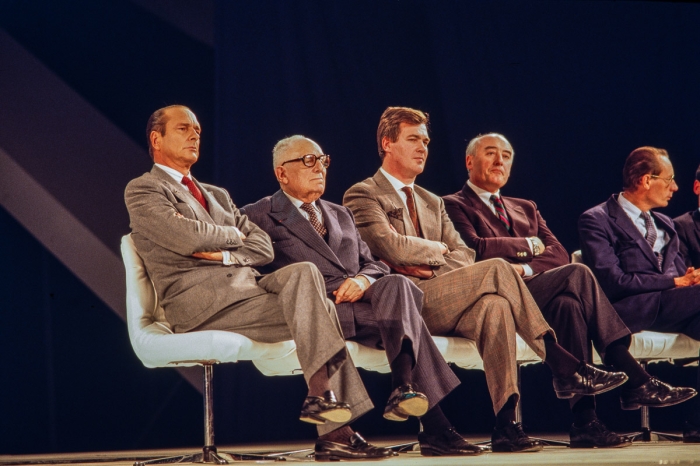
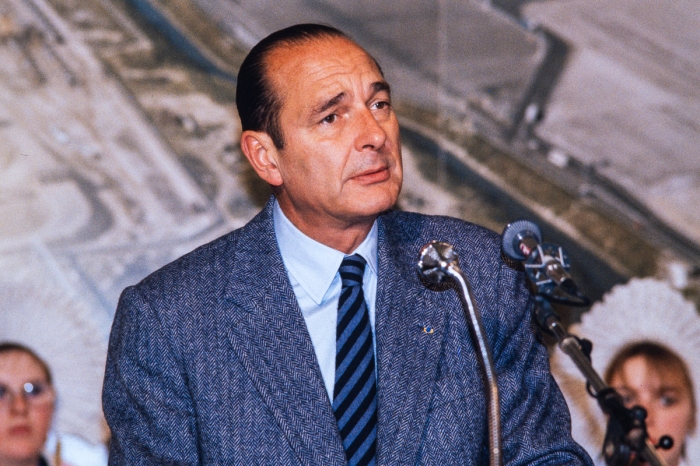
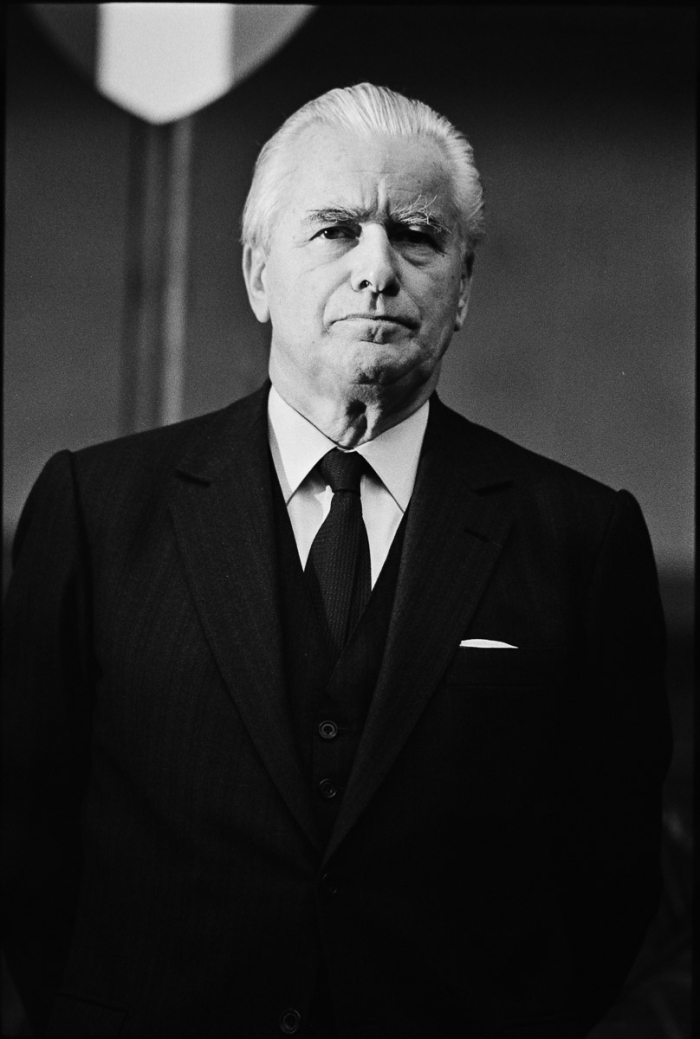
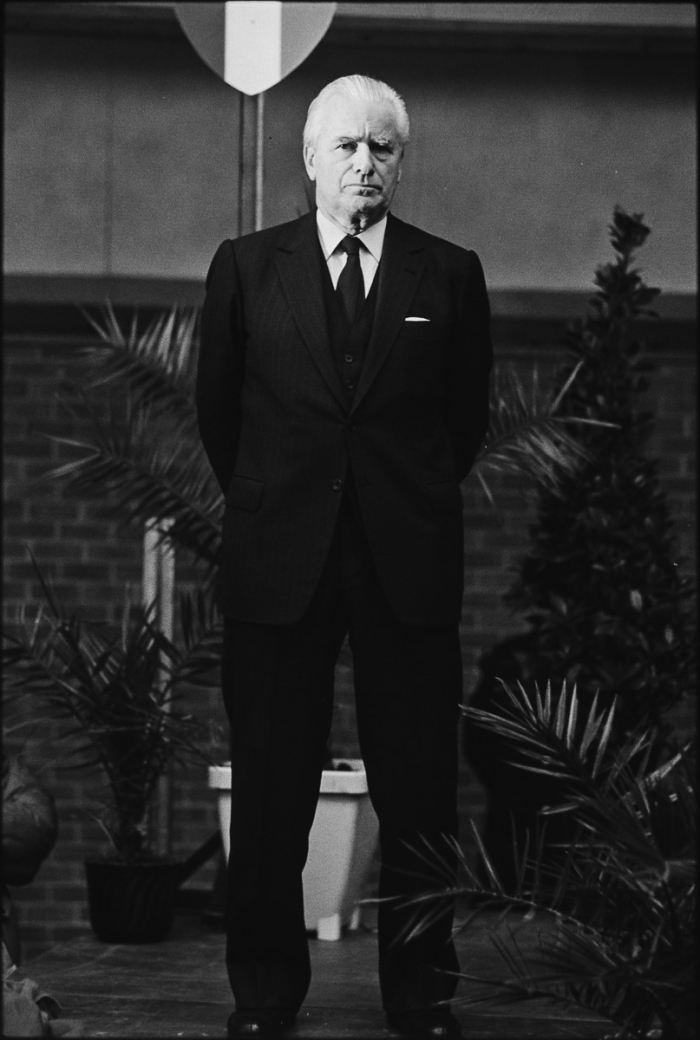
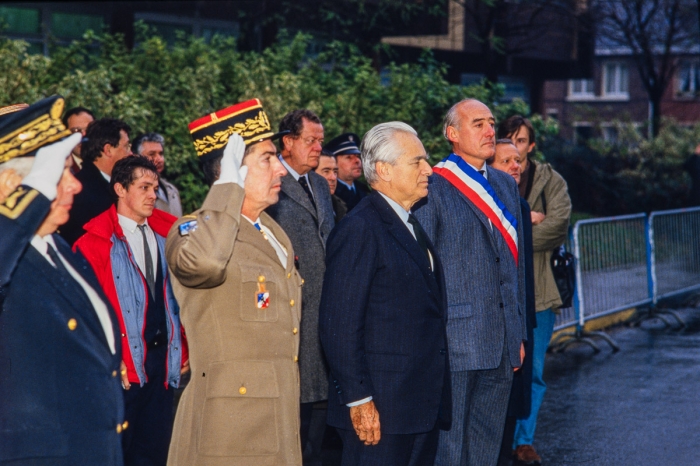
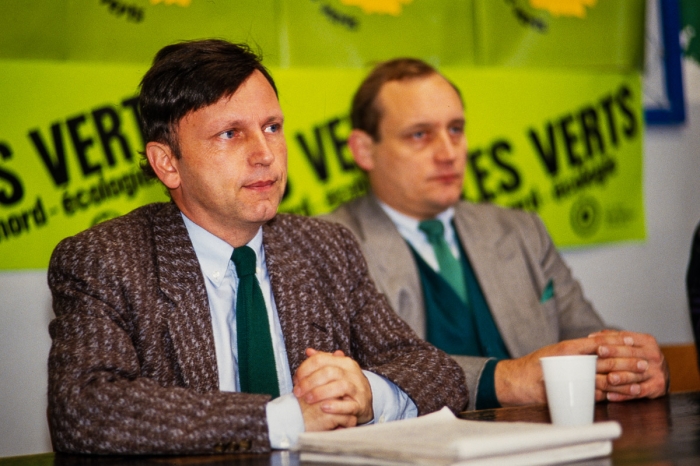
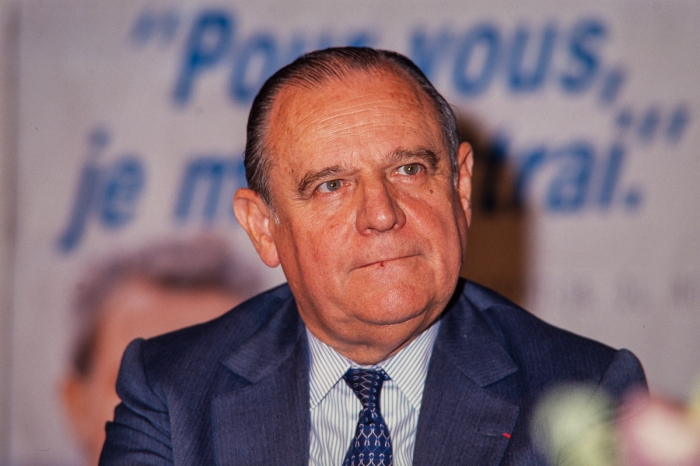
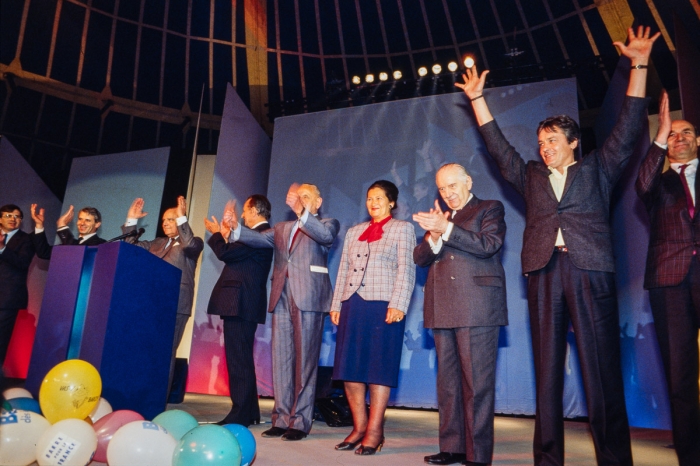
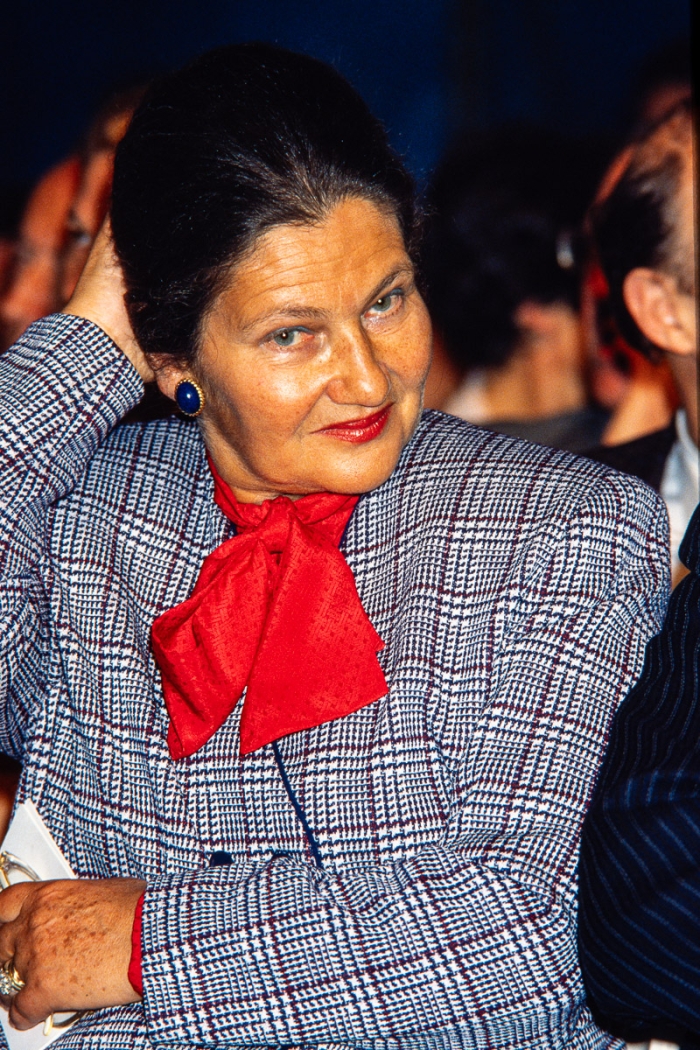
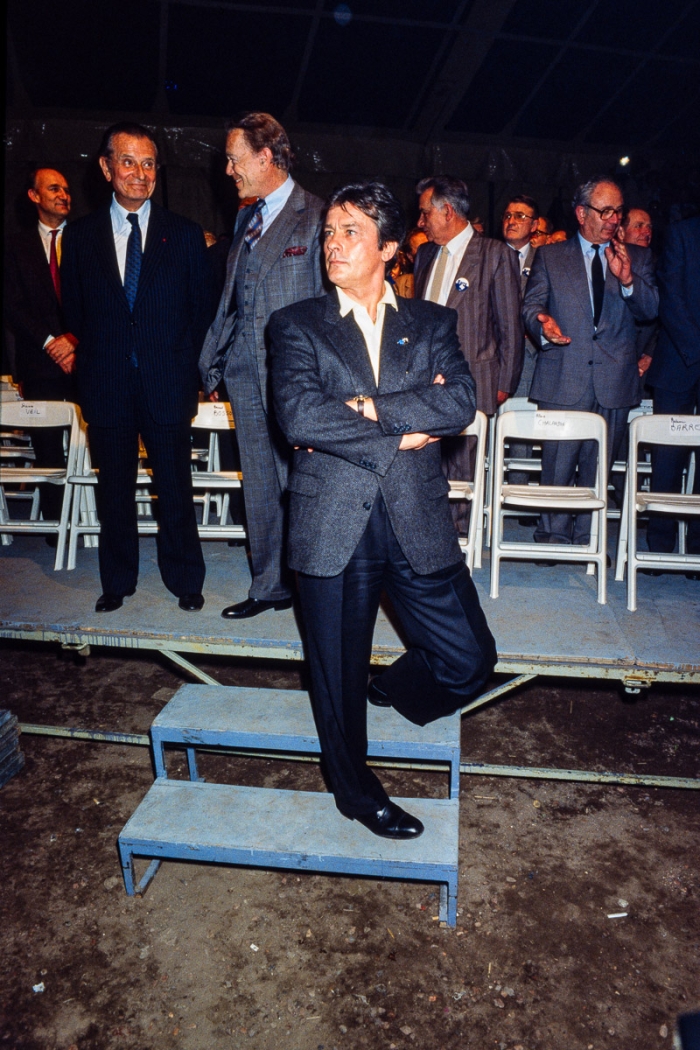
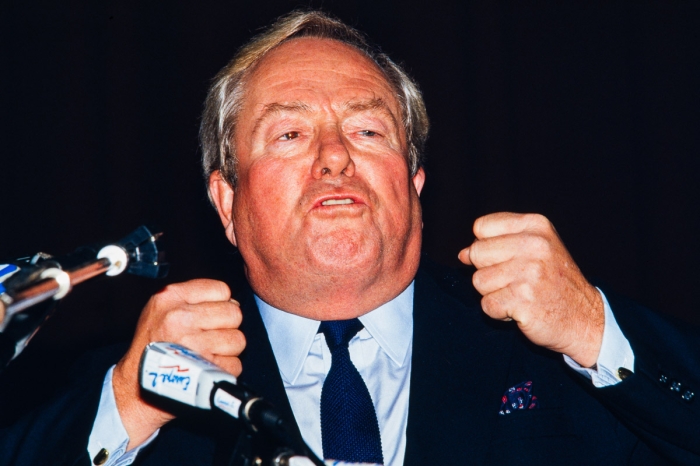
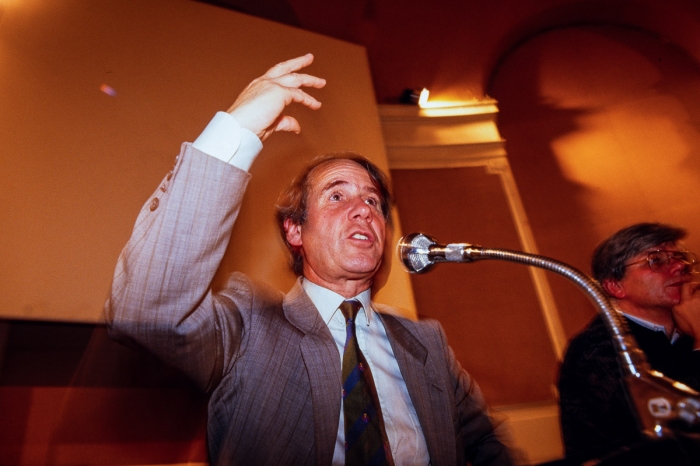
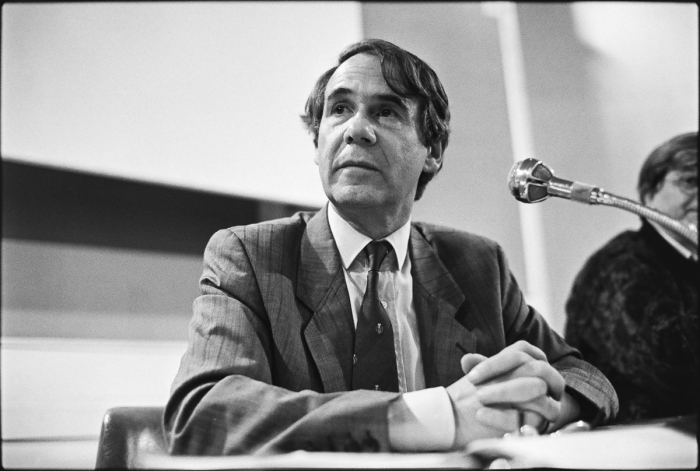
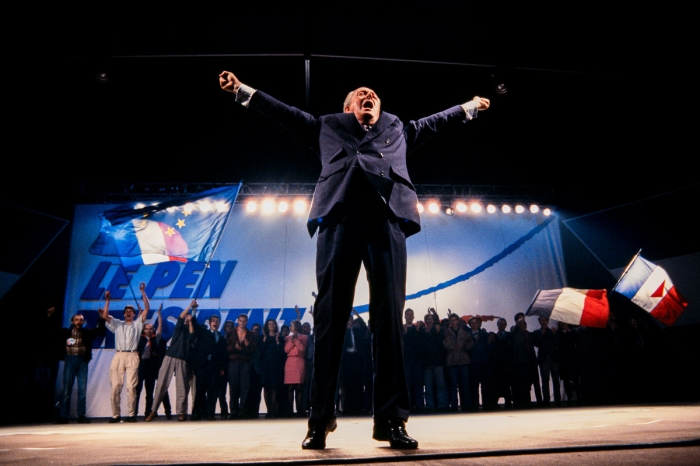
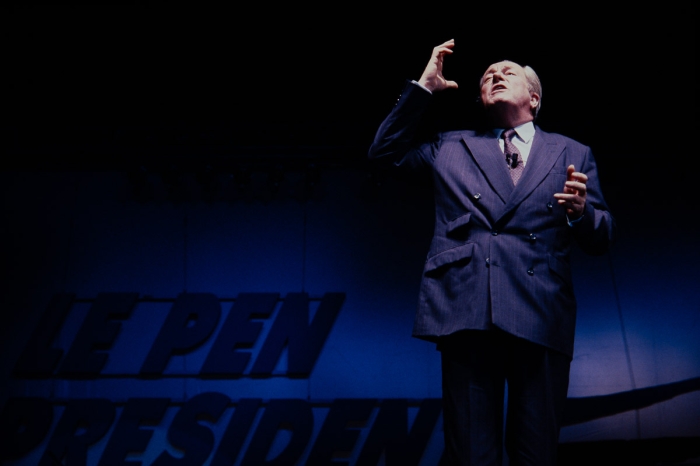
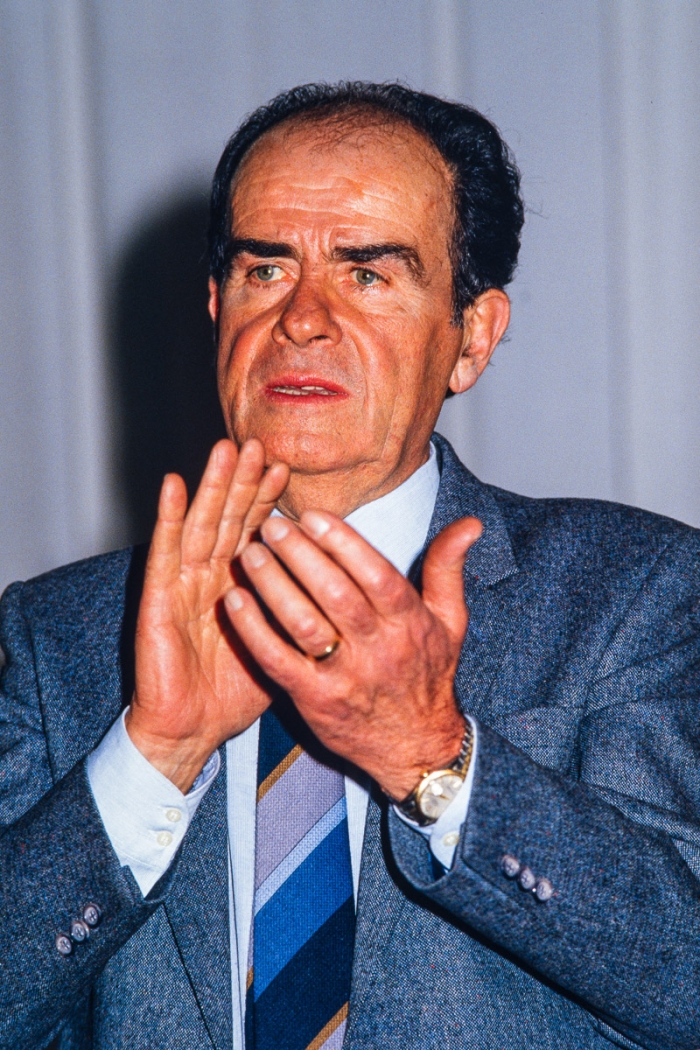
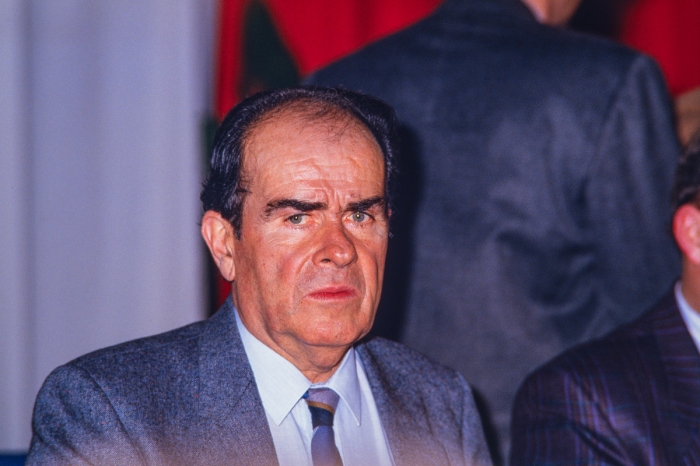
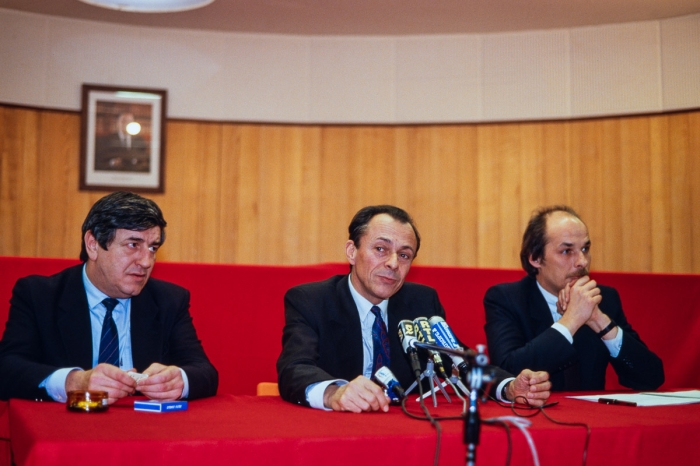
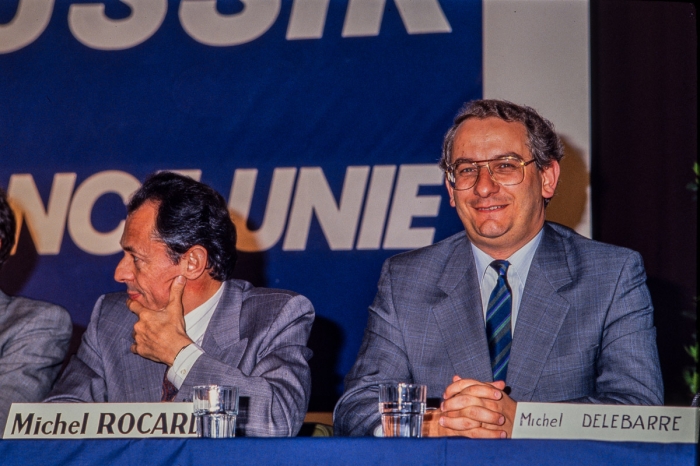
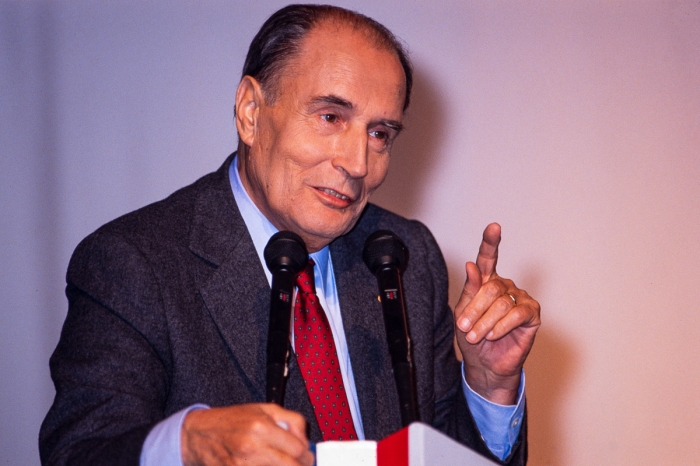
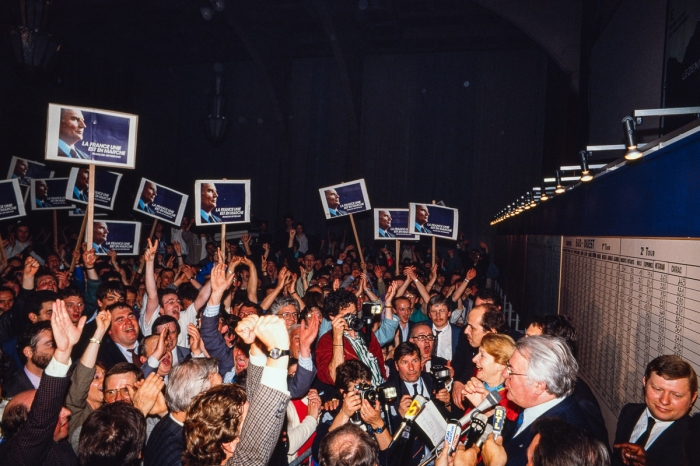
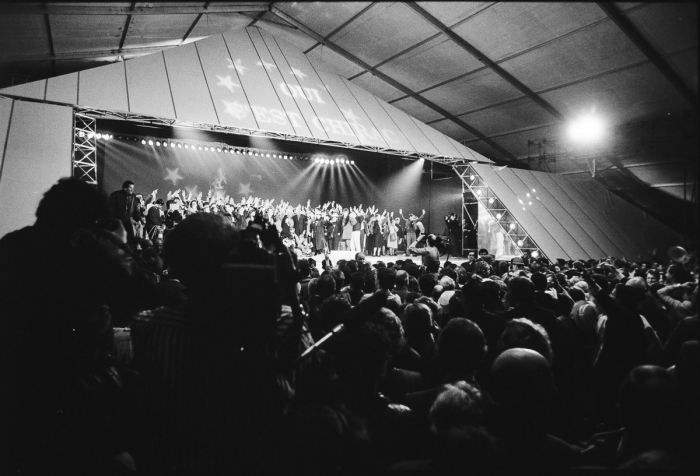
The images brought together here evoke that atmosphere: campaign meetings, platforms, political figures, spectators, supporters, the lighting of meeting halls and the tension between stage and backstage. Politics can be read in speeches, but also in gestures, expressions, looks and the details surrounding the event.
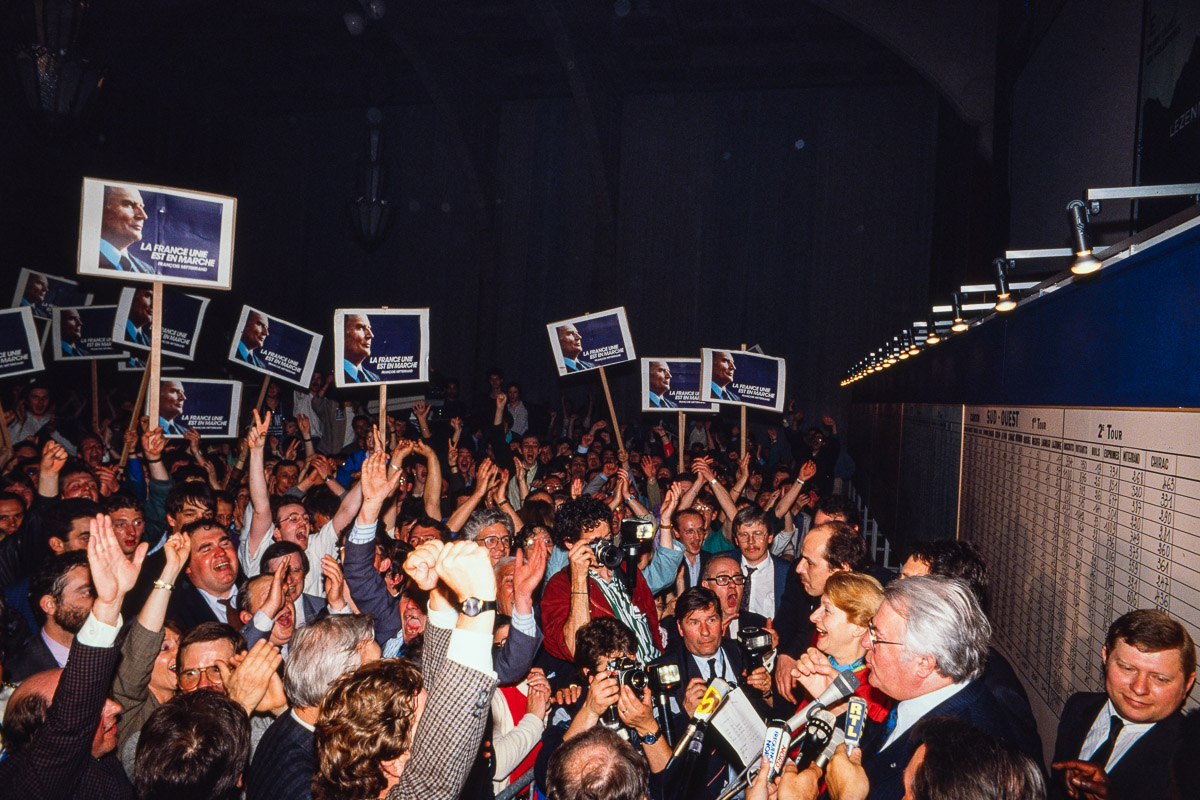
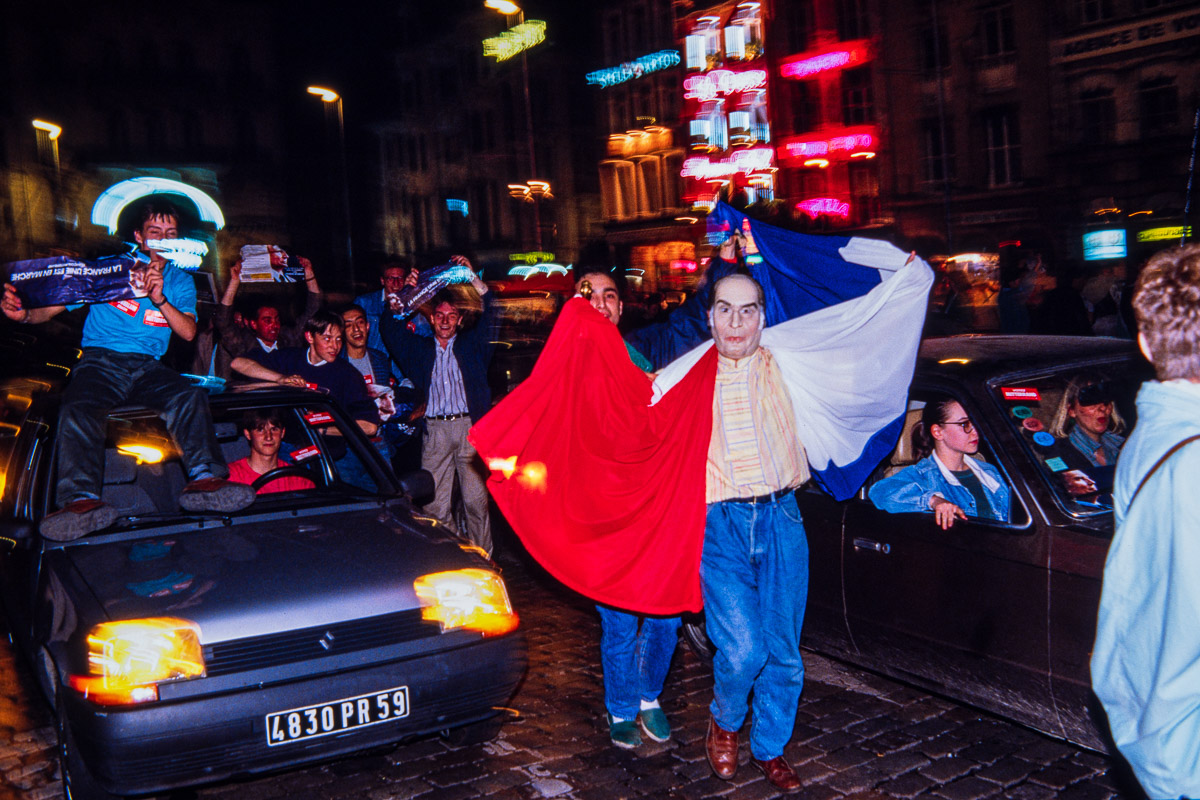
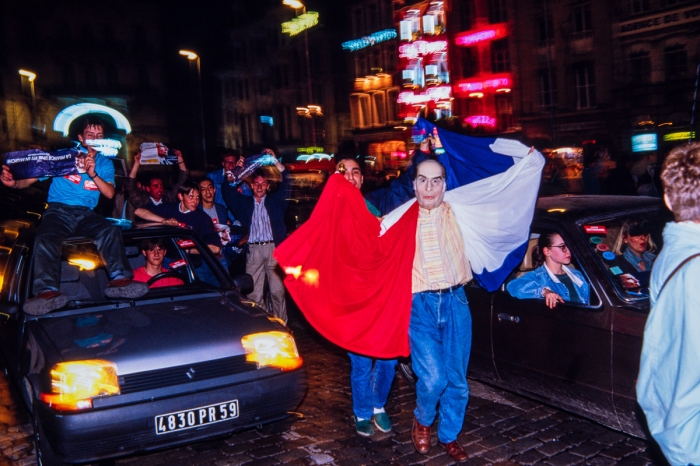
The night of François Mitterrand’s victory in the 1988 presidential election, photographed in Lille, belongs to another register. In the street, cars, flags, faces and lights form a scene of popular celebration, very different from the controlled organisation of a political meeting.
Jacques Chirac’s campaign visit in December 1987
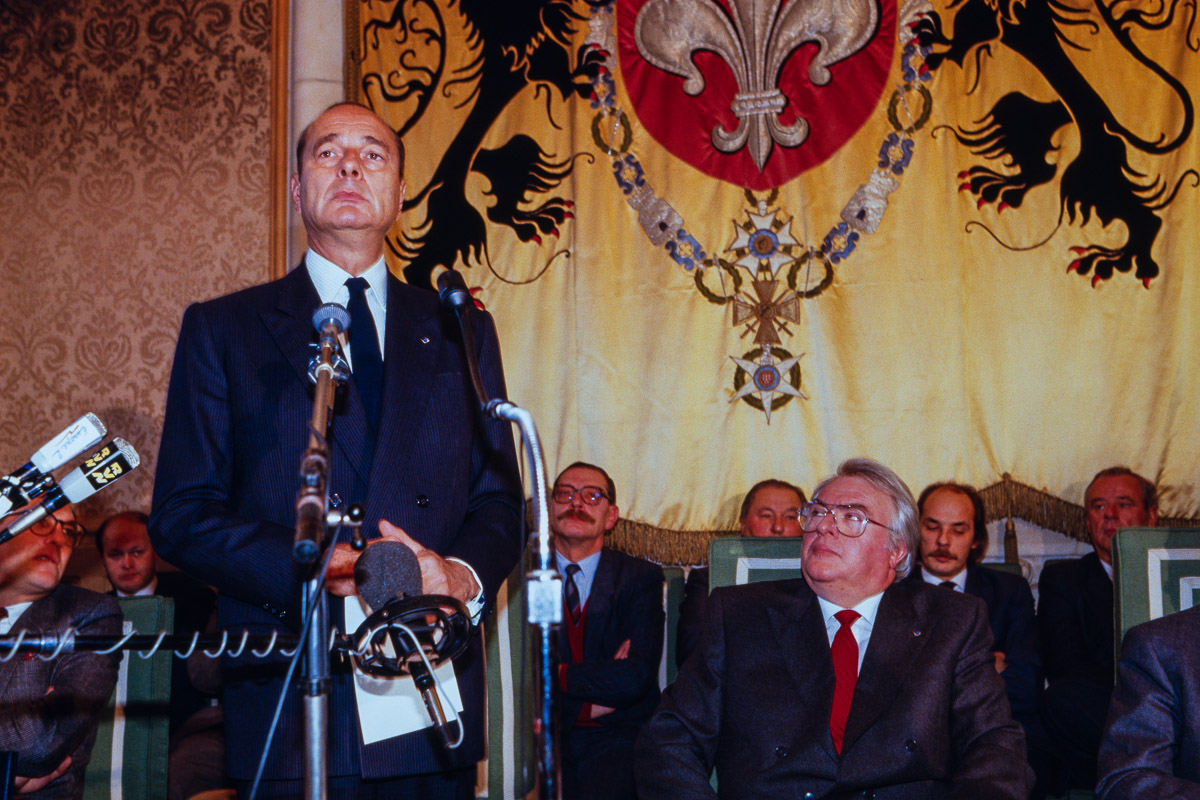
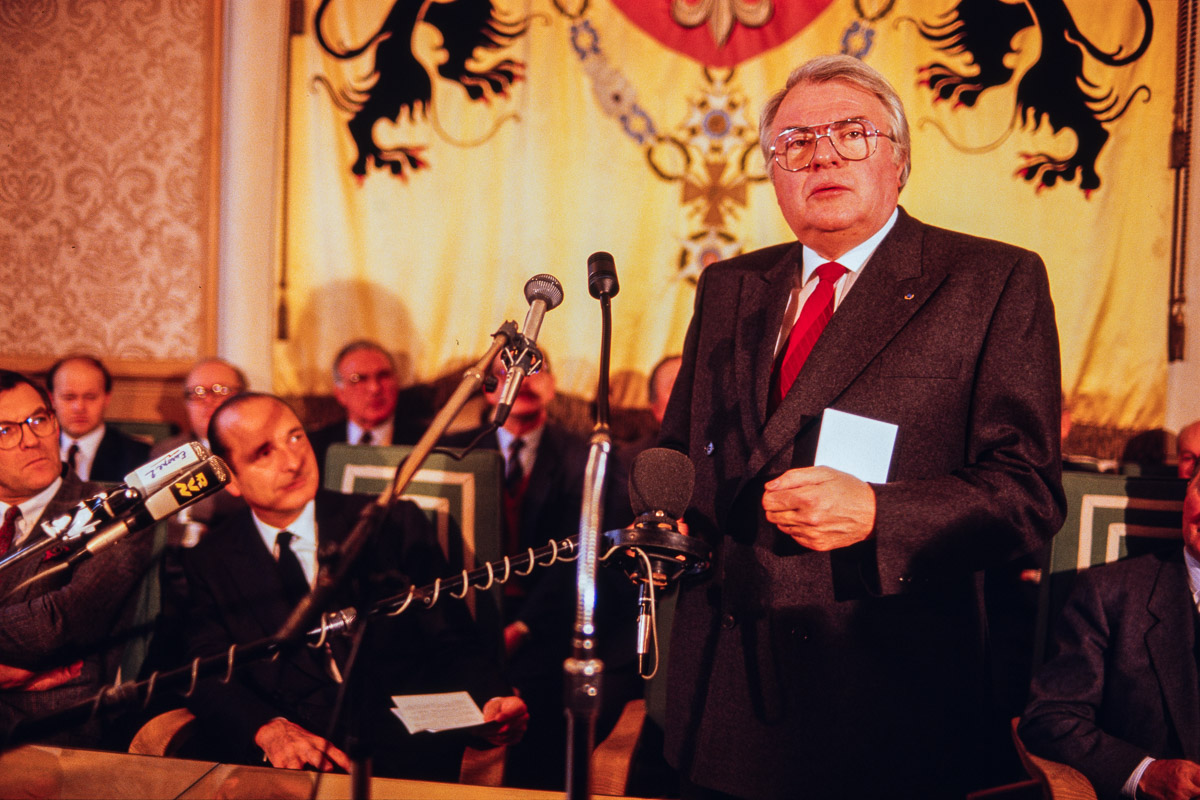
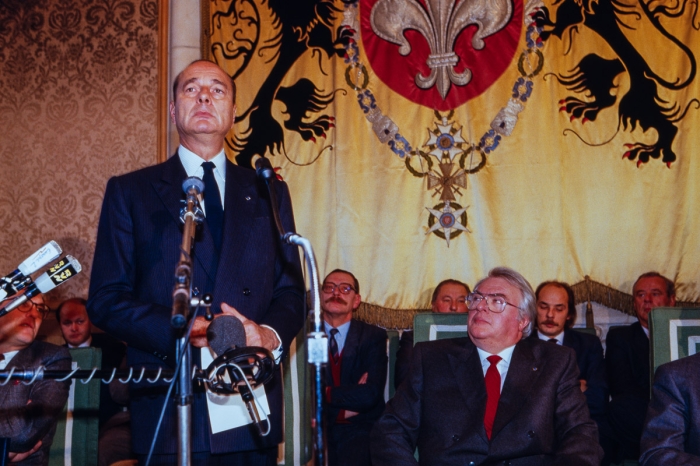
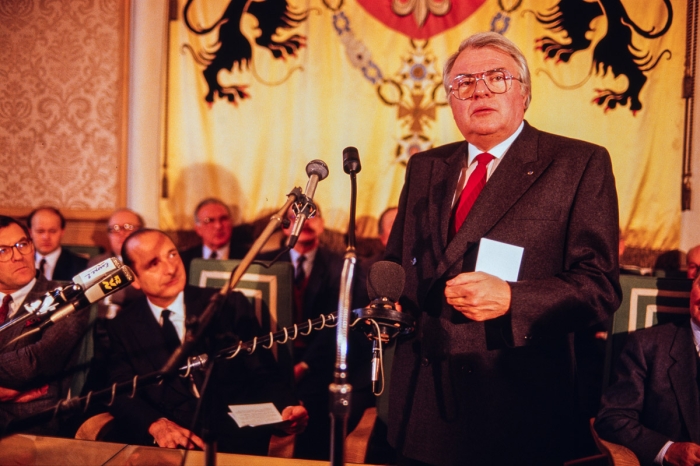
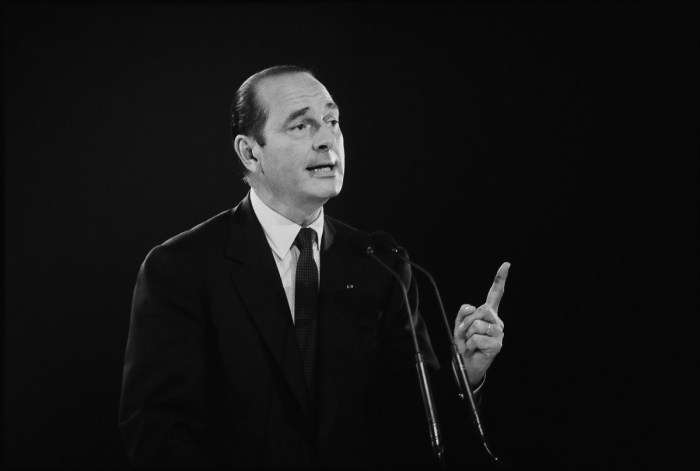
One of the most significant reportages from this period was Jacques Chirac’s visit to the Nord-Pas-de-Calais region on 7 and 8 December 1987, when he was still Prime Minister. At Lille City Hall, I slipped into the group of photographers covering his meeting with Pierre Mauroy. I stayed with them for the rest of the day, then, the following morning, boarded the press bus before it left in order to follow the second day of the visit.
I found myself in direct contact with national photographers and journalists. I observed their reflexes, their positions, the way they moved, waited, anticipated and reacted at the right moment. This kind of reportage requires understanding very quickly where to stand, how to remain within the movement of the group and how to produce a usable image in a very short time.
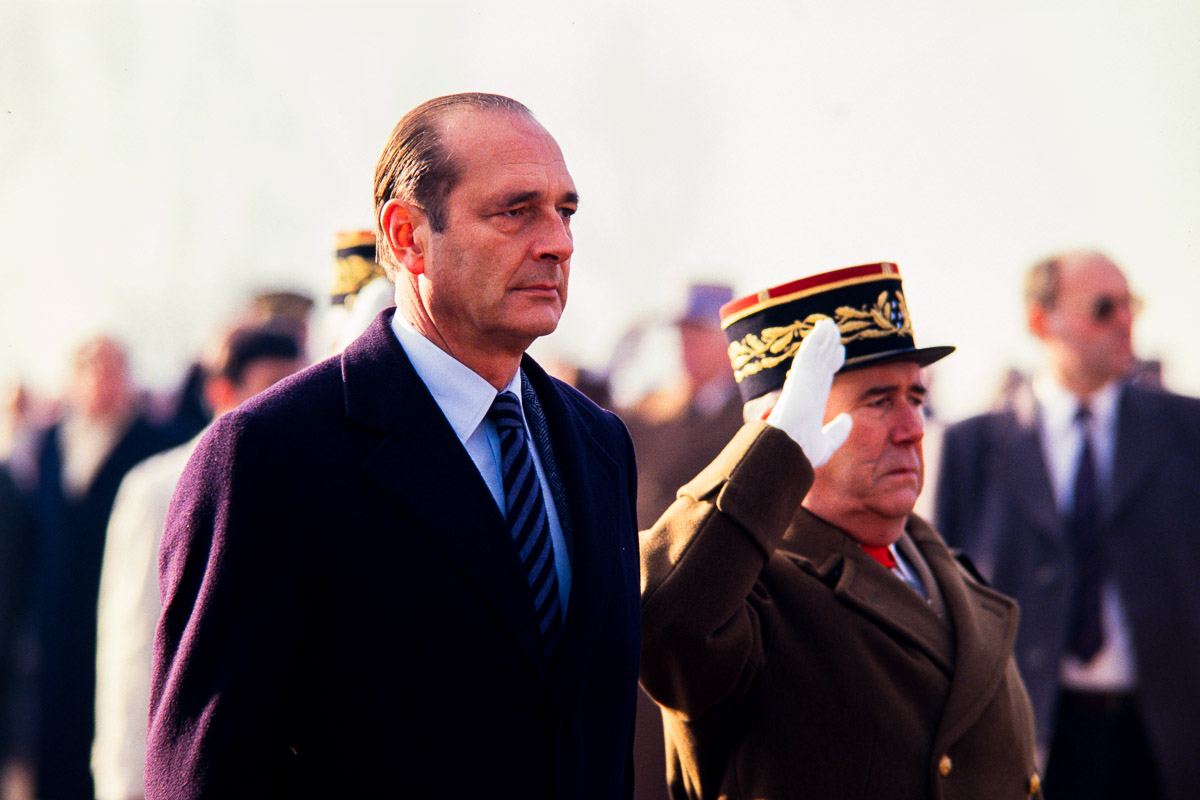
Looking back at these images, what also stands out is the physical proximity that this kind of campaign visit still allowed. Several times, I found myself just a few metres from Jacques Chirac, then serving Prime Minister, camera in hand, in the middle of the press trip. Such a situation would be hard to imagine today without precise accreditation, tighter checks and a much stricter security setup.
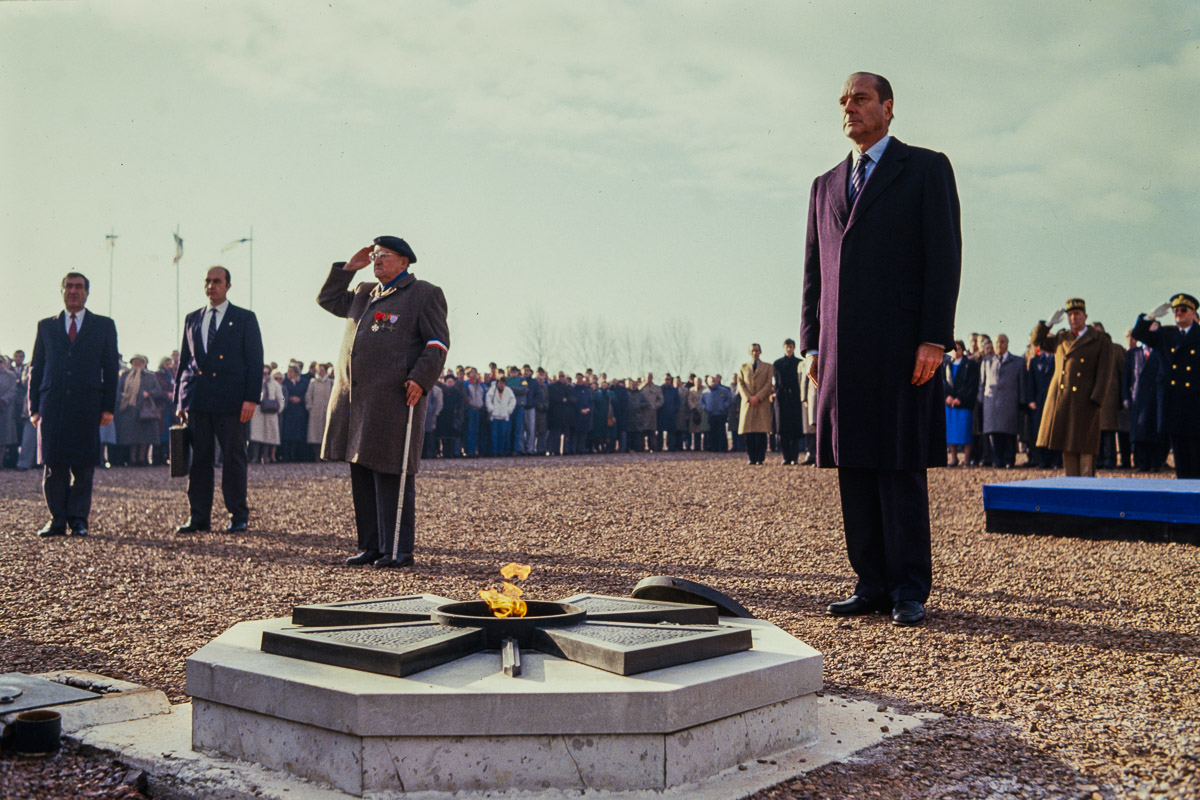
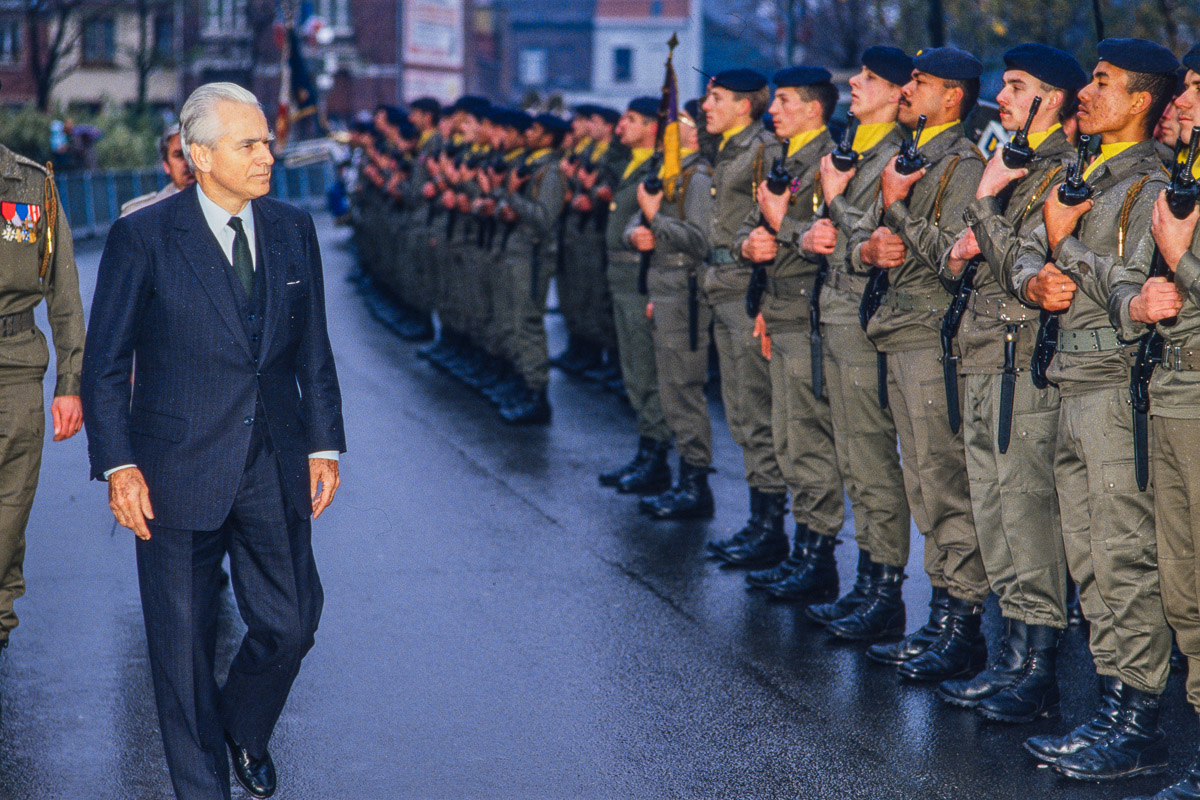
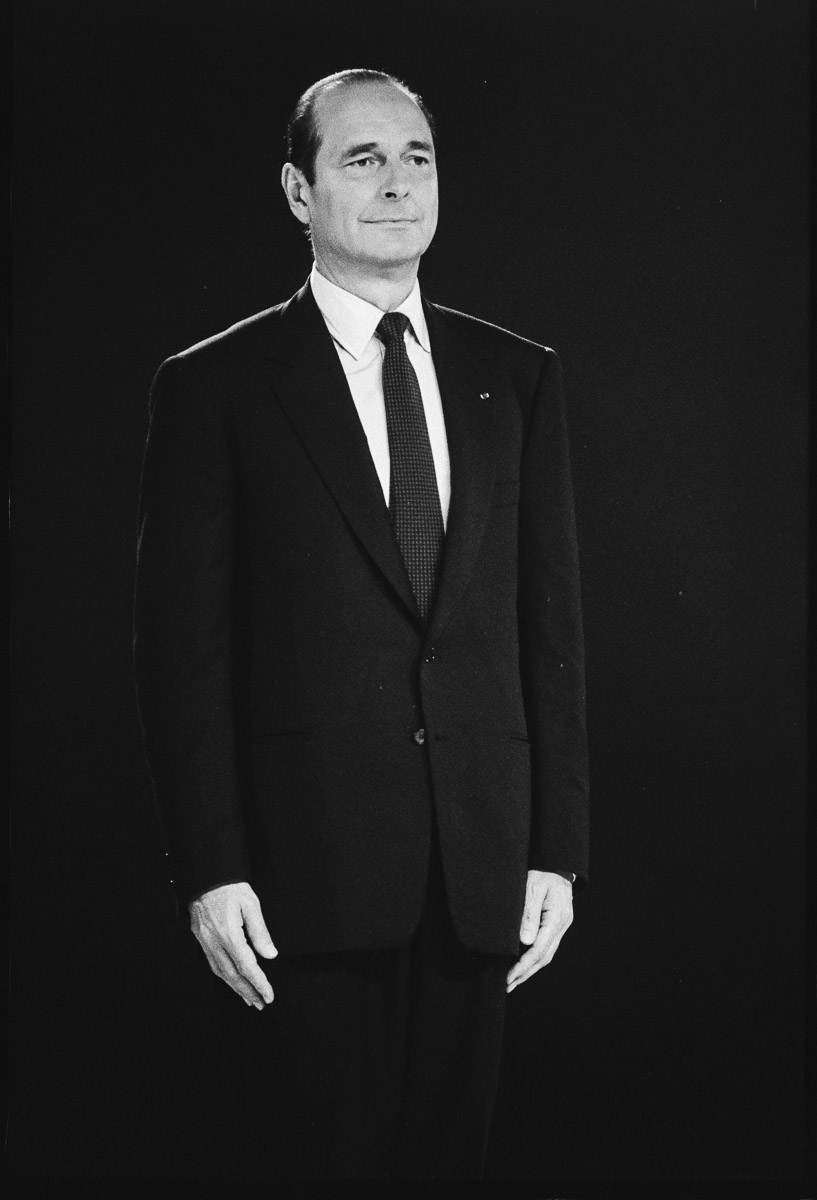
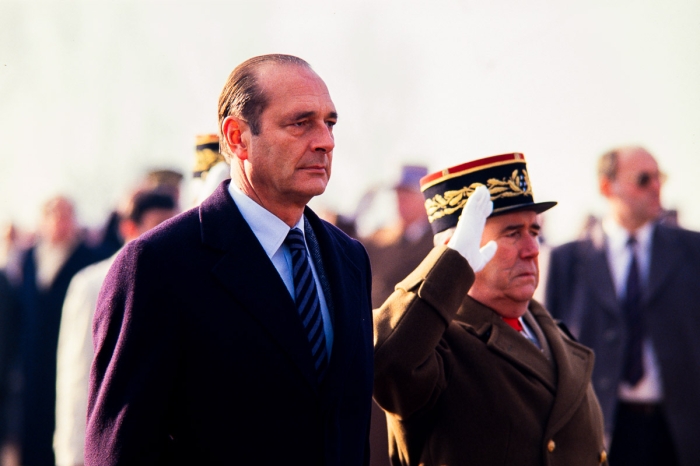
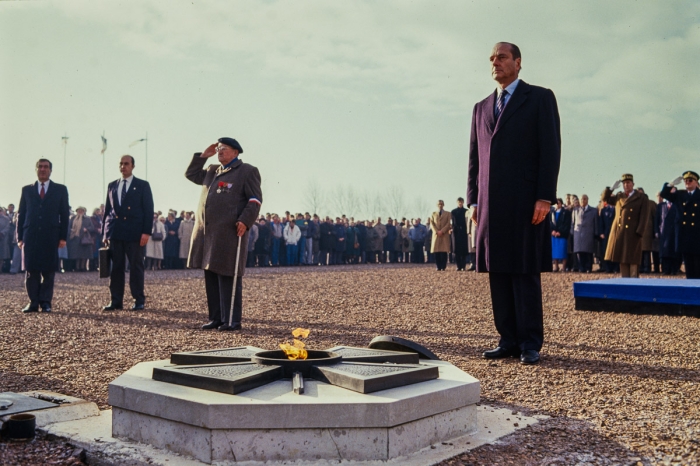
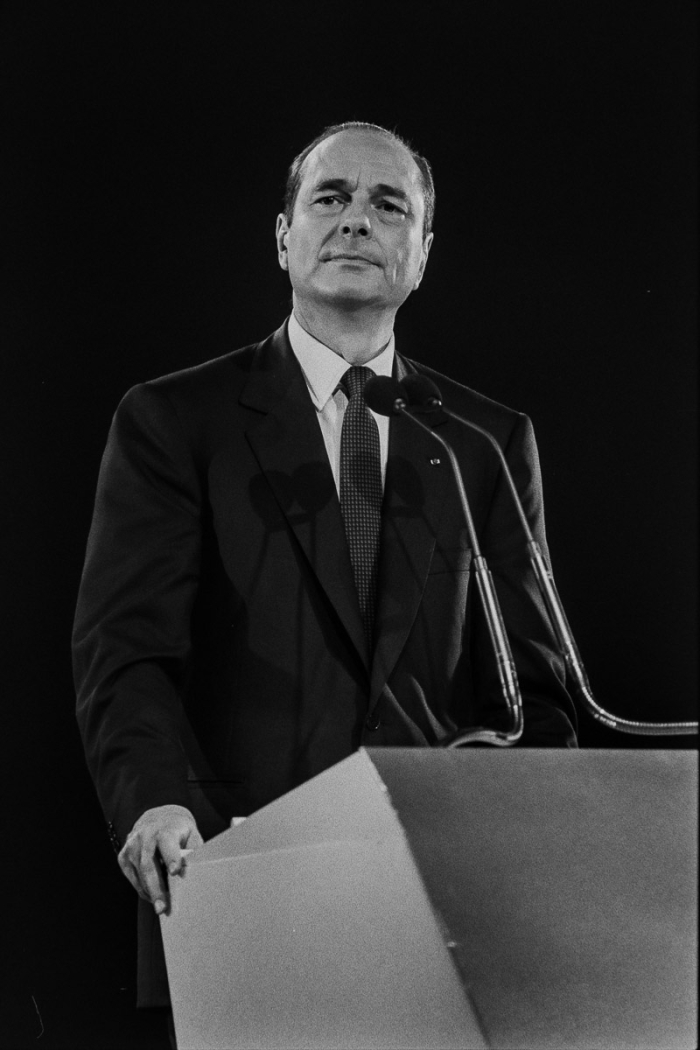
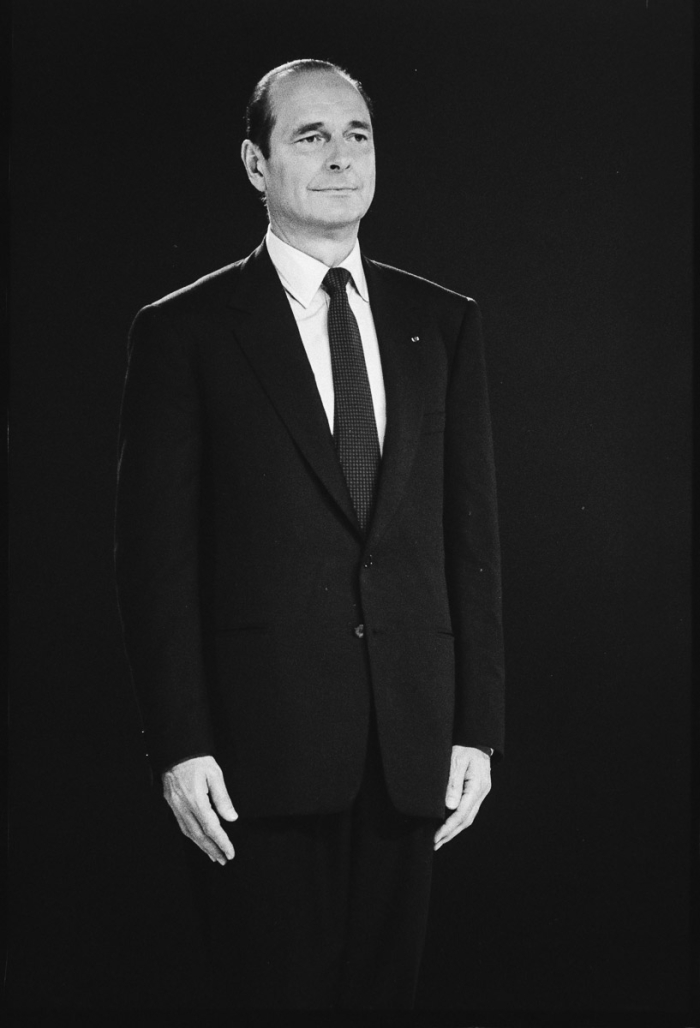
Among the surviving images, some show Jacques Chirac in official situations, notably with Pierre Mauroy at Lille City Hall, or during a visit to the Notre-Dame-de-Lorette cemetery. They document the mechanics of a national press visit: the organisation of the group, the proximity to political leaders, the pace imposed by the schedule and the need to react immediately.
Meetings, portraits and campaign scenes
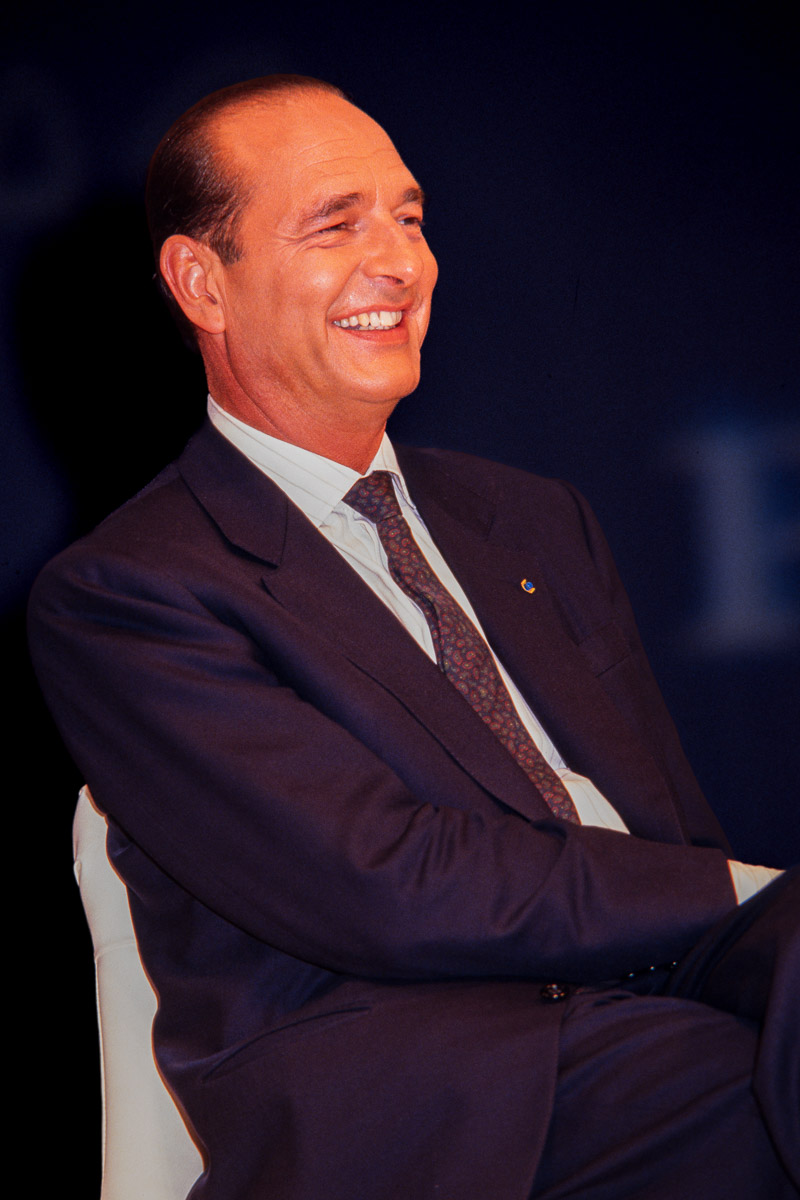
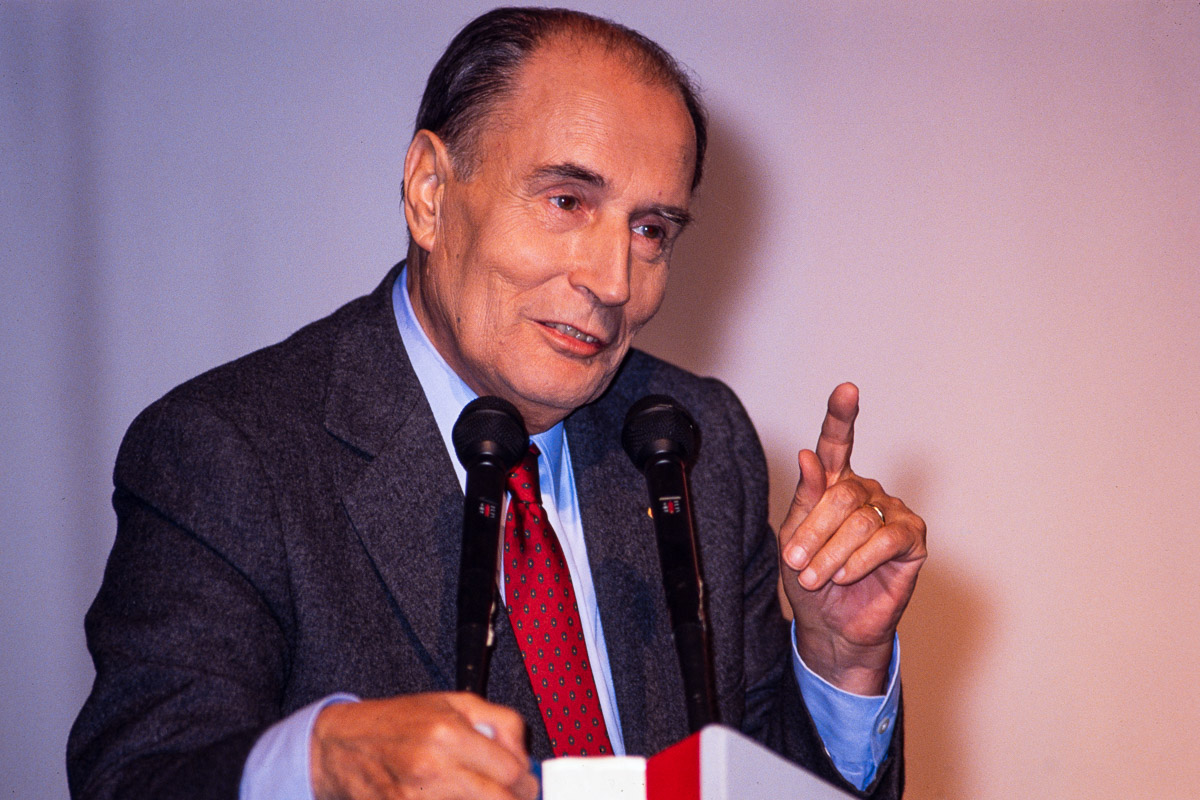
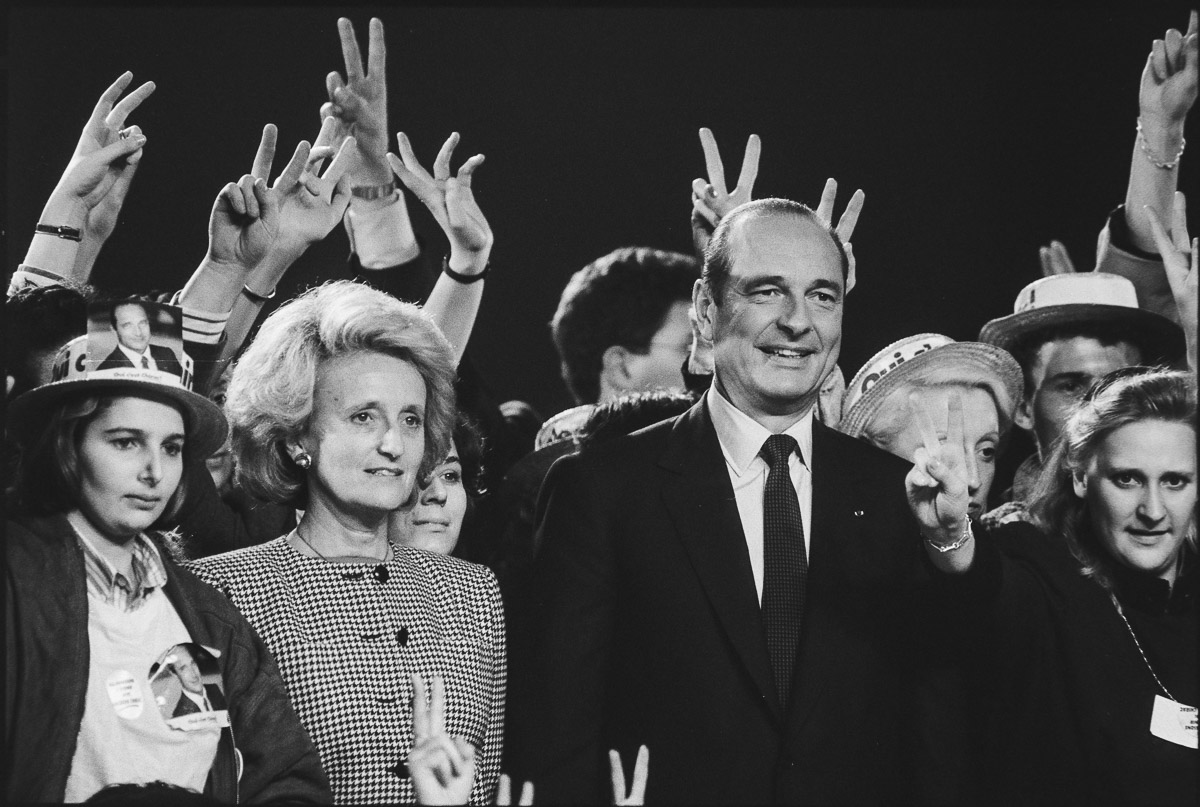
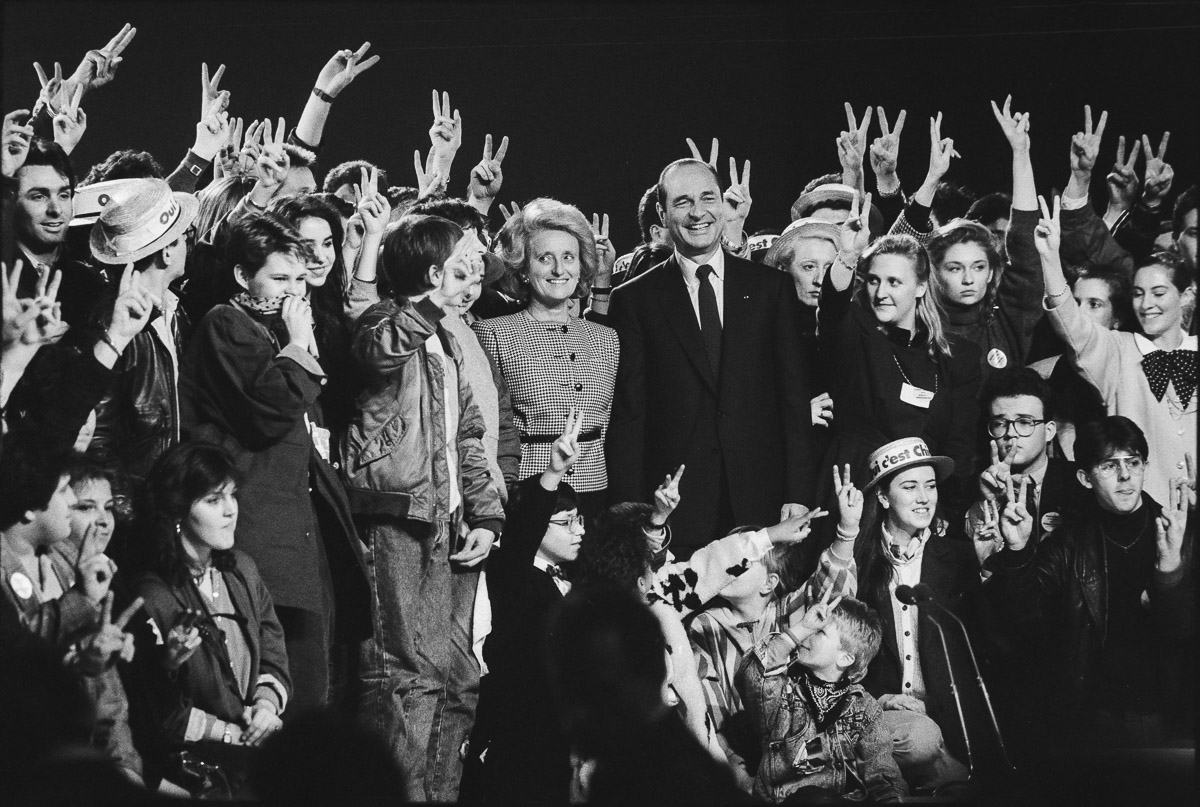
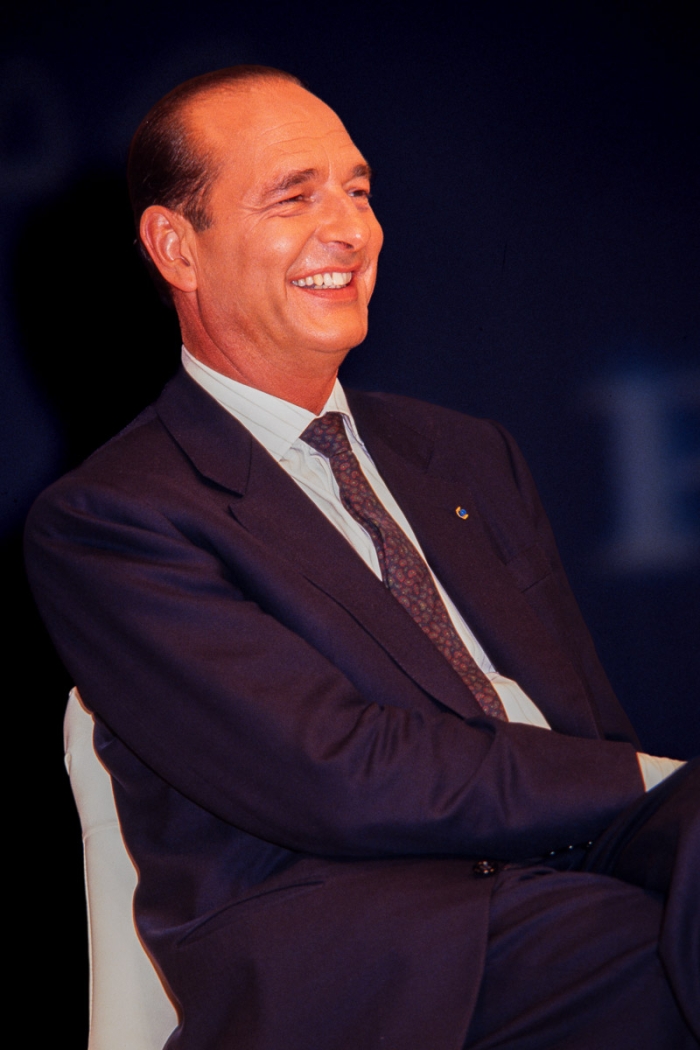
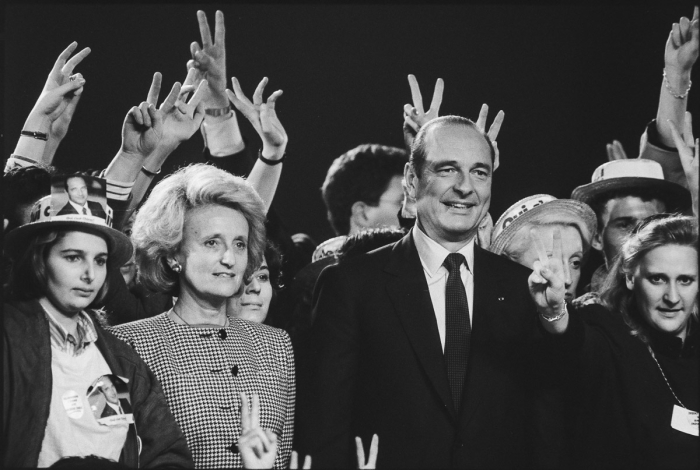
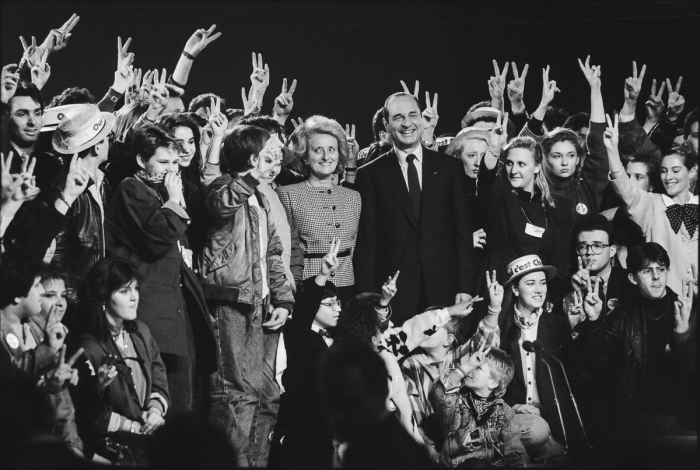
The other images in this series show different moments from the 1988 presidential campaign. They include meetings, public speeches and portraits taken in the audience or near the stage. François Mitterrand, Jacques Chirac, Pierre Juquin, Jean-Marie Le Pen, Raymond Barre, Simone Veil and other figures of the period appear in these archives, photographed in very different contexts.
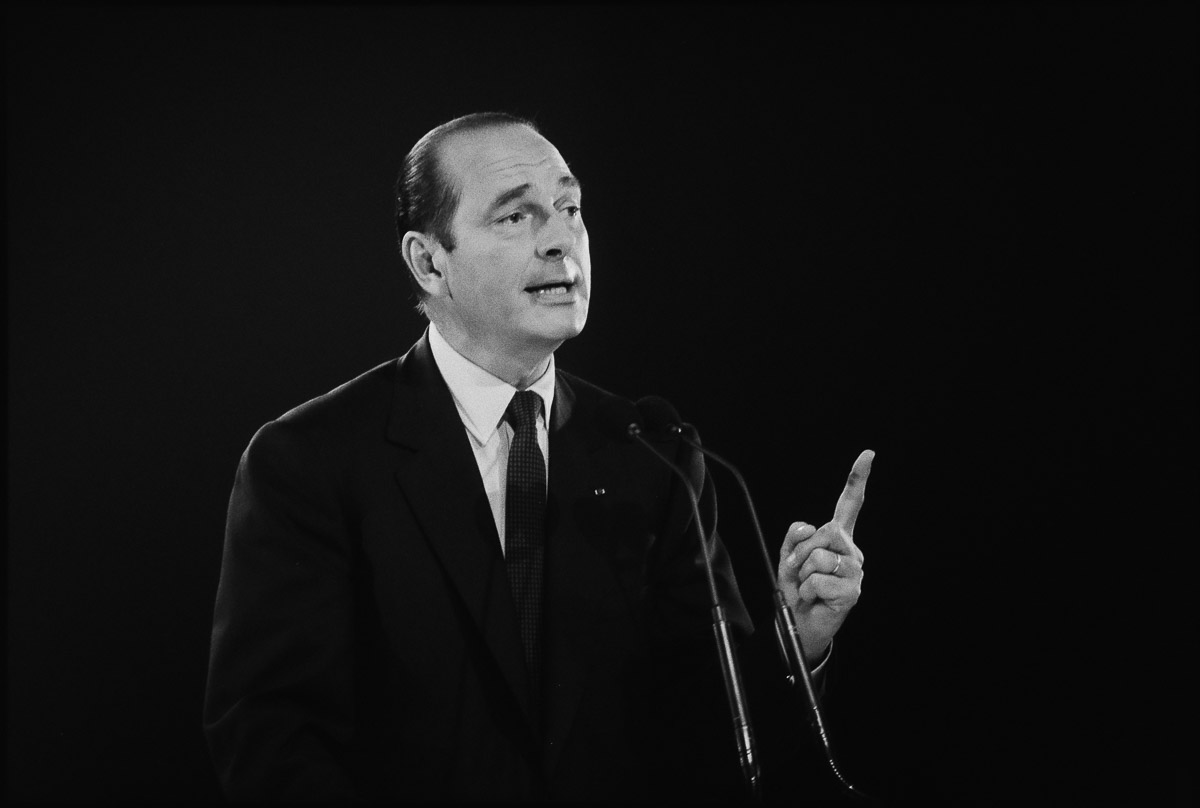
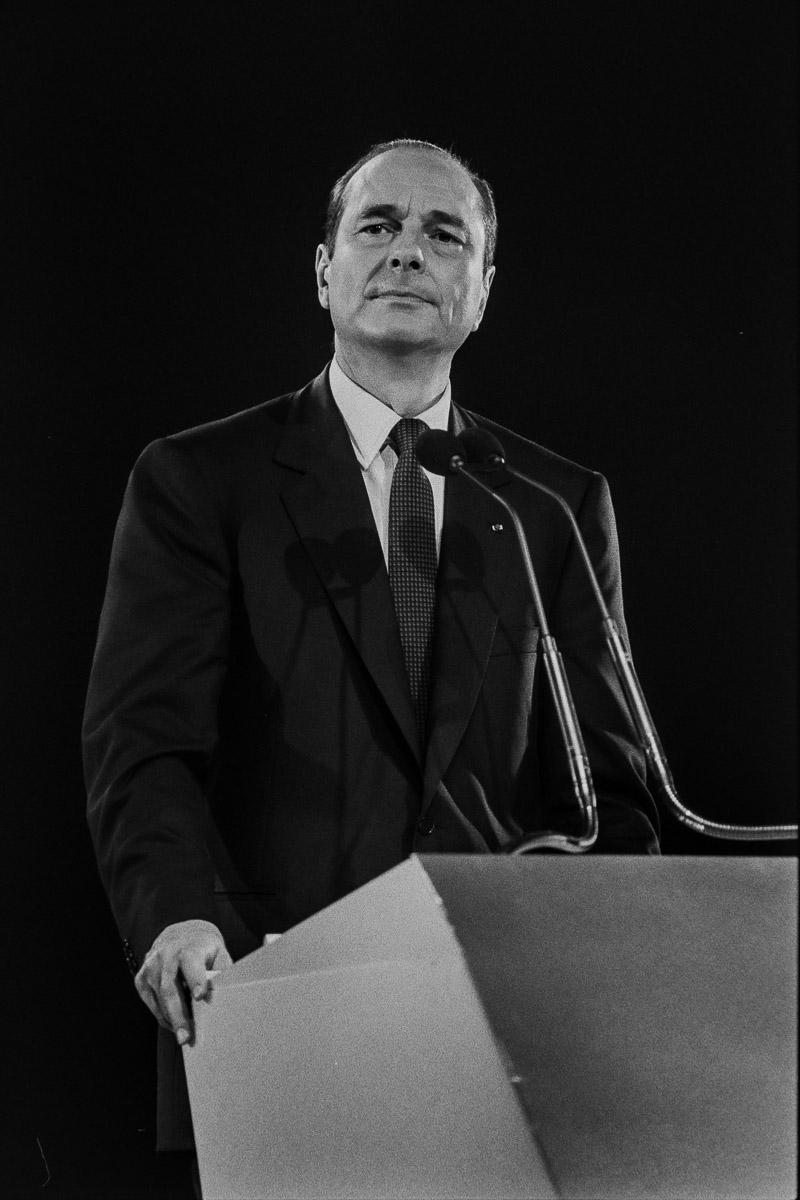
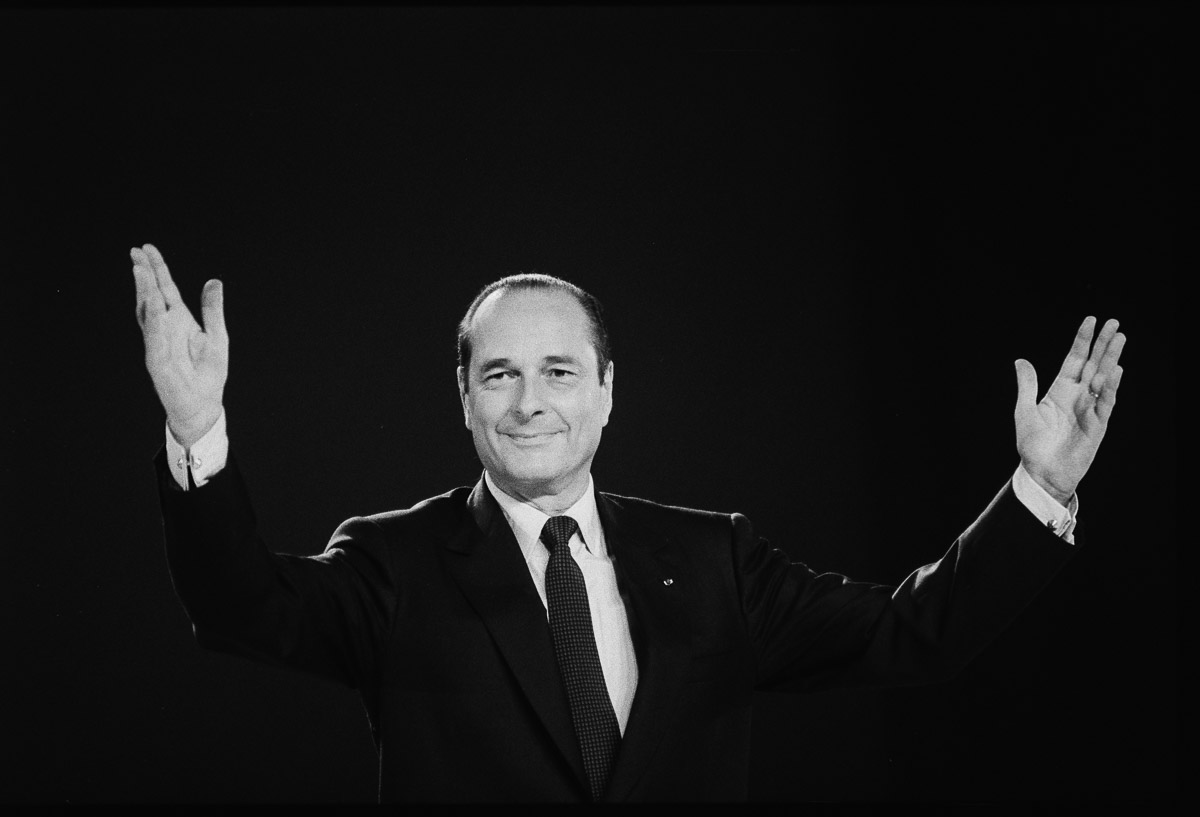
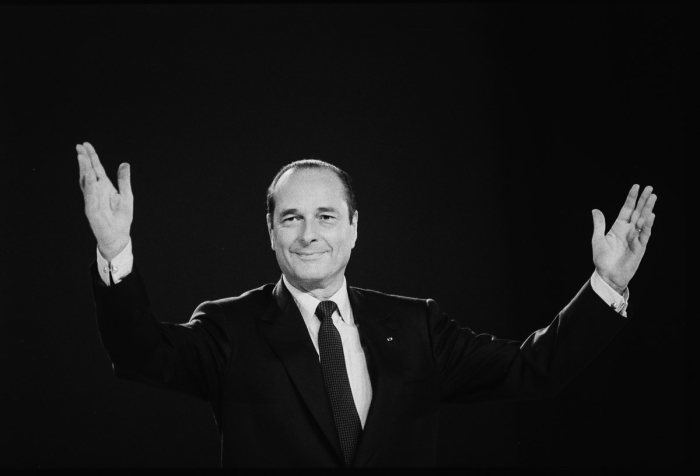
The final photographs of Jacques Chirac shown in this gallery were taken on 20 March 1988, on the esplanade of the Château de Vincennes, during the last major meeting of his presidential campaign. That day, Johnny Hallyday performed outdoors before the political gathering, a reportage I have already described in the article Photographs of Johnny Hallyday’s concert in Vincennes, 20 March 1988.
In March 1988, having only recently passed my driving test but with no car of my own, I travelled to Paris on one of the buses chartered by local RPR sections. Once on site, I left the group and headed for the press area, then the photographers’ platform, where my professional card allowed me to work with a Nikon FM2, a Nikkor 400 mm f/3.5 IF-ED and Ilford HP5 400 ISO film.
Each situation brought its own constraints: stage lighting, crowds, security, rapid movement, limited angles, cluttered backgrounds. The job was to find a clear image in an unstable environment, while keeping a composition strong enough to go beyond a simple illustration of the event.
Photographing politics on film
In 1987 and 1988, all photographers worked on film. This meant only a limited number of frames per roll, no immediate review, exposure decisions made on the spot, and close attention to framing at the moment of shooting. Each frame mattered more than it does in digital photography.
The lighting at campaign meetings was often harsh or unbalanced. Faces could be lit by a frontal spotlight while the rest of the stage fell into darkness. In street gatherings, neon lights, car headlights, urban lighting and flash produced sometimes unpredictable colour mixtures. These imperfections are now part of the documentary reading of the images.
Finding and digitising these slides also makes me aware of the considerable gap between the technical constraints of the 1980s and today’s photographic equipment. To retain fine grain and good definition, it was often necessary to work with 100 ISO slide films such as Fujichrome, while using flash to open up a face, balance a scene or freeze a gesture. Even when lowering the shutter speed to let in more ambient light, the flash sometimes produced a cast shadow, more or less softened, that would be far less readily accepted today.
With today’s digital cameras, high ISO performance, stabilisation and sensor dynamic range would often make it possible to photograph the same scenes in available light, without flash, with a discretion and flexibility that did not yet exist. Press photographers of the 1980s and 1990s were already waiting for faster films, brighter lenses, more reliable autofocus, more accurate flash systems and, later, digital tools that would give them greater freedom.
Digitisation also reveals the physical nature of the archives: drying marks left by the final development baths, ingrained dust, handling marks on the slides, small imperfections linked to the life of the images in an agency. It also brings out the colour casts, shifts and drifts specific to slide films, sometimes linked to the laboratory chemistry, the condition of the baths or accentuated by push processing. Lightroom and Photoshop can now correct much of this, but the cleaning takes time. These flaws recall the physical journey of the photographs, from the reportage to the laboratory, from agency filing to their rediscovery several decades later.
Film photography keeps the trace of its period: grain, contrast, colour cast, and the technical limits of the films and lenses used. These characteristics contribute to the visual memory of these reportages and to their historical grounding.
This reflection echoes several articles devoted to the evolution of equipment and photographic vision: Film photography vs digital photography: a return to the roots or a romantic illusion?, The evolution of photography: 40 years between film, digital and mirrorless and Press photographers in 1985: what their camera bags revealed.
At the time, these reportages were mainly a way to learn, to build a portfolio and to prove that I could work in real news conditions. They came before I joined the DPPI agency in 1988 and before my years covering motor sport. They also show that a press photographer is not defined only by technical skill or by having an eye: he must be resourceful, mobile, able to find access, to slip in when the situation calls for it, to position himself quickly and to bring back usable images.
Click on the photographs below to view them full screen.
All photographs on this website are copyright protected © Sebastien Desnoulez. No use is allowed without written permission from the author.
Legal notice
About the author
Sebastien Desnoulez is a photographer, author and image maker based in Paris. His work spans architectural photography, landscape photography and travel photography, with particular attention to composition, lines, light, blur and visual accidents. Trained in photography in the mid-1980s, he covered Formula 1 and reported from around the world before developing a fine art photography practice built around the tension between graphic rigour and visual instability. He also shares his technical experience through practical articles for passionate photographers, drawing on a strong visual culture acquired in both film and digital photography.
Tags