

Falcon Hunting in Dubai in 1991, Documentary Photography

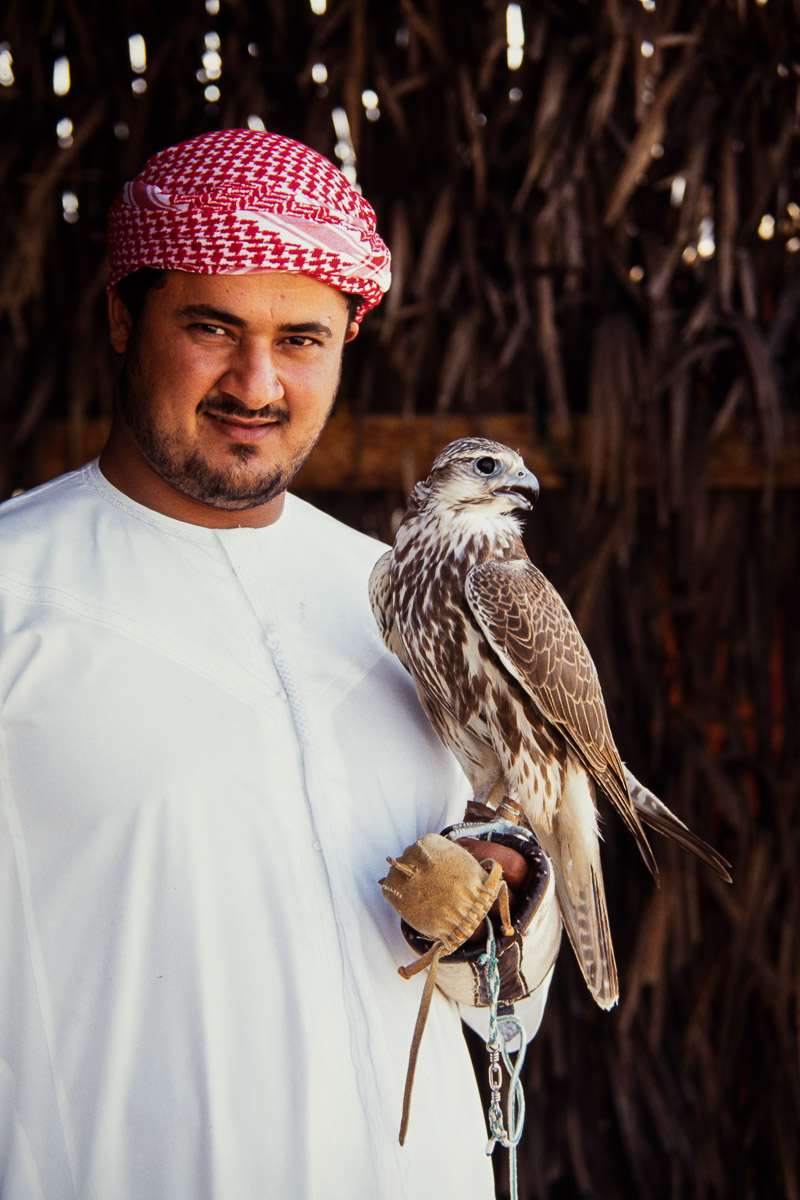
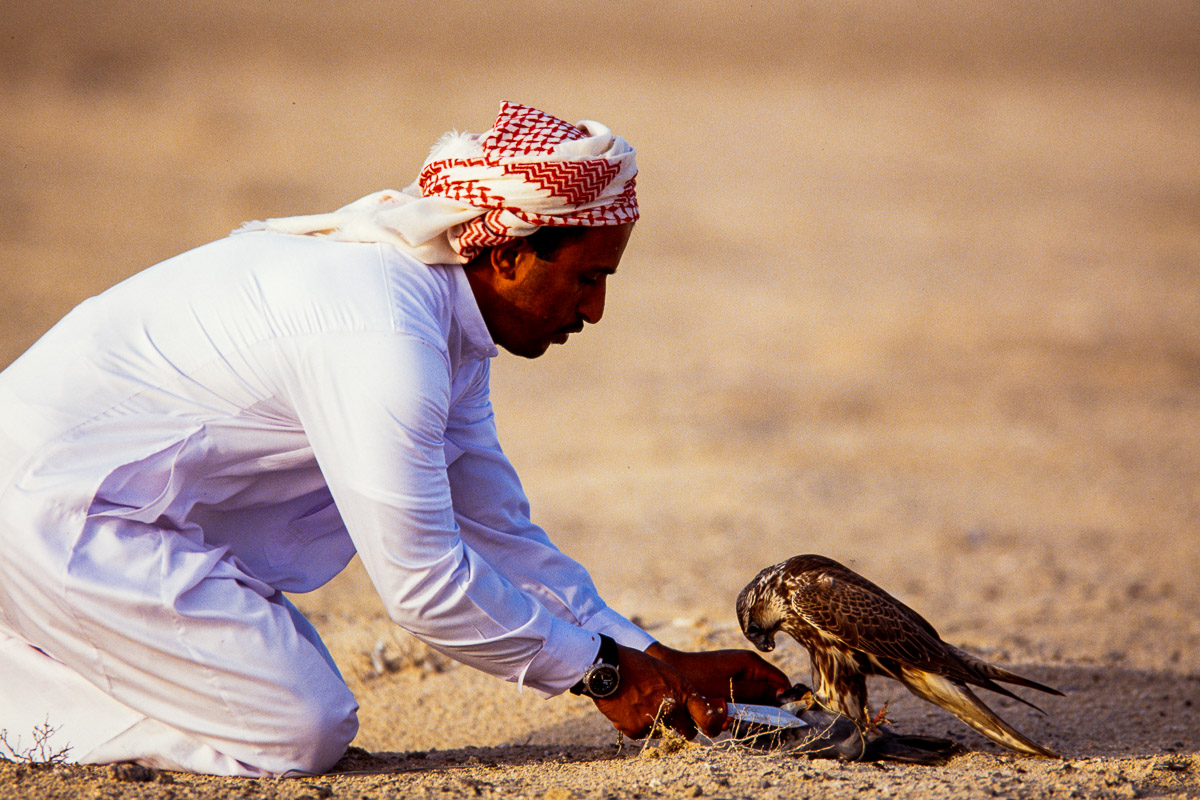
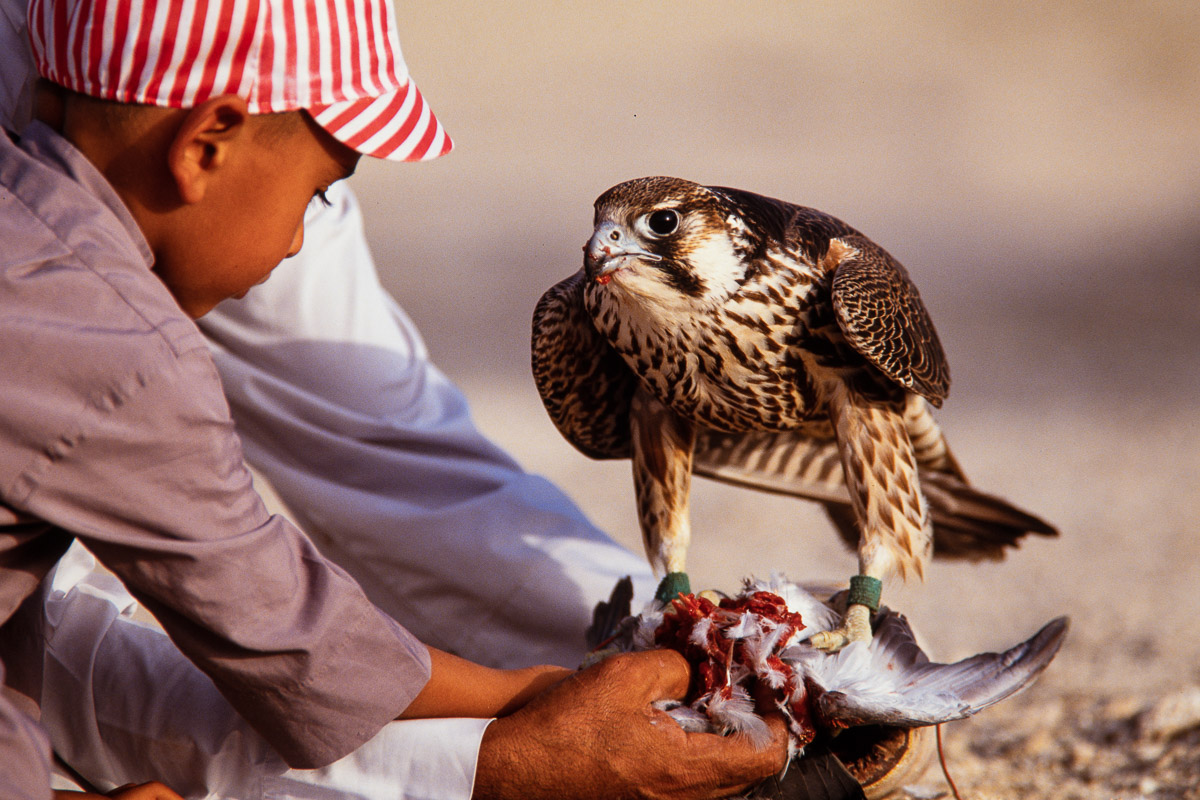
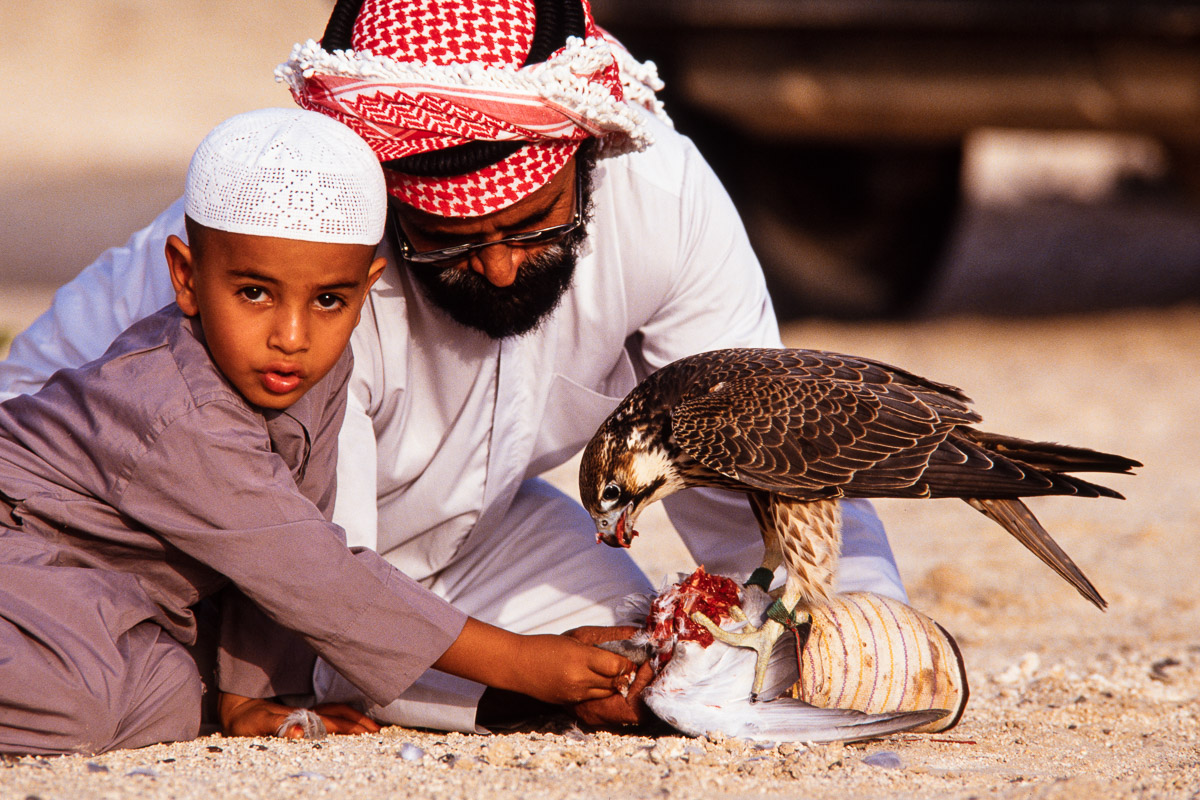
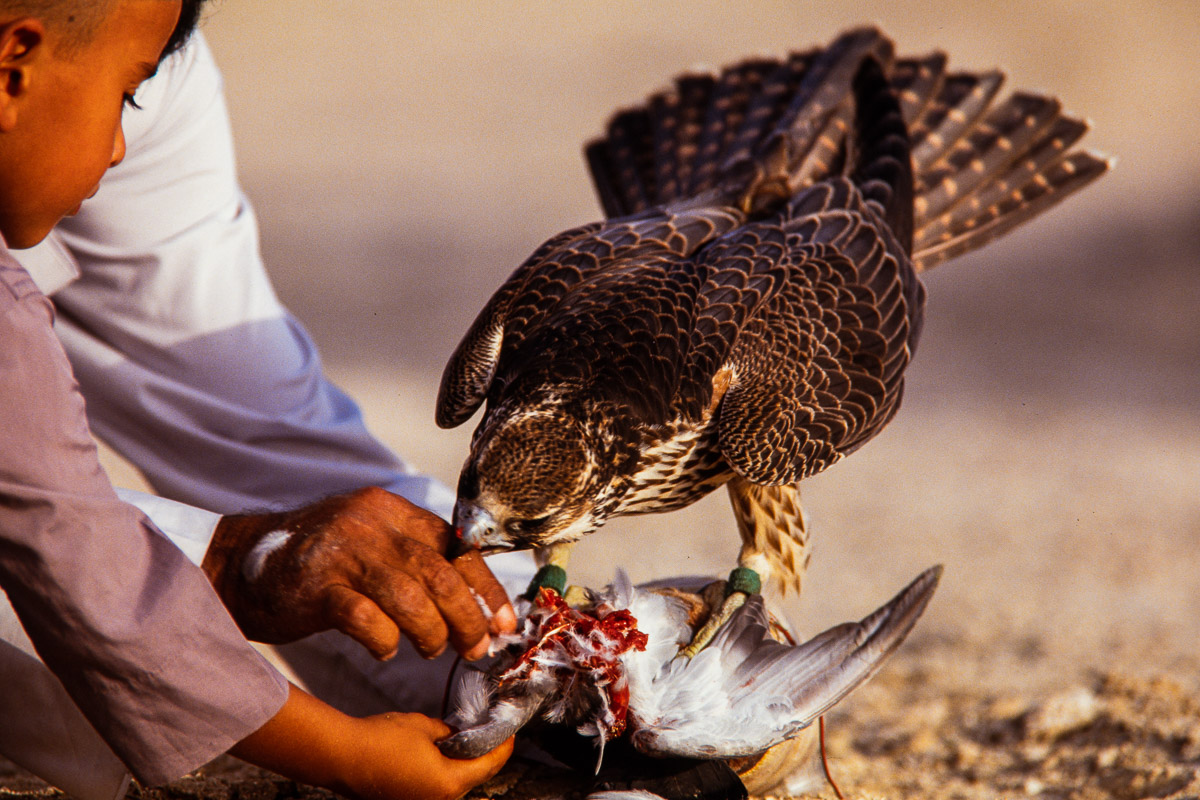
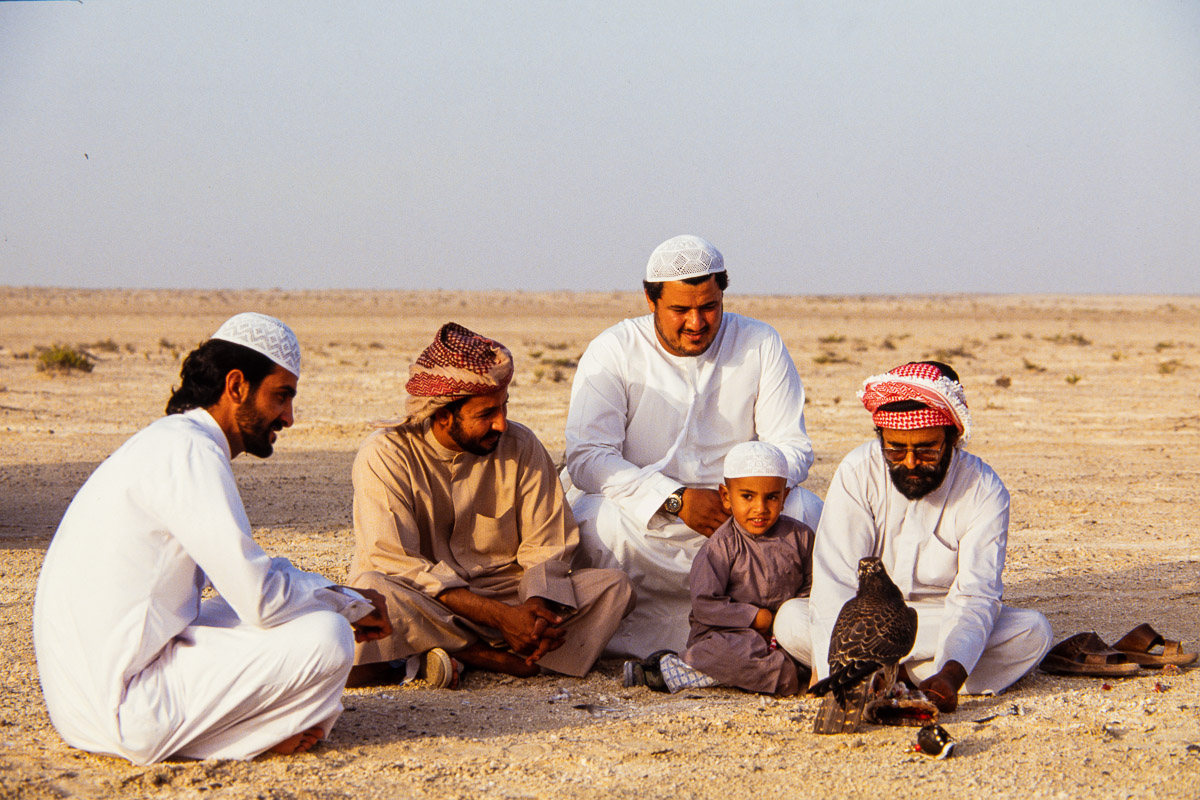
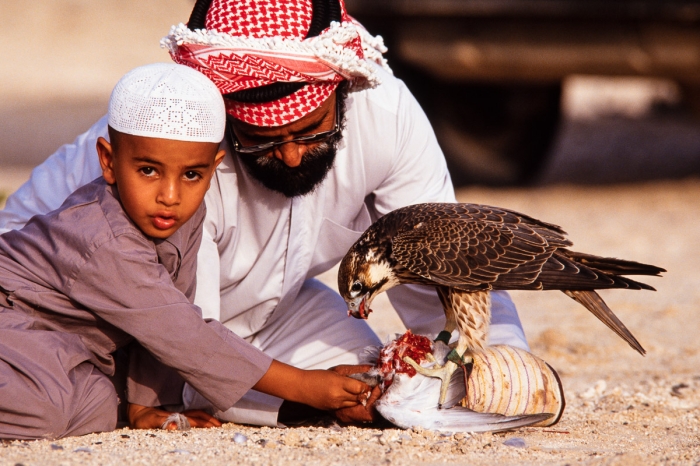
In 1991, during a six-week stay in Dubai, I was invited to photograph a falcon hunting training session in the desert. This assignment gave me access to a practice deeply rooted in local culture, long before Dubai became the international metropolis the world knows today.
At the time, I was working as a press photographer for DPPI, a press agency specializing in motorsport. Part of my assignments in the Middle East took me through Dubai, where I spent several weeks in 1991 covering rally events and producing magazine features, including a report on camel racing.
It was in this context that I reconnected with Suhail bin Khalifa, a rally and offshore racing driver whom I had met the previous year during the 1990 Dubai Rally. He invited me to his falcon hunting training ground, deep in the desert.
A training ground in the desert
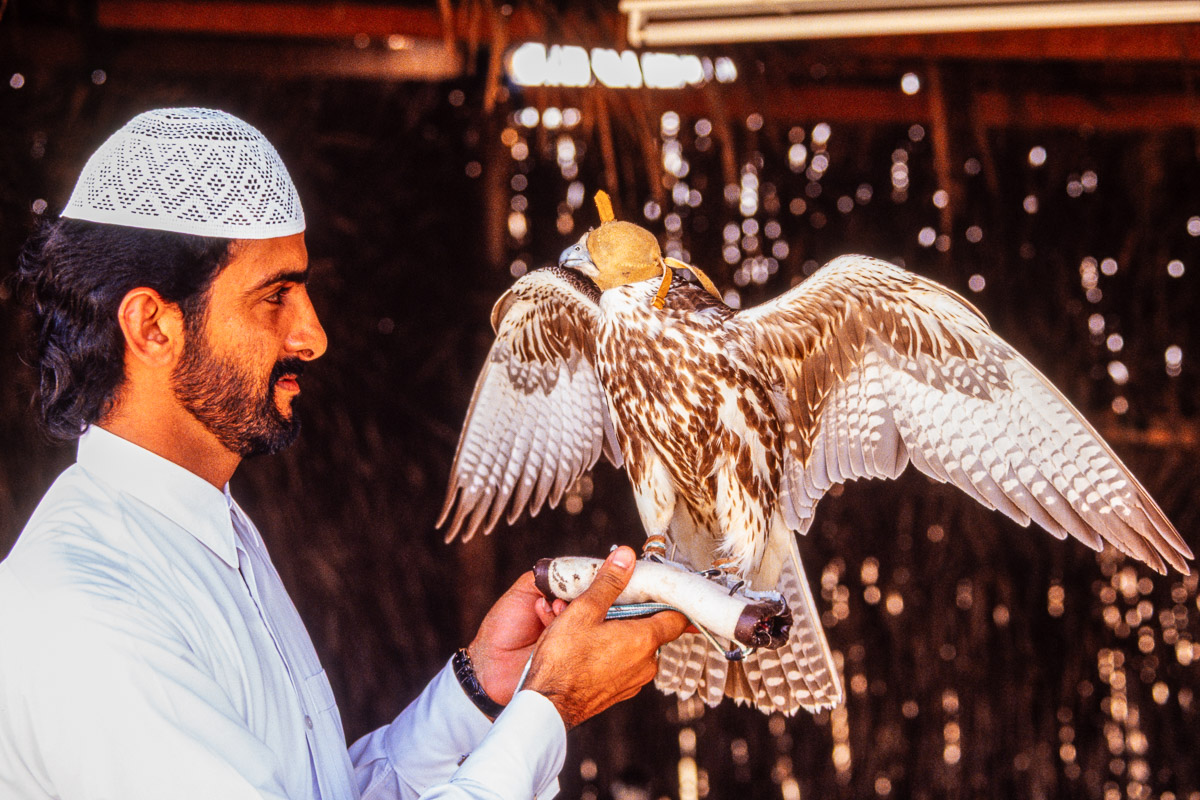
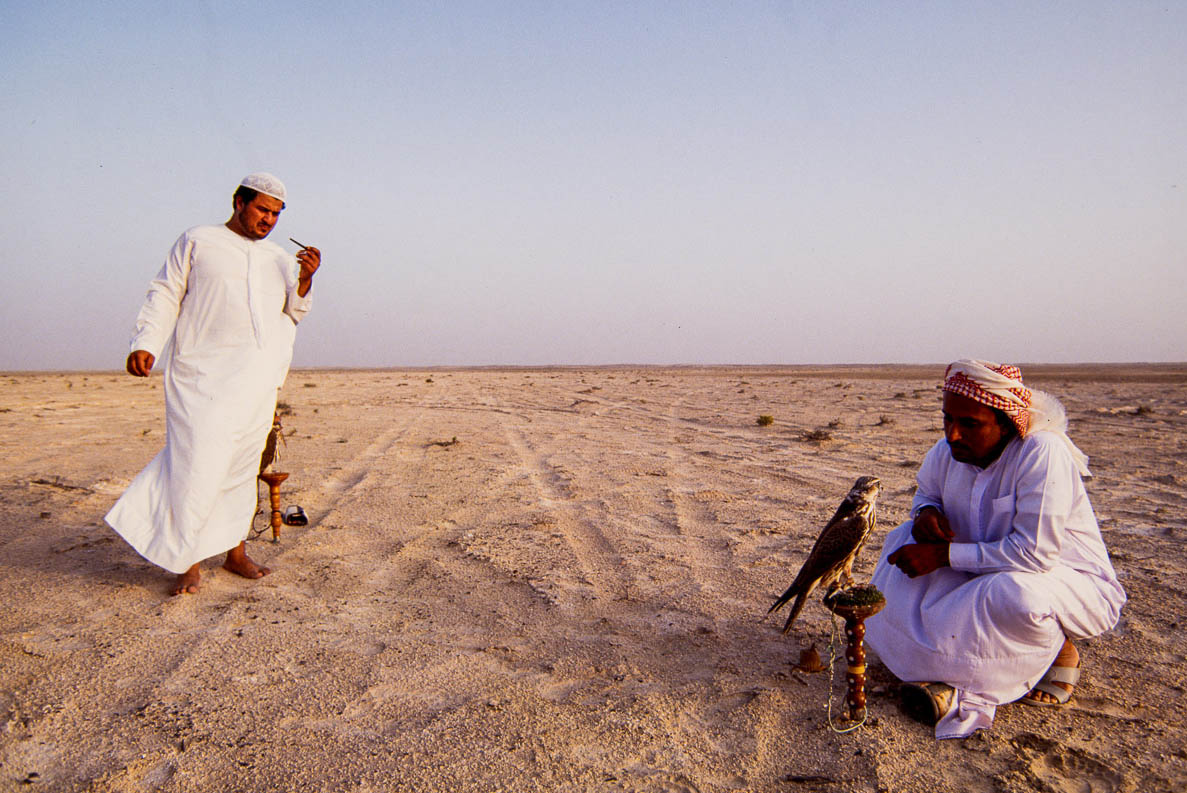
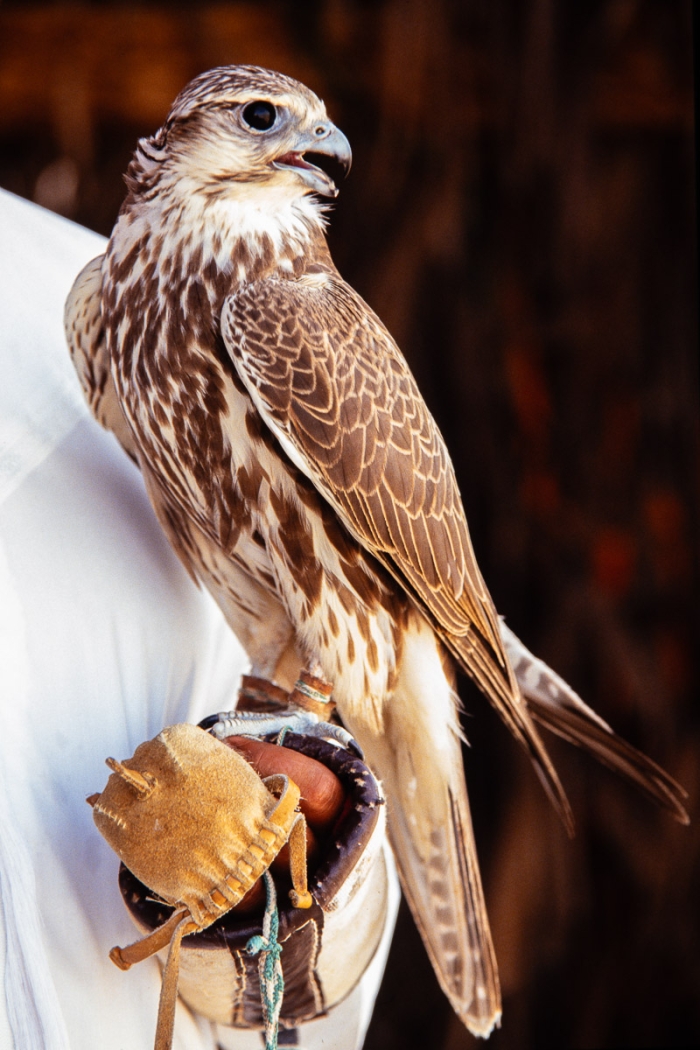
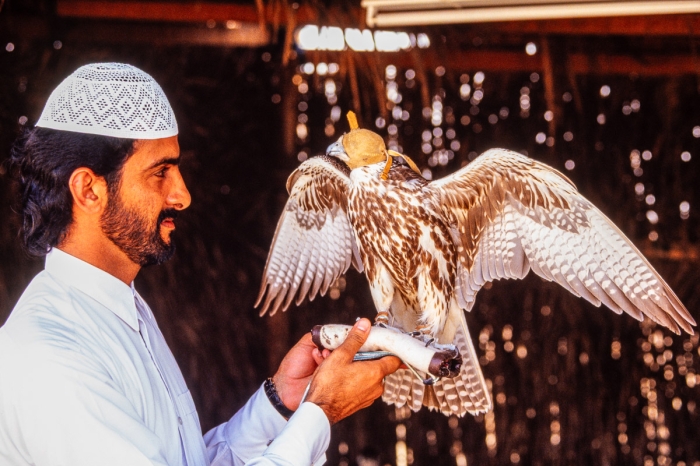
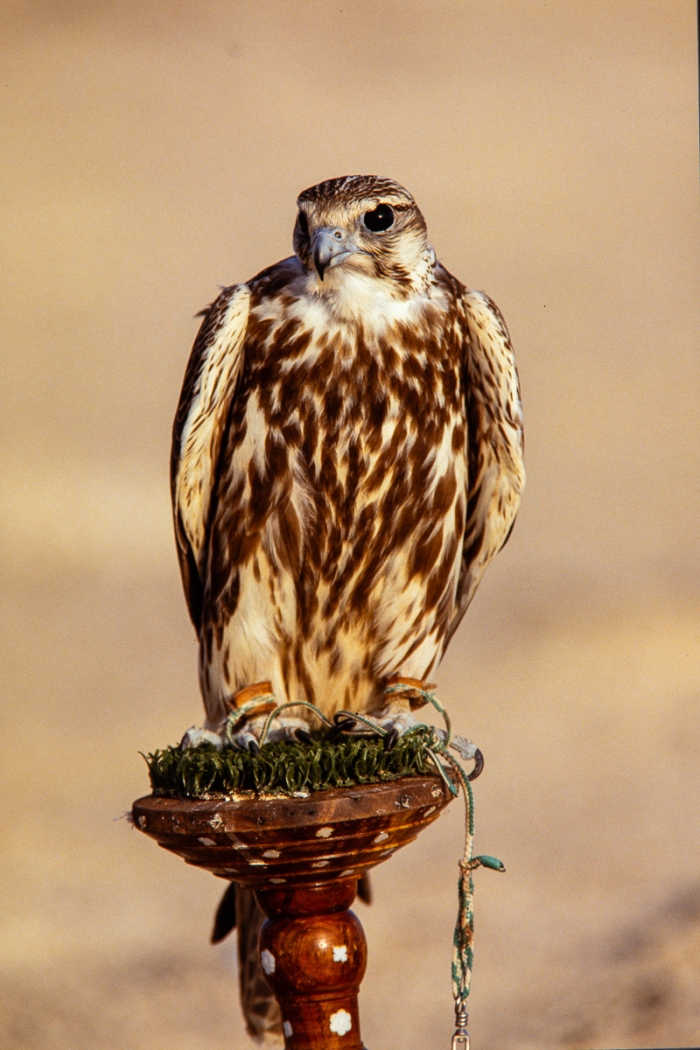
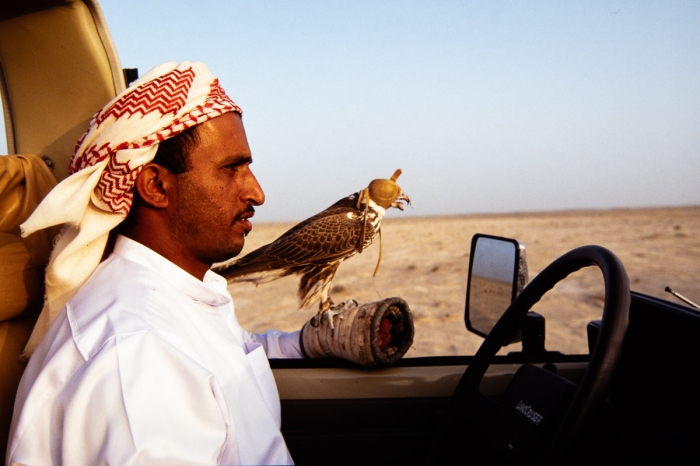
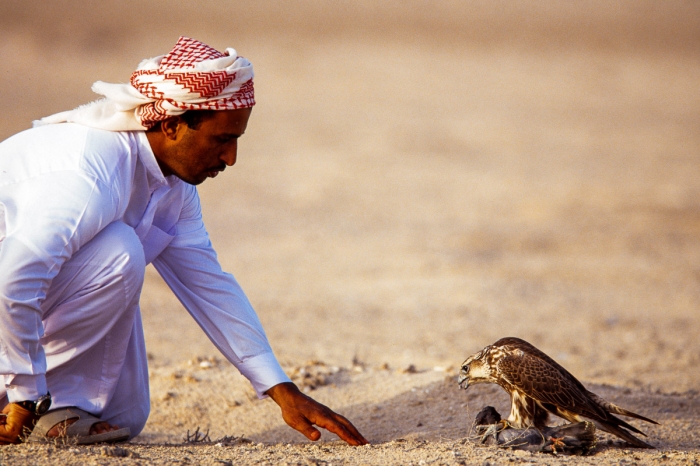
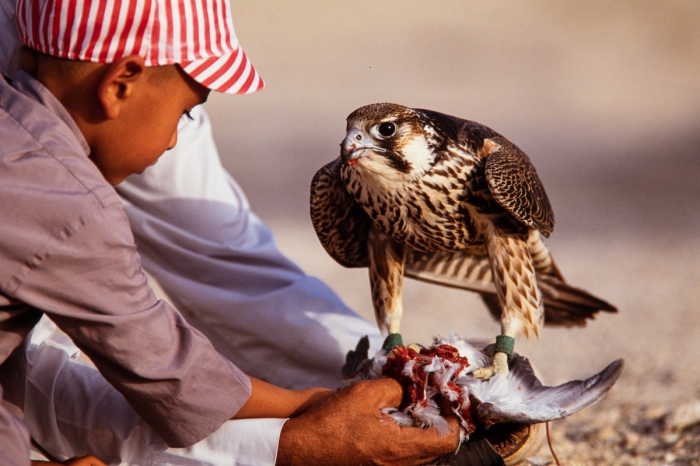
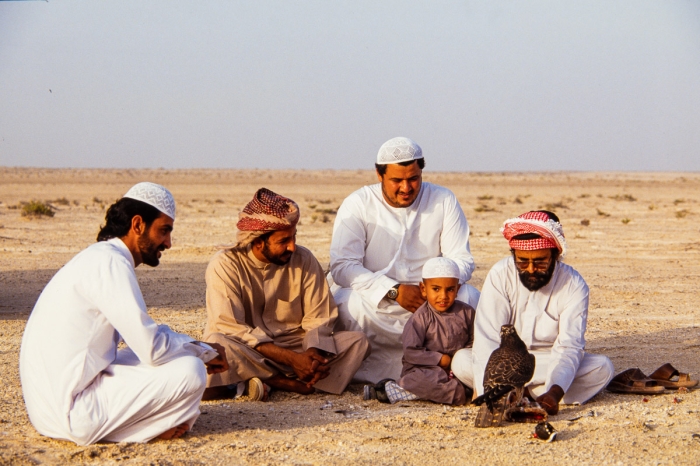
On site, the falcons were kept under simple palm shelters that protected them from the sun. The setting was practical and unpretentious, far from any staged presentation. Several caretakers and trainers were responsible for the birds.
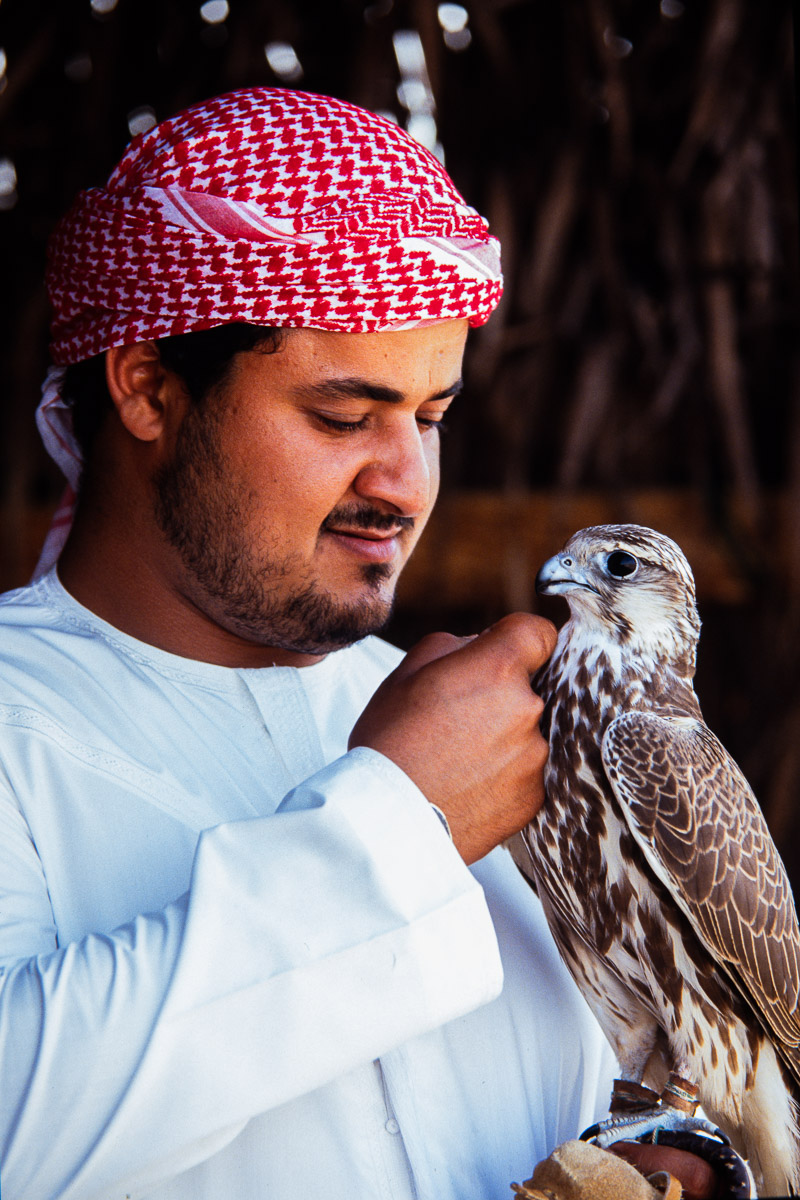
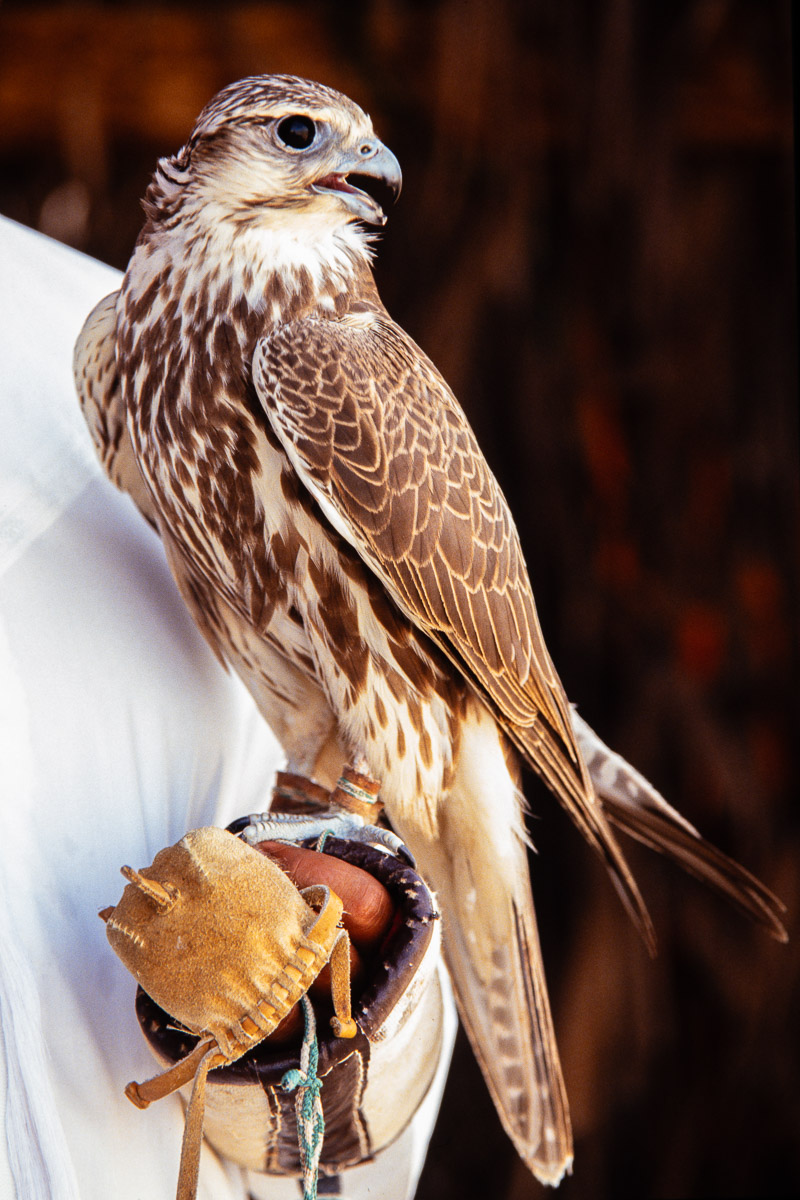
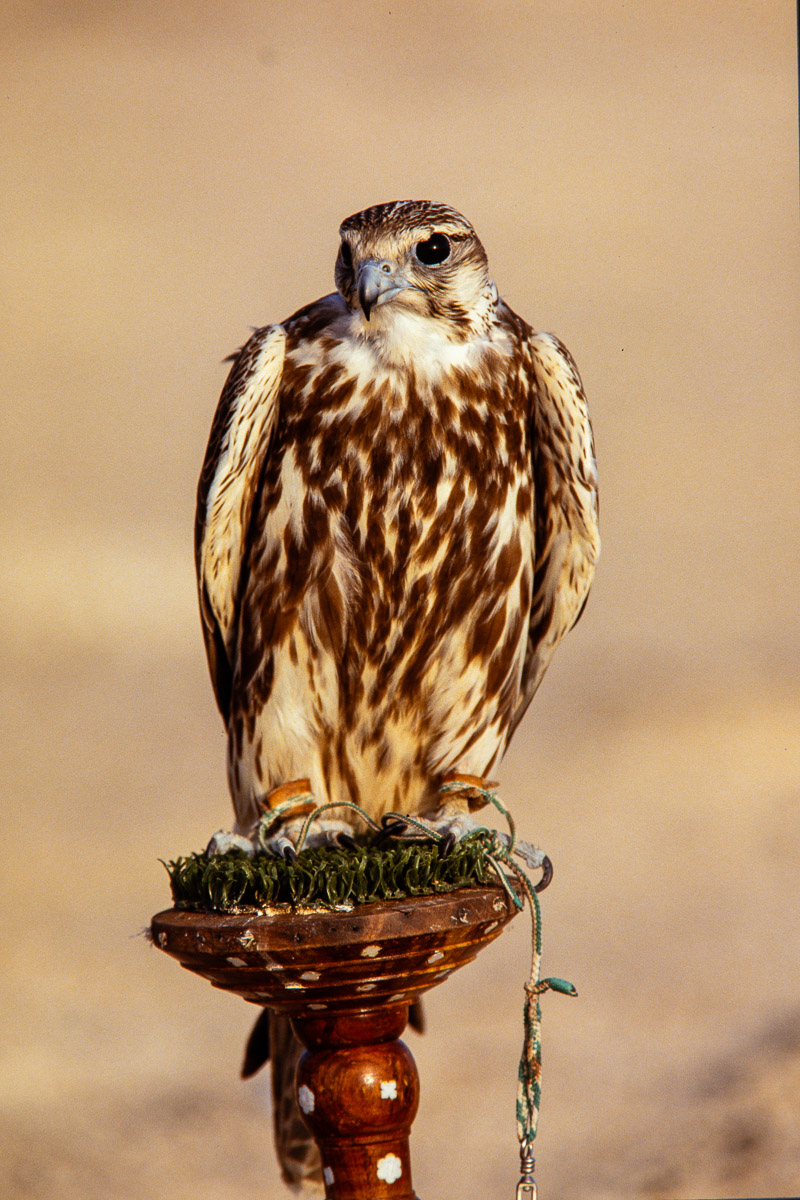
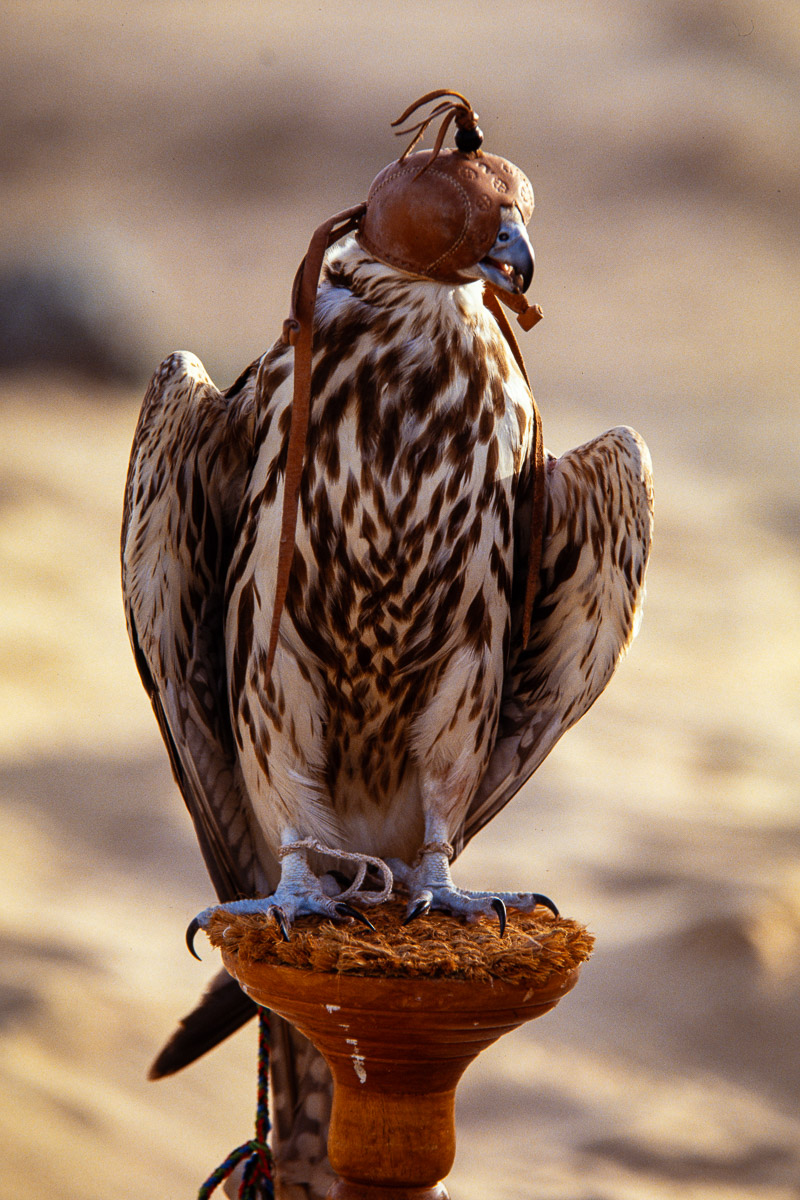
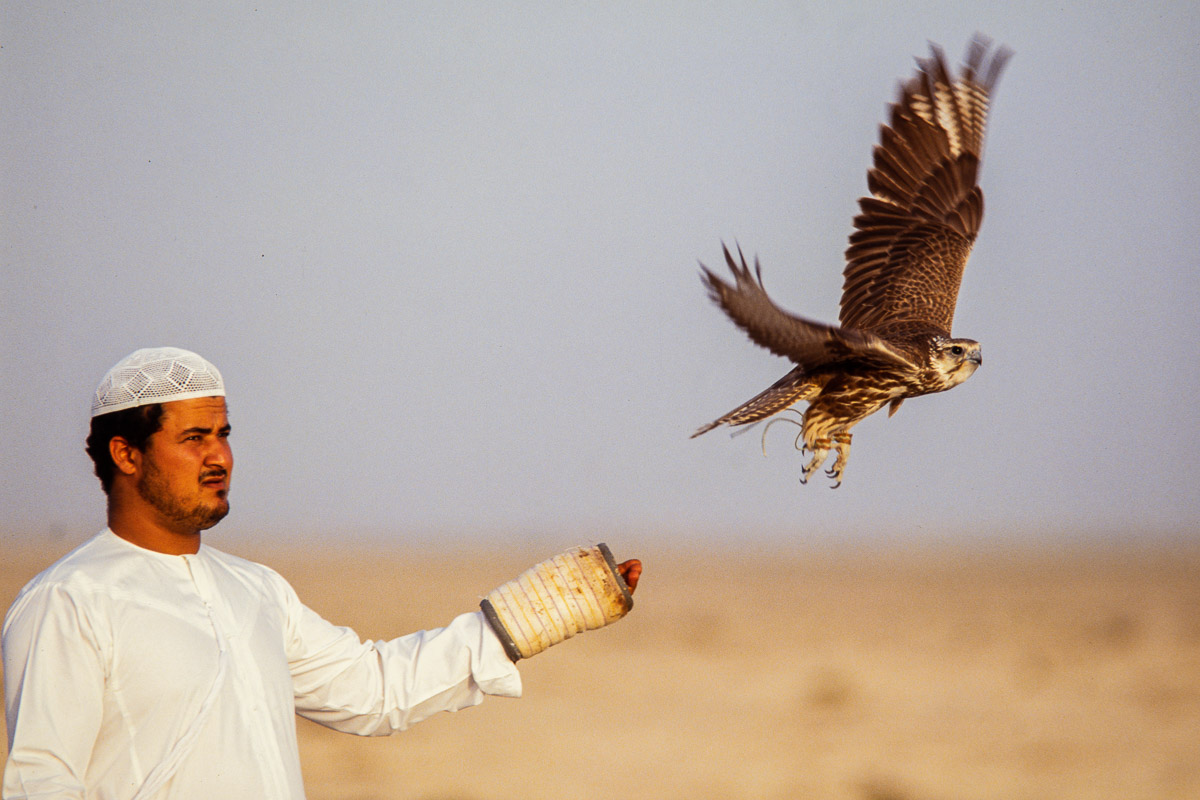
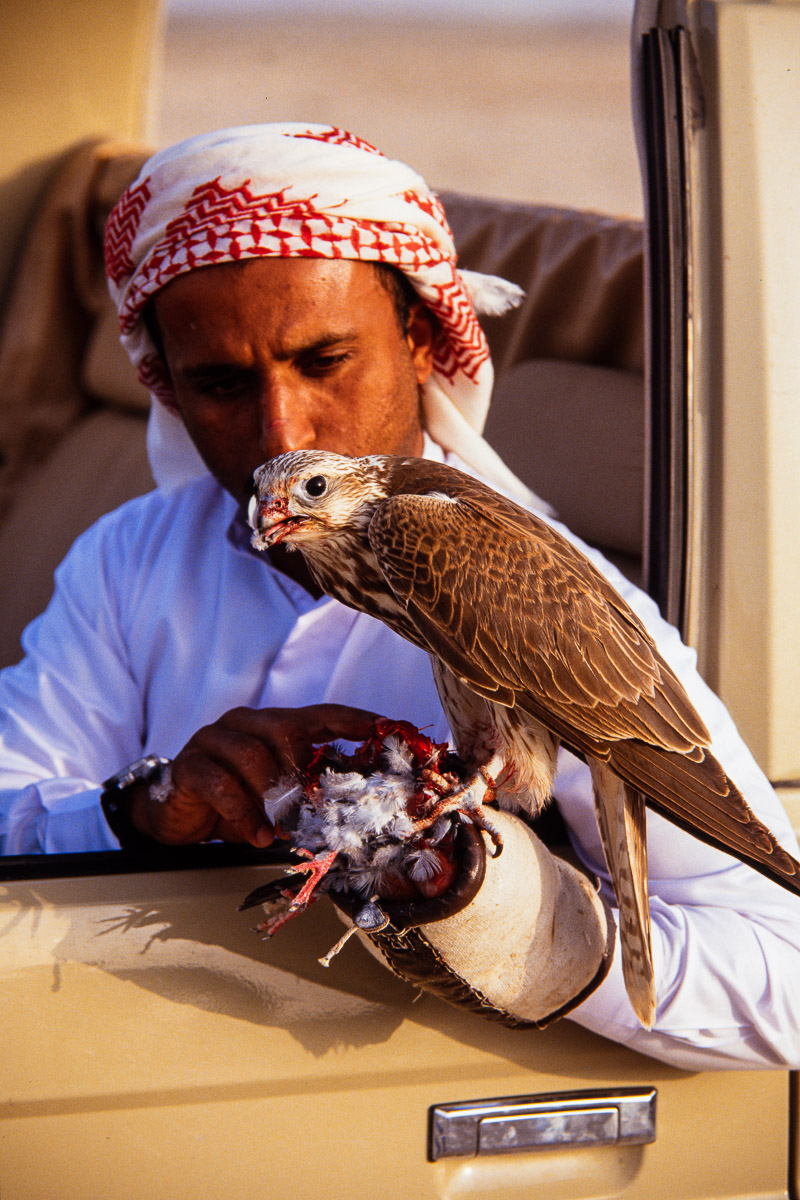
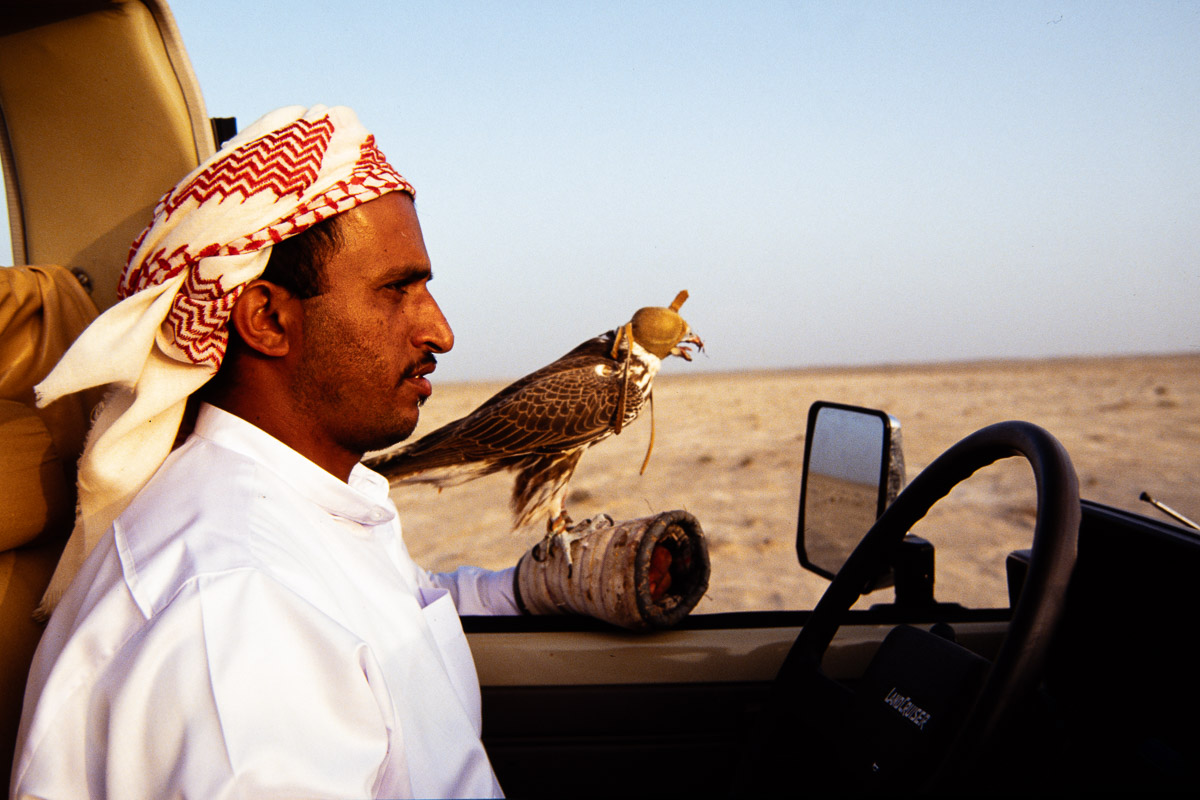
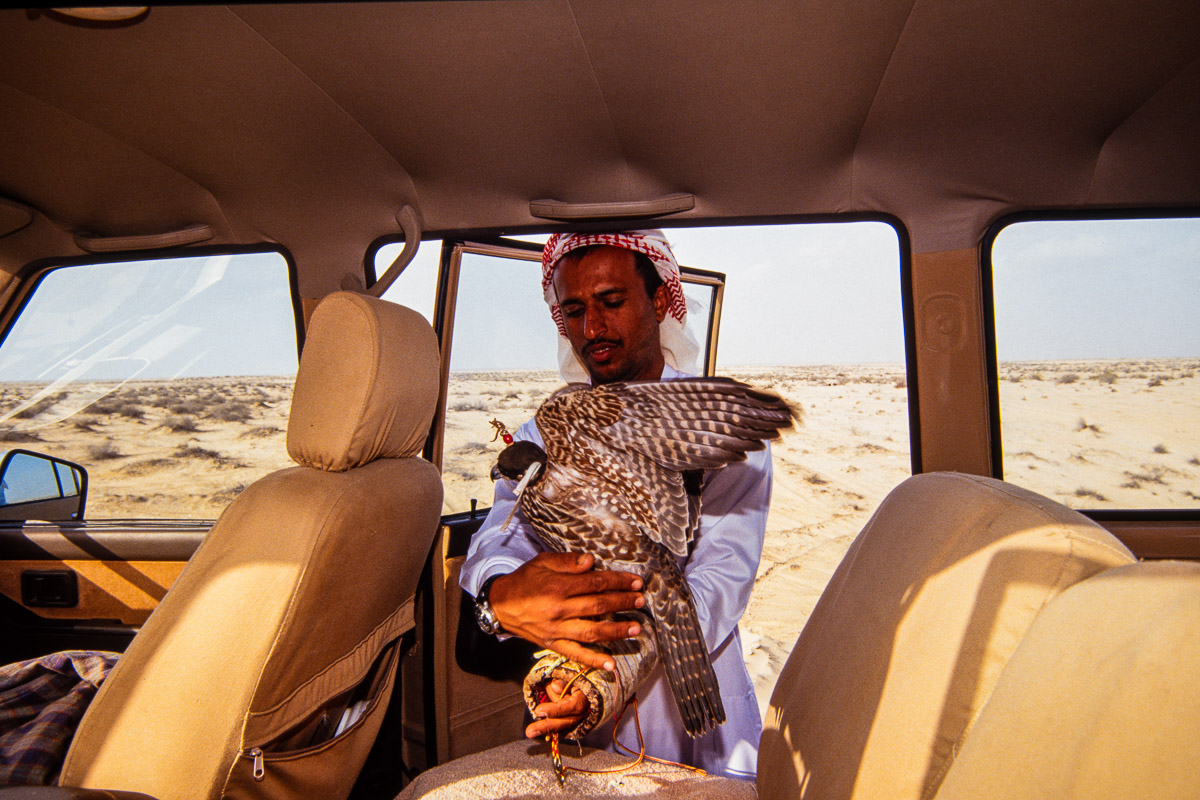
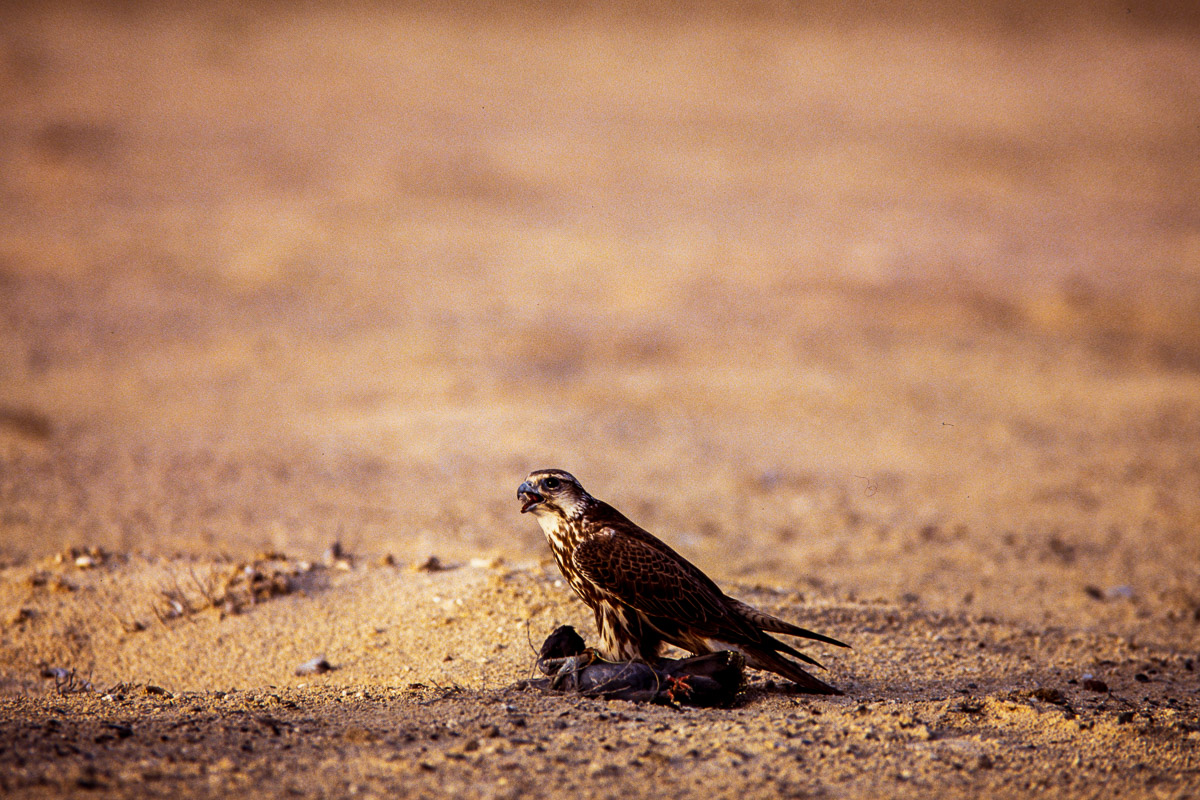
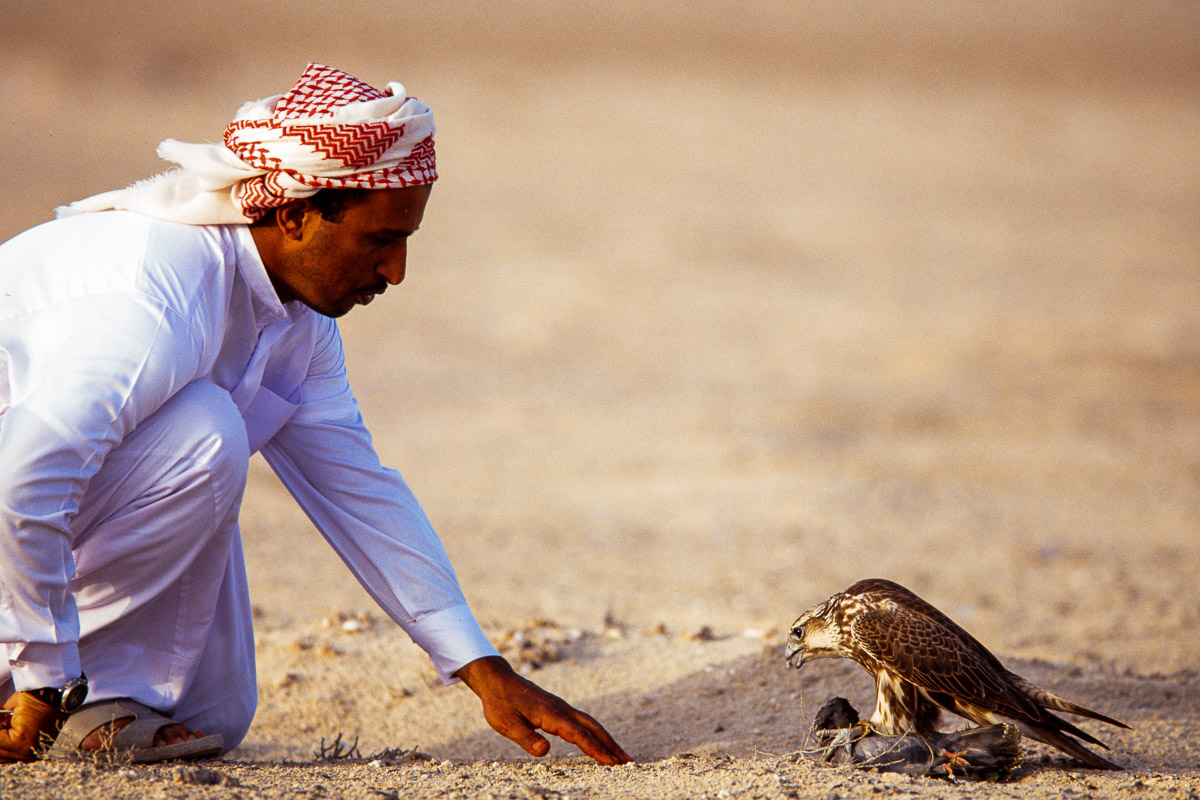
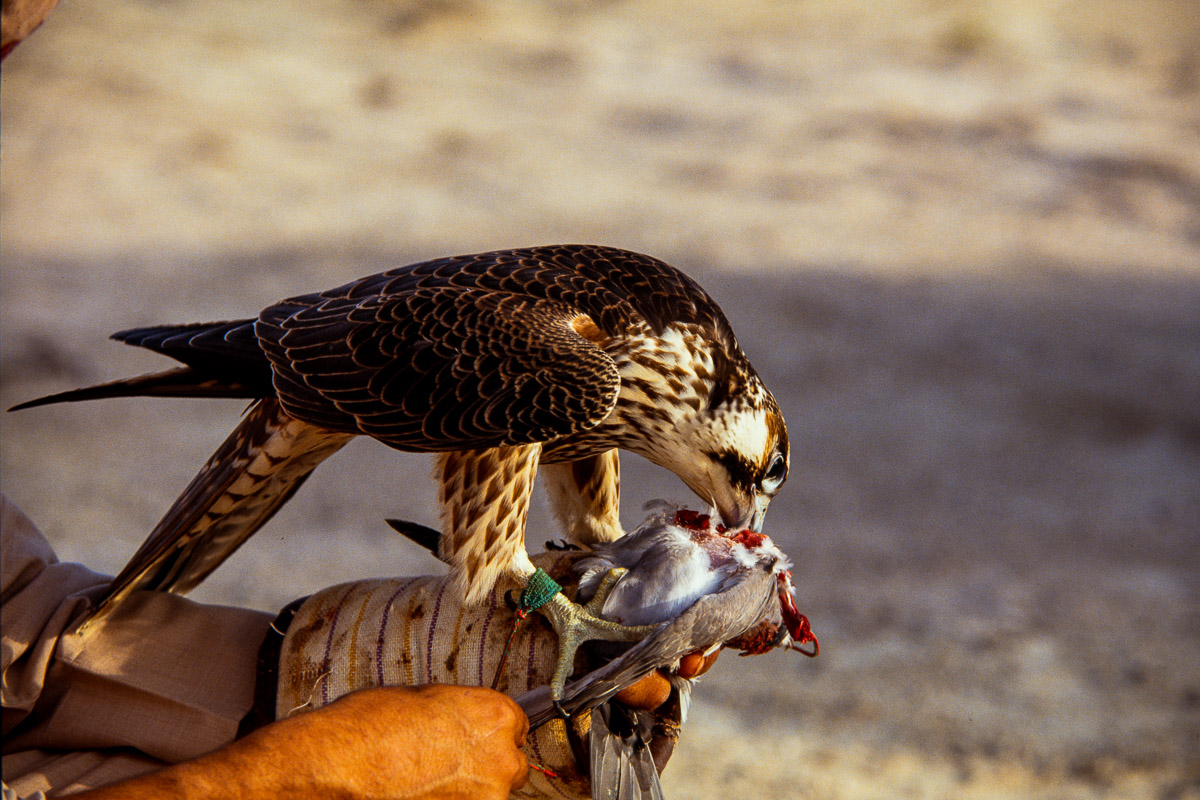
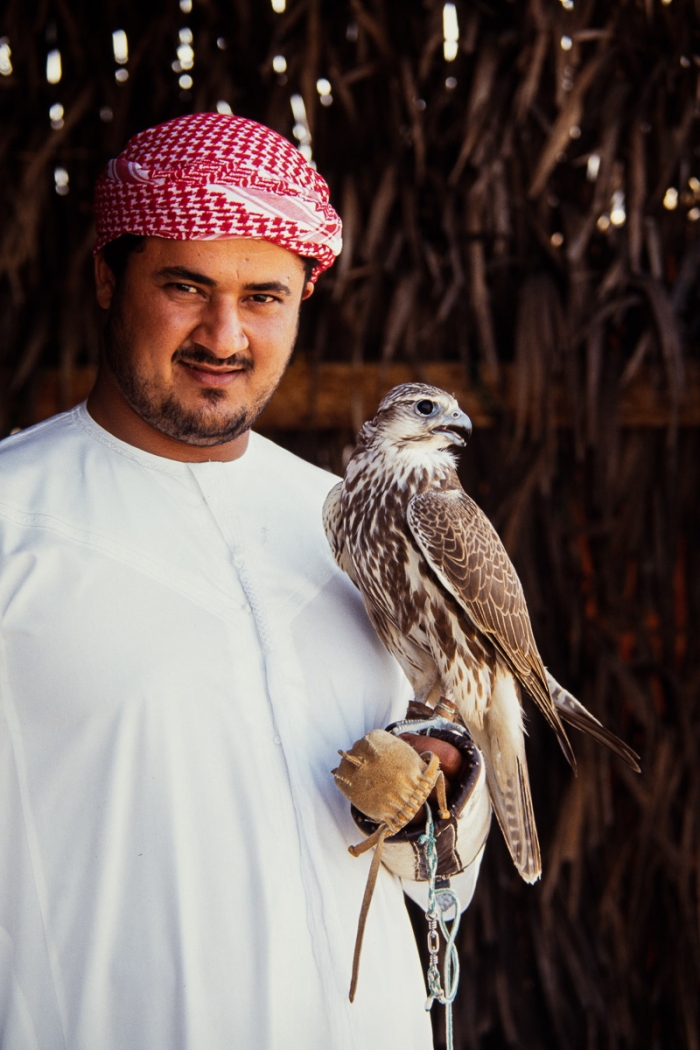
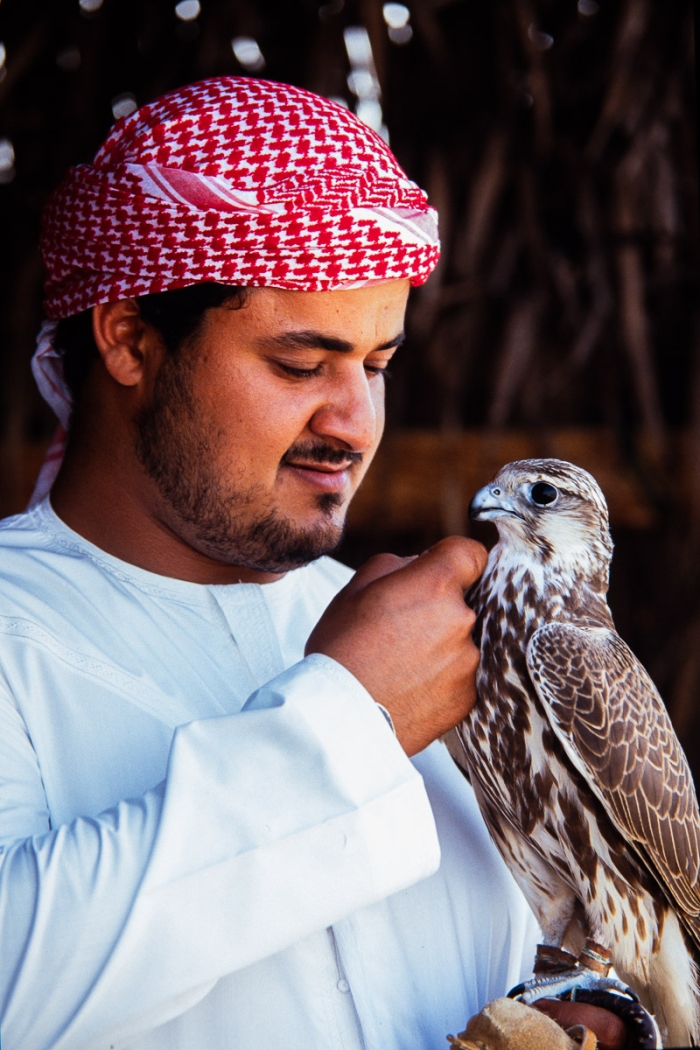
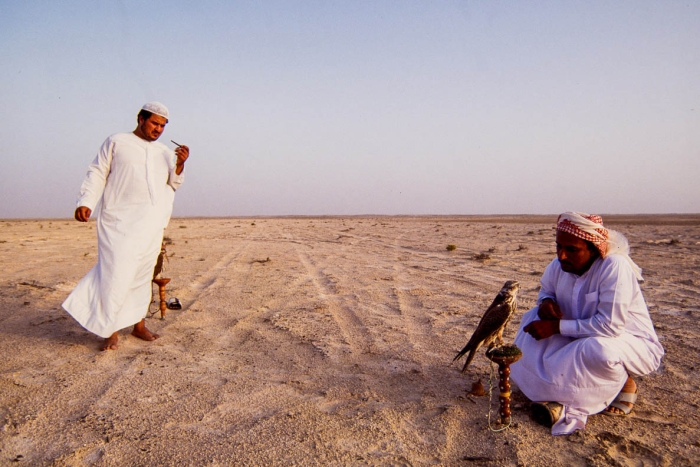
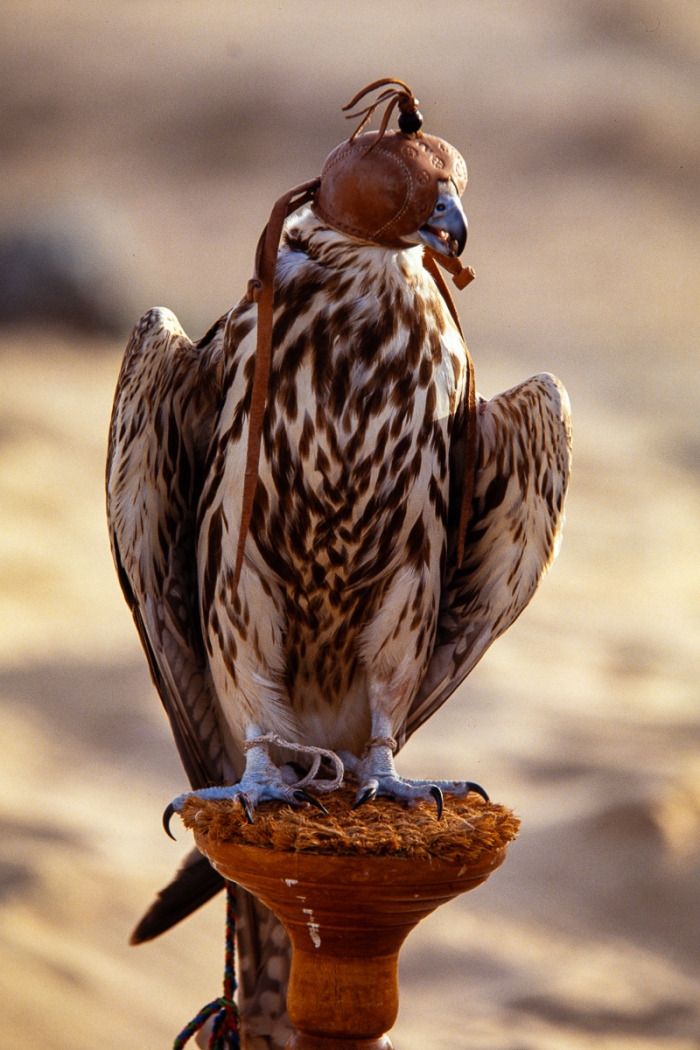
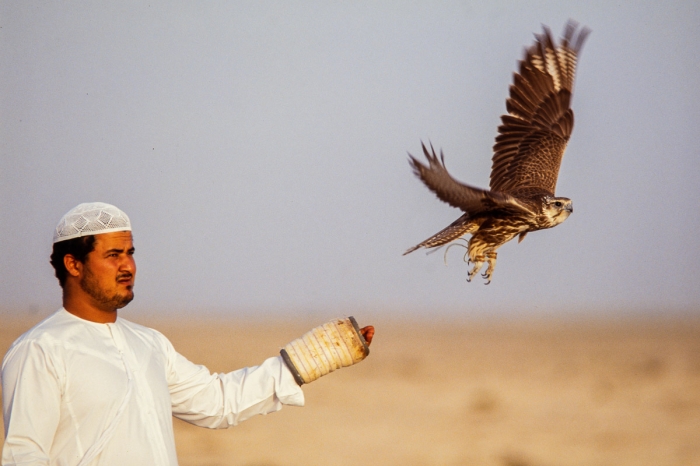
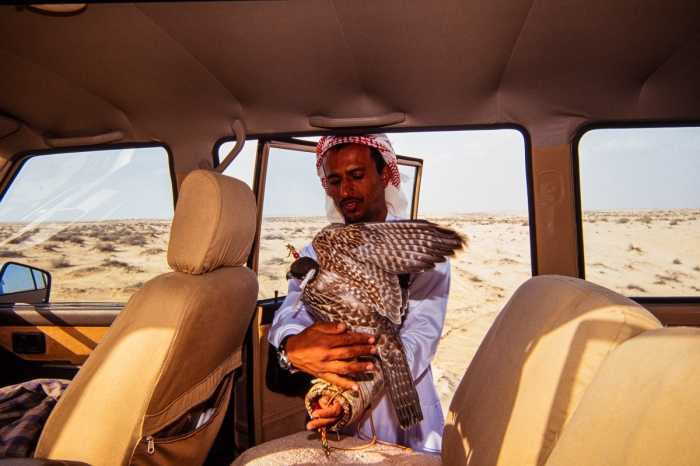
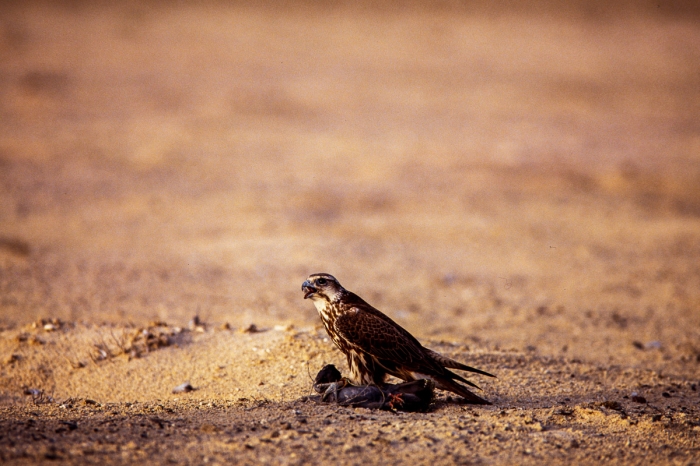
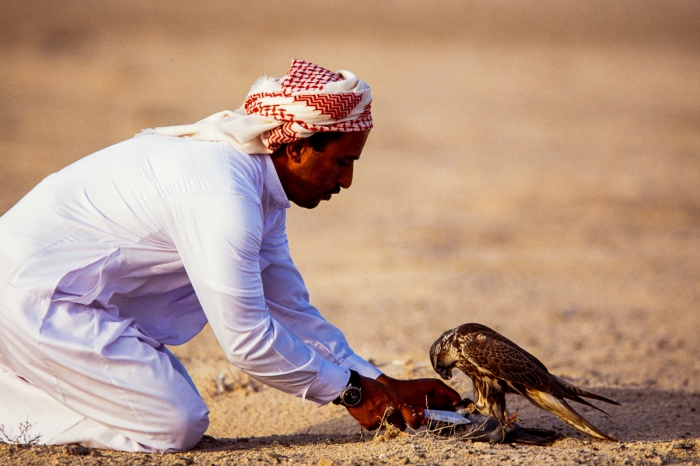
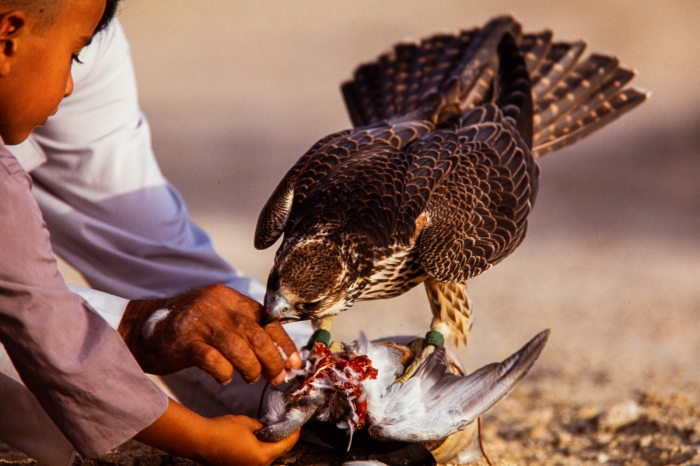
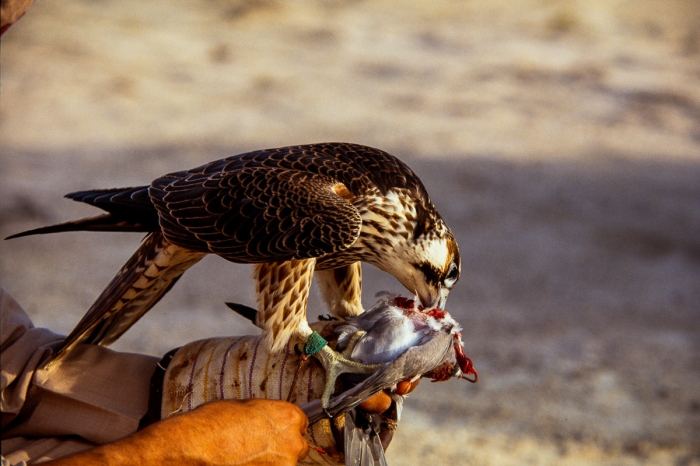
The photographs document the preparations, the handling of the falcons, their transport into the field, and the different stages of the training. The birds wore hoods when not in action, remained perched on their stands or on the arms of their handlers, and were then prepared for hunting exercises.
I discovered a highly structured environment, with precise gestures, routines, and clearly defined roles. For a foreign photographer, it was an immersion into a little-known world.
Learning to hunt
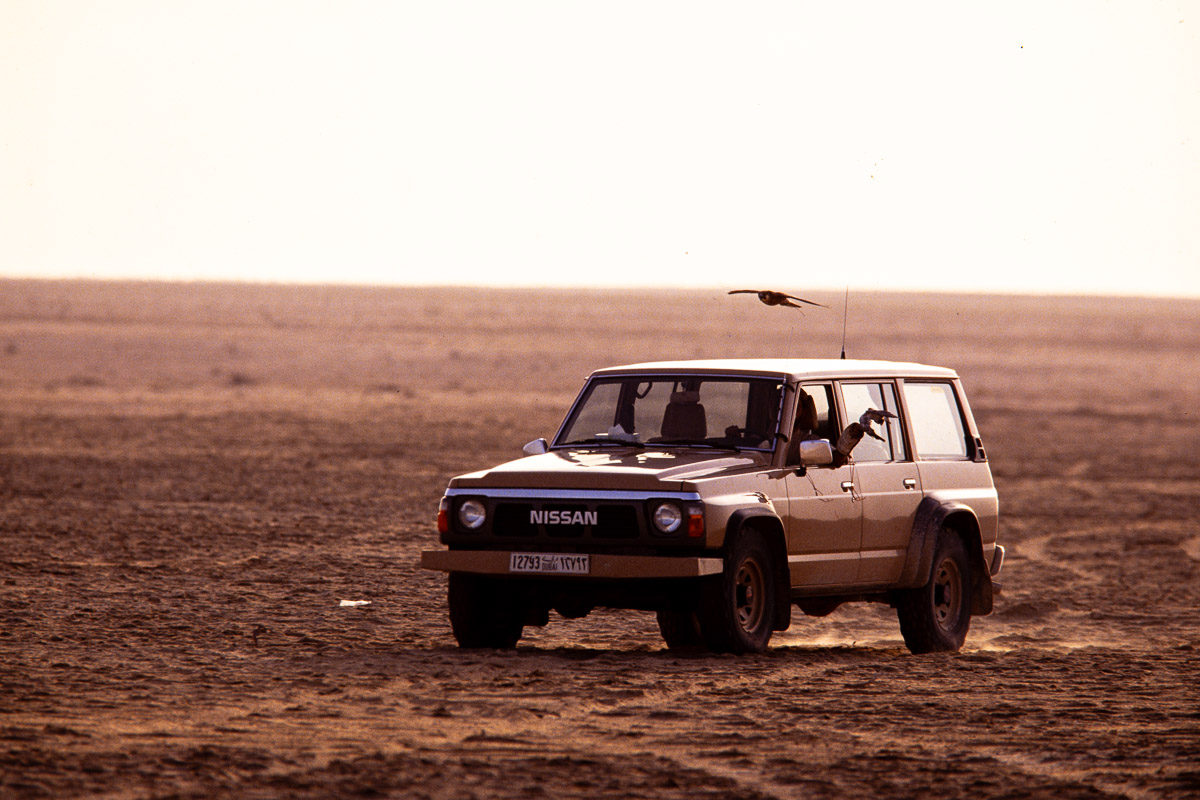
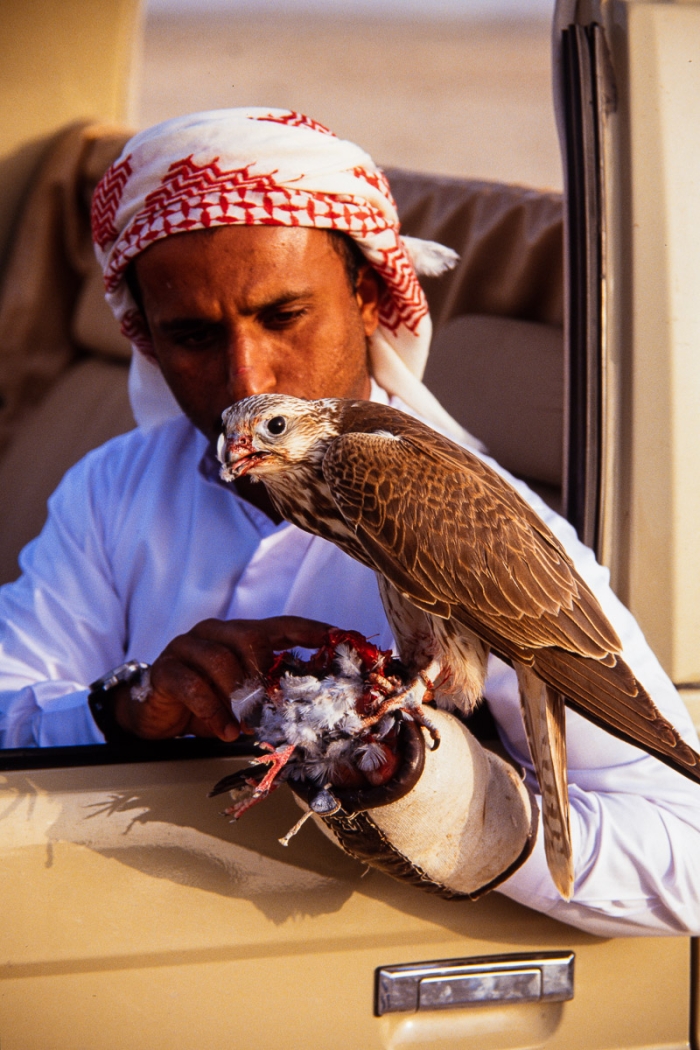
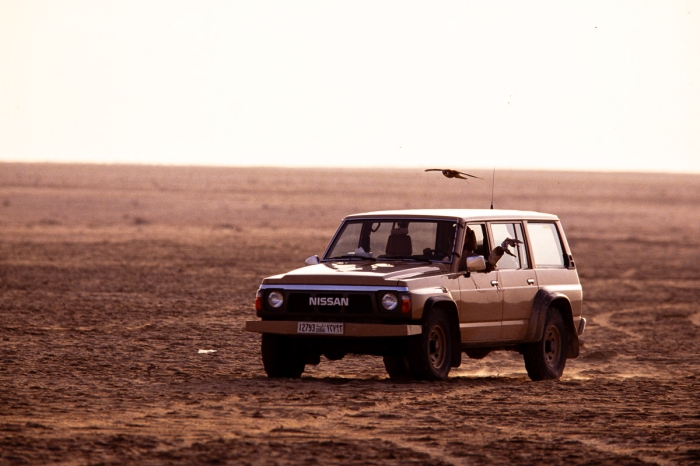
One of the exercises involved training the falcon to pursue moving prey. One of the handlers drove a 4x4 with a pigeon in hand, while another prepared the bird.
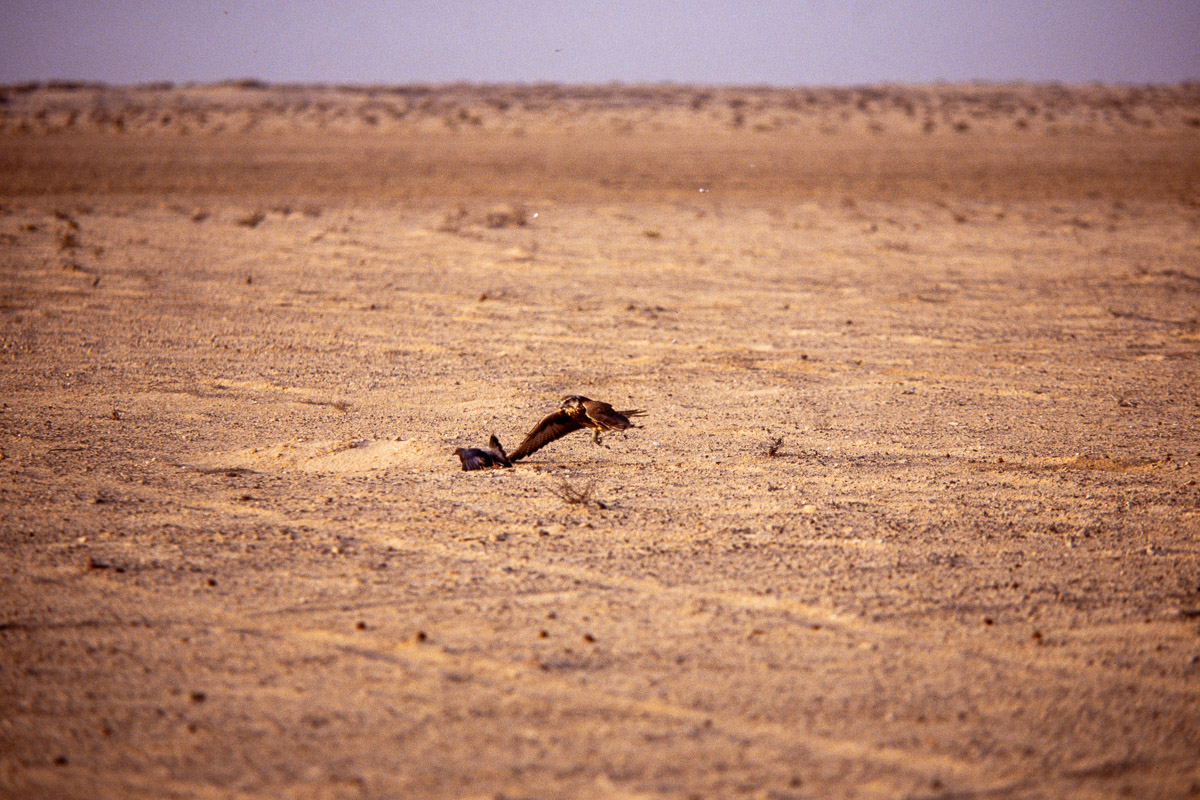
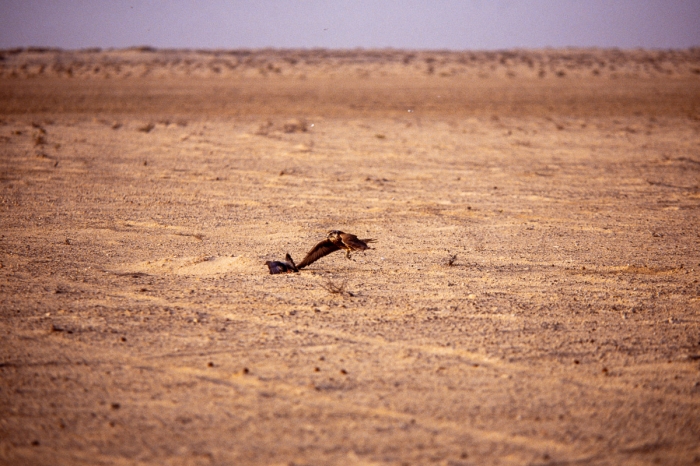
The vehicle moved across the desert while the falcon followed overhead. At the chosen moment, the pigeon was released, triggering the bird’s attack. The entire sequence happened very quickly. It required anticipating movements, understanding what was about to happen, and reacting quickly with film cameras.
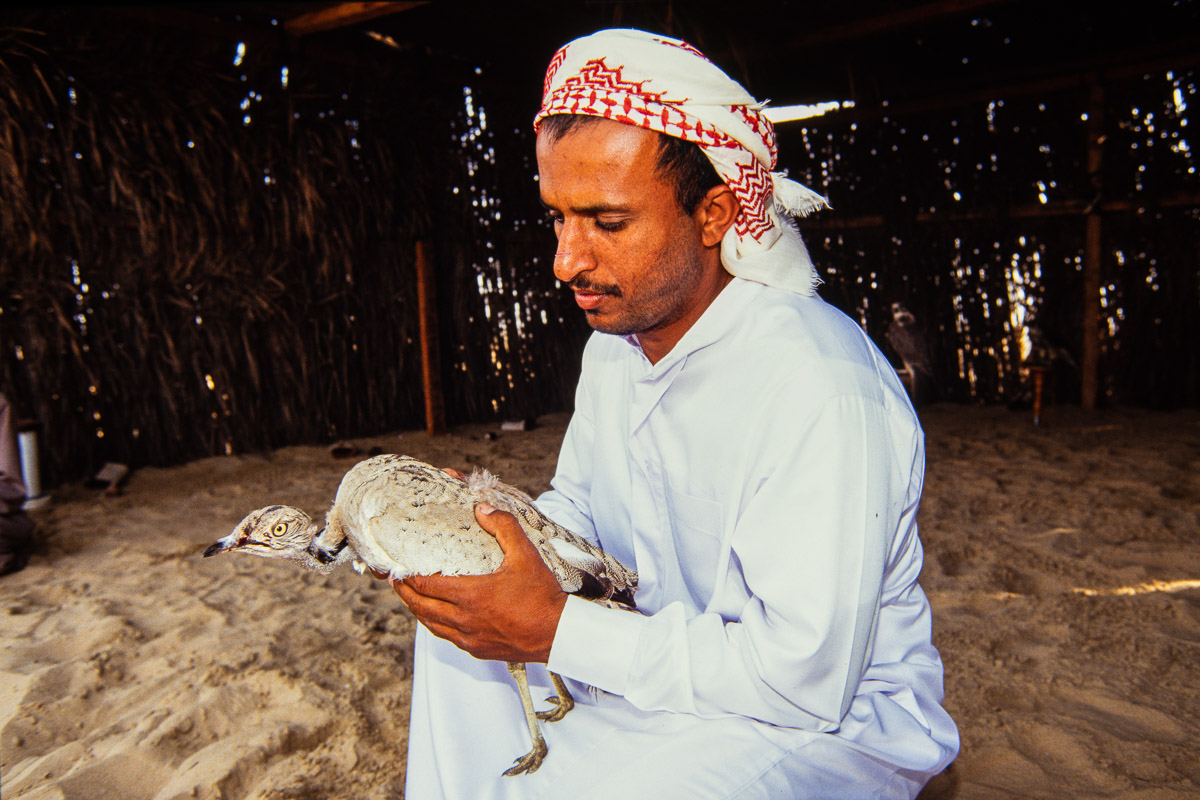
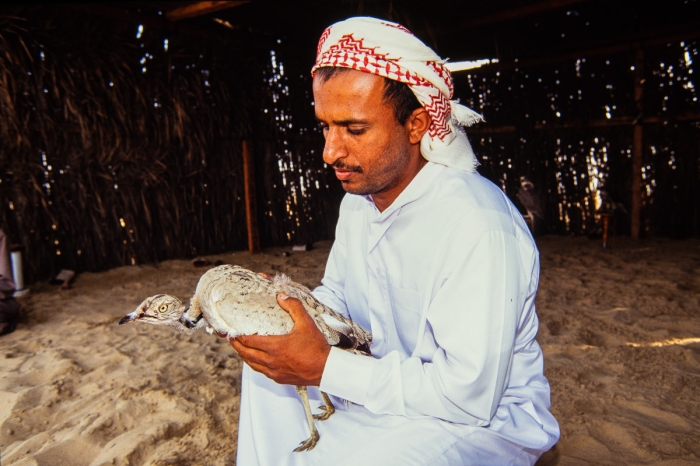
Other images also show exercises involving bustards, used to train the birds in conditions closer to actual hunting.
A record of its time
These photographs were taken in a very specific context, that of a Dubai still largely unknown internationally. The city was already developing rapidly, but still maintained a visible connection to certain local traditions.
This report was not intended as a historical document. It was one magazine feature among several produced during this extended stay in the Emirates. Looking back, these images document a period, a practice, and an environment that have since evolved considerably.
As is often the case in documentary film photography, access depended on personal connections, trust built on location, and circumstance. Without the relationship established through rallying with Suhail bin Khalifa, this assignment would probably never have happened.
Other Reports Produced During These Stays
This falconry training assignment forms part of a broader series of reports produced during several stays in the United Arab Emirates between 1990 and 1993. During this period, I also photographed Dubai in the early 1990s, at a time when the city was already developing but before the major urban projects transformed its skyline.
Other reports focused on local traditions, including a camel race in Dubai featuring very young jockeys, and a traditional rowing race in Abu Dhabi, bringing together several dozen rowers aboard long wooden boats.
Alongside these documentary reports, I also photographed the dunes of Hatta and the mountains of the eastern coast of the Emirates, landscapes that reveal another side of the country beyond its cities and coastal developments.
I continued to return regularly to the Middle East to cover regional rally events. In 1992, Mamdouh Khayat won the Middle East Rally Championship driving a Lancia Delta Integrale. My final stay in Dubai took place in November 1993 during the FIA Cross-Country Rally World Cup round held in the United Arab Emirates, where Citroën secured the manufacturers' title.
Click on the photos below to view them full screen.
All the photos displayed on this website are copyright protected © Sebastien Desnoulez. No use allowed without written authorization.
Legal notice
About the author
Sebastien Desnoulez is a photographer, author and image maker based in Paris. His work spans architectural photography, landscape photography and travel photography, with particular attention to composition, lines, light, blur and visual accidents. Trained in photography in the mid-1980s, he covered Formula 1 and reported from around the world before developing a fine art photography practice built around the tension between graphic rigour and visual instability. He also shares his technical experience through practical articles for passionate photographers, drawing on a strong visual culture acquired in both film and digital photography.
Tags