

Tatra 613 in Příbor in 1991, a visit to a Czechoslovak car factory

In February 1991, just over a year after the collapse of the Soviet bloc, I flew to Prague with journalist Daniel Nacass from L’Automobile Magazine. Our final destination lay further east, in Příbor, where Tatra was still assembling the 613, a large saloon powered by a rear-mounted, air-cooled V8 engine. In a country discovering the market economy, we wanted to understand how this historic manufacturer planned to face Western competition.
An automotive assignment in Czechoslovakia in 1991
We spent our first afternoon discovering Prague, still undergoing profound change after the Velvet Revolution. The city was emerging from several decades of Communist rule. Václav Havel, the former dissident who had become President of the Republic, embodied the major political upheavals taking place in Czechoslovakia.
But Prague was only the first stage of our journey. The real purpose of our trip lay in Moravia, in the industrial region around Ostrava.
Tatra occupies a distinctive place in the country’s automotive history. The company builds trucks renowned for their robustness, which had already distinguished themselves on the Dakar Rally and would go on to win the event several times. It also produced large luxury cars reserved for political leaders, senior officials and government administrators.
The Tatra 613 was therefore closely associated with the nomenklatura, the country’s political and administrative elite. In this unofficial division of the Czechoslovak car market, Škoda produced more modest cars for the general population. The company would later be acquired by the Volkswagen Group.
In 1991, this balance inherited from the previous regime was suddenly called into question. Borders were opening and Western cars were beginning to arrive. Tatra now had to compete with Mercedes, BMW and other European manufacturers in a market environment the company had never truly faced before.
From Prague to Příbor by road
The following morning, a surprise awaited us at Prague airport. Our domestic flight to Ostrava had been cancelled.
We were told that the route had not operated for several months. The Soviet-built aircraft previously used on the service were reportedly no longer considered sufficiently safe.
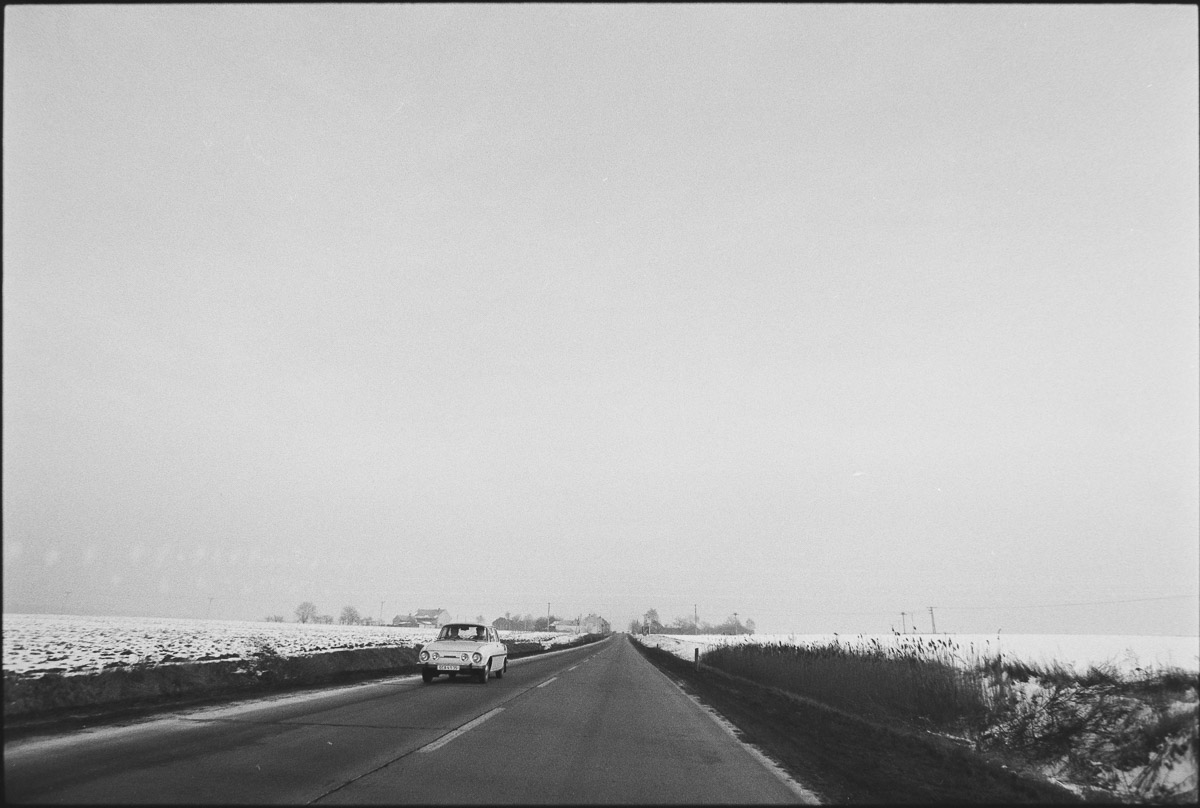
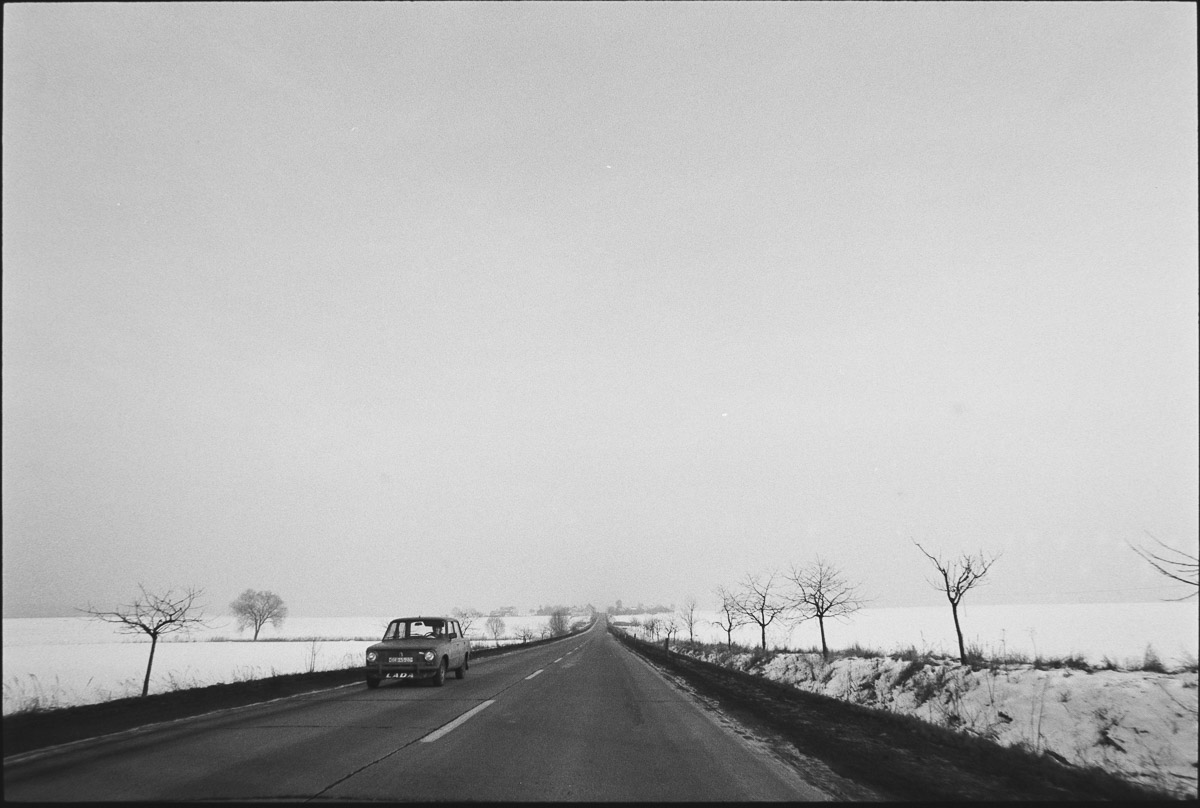
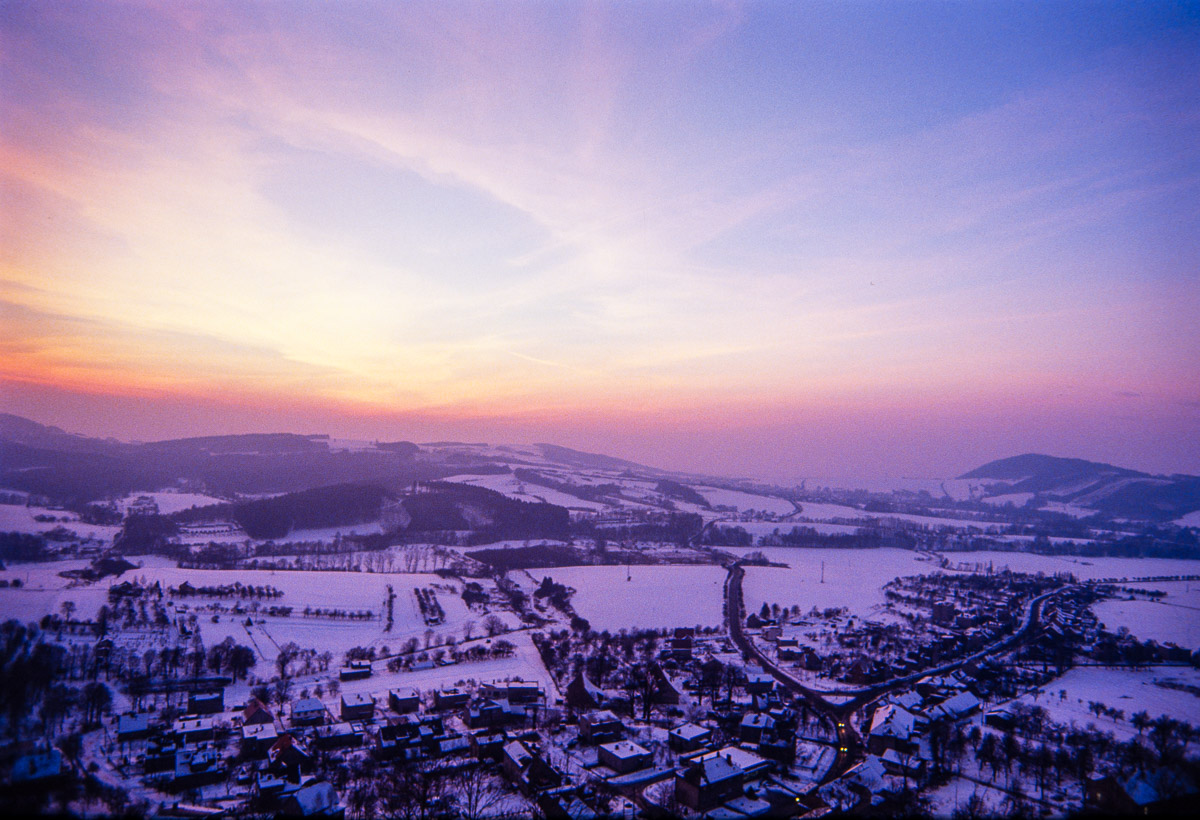
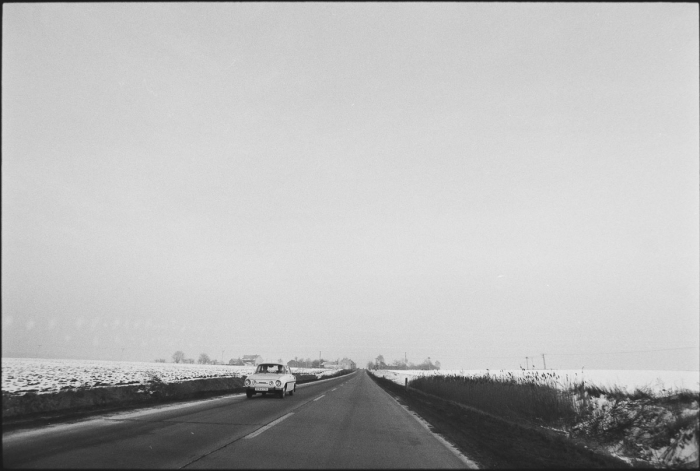
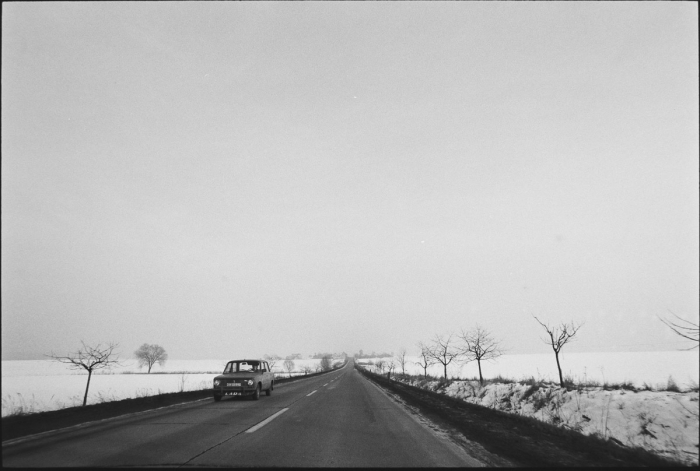
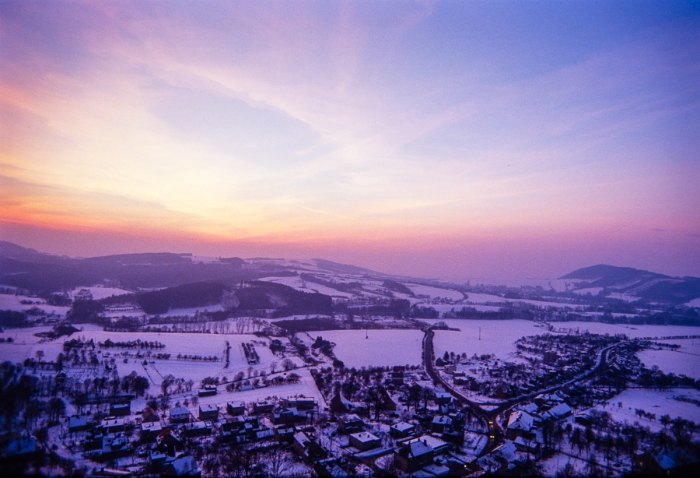
We therefore hired a Škoda and took to the road. Fortunately, the roads had been properly cleared of snow. The journey also gave us a chance to discover the winter landscapes of Czechoslovakia, far removed from central Prague.
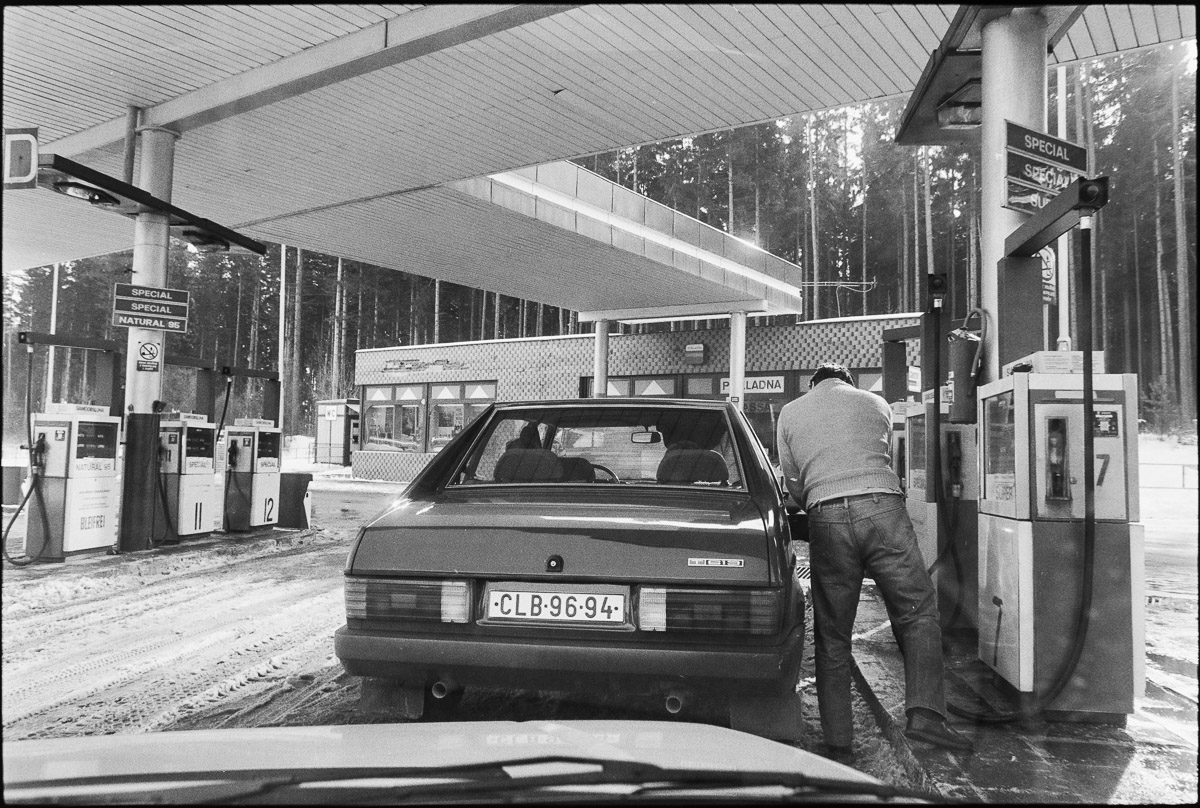
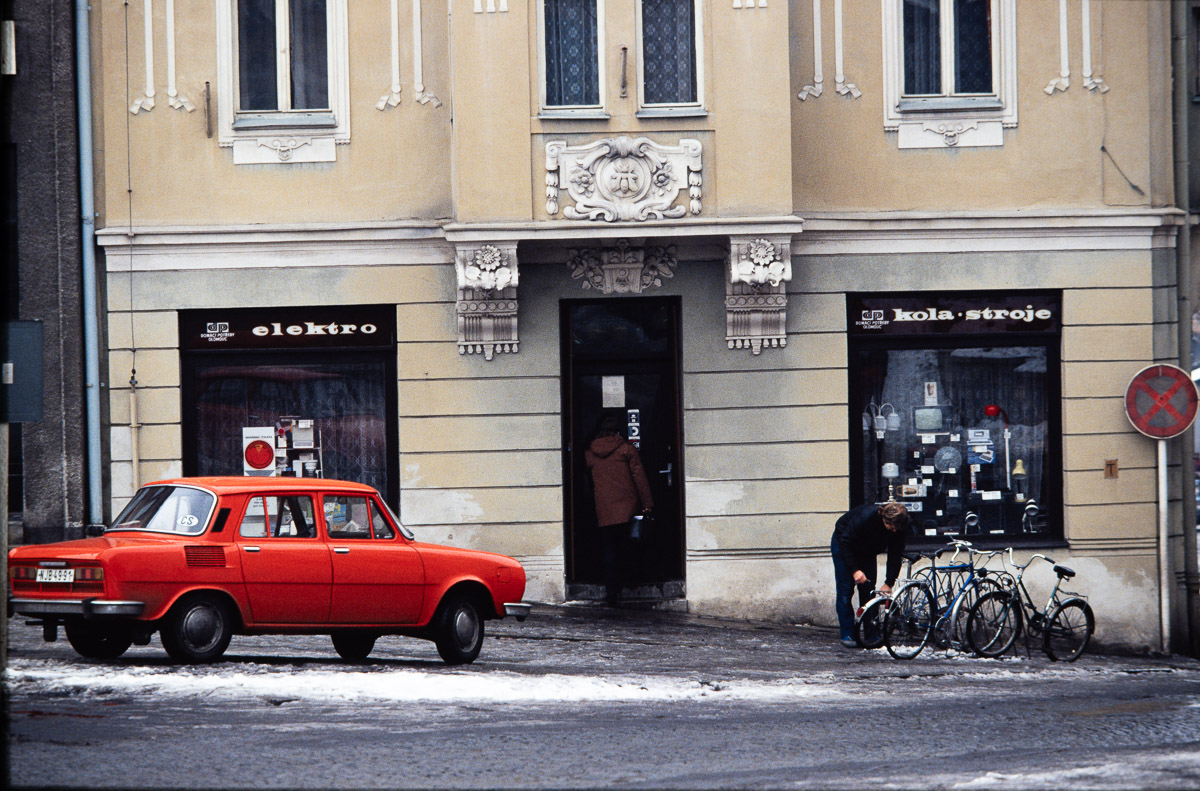
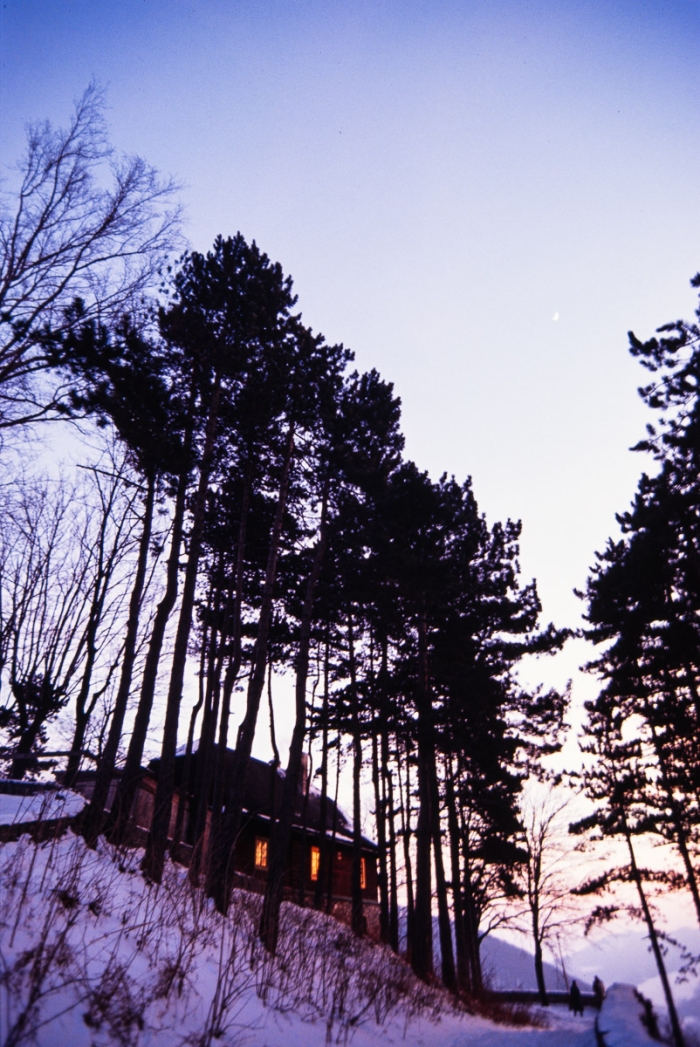
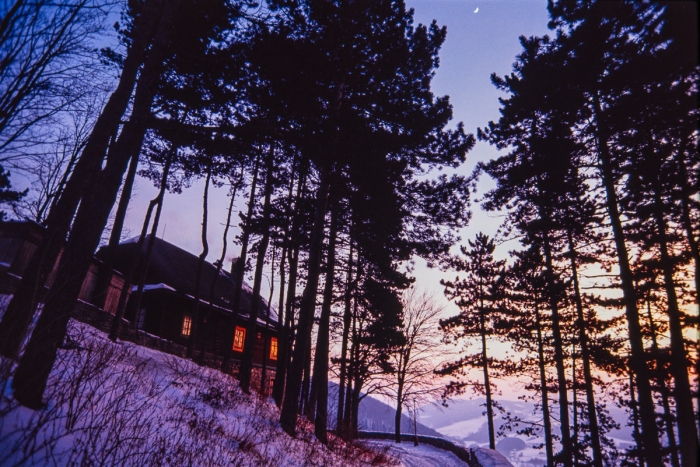
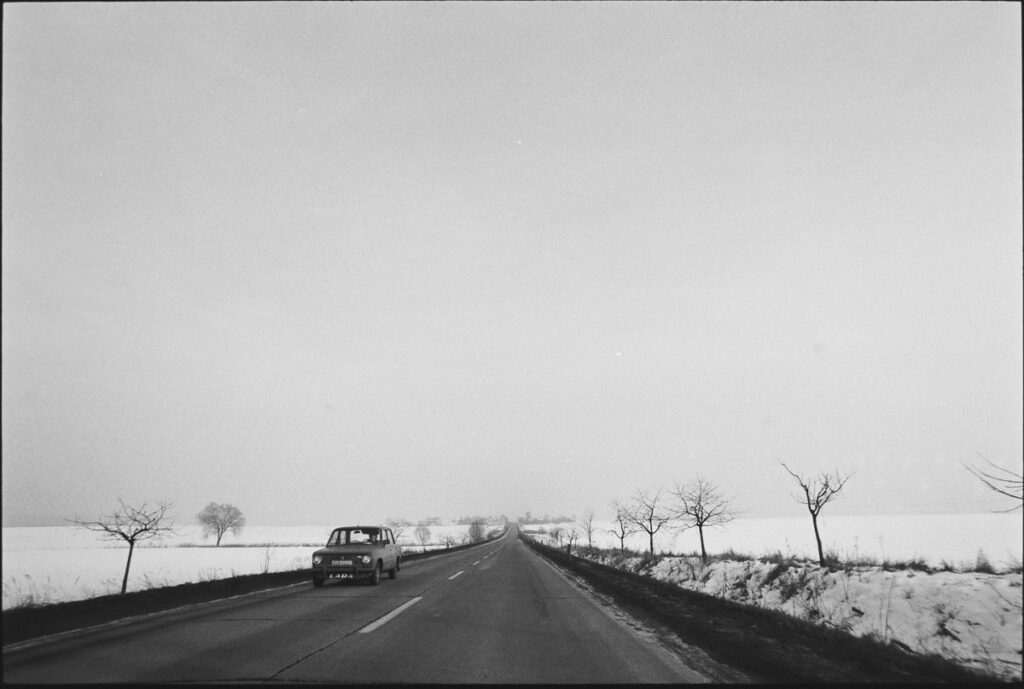 On the road from Prague to Příbor, Czechoslovakia 1991 – Photo: © Sebastien Desnoulez
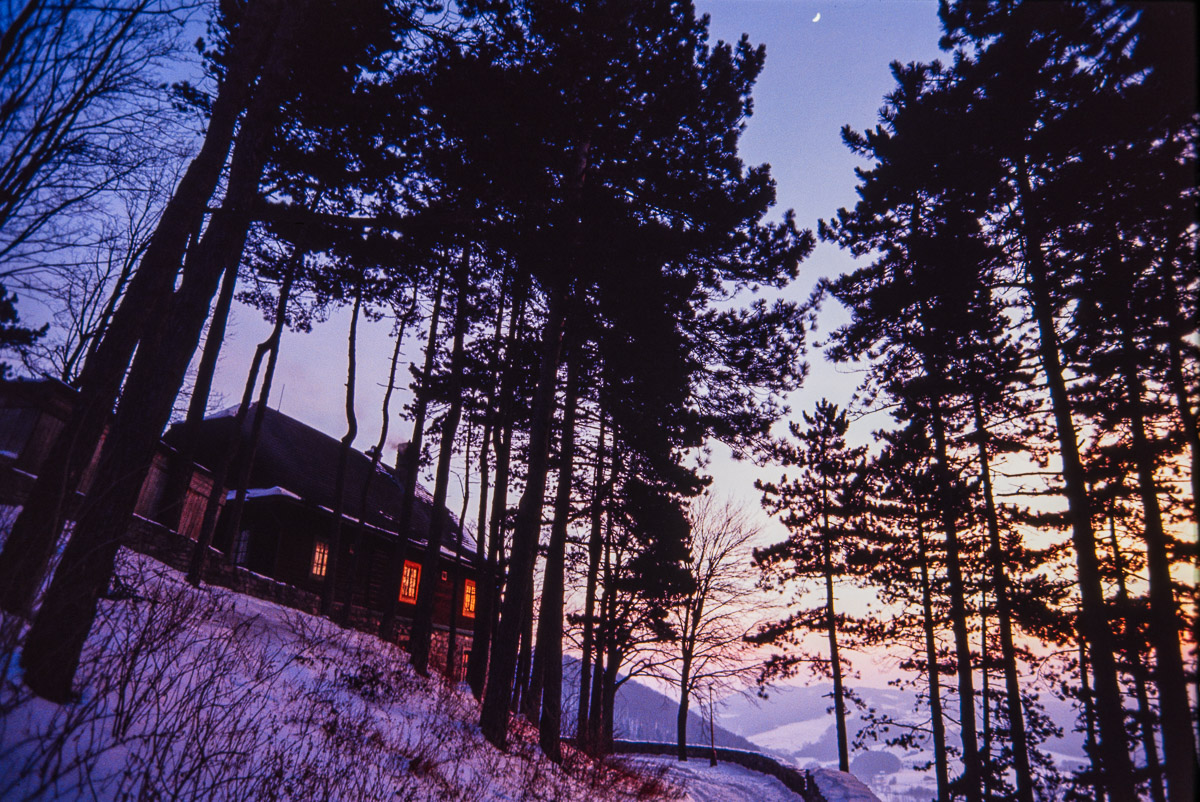
When we arrived in Příbor, we were welcomed by the factory director and the woman in charge of press and communications. Our hosts first took us to a brewery on the hills above the town, then to a residence reserved for guests of the company.
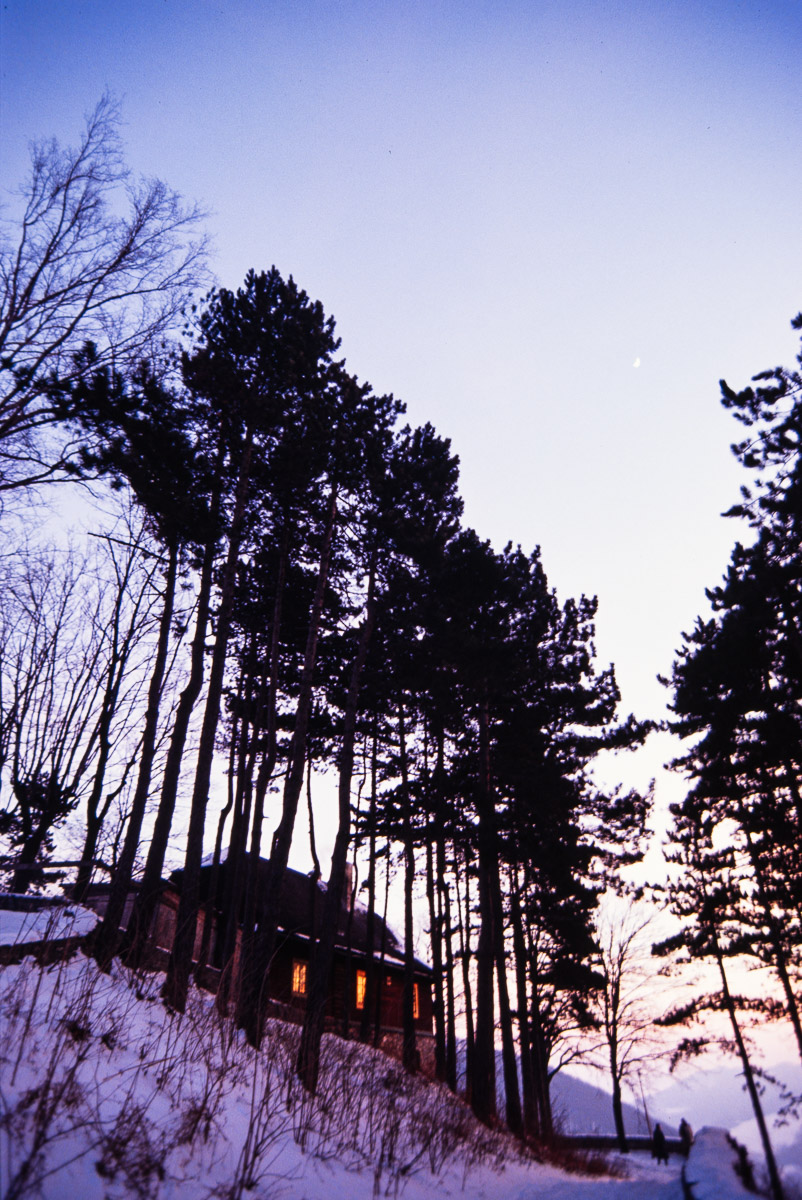
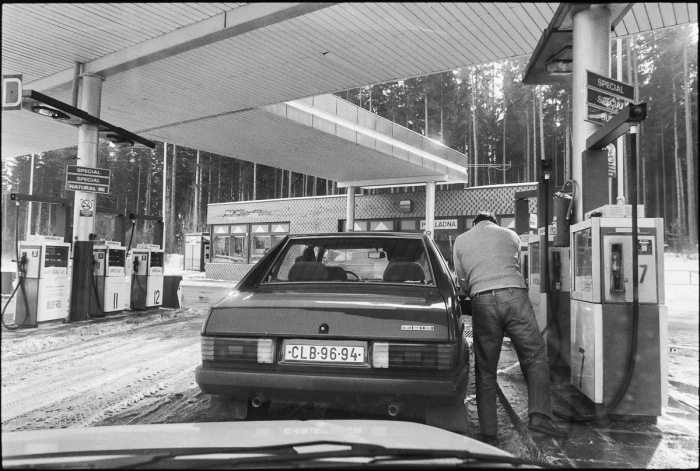
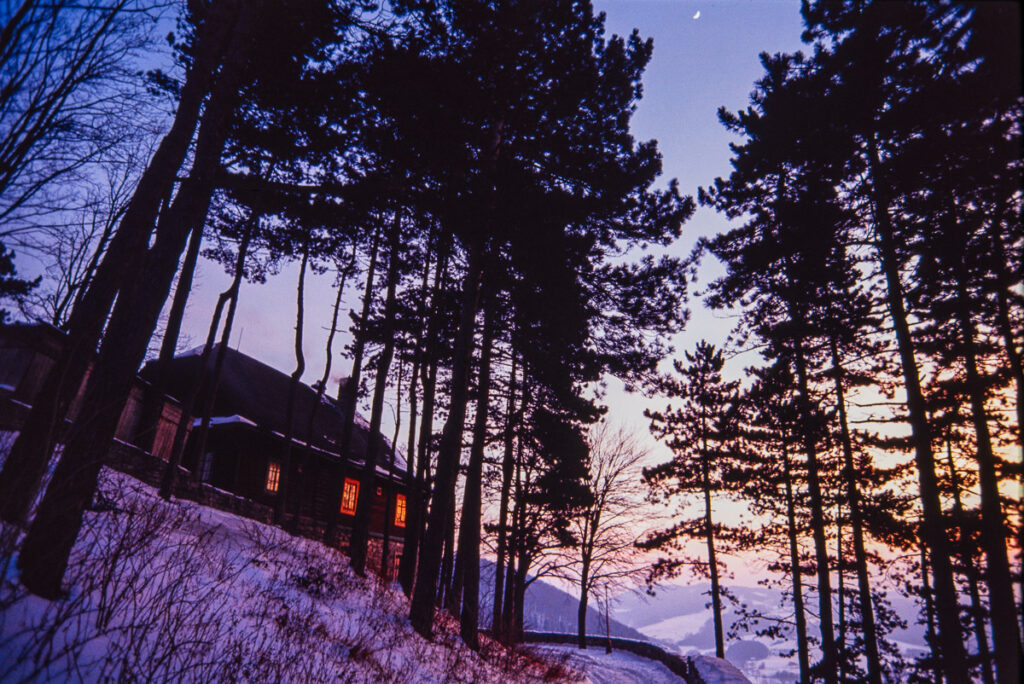 Příbor – Czechoslovakia, February 1991 – Photo: © Sebastien Desnoulez
The welcome was courteous and attentive, although some habits inherited from the previous system still seemed very much present. That evening, we discovered that we were alone in the residence and that the entrance door had been locked. We therefore spent the night in our rooms, unable to leave the building.
The Tatra Museum and the Příbor car factory
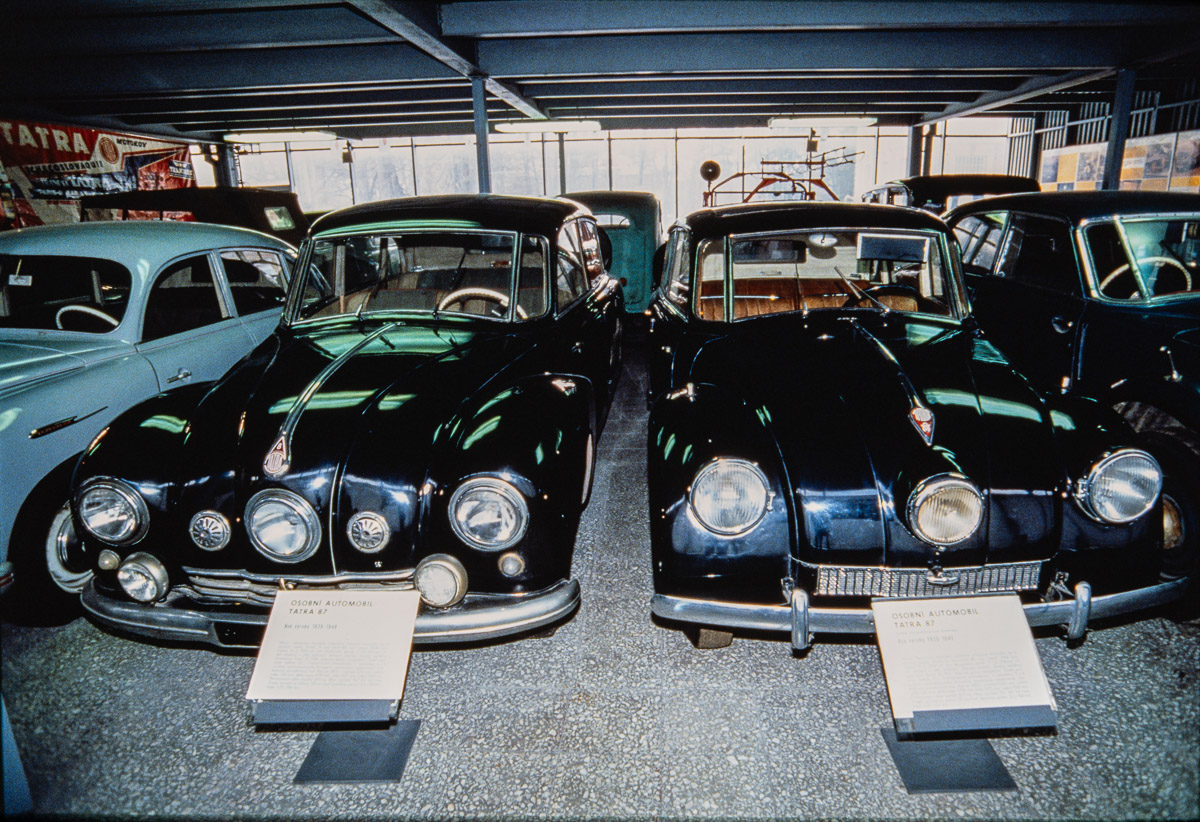
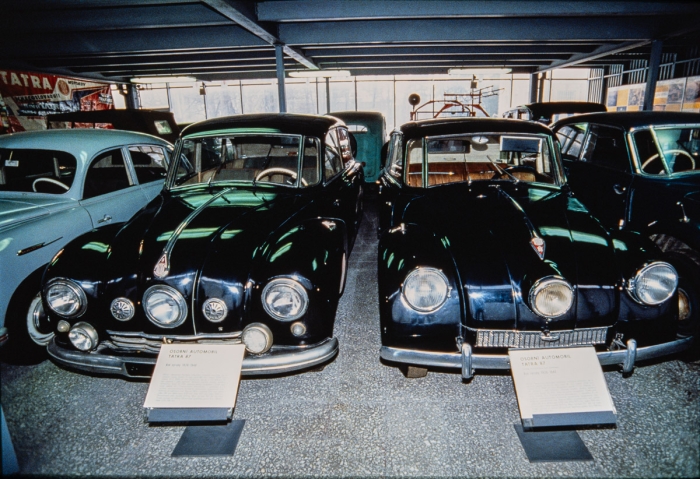
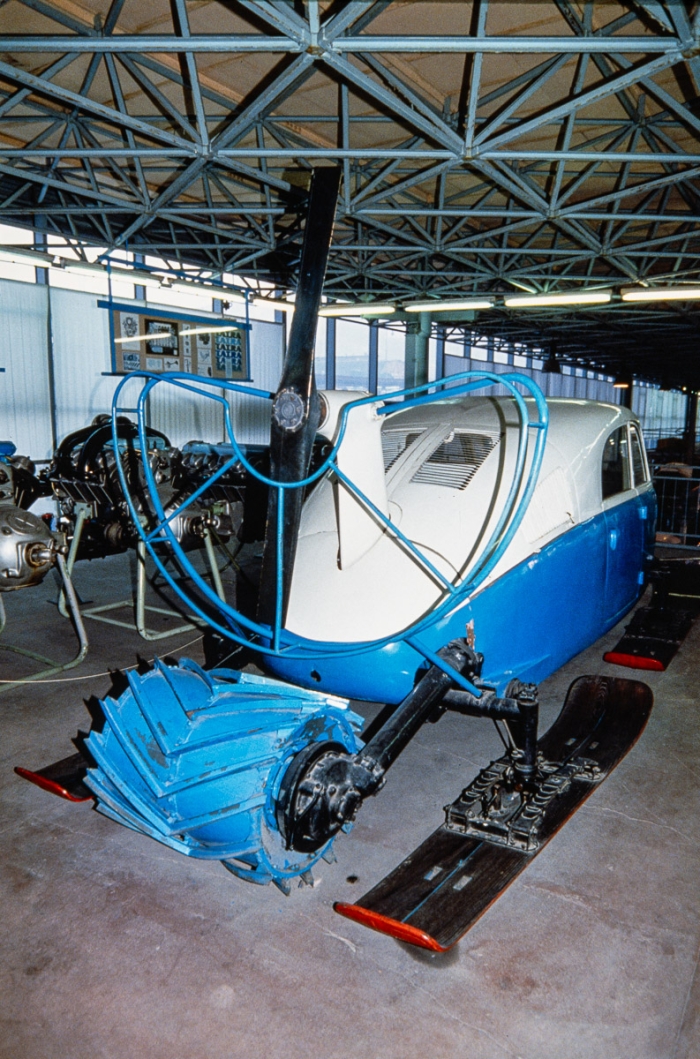
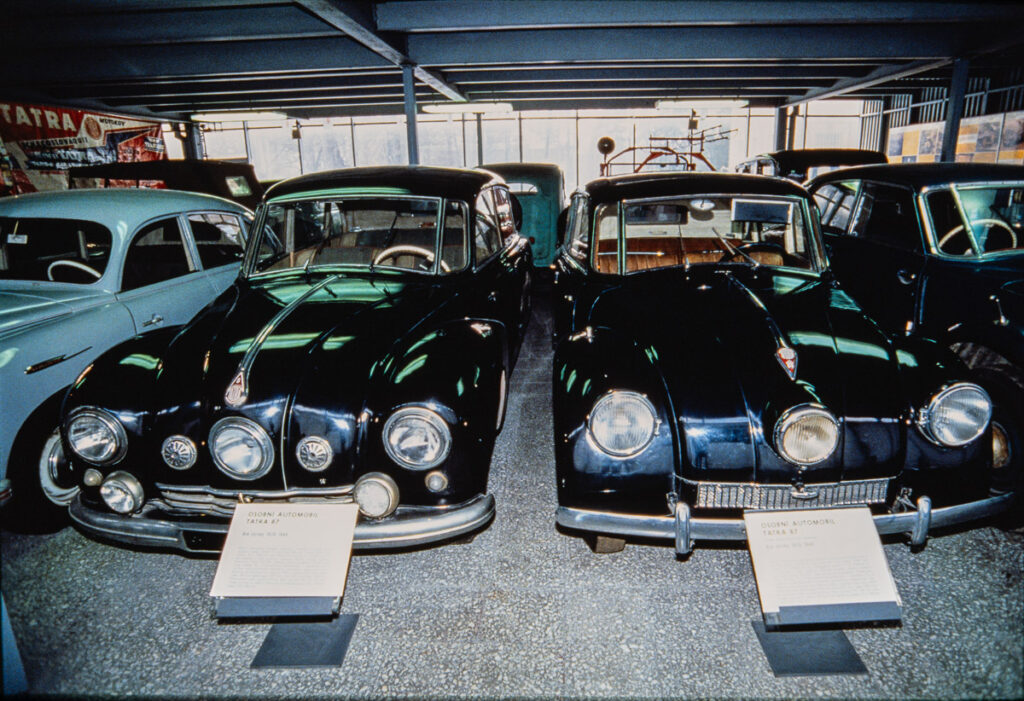 Tatra 87, Tatra Museum in Kopřivnice – Czechoslovakia, February 1991 – Photo: © Sebastien Desnoulez
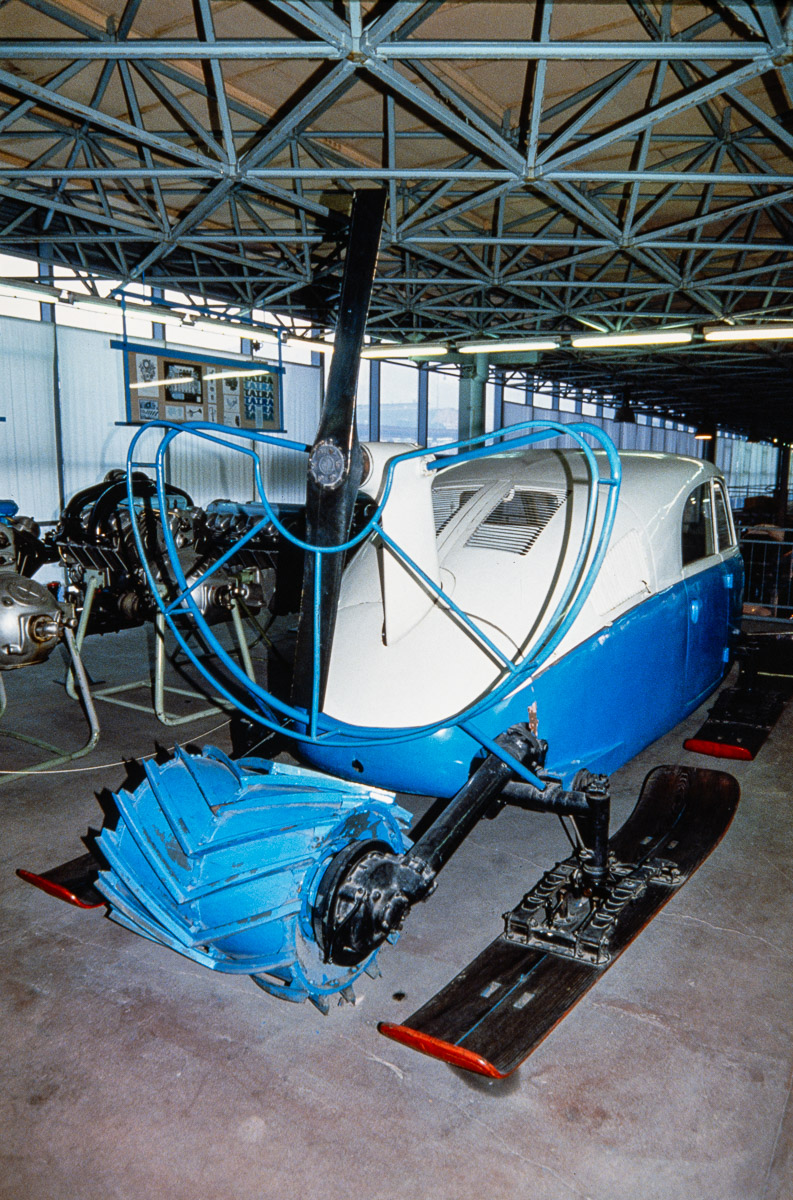
The following morning, we visited Tatra’s historic museum in Kopřivnice, a few kilometres from Příbor, before heading to the factory where the company’s passenger cars were assembled.
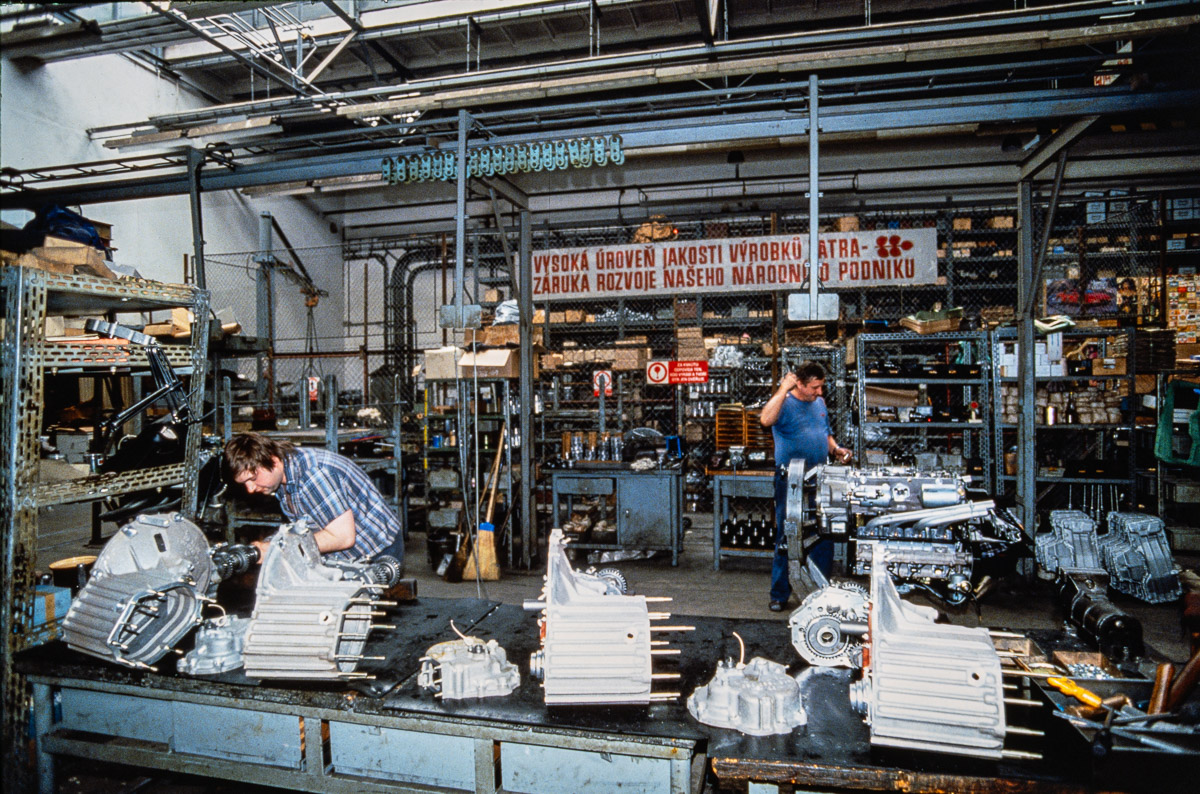
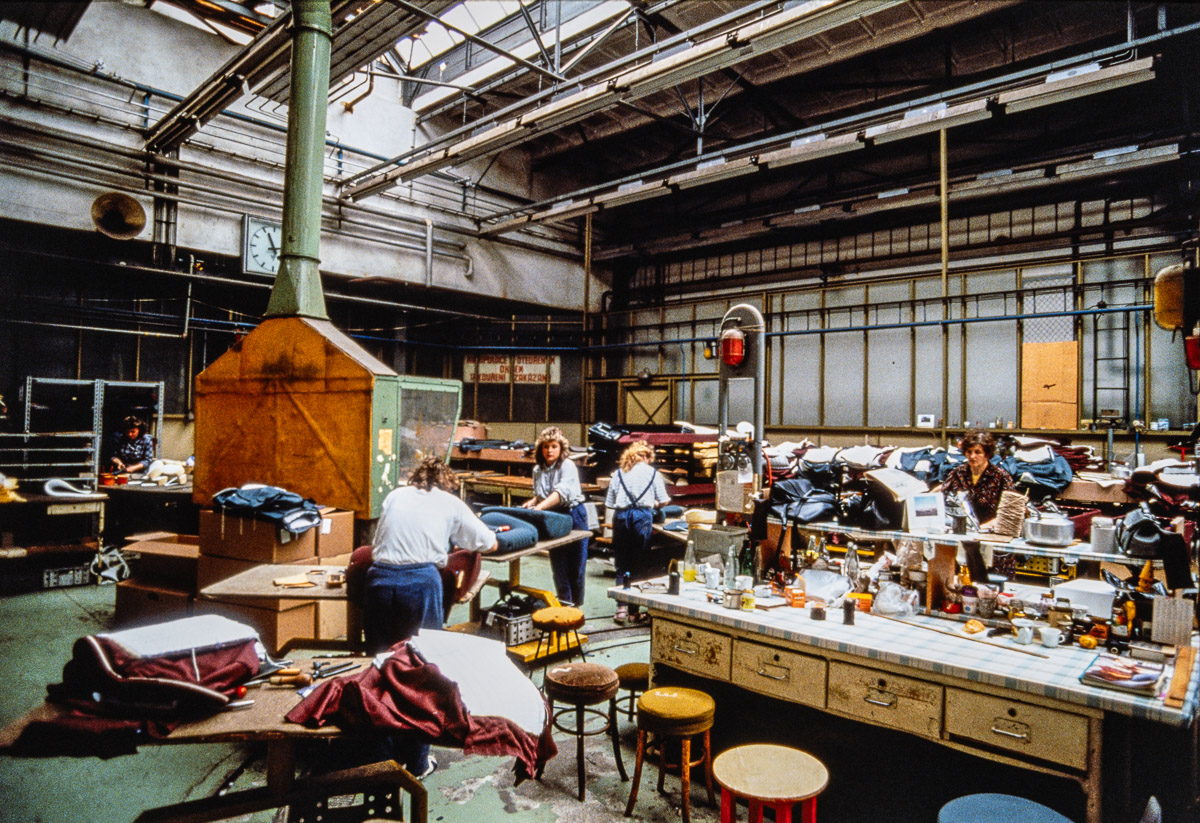
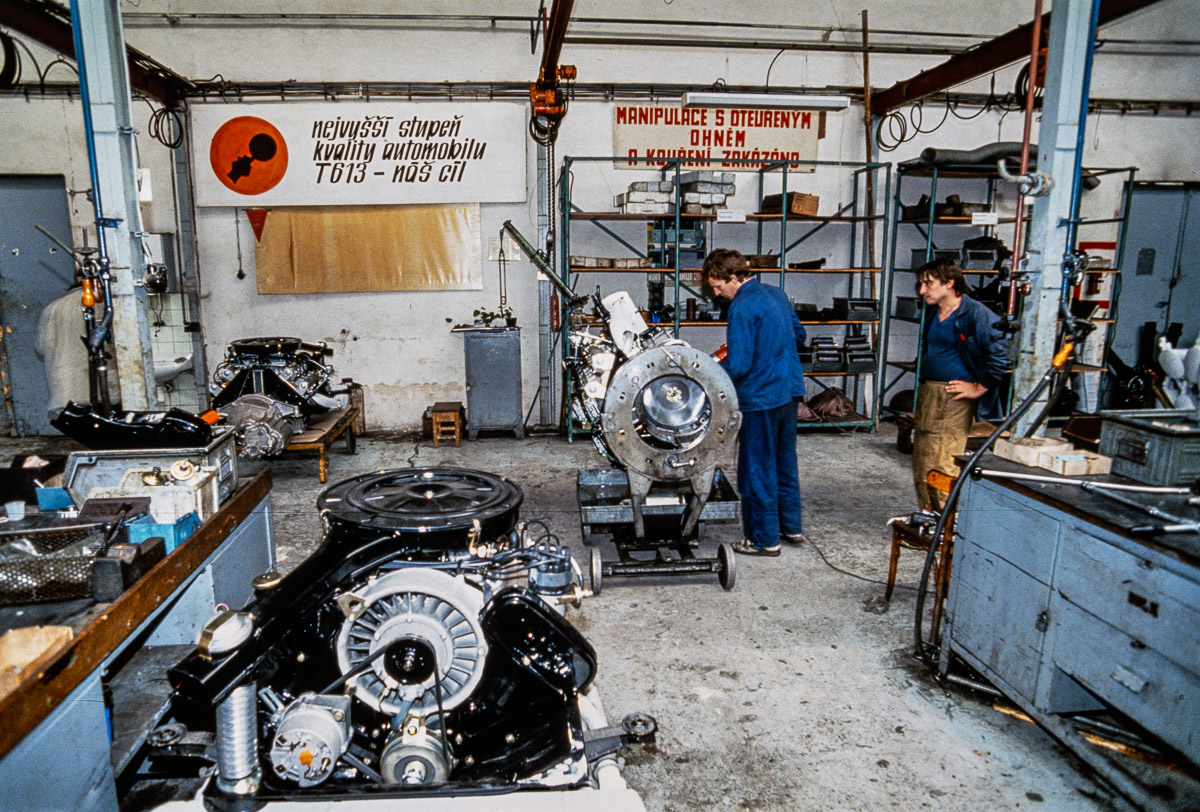
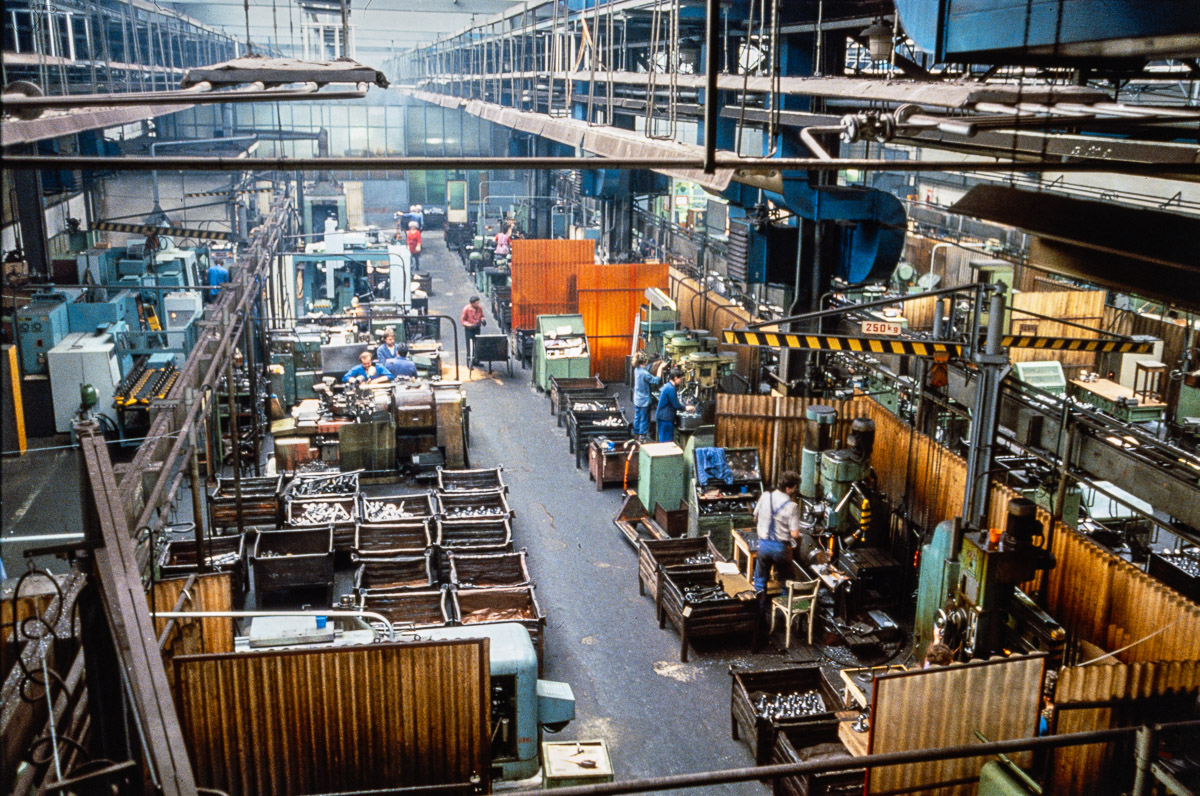
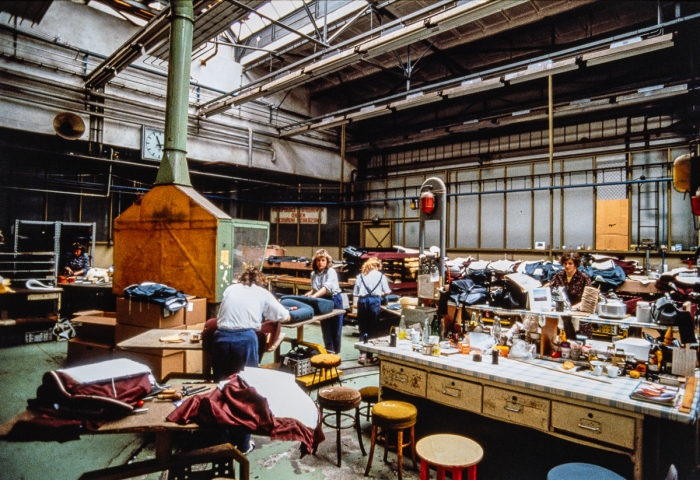
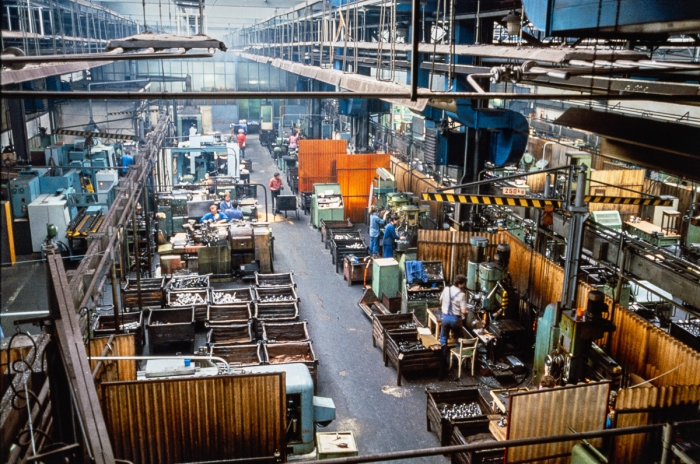
Compared with the Western European car factories I regularly visited for the automotive press at the time, the Příbor workshops immediately gave the impression of an ageing production facility.
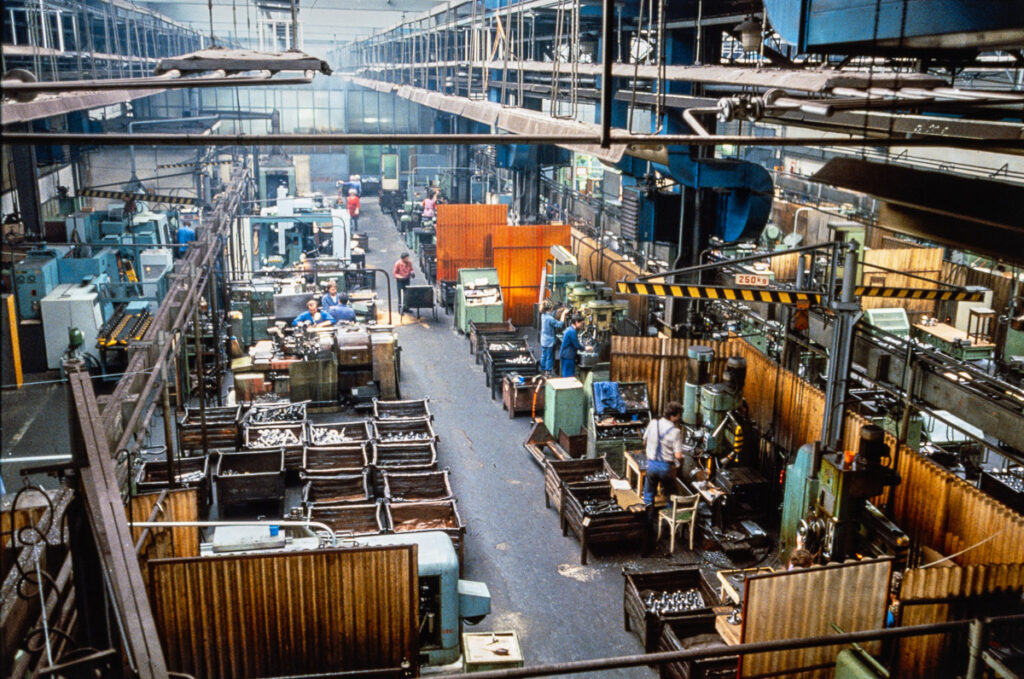 Visiting the Tatra factory in Příbor, Czechoslovakia, 1991 – Photo: © Sebastien Desnoulez
Tatra, however, produced its cars in small series, at volumes that bore little comparison with those of the major mass-market manufacturers. This difference in scale needs to be taken into account when comparing their assembly lines.
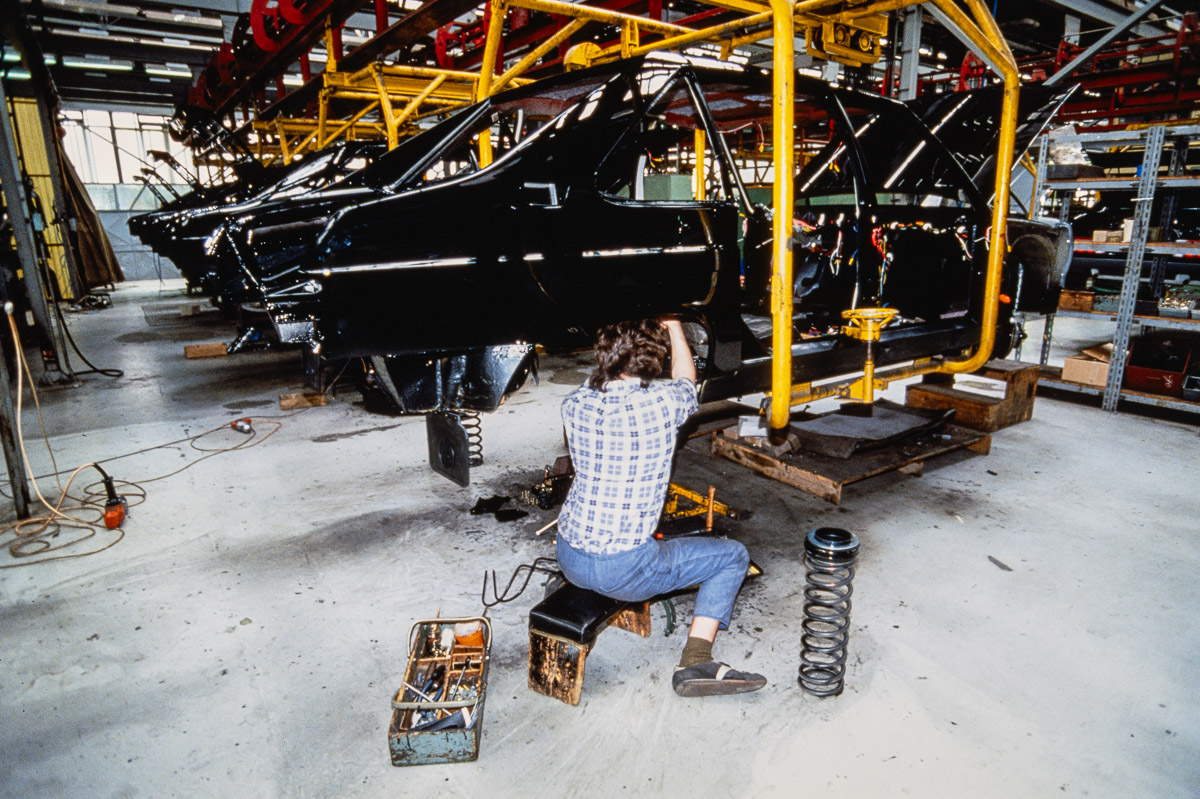
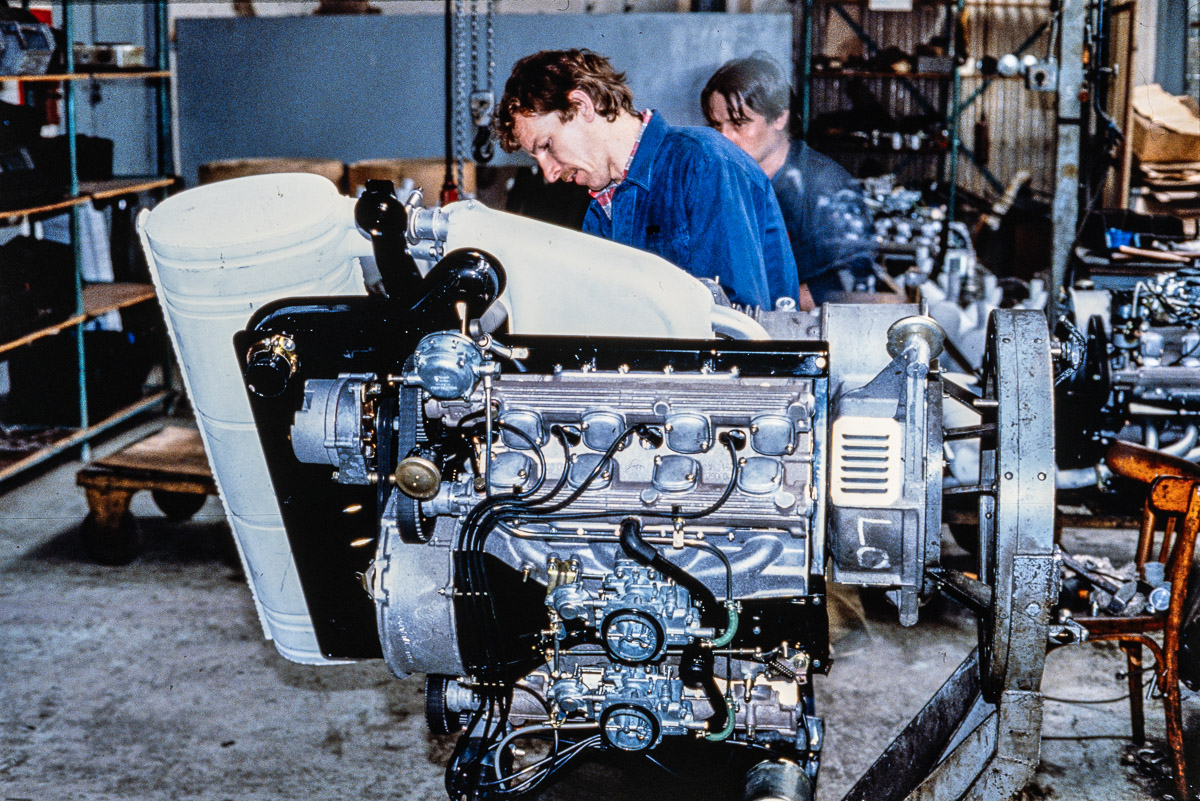
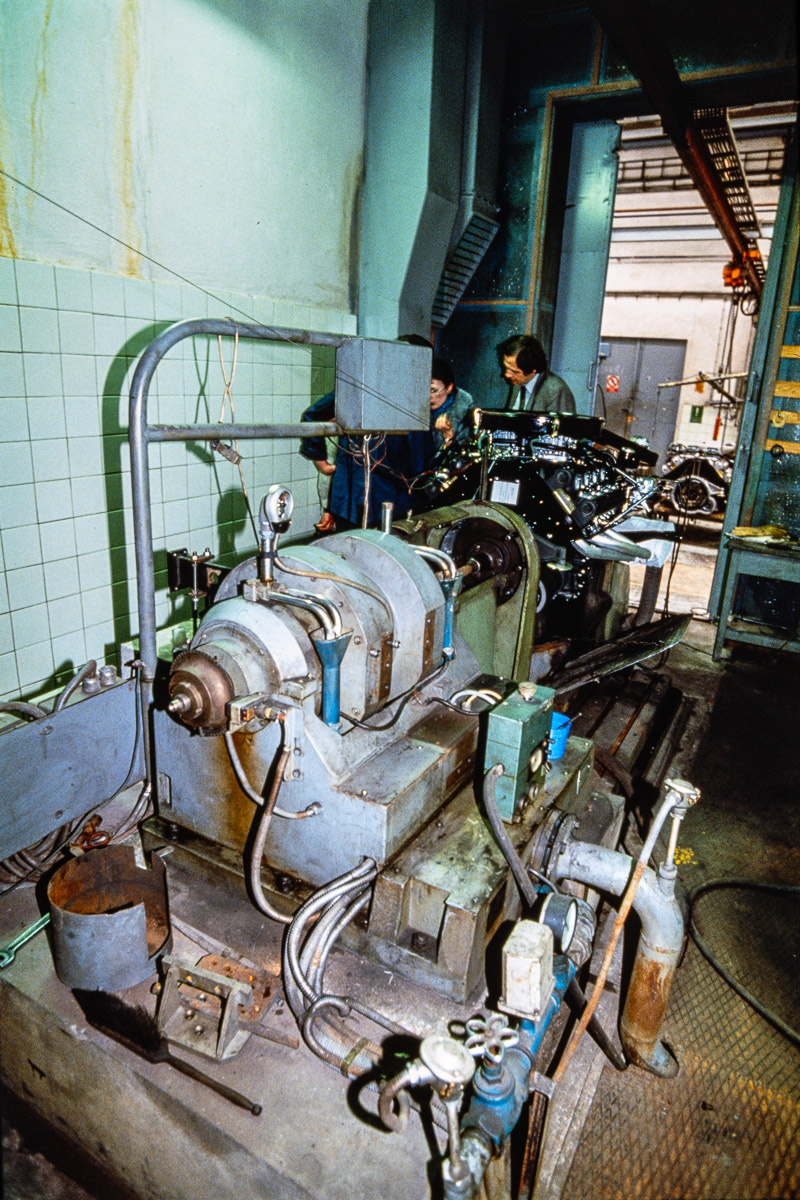
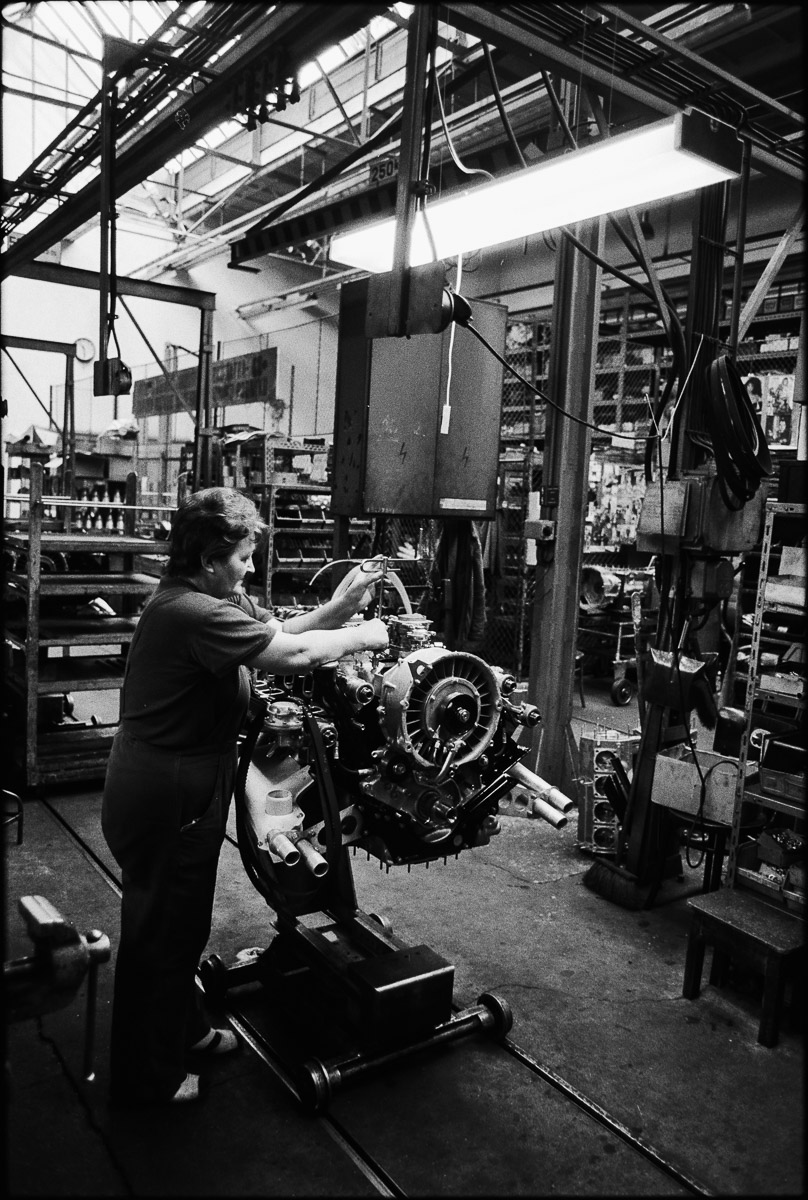
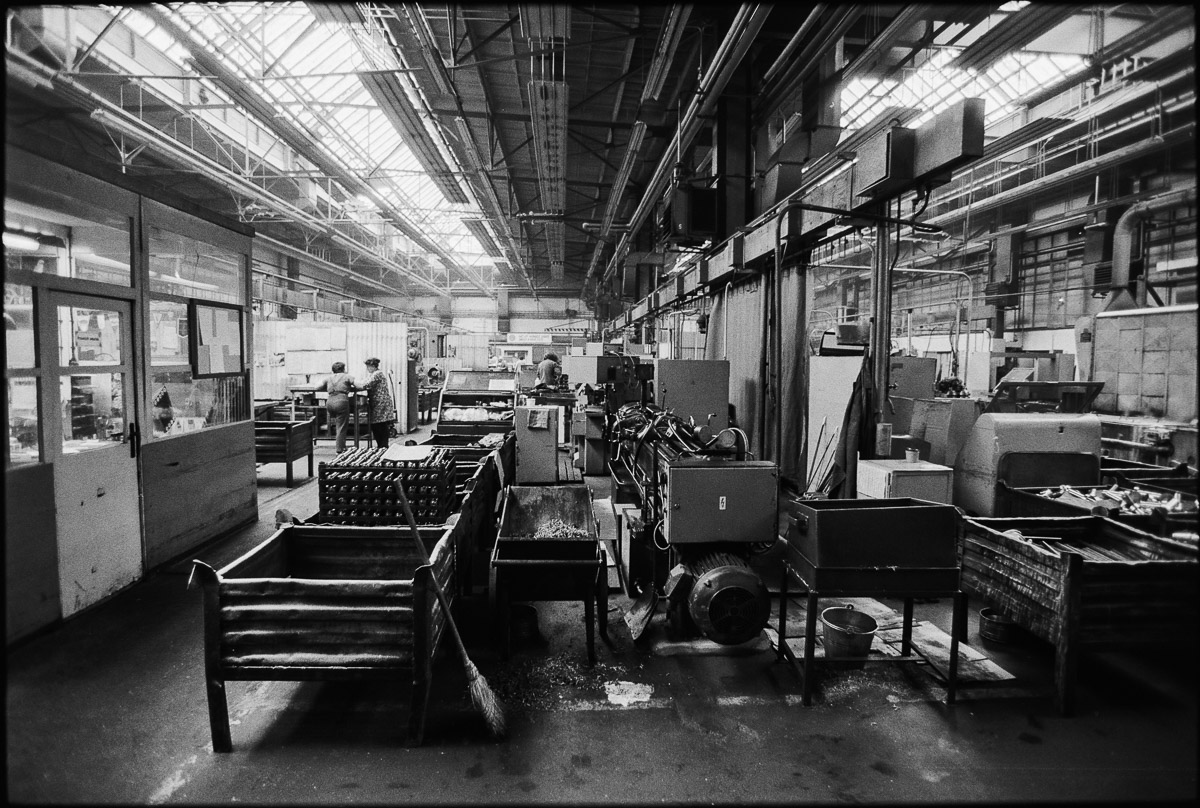
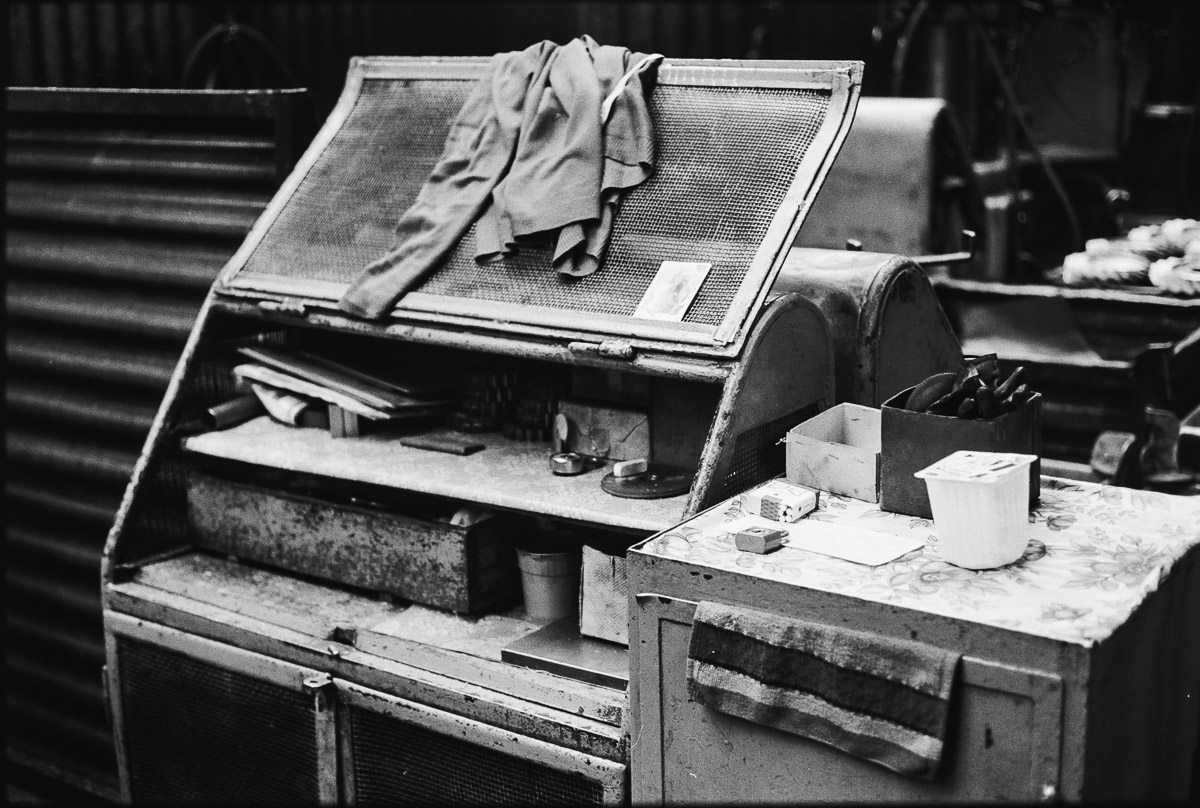
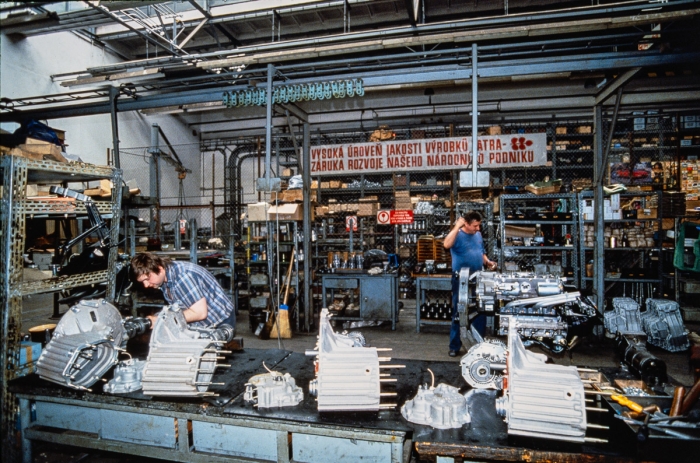
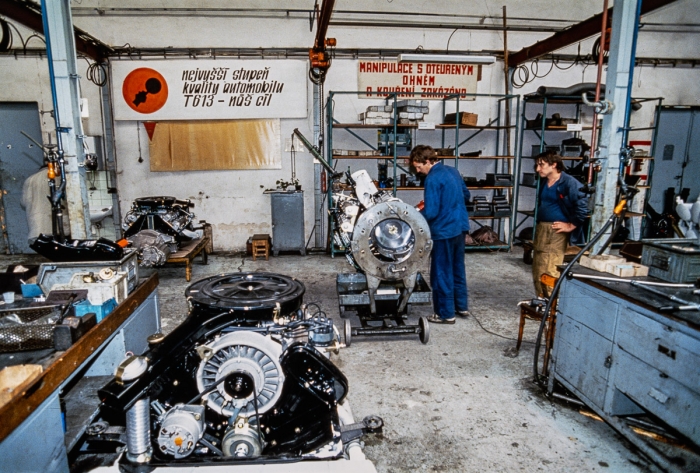
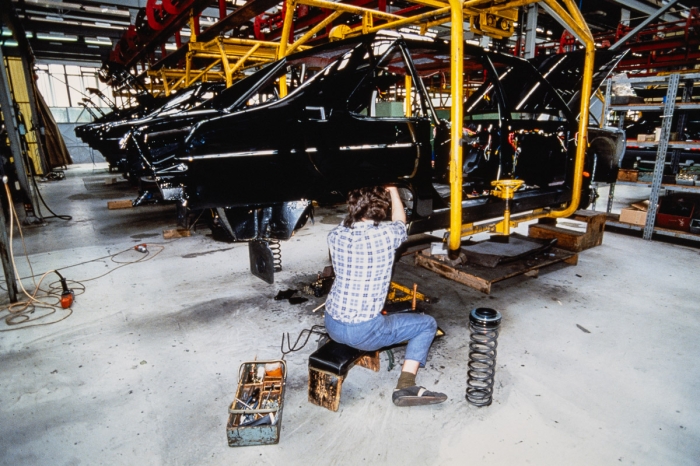
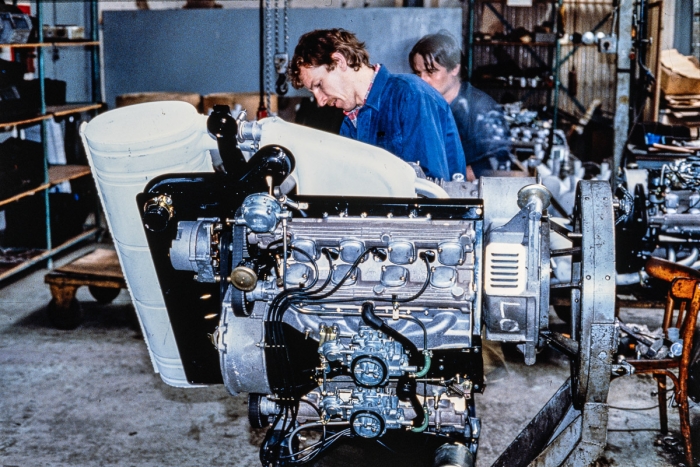
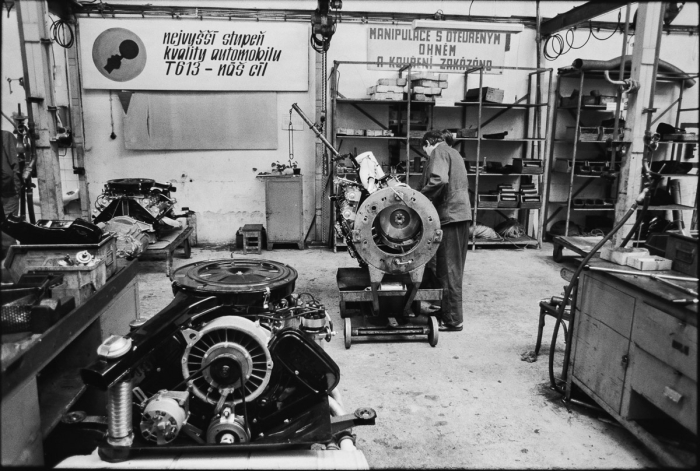
The organisation of the workstations, machinery and equipment nevertheless reflected methods very different from those I knew in large Western factories. Engines, transmissions, upholstery and electrical equipment passed successively through the hands of workers in workshops where the individual workstations had clearly evolved over the years.
Two Canon EOS-1 cameras, two ways of photographing the factory
For this assignment, I had brought two Canon EOS-1 bodies. One was loaded with colour film, the other with black and white.
The colour transparencies were intended primarily for the L’Automobile Magazine feature. Inside the workshops, I often used flash balanced with the ambient light, preserving the atmosphere of the factory while keeping the workers, machinery and different stages of production clearly visible.
These photographs met the needs of the magazine: to explain visually how the Tatra 613 was built.
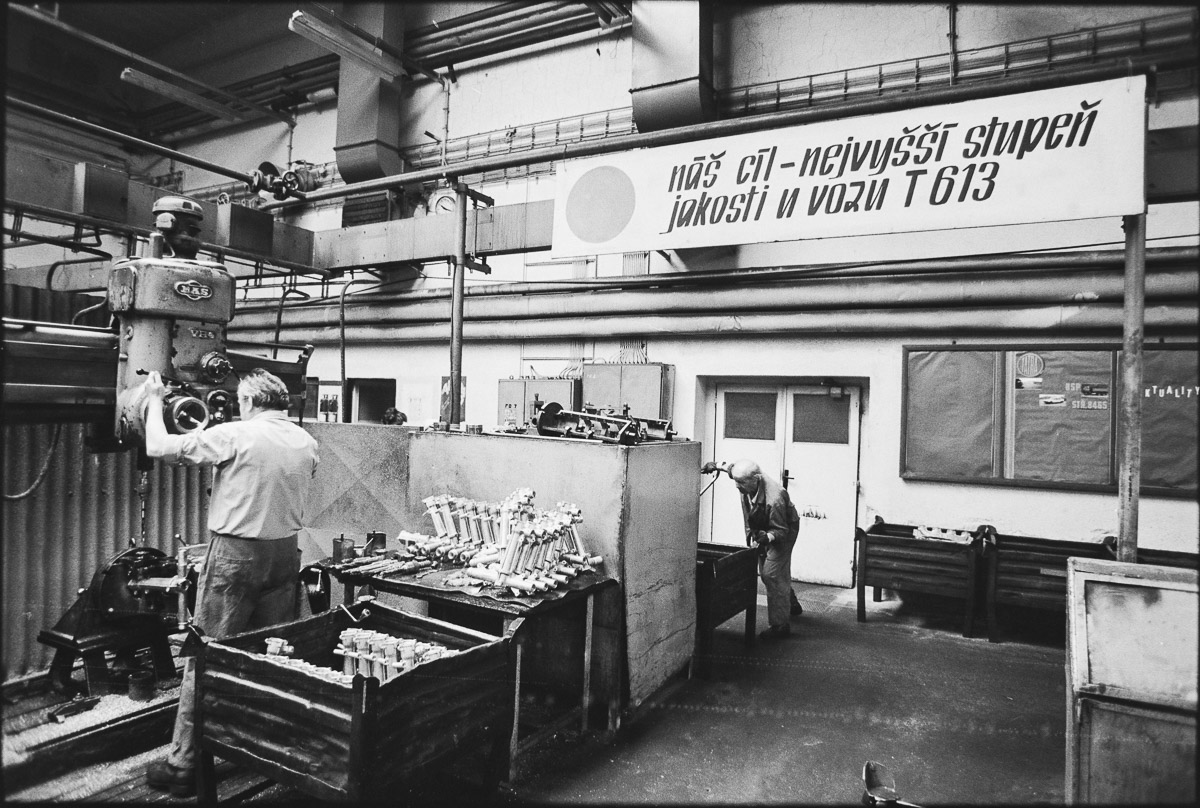
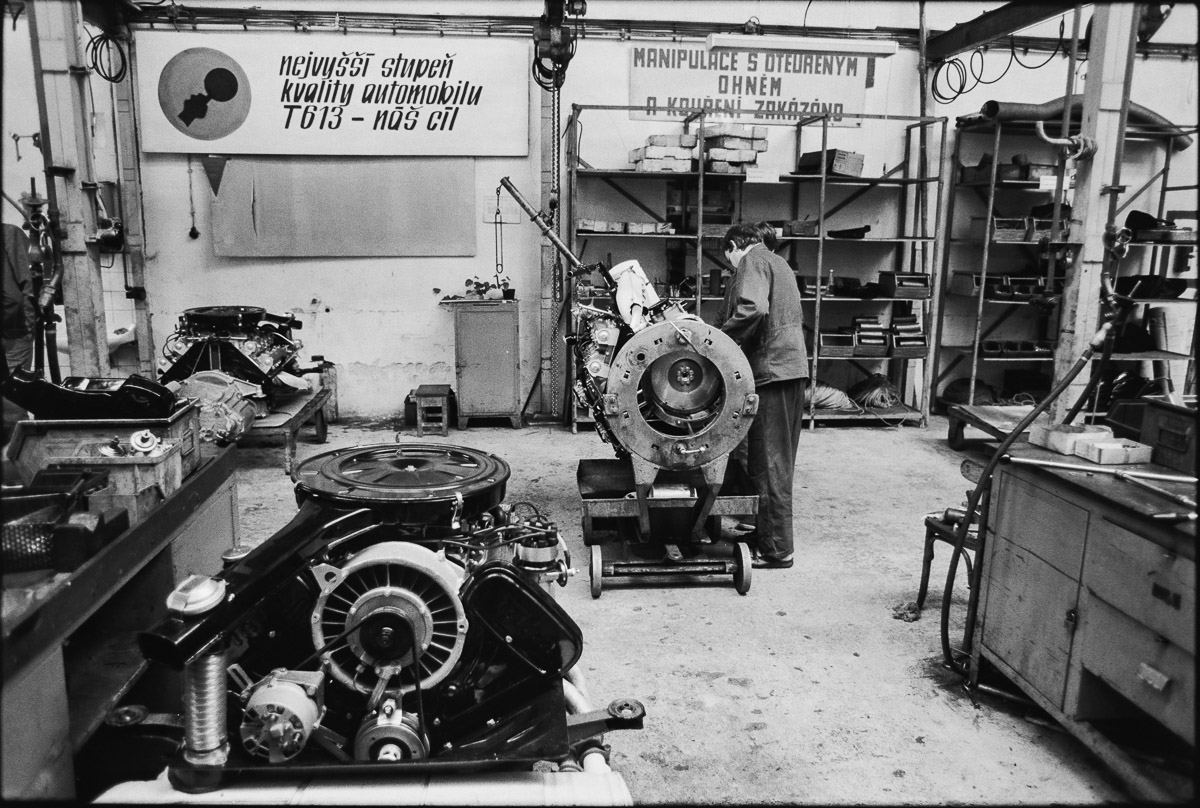
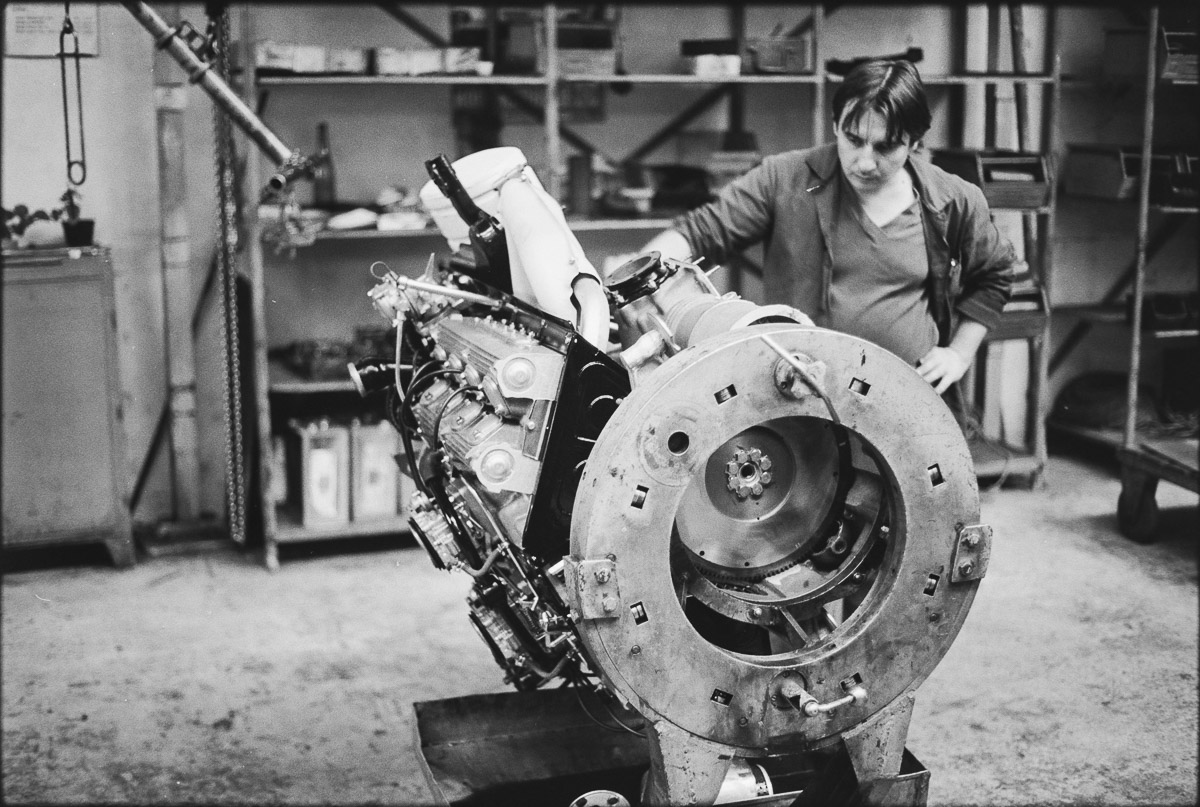
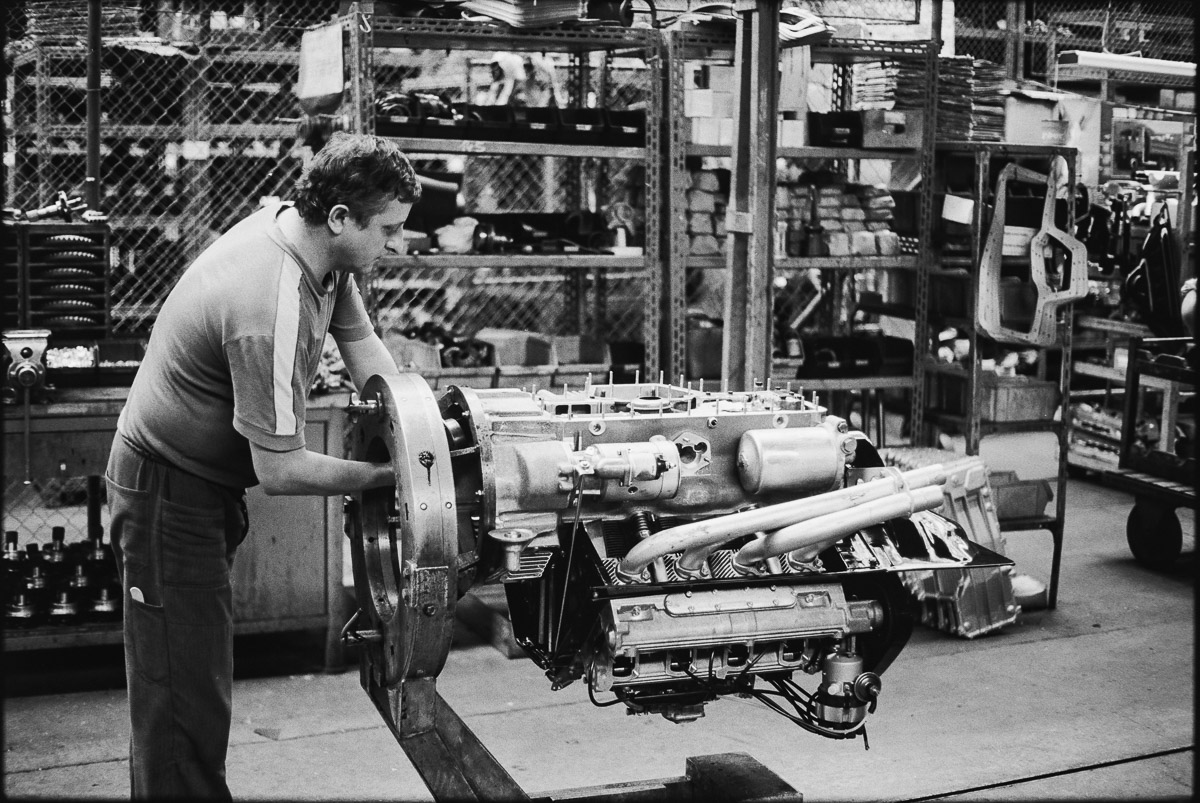
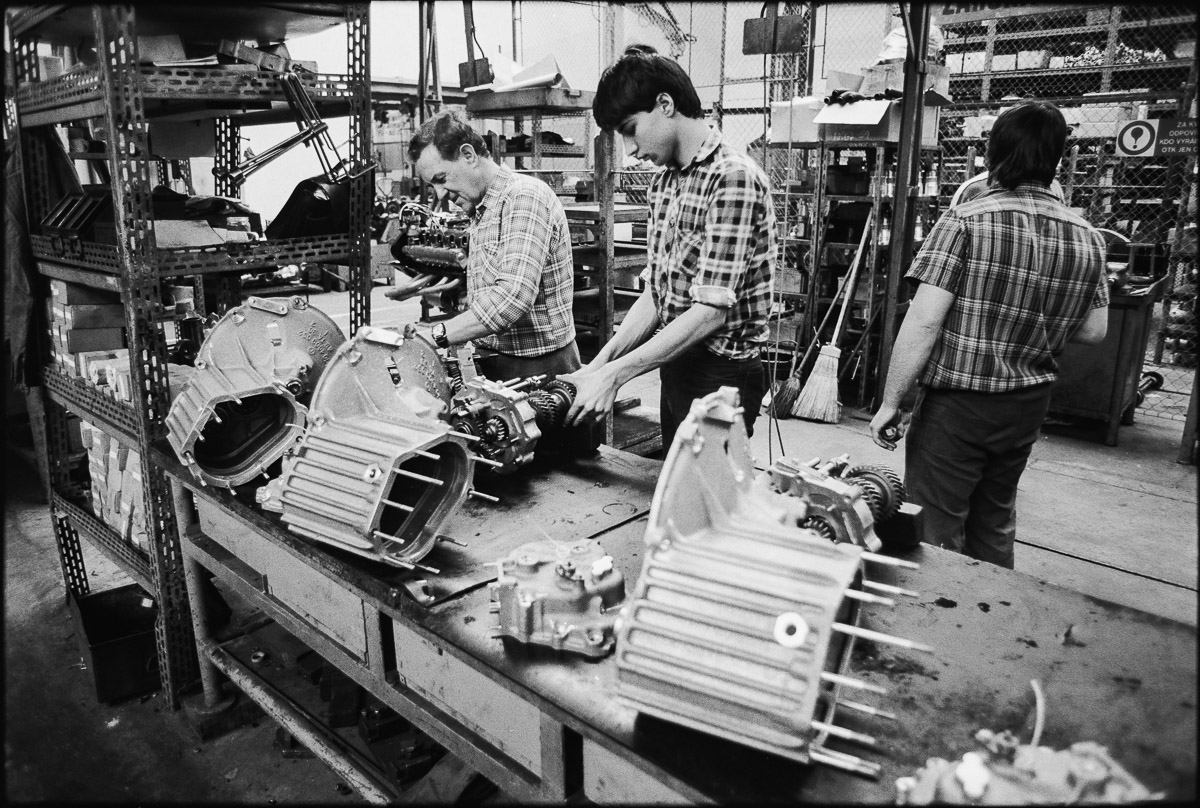
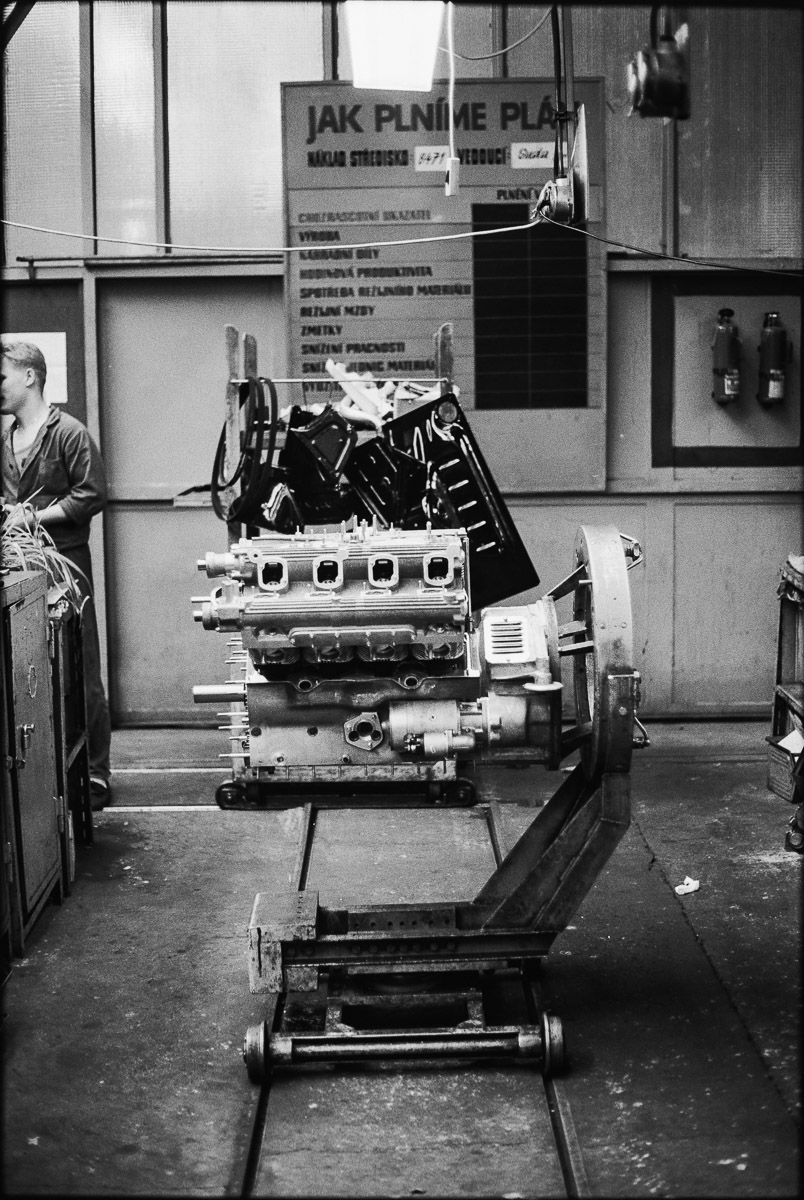
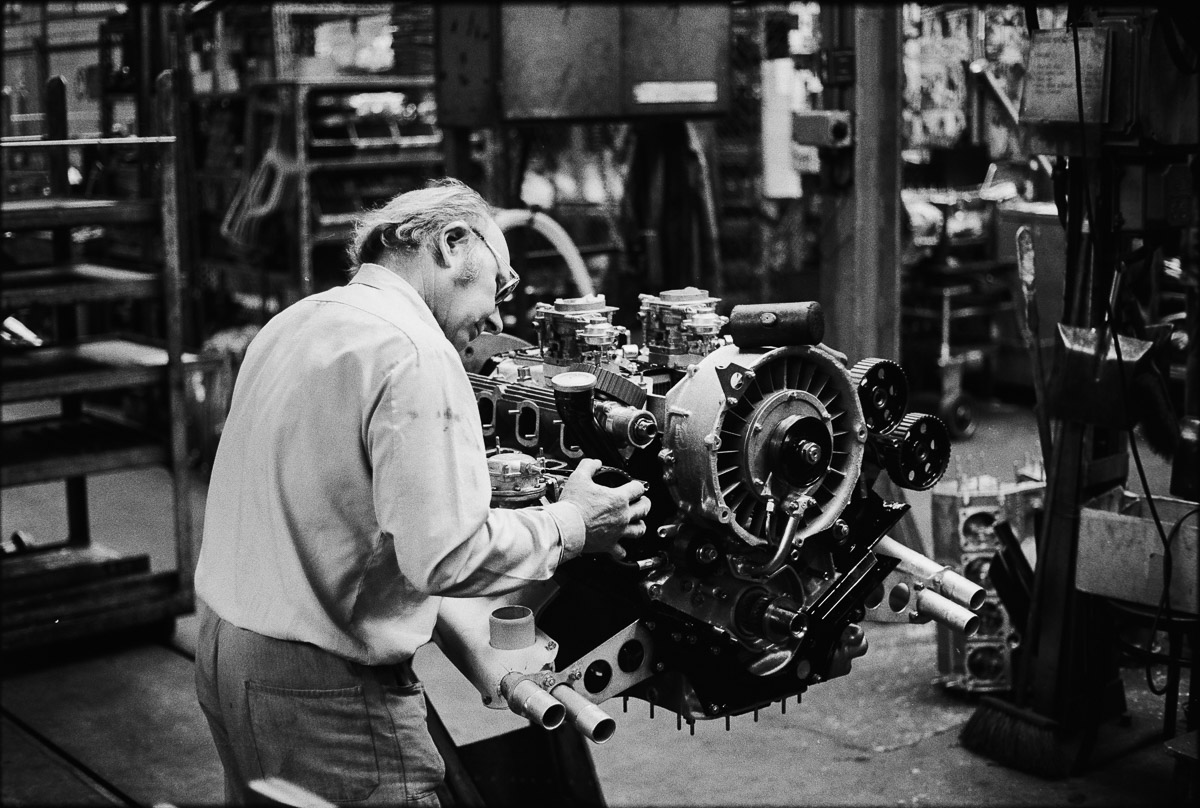
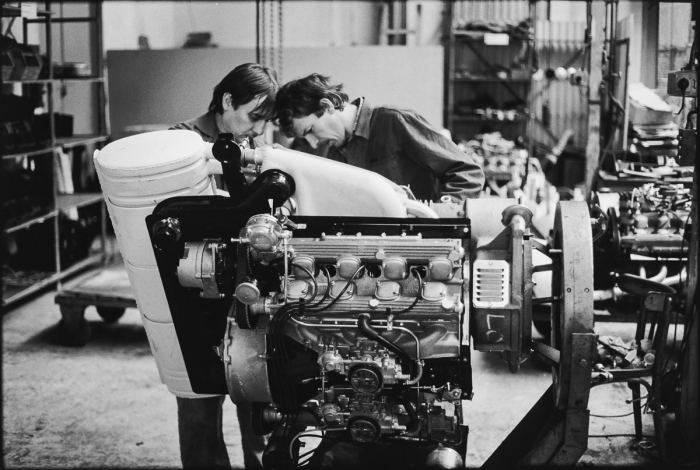
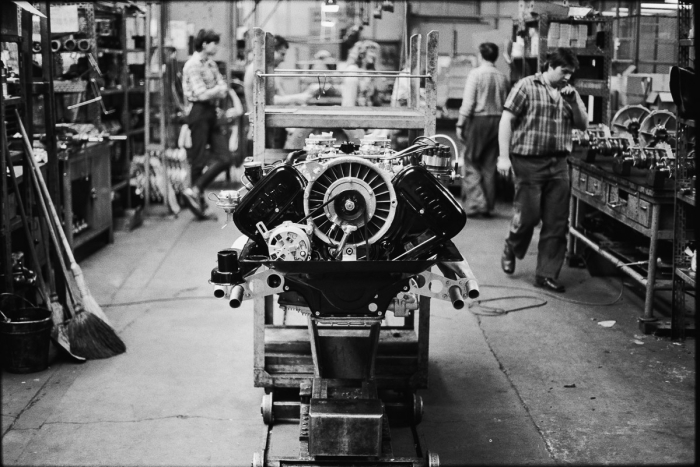
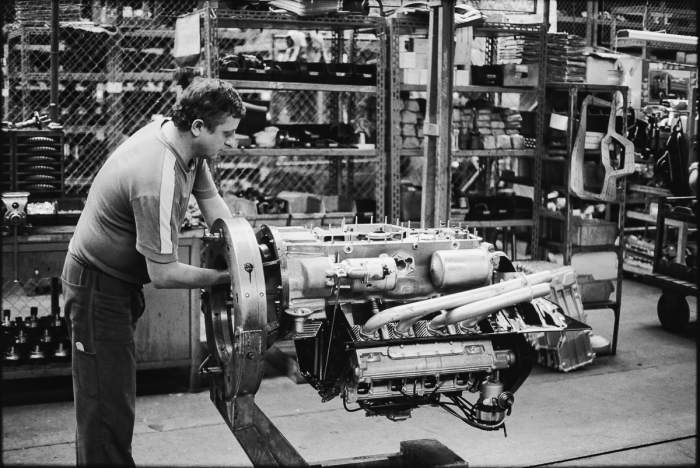
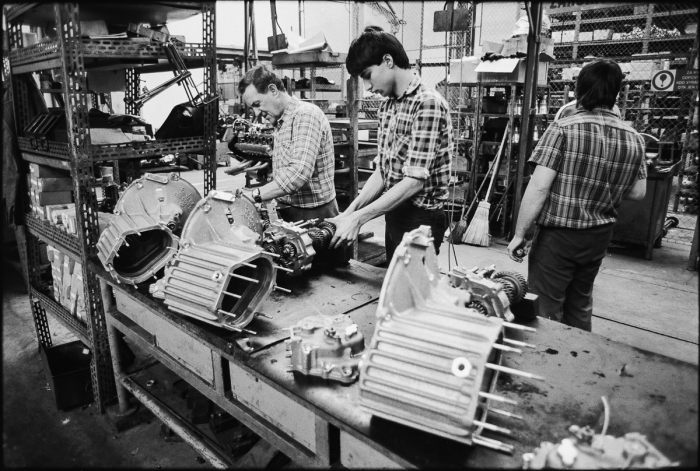
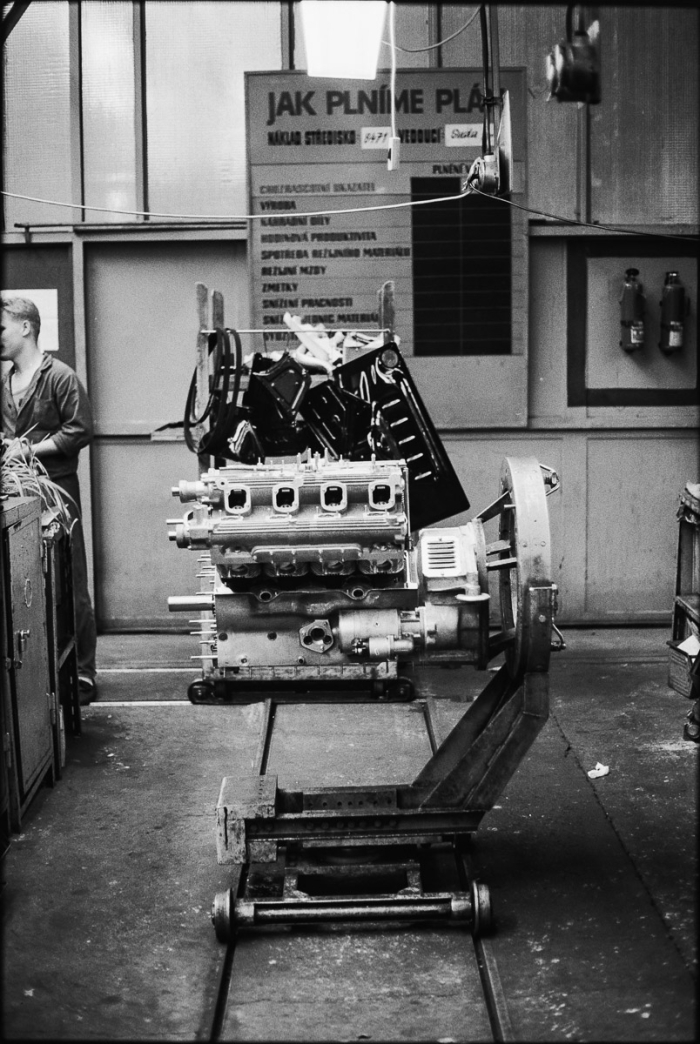
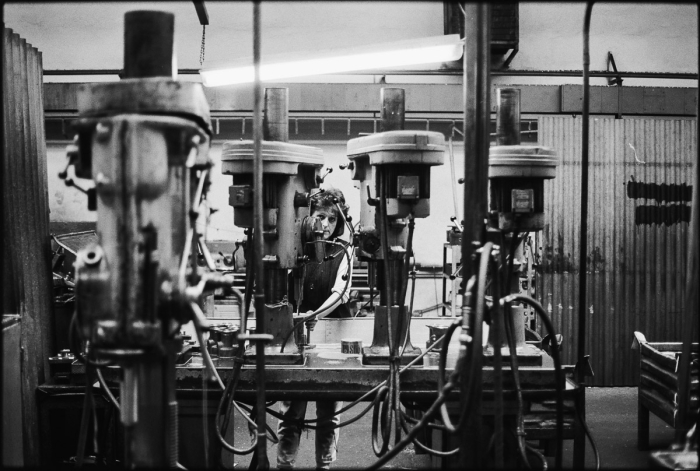
Looking again today at the black-and-white negatives, I find a noticeably different approach. Using the same equipment, I photographed more of the relationship between the workers and their surroundings.
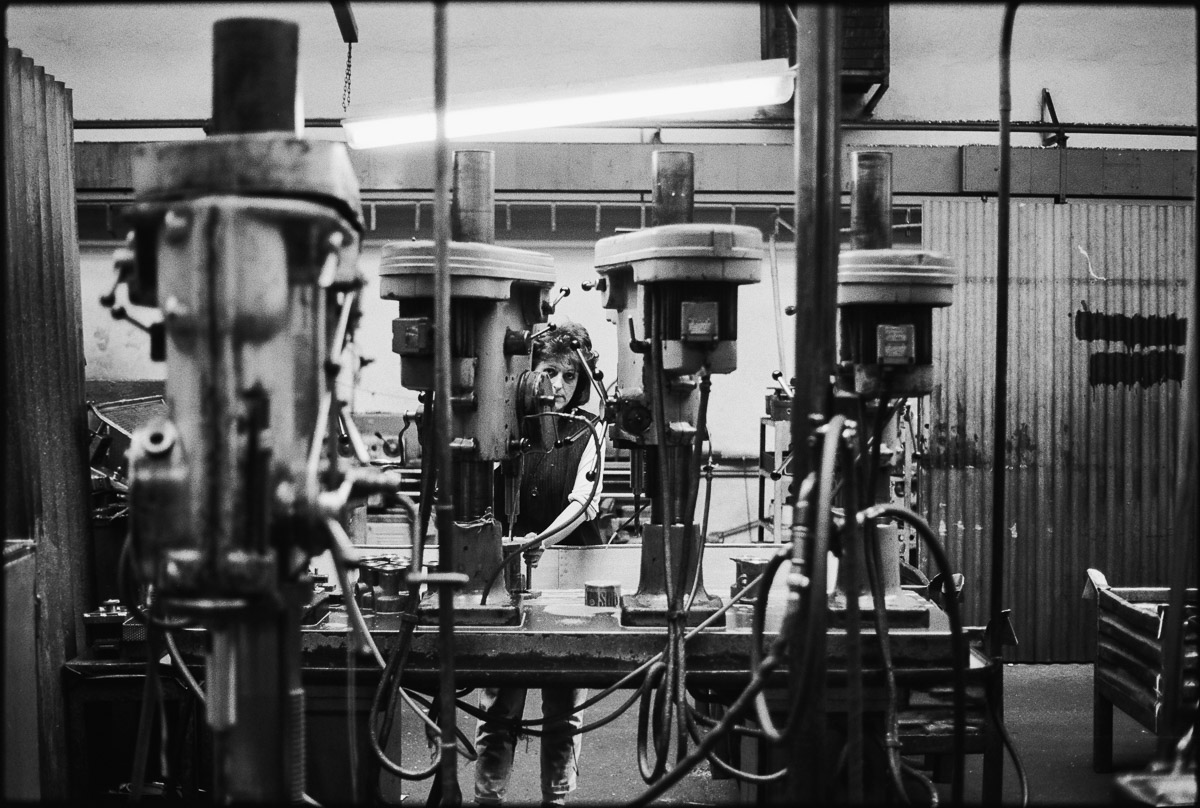
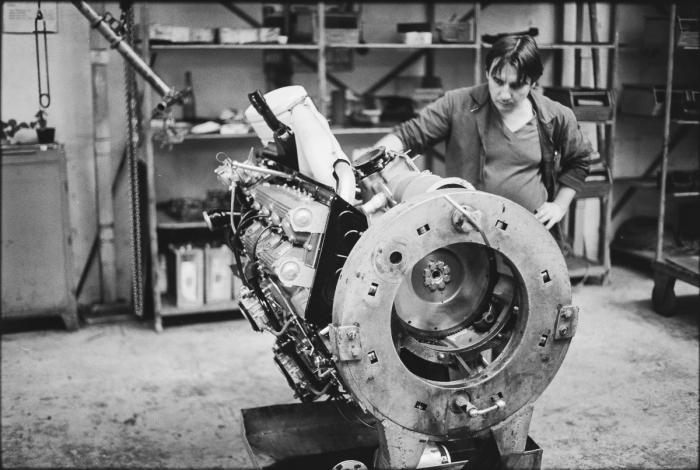
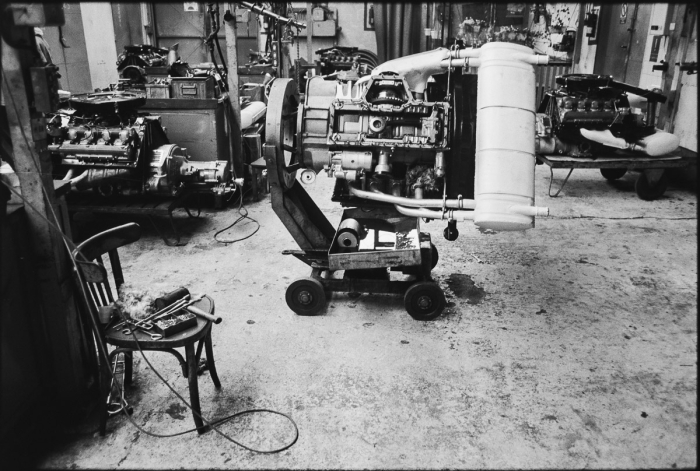
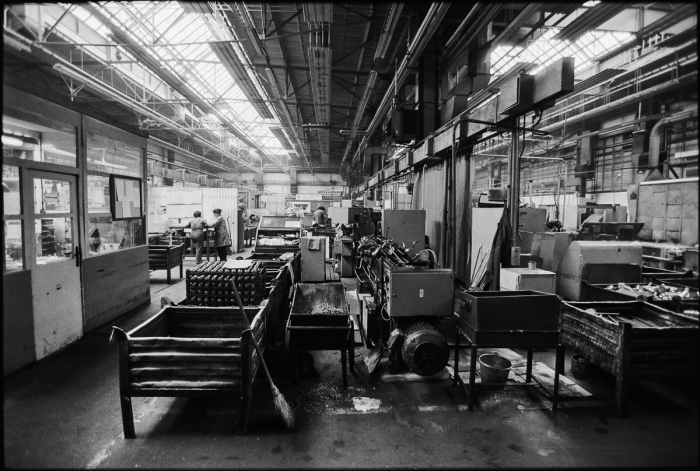
People sometimes appear behind a machine or between several foreground elements. Engines, workbenches and tools become part of the composition itself. Rather than isolating a particular operation, I was more interested in showing the space in which it took place.
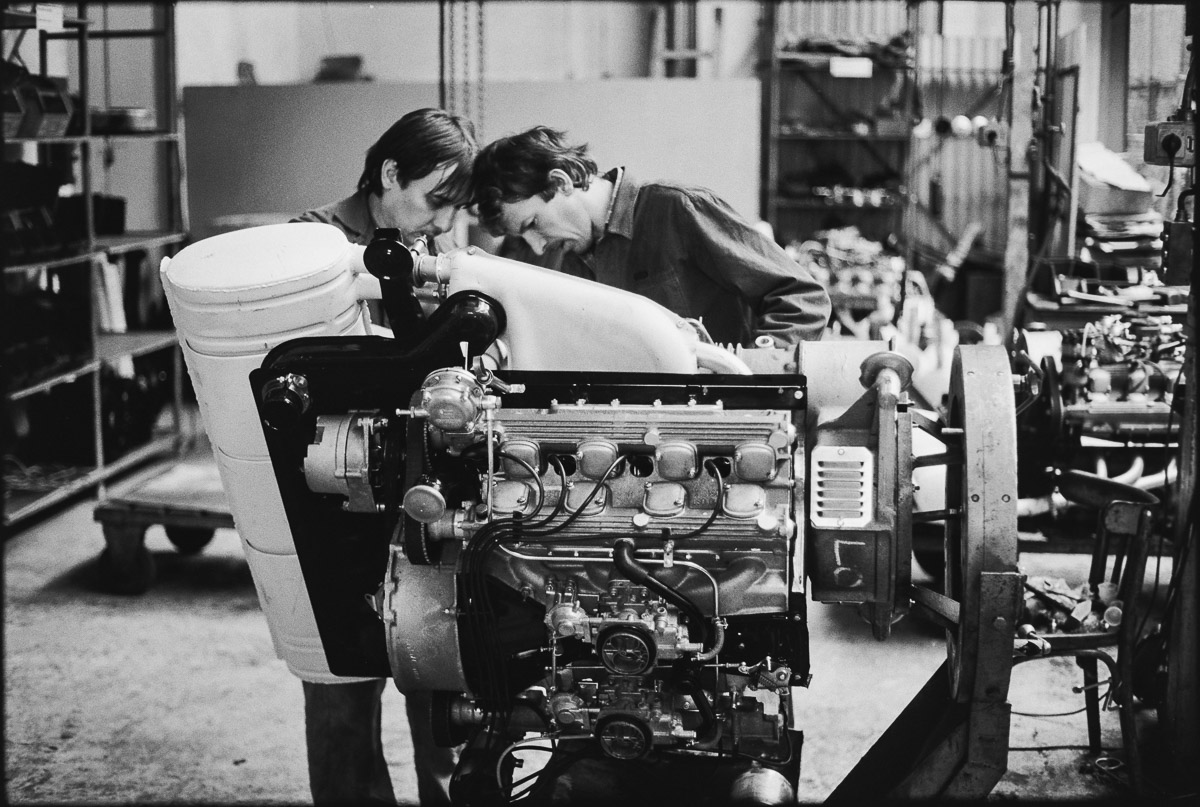
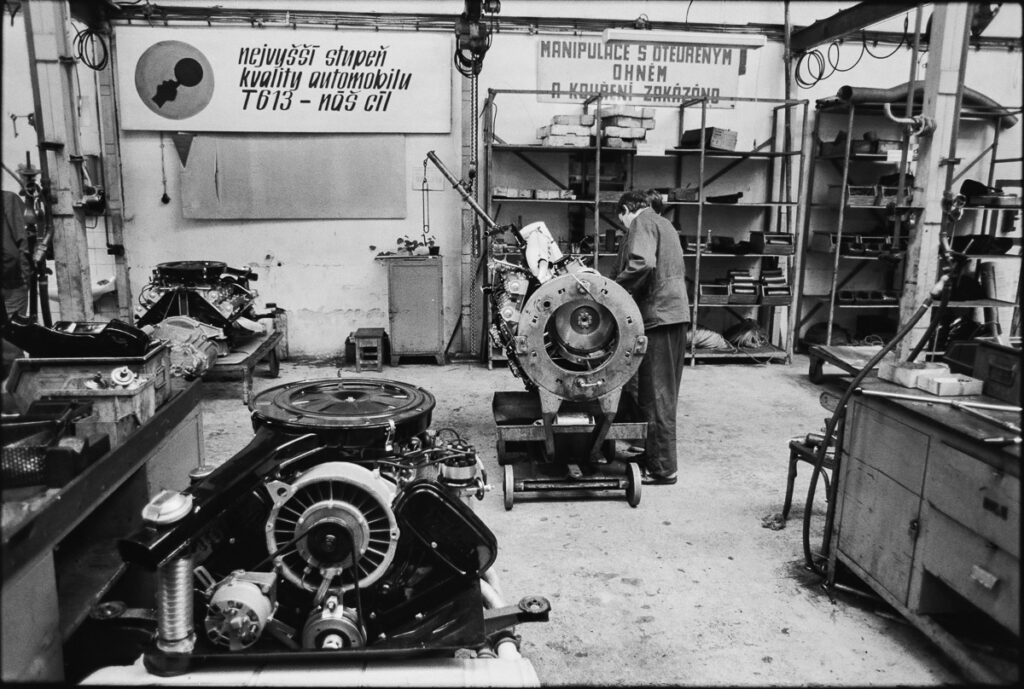 Engine workshop at the Tatra factory in Příbor, Czechoslovakia 1991 – Photo: © Sebastien Desnoulez
I had not necessarily formulated this distinction between the two series at the time. Thirty-five years later, however, it appears quite clearly: the colour photographs correspond more closely to the editorial assignment, while the black-and-white images leave more room for my personal way of seeing.
A full-size wiring harness assembled by hand
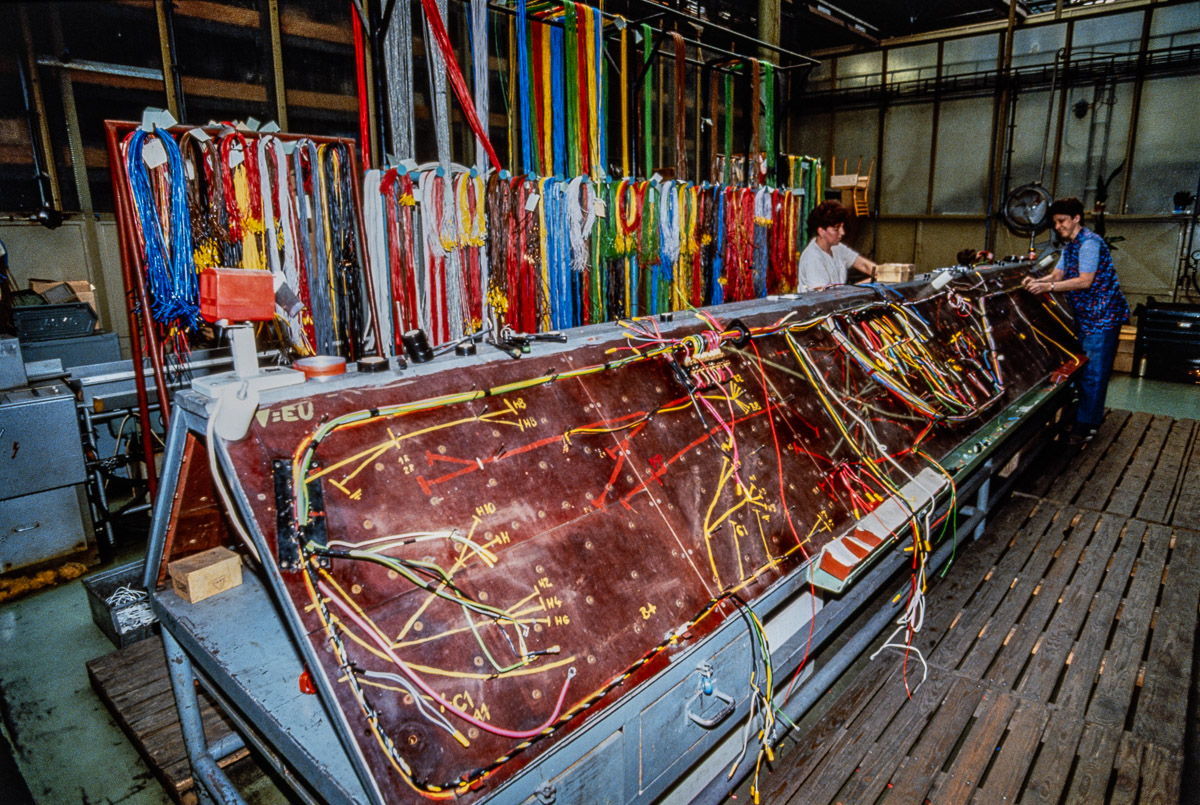
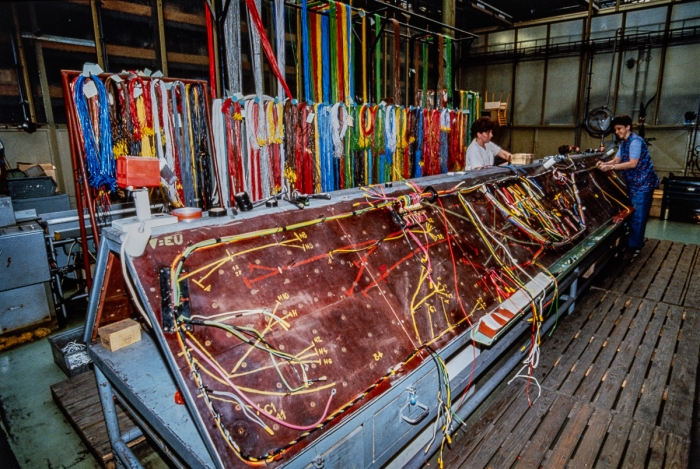
One of the colour photographs shows the complete wiring harness of a car laid out on a large panel.
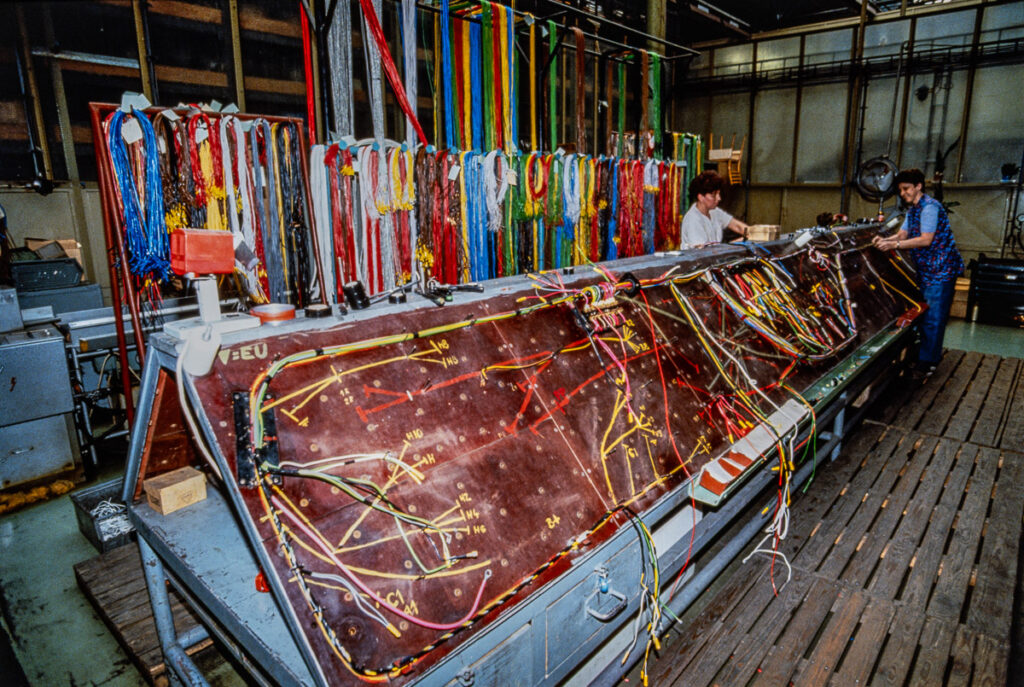 Tatra 613 wiring harness at the Příbor factory, Czechoslovakia 1991 – Photo: © Sebastien Desnoulez
The individual cables are positioned and assembled by hand following a full-size layout. Once completed, the harness is removed from the panel and installed in the car.
This method provides a very concrete illustration of the manufacturing processes used in the factory.
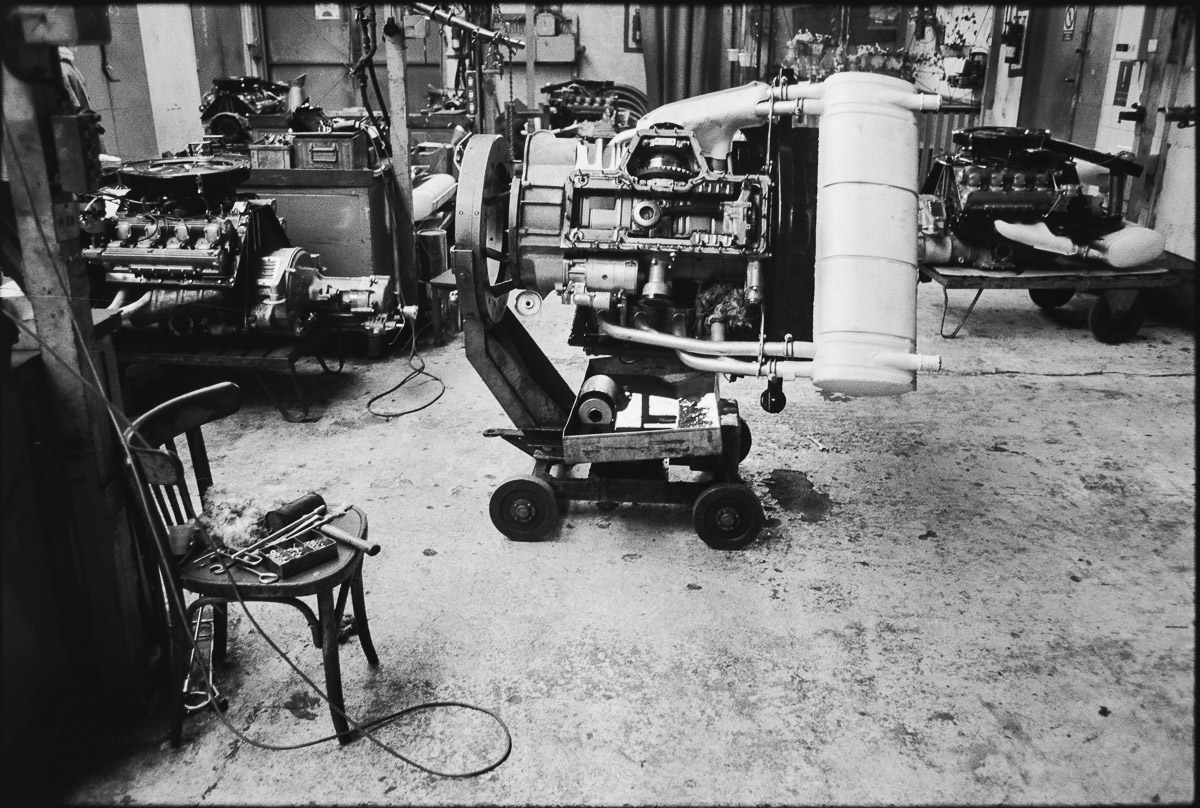
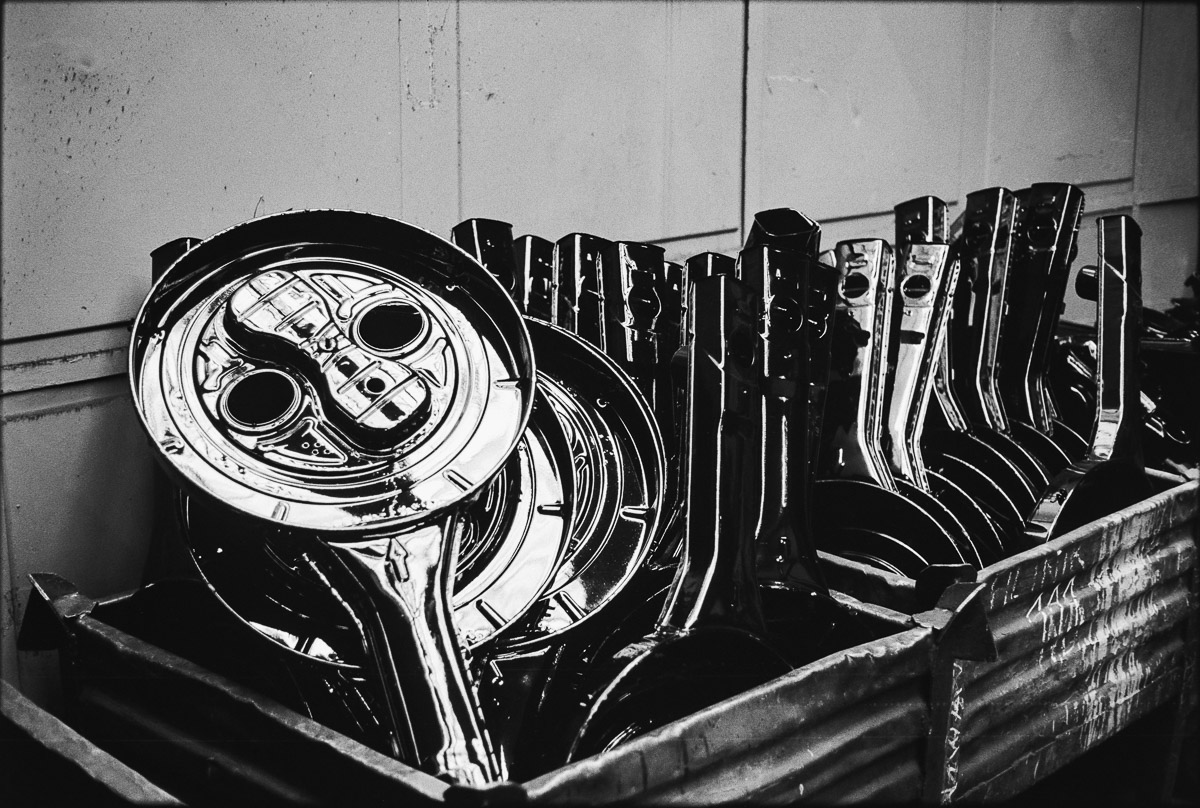
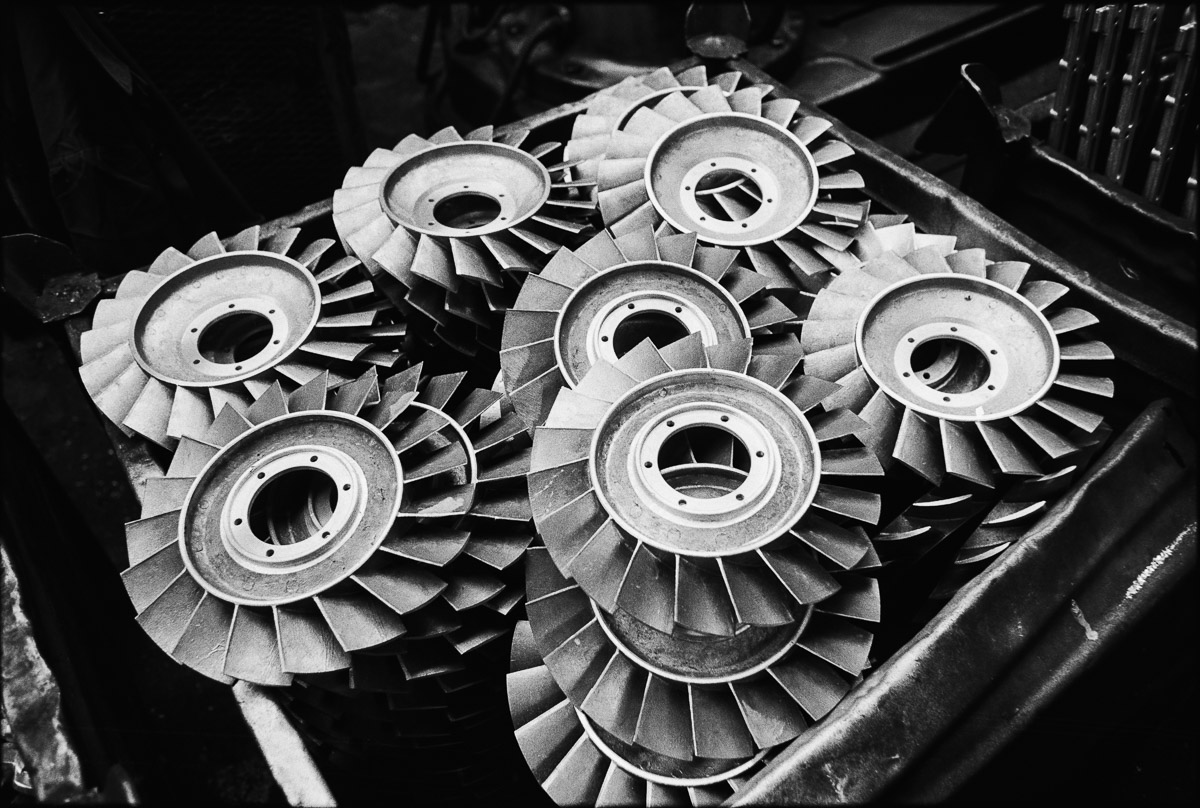
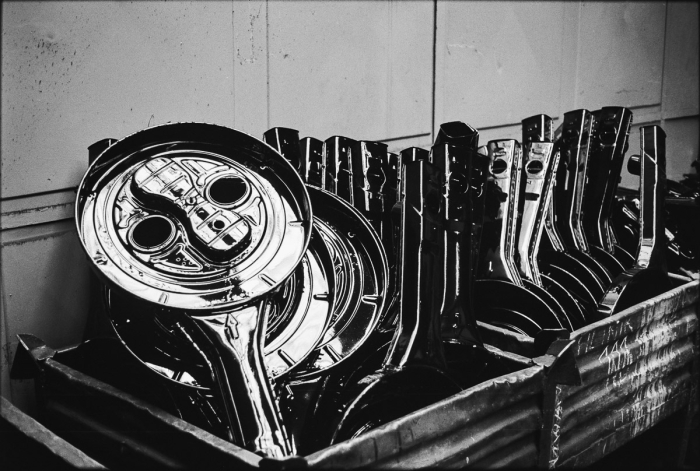
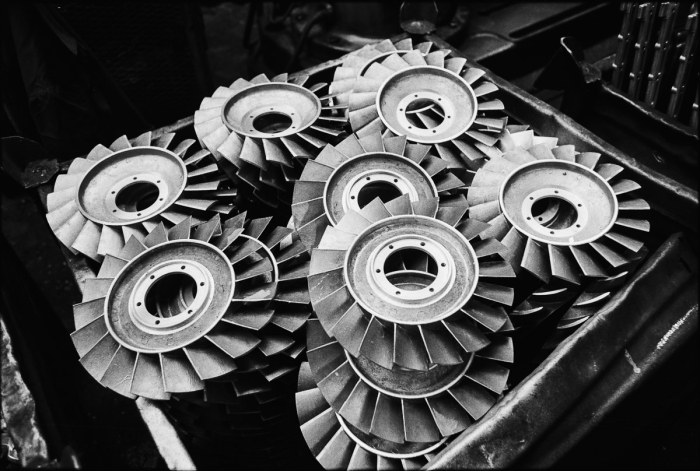
Other photographs show components of the cooling system.
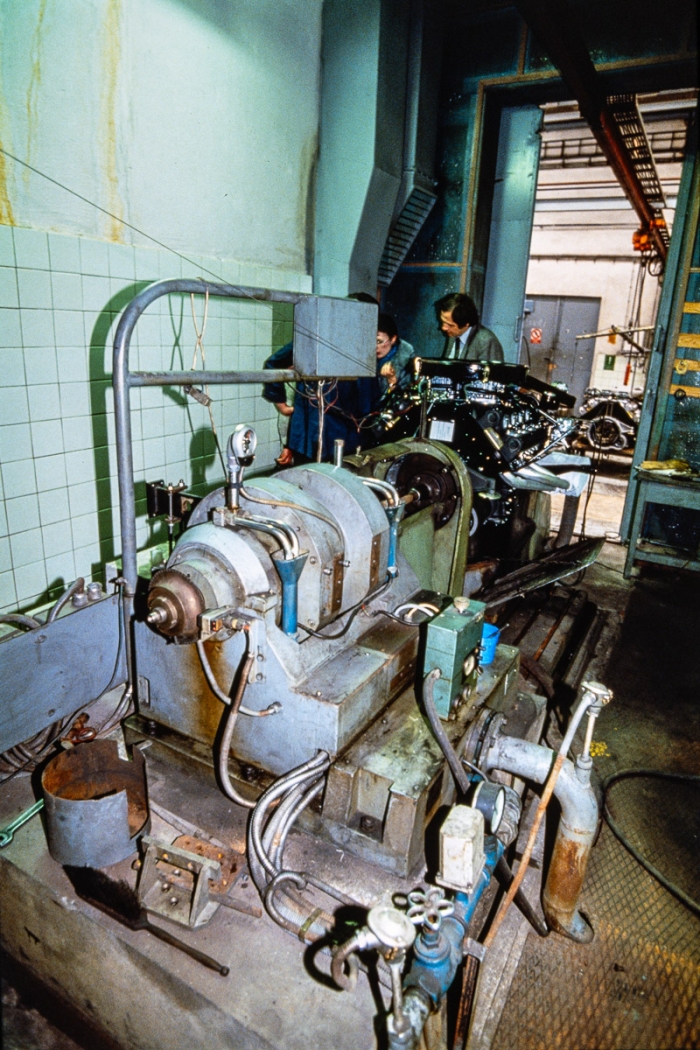
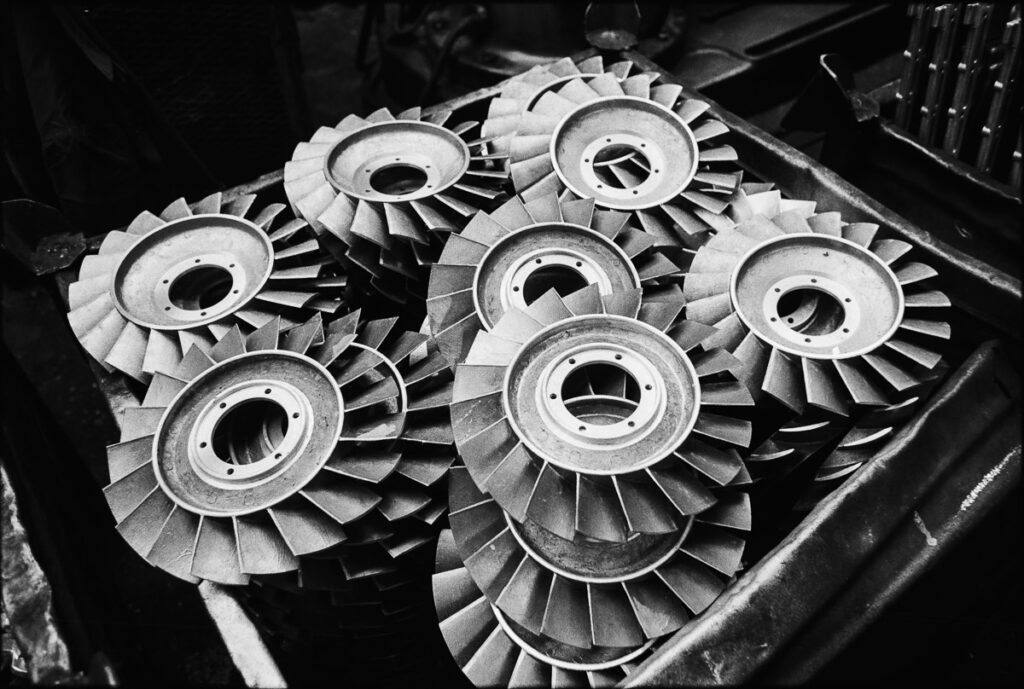 Cooling system components at the Tatra factory in Příbor, Czechoslovakia 1991 – Photo: © Sebastien Desnoulez
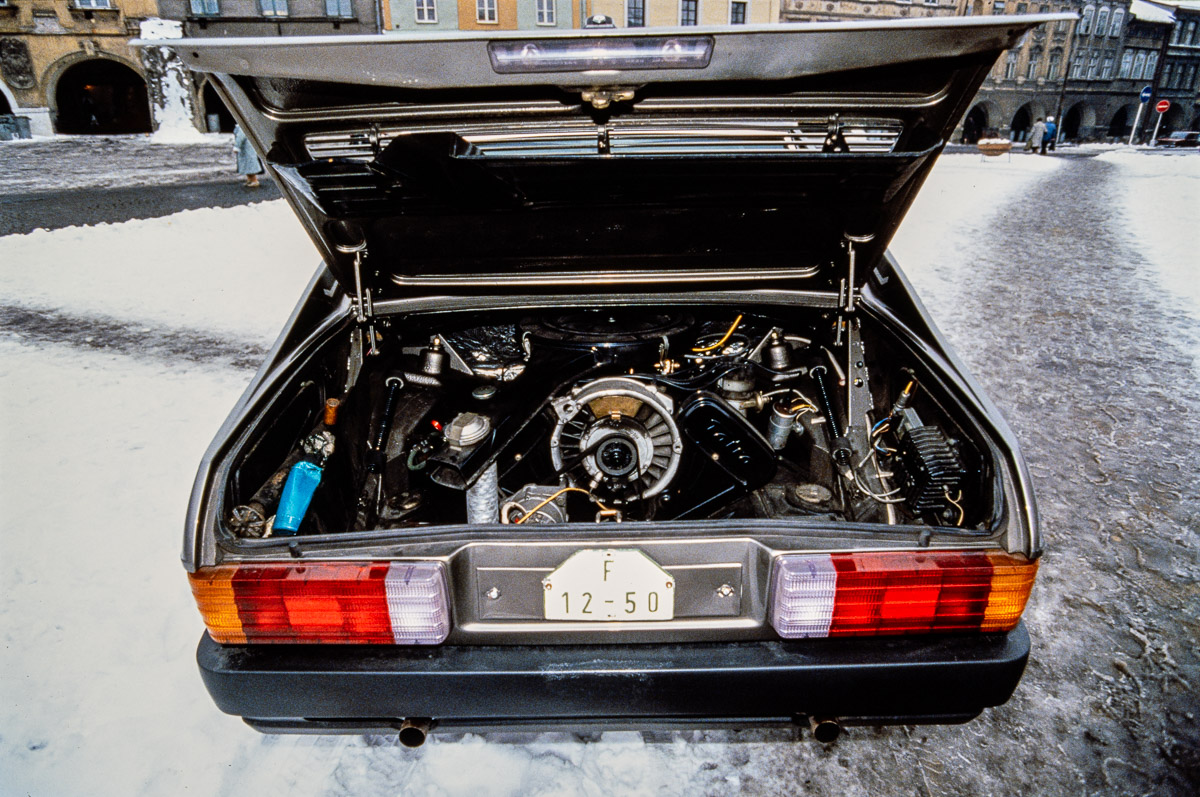
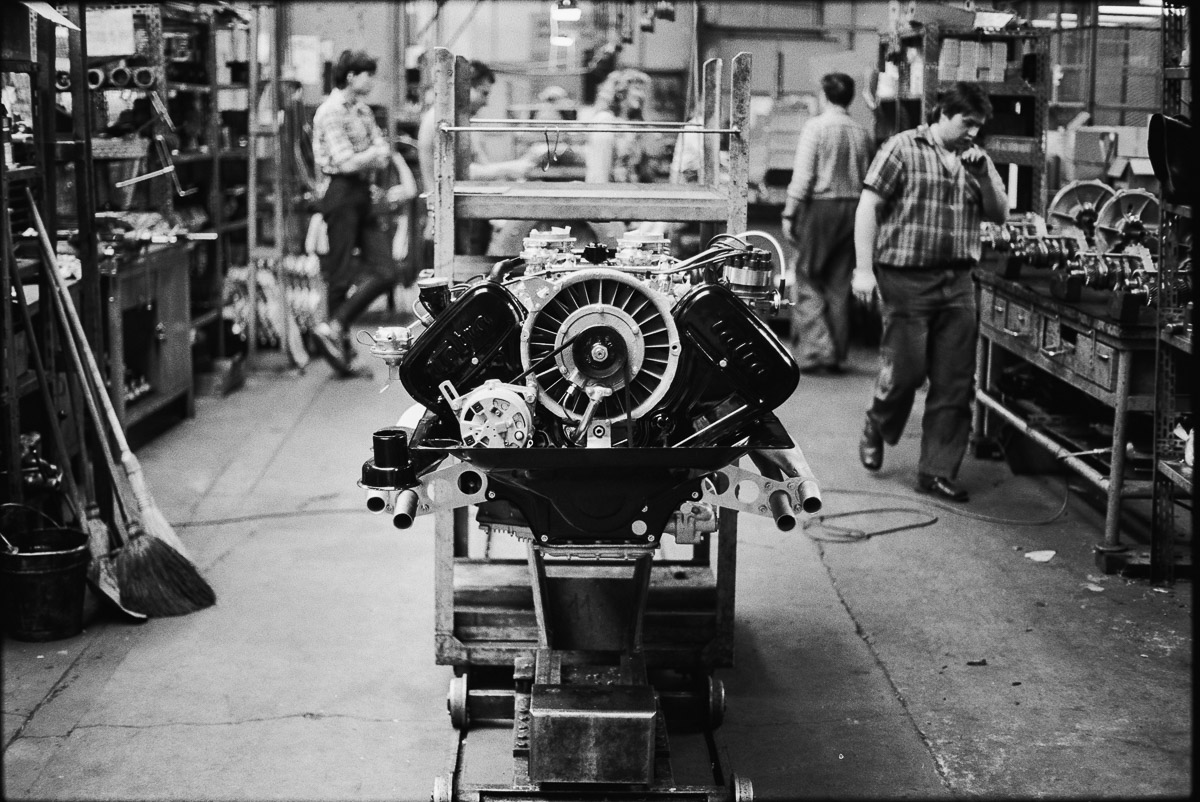
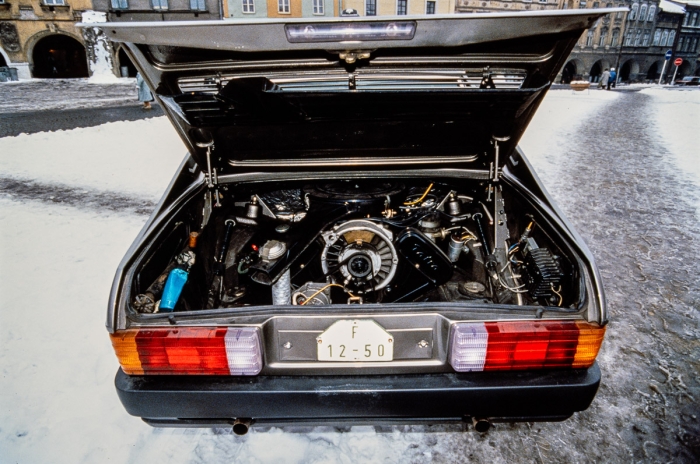
The Tatra 613 had an architecture that had become highly unusual among large European saloons: its air-cooled V8 engine was mounted at the rear. This design, inherited from Tatra’s engineering tradition, contributed strongly to the car’s distinctive character.
Workers among engines and machinery
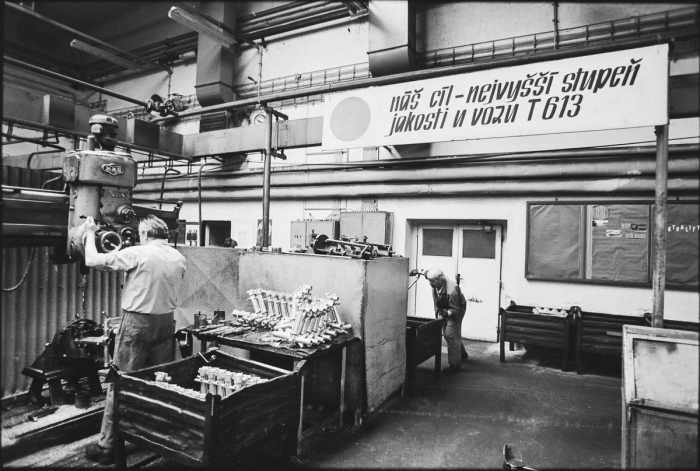
The black-and-white negatives give considerable space to the people working in the workshops.
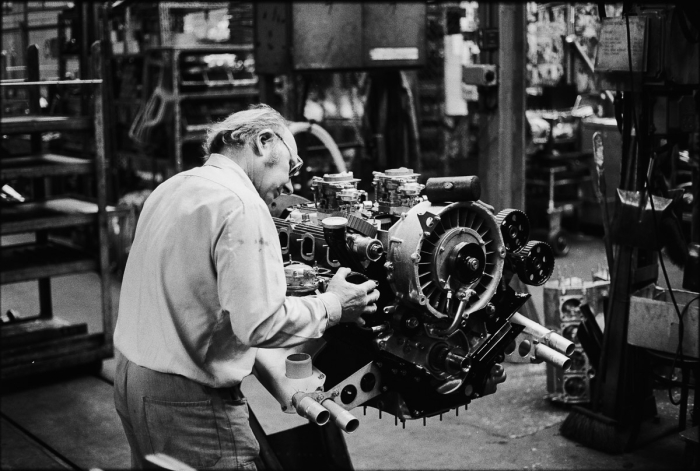
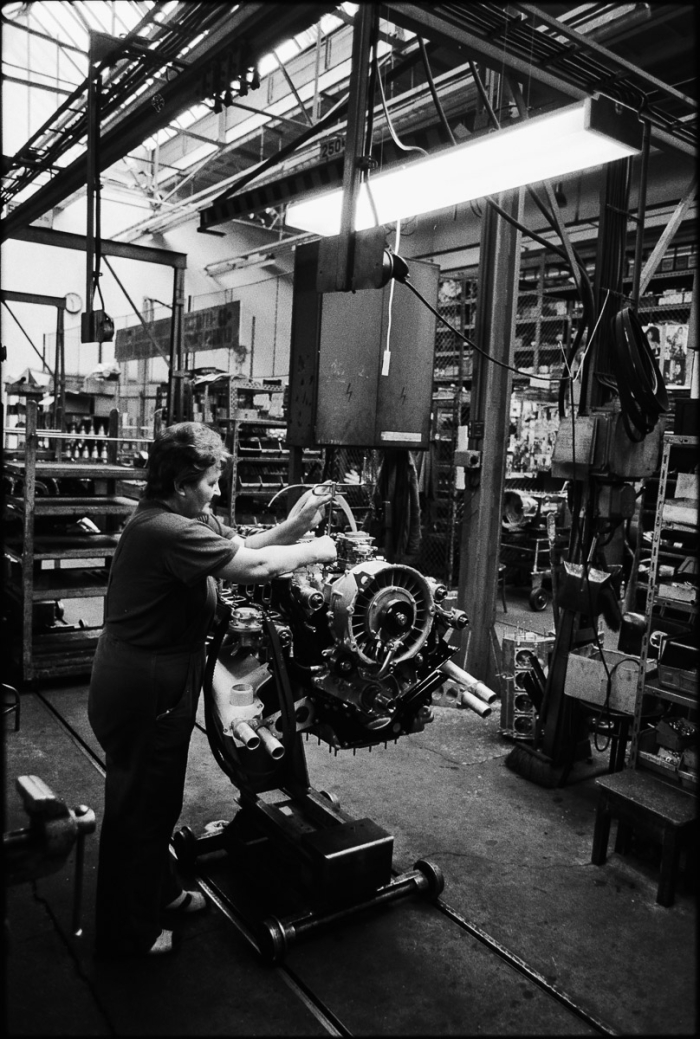
A woman appears between several machine tools. Elsewhere, a man leans over an engine while other workers assemble transmissions. In some images, the equipment occupies almost the entire frame and the workers become just one element among many.
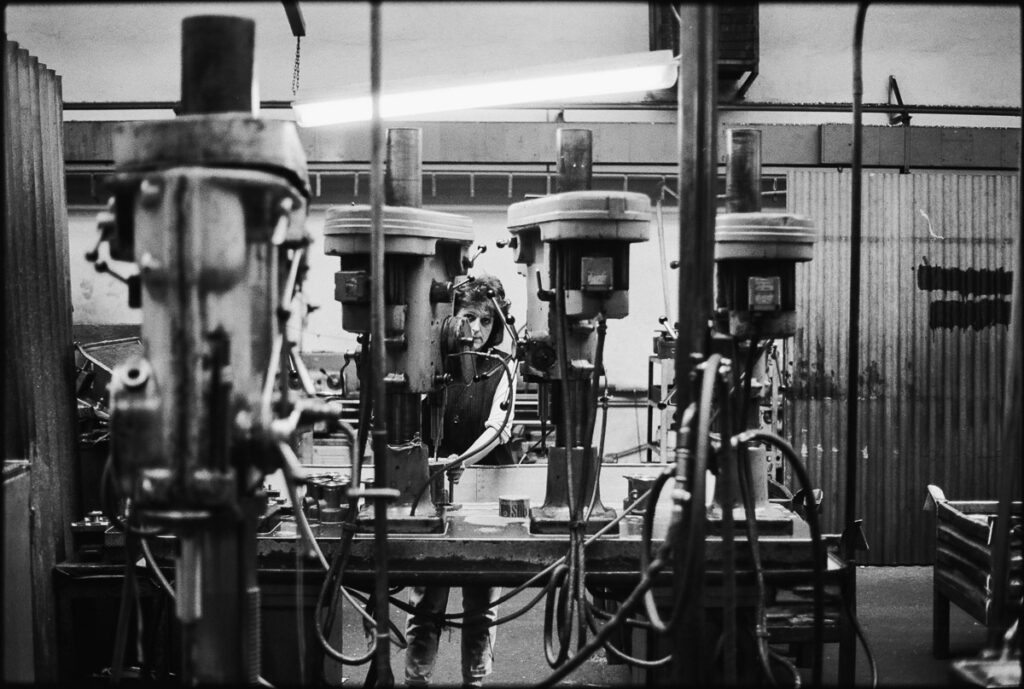 Workers in the engine workshop at the Tatra factory in Příbor, Czechoslovakia 1991 – Photo: © Sebastien Desnoulez
The machinery, gestures and organisation of the workstations therefore describe everyday working life without the worker necessarily being placed at the centre of every photograph. It is this relationship between people and their surroundings that interests me more in the black-and-white images.
Václav Havel, Dakar trucks and pin-ups
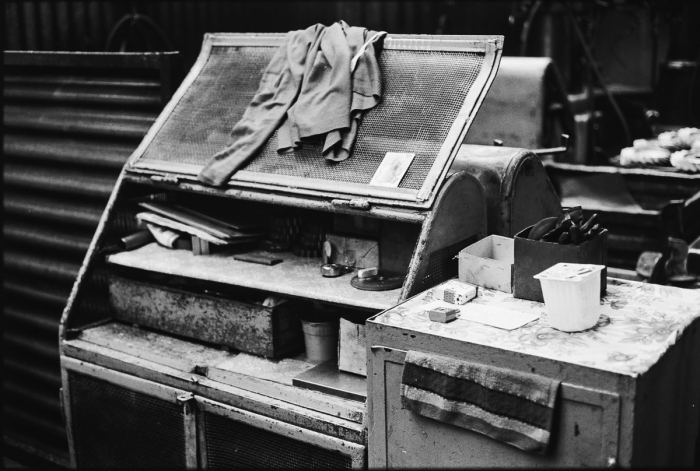
The walls of the workshops also provide information about the period.
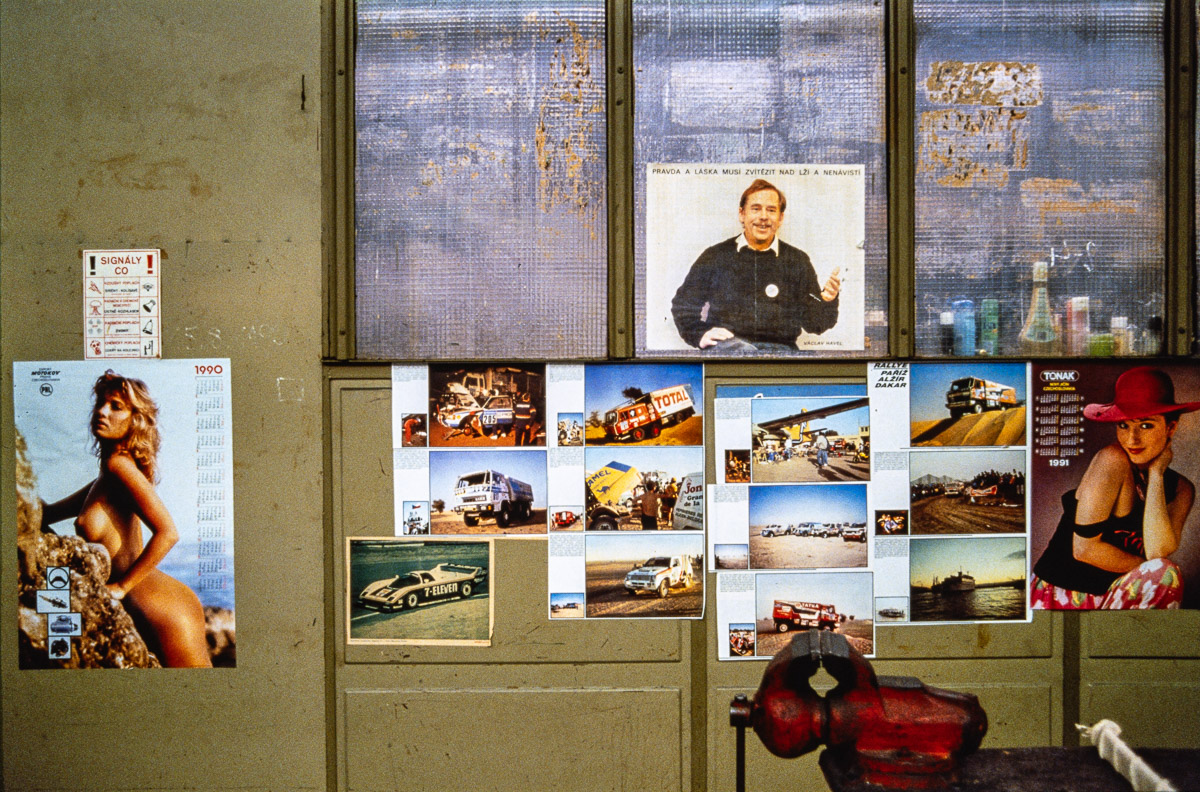
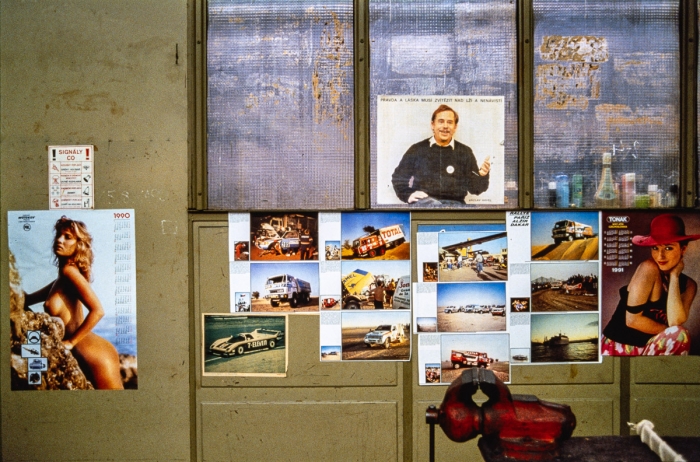
On one of them, photographs of nude women hang alongside images of Tatra trucks competing in the Dakar Rally and a portrait of Václav Havel.
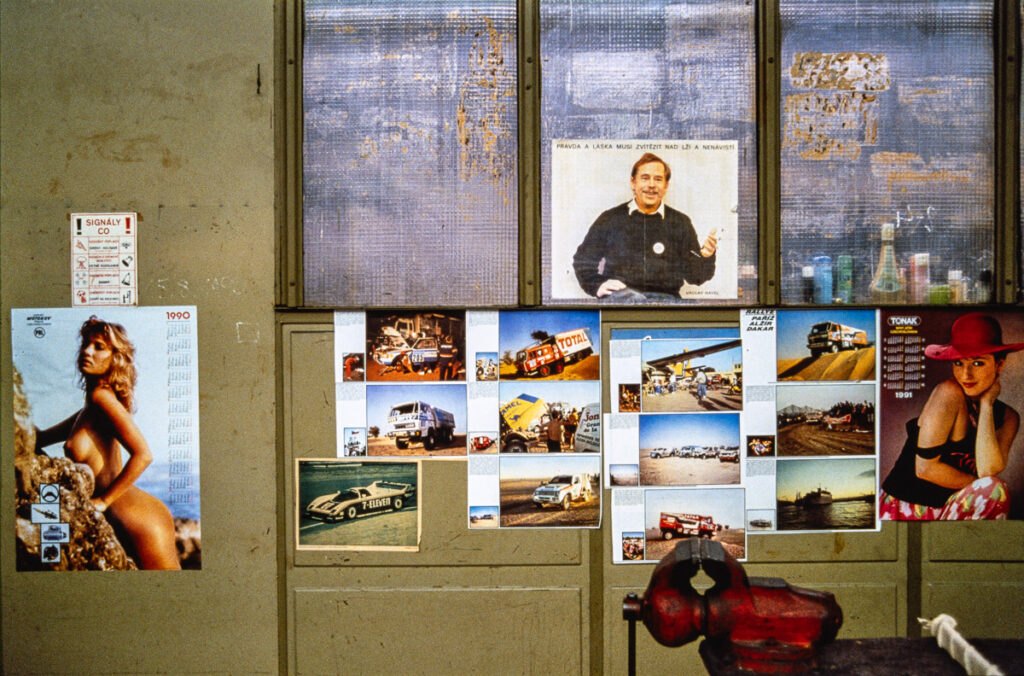 Václav Havel, Tatra Dakar trucks and pin-ups at the Tatra factory in Příbor, Czechoslovakia 1991 – Photo: © Sebastien Desnoulez
Elsewhere, slogans about quality and production-monitoring boards recall the industrial organisation of the period.
These very different elements still coexist in the factory in February 1991: references to the way the company operated under the previous regime, pride in Tatra’s sporting successes, and the portrait of the former dissident who had become President of the Republic.
Photographing the Tatra 613 in the snow
After visiting the factory, we went into the centre of the town to photograph the Tatra 613.
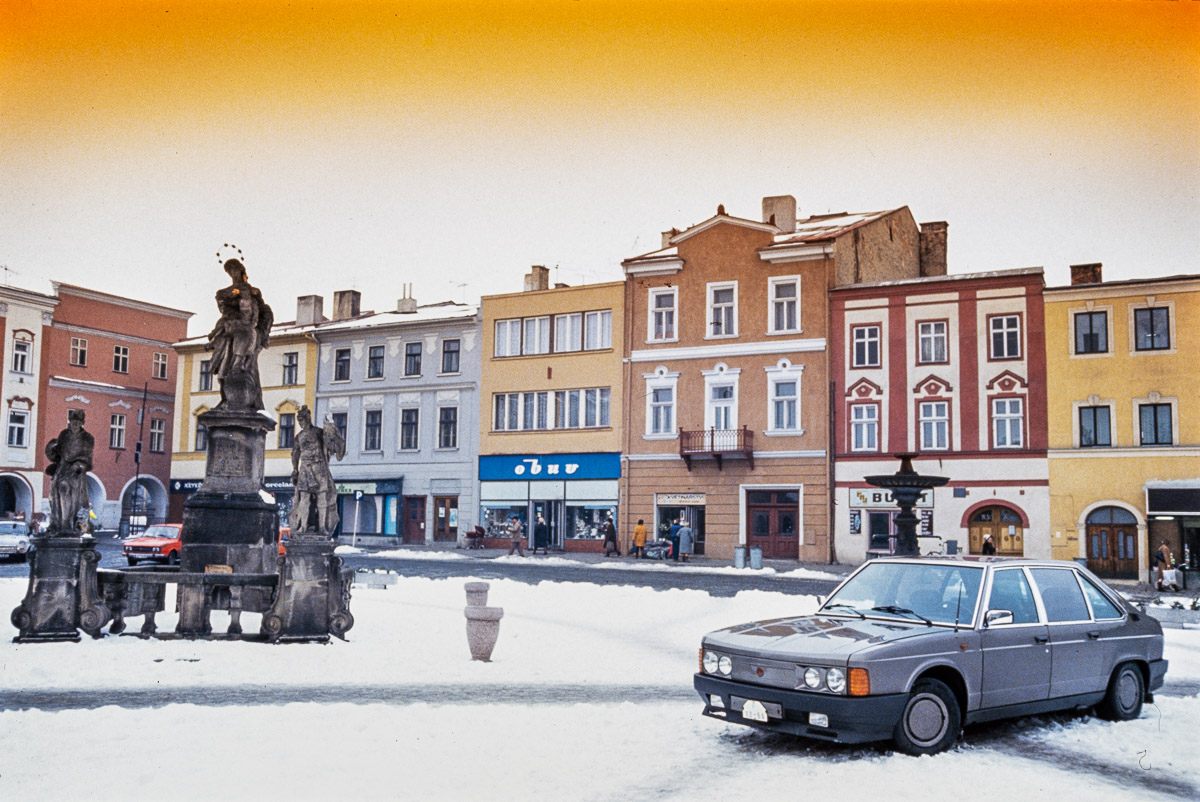
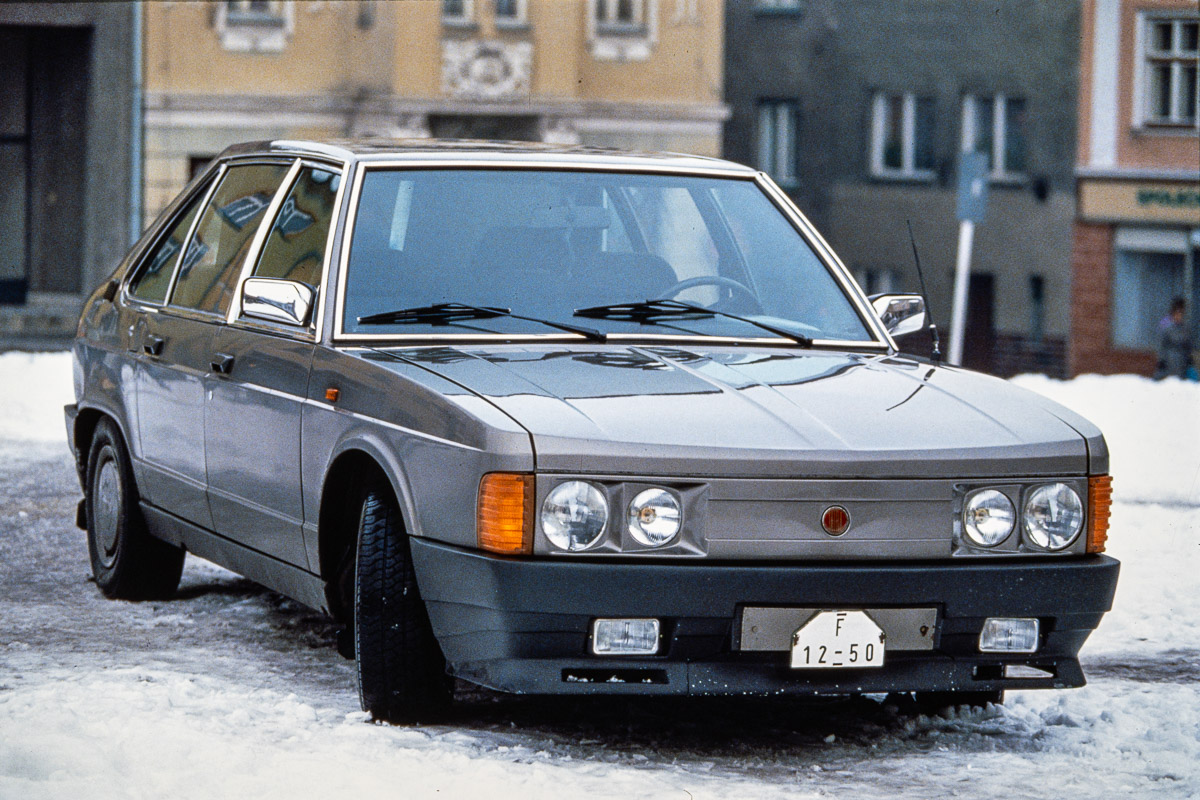
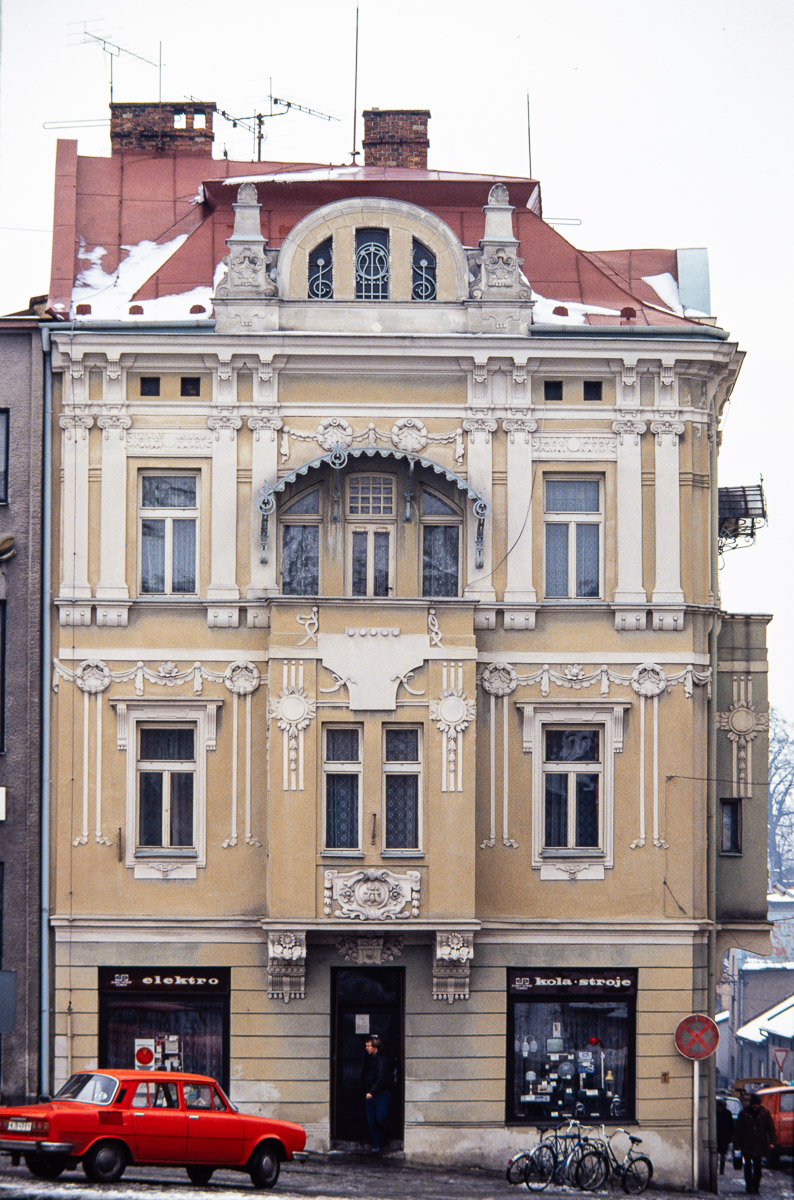
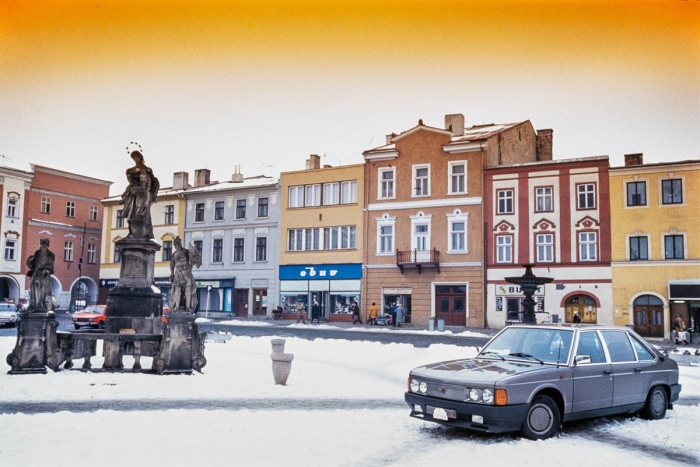
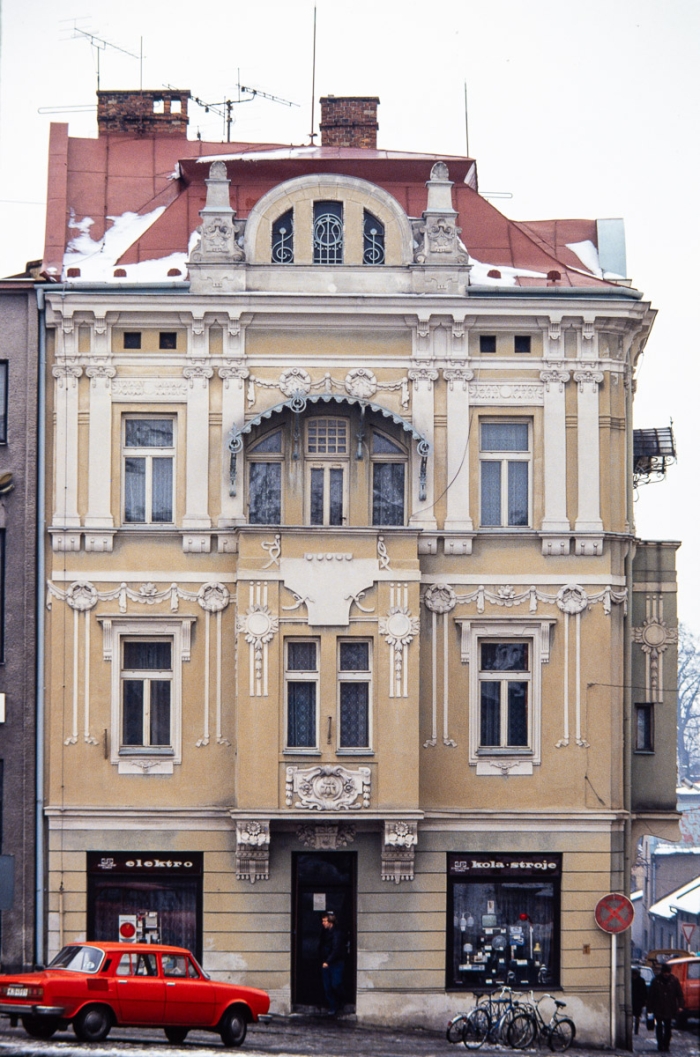
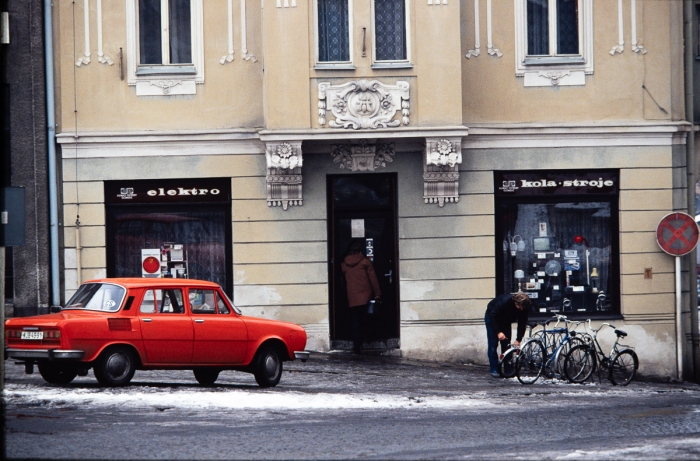
The saloon was positioned on a square still covered in snow, in front of the colourful façades of the surrounding houses. Its large, angular silhouette contrasted with the architecture of the historic centre.
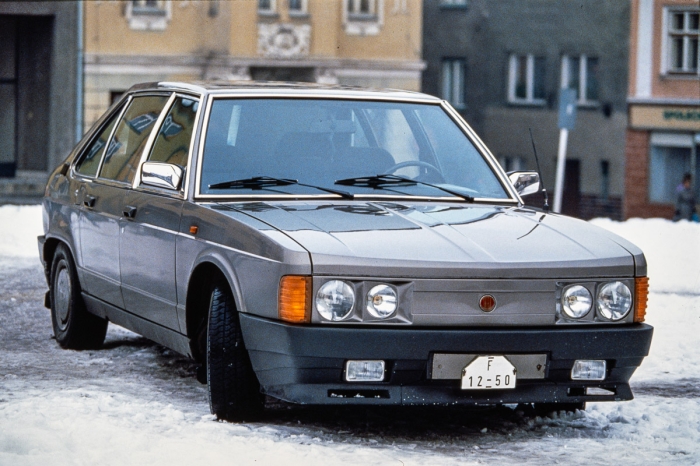
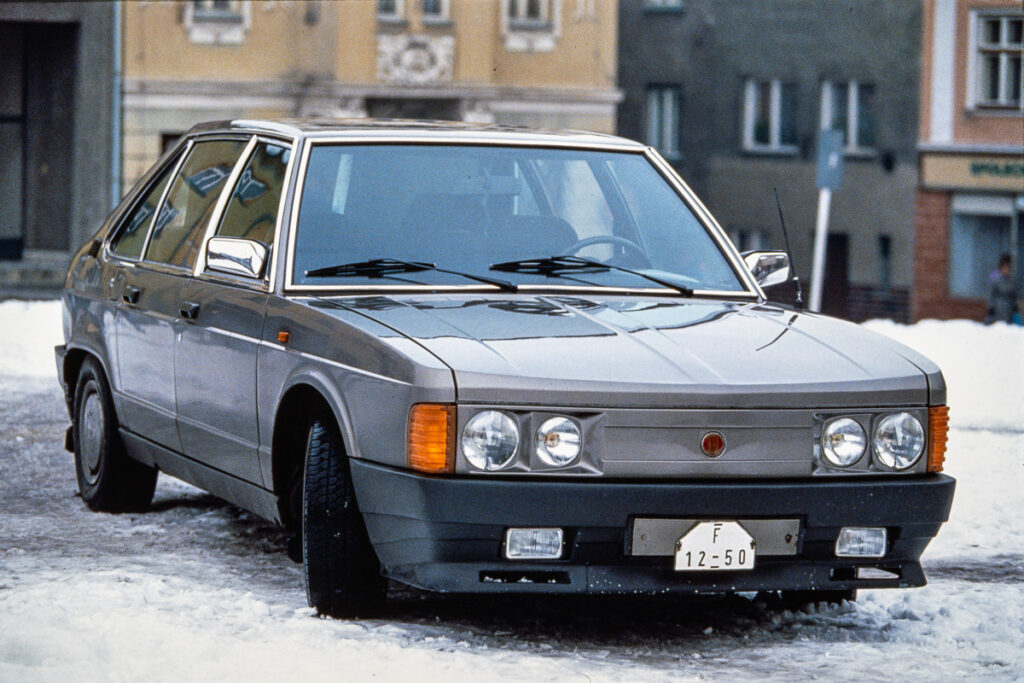 Tatra 613 in Příbor, Czechoslovakia 1991 – Photo: © Sebastien Desnoulez
I made several photographs of the car, including a front three-quarter view and an image with the rear engine compartment open.
For the wider photograph, I used a tobacco graduated filter. This type of filter, which colours the upper part of the image, was frequently used in car magazines at the time to darken the sky and create a more dramatic atmosphere.
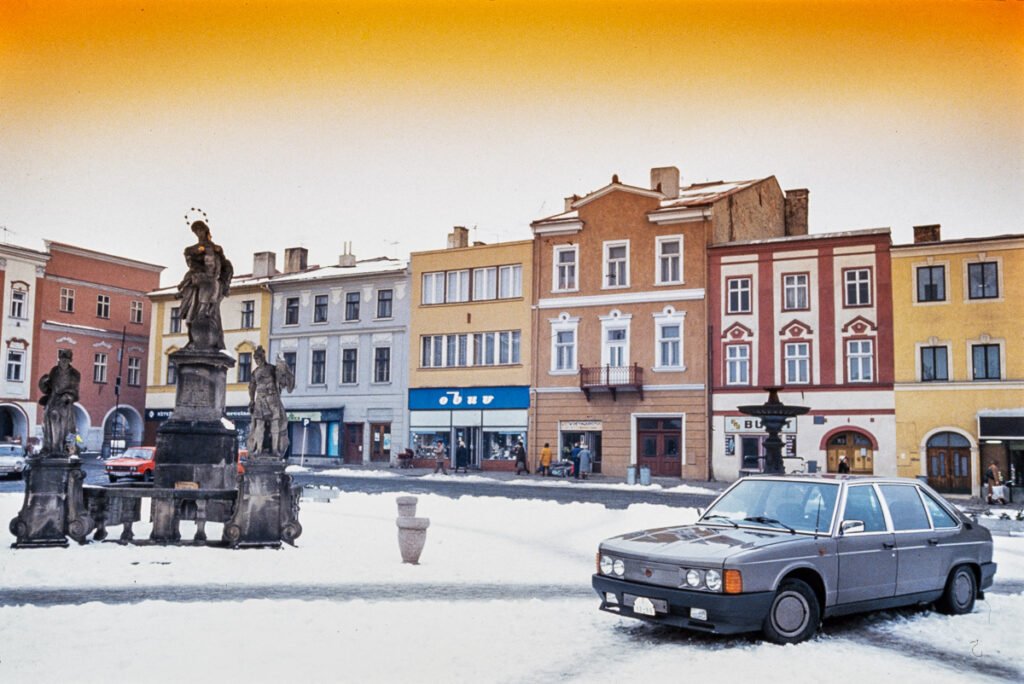 Tatra 613 photographed with a tobacco graduated filter in Příbor, Czechoslovakia 1991 – Photo: © Sebastien Desnoulez
Looking at it today, this photograph is fairly representative of a visual style still common in the automotive press in the early 1990s. The effects were created directly in camera, on film, with no possibility of altering them afterwards in the way we would now work from a digital file.
Tatra facing the opening of the automotive market
This assignment took place at a decisive moment in Tatra’s history.
For several decades, the company had benefited from a protected market and a substantial institutional customer base. In 1991, that environment was disappearing rapidly. Political and economic leaders could now choose Mercedes, BMW or other large Western saloons.
Tatra had to modernise its production facilities, develop its cars and find new customers. The Tatra 613 retained a highly distinctive engineering layout, but it now faced direct competition from models that had long been designed for an open market.
Looking again today at the black-and-white negatives also gives the assignment another dimension. The photographs made in Příbor document the Tatra 613 and the way it was built, but they also show the workers, their workstations and the industrial environment in which the car was still being produced in 1991.
They therefore preserve a record of a Czechoslovak car factory at a time when its political, economic and industrial context was changing very rapidly.
You can also read Prague in March 1991, a photographic return to a city in transition
About the author
Sebastien Desnoulez is a photographer, author and image maker based in Paris. His work spans architectural photography, landscape photography and travel photography, with particular attention to composition, lines, light, blur and visual accidents. Trained in photography in the mid-1980s, he covered Formula 1 and reported from around the world before developing a fine art photography practice built around the tension between graphic rigour and visual instability. He also shares his technical experience through practical articles for passionate photographers, drawing on a strong visual culture acquired in both film and digital photography.
Click on the photographs below to view them full screen.
All the photos displayed on this website are copyright protected © Sebastien Desnoulez. No use is permitted without the author’s written permission.
Legal notice
Tags